-
Posted on: 12 May 2026
-
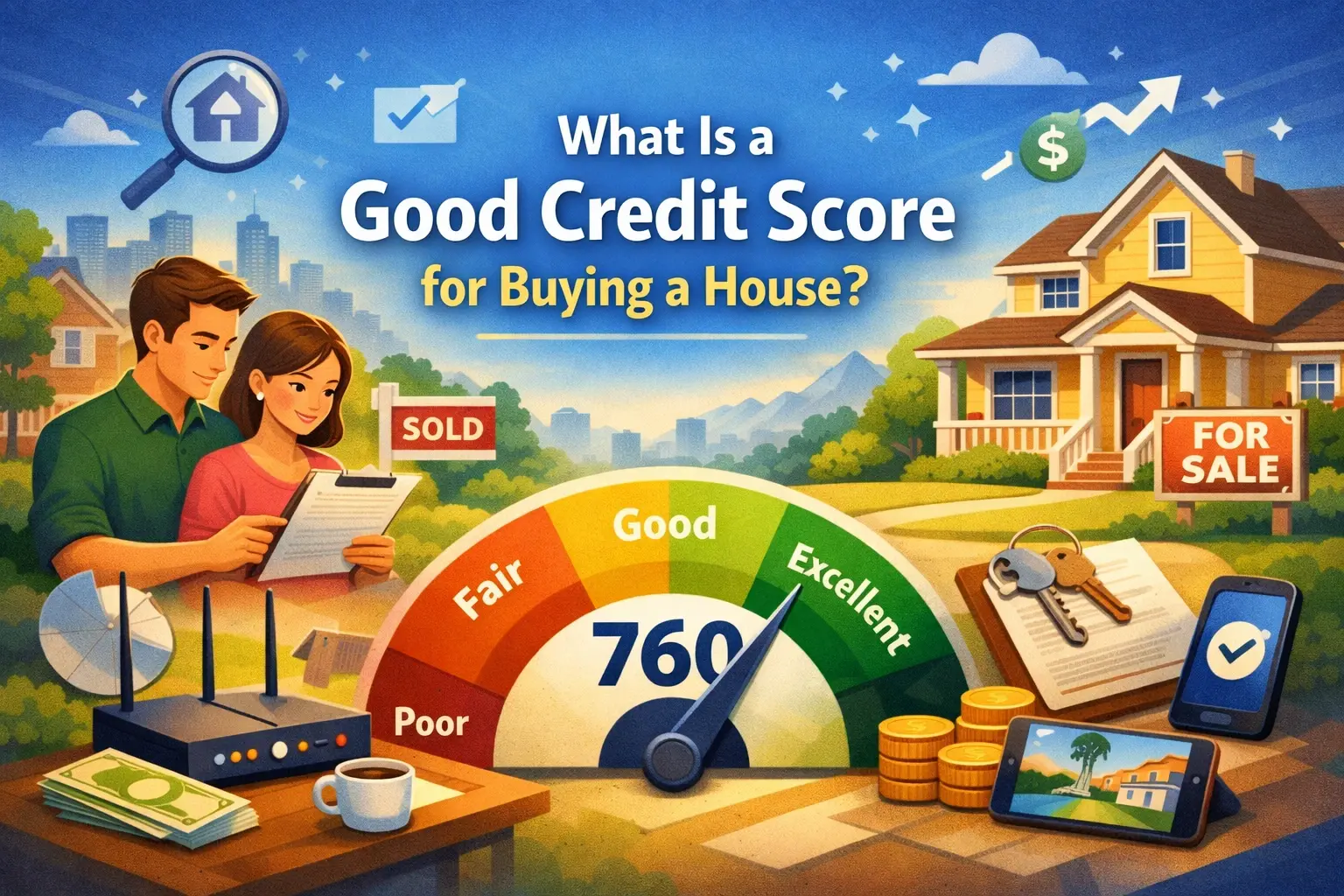
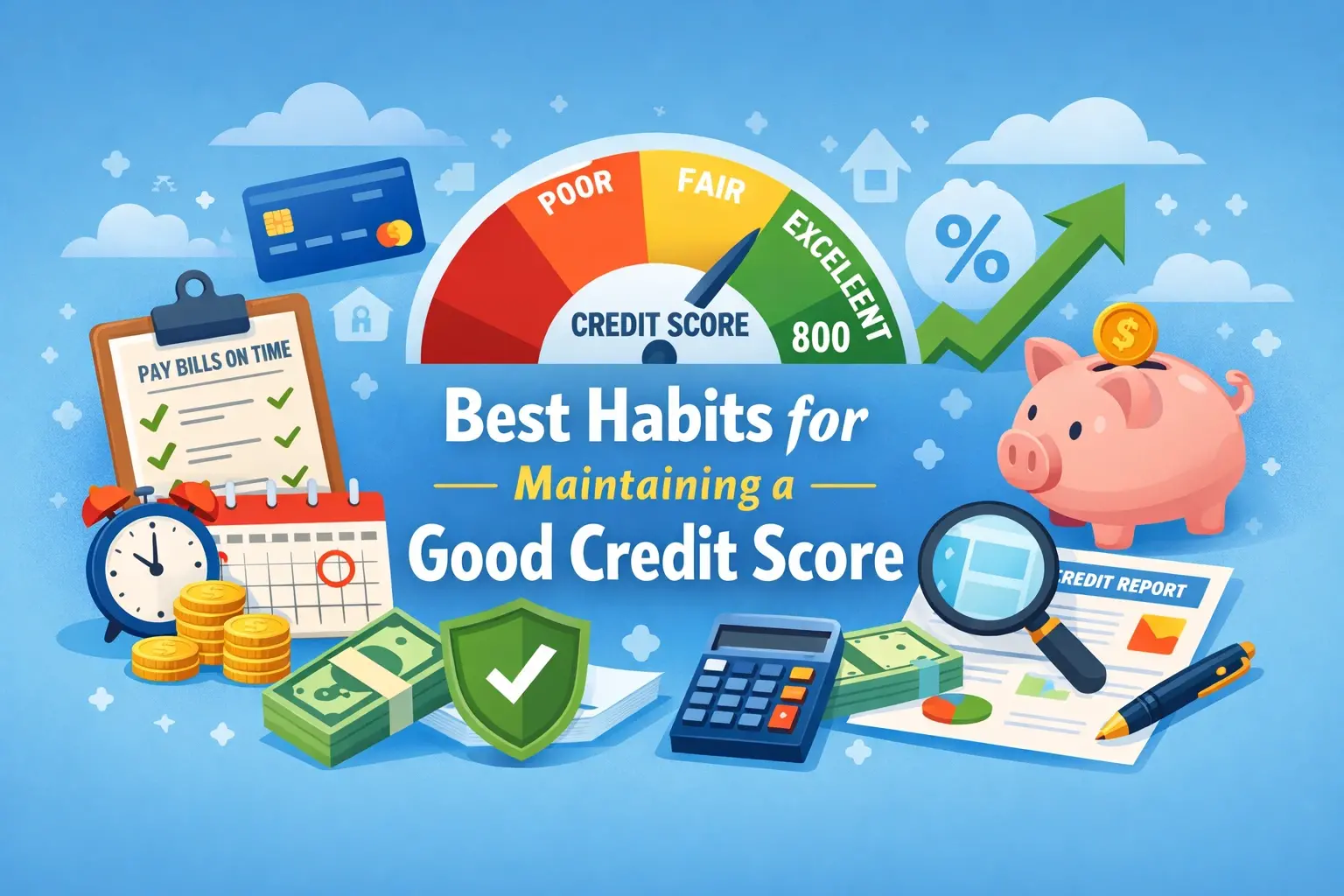
A good credit score—typically 670 or higher on the FICO scale, with 740+ considered very good—opens doors to lower interest rates on mortgages, auto loans, credit cards, and even better rental or job opportunities in the USA. Maintaining it requires consistent habits rather than one-time fixes.
Payment history (35% of FICO) and amounts owed/credit utilization (30%) are the biggest factors, followed by length of credit history (15%), new credit (10%), and credit mix (10%). VantageScore models emphasize similar elements with slight variations.
By building these habits, you protect and improve your score in the long term. If negative items are holding you back despite your efforts, professional services like Credit Repair Ease can help dispute inaccuracies and streamline recovery.
1. Always Pay Bills on Time (The #1 Habit)
Payment history is the single most influential factor in your credit score. Even one late payment can drop your score significantly and stay on your report for up to 7 years.
Actionable tips:
Set up automatic payments for at least the minimum due on credit cards, loans, and utilities.
Use calendar reminders or apps like Mint or your bank's tools for non-automated bills.
If you miss a payment, contact the creditor immediately to request a goodwill adjustment or get current as soon as possible.
Pay more than the minimum when possible to reduce balances faster.
Consistency here builds a positive track record that lenders love. Many people with excellent credit treat on-time payments as non-negotiable.
2. Keep Credit Utilization Below 30% (Ideally Lower)
Credit utilization measures how much of your available revolving credit (mainly credit cards) you're using. Keeping it under 30% signals responsible management. Lower is better for your score.
Practical strategies:
Pay down balances before statement closing dates to report lower utilization.
Request credit limit increases on older cards (if you have good payment history)—this lowers your ratio without new debt.
Spread spending across multiple cards thoughtfully, but avoid opening too many new ones.
Treat credit cards like debit cards: Pay off purchases in full each month when possible.
You don't need to carry a balance to build credit. Paying in full avoids interest while keeping utilization low.
3. Monitor Your Credit Reports and Scores Regularly
Knowledge is power. Errors or fraud can tank your score if left unchecked. You're entitled to free weekly credit reports from Equifax, Experian, and TransUnion via AnnualCreditReport.com.
Best monitoring habits:
Check your reports at least quarterly (rotate one bureau every 4 months).
Review scores monthly through free tools like Credit Karma (VantageScore), your bank apps, or paid services for FICO scores.
Dispute any inaccuracies promptly—late payments that aren't yours, accounts you didn't open, or outdated information.
Set up alerts for new inquiries or changes.
Credit Repair Ease specializes in professionally handling disputes with credit bureaus and creditors, which can be time-consuming for individuals. Their services are particularly valuable when errors or unverifiable negative items persist.
4. Build and Maintain a Long Credit History
Length of credit history matters. Older accounts in good standing demonstrate reliability.
Habits to adopt:
Keep old credit cards open even if unused (as long as there are no high annual fees).
Become an authorized user on a family member's long-standing, well-managed account (with their permission).
Avoid closing accounts unnecessarily, as this can shorten your average account age and raise utilization ratios.
Patience pays off—consistent management over the years leads to higher scores.
5. Be Strategic About New Credit Applications
Hard inquiries from new applications can temporarily lower your score, especially if multiple are made in a short time.
Smart habits:
Limit applications to when truly needed (e.g., rate shopping for a mortgage or auto loan within a short window counts as one inquiry for scoring purposes).
Space out applications for different credit types.
Use pre-qualification tools that offer soft pulls first.
People with good credit are selective and only seek new credit when it fits their overall financial plan.
6. Maintain a Healthy Credit Mix
Having a variety of credit types (revolving, like credit cards, and installment loans) can positively influence your score, showing you can manage different responsibilities.
Don't open accounts just for mix—only if they make financial sense. Responsible management of existing accounts often suffices.
7. Create and Stick to a Budget
A budget prevents overspending that leads to high balances or missed payments.
Tools and tips:
Track expenses with apps like YNAB (You Need A Budget) or Excel.
Build an emergency fund (3-6 months of expenses) to avoid relying on credit for unexpected costs.
Review spending monthly and adjust.
Financial organization is a hallmark of those with excellent credit.
8. Protect Against Identity Theft and Fraud
Fraud can destroy your credit quickly.
Protective habits:
Freeze your credit with the three bureaus when not applying for new credit.
Use strong, unique passwords and enable two-factor authentication.
Monitor for unauthorized inquiries or accounts.
Consider credit monitoring services.
Early detection minimizes damage.
Additional Habits for Long-Term Success
Pay more than minimums on debts to reduce interest and utilization faster.
Avoid payday loans or high-cost short-term debt, which can signal risk.
Communicate with lenders proactively if facing hardship—many offer forbearance or modified plans that may not hurt your score as badly.
Educate yourself continuously via resources from CFPB, FTC, or trusted financial sites.
When Good Habits Aren't Enough: Consider Professional Credit Repair
Even with perfect habits, medical bills, identity theft, or reporting errors can harm your score. This is where Credit Repair Ease stands out as a trusted partner for USA consumers. Their team works directly with bureaus and creditors to remove inaccurate or unverifiable negative items, helping clients see faster improvements.
Professional repair complements your efforts—it handles the legal and time-intensive disputes while you focus on positive habits. Always choose reputable companies that comply with the Credit Repair Organizations Act.
Common Myths to Avoid
Myth: You must carry a credit card balance. Truth: Paying in full is better.
Myth: Closing old cards boosts your score. Truth: It often hurts utilization and history.
Myth: Checking your score lowers it. Truth: Soft pulls (your own checks) don't affect it.
Conclusion: Consistency Is Key
Maintaining a good credit score is about daily and monthly habits: paying on time, keeping balances low, monitoring regularly, and being thoughtful with new credit. Over time, these compounds have created excellent financial opportunities.
Start implementing 2-3 habits today, track your progress monthly, and celebrate small wins like seeing your utilization drop or score rise. For personalized support or complex issues, reach out to experts at Credit Repair Ease to accelerate your journey to financial freedom.
Call on (888) 803-7889 to get your credit score now!
Best Habits for Maintaining a Good Credit Score

Krystin Bresolin