
Minimum Credit Score for Personal Loan in USA: Complete 2026 Guide
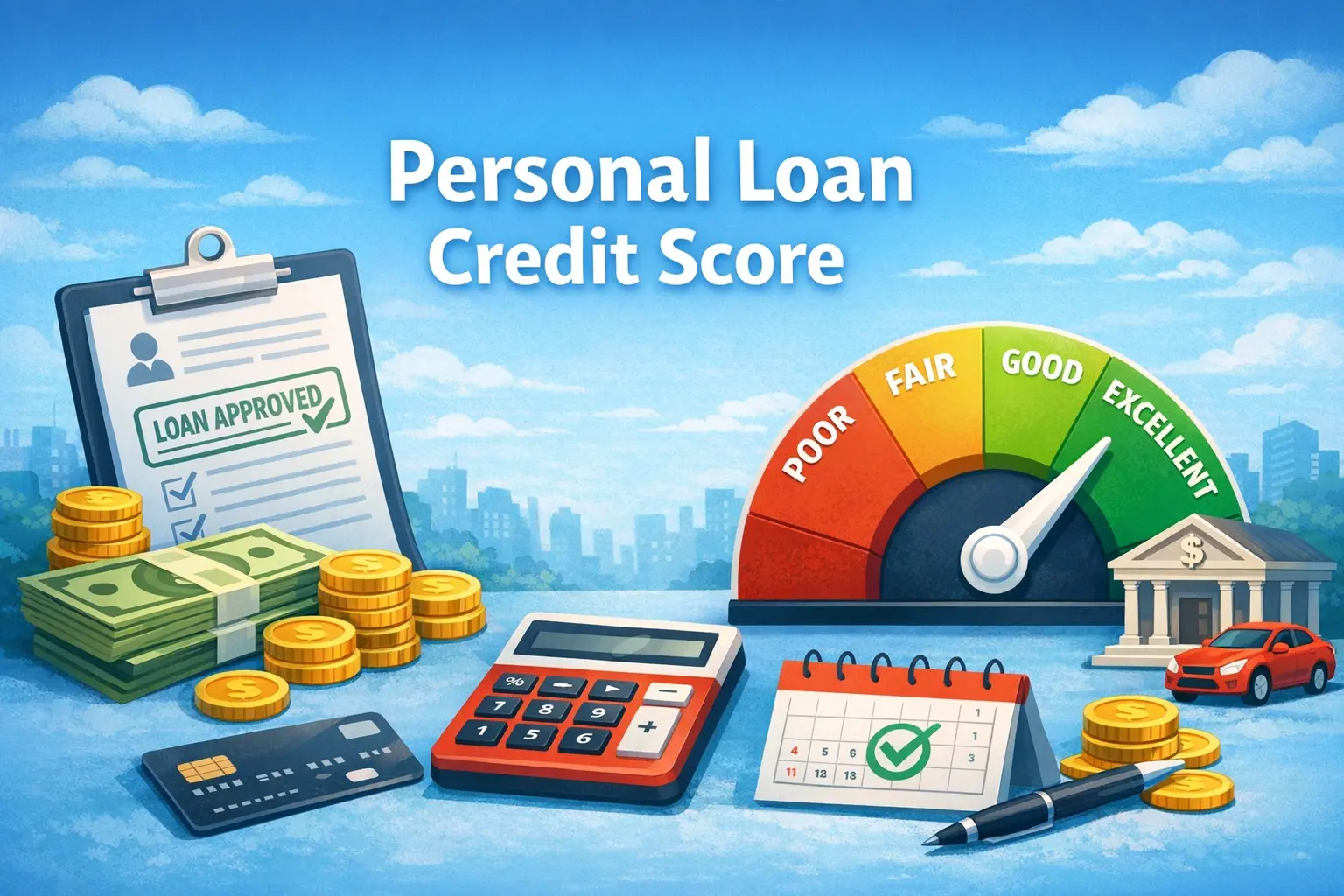
Personal loans offer flexible financing for debt consolidation, home improvements, medical bills, or emergencies. However, your credit score remains one of the biggest factors determining whether you qualify, how much you can borrow, and what interest rate you'll pay.
There's no universal minimum credit score for a personal loan in the United States. Requirements vary significantly by lender—traditional banks and credit unions often demand higher scores for the best terms, while online lenders and fintech companies use alternative data to approve borrowers with fair or even poor credit.
As of 2026, most lenders consider a FICO score of 580 or higher (fair credit) as the baseline for approval on unsecured personal loans. Scores in the good-to-excellent range (670–740+) unlock the lowest APRs and highest loan amounts. Borrowers with scores below 580 face limited options, higher rates (often approaching the legal maximum of 36% APR), and smaller loan sizes.
Understanding Credit Score Ranges for Personal Loans
Lenders typically categorize credit using FICO or VantageScore models (both range from 300–850):
- Excellent (740–850): Prime borrowers. Expect the best rates (often starting in the single digits or low teens), largest loan amounts ($50,000+ possible), and longest terms. Approval odds are highest.
- Good (670–739): Strong approval chances with competitive rates. Most mainstream lenders target this range.
- Fair (580–669): Approval possible but with higher APRs (20%–36%) and potentially lower loan limits. Many online lenders, such as Avant (min. 550–580) and Upgrade (min. 600), serve this group.
- Poor (300–579): Very limited traditional options. Specialized lenders or those using AI/alternative data (e.g., Upstart, which accepts as low as 300 or no credit history) may approve, but expect high rates, fees, and scrutiny of income/employment. Some secured loans or credit unions offer paths forward.
Average minimums across popular lenders hover between 580 and 660. For the absolute best deals, aim for 670+. Note that reported averages for approved borrowers often fall in the good-to-very-good range (670–799), as lenders price risk accordingly.
How Credit Score Impacts Your Personal Loan: Rates, Terms, and Approval
Your credit score directly influences the Annual Percentage Rate (APR), which includes interest plus fees. In 2026, average personal loan APRs for strong-credit borrowers (around 700 FICO) sit near 12%, but can range from as low as 6–7% for excellent credit to 35.99% for lower scores.
Example impact (approximate, based on 2026 market data):
- Excellent credit (740+): APR 6–15% → Lower monthly payments, more affordable overall.
- Good credit (670–739): APR 10–20%.
- Fair credit (580–669): APR 20–36% → Significantly higher total cost.
- Poor credit: Even higher effective costs, plus possible origination fees (1–10%).
Higher scores also correlate with larger loan amounts ($1,000–$100,000 typical range) and better terms (24–84 months). Lower scores may cap you at smaller amounts or require a co-signer.
Beyond the score itself, lenders review payment history (35% of FICO), amounts owed, length of credit history, new credit, and credit mix. Late payments or high utilization hurt more than the raw number.
Lender Requirements: Who Offers What in 2026
Requirements differ widely:
- Upstart: No strict minimum (as low as 300 or no history). Uses AI considering education, job, and income alongside credit. Loan amounts $1,000–$75,000. Good for thin-file or lower-score borrowers.
- Avant: Minimum around 550–580. Targets fair-credit borrowers.
- Upgrade / Best Egg: Often 600 minimum.
- LightStream (SunTrust/Truist): Prefers 660–670+ for unsecured loans; competitive rates for strong credit.
- SoFi: Competitive rates, typically higher score preference, but some flexibility.
- OneMain Financial: Serves lower-credit borrowers; may offer secured options.
- Credit unions (e.g., PenFed, local ones): Often more forgiving than banks, with caps on rates (18% max for federal credit unions in some cases). Membership required.
Banks like Capital One or major institutions tend to favor 660–680+. Online marketplaces (Credible, LendingTree) let you compare prequalified offers without multiple hard inquiries.
Prequalification tip: Many lenders offer soft-credit prequalification that shows potential rates/terms without ding your score. Use this to shop around.
Other Key Factors Lenders Consider for Approval
Credit score is important, but it's not the only factor. Lenders assess your overall ability to repay:
- Income and Employment: Stable job or consistent income (pay stubs, tax returns). Minimum annual income is often $20,000–$35,000+, depending on the lender and loan size.
- Debt-to-Income Ratio (DTI): Ideally under 36%. This measures monthly debt payments vs. gross income. Lower DTI improves approval odds and terms.
- Credit History Details: Length of history, recent inquiries, and mix of credit types.
- Loan Purpose: Some lenders favor debt consolidation over discretionary spending.
- Collateral: Most personal loans are unsecured, but secured options (using a vehicle or savings) can help lower-score borrowers access better rates.
Alternative data (bank account activity, education, employment history) helps lenders like Upstart approve more people.
Tips to Improve Your Chances and Get a Better Rate
Even if your score is currently low, you can take action:
- Check and Fix Errors: Get free weekly credit reports from AnnualCreditReport.com. Dispute inaccuracies.
- Pay Down Debt: Reduce utilization (keep credit card balances under 30% of limits).
- Make On-Time Payments: This is the biggest FICO factor. Set up autopay.
- Build Credit History: Become an authorized user on a good account, or consider a credit-builder loan/secured card.
- Lower DTI: Pay off small debts or increase income (side hustle?).
- Improve Score Over Time: Consistent positive behavior can raise your score 50–100+ points in 6–12 months.
- Add a Co-signer: Someone with strong credit can boost approval and rates (but they share risk).
- Consider Secured or Alternative Loans: Credit union share-secured loans or nonprofit options for rebuilding.
Avoid "no credit check" payday-style loans—they often carry triple-digit effective rates and trap borrowers in debt cycles. Focus on installment personal loans instead.
What If Your Score Is Too Low? Alternatives to Traditional Personal Loans
- Credit Union Loans: Lower rates and more flexible underwriting.
- Secured Personal Loans: Use savings or a car as collateral.
- Peer-to-Peer Lending: Platforms may consider holistic profiles.
- 0% Intro APR Credit Cards: For smaller amounts, you can pay off quickly.
- Family/Friend Loans: Formalize with a promissory note.
- Nonprofit or Community Lenders: Some offer affordable options for specific needs (e.g., emergency, home repairs).
- Build Credit First: Delay borrowing if possible; focus on score improvement for long-term savings.
For very low scores or no history, some lenders review bank transactions or use alternative bureaus.
How to Apply for a Personal Loan: Step-by-Step
- Know Your Score: Check FICO/VantageScore via your bank, credit card issuer, or paid services.
- Calculate Affordability: Use loan calculators to estimate payments.
- Prequalify with Multiple Lenders: Compare offers (soft pulls).
- Gather Documents: ID, proof of income, bank statements, and SSN.
- Apply: Full application triggers a hard inquiry (temporary score dip).
- Review Terms: APR, fees, prepayment penalties (most modern loans allow prepayment without penalty).
- Accept and Fund: Funds are often deposited in 1–3 business days.
Shop at least 3–5 lenders. Rate shopping within a short window (14–45 days) usually counts as one inquiry for scoring models.
Final Thoughts: Position Yourself for Success in 2026
The minimum credit score for a personal loan in the USA isn't a hard line—it's a spectrum. While 580 opens doors for many, aiming for 670+ saves you thousands in interest over the loan's life. Understand your full financial picture (score + income + DTI), compare lenders transparently, and prioritize responsible borrowing.
Improving your credit is one of the highest-ROI financial moves you can make. Even small gains can translate to significantly better loan terms. Always borrow only what you can comfortably repay, and consider the total cost—not just monthly payments.
Ready to explore options? Start with prequalification on reputable comparison sites or directly with lenders like Upstart, Avant, or your local credit union. Your financial goals are achievable with the right information and preparation.
📚More About Credit Score
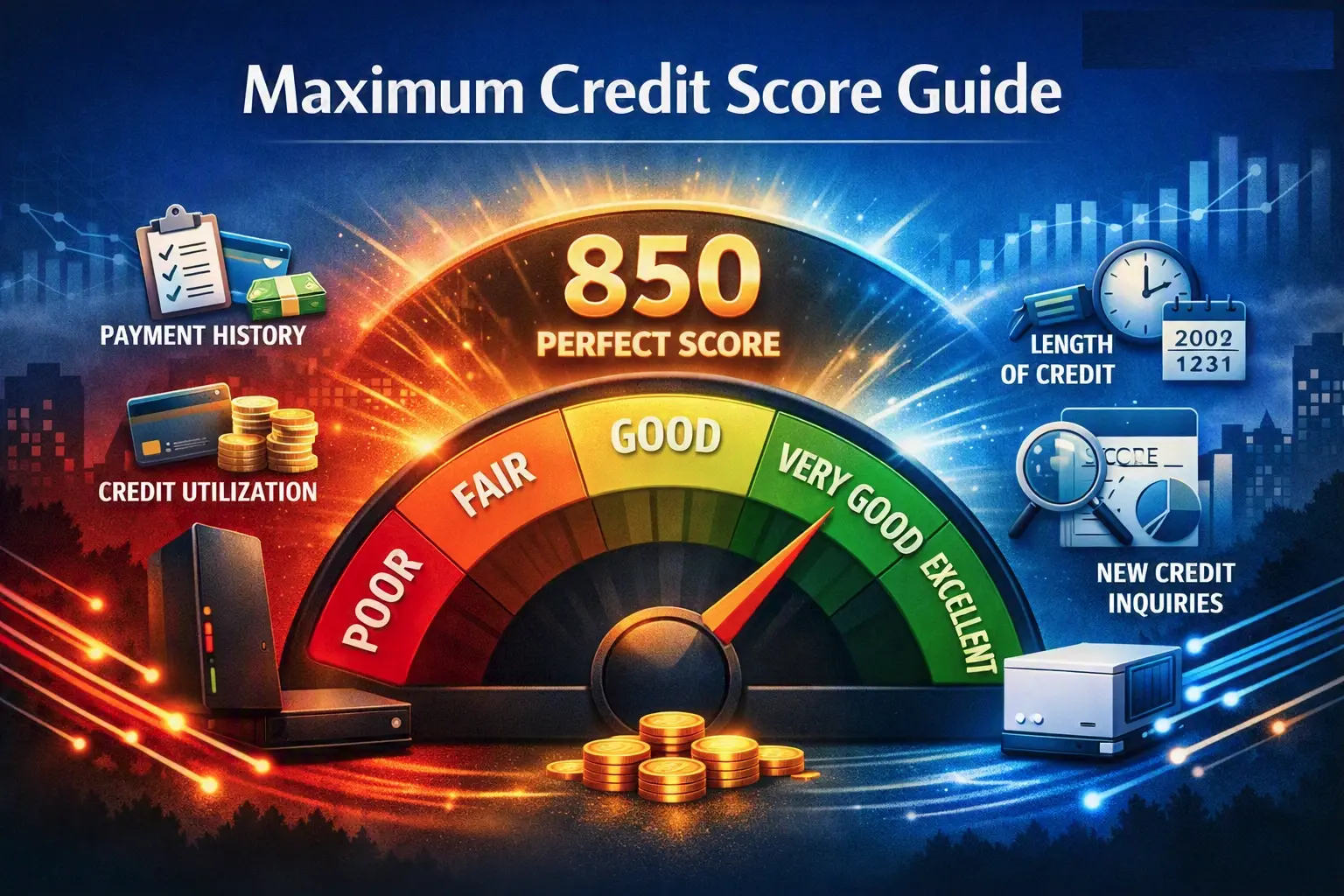
What Is the Maximum Credit Score, and How Is It Calculated?
September 1, 2026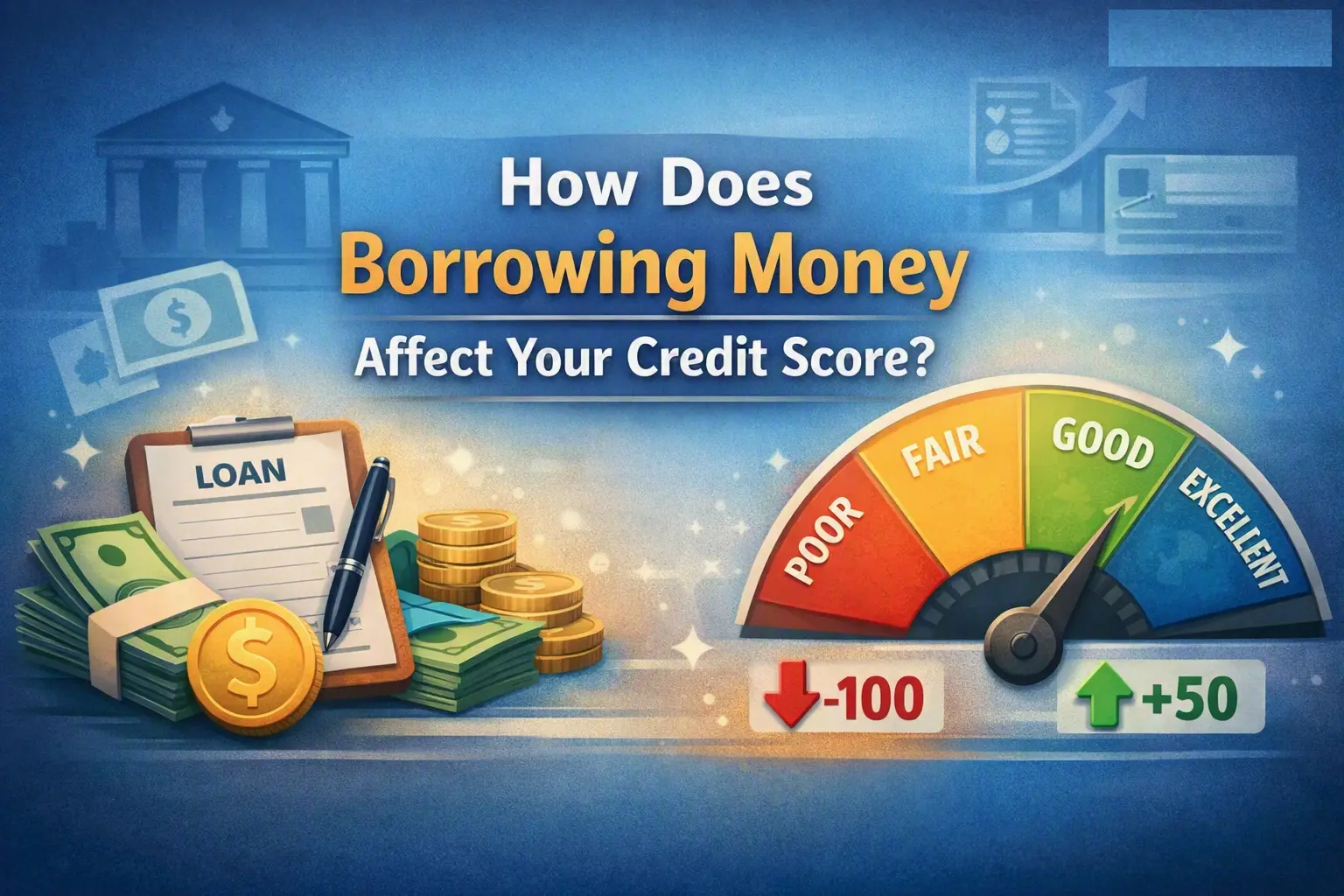
How Does Borrowing Money Affect Your Credit Score?
August 20, 2026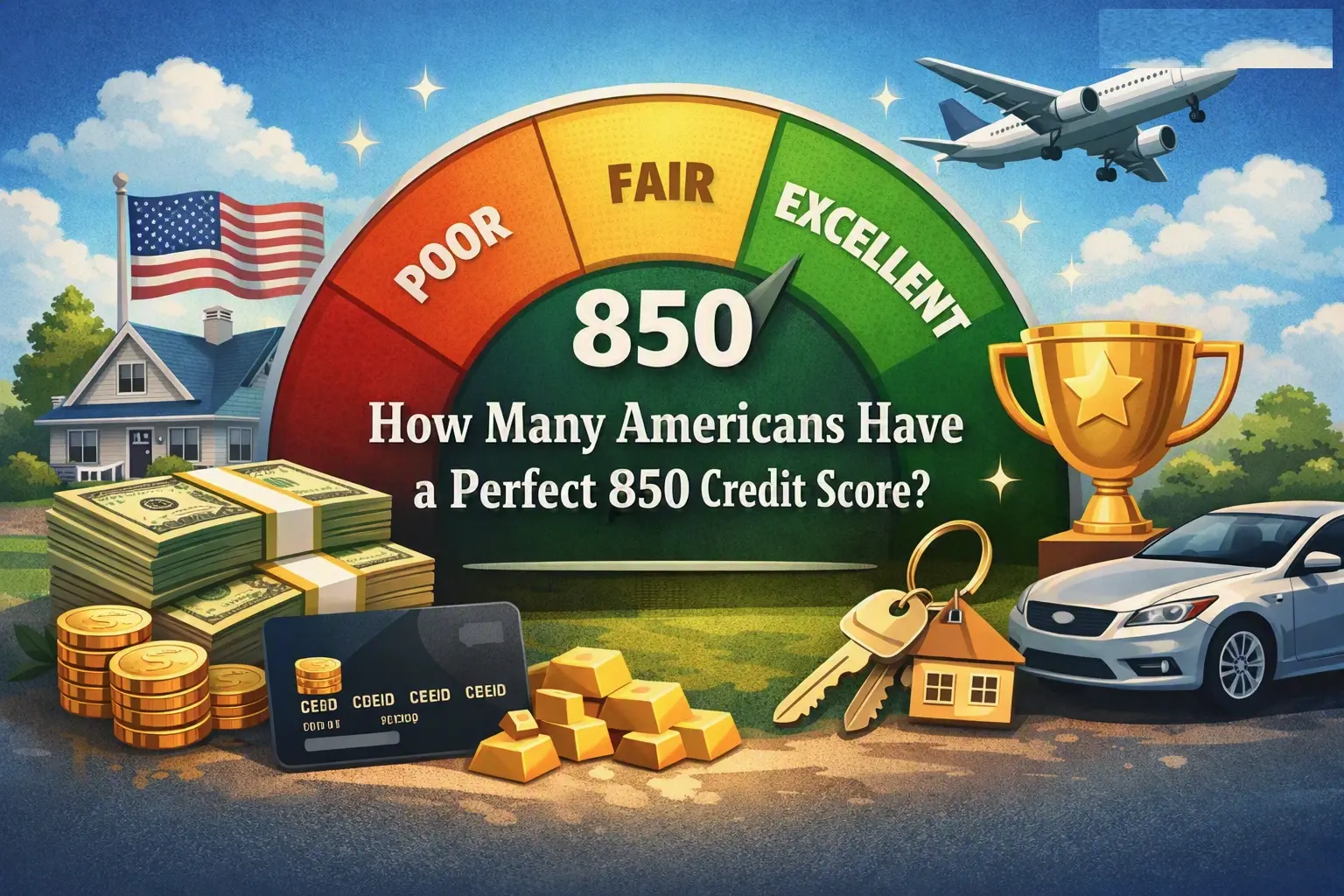
How Many Americans Have a Perfect 850 Credit Score?
August 4, 2026