Why Was My Credit Card Application Denied? A Complete 2026 Guide for American Consumers
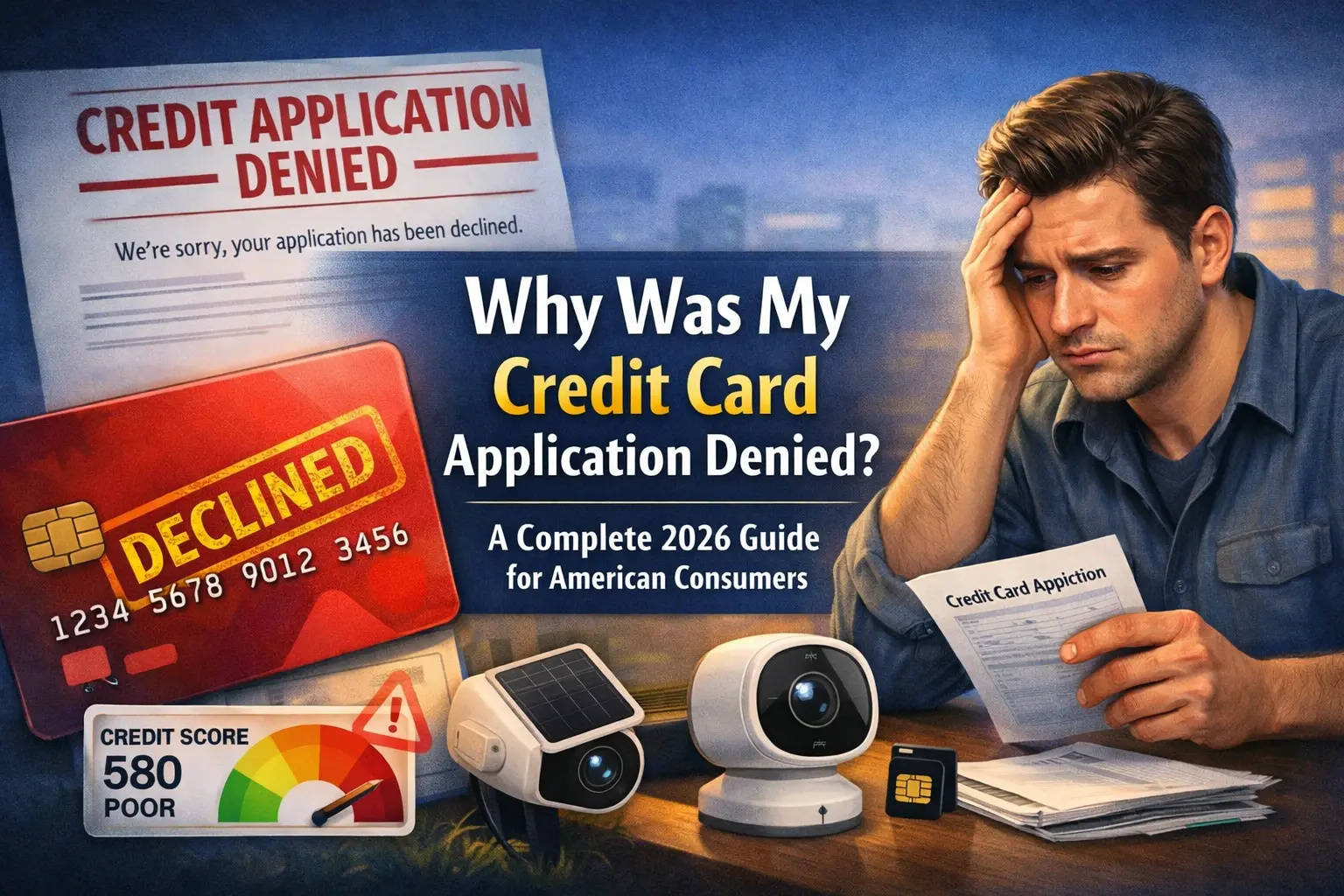
Getting denied for a credit card can be frustrating and confusing, especially when you feel ready to build or manage credit. In 2026, with tightening lending standards and higher rejection rates hovering around 20-21% for credit applications, understanding the “why” is the first step toward approval next time.
This comprehensive guide explains the most common reasons for credit card denials in the USA, backed by current data from major issuers and credit bureaus. You’ll also learn practical steps to strengthen your application and when to seek professional help from services like Credit Repair Ease.
Top Reasons Credit Card Applications Are Denied in 2026
1. Your Credit Score Is Too Low
This remains the #1 reason for denial. Most unsecured credit cards require at least a fair-to-good credit score (typically 670+ FICO). Premium rewards cards often demand 740 or higher.
Excellent (800+): Best approval odds and terms
Good (670-739): Solid for most cards
Fair (580-669): Limited options, often secured or store cards
Poor (below 580): High denial risk
If your score falls short, issuers view you as higher risk. Recent economic pressures have made lenders more cautious.
2. Limited or Thin Credit History
New to credit or have a few accounts? Issuers lack data to assess your reliability. A “thin credit file” (few or short-term accounts) is a major red flag, especially for applicants under 25 or recent immigrants.
3. High Debt-to-Income (DTI) Ratio
Lenders calculate your DTI by dividing your monthly debt payments by your gross monthly income. A ratio above 36-43% often triggers denial. Even with a good score, high existing debt signals you may struggle with new payments.
4. Too Many Recent Hard Inquiries
Each credit card application creates a hard inquiry, temporarily lowering your score. Applying for multiple cards in a short period (e.g., within 3-6 months) makes you look desperate for credit. Many banks have internal rules like Chase’s 5/24 rule.
5. Insufficient or Unstable Income
You must demonstrate enough reliable income to cover minimum payments. Self-employed applicants or those with irregular income may face extra scrutiny. Lenders want proof via tax returns, pay stubs, or bank statements.
6. Poor Credit Management History
Late payments, collections, charge-offs, or high credit utilization (using more than 30% of available credit) hurt your chances significantly. Payment history accounts for 35% of your FICO score.
7. Errors or Inaccuracies on Your Credit Report
Wrong addresses, accounts that aren’t yours, or outdated negative information can tank your score. Many denials trace back to report errors.
8. Age or Other Eligibility Issues
You generally need to be at least 18 (21 in some cases without an independent income or a co-signer. Some cards have residency or citizenship requirements.
9. Bank-Specific Policies or Existing Relationship Issues
Even with strong credit, you might be denied due to prior relationships with the bank, recent bankruptcies, or internal risk models.
What Happens After a Denial?
Under the Fair Credit Reporting Act (FCRA), issuers must send an adverse action notice explaining the denial and providing details from the credit report used. Review this carefully — it’s your roadmap for improvement.
Steps to Improve Your Chances of Approval
Check and Fix Your Credit Reports
Get free weekly reports from AnnualCreditReport.com. Dispute errors with Equifax, Experian, and TransUnion. This is one of the fastest ways to boost your score.
Lower Your Credit Utilization
Pay down balances to keep utilization under 30% (ideally under 10%). This can improve your score quickly.
Build Positive Payment History
Set up autopay for all bills. Become an authorized user on a family member’s well-managed card. Consider a secured credit card to start building history.
Space Out Applications
Wait 3-6 months between applications. Focus on pre-qualification tools that use soft pulls.
Increase or Stabilize Your Income
Document all sources clearly. Side gigs or raises can help.
Target the Right Cards
Apply for starter, secured, or fair-credit cards first (e.g., Capital One Platinum, Discover it Secured) before premium options.
Consider Professional Credit Repair
If your report has complex issues like old collections or inaccuracies that are hard to resolve alone, professional help can accelerate results. Credit Repair Ease specializes in disputing errors, negotiating with creditors, and guiding you through the credit rebuilding process. Their experts work directly with bureaus to clean up reports and improve scores for better approval odds.
How Long Does It Take to Recover?
Improvements can show in 30-60 days for simple fixes, but full recovery from major negatives (late payments, collections) may take 6-24 months. Consistent good habits compound over time.
Alternatives While You Build Credit
Secured Credit Cards: Deposit becomes your credit limit
Credit-Builder Loans
Store or Gas Cards (often easier approval)
Authorized User Status
Debit Cards with Rewards
Real-World USA Statistics in 2026
Rejection rates for credit cards remain elevated, with about 1 in 5 applications denied. Younger consumers and those with fair/poor credit face the highest hurdles. Average FICO scores hover around 714 nationally, but vary significantly by state and age group.
Final Thoughts: Turn Denial Into Approval
A credit card denial isn’t a permanent setback — it’s valuable feedback. By understanding the reasons and taking targeted action, most people can improve their credit profile and get approved within months.
Start today: Pull your credit reports, address any issues, and build strong habits. For personalized support navigating disputes and faster results, trust the experts at Credit Repair Ease. Their dedicated team helps Americans clean up credit reports and regain financial opportunities.
Don’t let one denial define your credit journey. With the right strategy — and the right partners — better approval rates and stronger financial health are within reach in 2026 and beyond.
Ready to fix your credit? Visit Credit Repair Ease today for a free consultation and take control of your financial future.
📚More About Credit Card

Best Credit Cards for Travel in 2026: Unlock Rewards and Perks for Your Adventures
February 10, 2026
Credit Card with No Credit Report
April 25, 2025
The Impact of Repo on Credit: What You Need to Know
December 9, 2024