-
Posted on: 03 Feb 2026
-
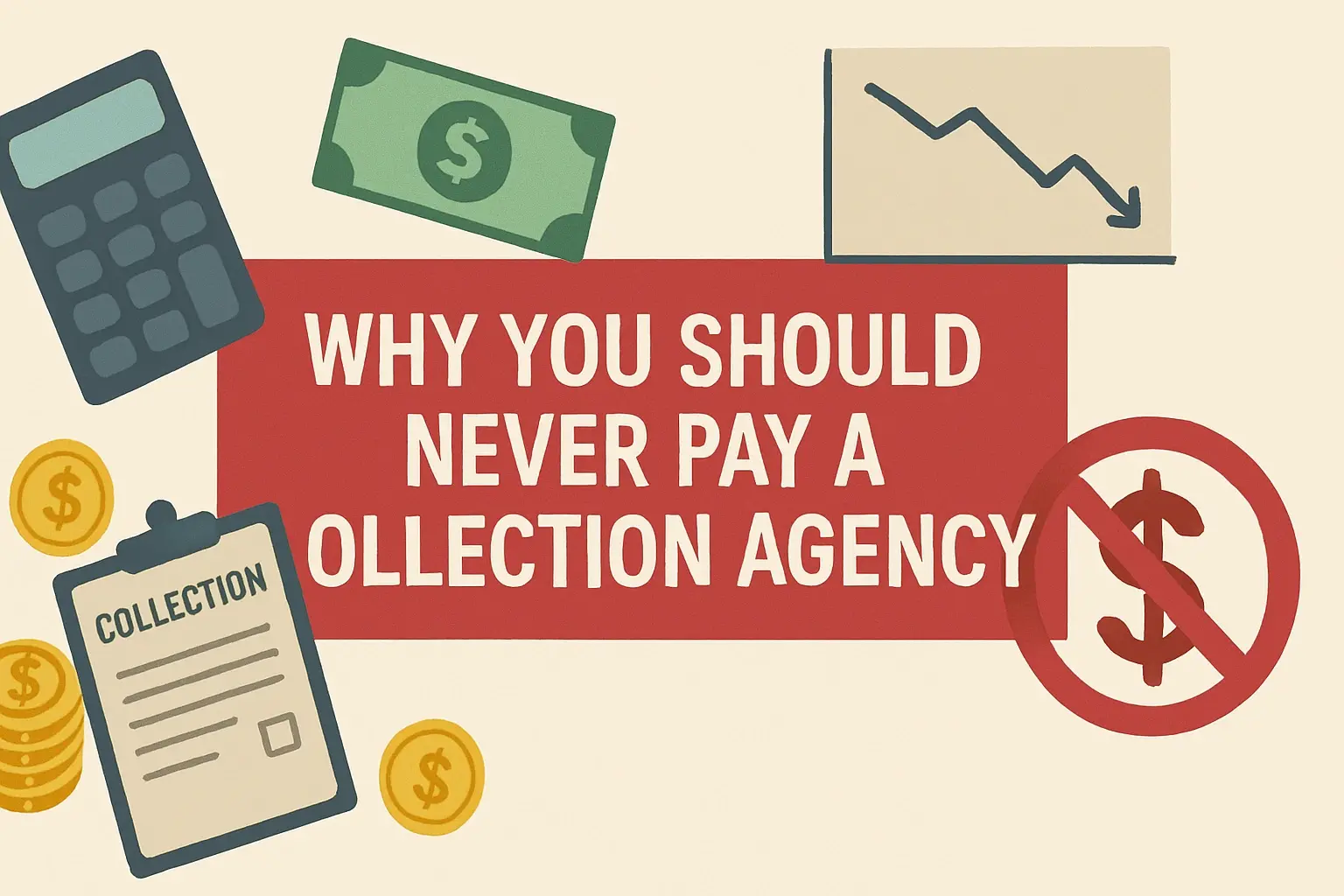
In today's fast-paced financial world, receiving a call or letter from a debt collection agency can feel like a punch to the gut. You're bombarded with demands for payment on an alleged debt, often accompanied by threats of legal action or damage to your credit. But before you reach for your wallet, pause. The provocative advice to "never pay a collection agency" isn't about dodging legitimate responsibilities—it's about protecting yourself from common pitfalls that could worsen your situation. As of 2026, amid lingering economic uncertainties from recent global events, more Americans are facing debt collection than ever before. According to the Consumer Financial Protection Bureau (CFPB), over 70 million people have debts in collections, and mishandling them can lead to prolonged financial stress.
This guide dives deep into why rushing to pay might be a mistake, backed by the latest insights from authoritative sources like the Federal Trade Commission (FTC), CFPB, and state attorney generals. We'll cover the debt validation process, how paying can restart the statute of limitations on debt, the real impact of collections on your credit score, and smarter alternatives like disputing collections or settling debt for less. By understanding your FDCPA rights (Fair Debt Collection Practices Act) and strategies for dealing with debt collectors, you can build a stronger financial foundation. Whether you're dealing with medical bills, credit card debt, or old loans, knowledge is your best defense.
Understanding Debt Collections: The Basics
Before exploring why you should think twice about paying, let's clarify how debt collections work. When you fall behind on payments, your original creditor—say, a credit card company or hospital—may sell or assign your debt to a third-party collection agency. These agencies purchase debts for pennies on the dollar, often as low as 1-10% of the original amount. Their profit comes from collecting as much as possible from you, which is why they're aggressive.
Under the FDCPA, collectors must follow strict rules: they can't harass you, call at unreasonable hours, or lie about the debt. More importantly, when they first contact you, they're required to provide validation information, including the creditor's name, amount owed, and your right to dispute it within 30 days. Ignoring this step is a key reason many people overpay or pay debts that aren't theirs.
In 2026, with advancements in data privacy laws and increased CFPB oversight, collectors face stiffer penalties for violations. Yet, errors persist: identity theft, accounting mistakes, or pursuing the wrong person with a similar name are common. Always start with verification—it's the foundation of effective debt management.
Reason 1: The Debt Might Not Even Be Yours—Validate First
One of the primary reasons to never pay a collection agency without scrutiny is that the debt could be invalid. Collectors often lack full documentation, and paying prematurely waives your chance to challenge it. The debt validation process is your legal shield: send a written request within 30 days, and they must prove the debt's legitimacy, including original contracts and payment history.
If they can't validate, you're off the hook—they must cease collection efforts. Recent FTC reports from 2025 show that up to 25% of disputed debts are removed from credit reports due to insufficient proof. Paying without this step could mean funding someone else's mistake. For instance, if it's a time-barred debt (past the statute of limitations), acknowledging it through payment revives it, exposing you to lawsuits.
Secondary considerations here include how to dispute collections effectively. Use certified mail for your dispute letter, and keep records. If violations occur, report them to the CFPB or your state attorney general for potential compensation.
Reason 2: Paying Can Restart the Statute of Limitations on Debt
The statute of limitations on debt is a critical timeline—typically 3-6 years, varying by state—after which collectors can't sue you. But making even a partial payment resets this clock, giving them fresh grounds to pursue legal action. In some states, simply promising to pay verbally can revive the debt.
Why is this a big deal? If the debt is old, letting the statute expire means no court-enforced collection, though they can still call (unless you demand they stop). Paying extends their leverage, potentially leading to wage garnishment or asset seizure if they win a judgment. As per 2026 updates from the Texas Attorney General, creditors sell debts cheaply because many are near expiration, banking on uninformed payers to reset the timer.
To build on semantic SEO, consider related queries like "how long can debt collectors pursue you?" Always check your state's laws via resources like Nolo or state AG sites before any action.
Reason 3: Minimal Impact on Your Credit Score—Don't Pay for False Hope
A common myth is that paying collections erases the damage to your credit. In reality, paid collections stay on your report for up to 7 years from the original delinquency date, per Equifax and TransUnion guidelines. Worse, paying can "re-age" the account, making it appear more recent and hurting your score further in the short term.
The impact of collections on credit score is severe—a drop of 50-100 points initially—but payment doesn't reverse it fully. FICO and VantageScore models in 2026 weigh recent activity heavily, so an old unpaid collection might fade faster than a newly paid one. If improving credit is your goal, focus on disputing inaccuracies or negotiating "pay for delete" (though not guaranteed and sometimes illegal).
Related keywords: "Does paying collections improve credit?" No, but building positive history through on-time payments elsewhere does.
Reason 4: Collectors Buy Debt Cheap—Negotiate or Settle for Less
Collection agencies acquire debts at a fraction of the value, so they have room to negotiate. Paying the full amount rewards their low-ball purchase without benefiting you. Instead, offer a settlement—often 30-50% off—if you decide to pay. Get it in writing that the payment settles the debt fully, avoiding future claims.
Settling debt for less is a smart strategy, but only after validation. In 2026, with inflation pressures, agencies are more willing to accept lump sums. Avoid partial payments without a plan, as they can restart limitations.
Reason 5: Potential for Harassment and Illegal Tactics
Collectors often use pressure tactics, but paying doesn't always stop them if they smell more money. The FDCPA prohibits abuse, like threats of arrest (illegal) or excessive calls. If you pay without addressing violations, you miss out on suing for damages—up to $1,000 per violation plus fees.
Dealing with debt collectors requires knowing your rights: demand that they stop contacting you in writing, and they must comply (except for lawsuits). Report issues to the FTC or CFPB for enforcement.
Alternatives to Paying a Collection Agency
Instead of paying outright, consider these strategies:
- Dispute the Debt: Use the 30-day window to challenge inaccuracies. Tools like Credit Karma or AnnualCreditReport.com help spot errors.
- Negotiate Settlement: Aim for less than owed, with a written agreement.
- Seek Professional Help: Credit counseling from nonprofits like NFCC, or bankruptcy if overwhelmed.
- Ignore Time-Barred Debts: If beyond statute, send a cease-and-desist letter.
- Build Credit Elsewhere: Focus on secured cards or timely payments on current accounts.
Alternatives to paying collections include debt consolidation loans or hardship programs from original creditors.
Conclusion: Empower Yourself with Knowledge
Saying "never pay a collection agency" is a call to action: always validate, understand timelines, and explore options first. In 2026, with enhanced consumer protections, you're better equipped than ever. By prioritizing debt validation, avoiding resets on statutes, and negotiating wisely, you can mitigate the impact of collections on your credit score and overall finances. Remember, your FDCPA rights are there to protect you—use them. If in doubt, consult a financial advisor or attorney. Taking control today leads to a debt-free tomorrow.
null
Faq
1. Is it illegal to ignore a collection agency?
No. You’re not required to talk to a collection agency. However, ignoring court notices is a mistake. Always respond if you receive legal paperwork.
2. Can paying a collection hurt my credit score?
Yes, sometimes. Paying a collection doesn’t always remove it from your credit report and can even reset the debt timeline, keeping it on your report longer.
3. What happens if I never pay a collection?
In many cases, nothing major—especially if the debt is old. Collection accounts usually fall off your credit report after 7 years, whether paid or not.
4. Can a collection agency sue me?
They can, but most don’t—especially for small or older debts. If a debt is past the statute of limitations, they cannot legally sue you.
5. Should I talk to a collection agency on the phone?
It’s safer not to. Phone calls can lead to pressure or misleading promises. Written communication protects you and creates a paper trail.
6. What’s the smartest way to deal with collections?
Start by checking if the debt is valid, disputing errors, and knowing your rights. Many collections can be removed without paying at all.
Why You Should Never Pay a Collection Agency

Krystin Bresolin