-
Posted on: 25 Feb 2026
-
Understanding the similarities between mortgages and auto loans is crucial for financial literacy. Both are significant financial commitments involving borrowed money, collateral, and repayment schedules. This guide explores the core truths shared by these common loan types, empowering you to make informed decisions.
Understanding Loan Fundamentals
At their core, both mortgages and auto loans are forms of debt. They represent a contract between a borrower and a lender, where the borrower receives a sum of money to purchase an asset, and in return, promises to repay that sum with interest over a specified period. This fundamental exchange is the bedrock of lending, enabling individuals and businesses to acquire significant assets they might not be able to afford outright. The 2025-26 financial landscape continues to see these loan types as primary tools for wealth building and personal mobility, respectively. Understanding these basic principles is the first step in demystifying the complexities of borrowing.
Key Similarities: Mortgages and Auto Loans
While the assets financed are vastly different – a home versus a vehicle – the underlying financial mechanisms of mortgages and auto loans share remarkable commonalities. These similarities are not coincidental; they stem from established lending practices designed to mitigate risk for financial institutions while providing access to capital for consumers. Recognizing these shared traits can simplify your understanding of personal finance and equip you to navigate the loan application and management process more effectively.
The Concept of Secured Debt
The most significant similarity is that both mortgages and auto loans are typically secured loans. This means that the loan is backed by a specific asset, which serves as collateral. In the case of a mortgage, the collateral is the house itself. For an auto loan, it's the vehicle being purchased. This collateral provides a safety net for the lender. If the borrower defaults on the loan (fails to make payments as agreed), the lender has the legal right to repossess and sell the collateral to recover their losses. This security is a primary reason why lenders are willing to offer larger sums of money and often more favorable interest rates on secured loans compared to unsecured loans (like personal loans or credit cards).
Loan Agreements and Contracts
Both types of loans are governed by legally binding contracts. These agreements meticulously outline the terms and conditions of the loan, including the principal amount (the total money borrowed), the interest rate, the repayment period (loan term), monthly payment amounts, late fees, and any other charges or penalties. It is imperative for borrowers to read and understand every clause in these contracts before signing. The 2025-26 market emphasizes digital contract access, but the legal weight remains the same. Understanding these documents is not just a formality; it's a critical step in avoiding future financial distress.
The Role of Interest
Interest is a fundamental component of both mortgage and auto loan agreements. It represents the cost of borrowing money, expressed as a percentage of the principal amount. Lenders charge interest to make a profit on the money they lend. The interest rate can be fixed (remaining the same for the entire loan term) or variable (fluctuating based on market conditions). The total amount of interest paid over the life of the loan can significantly impact the overall cost of the asset. For instance, a 2025-26 auto loan with a 6% APR over 60 months will accrue considerably more interest than one with a 3% APR over the same term.
Amortization Schedules
Most mortgages and auto loans follow an amortization schedule. This means that each monthly payment you make is divided into two parts: a portion that goes towards paying down the principal balance and a portion that covers the accrued interest. In the early stages of the loan, a larger percentage of your payment goes towards interest. As the loan matures, more of your payment is applied to the principal. This gradual payoff structure ensures that the loan is fully repaid by the end of its term. Many online calculators can help visualize these schedules for 2025-26 loans.
The Need for a Down Payment
While not always mandatory, a down payment is a common requirement or strong recommendation for both mortgages and auto loans. A down payment is the portion of the asset's purchase price that you pay upfront in cash. For mortgages, a larger down payment can help you avoid private mortgage insurance (PMI) and secure a lower interest rate. For auto loans, a down payment reduces the amount you need to borrow, leading to lower monthly payments and less interest paid over time. In 2025-26, lenders often offer incentives for larger down payments, recognizing the reduced risk they represent.
Credit Score Impact
Your credit score plays a pivotal role in the approval process and the terms you receive for both mortgages and auto loans. A higher credit score generally indicates a lower risk to the lender, which can result in a higher chance of loan approval and access to more favorable interest rates and loan terms. Conversely, a lower credit score can lead to loan denial or significantly higher borrowing costs. Lenders use your credit history to assess your reliability in repaying debt. This is a universal principle that remains critical in 2025-26.
Loan Origination Fees and Other Costs
Beyond the principal and interest, both types of loans often come with additional fees. Mortgage origination fees, appraisal fees, title insurance, and closing costs are common for home loans. Auto loans may have origination fees, documentation fees, or other administrative charges. These fees are part of the overall cost of borrowing and should be factored into your financial planning. Understanding these ancillary costs is vital for accurate budgeting in 2025-26.
The Possibility of Refinancing
Both mortgages and auto loans can often be refinanced. Refinancing involves obtaining a new loan to pay off an existing one. This is typically done to secure a lower interest rate, change the loan term, or tap into the equity of your home. For example, a homeowner might refinance their mortgage in 2025-26 if interest rates drop significantly. Similarly, a car owner might refinance their auto loan if their credit score improves, allowing them to get a better rate.
Collateral: The Cornerstone of Secured Loans
The concept of collateral is perhaps the most defining characteristic that mortgages and auto loans share. It's the tangible asset that secures the loan, providing a critical layer of protection for the lender. Without collateral, the risk for the lender would be substantially higher, leading to more stringent approval criteria and potentially higher interest rates, if the loan were offered at all.
How Collateral Works
When you take out a mortgage, the house you purchase becomes the collateral. This means the lender places a lien on the property. If you fail to make your mortgage payments, the lender can initiate foreclosure proceedings, which is the legal process of taking possession of the property to sell it and recoup the outstanding loan balance. The value of the collateral (the home) is directly tied to the loan amount. Lenders typically aim for a loan-to-value (LTV) ratio that ensures the collateral's worth exceeds the loan amount, providing a buffer against market fluctuations.
Similarly, with an auto loan, the vehicle you buy serves as the collateral. The lender holds the title to the vehicle until the loan is fully repaid. If you default on your auto loan payments, the lender can repossess the car. Repossession involves the lender taking physical possession of the vehicle, after which it is typically sold at auction. The proceeds from the sale are used to pay off the remaining loan balance. If the sale proceeds are insufficient to cover the debt, the borrower may still be liable for the difference, known as a deficiency balance. This is a crucial point to understand for 2025-26 borrowers.
Valuation of Collateral
The valuation of collateral is a critical step in the loan process for both mortgages and auto loans. For mortgages, a professional appraisal is usually required to determine the fair market value of the property. This appraisal helps the lender confirm that the property is worth at least the amount being borrowed. For auto loans, the lender will assess the value of the vehicle, often using industry guides like Kelley Blue Book (KBB) or the National Automobile Dealers Association (NADA) guides. The age, condition, mileage, and market demand for the specific make and model all influence its valuation. In 2025-26, digital valuation tools are increasingly sophisticated.
LTV Ratio and Its Significance
The loan-to-value (LTV) ratio is a key metric used by lenders to assess the risk associated with a secured loan. It is calculated by dividing the loan amount by the appraised value of the collateral. For example, if you are buying a home appraised at $300,000 and taking out a mortgage for $240,000, your LTV ratio is 80% ($240,000 / $300,000). Lenders often have maximum LTV thresholds. For mortgages, exceeding an 80% LTV typically requires private mortgage insurance (PMI) to protect the lender against potential losses if the borrower defaults. For auto loans, a lower LTV can lead to better interest rates and easier approval.
The Importance of Maintaining Collateral
Borrowers have a responsibility to maintain the condition of the collateral throughout the loan term. For a house, this means keeping up with necessary repairs and maintenance to preserve its value. For a car, it involves regular servicing and keeping it in good working order. While lenders don't typically inspect the collateral regularly, significant deterioration in its condition can impact its value and, in extreme cases, could be considered a breach of the loan agreement, especially if it jeopardizes the lender's security. This responsibility is a shared understanding in 2025-26 lending practices.
Interest Rates and Repayment Structures
The financial engine of any loan is its interest rate and how that interest accrues and is repaid. While the specific rates and terms will vary significantly based on the asset, the borrower's creditworthiness, and market conditions, the fundamental principles of interest calculation and repayment structures are consistent between mortgages and auto loans.
Fixed vs. Variable Interest Rates
One of the primary distinctions borrowers encounter is between fixed and variable interest rates. A fixed-rate mortgage or auto loan has an interest rate that remains the same for the entire duration of the loan. This offers predictability, as your monthly principal and interest payment will not change. This stability is highly valued by borrowers planning long-term budgets. For 2025-26, fixed rates offer a sense of security in an often unpredictable economic climate.
A variable-rate mortgage (or adjustable-rate mortgage, ARM) and variable-rate auto loans have interest rates that can fluctuate over the loan's life. These rates are typically tied to a benchmark index, such as the prime rate or LIBOR (though LIBOR is being phased out, replaced by SOFR in many markets). While variable rates may start lower than fixed rates, they carry the risk of increasing, leading to higher monthly payments. Lenders often include caps on how much the rate can increase per adjustment period and over the life of the loan to mitigate extreme fluctuations.
Calculating Interest: APR
The Annual Percentage Rate (APR) is a standardized measure used to express the cost of borrowing over a year. It includes not only the nominal interest rate but also certain fees associated with the loan, such as origination fees, points, and other charges. APR provides a more comprehensive picture of the true cost of the loan than the simple interest rate alone. When comparing loan offers for mortgages or auto loans in 2025-26, comparing APRs is essential for an accurate cost assessment.
Amortization: Paying Down the Principal
As mentioned earlier, both mortgages and auto loans are typically amortizing loans. This means that each payment is allocated to both interest and principal. The amortization schedule dictates how this allocation changes over time. In the early years of a mortgage or auto loan, a larger portion of the payment goes towards interest, and a smaller portion reduces the principal balance. As the loan matures, this ratio shifts, with more of each payment going towards principal. This is why paying extra towards the principal can significantly shorten the loan term and reduce the total interest paid. Many borrowers in 2025-26 are exploring strategies to accelerate principal payments.
Loan Term Lengths
The loan term refers to the length of time over which the loan is to be repaid. Mortgages commonly have terms of 15, 20, or 30 years. Auto loans typically have shorter terms, often ranging from 36 to 72 months (3 to 6 years), though longer terms are becoming more common. A longer loan term generally results in lower monthly payments but means you will pay more interest over the life of the loan. Conversely, a shorter term means higher monthly payments but less interest paid overall. Choosing the right loan term is a critical decision for managing cash flow and long-term financial goals in 2025-26.
Prepayment Penalties
While many loans allow for prepayment without penalty, some may include clauses that charge a fee if you pay off the loan early. This is more common with certain types of auto loans or some subprime mortgages. It's crucial to check the loan agreement for any prepayment penalties before committing. Lenders impose these to ensure they receive the expected return on their investment, particularly the interest income. Borrowers looking to pay off their loans early should always verify the absence or cost of such penalties in their 2025-26 loan documents.
The Application Process: A Common Ground
Securing a mortgage or an auto loan involves a structured application process designed to assess the borrower's ability and willingness to repay the debt. While the specific documentation and underwriting criteria may differ in detail, the fundamental steps and the information required are remarkably similar. This commonality reflects the universal principles of responsible lending.
Initial Inquiry and Pre-Approval
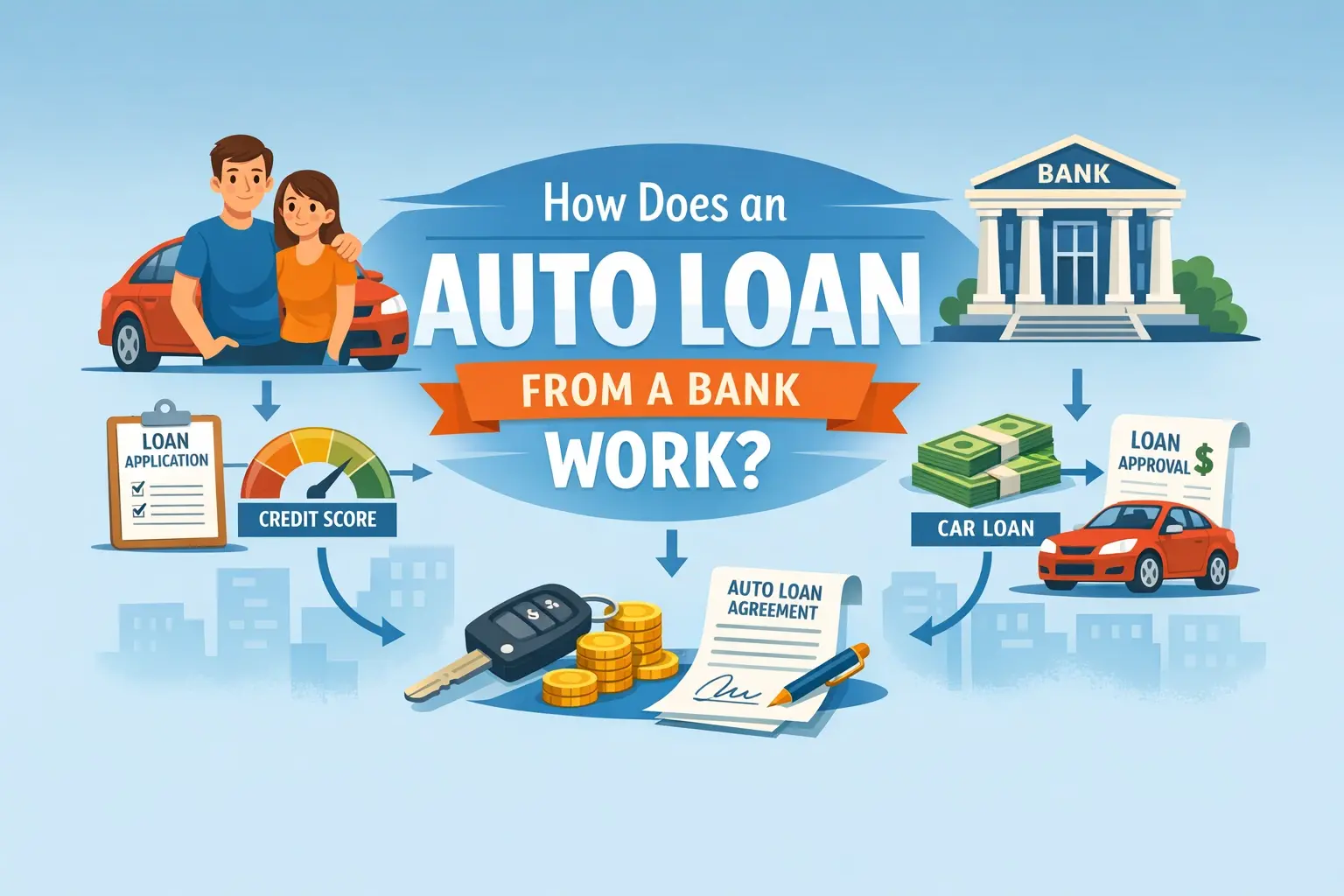
The journey often begins with an initial inquiry or a pre-approval process. For a mortgage, pre-approval involves a lender reviewing your financial information to determine how much you can likely borrow. This gives you a clear budget for house hunting. For an auto loan, pre-approval means a lender has tentatively agreed to lend you a certain amount, often at a specific interest rate, before you even select a vehicle. Getting pre-approved for an auto loan can give you negotiating power at the dealership. This initial step is crucial for setting realistic expectations in 2025-26.
Gathering Financial Documentation
Lenders will require extensive documentation to evaluate your financial profile. This typically includes:
Proof of Income: Pay stubs, W-2 forms, tax returns (for self-employed individuals), and bank statements to verify your income and its stability.
Employment History: Lenders want to see a stable employment record, often looking for at least two years of consistent work in the same or related fields.
Identification: Government-issued photo ID (driver's license, passport).
Asset Information: Bank account statements, investment account statements, and details about other assets you own.
Debt Information: Details of existing debts, such as credit card balances, student loans, and other loans.
The level of detail required for a mortgage application is generally more extensive than for an auto loan due to the significantly larger loan amounts and longer terms involved. However, the core categories of information remain the same for both in 2025-26.
Credit Check and Underwriting
A crucial part of the application is the credit check. Lenders will pull your credit report from one or more credit bureaus (Equifax, Experian, TransUnion) to assess your credit history, payment behavior, and overall creditworthiness. This is where your credit score becomes paramount. Following the credit check, the loan application enters the underwriting phase. Underwriters meticulously review all the submitted documentation, the credit report, and other risk factors to make a final decision on whether to approve the loan and under what terms. This is a rigorous process for both types of loans, especially for mortgages.
Property or Vehicle Appraisal
For mortgages, an appraisal of the property is mandatory to confirm its market value. For auto loans, the vehicle's value is assessed, often through industry guides or wholesale pricing data. This step ensures that the collateral's value supports the loan amount requested. In 2025-26, hybrid appraisal methods combining remote sensing and in-person inspections are becoming more common for real estate.
Loan Approval and Closing
Once underwriting is complete and all conditions are met, the loan is approved. For a mortgage, this leads to a closing process where all parties sign the final loan documents, and ownership of the property is transferred. This involves numerous parties, including the buyer, seller, lender, title company, and sometimes attorneys. For an auto loan, the process is typically simpler, often finalized at the dealership or directly with the lender, where you sign the loan agreement and take possession of the vehicle.
The Role of Lenders
Both mortgages and auto loans are offered by a variety of financial institutions, including banks, credit unions, and specialized finance companies. Online lenders have also become significant players in both markets, offering competitive rates and streamlined application processes for 2025-26 consumers.
Creditworthiness: The Deciding Factor
The concept of creditworthiness is a universal yardstick by which lenders measure the risk associated with lending money. Whether you're seeking to finance a home or a vehicle, your creditworthiness is a primary determinant of whether you'll be approved for a loan and what terms you'll receive. It's a reflection of your financial history and your demonstrated ability to manage debt responsibly.
Understanding Your Credit Score
Your credit score is a three-digit number that summarizes your credit history. It's calculated based on factors such as your payment history, amounts owed, length of credit history, new credit, and credit mix. Scores typically range from 300 to 850. A higher score indicates a lower risk to lenders, while a lower score signals a higher risk. For both mortgages and auto loans in 2025-26, a score above 700 is generally considered good, while scores above 740 often qualify for the best rates.
The Impact of Credit History
Beyond the score itself, lenders scrutinize your credit report for specific details. This includes:
Payment History: Are your bills paid on time? Late payments, defaults, bankruptcies, and foreclosures can significantly damage your creditworthiness.
Credit Utilization Ratio: This is the amount of credit you're using compared to your total available credit. High utilization (using a large percentage of your available credit) can negatively impact your score.
Length of Credit History: A longer history of responsible credit management is generally viewed favorably.
Types of Credit: Having a mix of credit (e.g., credit cards, installment loans) can be beneficial if managed well.
Recent Credit Activity: Numerous recent credit inquiries or newly opened accounts can sometimes be a red flag.
These factors are assessed equally for mortgage and auto loan applications in 2025-26.
How Credit Affects Loan Terms
Your creditworthiness directly influences the interest rate you'll be offered. Borrowers with excellent credit typically qualify for the lowest interest rates, which can save them tens of thousands of dollars over the life of a mortgage or thousands on an auto loan. Conversely, borrowers with lower credit scores may face higher interest rates, making the loan significantly more expensive. In some cases, a poor credit history might lead to loan denial or require a co-signer.
Credit Reports and Discrepancies
Borrowers need to obtain copies of their credit reports from each of the three major credit bureaus (Equifax, Experian, and TransUnion) at least once a year. Reviewing these reports for accuracy is critical. Errors, such as accounts that don't belong to you or incorrect payment statuses, can unfairly lower your credit score and negatively impact your loan applications. If you find discrepancies, you have the right to dispute them with the credit bureau. Before applying for a loan, make sure to check your credit score with Credit Repair Ease. They offer professional credit repair services that can help you identify and address issues that might be hindering your financial opportunities. You can reach out to Credit Repair Ease at (888) 803-7889 to learn more about how they can assist you in improving your credit profile for better loan terms in 2025-26.
Building and Maintaining Good Credit
Building and maintaining good credit is an ongoing process. Key strategies include:
Always paying bills on time.
Keeping credit card balances low.
Avoid opening too many new credit accounts at once.
Regularly monitor your credit reports for errors.
Being patient, credit scores improve over time with consistent positive financial behavior.
These practices are fundamental for securing favorable terms on any type of loan, including mortgages and auto loans in 2025-26.
Loan Terms and Conditions
The fine print of any loan agreement is crucial, and both mortgages and auto loans are subject to a comprehensive set of terms and conditions. These define the obligations of both the borrower and the lender and outline the framework within which the loan operates. Understanding these terms is paramount to avoiding misunderstandings and potential financial pitfalls.
Principal, Interest, and Amortization
As discussed, the principal is the original amount borrowed. Interest is the cost of borrowing this principal. The amortization schedule dictates how each payment is divided between principal and interest over the loan's life. For example, a $20,000 auto loan at 5% APR for 60 months has a principal of $20,000. The interest rate determines the cost, and the 60-month term defines the repayment period. Similarly, a $300,000 mortgage at 4% APR for 30 years has a principal of $300,000, with the interest and term dictating the monthly payment and total cost.
Fees
Both loan types can involve various fees. For mortgages, these include origination fees, appraisal fees, title insurance, recording fees, and escrow setup fees. For auto loans, common fees are origination fees, documentation fees, and sometimes a lien fee. It's vital to understand these upfront costs as they add to the total amount you pay. In 2025-26, transparency in fee disclosure is a regulatory focus.
Default and Acceleration Clauses
Loan agreements contain clauses that define what constitutes a default. Typically, missing a payment or failing to meet other loan obligations (like maintaining insurance on the collateral) can trigger a default. An acceleration clause is common in both mortgage and auto loan contracts. This clause allows the lender to demand the entire outstanding loan balance immediately if the borrower defaults. This is a serious consequence that can lead to repossession or foreclosure.
Repossession and Foreclosure Rights
The collateral serves as security for the loan. If a borrower defaults, the lender has the right to take possession of the collateral. For auto loans, this is the repossession of the vehicle. For mortgages, it's foreclosure on the property. These are legal processes that lenders must follow, but they result in the loss of the asset for the borrower.
Insurance Requirements
Lenders typically require borrowers to maintain specific types of insurance on the collateral. For mortgages, this is homeowners' insurance to protect against damage from fire, theft, or natural disasters. Lenders also often require flood insurance in designated flood zones. For auto loans, lenders mandate comprehensive and collision insurance to cover damage to the vehicle. This ensures that the collateral remains valuable and can be used to satisfy the loan in case of damage or destruction. In 2025-26, digital proof of insurance is often integrated into loan servicing platforms.
Late Fees and Penalties
Missed payments usually incur late fees. These fees are designed to compensate the lender for the administrative costs of pursuing a delinquent payment and to encourage timely payments. The amount of the late fee is specified in the loan agreement. Some loans may also have penalties for other breaches of contract, such as failing to maintain required insurance.
Transferability and Assumption
Generally, both mortgages and auto loans are not easily transferable to another person. While you can sell your house or car, the existing loan usually needs to be paid off at the time of sale. Some mortgages, particularly those with specific government backing, might be assumable under certain conditions, meaning a new buyer can take over the existing loan. However, this is rare for auto loans. In 2025-26, the trend is towards portability of digital financial services, but loan assumption remains a niche feature.
Risks and Consequences of Default
Defaulting on a loan is a serious financial event with significant repercussions. For both mortgages and auto loans, the consequences of failing to meet repayment obligations are severe and can have long-lasting effects on a borrower's financial health and credit standing. Understanding these risks is crucial for responsible borrowing.
Impact on Credit Score
The most immediate and far-reaching consequence of defaulting on a mortgage or auto loan is the severe damage to your credit score. Late payments, collections, charge-offs, repossessions, and foreclosures are all reported to credit bureaus and can remain on your credit report for up to seven years (or longer for bankruptcies). A significantly lowered credit score will make it difficult and expensive to obtain credit for years to come, affecting your ability to rent an apartment, get a job, or secure insurance. This is a critical consideration for 2025-26 consumers.
Repossession of Collateral
As secured loans, both mortgages and auto loans carry the risk of losing the collateral. If you default on your auto loan, the lender can repossess your vehicle. This means the car is taken away, and you will no longer have transportation. If you default on your mortgage, the lender can initiate foreclosure proceedings, leading to the loss of your home. These are devastating outcomes that can disrupt your life significantly.
Deficiency Judgments
In cases where the collateral is repossessed or foreclosed upon, and the sale of the collateral does not cover the full outstanding loan balance, the borrower may still owe the remaining amount. This is known as a deficiency balance. The lender can then pursue legal action to obtain a deficiency judgment against the borrower, meaning they can garnish wages or seize other assets to satisfy the debt. This is a particularly harsh consequence that can extend the financial pain of default long after the asset is gone. This risk is present for both mortgages and auto loans in 2025-26.
Legal Actions and Collections
Beyond repossession or foreclosure, lenders may also take legal action to recover the debt. This could involve filing a lawsuit to obtain a judgment against the borrower. If a judgment is granted, the lender can use various legal means to collect the debt, such as wage garnishment, bank levies, or placing liens on other property. The costs associated with these legal proceedings can also be added to the amount owed.
Difficulty Obtaining Future Credit
A history of default makes it extremely challenging to secure new credit. Lenders view individuals with defaulted loans as high-risk borrowers. You may find it impossible to get another mortgage or auto loan for several years. Even if you are approved, you will likely face very high interest rates and unfavorable terms. This can hinder major life milestones, such as buying a home or a reliable car, for an extended period. Planning for 2025-26 financial goals requires avoiding such damaging events.
Impact on Other Financial Aspects
The consequences of default can ripple through other areas of your financial life. Landlords may be hesitant to rent to you, employers might conduct credit checks for certain positions, and insurance premiums could increase. The stress and emotional toll of dealing with financial distress can also be significant.
Strategies to Avoid Default
If you anticipate difficulty making payments, it's crucial to act proactively. Contact your lender immediately to discuss potential options, such as loan modification, deferment, or a temporary payment plan. Exploring Credit Repair Ease can also be beneficial to understand how to mitigate the damage to your credit score and explore pathways to financial recovery. Reaching out to them at (888) 803-7889 can provide valuable guidance.
Navigating Your Loan Options
Choosing between different mortgage and auto loan options requires careful consideration of your financial situation, goals, and risk tolerance. While the core principles are similar, the specific features and benefits of various loan products can differ significantly. Understanding these nuances will help you make the most advantageous choice for your needs in 2025-26.
Mortgage Options
Fixed-Rate Mortgages: Offer payment stability over the life of the loan. Ideal for borrowers who plan to stay in their homes long-term and prefer predictable monthly expenses. Common terms are 15, 20, and 30 years.
Adjustable-Rate Mortgages (ARMs): Feature an initial fixed-rate period followed by periods where the rate adjusts based on market conditions. Can offer lower initial payments but carry the risk of future increases. Popular for those who plan to move or refinance before the adjustment period begins.
FHA Loans: Government-backed loans designed for borrowers with lower credit scores or smaller down payments. They often have more flexible qualification requirements.
VA Loans: Available to eligible veterans, active-duty military personnel, and surviving spouses. Often feature no down payment requirement and competitive interest rates.
USDA Loans: For rural homebuyers, these loans often require no down payment and offer competitive rates.
Auto Loan Options
Dealership Financing: Loans offered directly through the car dealership. Can be convenient, but rates may not always be the most competitive. Often feature promotional rates for specific models.
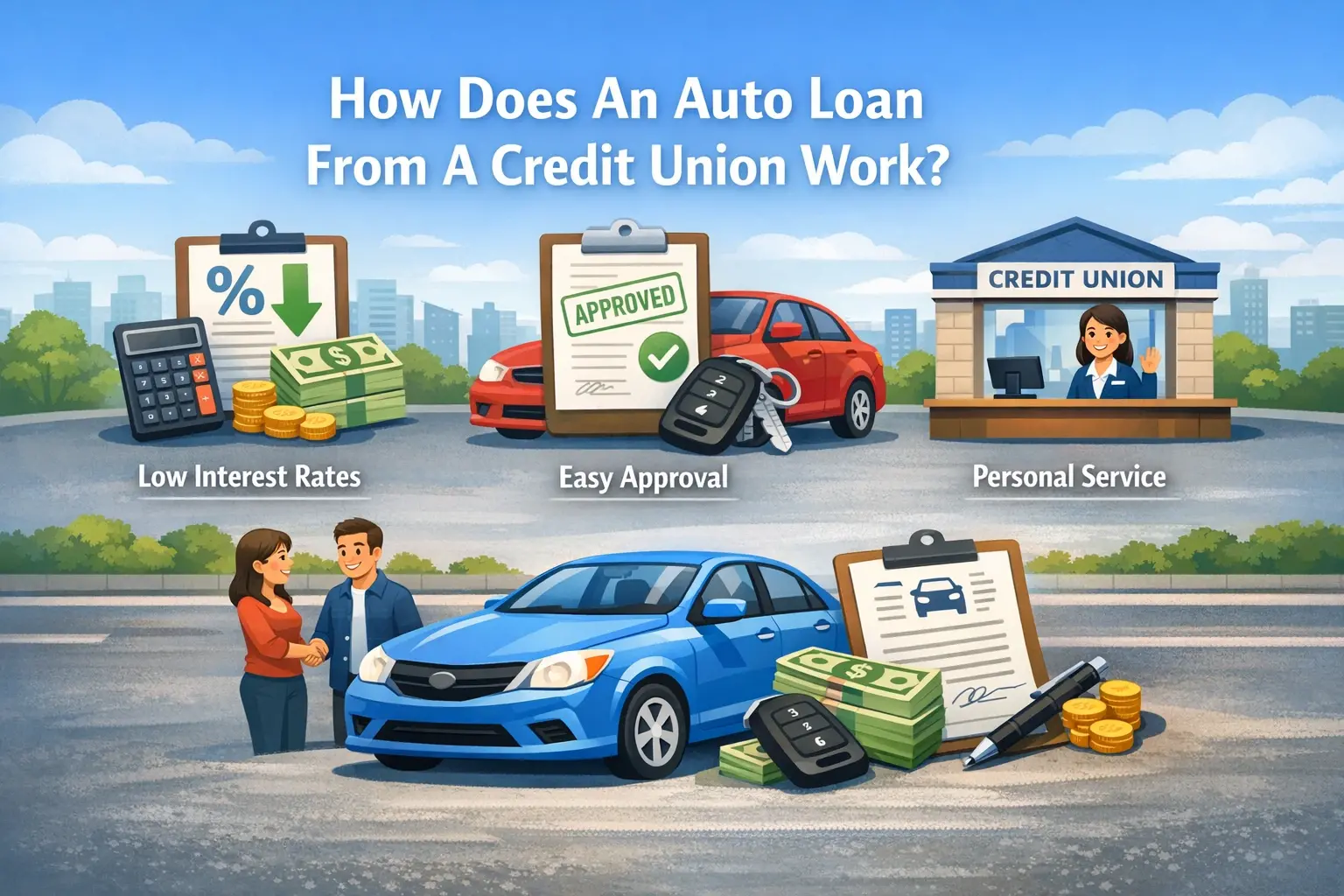
Bank and Credit Union Loans: Loans from traditional financial institutions. Often offer competitive rates, especially for members of credit unions. Require a separate application process.
Online Lenders: A growing segment offering fast approvals and competitive rates. Can be a good option for borrowers with good to excellent credit.
New vs. Used Car Loans: Interest rates and terms can differ. New cars often have lower rates due to their higher value and lower risk to the lender. Used cars may have slightly higher rates, especially older models.
Key Factors to Consider When Choosing
Interest Rate (APR): Always compare APRs across different lenders to find the lowest cost of borrowing. Even a small difference can save thousands over the loan term.
Loan Term: Shorter terms mean higher monthly payments but less total interest paid. Longer terms mean lower monthly payments but more total interest paid. Align the term with your budget and financial goals.
Down Payment: A larger down payment reduces the amount you need to borrow, lowers monthly payments, and can help you secure a better interest rate. In 2025-26, consider the opportunity cost of using savings for a down payment.
Fees: Factor in all origination fees, closing costs, and other charges when comparing loan offers.
Prepayment Penalties: Ensure you can pay off the loan early without incurring significant penalties if that's a goal.
Lender Reputation and Customer Service: Choose a reputable lender with good customer service, especially for a long-term commitment like a mortgage.
Before making any decisions, it's wise to get pre-approved from multiple lenders. This will give you a clear understanding of your borrowing power and the rates you qualify for. Remember, a mortgage is a significant, long-term financial commitment, while an auto loan, though substantial, is typically shorter-term. Both require diligent research and informed decision-making.
Conclusion: Mastering Your Financial Journey
The statement, "Which statement is true of both mortgages and auto loans," points to a fundamental truth: both are secured loans requiring collateral, involve interest, and are governed by binding contracts with repayment schedules. Understanding these core similarities is essential for any borrower navigating the financial landscape. From the critical role of creditworthiness in securing favorable terms to the significant consequences of default, the parallels are striking and informative.
In 2025-26, as economic conditions continue to evolve, the principles of responsible borrowing remain constant. Whether you are financing your dream home or a new vehicle, diligent research, comparison of offers, and a thorough understanding of loan terms are paramount. Always scrutinize fees, consider the long-term impact of interest rates and loan terms, and be aware of your rights and obligations. Prioritizing your credit health, perhaps with the assistance of professionals like Credit Repair Ease at (888) 803-7889, will undoubtedly pave the way for more advantageous financial opportunities. By mastering these shared aspects of mortgages and auto loans, you empower yourself to make sound financial decisions that support your long-term goals and contribute to a stable financial future.
null
Which Statement Is True Of Both Mortgages And Auto Loans

Krystin Bresolin