-
Posted on: 27 Feb 2026
-
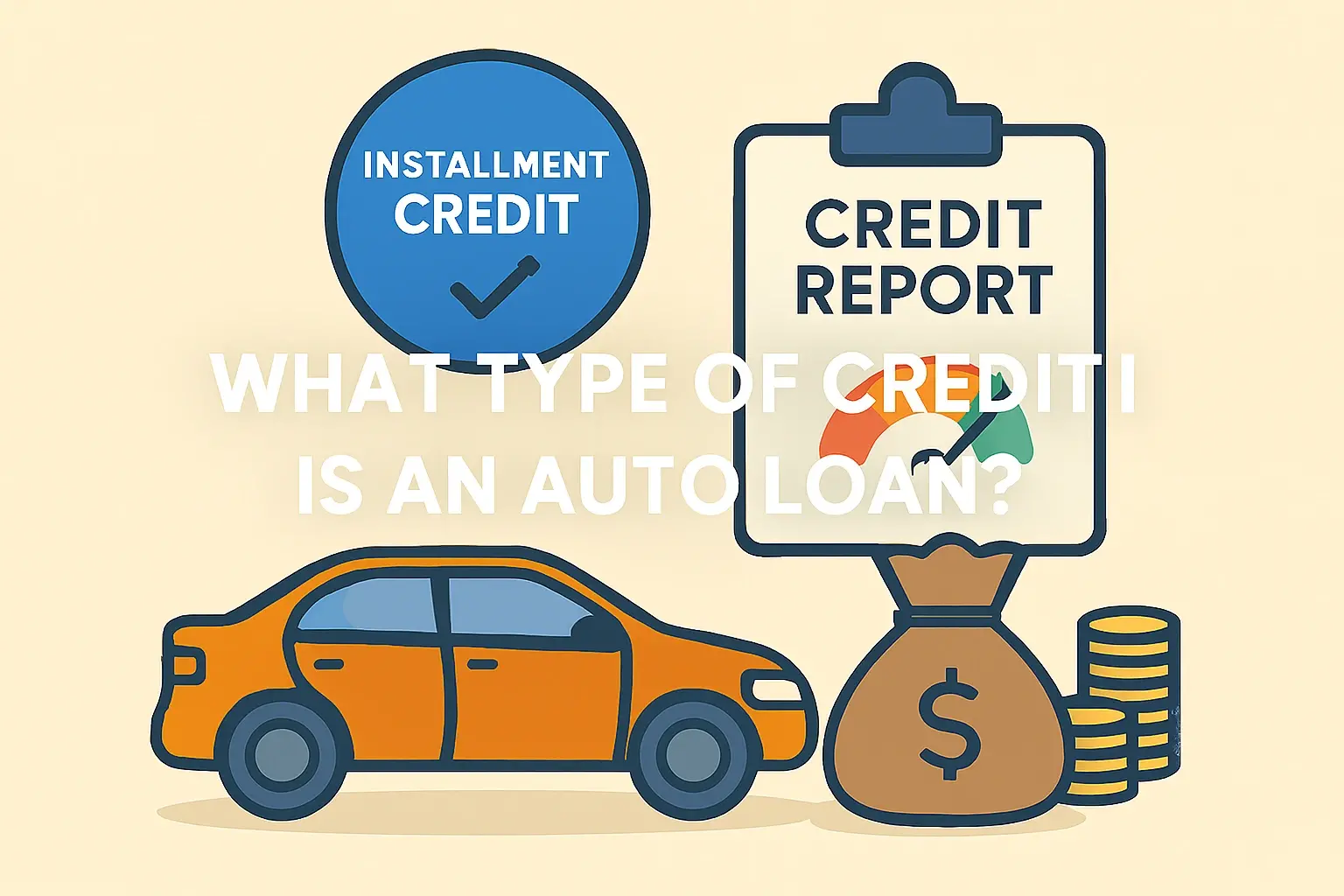
An auto loan is a specific type of secured installment loan, primarily used to finance the purchase of a vehicle. It functions as a contract where a lender provides funds, and the borrower repays it over time with interest, using the car itself as collateral. Understanding this classification is key to navigating car financing.
Understanding Auto Loans: The Core Classification
When you're looking to purchase a vehicle, the most common financing method is an auto loan. But what exactly is an auto loan in the broader spectrum of credit? At its heart, an auto loan is a form of debt that allows individuals to borrow money specifically for the purchase of a car, truck, SUV, or other vehicle. It's not just a generic loan; it carries specific characteristics that define its nature and how it functions within your financial life. Understanding these characteristics is crucial for making informed decisions, securing favorable terms, and managing your finances effectively. This detailed exploration will break down the essential components that define an auto loan, helping you grasp its classification and implications.
Types of Credit Involved in Auto Loans
An auto loan is a multifaceted financial product that draws upon several fundamental credit concepts. It's not a single, monolithic type of credit but rather a combination of characteristics from different credit categories. To truly understand what type of credit an auto loan is, we need to dissect its core components: its secured nature, its installment repayment structure, and the role of creditworthiness in its approval and terms.
Secured vs. Unsecured Loans: The Collateral Factor
One of the most defining features of an auto loan is that it is a secured loan. This means that the loan is backed by collateral. In the case of an auto loan, the collateral is the vehicle you are purchasing. This is a critical distinction compared to unsecured loans, such as personal loans or credit cards, which do not require any specific asset to be pledged as security.
How Collateral Works:
Lender Protection: For the lender, the collateral provides a significant layer of security. If the borrower defaults on the loan payments (fails to pay as agreed), the lender has the legal right to repossess the vehicle. This allows the lender to sell the vehicle to recoup their losses, reducing the risk associated with lending the money.
Borrower Benefits: Because the loan is secured, lenders are often willing to offer lower interest rates and more favorable terms compared to unsecured loans. The reduced risk for the lender translates into potential savings for the borrower. This is a primary reason why auto loans are a popular and accessible way to finance vehicle purchases.
Lien on the Title: When you take out an auto loan, the lender places a lien on the vehicle's title. This lien signifies the lender's ownership interest in the vehicle until the loan is fully repaid. Once the loan is paid off, the lien is removed, and you receive a clear title, meaning you own the vehicle outright.
The secured nature of auto loans makes them a more predictable and often more affordable option for financing a significant purchase like a car. The presence of collateral is a fundamental characteristic that sets it apart from other forms of credit.
Installment Loans Explained: The Repayment Structure
Beyond being secured, auto loans are also classified as installment loans. This refers to the way the loan is repaid. An installment loan is a loan that is repaid over a set period of time with a fixed number of scheduled payments, known as installments.
Key Characteristics of Installment Loans:
Fixed Repayment Schedule: Auto loans typically have a fixed repayment term, commonly ranging from 36 to 72 months (3 to 6 years). Each month, you'll make a payment that includes both principal (the amount borrowed) and interest.
Amortization: The repayment schedule is usually amortized. This means that in the early stages of the loan, a larger portion of your payment goes towards interest, and a smaller portion goes towards the principal. As you progress through the loan term, this balance shifts, with more of your payment going towards the principal and less towards interest.
Predictable Payments: For most auto loans, the monthly payment amount remains the same throughout the loan term. This predictability makes budgeting easier for borrowers. Some loans might have variable interest rates, which could cause payments to fluctuate, but fixed-rate auto loans are the most common.
Interest Calculation: Interest is calculated on the outstanding principal balance. The annual percentage rate (APR) determines the cost of borrowing over a year.
The installment structure of auto loans provides a clear roadmap for repayment, allowing borrowers to plan their finances and work towards full ownership of the vehicle. This structured approach to repayment is a hallmark of installment credit.
Key Factors Influencing Your Auto Loan Credit Eligibility
Securing an auto loan and the terms you receive are heavily dependent on your creditworthiness. Lenders assess various aspects of your financial profile to determine the risk associated with lending you money. Understanding these factors is crucial for preparing your application and improving your chances of approval with favorable rates.
The Critical Role of Your Credit Score
Your credit score is arguably the most significant factor lenders consider. It's a three-digit number that summarizes your credit history and predicts your likelihood of repaying borrowed money. Scores typically range from 300 to 850.
How Scores Affect Auto Loans (2025-2026 Data):
Excellent Credit (780+): Borrowers with excellent credit scores are most likely to qualify for the lowest interest rates, often below 5% APR. This can save thousands of dollars over the life of the loan. Lenders see these individuals as very low risk.
Good Credit (670-779): This range generally qualifies for competitive interest rates, typically between 5% and 8% APR. While not the absolute lowest, these rates are still very reasonable and allow for significant savings.
Fair Credit (580-669): Approval is still possible, but interest rates will be higher, potentially ranging from 8% to 15% APR or more. Lenders perceive a moderate level of risk.
Poor Credit (Below 580): Obtaining an auto loan can be challenging, and if approved, interest rates will be very high, often exceeding 15% APR, and sometimes reaching 20% or more. Subprime lenders may be the only option. The risk of default is considered high.
In 2025-26, the average APR for a new car loan for someone with excellent credit hovers around 4.8%, while for someone with fair credit, it can jump to 12.5% or higher. For used cars, these rates are typically a few percentage points higher.
Credit History and Report: The Lender's Blueprint
Your credit score is derived from your credit history, which is detailed in your credit report. Lenders examine your credit report to understand your borrowing and repayment behavior over time.
Key elements lenders look for:
Payment History: This is the most critical component. On-time payments demonstrate reliability, while late payments, missed payments, or defaults significantly damage your creditworthiness and increase the risk for lenders.
Credit Utilization: This refers to the amount of credit you're using compared to your total available credit. High utilization (using a large percentage of your credit limits) can indicate financial strain. For auto loans, this is less about credit cards and more about other existing debts.
Length of Credit History: A longer history of responsible credit use generally bodes well.
Credit Mix: Having a mix of different credit types (e.g., credit cards, installment loans) can be beneficial, showing you can manage various forms of debt.
New Credit: Opening too many new credit accounts in a short period can be a red flag, suggesting you might be overextending yourself.
A clean credit report with a consistent history of on-time payments and responsible credit management is essential for securing favorable auto loan terms.
Debt-to-Income Ratio (DTI): Measuring Your Financial Capacity
The Debt-to-Income ratio (DTI) is a crucial metric lenders use to assess your ability to manage monthly payments, including a potential new auto loan. It compares your total monthly debt obligations to your gross monthly income.
Calculation:
DTI = (Total Monthly Debt Payments / Gross Monthly Income) * 100
What Lenders Look For (2025-2026 Benchmarks):
Ideal DTI: Lenders generally prefer a DTI of 43% or lower. This indicates that less than half of your income is going towards debt repayment, leaving ample room for a new loan payment and other living expenses.
Higher DTI: A DTI above 43% can make it difficult to get approved for an auto loan, as it suggests you may be overextended financially. Some lenders might approve with higher DTIs, but often with less favorable terms.
For example, if your gross monthly income is $5,000 and your total monthly debt payments (including rent/mortgage, credit cards, student loans, etc.) are $2,000, your DTI is 40%. Adding a hypothetical $400 car payment would bring your DTI to 48%, which might be a concern for some lenders.
Loan-to-Value Ratio (LTV): The Vehicle's Worth
The Loan-to-Value ratio (LTV) compares the amount you want to borrow for a vehicle against its market value. This ratio helps lenders gauge how much risk they are taking based on the collateral's worth.
Calculation:
LTV = (Loan Amount / Vehicle's Value) * 100
Lender Preferences (2025-2026 Trends):
Lower LTV is Better: Lenders typically prefer an LTV of 80% or lower. This means your down payment covers at least 20% of the vehicle's price. A lower LTV indicates you have more "equity" in the vehicle from the start, reducing the lender's risk if you were to default.
Higher LTV: If you have a low credit score or are financing a significant portion of the vehicle's cost, lenders might be hesitant or require a higher down payment to reduce the LTV. Financing 100% or more of the vehicle's value (often including taxes, fees, and extended warranties) can result in a higher LTV and potentially higher interest rates.
For instance, if you're buying a car valued at $25,000 and want to borrow $22,000, your LTV is 88%. If you make a down payment of $5,000, bringing the loan amount to $20,000, your LTV drops to 80%, which is more favorable for the lender.
Diving Deeper: Various Types of Auto Loans Available
While the core classification of an auto loan remains consistent, there are several specific types tailored to different needs and situations. Understanding these variations can help you find the best fit for your circumstances.
New Car Loans
These are the most straightforward auto loans, designed for purchasing brand-new vehicles directly from a dealership. They typically offer the lowest interest rates and the longest repayment terms because new cars depreciate at a slower rate initially and are generally more reliable.
Key Features:
Lowest APRs: Often benefit from manufacturer-sponsored incentives and lower risk for lenders.
Longer Terms: Up to 72 or even 84 months are common, leading to lower monthly payments but more interest paid overall.
Dealership Financing: Often available directly through the car dealership, though it's wise to compare these offers with those from banks and credit unions.
Used Car Loans
Financing a pre-owned vehicle involves used car loans. These loans generally come with slightly higher interest rates and shorter repayment terms compared to new car loans, reflecting the increased risk associated with older vehicles that may have higher mileage and a greater likelihood of needing repairs.
Key Features:
Higher APRs: Reflect the increased risk and depreciation of used vehicles.
Shorter Terms: Typically range from 36 to 60 months.
Vehicle Age/Mileage Restrictions: Some lenders may have limits on the age or mileage of the car they will finance.
Refinancing Auto Loans
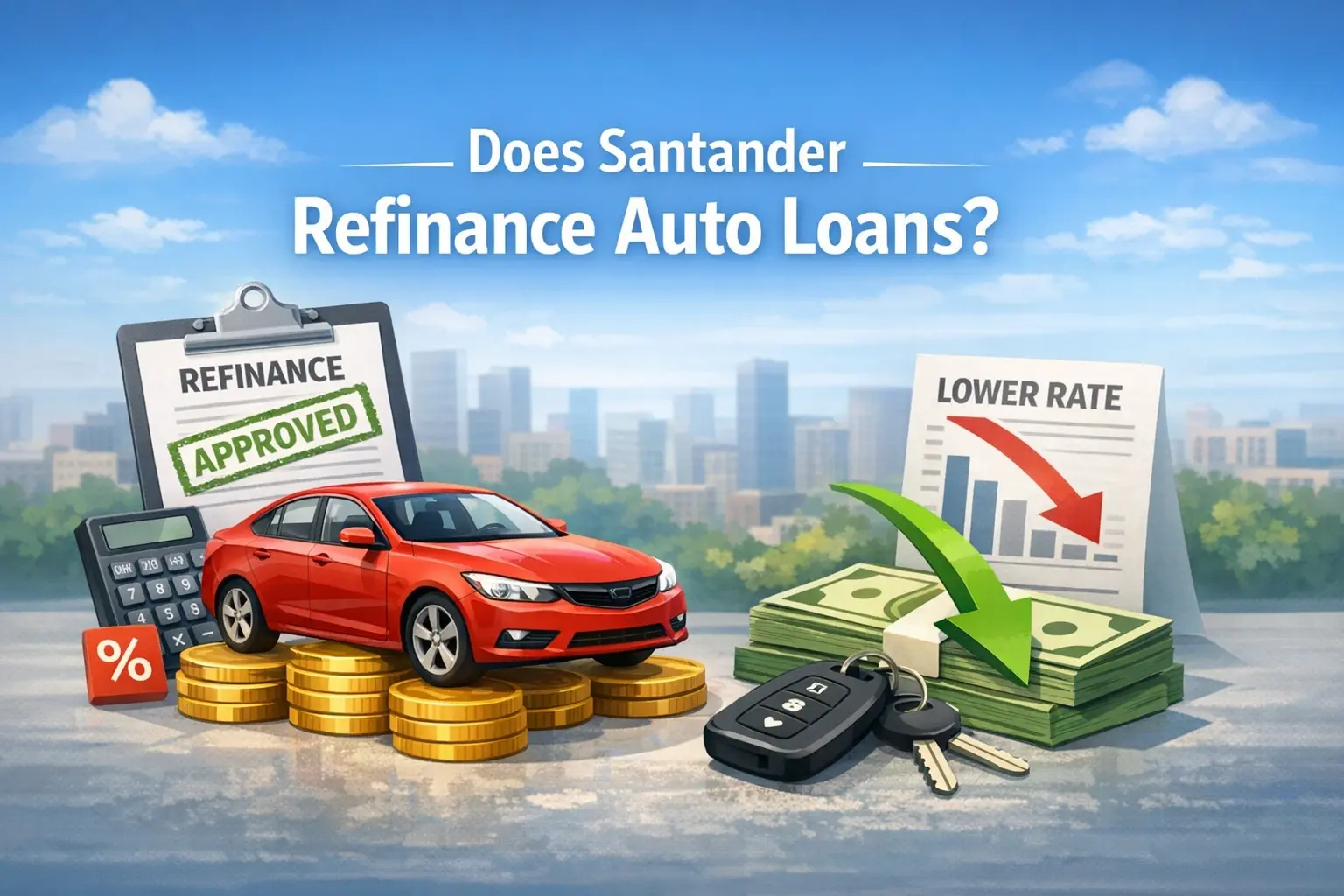
If you already have an auto loan, you might be able to refinance it. This involves taking out a new loan to pay off your existing loan, ideally with better terms, such as a lower interest rate, a shorter repayment term, or a lower monthly payment. This is particularly beneficial if your credit score has improved since you initially took out the loan.
Benefits:
Lower Interest Rate: Can save you a significant amount of money over the remaining life of the loan.
Reduced Monthly Payments: By extending the loan term (though this means paying more interest overall).
Cash-Out Refinancing: In some cases, you can borrow more than you owe on the car and receive the difference in cash.
Lease Buyout Loans
If you've leased a vehicle and wish to purchase it at the end of your lease term, a lease buyout loan is the specific type of financing you'll need. These loans are structured to cover the residual value of the car as stated in your lease agreement.
Considerations:
Based on the Lease Agreement: The loan amount is determined by the buyout price specified in your lease contract.
Ownership Transfer: Once the loan is repaid, you will own the vehicle outright.
Bad Credit Auto Loans
For individuals with poor credit scores, obtaining an auto loan can be challenging. Bad credit auto loans are specifically designed for those who may not qualify for traditional financing. These loans often come with higher interest rates, shorter terms, and may require a larger down payment or a co-signer.
Key Points:
Higher Interest Rates: To compensate for the increased risk.
Subprime Lenders: Often provided by specialized lenders who focus on borrowers with lower credit scores.
Opportunity to Rebuild Credit: Making on-time payments on a bad credit auto loan can help improve your credit score over time.
It's crucial to shop around and compare offers carefully, as the cost of borrowing can be substantial.
How Auto Loans Impact Your Credit Over Time
An auto loan is not just a means to acquire a vehicle; it's also a significant financial tool that can profoundly impact your credit profile. Responsible management of an auto loan can help build a positive credit history, while mismanagement can lead to detrimental consequences.
Building Positive Credit with Auto Loans
For many individuals, especially those new to credit or looking to improve their score, an auto loan can be an excellent way to establish and build positive credit history. This is primarily achieved through consistent, on-time payments.
Mechanisms for Credit Building:
Payment History: As mentioned, your payment history is the most critical factor in your credit score. Making every monthly payment on time for the duration of your auto loan demonstrates to lenders that you are a reliable borrower. This positive behavior is reported to the major credit bureaus (Equifax, Experian, and TransUnion) and contributes significantly to your credit score.
Credit Mix: An auto loan, being an installment loan, adds diversity to your credit mix. If you primarily have revolving credit (like credit cards), adding an installment loan can show that you can manage different types of credit responsibly. This can have a small positive impact on your score.
Credit Utilization (Indirectly): While not directly impacting credit card utilization, successfully managing an auto loan can improve your overall financial stability, which can indirectly help you manage your credit card balances more effectively.
Positive Reporting: Over the life of a well-managed auto loan, the consistent positive reporting to credit bureaus will gradually increase your credit score, making it easier to qualify for other loans and credit products in the future, often at better rates.
By the time you've paid off your auto loan, you will have a substantial record of responsible credit behavior, which is invaluable for your long-term financial health.
Potential Pitfalls and How to Avoid Them
Despite the benefits, auto loans also present potential risks if not managed carefully. Awareness of these pitfalls is the first step toward avoiding them.
Common Pitfalls:
Defaulting on Payments: This is the most severe pitfall. Missing payments can lead to repossession of the vehicle, a significant hit to your credit score (often dropping by 100 points or more), and a negative mark on your credit report for up to seven years. This makes obtaining future credit extremely difficult and expensive.
High Interest Rates: Especially for those with poor credit, high APRs can make the loan unaffordable and lead to paying far more than the car is worth.
Negative Equity (Upside Down): This occurs when you owe more on your loan than the car is worth, often due to rapid depreciation or financing a large percentage of the car's value. If you need to sell the car or if it's totaled in an accident, you'll still owe the lender money.
Extended Loan Terms: While longer terms mean lower monthly payments, they also mean paying significantly more interest over the life of the loan and staying in debt longer.
Unnecessary Add-ons: Dealerships may try to sell you add-ons like extended warranties, GAP insurance (which covers negative equity), or credit life insurance. While some may be beneficial, they increase the total loan amount and interest paid.
Strategies for Avoidance:
Borrow Only What You Need: Avoid financing more than the car is worth, if possible. Aim for a down payment to reduce the LTV.
Shop Around for Rates: Get pre-approved from multiple lenders (banks, credit unions, online lenders) before visiting a dealership to ensure you get the best APR.
Understand Your Budget: Calculate your DTI and ensure the car payment fits comfortably within your budget, leaving room for insurance, maintenance, and unexpected expenses.
Read the Fine Print: Carefully review all loan documents, understand the interest rate, term, fees, and any penalties.
Consider Shorter Loan Terms: If your budget allows, opt for a shorter loan term (e.g., 48 or 60 months) to pay less interest overall.
Maintain Your Vehicle: Regular maintenance can help prevent costly repairs and preserve the car's value.
By being proactive and informed, you can leverage an auto loan to your advantage while mitigating potential risks.
Navigating the Auto Loan Application Process
Applying for an auto loan involves several steps, and understanding this process can help you prepare and navigate it smoothly. It's a journey that begins with research and ends with driving away in your new vehicle.
Step 1: Assess Your Financials and Determine Your Budget
Before you even start looking at cars, it's crucial to understand your financial standing. This involves:
Check Your Credit Score: Obtain copies of your credit reports from Equifax, Experian, and TransUnion. Knowing your score helps you understand what interest rates you might qualify for. Many credit card companies and financial institutions offer free credit score monitoring.
Calculate Your Budget: Determine how much you can realistically afford for a monthly car payment. Consider not just the loan payment but also insurance, fuel, maintenance, and registration fees. A good rule of thumb is that your total car expenses shouldn't exceed 15-20% of your gross monthly income.
Determine Your Down Payment: The more you can put down, the lower your loan amount will be, reducing your LTV and potentially securing a better interest rate.
Step 2: Get Pre-Approved for a Loan
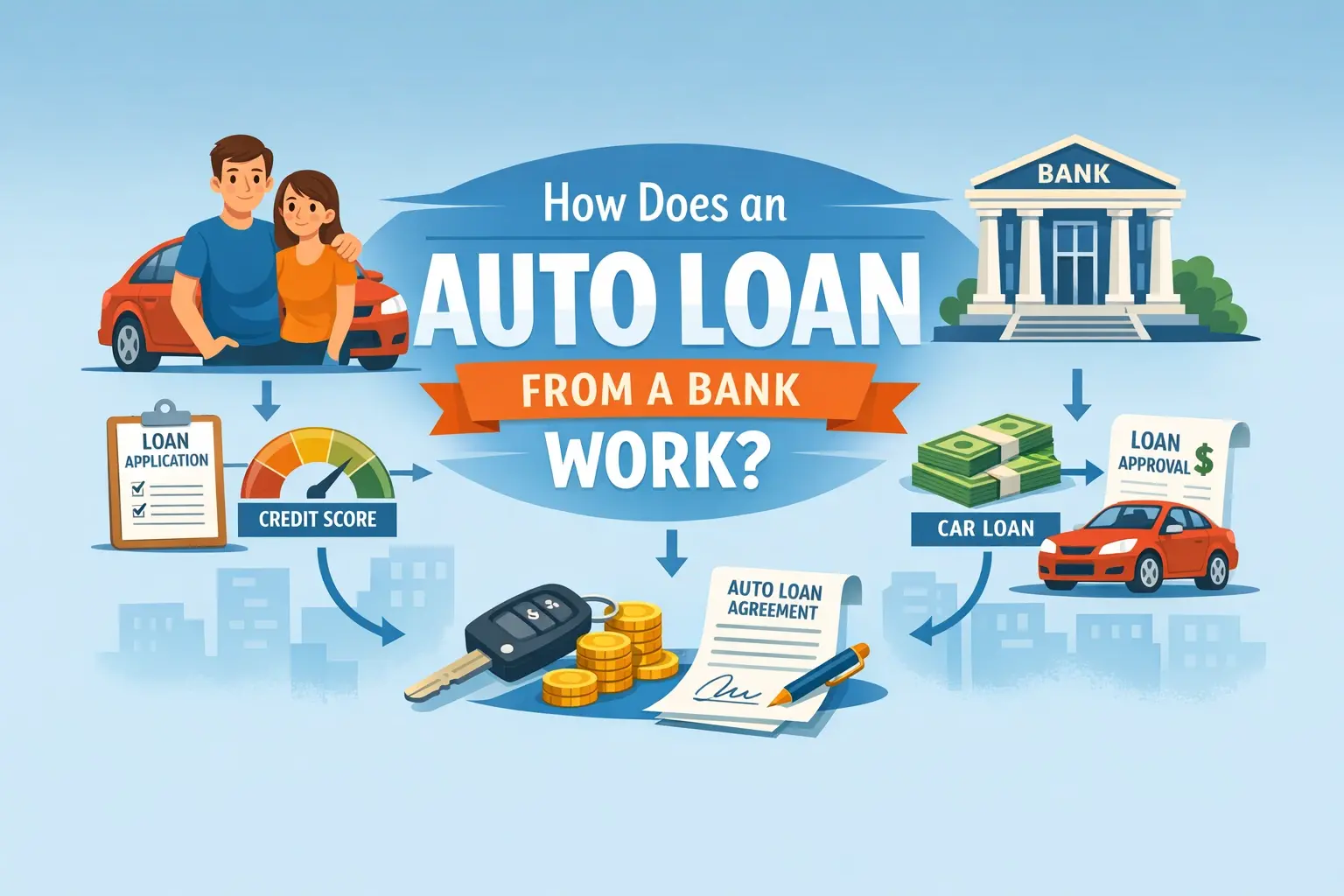
This is a critical step that many buyers skip. Before visiting a dealership, apply for an auto loan with your bank, a credit union, or an online lender. Getting pre-approved:
Set Your Budget: You'll know exactly how much you can borrow and at what interest rate.
Gives You Negotiating Power: You can use the pre-approval offer as leverage against dealership financing. If the dealership can't beat your pre-approved rate, you know you're getting a good deal.
Speeds Up the Process: Having financing secured in advance simplifies the paperwork at the dealership.
When shopping for pre-approval, be aware that multiple inquiries for auto loans within a short period (typically 14-45 days, depending on the credit scoring model) are usually treated as a single inquiry, minimizing the impact on your credit score.
Step 3: Shop for a Vehicle
With your budget and financing in hand, you can now focus on finding the right car. Visit dealerships or private sellers, test drive vehicles, and research their reliability and market value.
Step 4: Negotiate the Price and Financing
This is where your pre-approval becomes invaluable. Negotiate the purchase price of the vehicle first, separate from any financing discussions. Once you have an agreed-upon price:
Compare Dealership Financing: Ask the dealership to run your credit and see if they can offer a better interest rate or loan term than your pre-approval.
Review All Terms: If you opt for dealership financing, carefully review the loan agreement, including the APR, loan term, monthly payment, and any fees. Ensure it aligns with your pre-approval and budget.
Be Wary of Add-ons: Politely decline any extras you don't need or can't afford.
Step 5: Finalize the Loan and Drive Away
Once you've agreed on the price and financing, you'll sign the loan documents and the purchase agreement. You'll typically need to provide proof of insurance for the new vehicle before you can take possession.
Understanding Loan Terms and Conditions
The loan agreement for an auto loan is a legally binding contract. Understanding its key terms and conditions is paramount to avoiding misunderstandings and ensuring you're making a sound financial commitment.
Annual Percentage Rate (APR)
The APR represents the total cost of borrowing money over one year, including the interest rate and any fees associated with the loan. It's the most crucial number to compare when shopping for loans, as it provides a standardized way to measure the cost of credit.
Loan Term
This is the duration over which you will repay the loan, typically expressed in months (e.g., 36, 48, 60, 72 months). Longer terms result in lower monthly payments but a higher total interest cost over the life of the loan. Shorter terms mean higher monthly payments but less interest paid overall.
Monthly Payment
This is the fixed amount you'll pay each month towards your loan. It's calculated based on the loan amount, APR, and loan term. Ensure this payment fits comfortably within your monthly budget.
Down Payment
The upfront amount of money you pay towards the purchase price of the vehicle. A larger down payment reduces the loan amount, lowers your LTV, and can lead to better loan terms.
Fees
Auto loans may come with various fees, such as origination fees, application fees, late payment fees, or early repayment penalties. Always inquire about potential fees and understand when they apply.
Collateral and Lien
As discussed, the vehicle serves as collateral. The lender places a lien on the title, which is only removed once the loan is fully paid off. Understand the implications of default, which can lead to repossession.
Prepayment Penalties
Some loans charge a fee if you pay off the loan early. This is less common with auto loans today, but it's essential to check your contract. If a penalty exists, it might negate the savings from paying off the loan ahead of schedule.
Credit Check Reminder
Before embarking on the journey of applying for an auto loan, it's paramount to understand your financial standing. A crucial first step in this preparation is checking your credit score and report. This insight not only helps you gauge your eligibility and potential interest rates but also allows you to identify and rectify any errors that might be negatively impacting your score. For professional assistance in understanding and improving your credit, consider reaching out to Credit Repair Ease. They offer expert credit repair services designed to help you navigate the complexities of credit reporting and management. Before applying for a loan, make sure to check your credit score with Credit Repair Ease by calling them at (888) 803-7889. Taking this proactive step can save you time, money, and potential frustration down the road.
Making Informed Decisions for Your Financial Future
In conclusion, an auto loan is a specific type of secured installment loan, characterized by the vehicle serving as collateral and a structured repayment plan over a set period. It's a fundamental tool for vehicle acquisition, but its classification as credit means it carries significant implications for your financial health.
Understanding the interplay between your credit score, credit history, DTI, and LTV is essential for securing favorable terms. By diligently preparing, shopping around for the best rates, and thoroughly understanding loan agreements, you can leverage an auto loan to your advantage. Remember that responsible management of this loan not only facilitates vehicle ownership but also serves as a powerful mechanism for building a robust credit profile. Always prioritize informed decision-making, and don't hesitate to seek professional guidance when needed to ensure your automotive financing journey is a positive one, paving the way for a stronger financial future.
null
What Type Of Credit Is An Auto Loan

Krystin Bresolin