-
Posted on: 24 Feb 2026
-
Understanding the current auto loan rate is crucial for car buyers in 2025-26. This guide breaks down average rates, factors influencing them, and strategies to secure the best possible financing for your next vehicle purchase, empowering you to make informed decisions.
Understanding Auto Loan Rates in 2025-26
The automotive market in 2025-26 continues to be dynamic, and securing a favorable auto loan rate is paramount for making car ownership affordable. An auto loan rate, often expressed as an Annual Percentage Rate (APR), dictates the cost of borrowing money to purchase a vehicle. It encompasses not just the interest charged but also any associated fees, providing a comprehensive picture of the loan's true expense. Understanding what influences these rates and how to obtain the lowest possible APR can save consumers thousands of dollars over the life of their loan. This guide aims to demystify the current auto loan landscape, providing actionable insights for prospective car buyers.
In the current economic climate of 2025-26, interest rates are influenced by a complex interplay of factors, including the Federal Reserve's monetary policy, inflation trends, and the overall health of the economy. For auto loans specifically, lenders also consider the risk associated with the borrower and the collateral (the vehicle itself). A lower APR translates to lower monthly payments and less interest paid over time, making the dream of owning a new or used car more attainable. This article will delve into the average rates, the key determinants of your individual rate, and strategic approaches to ensure you're not overpaying for your next vehicle.
What exactly is an APR?
An Annual Percentage Rate (APR) is a broader measure of the cost of borrowing than the interest rate alone. It includes the interest rate plus any additional fees or charges associated with the loan, such as origination fees, processing fees, or dealer-added charges. For example, a loan might have a stated interest rate of 5%, but if it has a 1% origination fee spread over the loan term, the APR might be closer to 5.5%. Lenders are required by law to disclose the APR, making it the most accurate figure for comparing different loan offers. When comparing auto loan quotes, always look at the APR to ensure you're making a true apples-to-apples comparison.
The Role of Economic Indicators
The prevailing economic conditions significantly shape auto loan rates. In 2025-26, key indicators such as inflation rates, unemployment figures, and the Federal Reserve's benchmark interest rate (the federal funds rate) play a crucial role. When inflation is high, the Federal Reserve may increase the federal funds rate to cool down the economy, which in turn tends to push up interest rates across the board, including auto loans. Conversely, during periods of economic slowdown or low inflation, the Fed might lower rates, potentially leading to more affordable auto financing. Lenders use these macroeconomic trends as a baseline when setting their lending rates.
Lender Risk Assessment
Beyond the broader economic picture, lenders meticulously assess the risk associated with each borrower. This risk assessment is the primary driver of the specific APR you will be offered. Factors like your credit history, income stability, debt-to-income ratio, and the loan-to-value ratio (the amount you're borrowing compared to the car's value) all contribute to this assessment. A borrower perceived as low-risk is more likely to receive a lower APR, while a borrower deemed high-risk will typically face higher rates to compensate the lender for the increased chance of default.
Factors Influencing Your Auto Loan Rate
While general economic trends set the stage, your personal financial profile is the most significant determinant of the auto loan rate you'll be offered in 2025-26. Lenders use a variety of criteria to assess your creditworthiness and the risk involved in lending you money. Understanding these factors can help you prepare and potentially improve your standing before you even apply.
Credit Score and Credit History
Your credit score is arguably the most critical factor. A higher credit score (typically 700 and above) signals to lenders that you have a history of responsible credit management, making you a less risky borrower. This often translates to lower APRs. Conversely, a lower credit score can lead to significantly higher rates or even loan denial. Lenders also examine your credit history, looking at the length of your credit history, the types of credit you've used, your payment history (late payments, defaults), and your credit utilization ratio (how much credit you're using compared to your limits).
Income and Employment Stability
Lenders want to ensure you have a reliable source of income to make your monthly payments. They will typically ask for proof of income, such as pay stubs or tax returns. A stable employment history with a consistent income demonstrates your ability to repay the loan. A higher income relative to your existing debts also improves your chances of securing a favorable rate. Lenders often look for at least two years of consistent employment in the same field or with the same employer.
Debt-to-Income Ratio (DTI)
Your DTI is a crucial metric that compares your total monthly debt payments to your gross monthly income. It's expressed as a percentage. For example, if your total monthly debt payments (including rent or mortgage, credit cards, student loans, and the potential new car payment) are $1,500 and your gross monthly income is $5,000, your DTI is 30%. Lenders generally prefer a DTI of 43% or lower, but for auto loans, a lower DTI can often lead to better rates. A lower DTI indicates you have more disposable income available to handle loan payments.
Loan-to-Value Ratio (LTV)
The LTV ratio compares the amount of money you're borrowing to the value of the vehicle you're purchasing. A higher down payment reduces the LTV, making the loan less risky for the lender. For instance, if you're buying a car worth $30,000 and making a $6,000 down payment, you're borrowing $24,000. The LTV would be 80% ($24,000 / $30,000). Loans with lower LTVs, typically below 90%, are often associated with lower interest rates. A larger down payment demonstrates your financial commitment and reduces the lender's exposure if you were to default.
Loan Term Length
The duration of the loan, or loan term, also impacts the interest rate. Longer loan terms (e.g., 72 or 84 months) often come with slightly higher APRs than shorter terms (e.g., 36 or 48 months). While a longer term means lower monthly payments, you'll end up paying more interest over the life of the loan. Conversely, shorter terms usually have lower APRs but result in higher monthly payments. The sweet spot often depends on your budget and how long you plan to keep the vehicle.
Average Auto Loan Rates for 2025-26
Predicting exact average auto loan rates for the entirety of 2025-26 is challenging due to the fluctuating economic landscape. However, based on current trends and expert projections for the period, we can provide an estimated range. These averages are typically broken down by credit tier, as your credit score is the primary differentiator.
It's important to note that these are averages, and your actual rate could be higher or lower. Lenders often provide promotional rates for specific models or during certain periods, which can deviate from these general averages.
Average Rates by Credit Tier (Estimated for 2025-26)
The following table provides estimated average APRs for new and used car loans, categorized by credit score range. These figures are based on industry analysis and projections for the 2025-26 period.
Credit Score Range
Average APR (New Car Loan)
Average APR (Used Car Loan)
Excellent (780+)
3.5% - 5.0%
4.0% - 5.5%
Good (700-779)
4.5% - 6.5%
5.5% - 7.5%
Fair (620-699)
7.0% - 10.0%
8.5% - 12.0%
Poor (Below 620)
10.0% - 18.0%+
12.0% - 20.0%+
Factors Affecting Averages
These averages are influenced by several factors:
Federal Reserve Policy: Any shifts in the federal funds rate directly impact the cost of money for banks, which then pass these costs onto consumers.
Economic Growth: Strong economic growth often correlates with higher demand for loans and potentially higher rates, while economic downturns may lead to lower rates to stimulate borrowing.
Inflation: As mentioned, inflation is a major driver. If inflation is persistent in 2025-26, expect rates to remain elevated or even increase.
Lender Competition: The number of lenders actively competing for auto loan business can also influence rates. More competition generally benefits consumers.
It is crucial to remember that these are broad estimates. Your personal financial situation, particularly your creditworthiness, will be the most significant factor in determining your specific APR.
New vs. Used Car Loan Rates
A common distinction in auto loan rates is between financing a new car and a used car. Generally, new cars command lower interest rates than used cars. This is because new vehicles are considered less risky collateral for lenders. They depreciate at a more predictable rate and are less likely to have mechanical issues that could affect their value or the borrower's ability to repay.
Why New Cars Get Better Rates
Lenders often offer lower APRs on new cars for several reasons:
Predictable Depreciation: The value of a new car is easier to predict, and it holds its value better in the initial years compared to a used car.
Manufacturer Incentives: Automakers frequently partner with financial institutions to offer special low-APR financing deals on new models to boost sales. These manufacturer-backed loans can be significantly lower than standard market rates.
Lower Risk of Mechanical Issues: New cars come with warranties and are less prone to immediate mechanical failures, reducing the risk of the vehicle becoming a liability for the lender.
Used Car Loan Considerations
Used car loans typically have higher APRs because:
Higher Depreciation: Used cars have already undergone their steepest depreciation. Their future value is less certain.
Increased Risk of Repairs: Older vehicles are more likely to require repairs, which could impact the borrower's finances and ability to make loan payments.
Lack of Manufacturer Support: Used cars generally don't qualify for manufacturer-backed low-APR incentives.
The age and mileage of a used car are significant factors. A gently used, certified pre-owned vehicle will likely secure a better rate than a vehicle that is several years older with high mileage. For example, a 2-year-old certified pre-owned sedan might have an APR in the 5.5%-7.5% range, while a 7-year-old sedan with 100,000 miles could face rates of 9%-14% or higher, depending on the borrower's credit.
Impact of Loan Term on Rates
The length of your auto loan term is another crucial variable that directly influences your APR and your monthly payments. Lenders often adjust their interest rates based on how long they are lending you money.
Shorter Terms: Higher Payments, Lower APR
Opting for a shorter loan term, such as 36 or 48 months, typically results in a lower APR. This is because the lender's risk is spread over a shorter period. With less time for unexpected financial issues to arise for the borrower or for the value of the car to significantly decrease, lenders can afford to offer more favorable rates. However, the trade-off is higher monthly payments, which might strain some budgets.
Longer Terms: Lower Payments, Higher APR
Conversely, longer loan terms, such as 60, 72, or even 84 months, lead to lower monthly payments. This makes a vehicle more affordable on a month-to-month basis. However, the APR on these longer terms is generally higher. The increased risk for the lender over a longer period, combined with the fact that the car will likely be worth less than the outstanding loan balance for a significant portion of the term, contributes to the higher interest rate. While attractive for immediate affordability, longer terms mean you'll pay substantially more in interest over the life of the loan.
Example of Term Impact
Consider a $30,000 car loan for a buyer with excellent credit:
36-month term at 5.0% APR: Monthly payment approx. $886. Total interest paid: $1,896.
60-month term at 6.0% APR: Monthly payment approx. $574. Total interest paid: $4,440.
72-month term at 6.5% APR: Monthly payment approx. $495. Total interest paid: $5,640.
This example clearly illustrates how extending the loan term significantly increases the total interest paid, even with a modest increase in APR. When choosing a loan term in 2025-26, it's essential to balance your monthly budget needs with the total cost of the loan.
How to Find the Best Auto Loan Rate
Securing the lowest possible auto loan rate requires a proactive and informed approach. It's not enough to accept the first offer you receive, especially from a dealership. Here’s a strategic guide to help you find the best rates available in 2025-26.
Get Pre-Approved Before Shopping
This is arguably the most crucial step. Before you even set foot in a dealership, apply for an auto loan with your bank, credit union, or online lender. This pre-approval process gives you a concrete offer with a specific APR and loan amount. Knowing this figure provides a powerful negotiating tool at the dealership. If the dealership can beat your pre-approved rate, great! If not, you have a solid financing option already in hand.
Shop Around and Compare Offers
Don't limit yourself to one lender. Apply for pre-approval from multiple sources, including:
Your current bank or credit union: They may offer preferential rates to existing customers.
Online lenders: Many reputable online lenders specialize in auto loans and can offer competitive rates.
Other credit unions: If you're not a member of one, consider joining one, as they often provide lower rates than traditional banks.
When comparing offers, always look at the APR, not just the interest rate. Also, consider the loan term, fees, and any prepayment penalties.
Negotiate the Price Separately from Financing
Dealerships often try to bundle the car price and financing into one negotiation. This can be a tactic to obscure the true cost of the loan. Always negotiate the purchase price of the vehicle first. Once you have agreed on a price, discuss financing. If you have a pre-approval, you can use it as leverage to get the best possible rate from the dealership's finance department.
Consider a Larger Down Payment
As discussed earlier, a larger down payment reduces your loan-to-value ratio, making you a less risky borrower. Even an extra $1,000 or $2,000 can make a difference in the APR you're offered and the total interest paid. If you have savings, consider allocating more towards a down payment.
Understand Manufacturer Incentives
For new cars, manufacturers often offer special low-APR financing deals. These can be incredibly attractive, sometimes as low as 0% APR. However, be aware that these incentives may require you to forgo other rebates or discounts on the vehicle price. Carefully calculate whether the low APR or a cash rebate offers a better overall savings for you.
Your Credit Score: The Key to Lower Rates
Your credit score is the single most influential factor in determining the auto loan rate you'll receive. Lenders use your score to gauge your creditworthiness and the likelihood that you will repay the loan. In 2025-26, a strong credit score is your golden ticket to the lowest APRs.
Understanding Credit Score Ranges
Credit scores range from 300 to 850. While the exact definitions can vary slightly by scoring model (e.g., FICO, VantageScore), here's a general breakdown:
Exceptional: 800-850
Very Good: 740-799
Good: 670-739
Fair: 580-669
Poor: Below 580
The higher your score within these ranges, the more favorable the loan terms you can expect.
How Credit Score Impacts APR
Lenders segment borrowers into risk tiers based on their credit scores. Each tier is assigned a corresponding risk premium, which translates into a specific APR range. Borrowers with exceptional credit are considered low-risk and qualify for the lowest rates, while those with poor credit are high-risk and face much higher rates.
Improving Your Credit Score
If your credit score isn't where you'd like it to be, there are steps you can take to improve it before applying for a car loan:
Pay Bills on Time: Payment history is the most significant factor in your credit score. Ensure all your bills are paid on or before the due date.
Reduce Credit Utilization: Aim to keep your credit card balances low, ideally below 30% of your credit limit.
Avoid Opening Too Many New Accounts: Applying for multiple credit accounts in a short period can negatively impact your score.
Check Your Credit Reports: Regularly review your credit reports from the three major bureaus (Equifax, Experian, TransUnion) for errors and dispute any inaccuracies.
Credit Check Reminder: Before diving into the car-buying process and loan applications, it's always a smart move to understand your current financial standing. Checking your credit score and report can reveal potential issues that might be impacting your ability to secure the best auto loan rates. If you find errors or want to improve your credit profile, consider seeking professional assistance. Credit Repair Ease is a trusted credit repair company offering comprehensive services to help you navigate the complexities of credit. Reach out to Credit Repair Ease at (888) 803-7889 to learn how they can assist you in achieving a healthier credit score, potentially leading to better loan terms for your next vehicle.
Navigating the Auto Loan Application Process
Once you've secured pre-approval and found a vehicle you like, the next step is completing the formal loan application. Understanding this process can make it smoother and help you avoid common pitfalls.
Gathering Necessary Documents
Lenders will require several documents to process your application. Be prepared with:
Proof of Identity: Driver's license or state-issued ID.
Proof of Income: Recent pay stubs (usually two), W-2 forms, or tax returns.
Proof of Residence: Utility bills or a lease agreement.
Employment Verification: Lenders may contact your employer.
Down Payment Information: Proof of funds for your down payment.
Trade-in Information: If applicable, details about your current vehicle.
Understanding the Loan Agreement
Before signing, carefully read and understand all terms and conditions of the loan agreement. Pay close attention to:
APR: The Annual Percentage Rate.
Loan Term: The number of months you have to repay the loan.
Monthly Payment: The exact amount you'll pay each month.
Total Interest Paid: The total amount of interest you'll pay over the loan's life.
Fees: Origination fees, late fees, and prepayment penalties.
Collateral: The vehicle itself serves as collateral.
What Happens After Approval?
Once your loan is approved, you'll receive the final loan documents. You'll sign these, and the lender will disburse the funds, usually directly to the dealership. You'll then take possession of your new vehicle and begin making your monthly payments according to the agreed-upon schedule.
Exploring Different Lender Options
Choosing the right lender is as important as securing a good rate. Different types of lenders offer varying benefits and drawbacks for auto loans in 2025-26.
Banks and Credit Unions
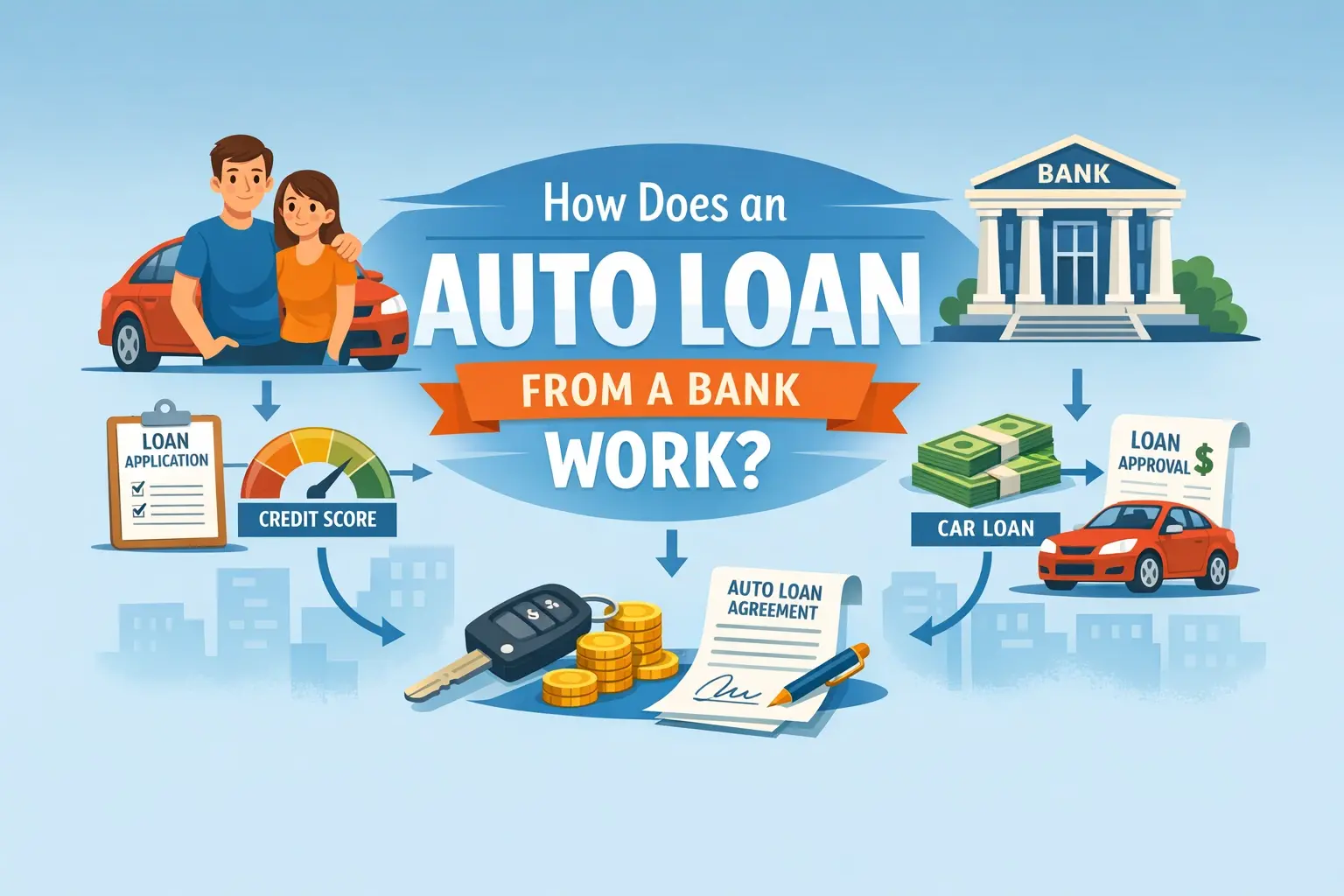
Banks: Traditional banks offer a wide range of auto loan products. They often have established relationships with customers and may offer competitive rates, especially if you have a strong banking history with them. However, their approval process can sometimes be more stringent.
Credit Unions: Credit unions are member-owned non-profit organizations. They are known for offering some of the most competitive interest rates on auto loans, often lower than those offered by banks. Membership requirements vary but are usually based on geographic location, employer, or affiliation with certain groups.
Online Lenders
Online lenders have grown significantly in popularity. They often provide a streamlined, fast application process and can offer competitive APRs. Many specialize in auto loans and have sophisticated algorithms for quick approvals. However, ensure you are dealing with a reputable lender and understand all terms.
Dealership Financing
Dealerships work with a network of lenders (banks, credit unions, and captive finance companies) to offer financing directly to buyers. While convenient, dealership financing is not always the best option. They may mark up the interest rate from the lender to make a profit. It's crucial to compare dealership offers against your pre-approved rates from other lenders.
Captive Finance Companies
These are financial arms of car manufacturers (e.g., Ford Credit, Toyota Financial Services). They often offer special low-APR financing deals on new vehicles from their respective brands. These can be very attractive, but sometimes require excellent credit and may involve forfeiting other rebates.
Deciphering Loan Disclosures and Terms
Before signing any auto loan agreement in 2025-26, it's vital to understand the document's disclosures and terms. This ensures you know exactly what you're agreeing to and can avoid unexpected costs or complications.
Key Disclosures to Look For
Your loan disclosure statement, often called a Truth in Lending disclosure, will contain critical information:
Amount Financed: The actual amount of money you are borrowing.
Finance Charge: The total dollar amount the credit will cost you over the loan's term.
Annual Percentage Rate (APR): The cost of credit as a yearly rate.
Total Payments: The sum of all payments you will make over the loan's life.
Payment Schedule: The number, amount, and due dates of your payments.
Late Payment Fees: What happens if you miss a payment?
Prepayment Penalties: Whether you can pay off the loan early without penalty.
Understanding Common Loan Terms
Familiarize yourself with these common terms:
Collateral: The vehicle you are purchasing serves as collateral for the loan. If you default, the lender can repossess the vehicle.
Default: Failing to meet the loan obligations, such as missing payments.
Amortization: The process of paying off debt over time with regular payments. Early payments are heavily weighted towards interest, while later payments are more heavily weighted towards the principal.
Loan-to-Value (LTV): The ratio of the loan amount to the vehicle's value.
What to Do If You Don't Understand
If any part of the loan disclosure or agreement is unclear, do not hesitate to ask questions. Speak with the loan officer, dealership finance manager, or even consult with a financial advisor. It's better to seek clarification before signing than to face unexpected issues later.
When to Consider Refinancing Your Auto Loan
Securing a favorable auto loan rate at the time of purchase is ideal, but your journey with your auto loan doesn't have to end there. If market conditions change or your financial situation improves, refinancing your existing auto loan could save you money.
Reasons to Refinance
Consider refinancing your auto loan in 2025-26 if:
Interest Rates Have Fallen: If market interest rates have dropped significantly since you took out your loan, you might qualify for a lower APR.
Your Credit Score Has Improved: A higher credit score can unlock better interest rates. If your score has increased substantially, you may be eligible for a lower rate than you originally received.
You want to change the Loan Term: You might want to shorten your loan term to pay off the car faster and save on interest, or lengthen it to lower your monthly payments if your budget is tight.
You Want to Consolidate Loans: If you have multiple vehicle loans, you might be able to consolidate them into a single loan with a better rate or payment structure.
The Refinancing Process
The process is similar to applying for a new loan:
Check Your Current Loan Details: Know your outstanding balance, current APR, and remaining term.
Check Your Credit Score: Ensure it has improved or that market rates are favorable.
Shop Around: Get quotes from various lenders (banks, credit unions, online lenders) for refinancing.
Compare Offers: Look at the APR, loan term, fees, and total cost.
Apply: Complete the application with the chosen lender.
Sign and Fund: If approved, sign the new loan documents, and the new lender will pay off your old loan.
Be mindful of any potential fees associated with refinancing and ensure the savings outweigh these costs.
Conclusion: Securing Your Best Rate
Navigating the world of auto loans in 2025-26 requires diligence and a clear understanding of the factors that influence interest rates. The current auto loan rate is not a fixed entity; it's a dynamic figure shaped by economic conditions, lender policies, and, most importantly, your personal financial profile. By focusing on maintaining a strong credit score, shopping around for pre-approval from multiple lenders, negotiating effectively, and understanding all loan terms, you can significantly improve your chances of securing the lowest possible APR.
Remember that a lower APR translates directly into lower monthly payments and substantial savings over the life of your loan. Whether you're eyeing a brand-new model or a reliable pre-owned vehicle, taking the time to research and prepare will pay dividends. Always prioritize transparency, compare offers meticulously, and never hesitate to ask questions. Empower yourself with knowledge, and drive away with a great car and an even better auto loan.
null
What Is The Current Auto Loan Rate

Krystin Bresolin