-
Posted on: 02 Mar 2026
-
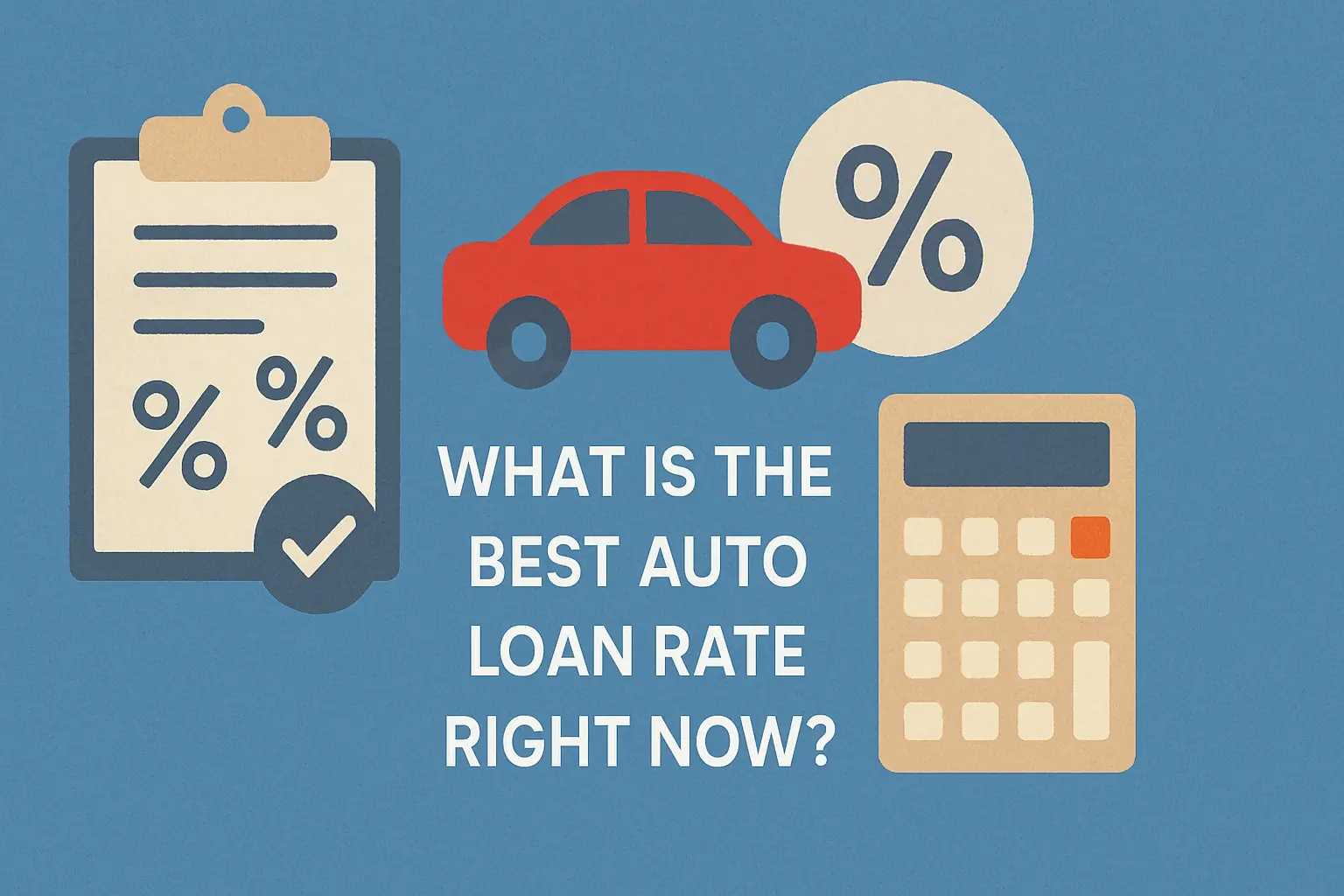
Discovering the best auto loan rate right now involves understanding market trends, your personal financial profile, and where to look. This guide will equip you with the knowledge to secure the most favorable terms for your next vehicle purchase in 2025-26.
Understanding Auto Loan Rates
The "best" auto loan rate isn't a single, static number; it's a dynamic figure influenced by a multitude of economic factors and individual borrower characteristics. For consumers in 2025-26 looking to finance a vehicle, understanding what constitutes a "good" rate and how to achieve it is paramount to saving money over the life of the loan. An auto loan rate, often expressed as an Annual Percentage Rate (APR), represents the cost of borrowing money to purchase a car. This APR includes not just the interest rate but also any fees associated with the loan, providing a more accurate picture of the total borrowing cost.
The Federal Reserve's monetary policy plays a significant role in setting the baseline for interest rates across the economy. When the Fed raises its benchmark interest rate, it generally leads to higher rates for consumers on various loan products, including auto loans. Conversely, a reduction in the benchmark rate can trickle down to lower auto loan APRs. Beyond macroeconomic indicators, lenders assess risk when determining the rate they offer. Borrowers with a strong credit history, stable income, and a manageable debt-to-income ratio are perceived as lower risk and are thus typically offered more competitive, lower rates.
The type of vehicle being financed also matters. New cars often come with lower interest rates than used cars because they represent a more predictable asset for the lender and are less prone to immediate depreciation. Furthermore, the loan term – the duration over which you agree to repay the loan – directly impacts the APR. Shorter loan terms usually have lower interest rates but result in higher monthly payments, while longer terms offer lower monthly payments but typically come with higher interest rates and more interest paid overall.
Navigating this complex landscape requires a proactive approach. It means researching current market conditions, understanding your personal financial standing, and shopping around with multiple lenders. The goal is to find an APR that is not only competitive within the current market but also the lowest possible rate for your specific creditworthiness and loan requirements. This comprehensive understanding is the first step toward securing an advantageous auto loan.
What Exactly is APR?
APR, or Annual Percentage Rate, is a crucial metric when comparing auto loans. It's more than just the stated interest rate; it's the yearly cost of borrowing money, expressed as a percentage. This comprehensive figure includes the interest rate plus certain fees and other charges associated with the loan, such as origination fees or administrative costs. Lenders are required by law to disclose the APR, making it a standardized way to compare loan offers from different financial institutions. A lower APR generally means a cheaper loan. For example, a 5% interest rate might sound good, but if it comes with a 2% origination fee spread over the loan term, the APR could be higher than a loan with a slightly higher interest rate but no fees. Always look at the APR when comparing loan options to get the true cost of borrowing.
Factors Influencing Your Auto Loan Rate
When you apply for an auto loan, lenders don't just pull a rate out of thin air. They meticulously evaluate several key factors to determine the risk associated with lending you money and, consequently, the interest rate they will offer. Understanding these elements is crucial for borrowers aiming to secure the best possible auto loan rate in 2025-26.
Credit Score and History
Your credit score is arguably the most significant determinant of your auto loan rate. A higher credit score indicates to lenders that you are a reliable borrower who has managed credit responsibly in the past. Scores typically range from 300 to 850, with higher scores commanding lower interest rates. For instance, someone with a score above 740 (considered excellent) might qualify for rates as low as 4-6% for a new car loan, while someone with a score between 620-660 (fair) could see rates ranging from 10-15% or even higher. Your credit history, which includes the length of your credit history, the types of credit you've used, and your payment history, also plays a vital role. Late payments, defaults, or bankruptcies will negatively impact your score and lead to higher rates.
Income and Employment Stability
Lenders want to ensure you have the financial capacity to repay the loan. They will review your income, typically requiring proof such as pay stubs or tax returns. A steady employment history with a stable income stream signals to lenders that you are likely to continue meeting your payment obligations. Borrowers with higher, more consistent incomes and longer tenures at their jobs are generally viewed as less risky and may qualify for better rates. Your debt-to-income ratio (DTI), which compares your monthly debt payments to your gross monthly income, is also a critical metric. A lower DTI suggests you have more disposable income available for loan repayments.
Loan Amount and Loan Term
The amount you borrow and the duration over which you plan to repay it (the loan term) also influence the interest rate. Generally, larger loan amounts might carry slightly higher rates due to the increased risk for the lender. Similarly, longer loan terms, while offering lower monthly payments, often come with higher interest rates. This is because the lender is exposed to risk for a longer period. For example, a 72-month loan will almost always have a higher APR than a 48-month loan for the same vehicle and borrower, even though the monthly payments will be lower on the longer term.
Down Payment Size
A larger down payment reduces the amount you need to finance, thereby lowering the lender's risk. This can often translate into a better interest rate. A substantial down payment demonstrates your financial commitment to the purchase and reduces the loan-to-value (LTV) ratio – the amount of the loan compared to the car's value. For instance, putting down 20% or more on a vehicle can significantly improve your chances of securing a more favorable rate compared to financing 100% of the car's value.
Vehicle Age and Type
As mentioned, new cars typically have lower interest rates than used cars. This is because new vehicles are less likely to have immediate mechanical issues and depreciate at a predictable rate. Used cars, especially older models or those with high mileage, represent a higher risk for lenders due to their increased potential for maintenance costs and unpredictable resale value. Some lenders also offer different rates for different types of vehicles, such as trucks, SUVs, or electric vehicles, based on their market demand and depreciation curves.
Lender Type
The type of lender you choose can also impact your rate. Banks, credit unions, and online lenders all have different cost structures and risk appetites. Credit unions, often known for serving their members, may offer competitive rates. Online lenders can sometimes provide lower rates due to their lower overhead costs. Dealerships, while convenient, may not always offer the absolute best rates, as they often work with a network of lenders and may have their own profit margins to consider.
Current 2025-26 Auto Loan Rate Landscape
The auto loan market in 2025-26 is characterized by a complex interplay of economic forces, including inflation, Federal Reserve policy, and evolving consumer demand for vehicles. Understanding the prevailing rate environment is the first step in determining what constitutes a "good" auto loan rate for your specific situation.
Federal Reserve Influence
The Federal Reserve's monetary policy remains a dominant factor. Throughout 2025 and into 2026, the Fed's decisions on interest rates will continue to shape the cost of borrowing. If inflation persists, the Fed may maintain higher interest rates, leading to elevated auto loan APRs. Conversely, if inflation moderates and the economy shows signs of slowing, the Fed might consider rate cuts, which would likely bring down auto loan rates. As of late 2025, forecasts suggest that while rates might have peaked, they are likely to remain somewhat elevated compared to the ultra-low rates seen in previous years, settling into a range that reflects ongoing economic adjustments.
Average Rates for 2025-26
Based on current economic projections and trends observed in late 2025, average auto loan rates are expected to hover in the following ranges:
Loan Type
Estimated APR Range (2025-26)
Notes
New Car Loans (Excellent Credit)
4.5% - 7.0%
For borrowers with credit scores 740+
New Car Loans (Good Credit)
7.0% - 9.5%
For borrowers with credit scores of 670-739
New Car Loans (Fair Credit)
9.5% - 14.0%
For borrowers with credit scores of 620-669
Used Car Loans (Excellent Credit)
5.5% - 8.0%
Generally higher than new car loans
Used Car Loans (Good Credit)
8.0% - 11.0%
Used Car Loans (Fair Credit)
11.0% - 16.0%+
Can vary significantly based on vehicle age and condition
It's crucial to remember that these are *average* ranges. An individual's specific rate can fall outside these bounds depending on the lender and the precise factors discussed earlier. For instance, a borrower with an exceptional credit score and a substantial down payment might secure a rate at the lower end of the "excellent credit" range, or even slightly below it. Conversely, a borrower with a less-than-perfect credit history might face rates at the higher end or even exceed these estimates.
Impact of Economic Uncertainty
The economic outlook for 2025-26 includes a degree of uncertainty. Geopolitical events, supply chain issues, and evolving inflation patterns can all create volatility. Lenders may adopt a more conservative lending approach during periods of economic instability, potentially leading to slightly higher rates or stricter approval criteria. This underscores the importance of securing pre-approval from multiple lenders to gauge your options accurately in the current climate.
Trends in Loan Terms
While 60-month loan terms remain common, there's a continued trend towards longer terms (72 or even 84 months) to keep monthly payments affordable, especially with rising vehicle prices. However, lenders are increasingly cautious about very long terms, and rates for these extended periods are often significantly higher. This is a trade-off consumers must carefully consider: lower monthly payments come at the cost of paying substantially more interest over the life of the loan.
Credit Unions and Online Lenders
Credit unions are often a strong source for competitive auto loan rates, especially for members. Their non-profit status allows them to pass savings on to members. Online lenders, with their streamlined processes and lower overhead, also continue to offer compelling rates, particularly for borrowers with good to excellent credit. Competition among these lenders is fierce, which benefits consumers seeking the best deals.
How to Find the Best Auto Loan Rate
Securing the best auto loan rate requires a strategic approach. It's not enough to walk into a dealership and accept the first offer. A proactive, well-researched strategy will yield significantly better results.
Get Pre-Approved Before Shopping
This is perhaps the single most important step. Before you even set foot on a car lot or start browsing online, apply for an auto loan with your bank, a local credit union, and at least one reputable online lender. This process typically involves a "soft" credit check, which doesn't impact your credit score. Pre-approval gives you a clear understanding of the rate you qualify for, the maximum loan amount, and the loan terms you can expect. Armed with this information, you have a benchmark to compare dealership offers against. If a dealership can't beat your pre-approved rate, you know you're already getting a competitive deal.
Check Your Credit Report and Score
Your credit score is the cornerstone of your loan application. Before applying, obtain copies of your credit reports from Equifax, Experian, and TransUnion. Review them for any errors or inaccuracies that could be dragging down your score. You can get free copies annually from AnnualCreditReport.com. Understanding your score will help you set realistic expectations and identify areas for improvement. If your credit score is lower than you'd like, consider addressing any issues before applying.
Understand Your Budget
Know exactly how much you can comfortably afford for a monthly car payment, including insurance, fuel, and maintenance. Don't just focus on the interest rate; consider the total cost of the loan over its entire term. A lower monthly payment achieved through a longer loan term might seem attractive, but it will cost you more in interest over time. Use online auto loan calculators to explore different scenarios and find a payment that fits your budget without overextending yourself.
Shop Around Aggressively
Don't limit yourself to one or two lenders. The more you shop around, the higher your chances of finding the best rate. Each lender has different criteria and risk tolerances. Applying for pre-approval with multiple lenders within a short period (typically 14-45 days, depending on the credit scoring model) is usually treated as a single inquiry by credit bureaus, minimizing the impact on your credit score. Compare the APRs, loan terms, fees, and any other conditions offered by each lender.
Consider Credit Unions
If you're not already a member of a credit union, explore local options. Many credit unions offer competitive auto loan rates, often lower than those from traditional banks or national online lenders, especially for members. Some credit unions have broad membership eligibility requirements, so it's worth investigating even if you don't think you qualify.
Negotiate the Price of the Car Separately
It's crucial to separate the car purchase negotiation from the financing negotiation. Focus on agreeing on the "out-the-door" price of the vehicle first. Once that's settled, then discuss financing. Dealerships sometimes offer attractive financing rates to entice buyers, but they may also mark up the car's price to compensate. By having your financing pre-approved, you gain leverage and can ensure you're getting a good deal on both the car and the loan.
Comparing Lenders for Auto Loans
Once you have several pre-approval offers, the next critical step is to compare them effectively. This involves looking beyond just the headline interest rate to understand the true cost and suitability of each loan.
Banks and Credit Unions
Banks: Traditional banks, whether national or local, are a common source for auto loans. They often offer competitive rates, especially if you have an existing relationship with them. Their application process can sometimes be more traditional, requiring more documentation.
Credit Unions: As mentioned, credit unions are often a prime choice. Their member-focused approach can lead to lower APRs and more flexible terms. If you're a member, always check with your credit union first.
Online Lenders
Online lenders have revolutionized the auto loan market with their speed and convenience. They often have lower overhead costs, which can translate into lower interest rates. The application process is typically entirely online, and funding can be very quick. Examples include companies like LightStream, Capital One Auto Navigator, and LendingTree (which aggregates offers from multiple lenders).
Dealership Financing
Dealerships offer the convenience of handling both the car purchase and financing in one place. They work with a network of lenders, including captive finance companies (like Ford Credit or Toyota Financial Services) and third-party lenders. While convenient, it's essential to compare their offers against your pre-approved rates. Sometimes, dealerships can secure a rate slightly lower than what you were offered, but other times, they may present a higher rate and try to obscure it with other incentives.
What to Compare Beyond APR
When comparing loan offers, consider these crucial elements:
APR: The Annual Percentage Rate is the most important factor, as it reflects the total cost of borrowing.
Loan Term: The length of the loan (e.g., 48, 60, 72 months). Shorter terms mean higher monthly payments but less interest paid overall. Longer terms mean lower monthly payments but more interest paid.
Fees: Look for origination fees, application fees, late payment fees, and prepayment penalties. A loan with a slightly higher APR but no fees might be cheaper than one with a lower APR and significant fees.
Down Payment Requirements: Some lenders may require a larger down payment than others.
Loan-to-Value (LTV) Ratio: This is the ratio of the loan amount to the vehicle's value. Lenders may have limits on the LTV they will finance.
Flexibility: Can you make extra payments without penalty? What are the grace periods for payments?
Example Comparison
Let's say you're looking to finance a $25,000 car.
Lender A (Bank): 5.5% APR for 60 months. Monthly payment: ~$483. Total interest paid: ~$3,980.
Lender B (Online Lender): 5.2% APR for 60 months. Monthly payment: ~$481. Total interest paid: ~$3,860.
Lender C (Dealership): 5.8% APR for 60 months with a $500 origination fee. Monthly payment: ~$485. Total interest paid: ~$4,100 + $500 fee = ~$4,600.
In this scenario, Lender B offers the lowest overall cost due to the slightly lower APR and no fees. Lender C, despite a slightly higher APR, also has a significant fee, making it the most expensive option.
New vs. Used Car Loan Rates
The distinction between financing a new car and a used car is significant in the auto loan market, primarily due to differences in risk perception by lenders.
Why New Cars Get Better Rates
New cars are generally considered less risky for lenders. They come with manufacturer warranties, are less likely to require immediate repairs, and their depreciation is more predictable. Lenders can more confidently assess the resale value of a new vehicle. This reduced risk often translates into lower APRs, making it more affordable to finance a brand-new vehicle.
Challenges with Used Car Loans
Used cars, on the other hand, present more challenges. Their history is less certain, they may be out of warranty, and their condition can vary widely. The older the car and the higher its mileage, the greater the perceived risk for the lender. Consequently, used car loan rates are typically higher than those for new cars. For older or high-mileage vehicles, lenders might also impose stricter requirements, such as a larger down payment or a shorter loan term. Some lenders may even have age or mileage limits on the vehicles they will finance.
Factors Affecting Used Car Loan Rates
When seeking a loan for a used car, several factors become even more critical:
Vehicle Age: Newer used cars (1-3 years old) will have rates closer to new car rates than older models.
Mileage: High mileage increases risk.
Vehicle History Report: A clean CarFax or AutoCheck report can help mitigate some lender concerns.
Condition: Lenders may require a pre-purchase inspection to assess the vehicle's mechanical condition.
Loan-to-Value (LTV) Ratio: A larger down payment is often essential to lower the LTV for used cars.
For instance, a 2023 model with 20,000 miles might qualify for a used car rate of 6.5% if you have excellent credit. However, a 2018 model with 80,000 miles might have a rate of 9.5% or higher, even with the same credit score.
Loan Terms and Their Impact on Rates
The loan term, or the duration over which you repay the loan, is a critical component of your auto loan agreement and has a direct impact on both your monthly payments and the total interest you'll pay.
Shorter Terms, Higher Payments, Lower Interest
Opting for a shorter loan term, such as 36 or 48 months, generally results in higher monthly payments. However, because you are repaying the principal faster and the lender's risk is reduced over a shorter period, the interest rate (APR) is typically lower. This means you will pay significantly less interest over the life of the loan. For example, a $25,000 loan at 5% APR:
48-month term: Monthly payment ~$585; Total interest ~$3,080.
60-month term: Monthly payment ~$483; Total interest ~$3,980.
72-month term: Monthly payment ~$418; Total interest ~$4,896.
As you can see, extending the term by 12 months increases the total interest paid by nearly $1,000 in this example.
Longer Terms, Lower Payments, Higher Interest
Longer loan terms, such as 72 or even 84 months, lead to lower monthly payments. This can make a more expensive vehicle or a higher monthly payment more accessible. However, this affordability comes at a cost. The interest rate is usually higher for longer terms because the lender is exposed to risk for a longer duration. More importantly, you will pay substantially more in total interest over the life of the loan. This can significantly increase the overall cost of the vehicle.
The Sweet Spot for Loan Terms
For most borrowers, the "sweet spot" for auto loan terms often lies between 48 and 60 months. This range typically offers a good balance between manageable monthly payments and a reasonable total interest cost. While longer terms might be necessary for some due to budget constraints, it's crucial to understand the long-term financial implications. If you opt for a longer term, try to make extra principal payments whenever possible to shorten the loan duration and reduce the total interest paid.
Impact on Loan-to-Value (LTV)
Loan terms can also influence the loan-to-value (LTV) ratio that lenders are willing to offer. For longer terms, lenders may be more conservative with their LTV limits, meaning they might require a larger down payment to mitigate their increased risk over time. Conversely, shorter terms might allow for a higher LTV.
Credit Score is King for Auto Loans
In the realm of auto financing, your credit score reigns supreme. It is the single most influential factor that lenders consider when deciding whether to approve your loan and, crucially, what interest rate to offer you. A strong credit score signals a history of responsible financial behavior, making you a less risky prospect for lenders.
Credit Score Tiers and Rates
Lenders categorize borrowers into different credit score tiers, and each tier is associated with a distinct range of interest rates. While these ranges can fluctuate based on market conditions, the general hierarchy remains consistent:
Exceptional Credit (780-850): Borrowers in this tier typically receive the lowest interest rates, often at or below the advertised "best" rates.
Very Good Credit (700-779): Still qualifies for highly competitive rates, though slightly higher than the exceptional tier.
Good Credit (660-699): Rates become moderately higher, but still manageable.
Fair Credit (620-659): Expect significantly higher rates and potentially stricter loan terms.
Poor Credit (Below 620): Approval is challenging, and rates will be very high, often accompanied by demands for a larger down payment or a co-signer.
For example, a new car loan might be offered at 4.8% for someone with excellent credit, but could jump to 11% or more for someone with fair credit. This difference can amount to thousands of dollars in extra interest over the life of the loan.
The Importance of Credit Reports
Beyond the score itself, lenders scrutinize your credit report. This document provides a detailed history of your borrowing and repayment activities. Key elements include:
Payment History: On-time payments are crucial. Late payments, missed payments, or defaults will severely damage your score and lead to higher rates.
Credit Utilization: Keeping your credit card balances low relative to your credit limits demonstrates responsible credit management.
Length of Credit History: A longer history of responsible credit use is generally viewed favorably.
Credit Mix: Having a mix of credit types (e.g., credit cards, installment loans) can be beneficial.
Recent Credit Activity: Numerous recent credit applications or new accounts can be a red flag.
Before you embark on your car-buying journey, it is absolutely vital to understand your current credit standing. A low credit score can significantly inflate the cost of your auto loan, making the car you want much more expensive over time. If you're concerned about your credit score or believe it doesn't accurately reflect your financial responsibility, consider seeking professional assistance.
Companies like Credit Repair Ease specialize in helping individuals improve their credit profiles. They can review your credit reports, identify errors, and work to resolve issues that may be hindering your score. Taking proactive steps to improve your credit before applying for a loan can lead to substantial savings. Don't let a less-than-ideal credit score prevent you from getting the best possible auto loan rate; reach out to Credit Repair Ease at (888) 803-7889 to learn how they can help you achieve your financial goals.
Improving Your Credit Score
If your credit score isn't where you'd like it to be, there are steps you can take to improve it before applying for an auto loan:
Pay Bills On Time: This is the most critical factor. Set up automatic payments or reminders.
Reduce Credit Card Balances: Aim to keep your credit utilization ratio below 30%, and ideally below 10%.
Avoid Opening Too Many New Accounts: Each new account can cause a small, temporary dip in your score.
Check for Errors: Dispute any inaccuracies on your credit reports.
Consider a Secured Credit Card: If you have limited credit history, this can help build a positive track record.
Improving your credit score takes time, but even a small increase can lead to a lower APR and significant savings on your auto loan.
What to Do If You Can't Get a Good Rate
It's a disappointing but not uncommon situation: you've shopped around, but the auto loan rates you're being offered are higher than you expected or desired. Don't despair; there are still strategies you can employ to mitigate the cost or improve your situation.
Re-evaluate Your Budget and Car Choice
If high rates are making your desired vehicle unaffordable, it might be time to adjust your expectations.
Consider a Less Expensive Vehicle: A lower purchase price means a smaller loan, which can make even a higher APR more manageable.
Look at Newer Used Cars: As discussed, used car rates are higher, but a slightly older, well-maintained vehicle might still offer a better overall deal than a new car with a very high APR.
Increase Your Down Payment: If possible, saving up for a larger down payment can significantly reduce the loan amount and the lender's risk, potentially leading to a better rate or at least lower monthly payments.
Consider a Co-signer
If your credit history is the primary obstacle, a co-signer with excellent credit can be a game-changer. A co-signer is someone who agrees to be legally responsible for the loan if you fail to make payments. Their strong credit profile can help you qualify for a loan or secure a lower interest rate. However, be aware that this is a significant responsibility for the co-signer, and it could damage their credit if you default.
Explore Specialty Lenders
Some lenders specialize in working with borrowers who have less-than-perfect credit. While their rates will likely be higher than those offered to prime borrowers, they may be more accessible. Research lenders that cater to subprime borrowers, but be diligent in comparing their terms and fees to avoid predatory lending.
Improve Your Credit Before Applying
If you have some time before you need to purchase a car, focus on improving your credit score. As highlighted earlier, even a small improvement can lead to a lower APR. Address any outstanding debts, ensure all payments are made on time, and monitor your credit reports for errors.
Negotiate with Dealerships
Even if you have pre-approval, sometimes dealerships can work miracles with their network of lenders. Present your best pre-approval offer and see if the dealership can beat it. If they can't offer a lower APR, they might be able to offer other incentives, such as discounts on the vehicle or extended warranties, that could offset the higher financing cost.
Wait for Better Market Conditions
If your car purchase isn't urgent, and current rates are prohibitively high, consider waiting. Economic conditions and Federal Reserve policies can change, potentially leading to lower interest rates in the future. Keep monitoring the market and your credit score.
Making the Final Decision
After diligently researching, comparing offers, and understanding all the factors at play, you're ready to make the final decision on your auto loan. This is where careful consideration ensures you're not just getting a loan, but the *right* loan for your financial situation.
Review All Loan Documents Carefully
Before signing anything, read every word of the loan agreement. Pay close attention to the APR, the total loan amount, the monthly payment, the loan term, and any associated fees (origination, late fees, prepayment penalties). Ensure you understand all the terms and conditions. Don't hesitate to ask the lender for clarification on anything you don't understand.
Understand the Total Cost of the Loan
Calculate the total amount you will repay over the life of the loan. This includes all monthly payments plus any fees. Compare this total cost across your best loan offers. A slightly lower monthly payment from a longer loan term might seem appealing, but the total interest paid could be significantly higher. Choose the loan that offers the lowest overall cost for your budget.
Consider Your Long-Term Financial Goals
How does this auto loan fit into your broader financial picture? Are you saving for a down payment on a house, paying off student loans, or building an emergency fund? A high auto loan payment could hinder your progress on other financial goals. Choose a loan that allows you to meet your car payment obligations without jeopardizing your other financial aspirations.
Trust Your Instincts
If a lender or a loan offer feels too good to be true, or if the process feels rushed or unclear, it's wise to be cautious. A reputable lender will be transparent and patient, answering all your questions thoroughly.
Final Steps After Approval
Once you've selected the best loan offer and signed the paperwork, you'll typically receive the funds to purchase your vehicle. If you secured financing through your bank or a credit union, you might get a check or a direct transfer. If you used dealership financing, the dealership will handle the disbursement of funds. Remember to set up your payment schedule and ensure you make timely payments to maintain a good credit standing.
Finding the best auto loan rate right now in 2025-26 is an achievable goal with the right approach. By understanding the factors that influence rates, researching current market conditions, shopping around diligently, and carefully comparing offers, you can secure financing that saves you money and fits your budget. Remember that your credit score is your most powerful tool in this process. Prioritize improving it, and always seek pre-approval from multiple lenders to gain leverage. With informed decisions and a strategic mindset, you can drive away in your new vehicle with confidence, knowing you've secured a favorable auto loan rate.
null
What Is The Best Auto Loan Rate Right Now

Krystin Bresolin