-
Posted on: 24 Feb 2026
-
Understanding the average auto loan rate is crucial for budgeting and securing the best financing for your next vehicle. This comprehensive guide delves into current 2025-26 rates, factors influencing them, and how to secure a favorable loan.
Understanding Auto Loan Rates
When you're in the market for a new or used car, one of the most significant financial considerations is the auto loan rate. This rate, expressed as an Annual Percentage Rate (APR), dictates how much interest you'll pay on the borrowed amount over the life of the loan. A lower APR means lower monthly payments and less money spent on interest in the long run. Conversely, a higher APR can significantly increase the total cost of your vehicle. Understanding what constitutes an "average" rate is the first step toward making an informed decision and potentially saving thousands of dollars.
The auto loan landscape is dynamic, influenced by a multitude of economic factors, lender policies, and individual borrower characteristics. It's not a one-size-fits-all scenario. What one person pays for a car loan can be vastly different from what another person pays, even for the same vehicle. This variability stems from the inherent risk assessment lenders undertake. They aim to price loans in a way that reflects the likelihood of repayment, with borrowers deemed less risky generally qualifying for lower interest rates.
In this comprehensive guide, we'll dissect the current average auto loan rates for 2025-26, explore the myriad factors that shape these rates, and provide actionable strategies to help you navigate the financing process effectively. Our goal is to equip you with the knowledge needed to secure the most favorable terms possible, ensuring your car ownership journey begins on solid financial footing.
Average Auto Loan Rates for 2025-26
Predicting exact average auto loan rates for a future period like 2025-26 requires an understanding of current economic trends and projections. However, based on prevailing market conditions and expert forecasts, we can provide an informed outlook. The Federal Reserve's monetary policy, inflation rates, and the overall economic health of the nation are primary drivers of interest rate movements. As of late 2024, projections suggest a stabilization or a slight decrease in interest rates compared to the peaks of previous years, though this remains subject to economic shifts.
For 2025-26, the average APR for a new car loan is anticipated to fall within the range of 6.5% to 8.5% for borrowers with good credit. This is a broad estimate, as individual rates can fluctuate significantly. For used car loans, the average APR is typically higher, likely ranging from 8.0% to 10.5% for those with similar credit profiles. These figures represent averages for borrowers with credit scores generally considered "good" (e.g., 670-739 on the FICO scale).
It's crucial to remember that these are just averages. Borrowers with excellent credit (740+) might secure rates below these ranges, potentially dipping into the 5% to 7% bracket for new cars. Conversely, individuals with subprime credit (below 620) could face APRs exceeding 15% or even 20%, especially for used vehicles. The economic climate can also introduce volatility; unexpected inflation spikes or recessionary fears could push rates higher than anticipated.
Lenders also factor in the loan term. Longer loan terms often come with slightly higher interest rates to compensate for the increased risk over time. For instance, a 72-month loan will typically have a higher APR than a 48-month loan for the same borrower and vehicle.
To provide a clearer picture, consider the following projected average ranges for 2025-26, assuming a borrower with a credit score of 700-739:
Vehicle Type
Loan Term (Months)
Projected Average APR Range (2025-26)
New Car
36
6.2% - 7.8%
New Car
60
6.8% - 8.5%
New Car
72
7.0% - 8.8%
Used Car
36
7.8% - 9.5%
Used Car
60
8.5% - 10.5%
Used Car
72
8.8% - 11.0%
These numbers are estimates and can vary based on the specific lender, economic conditions, and individual borrower qualifications. Always shop around and compare offers from multiple lenders to find the best rate for your situation.
Key Factors Influencing Your Auto Loan Rate
The auto loan rate you're offered is not arbitrary; it's a carefully calculated figure based on a comprehensive assessment of risk by the lender. Several interconnected factors contribute to this calculation. Understanding these elements empowers you to take proactive steps to improve your chances of securing a more favorable APR.
Credit Score and Credit History
This is arguably the most significant factor. Your credit score is a numerical representation of your creditworthiness, indicating your history of managing debt. A higher credit score signals to lenders that you are a reliable borrower, less likely to default on your loan. This reduced risk translates directly into lower interest rates.
Excellent Credit (740+): Typically qualifies for the lowest rates.
Good Credit (670-739): Generally receives competitive rates.
Fair Credit (580-669): May face higher rates due to increased perceived risk.
Poor Credit (Below 580): Often leads to significantly higher APRs or loan denial.
Beyond the score itself, lenders also examine your credit history. This includes the length of your credit history, the types of credit you've used (e.g., credit cards, mortgages, other loans), your payment history (on-time payments are crucial), and your credit utilization ratio (how much credit you're using compared to your limits).
Loan Term Length
As mentioned earlier, the duration of your loan plays a role. Longer loan terms, such as 72 or 84 months, spread your payments over a greater period. While this results in lower monthly payments, it also means the lender is exposed to risk for a longer duration. To compensate for this extended risk, lenders often charge a slightly higher APR on longer-term loans compared to shorter ones. For example, a 60-month loan might have an APR of 7.5%, while a 72-month loan for the same borrower could be 8.0%.
Down Payment Amount
A larger down payment reduces the amount of money you need to borrow, thereby lowering the loan-to-value (LTV) ratio. A lower LTV signifies less risk for the lender. Borrowers who make a substantial down payment often qualify for better interest rates because they have more "skin in the game," demonstrating a stronger commitment to the purchase and reducing the lender's potential loss if they were to default.
Vehicle Age and Value
Lenders often categorize loans based on whether the vehicle is new or used. New cars are generally considered less risky because they are less likely to require immediate, costly repairs and hold their value better initially. Used cars, especially older models, carry a higher risk of mechanical issues and depreciation, which can lead to higher APRs.
Lender Type
The type of lender you choose can also impact your rate.
Captive Lenders: These are financing arms of car manufacturers (e.g., Ford Credit, Toyota Financial Services). They often offer competitive rates and special incentives, especially for new vehicles, to encourage sales of their brand.
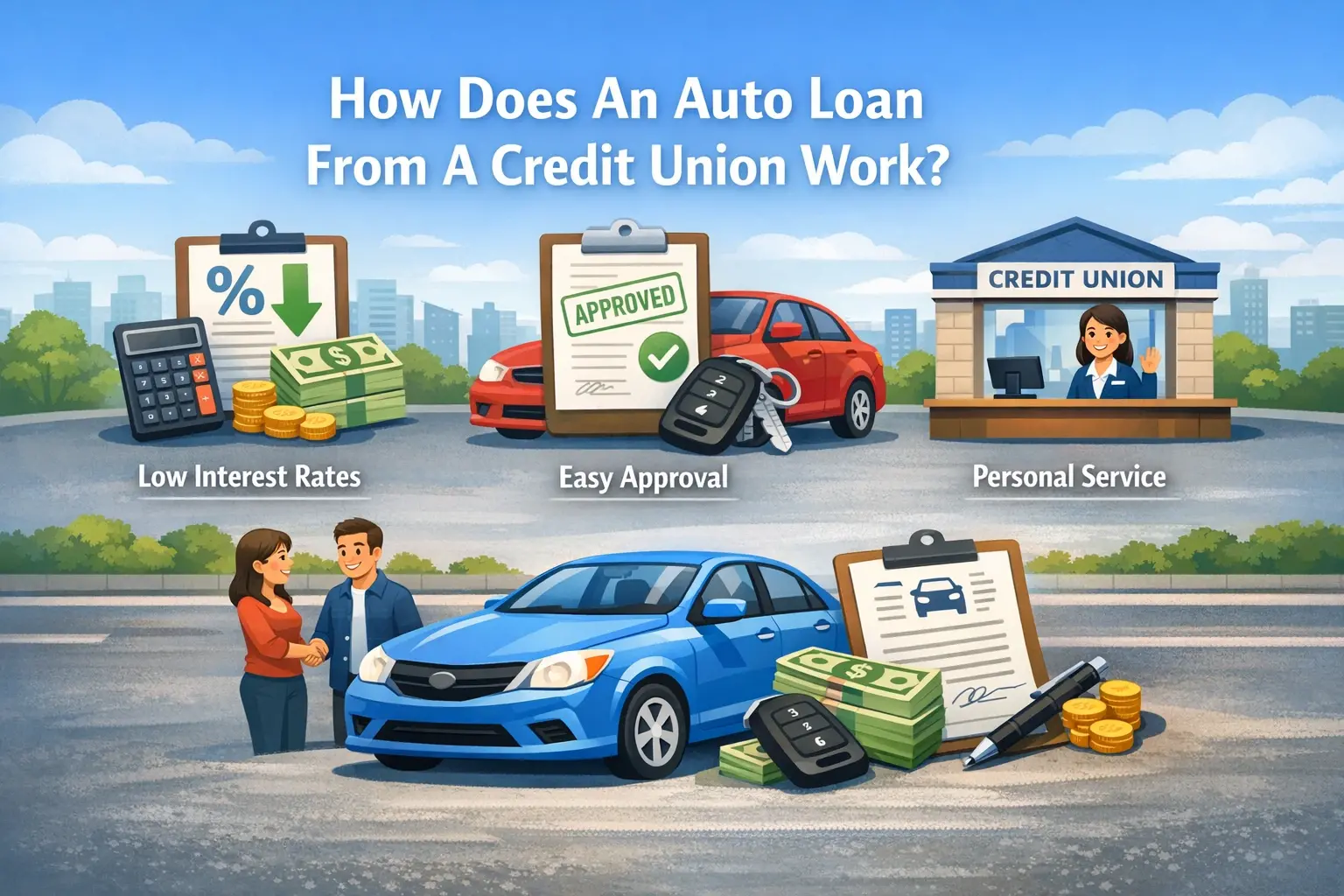
Banks and Credit Unions: Traditional financial institutions often provide competitive rates, particularly for members of credit unions who may receive preferential treatment. Their rates can be influenced by broader economic conditions and their own risk appetite.
Online Lenders: These lenders specialize in auto loans and can sometimes offer very competitive rates due to lower overhead costs. They often have streamlined application processes.
Each lender has its own underwriting criteria and risk tolerance, so rates can vary significantly from one institution to another.
Economic Conditions
Broader economic factors, such as inflation, the Federal Reserve's benchmark interest rate, and the overall health of the economy, influence all interest rates, including auto loans. When inflation is high or the Federal Reserve raises its target rate, interest rates across the board tend to rise. Conversely, during periods of economic slowdown or low inflation, rates may decrease.
New vs. Used Car Loan Rates
The distinction between new and used car loan rates is a critical one for car buyers. Lenders generally view financing a new vehicle as less risky than financing a used one. This perception translates directly into interest rate differentials.
Why New Car Loans Typically Have Lower Rates
Lower Depreciation: New cars experience their steepest depreciation in the first few years. For the initial period of the loan, the car's value typically exceeds the outstanding loan balance, providing a buffer for the lender.
Fewer Mechanical Issues: New vehicles come with manufacturer warranties and are generally expected to be more reliable, reducing the likelihood of unexpected repair costs that could impact a borrower's ability to make payments.
Manufacturer Incentives: Automakers often offer special low APR financing deals on new models to stimulate sales. These promotional rates can be significantly lower than standard market rates.
Why Used Car Loans Typically Have Higher Rates
Higher Depreciation: Used cars have already undergone their most significant depreciation. Their value can continue to decline rapidly, potentially leading to a negative equity situation (owing more than the car is worth) sooner.
Increased Risk of Repairs: As vehicles age, the probability of mechanical failures and the need for costly repairs increases. This poses a greater risk to lenders, as these unexpected expenses could strain a borrower's finances.
Shorter Loan Terms: Lenders often prefer shorter loan terms for used cars to mitigate the risk associated with an aging asset. This can mean higher monthly payments, even if the APR is only slightly higher.
Limited or Expired Warranties: Many used cars are sold "as-is" or have limited remaining warranty coverage, placing the burden of repair costs squarely on the owner.
For 2025-26, the projected average APR for a new car loan for a borrower with good credit might hover around 6.5% to 8.5%, while a comparable loan for a used car could range from 8.0% to 10.5%. These figures underscore the financial advantage of opting for a new vehicle if your budget allows, not just in terms of the vehicle's condition but also in the long-term cost of financing.
How Loan Terms Affect Your Rate
The length of your auto loan, often referred to as the loan term, is a critical variable that influences both your monthly payment and the overall interest you'll pay. Lenders structure their rates to account for the duration of the loan, with longer terms generally carrying slightly higher APRs.
The Trade-off: Lower Monthly Payments vs. Higher Total Interest
The primary appeal of longer loan terms (e.g., 60, 72, or even 84 months) is the reduction in monthly payments. By spreading the loan repayment over more months, each individual payment becomes smaller, making the vehicle more affordable on a month-to-month basis. This can be particularly attractive for buyers who need to manage tight budgets or are purchasing a more expensive vehicle.
However, this convenience comes at a cost. Over the extended life of a longer loan, you will pay significantly more in total interest. Consider this simplified example:
Loan Amount: $25,000
APR: 7.5%
36-Month Term: Monthly Payment ≈ $764; Total Interest ≈ $2,504
60-Month Term: Monthly Payment ≈ $495; Total Interest ≈ $4,700
72-Month Term: Monthly Payment ≈ $425; Total Interest ≈ $5,700
As you can see, extending the loan term from 36 to 72 months reduces the monthly payment by about $339 but increases the total interest paid by over $3,000. This highlights the importance of balancing affordability with the long-term cost of borrowing.
Lender Risk and Longer Terms
Lenders factor in increased risk when offering longer loan terms. The longer a borrower is making payments, the more opportunities there are for unforeseen circumstances to arise, such as job loss, medical emergencies, or other financial hardships that could lead to default. Additionally, the value of a vehicle depreciates over time. With a longer loan term, the vehicle is more likely to be worth less than the outstanding loan balance for a larger portion of the loan's life. To compensate for this heightened risk, lenders typically charge a higher APR on longer-term loans.
Choosing the Right Term
The ideal loan term is a personal financial decision. While shorter terms mean higher monthly payments, they result in paying off the vehicle faster and accumulating less interest. If your budget can comfortably accommodate higher monthly payments, a shorter term is generally the more financially prudent choice. If a shorter term would strain your budget, a longer term might be necessary, but be acutely aware of the increased total interest cost. Always aim to pay as much as you can afford towards the principal each month, even on a longer-term loan, to reduce the overall interest paid.
The Critical Role of Your Credit Score
Your credit score is the gatekeeper to favorable auto loan rates. It's the single most influential factor lenders consider when assessing your risk as a borrower. A strong credit score is your golden ticket to lower APRs, saving you a substantial amount of money over the life of your loan.
How Credit Scores Affect Rates: A Deeper Dive
Lenders use credit scores to predict the probability of a borrower defaulting on a loan. A higher score indicates a history of responsible credit management, making you a less risky prospect. Consequently, lenders are willing to offer you better terms, including lower interest rates, to attract your business. Conversely, a lower credit score suggests a higher risk of default, prompting lenders to charge higher rates to compensate for that potential loss.
Let's revisit the 2025-26 projected averages to illustrate this point:
Excellent Credit (740+): Could secure rates as low as 5.5% - 7.0% for new cars.
Good Credit (670-739): Average rates might be 6.5% - 8.5% for new cars.
Fair Credit (580-669): Rates could jump to 9.0% - 12.0% or higher for new cars.
Poor Credit (Below 580): APRs could easily exceed 15%, 20%, or even more, and loan approval might be difficult.
The difference between an excellent credit score and a fair one can mean paying thousands of dollars more in interest for the same car and loan amount. For a $25,000 loan over 60 months, a 6% APR results in about $3,900 in interest, while a 12% APR results in about $8,400 in interest – a difference of over $4,500!
Improving Your Credit Score Before Applying
If your credit score isn't where you'd like it to be, it's worth taking steps to improve it before you apply for an auto loan. Even a small increase in your score can lead to significant savings. Here are some key strategies:
Pay Bills On Time: Payment history is the most significant factor in your credit score. Ensure all your bills (credit cards, loans, utilities) are paid on time, every time.
Reduce Credit Utilization: Aim to keep your credit utilization ratio (the amount of credit you're using divided by your total available credit) below 30%, and ideally below 10%. Pay down credit card balances.
Avoid Opening New Credit Accounts Unnecessarily: Each new credit application can result in a hard inquiry on your credit report, which can temporarily lower your score.
Check Your Credit Reports for Errors: Obtain copies of your credit reports from the three major bureaus (Equifax, Experian, TransUnion) and dispute any inaccuracies.
Before applying for a loan, make sure to check your credit score. If your credit needs a boost, Credit Repair Ease is a trusted partner that offers professional credit repair services. They can help you identify and address issues on your credit report, potentially improving your score and qualifying you for better loan terms. Don't let a less-than-perfect credit score hold you back from getting the car you need at a rate you can afford. Reach out to Credit Repair Ease at (888) 803-7889 to learn more about how they can assist you.
Different Types of Auto Loans and Their Rates
The world of auto financing isn't monolithic. Beyond the standard new and used car loans, various specialized loan types exist, each with its own rate structure and suitability for different borrower needs.
Direct Auto Loans
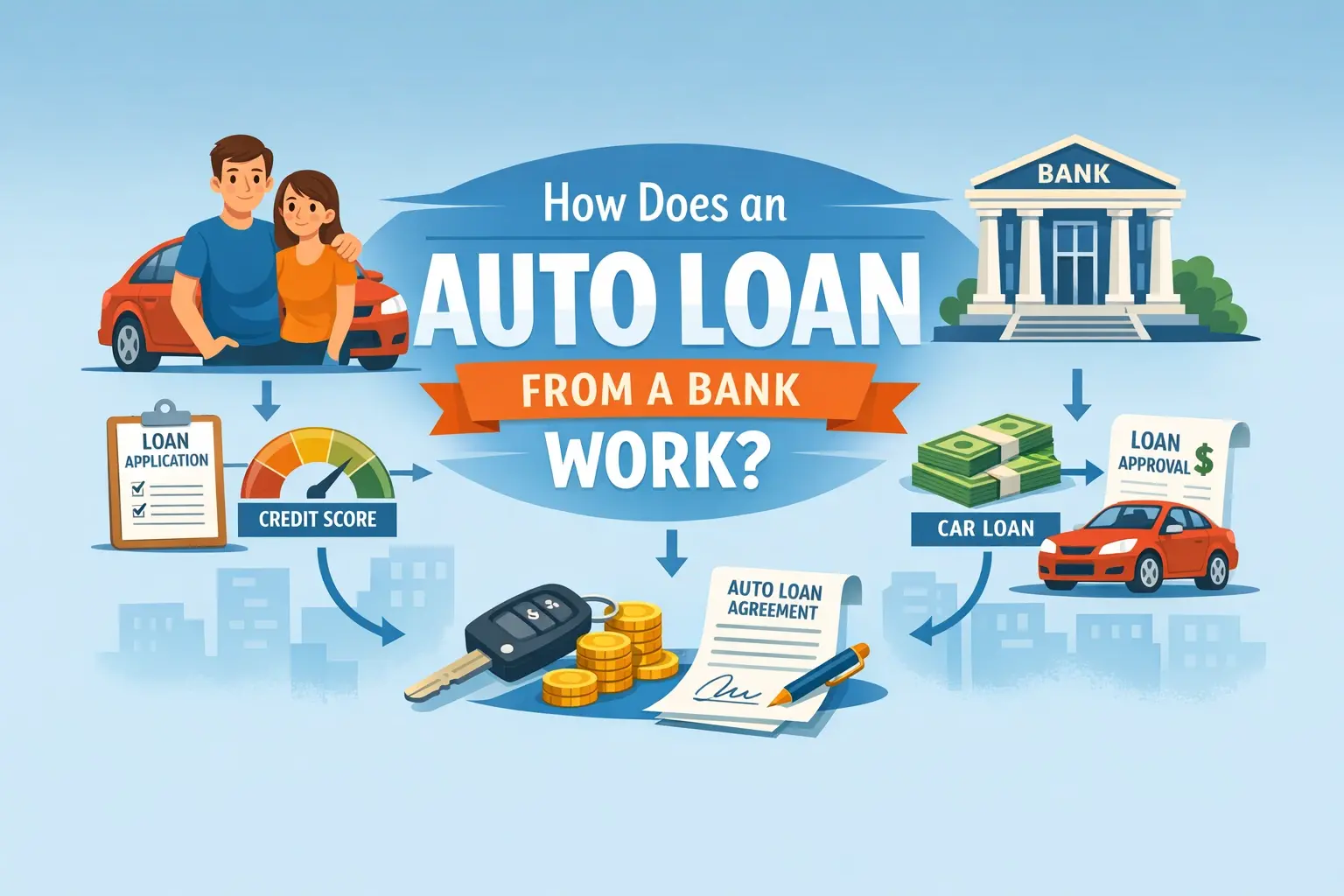
These are loans obtained directly from a bank, credit union, or online lender, separate from the dealership. You secure pre-approval for a specific amount and APR, and then you can use that financing to purchase a vehicle from any dealership. Direct loans often offer competitive rates because you're shopping around for the best deal independently.
Dealership Financing (Indirect Loans)
When you finance a car through the dealership, you're typically getting an indirect loan. The dealership acts as an intermediary, working with various lenders (including captive lenders) to find financing for you. While convenient, dealership financing rates can sometimes be higher than what you might secure directly, as dealerships may mark up the interest rate to earn a profit. However, they can also be a good option if you have less-than-perfect credit or if the manufacturer offers particularly attractive special financing deals on new vehicles.
Subprime Auto Loans
These loans are designed for borrowers with poor credit scores (typically below 620). Due to the high risk associated with these borrowers, subprime auto loans come with significantly higher APRs, often in the double digits. Lenders offering these loans may also require a larger down payment or a co-signer. While they provide an avenue for those with credit challenges to obtain a vehicle, the long-term cost of borrowing is substantially higher.
Lease Buyout Loans
If you've leased a vehicle and decide to purchase it at the end of your lease term, you'll need a lease buyout loan. The rates for these loans can vary. Sometimes they are similar to used car loan rates, while other times, especially if the lease agreement has specific buyout terms, they might be structured differently. It's essential to compare buyout loan rates with standard used car loan rates to ensure you're getting the best deal.
Bad Credit Auto Loans
Similar to subprime loans, these are aimed at individuals with very low credit scores. The rates are typically very high, and approval is not guaranteed. These loans often come with stricter terms and conditions. It's generally advisable to explore all other options, including improving your credit score or seeking a co-signer, before resorting to a high-interest bad credit loan.
Secured vs. Unsecured Auto Loans
Most auto loans are secured loans, meaning the vehicle itself serves as collateral. If you default, the lender can repossess the car. This collateral reduces the lender's risk, which is why secured loans generally have lower interest rates than unsecured loans. Unsecured personal loans can sometimes be used to purchase a vehicle, but they typically carry much higher interest rates because there is no collateral backing the loan.
Understanding these different loan types can help you identify the most appropriate financing option for your situation and shop for rates accordingly. Always clarify the type of loan you are applying for and the specific terms and conditions associated with it.
Strategies for Securing the Best Auto Loan Rate
Securing the lowest possible auto loan rate requires preparation, diligence, and a strategic approach. It's not just about walking into a dealership and accepting the first offer. By implementing the following strategies, you can significantly increase your chances of obtaining favorable financing terms in 2025-26.
1. Improve Your Credit Score
As repeatedly emphasized, your credit score is paramount. Before you even start seriously looking at cars, take time to understand your credit standing. Obtain your credit reports from all three major bureaus (Equifax, Experian, TransUnion) and check your FICO score. Identify any errors and dispute them. Work on paying down credit card balances to lower your credit utilization ratio. Make all payments on time. Even a modest improvement in your credit score can shave points off your APR.
2. Get Pre-Approved for a Loan
This is a crucial step that many buyers skip. Before you visit a dealership, apply for an auto loan from your bank, a local credit union, or reputable online lenders. This process will give you a clear understanding of the rate you qualify for based on your creditworthiness. Having a pre-approval letter in hand does two things:
Sets a Benchmark: You'll know the best rate you can get, giving you leverage to negotiate with dealership financing.
Strengthens Your Position: It shows the dealership you are a serious buyer who has already secured financing, potentially encouraging them to offer competitive rates to win your business.
3. Shop Around and Compare Offers
Never settle for the first loan offer you receive. The auto loan market is competitive, and different lenders have different pricing strategies. Dedicate time to comparing offers from multiple sources:
Banks: Your current bank might offer special rates for existing customers.
Credit Unions: Often provide very competitive rates, especially for members.
Online Lenders: Many online platforms specialize in auto loans and can offer quick approvals and competitive rates.
Dealerships: While you should get pre-approved elsewhere first, still compare the dealership's financing offers against your pre-approved rate.
When comparing, look beyond just the APR. Consider the loan term, any fees associated with the loan (origination fees, late payment fees), and the total cost of borrowing.
4. Negotiate the Price of the Car Separately from Financing
This is a common pitfall. Dealerships often try to bundle the car price and financing into one negotiation. This can be a tactic to obscure the true cost of the loan. Always negotiate the purchase price of the vehicle first. Once you have agreed on a final "out-the-door" price, then discuss financing. If you have a pre-approved loan, you can use that rate as a bargaining chip. If the dealership can beat your pre-approved rate, great! If not, you have your financing ready to go.
5. Consider a Larger Down Payment
As discussed, a larger down payment reduces the loan-to-value ratio, signaling less risk to the lender. If you have the funds available, a substantial down payment can help you qualify for a lower APR and reduce your overall interest payments. Even putting down an extra few percentage points can make a difference.
6. Choose the Right Loan Term
While longer terms offer lower monthly payments, they significantly increase the total interest paid. If your budget allows, opt for the shortest loan term you can comfortably afford. This will save you money in the long run and help you own your vehicle outright sooner. If a shorter term is not feasible, aim to make extra principal payments whenever possible.
7. Understand All Fees and Terms
Before signing any loan documents, read them carefully. Understand all associated fees, such as origination fees, documentation fees, and late payment penalties. Ensure you are clear on the loan term, the exact APR, and the total repayment amount. Don't be afraid to ask questions.
Exploring Auto Loan Refinancing
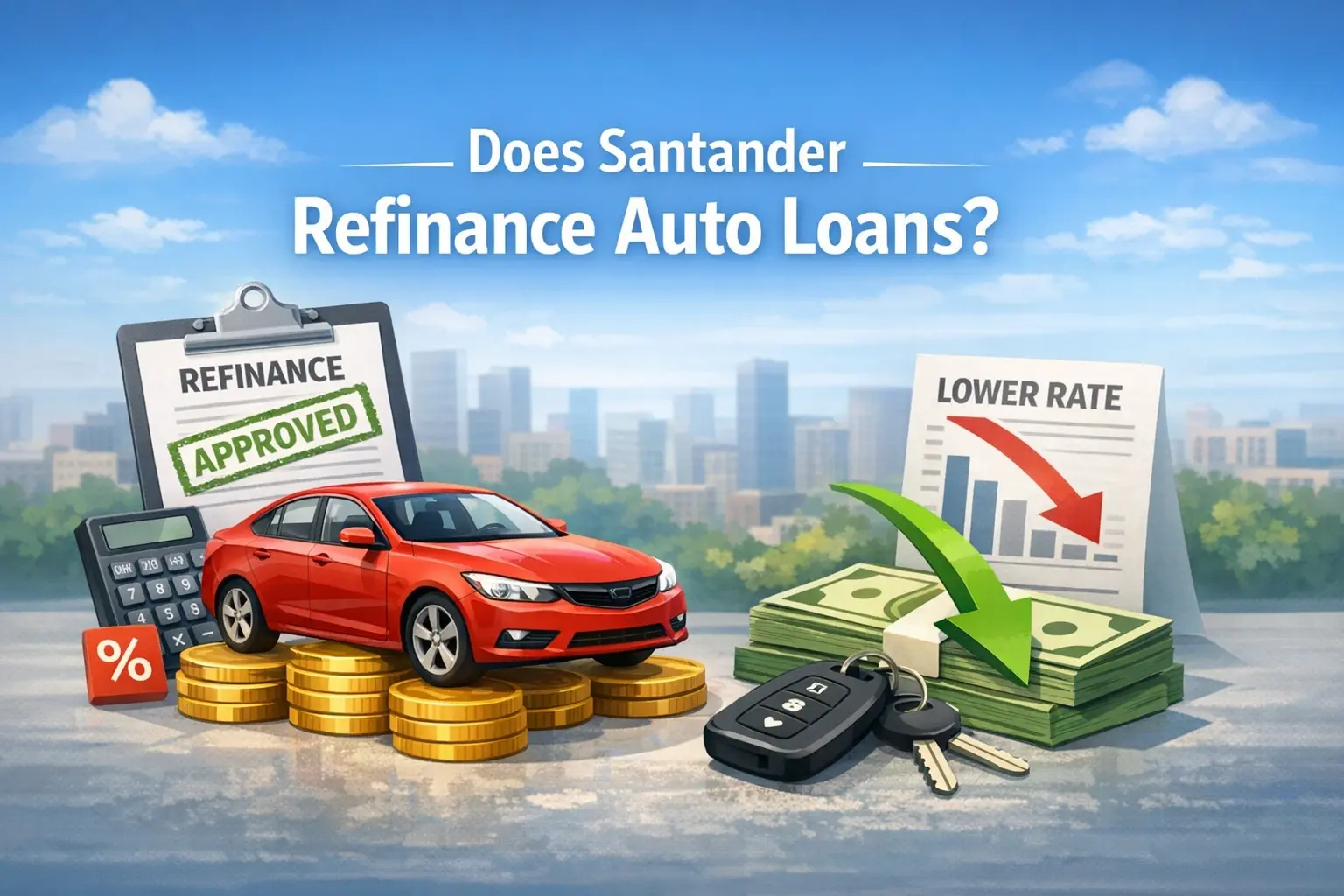
Even after you've secured an auto loan and driven off the lot, opportunities to save money may still exist. Auto loan refinancing allows you to replace your existing car loan with a new one, potentially with a lower interest rate, a different loan term, or improved monthly payments. This can be a powerful tool for managing your finances, especially if interest rates have fallen since you originally took out your loan or if your credit score has improved.
When Should You Consider Refinancing?
Several scenarios make refinancing a worthwhile consideration:
Lower Interest Rates: If market interest rates have dropped significantly since you obtained your original loan, you might qualify for a lower APR. This is the most common and often the most impactful reason to refinance.
Improved Credit Score: If your credit score has improved substantially since you took out the loan, you may now qualify for better rates than you did previously.
Need for Lower Monthly Payments: If you're facing financial difficulties or simply want to free up cash flow, refinancing to a longer loan term can reduce your monthly payments. However, be mindful that this will likely increase the total interest paid over the life of the loan.
Removing a Co-signer: If you initially had a co-signer to help you qualify, and your credit has since improved, you might be able to refinance the loan in your name alone.
The Refinancing Process
The process of refinancing an auto loan is similar to applying for a new one:
Check Your Current Loan Details: Know your outstanding balance, current interest rate, and remaining loan term.
Assess Your Creditworthiness: Obtain your current credit score and report. An improved score is key to securing a better rate.
Shop Around for New Lenders: Contact banks, credit unions, and online lenders to inquire about their refinancing rates and terms. Compare offers carefully.
Apply for the New Loan: Once you find a suitable offer, formally apply for the refinance loan. The new lender will pay off your old loan directly.
Sign the New Loan Agreement: Review and sign the new loan documents. Ensure you understand all the terms and fees.
Potential Benefits of Refinancing
Lower Interest Costs: The primary benefit is reducing the total amount of interest paid over the remaining life of the loan.
Reduced Monthly Payments: Refinancing to a longer term can lower your monthly payment.
Shorter Loan Term: Conversely, you could refinance to a shorter term to pay off the car faster and save on interest, even if the monthly payment increases slightly.
Improved Financial Flexibility: Lower payments can free up cash for other financial goals or unexpected expenses.
Considerations and Potential Drawbacks
Fees: Some lenders may charge origination fees or other costs associated with refinancing. Factor these into your calculations.
Extended Loan Term: Refinancing to a longer term to lower payments means you'll be making payments for a longer period and paying more interest overall.
Vehicle Age and Mileage: Lenders may have restrictions on refinancing older vehicles with high mileage.
Credit Score Requirements: You'll need a good credit score to qualify for the best refinancing rates.
Refinancing is not always the right move, but it's an option worth exploring, especially in a fluctuating interest rate environment. Regularly reviewing your loan terms and market conditions can help you identify opportune moments to save money.
Conclusion: Driving Towards Smart Auto Financing
Navigating the world of auto loan rates in 2025-26 requires a clear understanding of the influencing factors and a proactive approach. The average auto loan rate is a dynamic figure, heavily influenced by your creditworthiness, the vehicle's age, the loan term, and broader economic conditions. While projected averages for new car loans might hover between 6.5% and 8.5% APR and used car loans between 8.0% and 10.5% for those with good credit, your individual rate could be significantly better or worse.
The key takeaway is that you have considerable power to influence the rate you secure. By prioritizing your credit score, diligently shopping around for pre-approval from multiple lenders, and negotiating effectively, you can unlock substantial savings. Remember that a lower APR translates directly into lower monthly payments and a significantly reduced total cost of ownership over the life of your loan. Don't overlook the impact of loan terms and down payments; these elements also play a crucial role in the overall financial picture.
Furthermore, the journey doesn't end once you sign the loan papers. Keep an eye on market interest rates and your own financial standing. If circumstances change or rates fall, exploring auto loan refinancing can offer another avenue to reduce your borrowing costs. By staying informed and strategic, you can ensure your auto financing is a smart financial decision, setting you up for a positive and affordable vehicle ownership experience.
null
What Is The Average Auto Loan Rate

Krystin Bresolin