-
Posted on: 24 Feb 2026
-
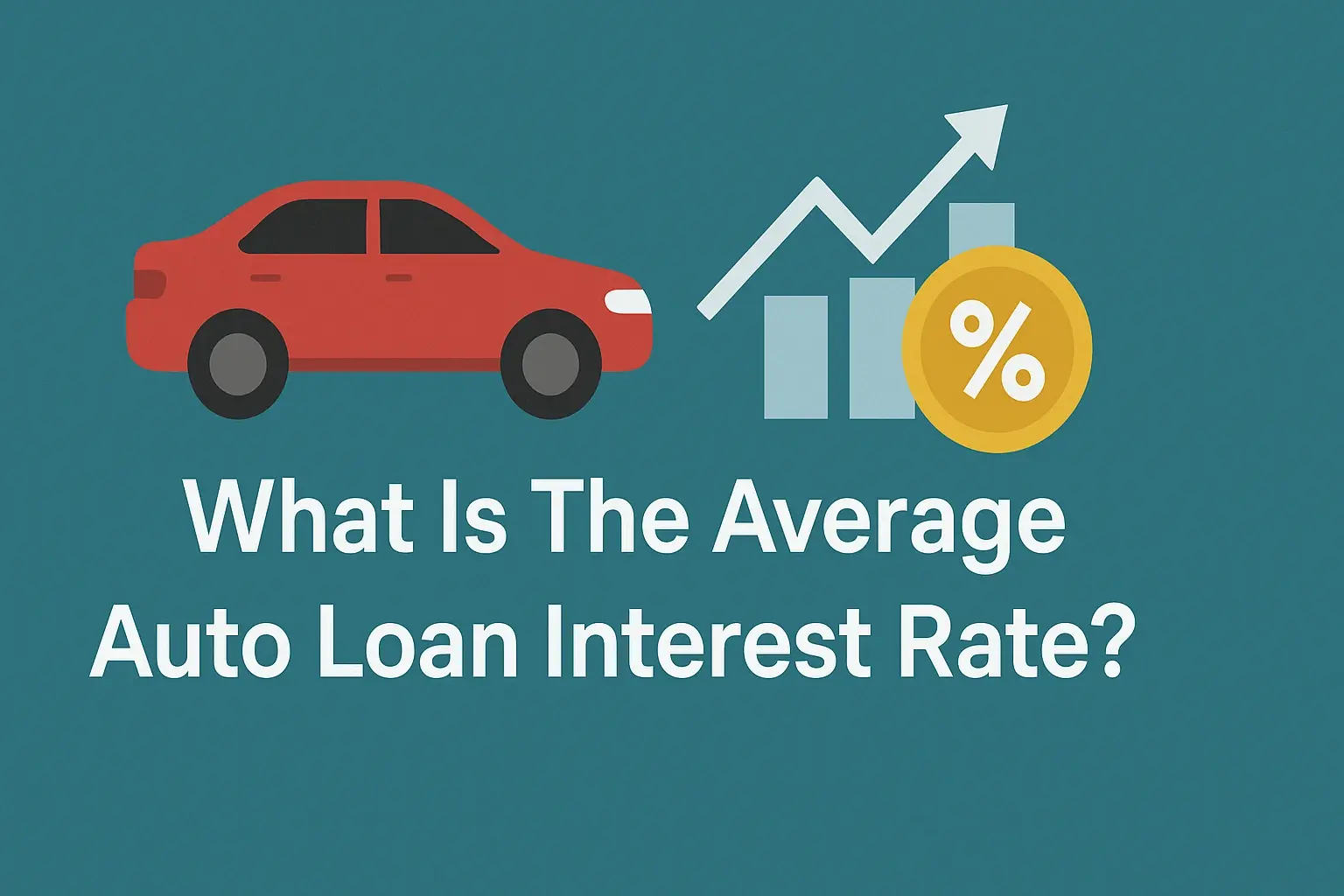
Understanding the average auto loan interest rate is crucial for car buyers in 2025-2026. This knowledge empowers you to secure the most favorable terms, saving significant money over the life of your loan and making your car ownership journey more affordable.
Understanding Average Auto Loan Interest Rates
When you're in the market for a new or used vehicle, one of the most significant financial considerations is the interest rate on your auto loan. The interest rate is essentially the cost of borrowing money, expressed as a percentage of the loan principal. A lower interest rate means you'll pay less in interest charges over time, leading to lower monthly payments and a reduced overall cost of owning your car. Conversely, a higher interest rate will inflate the total amount you repay.
The "average" auto loan interest rate is a statistical figure that represents the typical rate offered to borrowers. However, it's essential to understand that this average is a broad generalization. Your personal interest rate can deviate significantly from this average based on a multitude of factors. Lenders use your individual financial profile to assess risk, and this assessment directly translates into the interest rate they offer you. For instance, someone with an excellent credit score and a stable financial history will likely qualify for a much lower rate than someone with a history of missed payments or a low credit score.
In 2025 and 2026, the automotive market continues to be dynamic. While interest rates are influenced by broader economic conditions like inflation and the Federal Reserve's monetary policy, the specifics of your auto loan are highly personalized. This guide aims to demystify these rates, explain what influences them, and provide actionable advice for securing the best possible terms when you're ready to finance your next vehicle. We will delve into the current market landscape, exploring the average rates for both new and used cars, and the critical elements that lenders consider when making their decisions.
Key Factors Influencing Your Auto Loan Interest Rate
The interest rate you are offered on an auto loan isn't a random number; it's a carefully calculated figure based on several key elements that lenders use to gauge your creditworthiness and the risk associated with lending you money. Understanding these factors is the first step toward negotiating a better rate and saving money.
Credit Score and Credit History
Without a doubt, your credit score is the single most influential factor determining your auto loan interest rate. A credit score is a three-digit number that summarizes your credit history, reflecting your reliability in repaying debts. Lenders view individuals with higher credit scores (generally 700 and above) as lower risk, making them more likely to offer preferential interest rates. Conversely, those with lower credit scores (below 600) are considered higher risk, often leading to significantly higher interest rates or even denial of the loan. Your credit history, which includes details about past loans, credit card usage, payment timeliness, and the length of your credit history, also plays a vital role.
Loan Term Length
The duration of your loan, known as the loan term, also impacts the interest rate. Longer loan terms (e.g., 72 or 84 months) typically come with slightly higher interest rates compared to shorter terms (e.g., 36 or 48 months). This is because the lender is exposed to risk for a longer period. While a longer term might result in lower monthly payments, the total interest paid over the life of the loan will be considerably higher.
Down Payment Amount
A larger down payment reduces the amount of money you need to borrow, thereby lowering the loan-to-value (LTV) ratio. A lower LTV ratio signifies less risk for the lender, which can translate into a more favorable interest rate. Putting down a substantial portion of the vehicle's price demonstrates financial preparedness and reduces the lender's potential loss if you were to default on the loan.
Vehicle Age and Type
The interest rates can differ between new and used cars. New cars, often seen as less risky due to their pristine condition and manufacturer warranties, may sometimes command slightly lower rates than used cars. Used cars, especially older models or those with high mileage, can be perceived as having a higher risk of mechanical issues and depreciation, which might lead to higher interest rates. The specific make and model can also play a minor role, with some lenders offering incentives on certain vehicles.
Lender Type
The type of financial institution you borrow from can also influence the interest rate. Banks, credit unions, and online lenders each have different lending criteria, overhead costs, and profit margins, which can lead to variations in the rates they offer. Credit unions, often member-focused, may offer more competitive rates. Dealership financing, while convenient, might not always provide the lowest rates, as they often mark up the interest to generate additional profit.
Your Income and Employment Stability
Lenders will assess your ability to repay the loan by looking at your income and employment history. A stable job with a consistent and sufficient income stream indicates a lower risk of default. Lenders may require proof of income and may consider your debt-to-income ratio (DTI) – the percentage of your gross monthly income that goes towards paying your monthly debt obligations. A lower DTI generally signals a stronger ability to manage new debt.
Loan-to-Value (LTV) Ratio
This ratio compares the amount you wish to borrow to the actual value of the vehicle. A higher LTV means you are borrowing a larger percentage of the car's value, increasing the lender's risk. For example, borrowing $25,000 for a car valued at $30,000 results in an LTV of approximately 83%. A lower LTV, often achieved through a larger down payment, generally leads to better interest rates.
Current Average Auto Loan Interest Rates (2025-2026)
Navigating the auto loan market in 2025-2026 requires an understanding of the prevailing interest rate environment. Economic factors, including inflation trends and the Federal Reserve's monetary policy decisions, continue to shape the landscape of borrowing costs. While precise figures can fluctuate daily and vary by lender, we can provide a strong indication of the average rates borrowers can expect based on current market analysis and projections.
For **new car loans** in 2025-2026, the average interest rate typically hovers in the range of 5.5% to 7.5% for borrowers with good to excellent credit. This range reflects a competitive market where lenders vie for customers with strong financial profiles. Borrowers with exceptional credit scores might even secure rates at the lower end of this spectrum, or potentially slightly below, especially during promotional periods offered by manufacturers or specific financial institutions.
For **used car loans**, the average interest rates tend to be somewhat higher, generally falling between 7.0% to 9.5% for individuals with good credit. This difference is attributed to the inherent risks associated with pre-owned vehicles, such as potential mechanical issues and a faster rate of depreciation compared to new cars. Borrowers with less-than-perfect credit will likely face rates at the higher end of these ranges, or even exceeding them.
It's crucial to remember that these are average figures for borrowers with solid credit histories. Individuals with lower credit scores will almost certainly be offered higher rates, and those with excellent credit may qualify for rates below these averages. Furthermore, the economic climate can shift, impacting these averages. Staying informed about current market conditions and comparing offers from multiple lenders is paramount to securing the best possible rate for your specific situation.
2025-2026 Average Auto Loan Interest Rate Snapshot
Here’s a general overview of what borrowers can expect for the 2025-2026 period, broken down by credit tier. These are illustrative averages, and actual rates will vary.
Credit Score Range
Average New Car Loan Rate (2025-2026)
Average Used Car Loan Rate (2025-2026)
Excellent (780+)
4.5% - 6.0%
6.0% - 7.5%
Good (670-779)
5.5% - 7.5%
7.0% - 9.5%
Fair (580-669)
8.0% - 12.0%
10.0% - 15.0%
Poor (<580)
12.0% - 20%+
15.0% - 25%+
Note: These figures are estimates for 2025-2026 and are subject to market fluctuations. They represent rates for standard loan terms (e.g., 60 months).
New vs. Used Car Loan Interest Rates
A common question for car buyers is whether the interest rate differs for new versus used vehicles. The answer is generally yes, and understanding why can help you anticipate what to expect.
New Car Loans: New cars represent a lower risk for lenders. They come with manufacturer warranties, are in pristine condition, and typically depreciate at a more predictable rate initially. Because of this reduced risk, new car loans often feature lower interest rates. Manufacturers and dealerships frequently offer special financing deals on new models to incentivize sales, which can drive average rates down even further. In the 2025-2026 period, borrowers with excellent credit might find new car loan rates starting in the mid-4% range.
Used Car Loans: Used cars, by their nature, carry more inherent risk for lenders. Their condition can vary; they are no longer covered by a full manufacturer warranty (or the warranty may be nearing expiration), and their depreciation curve can be steeper and less predictable. Consequently, interest rates on used car loans are typically higher than those for new cars. The older the car and the higher its mileage, the greater the perceived risk, and thus, the higher the interest rate is likely to be. For used car loans in 2025-2026, borrowers with good credit might see rates starting in the 7% range, with higher rates for less creditworthy individuals or older vehicles.
Factors within New vs. Used: It's not just the new/used distinction. The age of a used car is a significant factor. A car that is only 1-2 years old will likely have a rate much closer to a new car loan than a car that is 7-10 years old. Lenders often have specific categories and risk assessments for vehicles based on age and mileage.
When comparing offers, always note whether the rate is for a new or used vehicle, as this will significantly impact the overall cost of your loan.
The Profound Impact of Your Credit Score
As previously touched upon, your credit score is the linchpin of your auto loan interest rate. It's the primary tool lenders use to assess your financial reliability. Let's delve deeper into just how significant this impact is.
A credit score is a numerical representation of your credit history, typically ranging from 300 to 850. Scores are generated by credit bureaus (Equifax, Experian, and TransUnion) based on your borrowing and repayment behavior.
Excellent Credit (780+): Borrowers in this category are seen as the lowest risk. They typically receive the most competitive interest rates, often well below the national averages. This can translate into thousands of dollars saved over the life of a loan.
Good Credit (670-779): This is a strong credit range, and borrowers here are likely to qualify for favorable rates, often close to the average rates for new and used cars. They are considered reliable borrowers.
Fair Credit (580-669): Borrowers in this tier are considered moderate to higher risk. They will likely face interest rates significantly above the average. The difference in monthly payments and total interest paid can be substantial compared to those with good credit.
Poor Credit (<580): This range indicates a high risk of default. Lenders may deny loans outright or offer rates that are exceptionally high, making car ownership financially challenging. Some subprime lenders specialize in this market, but at a steep cost.
How Your Credit Score Affects Your Loan: Consider two individuals purchasing the same $30,000 car with a 60-month loan:
Borrower A (Excellent Credit): Gets a 5.0% interest rate. Their monthly payment is approximately $579.77, and the total interest paid is $4,786.20.
Borrower B (Fair Credit): Gets a 10.0% interest rate. Their monthly payment is approximately $665.09, and the total interest paid is $9,505.40.
The difference in total interest paid is nearly $4,719.20 – all due to the credit score. This highlights why improving your credit score before applying for a loan can yield significant financial benefits.
Credit Repair Ease: Your Partner in Financial Health. Before you even think about car shopping, it's essential to know where you stand financially. A strong credit score is your golden ticket to better loan terms. If your credit score isn't where you'd like it to be, or if you're unsure about your current standing, professional assistance can make a world of difference. Credit Repair Ease is a trusted credit repair company dedicated to helping individuals improve their credit profiles.
They offer comprehensive credit repair services designed to address inaccuracies and negative marks on your credit report. Taking proactive steps to improve your credit can lead to substantial savings on your auto loan. Don't let a lower credit score dictate your borrowing costs. Reach out to Credit Repair Ease today to learn how they can help you achieve a healthier credit score and unlock better financing options. You can contact them directly at (888) 803-7889 to discuss your situation and explore their professional credit repair services.
How Loan Term Length Affects Your Interest Rate
The term length of your auto loan – the period over which you agree to repay the loan – is another significant variable that influences both your monthly payments and the total interest you'll pay. While longer terms often mean lower monthly payments, they typically come with higher interest rates and a greater overall cost.
Shorter Loan Terms (e.g., 36-48 months): Opting for a shorter loan term generally results in a higher monthly payment. However, because you are borrowing the money for a shorter duration, the lender's risk is reduced. This reduced risk often translates into a lower annual percentage rate (APR). Furthermore, with a shorter term, you pay off your loan faster, meaning you accrue less total interest over the life of the loan. This can lead to significant savings.
Longer Loan Terms (e.g., 60-84 months): Longer loan terms are attractive because they spread the repayment period over many years, resulting in lower monthly payments. This can make a more expensive vehicle or a higher-priced trim level seem more affordable on a month-to-month basis. However, lenders perceive longer terms as riskier because they are exposed to your creditworthiness for a longer period. This increased risk is often reflected in a higher APR. While your monthly payments are lower, the total interest paid over the life of the loan will be substantially higher compared to a shorter term.
Example: Let's consider a $30,000 loan with an APR of 7.0%:
Loan Term
Monthly Payment (Approx.)
Total Interest Paid (Approx.)
48 months
$737.55
$5,402.40
60 months
$597.99
$5,879.40
72 months
$515.48
$6,714.56
84 months
$459.39
$7,788.76
Note: These figures are illustrative and based on a 7.0% APR. Actual rates and payments will vary.
As the table shows, extending the loan term from 48 to 84 months increases the total interest paid by over $2,300, even though the monthly payment decreases. When choosing a loan term, it's a balancing act between the affordability of monthly payments and the total cost of the vehicle. It's often advisable to opt for the shortest term you can comfortably afford to minimize interest expenses.
The Role of Your Down Payment
The down payment is the initial sum of money you pay up front when purchasing a vehicle. It directly reduces the amount you need to finance and plays a crucial role in determining your loan terms, including the interest rate. A larger down payment generally leads to a more favorable auto loan.
Reducing Loan Amount and Risk: The most direct impact of a down payment is that it lowers the principal loan amount. If you're buying a $30,000 car and put down $5,000, you only need to finance $25,000. This smaller loan amount means less risk for the lender, as their potential loss in case of default is reduced.
Improving Loan-to-Value (LTV) Ratio: Lenders use the Loan-to-Value (LTV) ratio to assess risk. It's calculated by dividing the loan amount by the vehicle's value. For example, a $25,000 loan on a $30,000 car results in an LTV of approximately 83%. Lenders often have maximum LTV thresholds they are willing to finance. A higher down payment lowers the LTV ratio, making your loan more attractive to lenders and potentially qualifying you for lower interest rates. Many lenders prefer an LTV of 80% or less, which means a down payment of at least 20%.
Demonstrating Financial Stability: Making a substantial down payment signals to lenders that you are financially responsible and committed to the purchase. It shows you have saved money and are willing to invest a significant portion of the vehicle's cost yourself, which can instill confidence in your ability to manage loan repayments.
Avoiding Negative Equity: Cars depreciate the moment they are driven off the lot. Without a sufficient down payment, you risk being in "negative equity," where you owe more on the loan than the car is worth. This can be problematic if you need to sell or trade in the vehicle before the loan is paid off. A larger down payment helps you stay out of or minimize negative equity.
Example: Consider a $30,000 car.
No Down Payment: Loan amount = $30,000. LTV = 100%. Higher risk, potentially higher interest rate.
$3,000 Down Payment (10%): Loan amount = $27,000. LTV = 90%. Reduced risk, potentially better rate.
$6,000 Down Payment (20%): Loan amount = $24,000. LTV = 80%. Significantly reduced risk, likely best interest rate.
Aiming for a down payment of at least 10-20% of the vehicle's price is a sound strategy for securing better auto loan terms in 2025-2026.
Different Lenders, Different Rates
The financial institution you choose to finance your vehicle can have a significant impact on the interest rate you receive. While the core factors like credit score remain paramount, different types of lenders have varying business models, risk appetites, and overhead costs, all of which influence their pricing.
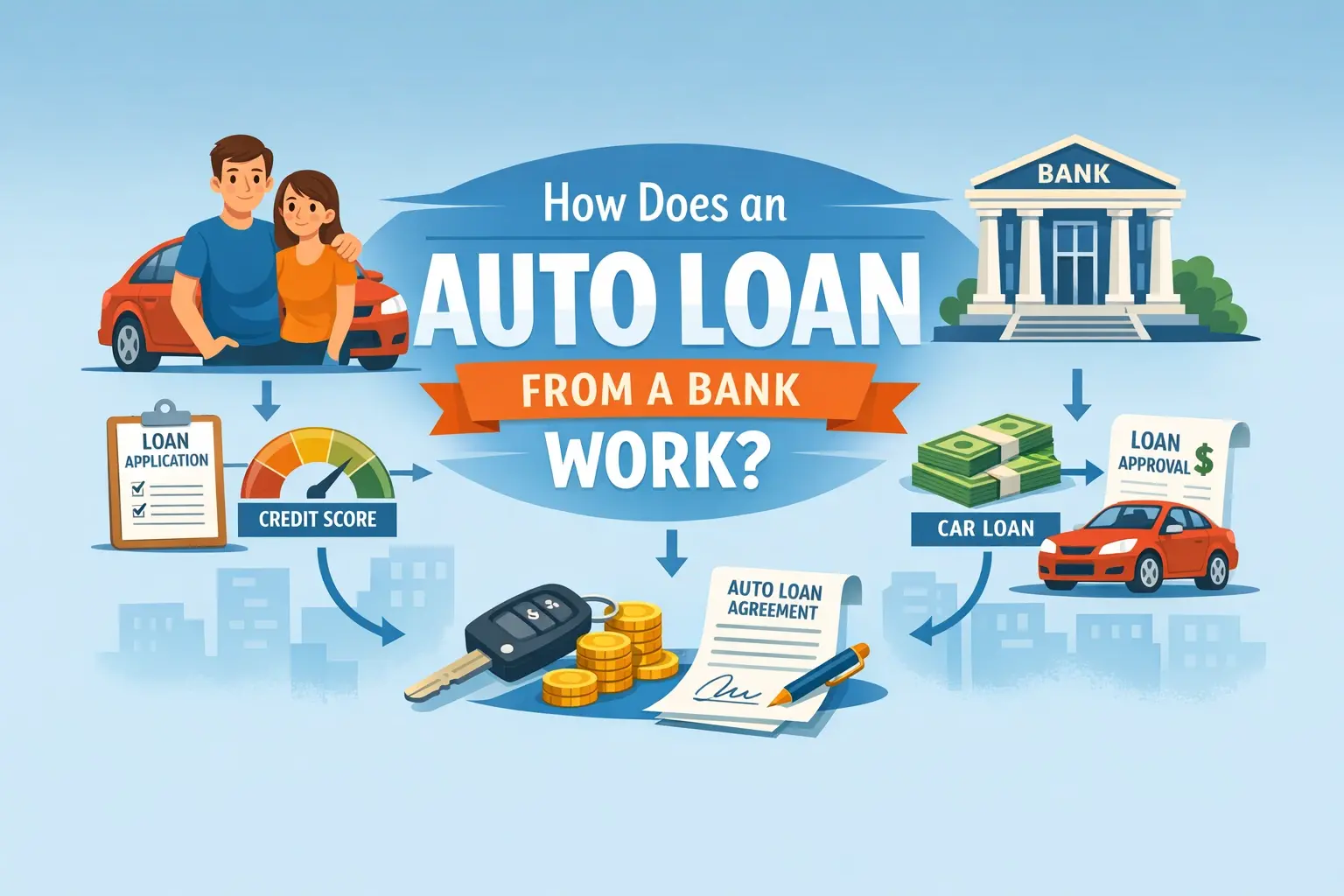
Banks: Traditional banks, both national and local, are common sources for auto loans. They often offer competitive rates, especially if you have an existing relationship with them (e.g., checking or savings accounts). Banks tend to have stringent lending requirements, so they are generally best for borrowers with good to excellent credit. Their rates can be very attractive, often falling within the average ranges for new and used cars.
Credit Unions: Credit unions are non-profit financial cooperatives owned by their members. Their primary goal is to serve their members, not to maximize profits for shareholders. This often translates into more favorable loan terms, including lower interest rates and fewer fees, compared to traditional banks. However, you typically need to meet membership eligibility requirements (e.g., living in a certain area, working for a specific employer, or joining an affiliated organization) to borrow from a credit union. They are a highly recommended option for those who qualify.
Online Lenders (Direct Lenders): The rise of online lenders has introduced more competition and options into the auto loan market. These lenders often have lower overhead costs than brick-and-mortar institutions, which can allow them to offer competitive rates. They are known for their speed and convenience, with online applications and quick funding processes. Online lenders cater to a wide range of credit profiles, from excellent to fair, and some even specialize in subprime lending, though rates can be higher for riskier borrowers.
Dealership Financing (Indirect Lending): When you finance a car through the dealership, you are typically dealing with indirect lending. The dealership works with a network of banks, credit unions, and finance companies to secure a loan for you. While convenient, dealership financing isn't always the cheapest option. Dealerships may add a markup to the interest rate offered by the finance company to increase their profit margin. It's crucial to compare dealership offers with pre-approved loans from other lenders to ensure you're getting the best deal. Some manufacturers also offer special low-APR financing deals through their captive finance arms on new vehicles, which can be very competitive.
Subprime Lenders: These lenders specialize in providing loans to individuals with poor credit scores. While they offer a vital service for those who might otherwise be unable to get a loan, the interest rates from subprime lenders are significantly higher to compensate for the increased risk. These rates can often exceed 15-20% or more.
Recommendation: Always shop around and compare offers from multiple types of lenders. Get pre-approved by your bank or a credit union before visiting a dealership. This gives you a benchmark rate and strengthens your negotiating position.
Strategies to Secure the Best Auto Loan Interest Rate
Securing the lowest possible interest rate on your auto loan is a key objective for any car buyer looking to save money. It requires preparation, research, and a strategic approach. Here are actionable steps you can take in 2025-2026 to maximize your chances of getting the best rate.
1. Improve Your Credit Score
As emphasized throughout, your credit score is paramount. Before applying for a loan, take steps to improve it:
Pay all bills on time.
Reduce outstanding credit card balances.
Avoid opening new credit accounts unnecessarily.
Check your credit reports for errors and dispute them.
2. Get Pre-Approved Before Shopping
This is perhaps the most critical step. Apply for pre-approval from your bank, a local credit union, or reputable online lenders before you even set foot in a dealership.
Know Your Budget: Pre-approval gives you a clear understanding of how much you can borrow and at what approximate interest rate.
Negotiating Power: Armed with a pre-approval letter, you have a benchmark offer. You can then use this to negotiate with the dealership's finance department, asking them to beat the rate you've already secured.
Avoid Impulse Decisions: Pre-approval helps you focus on vehicles within your budget, preventing you from falling in love with a car you can't afford.
3. Shop Around and Compare Offers
Don't settle for the first offer you receive. Apply for pre-approval from at least 3-5 different lenders (banks, credit unions, online lenders). Each lender has different criteria and may offer you a slightly different rate. A small difference in APR can save you thousands over the loan's life.
4. Consider a Larger Down Payment
As discussed, a larger down payment reduces the loan amount and the lender's risk, often leading to a better interest rate. If possible, save up for a down payment of 10-20% or more.
5. Choose the Shortest Loan Term You Can Afford
While longer terms offer lower monthly payments, they increase the total interest paid and often come with higher APRs. If your budget allows, opt for a shorter loan term (e.g., 48 or 60 months) to save money in the long run.
6. Negotiate the Price of the Car First
When you're at the dealership, focus on negotiating the purchase price of the vehicle before discussing financing. Once you have agreed on a price, you can discuss financing options. This prevents the dealer from inflating the car's price to compensate for a lower interest rate.
7. Understand all fees
The APR includes the interest rate plus certain fees. Ensure you understand all associated costs, such as origination fees, documentation fees, and any add-ons, to get a true picture of the loan's total cost.
8. Look for Manufacturer Incentives
For new cars, manufacturers sometimes offer special low-APR financing deals (e.g., 0% or 1.9% APR) on specific models. These deals can be incredibly advantageous, but they often require excellent credit and may mean forfeiting other rebates or discounts. Always do the math to see if the low APR deal is truly the best overall value for you.
Navigating Auto Loans with Less-Than-Perfect Credit
Having a less-than-perfect credit score (fair or poor) can make securing an auto loan feel like an uphill battle. Lenders view these borrowers as higher risk, which often translates into higher interest rates, stricter terms, or outright loan denial. However, it's not impossible to finance a car with bad credit. It requires a different strategy and a realistic understanding of the market.
Accept Higher Interest Rates: The most significant impact of bad credit will be a higher interest rate. Be prepared for APRs that could be significantly above the average rates quoted for borrowers with good credit. This means the total cost of the vehicle will be substantially higher.
Focus on Subprime Lenders: Seek out lenders who specialize in subprime auto loans. These institutions are equipped to work with borrowers who have lower credit scores. While their rates are higher, they provide access to financing when traditional lenders might not. Dealerships often have relationships with these lenders.
Consider a Co-signer: If you have a trusted friend or family member with good credit who is willing to co-sign your loan, this can significantly improve your chances of approval and potentially secure a lower interest rate. However, understand that a co-signer is equally responsible for the debt. If you default, their credit will be negatively impacted, and they will be legally obligated to repay the loan.
Make a Larger Down Payment: A substantial down payment is even more critical when you have bad credit. It reduces the lender's risk, demonstrates your commitment, and can help you qualify for a loan or get a slightly better rate. Aim for 20% or more if possible.
Choose an Older, Less Expensive Vehicle: Financing a less expensive car means borrowing less money, which is less risky for the lender. Older, reliable vehicles can be a more affordable option and may come with lower loan amounts, making them easier to finance.
Improve Your Credit Score: While you're navigating the car-buying process, actively work on improving your credit score. As mentioned earlier, using services like Credit Repair Ease can help address issues on your credit report and build a stronger credit profile for future financial endeavors. Even small improvements can make a difference over time.
Be Wary of "Buy Here, Pay Here" Lots: These dealerships often offer in-house financing regardless of credit history. While they can be a last resort, they typically charge very high interest rates and may have aggressive collection practices. Thoroughly understand all terms and conditions before committing.
Get Pre-Approval from Multiple Sources: Even with bad credit, applying for pre-approval from several subprime lenders or credit unions that work with lower credit scores can help you compare offers and find the least unfavorable terms.
Considering Auto Loan Refinancing
Once you have an auto loan, your financial situation or credit score may improve over time. This is where auto loan refinancing comes into play. Refinancing allows you to replace your existing auto loan with a new one, ideally with better terms, such as a lower interest rate or a different loan term.
When to Consider Refinancing:
Improved Credit Score: If your credit score has significantly improved since you took out your original loan, you may now qualify for a lower interest rate.
Lower Market Interest Rates: If overall interest rates in the economy have decreased, you might be able to secure a lower rate on a new loan.
Need for Different Loan Terms: You might want to refinance to extend or shorten your loan term to adjust your monthly payments.
Remove a Co-signer: If you had a co-signer on your original loan and your credit has improved, you might be able to refinance to remove them from the loan.
Benefits of Refinancing:
Lower Interest Rate: This is the most common reason for refinancing. A lower APR can save you a substantial amount of money in interest over the remaining life of the loan.
Reduced Monthly Payments: By extending the loan term or securing a lower rate, you might be able to lower your monthly payment, freeing up cash flow.
Shorter Loan Term: Conversely, if you can afford higher monthly payments, you could refinance to a shorter term and pay off your car loan faster, saving on total interest.
The Refinancing Process: The process is similar to applying for an initial auto loan:
Check Your Credit: Ensure your credit score has improved.
Shop Around: Contact banks, credit unions, and online lenders to compare refinancing offers.
Gather Documentation: You'll need information about your current loan, income verification, and proof of insurance.
Apply: Submit applications to your chosen lenders.
Review and Sign: Choose the best offer and complete the paperwork. The new lender will pay off your old loan, and you'll begin making payments to the new lender.
Consider the Costs: While refinancing can save you money, be aware of any potential fees associated with it, such as application fees or title transfer fees. Ensure the savings from a lower interest rate outweigh these costs.
When Refinancing Might Not Be Worth It: If you're close to paying off your loan, or if your credit score hasn't improved and market rates haven't dropped significantly, refinancing may not offer substantial benefits.
Conclusion: Driving Towards Smart Auto Financing
Understanding "What Is The Average Auto Loan Interest Rate" in 2025-2026 is not just about knowing a number; it's about grasping the financial levers that control the cost of your vehicle. The average rates provide a benchmark, but your individual rate is a personalized outcome dictated by your creditworthiness, the loan term, the vehicle's age, your down payment, and the lender you choose.
We've explored how factors like credit scores, loan terms, and down payments significantly influence the interest rates offered. While new cars often see slightly lower rates than used cars, the overarching theme is that a strong financial profile is your most powerful asset. For those facing credit challenges, strategies like using a co-signer, making a larger down payment, and seeking out specialized lenders can open doors to financing, albeit at a higher cost.
The key takeaway for any car buyer in the current market is to be proactive. Do your homework, get pre-approved from multiple lenders before visiting a dealership, and always negotiate. By arming yourself with knowledge and a solid financial strategy, you can navigate the complexities of auto loans and secure terms that align with your budget and financial goals. Remember that even small improvements in your credit score or a slightly lower interest rate can translate into thousands of dollars saved over the life of your loan. Make informed decisions today to drive more affordably tomorrow.
null
What Is The Average Auto Loan Interest Rate

Krystin Bresolin