-
Posted on: 27 Feb 2026
-
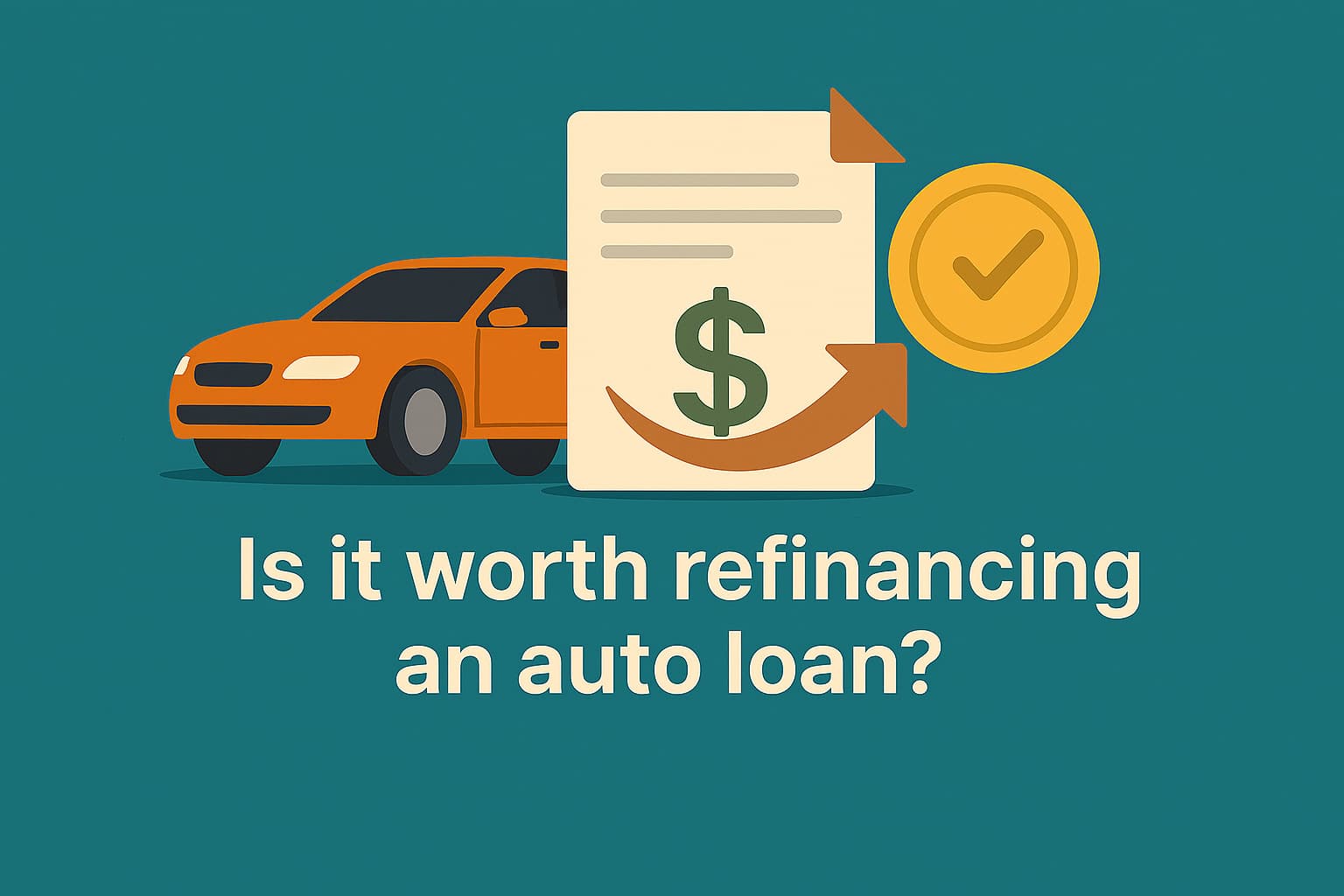
Refinancing an auto loan can be a smart financial move to lower your monthly payments, reduce your overall interest paid, or even shorten your loan term. This guide comprehensively explains what an auto loan refinance is, its benefits, drawbacks, and how to navigate the process effectively in 2025-26.
What is a Refinance Auto Loan?
Refinancing an auto loan essentially means replacing your existing car loan with a new one. This new loan typically comes with different terms, such as a new interest rate, a new loan length, or both. The primary goal of refinancing is to secure more favorable loan conditions than those offered by your current lender. When you refinance, a new lender pays off your old loan, and you then owe the new lender the outstanding balance, plus any associated fees, under the new terms. This process is akin to refinancing a mortgage, but applied to your vehicle financing.
For instance, if you initially took out a loan with a high interest rate and your credit score has since improved, or if market interest rates have fallen, you might be able to secure a lower annual percentage rate (APR) with a new loan. Similarly, you might opt to extend the loan term to lower monthly payments, or shorten it to pay off the car faster and save on total interest. Understanding the mechanics of this financial tool is crucial for making informed decisions about your car ownership costs.
Why Refinance Your Car Loan? Key Benefits
The decision to refinance an auto loan is driven by a desire to improve one's financial situation. Several compelling reasons make refinancing an attractive option for many car owners. These benefits often revolve around saving money, improving cash flow, or achieving financial goals more efficiently. By carefully evaluating your current loan and financial standing, you can determine if refinancing aligns with your objectives.
Lower Interest Rates (APR)
Perhaps the most significant benefit of refinancing is the potential to secure a lower Annual Percentage Rate (APR). Interest is the cost of borrowing money, and a lower APR means you pay less in interest charges over the life of the loan. If your credit score has improved since you first obtained your car loan, or if general market interest rates have decreased, you may qualify for a significantly lower APR. For example, reducing your APR from 7% to 5% on a $20,000 loan with 48 months remaining could save you hundreds, if not thousands, of dollars in interest over the loan's duration. This saving can be substantial, especially for longer loan terms.
Reduced Monthly Payments
By extending the loan term or securing a lower interest rate, you can often reduce your monthly car payment. This can provide much-needed relief for your monthly budget, freeing up cash for other expenses, savings, or investments. For instance, if your current monthly payment is $400 and you can refinance to a loan with a lower APR and a slightly longer term, your new payment might drop to $350, saving you $50 each month. This can be particularly beneficial if you've experienced unexpected financial challenges or if you're looking to free up cash flow for other financial priorities.
Shorter Loan Term
While many refinance for lower payments, others choose to shorten their loan term. If you can secure a lower interest rate, you might be able to maintain a similar monthly payment but pay off the loan much faster. For example, if you have $15,000 left on a 5-year loan at 6% APR and can refinance to a 4% APR for a 4-year term with a similar monthly payment, you'll be debt-free sooner and pay significantly less interest overall. This is an excellent strategy for those who want to own their car outright as quickly as possible.
Access to Different Loan Features
Refinancing also provides an opportunity to switch to a lender that offers more desirable loan features. This could include options like skipping a payment, more flexible repayment schedules, or better online account management tools. Some lenders might also offer better customer service or more convenient payment methods, enhancing your overall borrowing experience.
Consolidating Debt (Less Common for Auto Loans)
While not as common as with other types of loans, in some niche situations, refinancing an auto loan could be part of a broader debt consolidation strategy. However, it's generally more advisable to focus on refinancing the auto loan itself for its specific benefits rather than trying to bundle it with other, unrelated debts.
When is the Right Time to Refinance?
Timing is a critical factor in successful auto loan refinancing. Several life events and market conditions can signal that it's an opportune moment to explore new loan options. Acting at the right time can maximize your savings and ensure you get the best possible terms. Here are key indicators that suggest it might be time to consider refinancing your car loan:
Improved Credit Score
This is arguably the most significant driver for refinancing. If your credit score has substantially improved since you took out your original auto loan, you are likely to qualify for a lower APR. A higher credit score signals to lenders that you are a less risky borrower, which translates into better interest rates. For instance, if your score has jumped from the mid-600s to the high-700s, you could see a dramatic reduction in your interest rate.
Decreased Market Interest Rates
Lenders set their APRs based on prevailing market interest rates, often tied to benchmark rates like the Federal Reserve's prime rate. If the Federal Reserve has lowered interest rates, or if overall market conditions have led to a general decrease in auto loan APRs, you might find better deals available now than when you originally financed your vehicle. Keep an eye on economic news and average auto loan rates for the latest trends.
Significant Equity in Your Vehicle
Equity refers to the difference between your car's current market value and the amount you owe on the loan. If your car's value has increased relative to your loan balance (e.g., you've paid down a substantial portion of the loan, or the car has held its value exceptionally well), you may have more leverage. Some lenders offer better terms for borrowers with higher equity. However, be cautious if your car's value has depreciated significantly below your loan balance (being "upside down" on the loan), as this can make refinancing more challenging.
Change in Financial Circumstances
A change in your income or employment stability can also influence your refinancing prospects. If your income has increased, you might be able to afford a slightly higher monthly payment in exchange for a shorter loan term and less overall interest. Conversely, if you're facing financial hardship, refinancing to a lower monthly payment could be a crucial step to regain financial stability. However, lenders will assess your current income and employment history for the new loan.
Dissatisfaction with Your Current Lender
Sometimes, the decision to refinance isn't purely about numbers. If you're unhappy with your current lender's customer service, payment options, or loan management features, refinancing offers a chance to switch to a provider that better meets your needs. This can improve your overall experience as a borrower.
Approaching the End of Your Loan Term
While it might seem counterintuitive, even in the last year or two of your loan, refinancing can sometimes be beneficial if you can secure a significantly lower APR. While the term extension might not be as impactful, the interest savings can still be worthwhile, especially if your credit has improved dramatically.
How to Refinance an Auto Loan: A Step-by-Step Guide
Refinancing an auto loan might seem complex, but by following a structured approach, you can navigate the process smoothly and increase your chances of securing favorable terms. This step-by-step guide breaks down the essential actions you need to take:
Step 1: Assess Your Current Loan and Financial Situation
Before you start looking for new lenders, thoroughly review your existing auto loan. Gather all relevant details: your current outstanding balance, the remaining loan term, your current APR, and your monthly payment. Understand how much interest you've paid and how much you still owe. Simultaneously, assess your financial health. Check your credit score and review your credit report for any errors. Understand your current income, expenses, and overall debt-to-income ratio. This self-assessment will help you determine if you're a good candidate for refinancing and what terms you might realistically expect.
Step 2: Determine Your Refinancing Goals
What do you hope to achieve by refinancing? Are you primarily looking to lower your monthly payments to improve cash flow? Do you want to pay off the loan faster by shortening the term? Or is your main goal to reduce the total interest paid over the life of the loan? Clearly defining your objectives will help you compare offers and choose the loan that best suits your needs. For example, if your goal is to save money on interest, prioritize a lower APR. If you need immediate cash flow relief, focus on options that reduce your monthly payment, even if it means a slightly longer term.
Step 3: Research Potential Lenders
There are numerous avenues to explore for auto loan refinancing. Consider:
Credit Unions: Often offer competitive rates and member-friendly terms.
Online Lenders: Many specialize in auto loans and refinancing, offering quick online applications and potentially lower rates.
Traditional Banks: Your current bank or other national banks may offer refinancing options.
Dealership Financing Companies: While you financed through them initially, they might offer refinancing, though rates may not always be the most competitive.
Compare rates, fees, loan terms, and customer reviews for several lenders. Don't just settle for the first offer you receive.
Step 4: Get Pre-Approved
Once you've identified a few promising lenders, apply for pre-approval. Pre-approval involves a "soft" credit check, which doesn't negatively impact your credit score. It gives you an estimate of the interest rate and loan terms you might qualify for based on your financial profile. Getting pre-approved by multiple lenders within a short period (usually 14-45 days, depending on the credit scoring model) is often treated as a single inquiry by credit bureaus, minimizing the impact on your credit score.
Step 5: Compare Loan Offers Carefully
When you receive pre-approval offers, compare them side-by-side. Look beyond just the APR. Consider:
APR: The interest rate you'll pay.
Loan Term: The length of the new loan.
Fees: Origination fees, application fees, title transfer fees, or early payoff penalties.
Monthly Payment: How it fits into your budget.
Total Cost of the Loan: Calculate the total amount you'll repay (principal + interest + fees).
Use online auto loan refinance calculators to estimate the total cost of each offer. A slightly higher APR with no fees might be better than a slightly lower APR with substantial upfront costs.
Step 6: Choose a Lender and Submit a Full Application
Once you've selected the best offer, you'll proceed with a full application. This will involve a "hard" credit check, which can slightly lower your credit score temporarily. You'll need to provide documentation such as proof of income (pay stubs, tax returns), proof of residence (utility bills), and details about your current auto loan and vehicle (VIN, mileage, market value). Be prepared for the lender to verify your information.
Step 7: Finalize the Loan and Pay Off the Old Loan
If your application is approved, you'll receive the final loan documents. Review them carefully before signing. Once signed, the new lender will typically disburse the funds directly to your old lender to pay off the existing loan. You will then begin making payments to your new lender according to the new loan terms. Ensure you receive confirmation that your old loan has been fully satisfied.
Step 8: Update Your Records
Keep all your new loan documents for your records. Make sure you know when your first payment is due to your new lender and set up automatic payments if possible to avoid late fees.
What You Need to Refinance
To successfully refinance your auto loan, you'll need to gather specific documentation and information. Lenders require these details to assess your eligibility, verify your identity, and understand the specifics of your vehicle. Having everything prepared in advance can significantly expedite the application process.
Personal Identification and Information
Proof of Identity: A valid driver's license or state-issued ID.
Social Security Number (SSN): Required for credit checks.
Proof of Residence: Recent utility bills, bank statements, or a lease agreement showing your current address.
Contact Information: Phone number and email address.
Financial Documentation
Proof of Income: Recent pay stubs (typically the last 30 days), W-2 forms, tax returns (if self-employed or income varies), or bank statements showing consistent deposits. Lenders want to see a stable income that can support the new loan payments.
Employment Verification: Lenders may contact your employer to confirm your employment status and salary.
Current Loan Information: Details of your existing auto loan, including the lender's name, account number, outstanding balance, and current APR.
Credit Report: While lenders will pull your credit report, it's advisable to check it yourself beforehand to identify any potential errors or issues.
Vehicle Information
Vehicle Identification Number (VIN): This unique 17-digit number identifies your car.
Vehicle Make, Model, and Year: Basic details about your car.
Mileage: The current odometer reading.
Vehicle Value: Lenders will assess the car's market value, often using resources like Kelley Blue Book (KBB) or the National Automobile Dealers Association (NADA) guides. Knowing your car's approximate value can help you understand your equity.
Proof of Insurance: You'll need to show that your vehicle is insured, often with specific coverage requirements.
Title Information: You may need to provide information about your vehicle's title, especially if you own it outright or if there are any complications. The new lender will typically require the title to be transferred to them if they are financing the vehicle.
Credit Check Reminder: Before applying for a loan, make sure to check your credit score with Credit Repair Ease. Understanding your credit standing is crucial for securing the best possible interest rates. If you find inaccuracies or areas for improvement, Credit Repair Ease is a trusted credit repair company offering professional credit repair services. You can reach out to them at (888) 803-7889 to discuss how they can help you improve your creditworthiness before you embark on the refinancing journey.
Potential Drawbacks and Risks of Refinancing
While refinancing an auto loan offers numerous advantages, it's essential to be aware of the potential downsides and risks involved. Making an informed decision requires weighing these against the potential benefits.
Fees and Costs
Some lenders charge fees for refinancing, such as origination fees, application fees, or title transfer fees. These costs can offset the savings you might achieve from a lower APR, especially if you don't plan to keep the car for a long time. Always calculate the total cost of the loan, including all fees, before committing.
Longer Loan Term and More Interest Paid
If your primary goal is to lower your monthly payments, you might be tempted to extend the loan term. While this provides immediate cash flow relief, it can lead to paying significantly more interest over the life of the loan. For example, extending a 3-year loan to 5 years, even with a slightly lower APR, can result in a much higher total interest cost. It's crucial to calculate the total interest paid for different term lengths.
Negative Equity (Being "Upside Down")
If your car has depreciated significantly and you owe more on the loan than the car is worth, you might be "upside down." This can make it difficult to refinance, as lenders are less willing to lend more than the vehicle's market value. If you do manage to refinance, you might have to pay the difference out-of-pocket or roll it into the new loan, increasing your debt.
Impact on Credit Score
Applying for a new loan involves a hard credit inquiry, which can temporarily lower your credit score by a few points. If you apply to multiple lenders within a short period, it might seem like you're seeking a lot of credit, which can be a red flag. While this impact is usually minor and temporary, it's something to consider, especially if your credit score is already borderline.
Missed Payments or Defaulting
If you refinance to a longer loan term and end up with payments you can't afford, you risk missing payments or defaulting. This can severely damage your credit score, lead to repossession of your vehicle, and incur significant late fees and penalties. Always ensure the new payment fits comfortably within your budget.
Not Always Beneficial
Refinancing isn't always the best option. If your credit score hasn't improved, market interest rates haven't dropped, or you're already in the final stages of your loan, the benefits of refinancing might be minimal or non-existent. It's essential to do the math and ensure the savings outweigh the costs and effort involved.
Refinancing vs. Other Options
When considering ways to manage your auto loan, refinancing is a primary strategy, but it's not the only one. Understanding alternative options can help you make the most informed decision for your financial situation.
Option 1: Refinancing
Description: Replacing your current auto loan with a new one from a different lender, typically to secure better terms (lower APR, shorter term, lower monthly payment).
Pros: Can significantly reduce interest paid, lower monthly payments, or allow for faster payoff.
Cons: May involve fees, potential for longer loan terms leading to more total interest, requires good credit for best rates.
Best For: Borrowers with improved credit scores, falling market interest rates, or those seeking to adjust monthly payments or pay off the loan faster.Option 2: Loan Modification (with Current Lender)
Description: Negotiating changes to your existing loan terms directly with your current lender. This might involve extending the loan term to lower monthly payments or temporarily deferring payments.
Pros: Often simpler than refinancing, as it involves your existing lender, and may have fewer fees.
Cons: Lenders are not obligated to offer modifications, terms may not be as favorable as refinancing with a new lender, and they may still result in paying more interest over time.
Best For: Borrowers facing temporary financial hardship who want to avoid a full refinance, or those who have a good relationship with their current lender and can negotiate favorable terms.Option 3: Paying Off the Loan Early
Description: Making extra payments towards your principal balance to pay off the loan faster than the original schedule.
Pros: Saves the most on interest, leads to owning the vehicle free and clear sooner, and no fees or credit checks are involved.
Cons: Requires available cash or budget surplus, reduces immediate cash flow.
Best For: Individuals with disposable income who want to eliminate debt quickly and maximize interest savings without the hassle of refinancing.Option 4: Selling the Vehicle
Description: Selling the car and using the proceeds to pay off the outstanding loan balance. If the sale price exceeds the loan balance, you have cash left over. If it's less, you'll need to cover the difference.
Pros: Eliminates car payments and associated costs (insurance, maintenance), frees up capital if there's equity.
Cons: You lose your vehicle, need to cover any shortfall if you owe more than the car is worth, requires purchasing a new vehicle if transportation is still needed.
Best For: Those who no longer need the vehicle, want to downsize their expenses, or need to free up significant capital and can manage without a car or afford a cheaper alternative.Comparison Table: Refinancing vs. Other Options
Feature
Refinancing
Loan Modification
Paying Off Early
Selling Vehicle
Primary Goal
Better Loan Terms
Payment Relief/Flexibility
Interest Savings & Faster Ownership
Debt Elimination & Capital Release
Requires New Lender Approval
Yes
No (with current lender)
No
No (for loan payoff)
Credit Score Impact
Potential temporary dip from hard inquiry
Minimal to none
None
None (for loan payoff)
Potential for Lower APR
High
Low to none
N/A
N/A
Potential for Lower Monthly Payment
High (especially with longer term)
High (with term extension)
No
Yes (eliminates payment)
Potential for Total Interest Savings
High (with lower APR/shorter term)
Low to none
Highest
Highest (by eliminating car costs)
Making the Decision: Is Refinancing Right for You?
Deciding whether to refinance your auto loan involves a thorough evaluation of your personal financial situation, your car's value, current market conditions, and your long-term goals. There's no one-size-fits-all answer, but by considering the following points, you can make an informed choice:
Calculate Your Potential Savings
The most crucial step is to quantify the potential financial benefits. Use online auto loan refinance calculators to estimate how much you could save in interest and how your monthly payments might change. Compare the total cost of your current loan with the total cost of a potential new loan, factoring in all fees. If the savings are significant and the new terms align with your budget, refinancing is likely a good idea.
Assess Your Creditworthiness
Your credit score is a primary determinant of the interest rate you'll qualify for. If your credit score has improved since you took out your original loan, you're in a strong position to secure a lower APR. Check your credit report and score before you start shopping around. If your credit is still poor, refinancing might not be feasible or beneficial.
Consider Your Car's Value and Age
Lenders are more likely to refinance newer cars with lower mileage and significant equity. If your car is old, has high mileage, or you owe more than it's worth, refinancing may be difficult or impossible. Many lenders have age and mileage restrictions for refinanced auto loans. For example, some lenders may not refinance vehicles older than 10 years or with over 120,000 miles.
Evaluate Your Current Loan Terms
Are you happy with your current loan? If you're facing financial hardship, a loan modification might be a better short-term solution. If you're already close to paying off your loan, the effort and potential fees of refinancing might not be worth the marginal savings. However, if you have several years left on your loan and see opportunities for improvement, refinancing is a strong contender.
Think About Your Future Financial Goals
How does refinancing fit into your broader financial plan? If your goal is to free up cash for other investments or to pay down higher-interest debt, refinancing to lower your car payments can be a strategic move. If you're planning a major purchase soon that requires a good credit score, be mindful of the impact of multiple credit inquiries.
Don't Forget the "Why"
Beyond the numbers, consider your personal reasons. Do you want peace of mind with lower payments? Do you want to be debt-free sooner? Aligning your refinancing decision with your personal financial priorities will lead to a more satisfying outcome. For many, the ability to reduce monthly expenses or save money on interest is a powerful motivator. As of 2025, with fluctuating economic conditions, the ability to secure a stable, lower-cost auto loan can provide significant financial breathing room.
In conclusion, refinancing your auto loan is a powerful tool that can lead to substantial savings and improved financial flexibility. By understanding what an auto loan refinance entails, evaluating your eligibility, and following a structured process, you can leverage this financial strategy to your advantage. Remember to compare offers diligently, understand all associated costs, and ensure the new loan aligns with your overall financial objectives. With careful planning and execution, refinancing can be a smart move for your financial future in 2025-26 and beyond.
The decision to refinance your auto loan is a significant one, and it's crucial to approach it with a clear understanding of the process and potential outcomes. By now, you should have a comprehensive grasp of what an auto loan refinance is, the compelling reasons to consider it, the optimal times to pursue it, and the step-by-step guide to navigate the application process. We've also detailed the essential documentation you'll need, the potential drawbacks to be aware of, and how refinancing stacks up against other financial strategies.
Ultimately, whether refinancing is the right move for you depends on a personalized assessment of your creditworthiness, your car's value, your financial goals, and current market conditions. By performing the necessary calculations and comparing offers carefully, you can unlock significant savings and achieve greater financial control over your vehicle expenses. Make sure to always check your credit score before applying and consider professional assistance if needed. Taking these informed steps will empower you to make the best decision for your financial well-being.
null
What Is Refinance Auto Loan

Krystin Bresolin