-
Posted on: 19 Mar 2026
-
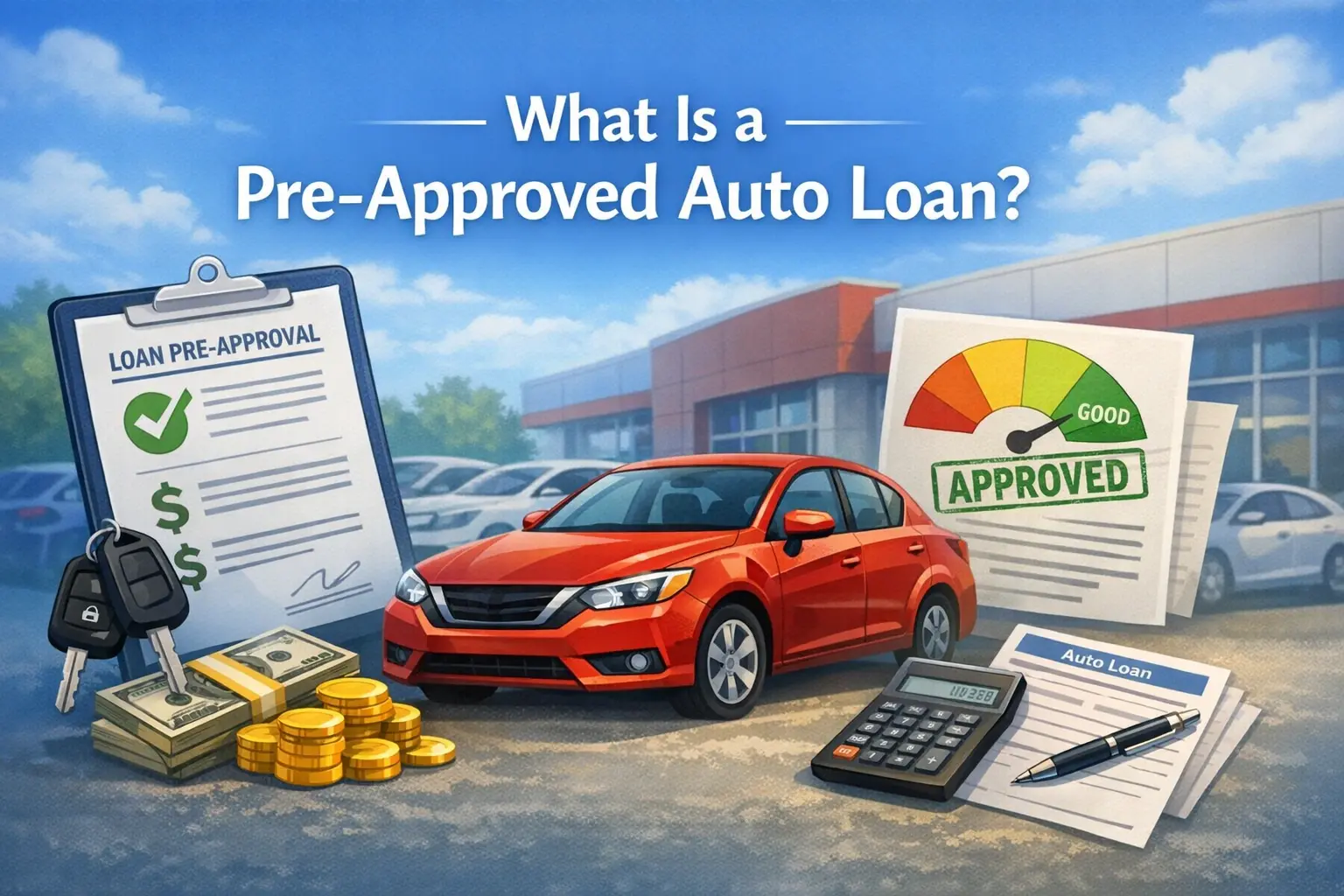
Understanding what a pre-approved auto loan is can significantly streamline your car buying journey. It's a conditional commitment from a lender, indicating how much you can borrow and at what estimated interest rate, empowering you with negotiation leverage and a clear budget before you even step into a dealership. This guide dives deep into pre-approved auto loans, demystifying the process and highlighting its benefits for 2025-26 car buyers.
What Exactly Is a Pre-Approved Auto Loan?
A pre-approved auto loan, often referred to as pre-approval, is a conditional commitment from a lender that signifies their willingness to lend you a specific amount of money for a vehicle purchase. Unlike a simple pre-qualification, which is a quick estimate based on self-reported information, pre-approval involves a more thorough review of your financial standing. Lenders will typically pull your credit report and verify key financial details, such as income and employment, before issuing a pre-approval letter. This letter outlines the maximum loan amount you're eligible for, the estimated interest rate (Annual Percentage Rate or APR), and the potential loan term (length of repayment). It’s a powerful tool that transforms your car shopping experience from a speculative hunt into a focused, budget-conscious mission. In the dynamic automotive market of 2025-26, securing pre-approval before visiting dealerships can provide significant advantages, allowing you to negotiate with confidence and avoid the pressure of on-the-spot financing decisions.
The core function of a pre-approved auto loan is to give you a clear financial roadmap. It tells you, in concrete terms, how much you can afford to spend on a car. This prevents you from falling in love with a vehicle that is outside your budget, saving you time and emotional distress. Furthermore, knowing your interest rate beforehand allows you to compare offers from different lenders and the dealership more effectively. This transparency is invaluable in a market where financing options can be complex and vary widely. For many consumers in 2025-26, pre-approval is becoming an indispensable first step in the car-buying process, akin to setting a budget before any major purchase.
Pre-Approval vs. Pre-Qualification: Key Differences
It's crucial to distinguish between pre-qualification and pre-approval, as these terms are often used interchangeably, leading to confusion. While both are initial steps in the loan process, their depth and reliability differ significantly.
Pre-Qualification
Pre-qualification is a preliminary assessment of your borrowing capacity. It typically involves a brief online application where you provide basic financial information, such as your income, estimated credit score, and employment status. The lender uses this self-reported data to give you a rough idea of how much you might be able to borrow and at what potential interest rate. The process is usually quick, often taking just a few minutes, and does not involve a hard inquiry on your credit report. This means it won't impact your credit score. Think of pre-qualification as a very general estimate, a ballpark figure that offers a starting point for your car search but is not a guarantee of financing.
Pre-Approval
Pre-approval, on the other hand, is a more rigorous and binding process. It requires a formal loan application and a hard credit check. The lender will verify your income, employment, and review your credit history in detail. Based on this thorough evaluation, the lender provides a conditional commitment to lend you a specific amount of money at a particular interest rate for a set period.
This pre-approval letter is a much stronger indication of your borrowing power and is typically valid for a certain timeframe, often 30 to 90 days. It demonstrates to dealerships that you are a serious buyer with secured financing, giving you a significant advantage in negotiations. For 2025-26 car buyers, understanding this distinction is key to managing expectations and approaching the car-buying process strategically.
Comparison Table: Pre-Qualification vs. Pre-Approval
Feature
Pre-Qualification
Pre-Approval
Depth of Review
Basic, self-reported information
Detailed financial verification, credit report pull
Credit Impact
No hard inquiry (soft pull)
Hard inquiry (can slightly impact credit score)
Time to Obtain
Minutes
Several hours to a few days
Reliability
Estimate, not guaranteed
Conditional commitment, strong indication of loan approval
Negotiating Power
Limited
Significant
The Step-by-Step Process to Get Pre-Approved
Securing pre-approval for an auto loan is a straightforward process that can be completed online or in person. By following these steps, you can position yourself as a well-prepared buyer ready to make a confident purchase in the 2025-26 automotive market.
Step 1: Check Your Credit Score and Report
Before you even apply, it's wise to know where you stand. Obtain copies of your credit reports from the three major credit bureaus (Equifax, Experian, and TransUnion) and check your credit score. Many credit card companies and financial institutions offer free credit score access. Review your reports for any errors that could negatively impact your approval odds or interest rate. Addressing inaccuracies beforehand is a smart move.
Step 2: Gather Necessary Documentation
Lenders will require proof of your financial stability. Be prepared to provide:
Proof of income (recent pay stubs, W-2s, tax returns)
Proof of employment (a letter from your employer or recent bank statements showing direct deposit)
Proof of address (utility bills, lease agreement)
Personal identification (driver's license, Social Security card)
Information about your existing debts (credit card balances, other loans)
Step 3: Shop Around for Lenders
Don't settle for the first offer you receive. Compare rates and terms from various sources:
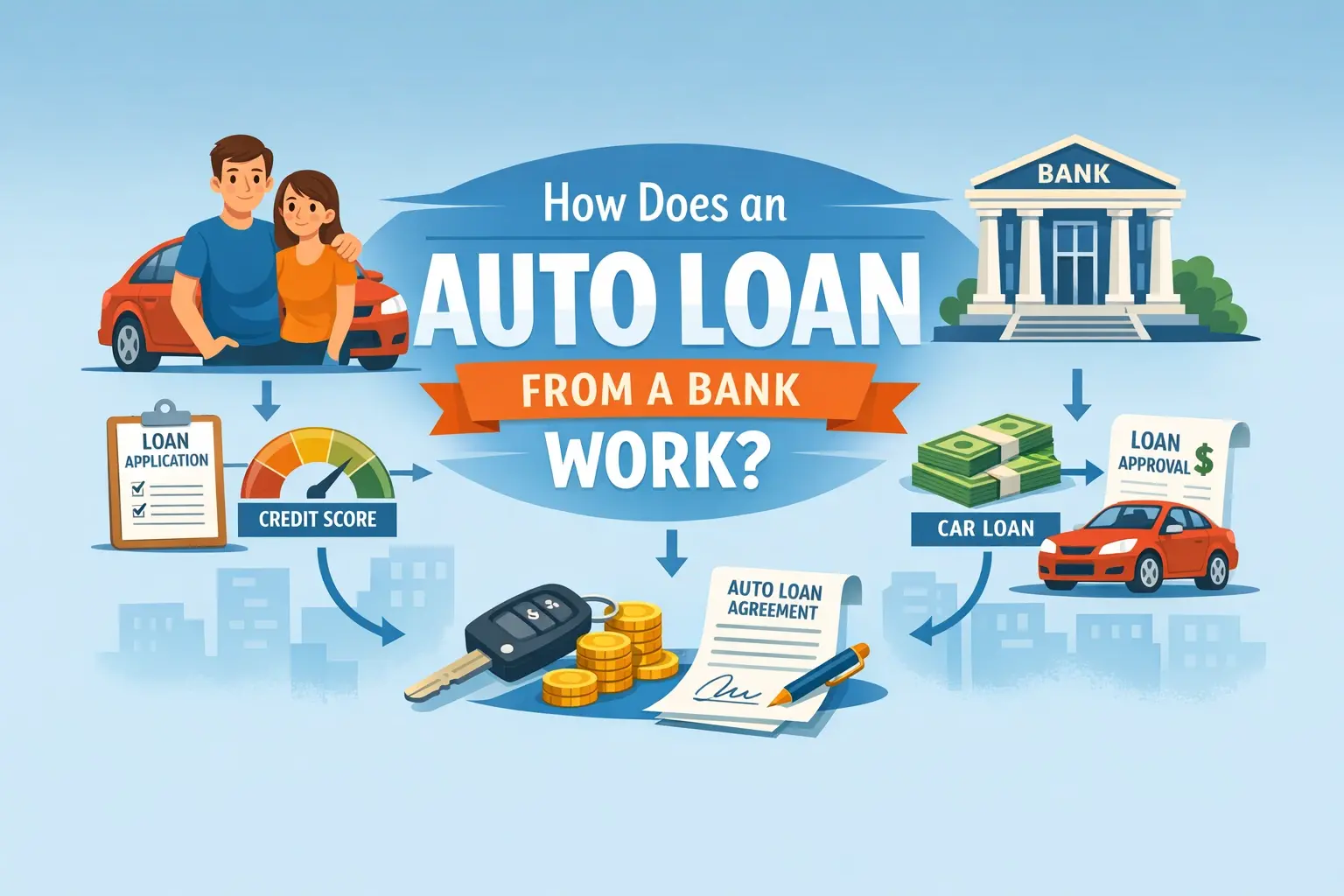
Banks: Your current bank might offer competitive rates, especially if you have a strong existing relationship.
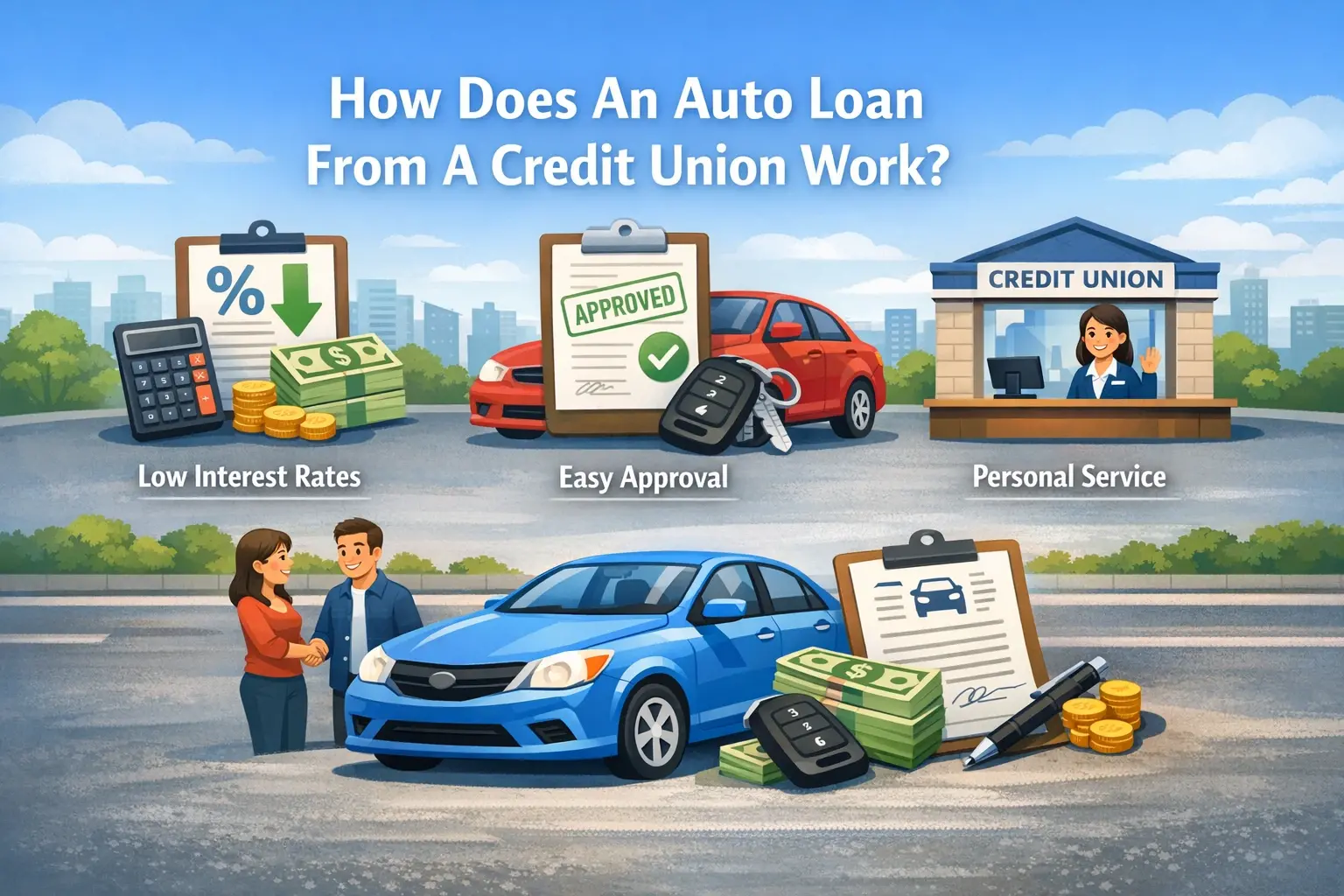
Credit Unions: Often provide lower interest rates and more flexible terms to their members. Membership requirements vary.
Online Lenders: Numerous online platforms specialize in auto loans and can offer quick approvals and competitive rates.
Dealership Financing: While convenient, dealership financing often comes with higher interest rates. It's best to have pre-approval from an external lender to use as a benchmark.
When comparing, focus on the APR, loan term, and any associated fees. Remember that applying to multiple lenders within a short period (typically 14-45 days, depending on the scoring model) is usually treated as a single inquiry for credit scoring purposes, minimizing the impact on your score.
Step 4: Submit Loan Applications
Once you've identified a few lenders you're interested in, submit your formal pre-approval applications. This is where the hard credit pull will occur. Be honest and accurate with all the information you provide.
Step 5: Review and Accept the Pre-Approval Offer
After your applications are processed, you will receive pre-approval letters from the lenders who qualify you. Carefully review each offer, paying close attention to the loan amount, APR, term, and any specific conditions. Choose the offer that best suits your financial situation and needs.
Step 6: Take Your Pre-Approval to the Dealership
With your pre-approval letter in hand, you can now confidently shop for a car. You know your budget and your financing terms. When you find a vehicle you like, present your pre-approval letter to the dealership's finance department. They will likely try to beat your pre-approved rate, but you have the power to walk away with your external financing if their offer isn't competitive.
Why Pre-Approval is a Game-Changer for Car Buyers
In the competitive automotive landscape of 2025-26, obtaining pre-approval for an auto loan offers a multitude of advantages that can significantly enhance your car-buying experience. It's not just about getting a loan; it's about gaining control, saving money, and reducing stress.
1. Enhanced Negotiating Power
This is perhaps the most significant benefit. When you walk into a dealership with pre-approved financing, you're no longer at the mercy of their finance office. You know the maximum you can spend and the interest rate you've already secured. This allows you to focus your negotiation solely on the price of the car, not the monthly payment or financing terms. You can confidently tell the dealer, "I have financing secured at X% APR for Y amount." This often compels dealerships to offer more competitive pricing or financing to win your business.
2. Clear Budgetary Framework
Pre-approval provides a concrete budget. Instead of browsing cars with a vague idea of what you can afford, you have a precise maximum loan amount. This prevents you from falling in love with a vehicle that is financially out of reach, saving you time, disappointment, and the potential for overspending. You can shop with confidence, knowing that any car you consider within your pre-approved limit is within your financial grasp.
3. Time Savings at the Dealership
The financing process at a dealership can be lengthy and often involves waiting for approvals. With pre-approval, you've already completed a significant portion of the financing paperwork. This means you can spend less time in the finance office and more time test-driving and finalizing your purchase. It streamlines the entire transaction, making the car-buying process quicker and more efficient.
4. Access to Potentially Better Interest Rates
While dealerships can offer financing, they often add a markup to the interest rates they receive from lenders. By getting pre-approved from an independent lender, you secure a rate based on your creditworthiness. You can then use this rate as a benchmark to negotiate with the dealership. If they can't beat your pre-approved rate, you can simply use the external financing. Many buyers find that banks and credit unions offer more competitive rates than dealership financing, especially for those with excellent credit.
5. Reduced Stress and Pressure
The car-buying process can be stressful, especially when facing pressure from salespeople to make immediate financing decisions. Pre-approval alleviates much of this pressure. You're in a stronger position, less susceptible to high-pressure sales tactics, and more in control of the situation. This peace of mind is invaluable, allowing you to make a more rational and informed decision.
6. Wider Vehicle Selection
Knowing your financing is secured allows you to shop for a wider range of vehicles. You aren't limited to the specific inventory that a particular dealership might offer financing for. You can explore different makes and models from various sellers, confident that you have the financial backing to make a purchase.
7. Prevents Last-Minute Financing Issues
Relying solely on dealership financing can lead to last-minute complications. If your financing falls through at the dealership, you might be forced to accept unfavorable terms or even lose the car you wanted. Pre-approval acts as a safety net, ensuring you have a viable financing option ready to go.
Decoding Your Pre-Approval Offer: Key Terms to Know
Once you receive a pre-approval letter for an auto loan, it's essential to understand the key terms and conditions. These details will significantly impact your overall cost of borrowing and the monthly payments you'll make. For 2025-26 car buyers, a thorough understanding of these terms is paramount to making an informed financial decision.
1. Loan Amount (Principal)
This is the maximum amount the lender is willing to finance. It's crucial to ensure this amount covers the price of the vehicle you intend to purchase, including taxes, fees, and any optional add-ons you might consider. If the car you want is more expensive than your pre-approved amount, you'll need to either increase your down payment or seek additional financing.
2. Annual Percentage Rate (APR)
The APR represents the annual cost of borrowing money, expressed as a percentage. It includes not only the interest rate but also any fees associated with the loan. A lower APR means you'll pay less in interest over the life of the loan. It's the most critical figure when comparing loan offers. For example, a 1% difference in APR on a $30,000 loan over five years can save you thousands of dollars.
3. Loan Term
The loan term is the length of time you have to repay the loan, usually expressed in months or years. Common terms for auto loans range from 36 to 84 months. A shorter loan term means higher monthly payments but less interest paid overall. A longer loan term results in lower monthly payments but more interest paid over time. It's a balance between affordability and total cost.
Example:
Consider a $30,000 loan at 7% APR:
60-month term: Monthly payment approx. $580. Total interest paid approx. $4,800.
72-month term: Monthly payment approx. $495. Total interest paid approx. $5,640.
84-month term: Monthly payment approx. $435. Total interest paid approx. $6,340.
While longer terms offer lower monthly payments, they significantly increase the total interest paid. It's often advisable to opt for the shortest term you can comfortably afford.
4. Down Payment Requirement
While pre-approval focuses on the loan amount, lenders may still have expectations or recommendations for a down payment. A larger down payment reduces the loan amount, which can lead to a lower APR and lower monthly payments. Some lenders may require a minimum down payment, especially for buyers with less-than-perfect credit.
5. Fees
Be aware of any potential fees associated with the loan. These could include origination fees, application fees, or early repayment penalties. While less common for auto loans compared to other types of credit, it's always wise to ask your lender about any associated costs.
6. Validity Period
Your pre-approval offer will have an expiration date. This is the timeframe within which you must finalize your car purchase and loan. If you don't secure a loan within this period, you may need to reapply. Typically, pre-approval letters are valid for 30 to 90 days.
7. Collateral
For an auto loan, the vehicle you purchase serves as collateral for the loan. This means if you fail to make payments, the lender has the right to repossess the car. This is why lenders assess the value of the vehicle and your ability to repay.
8. Prepayment Penalties
Some loans may include a penalty if you decide to pay off the loan early. This is designed to compensate the lender for the interest they would have earned over the full loan term. Always ask if your loan has prepayment penalties, as it's beneficial to pay off loans early if possible to save on interest.
What Lenders Look For: Factors Affecting Your Pre-Approval
When a lender reviews your application for a pre-approved auto loan, they are assessing your creditworthiness and your ability to repay the loan. Several key factors come into play, and understanding them can help you prepare and improve your chances of securing favorable terms in 2025-26.
1. Credit Score
Your credit score is arguably the most significant factor. A higher credit score indicates a lower risk to the lender, often resulting in a lower APR and a higher loan amount. Lenders typically use FICO or VantageScore models. Generally, scores above 700 are considered good, while scores above 740 are excellent and often qualify for the best rates. Scores below 600 may result in higher rates, stricter terms, or even denial.
2. Credit History
Beyond the score, lenders examine your credit history. This includes:
Payment history: Have you consistently paid your bills on time? Late payments can significantly hurt your chances.
Credit utilization: How much of your available credit are you using? Keeping credit utilization below 30% is generally recommended.
Length of credit history: A longer history of responsible credit management is viewed favorably.
Types of credit: A mix of credit, such as credit cards, installment loans, and mortgages, can demonstrate your ability to manage different types of debt.
New credit: Opening too many new accounts in a short period can be a red flag.
3. Income and Employment Stability
Lenders need to be confident that you have a reliable source of income to make loan payments. They will verify your income through pay stubs, tax returns, or bank statements. Stable employment, preferably with your current employer for at least a year or two, is also a positive indicator. Lenders often look at your debt-to-income ratio (DTI), which compares your total monthly debt payments to your gross monthly income. A lower DTI suggests you have more disposable income to handle new loan payments.
4. Debt-to-Income Ratio (DTI)
Your DTI is a crucial metric. It's calculated by dividing your total monthly debt obligations (including rent/mortgage, credit card payments, student loans, and the potential auto loan payment) by your gross monthly income. Most lenders prefer a DTI of 43% or lower, but the lower, the better. A high DTI can indicate that you might be overextended financially, making it harder to qualify for new credit.
5. Loan-to-Value Ratio (LTV)
The LTV ratio compares the amount you want to borrow to the value of the vehicle you intend to purchase. For example, if you want to borrow $25,000 for a car valued at $30,000, your LTV is approximately 83%. Lenders often have maximum LTV limits, especially for used cars or vehicles with lower market demand. A higher down payment reduces the LTV, making the loan less risky for the lender.
6. Loan Amount Requested
The amount you're asking to borrow also plays a role. If you're seeking to finance a very expensive vehicle or a large portion of its value, it represents a higher risk for the lender, potentially impacting your approval or the interest rate offered.
7. Vehicle Type and Age
Lenders may consider the type and age of the vehicle. Newer cars or those with high resale value are generally less risky than older or specialized vehicles. Some lenders may have restrictions on financing certain makes, models, or vehicles with high mileage.
Navigating the Dealership with Pre-Approval
Having a pre-approved auto loan letter in hand significantly alters your dynamic with a car dealership. It shifts you from a reactive buyer, subject to the dealership's financing offers, to a proactive consumer with secured funding. Here’s how to leverage your pre-approval effectively.
1. Focus on the Car Price First
Your primary negotiation should be on the vehicle's purchase price. Once you've agreed on a price, you can discuss financing. Present your pre-approval letter and state that you have secured financing at a specific APR. The dealership's finance department will then have the opportunity to try to beat your rate. If they can offer a lower APR, great! If not, you can proceed with your pre-approved loan.
2. Avoid Focusing on Monthly Payments Initially
Dealerships often try to steer conversations towards monthly payments, as they can manipulate loan terms and interest rates to make a more expensive car seem affordable every month. With pre-approval, you know your total budget and the interest rate. Negotiate the out-the-door price of the car first, then compare financing options. This prevents you from overspending simply because the monthly payment appears manageable.
3. Be Prepared for Dealer Financing Offers
The dealership's finance manager will likely present their own financing options, often aiming to match or beat your pre-approved rate. They might also try to sell you additional products like extended warranties, GAP insurance, or tire protection plans. Evaluate these offers critically. If the APR is better than your pre-approval, it's a good deal. However, be cautious about the total cost of these add-ons, as they can significantly increase your overall expenditure.
4. Understand the Contract Thoroughly
Before signing anything, meticulously review the final purchase agreement and loan contract. Ensure all the numbers match what you agreed upon: the car price, trade-in value (if applicable), down payment, loan amount, APR, loan term, and any fees. If you're using your pre-approved financing, confirm that the loan details in the contract align with your lender's offer.
5. Exercise Your Walk-Away Power
The beauty of pre-approval is that you are not obligated to accept the dealership's financing. If they cannot offer you terms that are as good as or better than your pre-approved loan, you have the power to walk away and use your external financing. This leverage is invaluable and prevents you from being pressured into a deal that isn't financially optimal.
6. The Finance Manager's Role
The finance manager's job is to maximize profit for the dealership. They do this through markups on interest rates and the sale of add-on products. By having pre-approval, you level the playing field. You can still work with them to see if they can improve upon your existing offer, but you do so from a position of strength.
7. Timing is Key
It's generally best to get pre-approved *before* you start seriously shopping for a car. This way, you know your budget from the outset. Once you've found the car and agreed on a price, you can then present your pre-approval to the dealership's finance department to see if they can offer better terms.
Busting Myths: Common Misconceptions About Pre-Approved Auto Loans
Despite their growing popularity and clear benefits, pre-approved auto loans are still subject to several misconceptions. Understanding these myths can help car buyers in 2025-26 make more informed decisions and fully leverage this powerful financial tool.
Myth 1: Pre-Approval Guarantees a Loan
Reality: Pre-approval is a *conditional* commitment. While it signifies that a lender is highly likely to approve your loan based on the information provided and a credit check, it's not a guarantee. The final approval depends on factors like the specific vehicle you choose (its age, mileage, and value), any changes in your financial situation between pre-approval and purchase, and the lender's final verification of all details.
Myth 2: You Must Use the Dealership's Financing
Reality: This is entirely false. You are under no obligation to use the financing offered by the dealership, especially if you have secured pre-approval from an external lender. Your pre-approval letter gives you the power to compare offers and choose the best option for your financial needs. Many buyers find that external lenders offer more competitive rates.
Myth 3: Pre-Approval is the Same as Pre-Qualification
Reality: As discussed earlier, these are distinct. Pre-qualification is a quick, preliminary estimate based on self-reported data and doesn't involve a hard credit check. Pre-approval involves a formal application, a hard credit pull, and a more thorough financial review, making it a much stronger indicator of borrowing power and a more reliable tool for negotiation.
Myth 4: Getting Pre-Approved Hurts Your Credit Score Significantly
Reality: While pre-approval does involve a hard credit inquiry, which can slightly lower your score by a few points, this impact is usually minimal and temporary, especially if you shop for loans within a short timeframe (typically 14-45 days). The benefits of securing a better interest rate and negotiating power often outweigh this minor credit score dip. In fact, responsible borrowing and timely payments on an auto loan can ultimately help improve your credit score over time.
Myth 5: Pre-Approval is Only for Buyers with Perfect Credit
Reality: While excellent credit will yield the best rates and terms, pre-approval is available to a wide range of credit profiles. Lenders offer various loan products for different credit tiers. Even if you have fair or poor credit, getting pre-approved can help you understand what loan amounts and rates you might qualify for, allowing you to shop for a vehicle within your realistic budget and potentially identify areas for credit improvement.
Myth 6: You Can Only Get Pre-Approved at a Bank
Reality: You can obtain pre-approval from various financial institutions, including credit unions, online lenders, and even some specialized auto financing companies. Diversifying your search across different types of lenders can help you find the most competitive offer.
Myth 7: Dealerships Will Always Offer a Better Deal Than Pre-Approval
Reality: This is not necessarily true. While dealerships aim to be competitive, their primary goal is profit. They may mark up interest rates or offer less favorable terms. Your pre-approval acts as a baseline, enabling you to objectively assess whether the dealership's offer is genuinely better or just appears so due to manipulated terms.
Pre-Approval for Various Buyer Scenarios
The flexibility and power of pre-approved auto loans make them beneficial for a wide array of car buyers in 2025-26, regardless of their financial background or purchasing goals.
1. First-Time Car Buyers
For individuals buying their first car, pre-approval is invaluable. It helps establish a realistic budget and provides a clear understanding of what they can afford, which is crucial when navigating the car market for the first time. It also demonstrates financial responsibility to lenders, which can be particularly helpful if credit history is limited.
2. Buyers with Excellent Credit
Those with strong credit scores are likely to qualify for the lowest interest rates. Pre-approval allows them to lock in these favorable rates and use them as a powerful negotiation tool at the dealership. They can confidently demand the best prices, knowing their financing is secured at a competitive rate.
3. Buyers with Fair or Poor Credit
While securing financing can be more challenging for those with lower credit scores, pre-approval is still a vital step. It helps these buyers understand the interest rates and loan terms they might realistically qualify for. This prevents them from wasting time looking at cars they can't afford or being surprised by high interest rates at the dealership. It also opens the door to exploring specialized lenders who cater to subprime borrowers.
4. Buyers Looking for New or Used Cars
Pre-approval applies to both new and used car purchases. Lenders may have different LTV requirements or interest rates for used vehicles compared to new ones, but the process of obtaining pre-approval remains the same. For used cars, pre-approval ensures you know the maximum you can borrow for a vehicle that fits your budget, regardless of its age or condition.
5. Buyers Planning to Trade In a Vehicle
If you plan to trade in your current car, pre-approval helps separate the financing negotiation from the trade-in negotiation. You can secure your loan first, then negotiate the price of the new car and the value of your trade-in separately. This prevents dealerships from manipulating the numbers across different aspects of the deal.
6. Buyers Seeking Specific Loan Terms
Whether you're looking for a short-term loan with higher monthly payments to pay off the car quickly or a longer-term loan with lower monthly payments for affordability, pre-approval allows you to explore these options with various lenders. You can compare offers based on your preferred loan term and find the lender that best aligns with your financial strategy.
7. Buyers Wanting to Avoid Dealership Financing Pressure
For individuals who dislike the high-pressure sales tactics often associated with dealership financing, pre-approval offers a way out. By having financing already secured, they can bypass much of the negotiation in the finance office and focus on the car itself, leading to a less stressful buying experience.
The Crucial Role of Your Credit Score
Your credit score is a three-digit number that acts as a snapshot of your financial reliability. For auto loans, it's a critical determinant of whether you'll be approved and, perhaps more importantly, what interest rate you'll be offered. Lenders view your credit score as a primary indicator of your risk as a borrower. A higher score signals to lenders that you have a history of managing debt responsibly, making you a more attractive candidate for a loan. This often translates into access to the most competitive Annual Percentage Rates (APRs), which can save you thousands of dollars over the life of the loan.
Conversely, a lower credit score suggests a higher risk, leading to potentially higher interest rates, stricter loan terms, or even denial of the loan altogether. Before embarking on your car-buying journey, understanding and, if necessary, improving your credit score is a fundamental step. If you find your credit score isn't where you'd like it to be, consider seeking professional assistance. Companies like "Credit Repair Ease" specialize in helping individuals improve their credit profiles. They offer expert guidance and services to address inaccuracies on credit reports and implement strategies for credit enhancement. Don't let a less-than-ideal credit score hold you back; reach out to Credit Repair Ease at (888) 803-7889 to explore how they can help you achieve your financial goals and secure better loan terms.
Your Path to a Smarter Car Purchase
In conclusion, understanding and obtaining a pre-approved auto loan is a cornerstone of smart car buying in 2025-26. It's not merely an optional step; it's a strategic advantage that empowers you with financial clarity, enhanced negotiation power, and reduced stress. By demystifying the process, differentiating pre-approval from pre-qualification, and understanding the key terms and factors that influence your eligibility, you can approach the car dealership with confidence and control. Whether you're a first-time buyer, have excellent credit, or are working to improve your credit standing, pre-approval offers a tangible pathway to securing favorable financing terms. It allows you to focus on finding the right vehicle within your budget, rather than being swayed by potentially misleading dealership financing tactics. Remember to shop around for lenders, gather your documentation, and critically evaluate every offer. By investing a little time upfront in the pre-approval process, you can save significant money and enjoy a more positive and less stressful car-buying experience. Take the reins of your car purchase today by getting pre-approved and driving away with a smarter financial decision.
null
What Is Pre Approved Auto Loan

Krystin Bresolin