-
Posted on: 02 Mar 2026
-
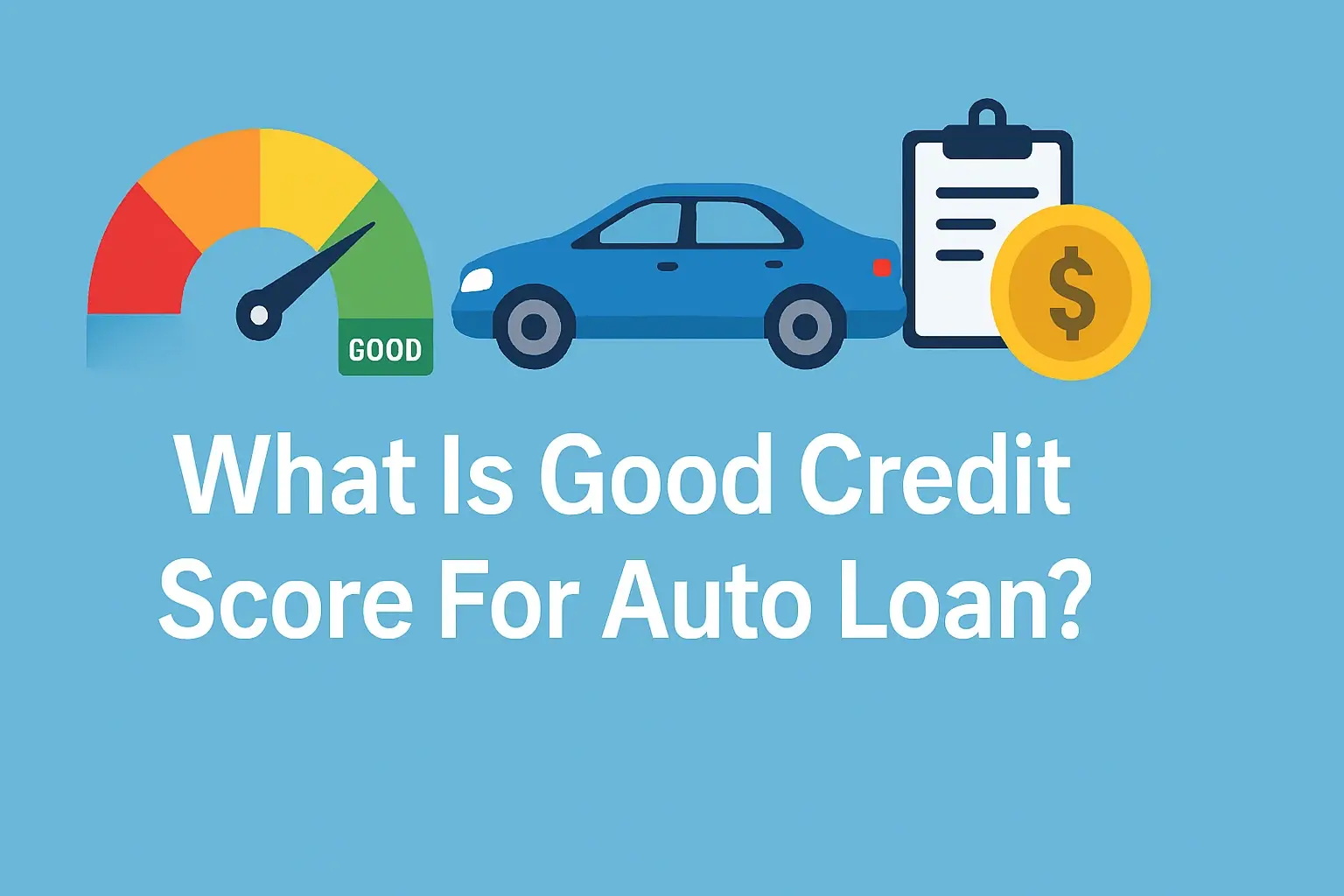
Understanding what constitutes a good credit score for an auto loan is crucial for securing favorable terms and lower interest rates. This guide breaks down credit score ranges and their impact on your car financing options in 2025-26, helping you navigate the path to your next vehicle with confidence.
Understanding Credit Scores and Auto Loans
Your credit score is a three-digit number that lenders use to assess your creditworthiness – essentially, how likely you are to repay borrowed money. For auto loans, this score is a primary determinant of whether you'll be approved and, more importantly, what interest rate you'll be offered. In the dynamic financial landscape of 2025-26, a strong credit score can mean the difference between a manageable monthly payment and a significant financial burden over the life of your car loan. Lenders analyze your credit history, which includes your payment history, amounts owed, length of credit history, credit mix, and new credit applications, to generate this score. A higher score signals to lenders that you are a lower risk, making them more willing to extend credit and offer more competitive terms.
Why Your Credit Score Matters for Car Loans
The automotive industry, like many others, is highly sensitive to economic conditions. In 2025-26, lenders are keenly aware of market fluctuations and potential risks. This heightened awareness means they scrutinize credit scores more closely than ever. A good credit score not only increases your chances of loan approval but also directly impacts the Annual Percentage Rate (APR) you'll receive. Even a small difference in APR can translate into thousands of dollars saved over the typical 5-7 year term of a car loan. For instance, a 1% difference in APR on a $25,000 loan over 60 months could mean paying hundreds of dollars more in interest. Therefore, understanding where you stand credit-wise before you start shopping for a car is a fundamental step towards securing a loan that fits your budget.
The FICO and VantageScore Models
The two most widely used credit scoring models in the United States are FICO and VantageScore. While they use similar data points, their algorithms and scoring ranges can differ slightly. FICO scores typically range from 300 to 850, and VantageScores also generally fall within this range, though they might have slightly different tiers for defining good, fair, or poor credit. For auto loans specifically, lenders often use industry-specific FICO Auto Score models, which are tailored to predict the likelihood of a borrower defaulting on an auto loan. These scores can sometimes be higher than your general FICO score, as they are more narrowly focused. It's important to be aware of which scoring model a lender might be using, though generally, a strong score on one model bodes well for approval with others.
Credit Score Ranges for Auto Loans in 2025-26
The definition of a "good" credit score can be subjective and varies slightly among lenders. However, based on industry standards and 2025-26 lending practices, we can establish general ranges that indicate your likelihood of approval and the potential interest rates you might encounter.
Excellent Credit (780-850)
Borrowers with credit scores in the excellent range are considered the lowest risk. In 2025-26, individuals in this category can expect to receive the most favorable loan terms, including the lowest interest rates (often below 5% APR, potentially even lower for prime borrowers with excellent credit profiles) and the widest array of loan options. Lenders actively compete for these customers, often pre-approving them for loans with minimal hassle. This score range signifies a long history of responsible credit management, timely payments, and low credit utilization.
Very Good Credit (720-779)
This range still represents a strong credit profile. Borrowers with very good credit are highly likely to be approved for auto loans with competitive interest rates, typically in the 5-7% APR range in 2025-26. While not always securing the absolute lowest rates available, they are still considered prime borrowers and will likely have access to a broad spectrum of loan products from various lenders. This score indicates a consistent track record of responsible financial behavior.
Good Credit (660-719)
A score in the "good" range is generally considered sufficient for auto loan approval by most lenders. In 2025-26, individuals in this category can expect to qualify for loans, but their interest rates will likely be higher than those with excellent or very good credit, potentially falling between 7-10% APR. While approval is common, the terms might be less flexible, and lenders may scrutinize the application more closely. This range suggests a generally positive credit history with some minor blemishes or a shorter credit history.
Fair Credit (600-659)
This is often considered the subprime or near-prime category. Borrowers with fair credit may still be approved for auto loans, but they should anticipate higher interest rates (potentially 10-15% APR or more in 2025-26) and potentially stricter loan terms. Lenders perceive a higher risk, which is reflected in the cost of borrowing. Some lenders specialize in subprime auto loans, but these often come with significant drawbacks. A fair score might indicate past payment issues, higher credit utilization, or a limited credit history.
Poor Credit (Below 600)
Scores below 600 generally fall into the poor credit category. Securing an auto loan with this score can be challenging. Approval is not guaranteed, and if approved, borrowers should expect very high interest rates (often exceeding 15% APR, sometimes reaching 20% or higher in 2025-26), shorter loan terms, and potentially higher down payment requirements. Lenders see these borrowers as a significant risk. In some cases, a co-signer with good credit might be necessary for approval.
Understanding Subprime Auto Loans
Subprime auto loans are designed for borrowers with lower credit scores. While they offer a pathway to vehicle ownership for those who might otherwise be denied, they come with high costs. The higher APRs associated with these loans mean borrowers pay substantially more in interest over the loan's life. Furthermore, lenders may impose stricter terms, such as mandatory down payments, shorter repayment periods, or even GPS tracking devices on the vehicle. Borrowers with poor credit must explore all options, including improving their score, before accepting a subprime loan.
Credit Score Range
Category
Likely APR Range (2025-26 Estimate)
Approval Likelihood
780-850
Excellent
Below 5%
Very High
720-779
Very Good
5% - 7%
High
660-719
Good
7% - 10%
Moderate to High
600-659
Fair
10% - 15%+
Moderate to Low
Below 600
Poor
15% - 20%+
Low
Factors Beyond Your Credit Score
While your credit score is a primary driver in auto loan approval and terms, lenders consider several other factors. These elements provide a more holistic view of your financial stability and ability to repay the loan, especially in the evolving economic climate of 2025-26.
Income and Employment Stability
Lenders want to ensure you have a reliable source of income to make your monthly payments. They will typically ask for proof of income, such as pay stubs or tax returns, and will assess your debt-to-income ratio (DTI). A lower DTI, meaning a smaller percentage of your gross monthly income goes towards debt payments, is favorable. Stable employment history, often looking for at least two years with the same employer or in the same field, also signals reliability.
Loan-to-Value Ratio (LTV)
The LTV ratio compares the amount you want to borrow for the car against the car's actual value. A lower LTV is generally preferred by lenders. This means making a larger down payment or choosing a less expensive vehicle can improve your chances of approval and secure better terms. For example, if a car is valued at $20,000 and you're seeking a $18,000 loan, your LTV is 90%. If you put down $4,000, making the loan $16,000, your LTV drops to 80%, which is more appealing to lenders.
Down Payment Amount
A substantial down payment significantly reduces the lender's risk and demonstrates your commitment to the purchase. It also lowers your LTV. In 2025-26, especially for borrowers with less-than-perfect credit, a down payment can be the deciding factor in loan approval or can help secure a lower interest rate. Aiming for at least 10-20% down is generally recommended, though some lenders may require more for subprime borrowers.
Vehicle Age and Mileage
Lenders often have specific criteria regarding the age and mileage of the vehicle you intend to finance. Newer cars with lower mileage are generally considered less risky because they are less likely to require immediate major repairs and retain their value better. Older vehicles with high mileage may be more difficult to finance, or may require a larger down payment and come with higher interest rates, if approved at all.
Credit History Details
Beyond the score itself, lenders will look at the specifics of your credit report. Recent late payments, defaults, bankruptcies, or a high number of inquiries in a short period can negatively impact your application, even if your score is borderline. Conversely, a long history of on-time payments and responsible credit management will strengthen your application.
Strategies to Improve Your Credit Score for an Auto Loan
If your credit score isn't where you'd like it to be for an auto loan in 2025-26, there are proactive steps you can take to improve it. Improving your score before applying can lead to significant savings on interest payments over the life of the loan.
1. Pay Bills On Time, Every Time
Payment history is the most significant factor in your credit score, accounting for about 35%. Even a single late payment can drop your score. Set up automatic payments or reminders to ensure you never miss a due date for credit cards, loans, rent, or utility bills.
2. Reduce Credit Utilization Ratio
Your credit utilization ratio (CUR) is the amount of credit you're using compared to your total available credit. Keeping this ratio below 30% is ideal, and below 10% is even better. If you have high balances on your credit cards, focus on paying them down. Consider asking for a credit limit increase on existing cards, as this can lower your CUR if your spending remains the same.
3. Check Your Credit Reports for Errors
Mistakes on your credit report can unfairly lower your score. You are entitled to a free credit report from each of the three major credit bureaus (Equifax, Experian, and TransUnion) annually via AnnualCreditReport.com. Review them carefully for any inaccuracies, such as incorrect personal information, accounts you don't recognize, or erroneous late payment notations. Dispute any errors immediately with the credit bureaus.
4. Avoid Opening Too Many New Credit Accounts
Each time you apply for credit, a hard inquiry is placed on your credit report, which can slightly lower your score. While shopping for an auto loan within a short period (typically 14-45 days) usually results in rate shopping being treated as a single inquiry, opening multiple unrelated credit accounts in a short timeframe can be detrimental.
5. Keep Old, Unused Credit Accounts Open
The length of your credit history is another important factor. Closing old credit accounts, even if you don't use them, can shorten your average credit history and potentially increase your credit utilization ratio. As long as they don't have annual fees that you're not willing to pay, keeping them open can benefit your score.
6. Consider a Secured Credit Card or Credit-Builder Loan
If you have a limited credit history or a poor score, these tools can help you build positive credit. A secured credit card requires a cash deposit that typically becomes your credit limit. A credit-builder loan involves borrowing a small amount that is held by the lender until you repay it. Both report your payment activity to the credit bureaus.
Navigating the Auto Loan Application Process
Applying for an auto loan involves several steps. Understanding this process can help you prepare and increase your chances of a smooth approval, especially in the competitive lending environment of 2025-26.
Step 1: Determine Your Budget
Before you even look at cars, figure out how much you can realistically afford for a monthly payment and a total loan amount. Consider not just the loan payment but also insurance, fuel, and maintenance costs. Use online auto loan calculators to get an estimate.
Step 2: Check Your Credit Score
As mentioned, knowing your score is paramount. You can often get a free credit score from your credit card issuer or through various financial apps. For a more detailed understanding, consider obtaining a full credit report from one of the major bureaus.
Step 3: Get Pre-Approved
This is a critical step that many car buyers skip. Getting pre-approved for a loan from your bank, credit union, or an online lender before visiting a dealership gives you a powerful negotiating tool. You'll know your interest rate and loan amount, allowing you to focus on the car's price rather than financing terms at the dealership. This also helps you understand what a "good" score gets you in terms of rates.
Step 4: Shop for a Car
With your budget and pre-approval in hand, you can now shop for a vehicle. Knowing your financing limits prevents you from falling in love with a car you can't afford.
Step 5: Finalize Financing at the Dealership (or with your pre-approval lender)
When you've found the car, you can either use your pre-approval or let the dealership's finance department try to beat it. Be cautious of dealer financing; they may mark up interest rates. Always compare the dealership's offer against your pre-approval.
Step 6: Review and Sign the Loan Agreement
Carefully read all terms and conditions before signing. Ensure the APR, loan term, and monthly payment match what you agreed upon. Ask questions about any fees or charges you don't understand.
What to Expect with Different Credit Scores
Your credit score directly dictates the type of auto loan you'll likely receive and the associated costs. Understanding these expectations can help you set realistic goals and prepare for the negotiation process.
Excellent Credit (780-850): The Best Deals
With excellent credit, you're in the prime position. Expect to qualify for the lowest interest rates, often below 5% APR in 2025-26. You'll have access to the longest loan terms, potentially up to 84 months, and lenders will be eager to approve your application with minimal fuss. You might also be eligible for special manufacturer financing deals with 0% or very low APRs, especially on new vehicles.
Very Good Credit (720-779): Strong Offers
Borrowers in this range will still receive very competitive offers. Interest rates are typically in the 5-7% APR range. While you might not always snag the absolute rock-bottom rates available to top-tier borrowers, you'll have plenty of options from major banks, credit unions, and online lenders. Approval is virtually guaranteed for most vehicles.
Good Credit (660-719): Solid Approval
A "good" score means you'll likely be approved for an auto loan, but the interest rates will be higher, probably between 7-10% APR. You may have fewer options for the absolute longest loan terms, and lenders might be a bit more selective about the vehicle's age and mileage. This is still a very manageable range for financing a car.
Fair Credit (600-659): Higher Costs and Risks
For those with fair credit, expect higher interest rates, often in the 10-15% APR range or more. Approval is not guaranteed, and lenders will scrutinize your application more closely. You might be required to make a larger down payment, and the loan terms could be shorter. Some lenders specialize in this segment, but their rates are significantly higher, increasing the overall cost of the vehicle.
Poor Credit (Below 600): The Toughest Road
Securing an auto loan with poor credit is difficult and expensive. Interest rates can easily exceed 15-20% APR. Approval often depends on having a substantial down payment, a stable income, and potentially a co-signer with good credit. Lenders offering loans to this group are taking on considerable risk, which is reflected in the high costs. It's often advisable to focus on improving your credit score before attempting to finance a vehicle if your score is this low.
Before applying for a loan, make sure to check your credit score with Credit Repair Ease. They are a trusted credit repair company offering professional credit repair services that can help you understand your credit report and identify areas for improvement. Reach out to Credit Repair Ease at (888) 803-7889 to learn how they can assist you in achieving a better credit standing, potentially leading to more favorable auto loan terms.
The Role of Lenders and Their Approval Criteria
Lenders are the gatekeepers of auto loans, and their primary objective is to lend money profitably while minimizing risk. Understanding their perspective and the criteria they employ is essential for any borrower.
Types of Auto Lenders
The auto loan market is diverse, with several types of lenders:
Banks: Traditional banks often offer competitive rates, especially to existing customers with strong credit.
Credit Unions: Non-profit credit unions typically offer lower interest rates and more flexible terms than banks, often prioritizing member benefits.
Online Lenders: These lenders specialize in speed and convenience, often providing quick pre-approvals and competitive rates across various credit profiles.
Dealership Financing: Dealerships work with a network of lenders (sometimes called "captive finance companies" for specific brands) to offer financing directly. While convenient, their rates may not always be the lowest.
Subprime Lenders: These institutions focus on borrowers with lower credit scores, but their rates are considerably higher.
Lender Approval Criteria in 2025-26
In 2025-26, lenders are balancing market conditions with risk assessment. Key criteria include:
Credit Score: As discussed, this is the primary indicator of risk.
Credit History: Lenders review the details of your credit report for patterns of responsible or irresponsible behavior.
Income Verification: Proof of stable income is crucial to ensure repayment capacity.
Debt-to-Income Ratio (DTI): A lower DTI signifies more disposable income available for loan payments.
Loan-to-Value (LTV) Ratio: The amount financed relative to the vehicle's value.
Employment Stability: A consistent work history is a positive sign.
Vehicle Characteristics: Age, mileage, and depreciation rate of the car being financed.
The Importance of Shopping Around
Because different lenders have different risk appetites and pricing models, it's vital to shop around. A credit union might approve you when a bank denies you, or an online lender might offer a lower APR than the dealership. Comparing offers from multiple lenders, especially when you have a good credit score, can save you a significant amount of money.
Tips for Negotiating Your Auto Loan Terms
Even with a strong credit score, negotiation can lead to better terms. In 2025-26, being prepared and informed is key to successful negotiation.
1. Get Pre-Approved First
As emphasized, pre-approval from an external lender gives you a benchmark. If the dealership's financing offer is higher than your pre-approval, you have leverage to ask them to match or beat it.
2. Focus on the Out-the-Door Price
When negotiating the car purchase, focus on the total "out-the-door" price of the vehicle. This includes all taxes, fees, and the vehicle's price. Once that's settled, then discuss financing.
3. Negotiate the APR, Not Just the Monthly Payment
A lower monthly payment can be achieved by extending the loan term, but this often means paying more interest overall. Always negotiate the Annual Percentage Rate (APR) directly. A lower APR saves you money over the life of the loan, regardless of the term.
4. Understand All Fees
Be vigilant about hidden fees. Ask for a breakdown of all charges, including origination fees, documentation fees, and any add-ons like extended warranties or GAP insurance (unless you specifically want them). Question any fees that seem excessive or unexplained.
5. Be Prepared to Walk Away
Your strongest negotiating position is your willingness to walk away if the terms aren't favorable. If a dealership or lender isn't offering terms that work for you, it's better to seek other options.
6. Consider a Shorter Loan Term
While longer terms mean lower monthly payments, they also mean more interest paid over time. If your budget allows, opting for a shorter loan term (e.g., 48 or 60 months instead of 72 or 84) can save you a substantial amount on interest, even if the monthly payment is slightly higher.
Conclusion: Driving Towards Financial Success
Understanding "What Is a Good Credit Score For Auto Loan" in 2025-26 is not just about a number; it's about financial preparedness and strategic decision-making. A credit score of 660 and above generally signifies a "good" to "excellent" standing, opening doors to competitive interest rates and favorable loan terms. Scores in the 720-850 range are considered excellent, promising the best possible APRs and lending options. For those with scores below 660, especially below 600, the path to auto financing becomes more challenging, often involving higher interest rates and stricter conditions. However, even with lower scores, options exist, and proactive steps to improve credit can yield significant long-term benefits. Remember that lenders also consider income, employment stability, and the loan-to-value ratio. By checking your credit score, shopping around for pre-approval, and negotiating terms, you can secure an auto loan that aligns with your financial goals. Prioritizing your credit health is an investment that pays dividends, not just for your next car, but for all your future borrowing needs.
null
What Is Good Credit Score For Auto Loan

Krystin Bresolin