-
Posted on: 19 Mar 2026
-
Understanding auto loans is crucial for anyone looking to finance a vehicle. This guide demystifies auto loans, covering everything from what they are and how they work to the different types available, the application process, and essential tips for securing the best possible terms. Get ready to drive away with confidence.
What Exactly Are Auto Loans?
An auto loan is a type of secured loan that allows individuals to finance the purchase of a vehicle. In essence, you borrow money from a lender (like a bank, credit union, or online lender) to buy a car, and you agree to repay that money over a set period, typically with interest. The vehicle itself serves as collateral, meaning the lender can repossess it if you fail to make your payments. Auto loans are a common way for people to afford vehicles, spreading the cost over several years rather than paying the full price up front.
How Do Auto Loans Work?
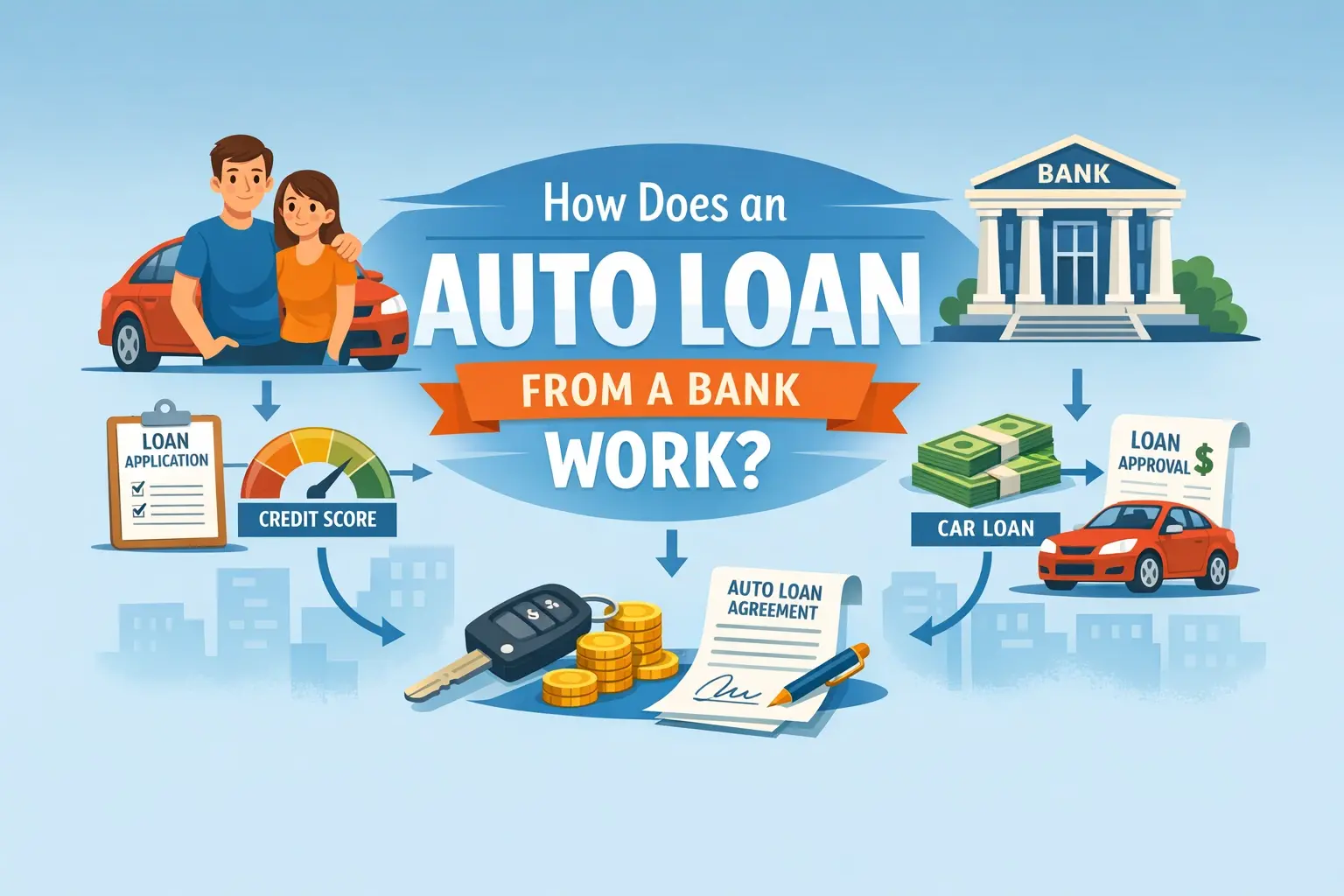
The process of an auto loan is relatively straightforward. When you decide to purchase a car and need financing, you'll apply for a loan. A lender will assess your creditworthiness, income, and other financial factors to determine if you qualify and what interest rate and loan terms they can offer. If approved, the lender provides the funds to the dealership (or seller, in some cases), and you begin making monthly payments to the lender. These payments include a portion of the principal (the amount borrowed) and interest. The loan is considered paid off once you've made all the scheduled payments, and you then own the vehicle outright.
The loan term, which is the duration of the loan, can vary, but common terms range from 36 to 72 months. A shorter term means higher monthly payments but less interest paid overall. Conversely, a longer term results in lower monthly payments but more interest paid over the life of the loan. The interest rate is a critical component, directly impacting the total cost of the loan. Lenders calculate this rate based on your credit score, the loan amount, the loan term, and market conditions.
For example, if you take out a $25,000 loan for a new car with a 5% APR and a 60-month term, your estimated monthly payment would be around $483.33. Over the life of the loan, you would pay approximately $3,999.80 in interest. However, if the APR were 8% for the same loan amount and term, your monthly payment would increase to approximately $522.48, and the total interest paid would be around $6,348.80. This illustrates the significant impact of the interest rate on your overall borrowing cost.
Types of Auto Loans Explained
Not all auto loans are created equal. Understanding the different types available can help you choose the one that best suits your needs and financial situation.
New Car Loans
These loans are specifically designed for purchasing brand-new vehicles. Lenders typically offer the most favorable interest rates and terms for new car loans because the collateral (the car) is new and depreciates at a more predictable rate. Dealerships often have special financing offers or manufacturer incentives on new models, which can sometimes provide very low APRs, even 0% in promotional periods for well-qualified buyers. The loan amount typically covers the full purchase price of the vehicle, though a down payment is often recommended to reduce the loan amount and monthly payments.
Used Car Loans
Used car loans are for purchasing pre-owned vehicles. While still a secured loan, the interest rates for used car loans are generally higher than for new car loans. This is because used cars are considered riskier collateral due to their age, mileage, and potential for mechanical issues. The loan amount will be based on the car's market value, which is determined by its age, condition, mileage, and make/model. Lenders may also have restrictions on the age and mileage of vehicles they will finance.
Auto Loan Refinancing
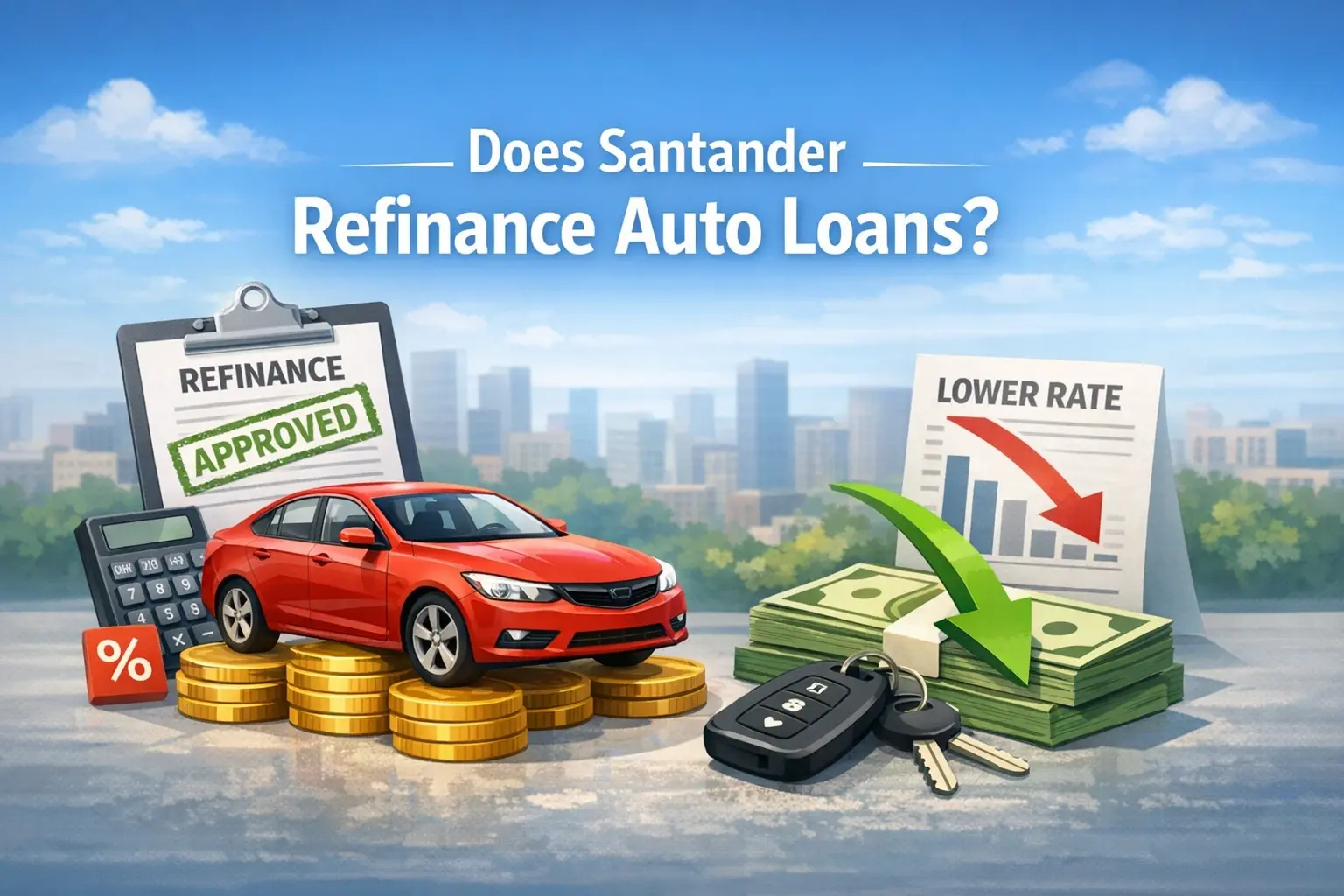
Auto loan refinancing allows you to replace your existing auto loan with a new one, often with better terms. This is a popular option if your credit score has improved since you took out the original loan, or if market interest rates have dropped. By refinancing, you might be able to secure a lower interest rate, a shorter loan term (which can save you money on interest), or a lower monthly payment. It's a way to potentially save money over the remaining life of your loan.
Lease Buyout Loans
If you've leased a vehicle and wish to purchase it at the end of your lease term, a lease buyout loan is the financing option. These loans are structured similarly to other auto loans, but they are specifically for the residual value of the leased car. You'll need to have the car appraised and understand the buyout price specified in your lease agreement. Some lenders specialize in lease buyout loans, and you can often get pre-approved before you even speak to the dealership about purchasing the car.
Bad Credit Auto Loans
For individuals with poor credit scores, obtaining an auto loan can be challenging. Bad credit auto loans are specifically designed for borrowers who may not qualify for traditional financing. These loans often come with higher interest rates and shorter loan terms to compensate for the increased risk to the lender. While they can be a lifeline for those needing transportation, it's essential to be aware of the higher costs involved and to work on improving your credit score to secure better terms in the future. Some dealerships specialize in subprime auto loans, and some online lenders cater to this market.
The Auto Loan Application Process: A Step-by-Step Guide
Navigating the auto loan application process can seem daunting, but breaking it down into manageable steps can make it much smoother. Here’s a comprehensive guide:
Step 1: Check Your Credit Score
Before you even start looking at cars or lenders, it's crucial to know where you stand financially. Your credit score is one of the most significant factors lenders use to determine your loan eligibility and interest rate. Obtain copies of your credit reports from the three major credit bureaus (Equifax, Experian, and TransUnion) and check your credit score. Many credit card companies and financial institutions offer free credit score monitoring. Understanding your score allows you to identify any errors that might be negatively impacting it and gives you a realistic idea of the rates you might qualify for.
Credit Check Reminder: Before applying for a loan, make sure to check your credit score with Credit Repair Ease. They are a trusted credit repair company offering professional credit repair services that can help you understand and improve your credit standing. If you're concerned about your credit score's impact on your loan application, reach out to Credit Repair Ease at (888) 803-7889 to discuss your options.
Step 2: Determine Your Budget
Know how much car you can realistically afford. This involves more than just the monthly payment. Consider the total cost of ownership, including the loan principal, interest, insurance, fuel, maintenance, and registration fees. Use online auto loan calculators to estimate monthly payments based on different loan amounts, interest rates, and terms. Aim for a total monthly car expense (loan payment, insurance, etc.) that doesn't exceed 10-15% of your gross monthly income. A larger down payment can significantly reduce your loan amount and monthly payments, making the car more affordable.
Step 3: Gather Required Documents
Lenders will require documentation to verify your identity, income, and financial stability. Common documents include:
Proof of Identity: Driver's license, state ID, or passport.
Proof of Income: Recent pay stubs (typically two), W-2 forms, tax returns (especially if self-employed), or bank statements.
Proof of Residence: Utility bills or lease agreements.
Employment Verification: Lenders may call your employer to confirm your employment status.
Information on Existing Debts: Details about other loans or credit cards you may have.
Having these documents ready will expedite the application process.
Step 4: Shop for Lenders
Don't rely solely on dealership financing. Explore options from various lenders, including banks, credit unions, and online lenders. Each lender has different interest rates, loan terms, and fees. Shopping around allows you to compare offers and find the most competitive deal. It's advisable to get pre-approved by a few different lenders before you go to the dealership. This gives you leverage and a clear understanding of the financing you can secure independently.
Step 5: Submit Your Application
Once you've chosen a few lenders to consider, submit your formal loan applications. This typically involves filling out an application form, providing the necessary documentation, and authorizing a credit check. Lenders will then review your application and credit history to make a decision. When shopping for lenders, it's best to do so within a short timeframe (e.g., 14-45 days, depending on the scoring model) to minimize the impact of multiple credit inquiries on your credit score. Most credit scoring models treat multiple inquiries for the same type of loan within this window as a single inquiry.
Step 6: Review Loan Offers
After submitting your applications, you'll receive loan offers from the lenders. Carefully review each offer, paying close attention to the following:
Annual Percentage Rate (APR): This is the total cost of borrowing, including interest and fees.
Loan Term: The length of time you have to repay the loan.
Monthly Payment: The amount you'll pay each month.
Total Cost of the Loan: The sum of all monthly payments plus any fees.
Fees: Look for origination fees, documentation fees, and any other charges.
Prepayment Penalties: Ensure there are no penalties if you decide to pay off the loan early.
Compare these details side-by-side to determine which offer is the most advantageous for your financial situation.
Step 7: Finalize the Deal
Once you've selected the best loan offer, you'll work with the lender and the dealership to finalize the purchase. This involves signing the loan agreement and completing the necessary paperwork. Be sure to read everything carefully before signing. The dealership will then receive the loan funds, and you'll drive away in your new vehicle. Remember to make your first payment on time to start building a positive payment history.
Key Auto Loan Terms and Concepts You Need to Know
Understanding the terminology used in auto loan agreements is essential for making informed decisions and avoiding surprises.
Interest Rate (APR)
The Annual Percentage Rate (APR) is the yearly cost of borrowing money, expressed as a percentage. It includes the interest rate plus any fees associated with the loan, giving you a more accurate picture of the total cost than the interest rate alone. A lower APR means you'll pay less in interest over the life of the loan.
Loan Term
The loan term is the length of time you have to repay the loan. Common terms are 36, 48, 60, 72, or even 84 months. Shorter terms mean higher monthly payments but less total interest paid. Longer terms mean lower monthly payments but more total interest paid.
Down Payment
A down payment is the upfront cash you pay towards the purchase price of the vehicle. A larger down payment reduces the amount you need to borrow, which can lead to lower monthly payments, less interest paid, and potentially a better interest rate. It also reduces the loan-to-value ratio, making the loan less risky for the lender.
Loan Amount
This is the total amount of money you borrow from the lender to purchase the vehicle. It's typically the vehicle's price minus your down payment and any trade-in value.
Monthly Payment
This is the fixed amount you pay to the lender each month for the duration of the loan term. It includes a portion of the principal and the interest charged.
Loan Origination Fees
Some lenders charge an origination fee to process your loan application. This fee is usually a percentage of the loan amount and is often rolled into the total loan principal or paid upfront.
Prepayment Penalties
A prepayment penalty is a fee charged by some lenders if you pay off your loan before the scheduled end date. It's important to check for this clause in your loan agreement, as it can discourage early repayment, even if you have the funds available.
Factors Affecting Auto Loan Approval and Rates
Several key factors influence whether you'll be approved for an auto loan and the interest rate you'll receive. Lenders assess these to gauge the risk involved in lending to you.
Credit Score
As mentioned, your credit score is paramount. A higher credit score (typically 700 and above) indicates a lower risk to lenders, often resulting in approval and access to the lowest interest rates. Scores below 600 may lead to higher rates or denial, though options for bad credit auto loans do exist.
Income and Employment History
Lenders want to see that you have a stable income sufficient to repay the loan. A consistent employment history, often at least two years with the same employer, demonstrates financial stability. They will verify your income to ensure it aligns with the loan amount and your other financial obligations.
Debt-to-Income Ratio (DTI)
Your DTI is the percentage of your gross monthly income that goes towards paying your monthly debt obligations. Lenders prefer a lower DTI, as it indicates you have more disposable income available to manage a new car loan. A DTI of 43% or lower is often a benchmark for mortgage lending, and while auto loan DTI requirements can vary, a lower ratio is always better.
Loan-to-Value Ratio (LTV)
The LTV ratio compares the amount you're borrowing to the value of the vehicle. For example, if you're buying a car worth $20,000 and taking out a $18,000 loan, your LTV is 90%. Lenders often prefer lower LTV ratios, especially for used cars, as it means you have more equity in the vehicle. A higher LTV might be acceptable for new cars or with excellent credit.
Vehicle Age and Mileage
The age and mileage of the vehicle you intend to purchase can affect loan approval and rates. Newer, lower-mileage vehicles are generally considered less risky collateral than older, high-mileage ones. Some lenders may have maximum age or mileage limits for the vehicles they will finance.
Tips for Securing the Best Auto Loan
Securing the most favorable auto loan terms can save you thousands of dollars over the life of the loan. Here are some practical tips:
Get Pre-Approved
Before you even step onto a car lot, get pre-approved for an auto loan from your bank, a credit union, or an online lender. Pre-approval gives you a clear budget, shows you the interest rate and loan term you qualify for, and provides leverage when negotiating with the dealership. It also helps you avoid the temptation of accepting less favorable dealer financing.
Compare Multiple Lenders
Don't settle for the first offer you receive. Shop around and compare loan offers from at least three to four different lenders. Pay attention to the APR, loan term, fees, and any other conditions. Even a small difference in APR can translate to significant savings over several years.
Negotiate the Price of the Car
Always negotiate the purchase price of the vehicle before discussing financing. Once you have agreed on a price, then you can discuss financing options. This prevents the dealership from inflating the car's price to offset a lower interest rate they might offer.
Understand All Fees
Be vigilant about all fees associated with the loan. Ask for a breakdown of all charges, including origination fees, documentation fees, and any other administrative costs. Ensure these fees are either waived or rolled into the loan in a way that still makes the overall deal beneficial.
Consider a Larger Down Payment
If possible, try to make a larger down payment. This reduces the amount you need to borrow, which lowers your monthly payments and the total interest you'll pay. It also improves your LTV ratio, making you a less risky borrower.
Avoid Unnecessary Add-ons
Dealerships often try to sell add-ons like extended warranties, GAP insurance (if you have a significant down payment), or paint protection. While some might be useful, many are overpriced or unnecessary. Carefully evaluate whether these add-ons provide genuine value and if you can purchase them elsewhere for a better price.
Auto Loan Statistics for 2025-26
The auto loan market is dynamic, with trends and statistics constantly evolving. For 2025-26, here are some key insights into the auto loan landscape:
Average Loan Amount: The average loan amount for a new car is projected to remain high, potentially exceeding $40,000 in 2025, reflecting rising vehicle prices. For used cars, the average loan amount is expected to be around $25,000-$30,000.
Loan Terms: Longer loan terms continue to be prevalent, with 72-month and even 84-month terms being common to keep monthly payments manageable. However, this trend also leads to higher total interest paid and the risk of being "upside down" (owing more than the car is worth) for a longer period.
Interest Rates: Interest rates are expected to fluctuate based on Federal Reserve policy and market conditions. While rates may have stabilized or slightly decreased from previous highs in early 2024, they are still generally higher than the ultra-low rates seen in prior years. For borrowers with excellent credit, APRs might hover in the 5-7% range, while those with fair or poor credit could face rates from 10% to over 20%.
Subprime Lending: The subprime auto loan market (for borrowers with credit scores below 620) remains significant, though lenders are exercising more caution. Delinquency rates in this segment are closely monitored.
Refinancing Activity: With potential interest rate shifts, auto loan refinancing is anticipated to remain a popular strategy for consumers looking to lower their monthly payments or save on interest.
New vs. Used Car Loans: The gap in interest rates between new and used car loans is expected to persist, with new cars generally securing lower APRs.
These statistics highlight the importance of thorough research and careful financial planning when seeking an auto loan in the 2025-26 period.
Conclusion
An auto loan is a powerful financial tool that makes vehicle ownership accessible to millions. By understanding what an auto loan is, how it works, and the various types available, you are well-equipped to navigate the financing process. From new car loans to options for those with less-than-perfect credit, the key is to approach the application with knowledge and preparation.
Remember that your credit score, income, and budget are critical factors. Taking the time to check your credit, gather necessary documents, and shop around for the best lenders can lead to significant savings through lower interest rates and more favorable terms. Always compare loan offers meticulously, paying close attention to the APR, loan term, and any associated fees. Negotiating the car's price before discussing financing is a crucial step that can further enhance your overall savings.
In 2025-26, the auto loan market presents both opportunities and challenges, with rising vehicle prices and fluctuating interest rates. By arming yourself with the information in this guide and employing smart borrowing strategies, you can confidently secure an auto loan that fits your financial goals and get behind the wheel of your desired vehicle without unnecessary financial strain. Drive smart, borrow wisely, and enjoy the freedom of the open road.
null
What Is Auto Loans

Krystin Bresolin