-
Posted on: 23 Feb 2026
-
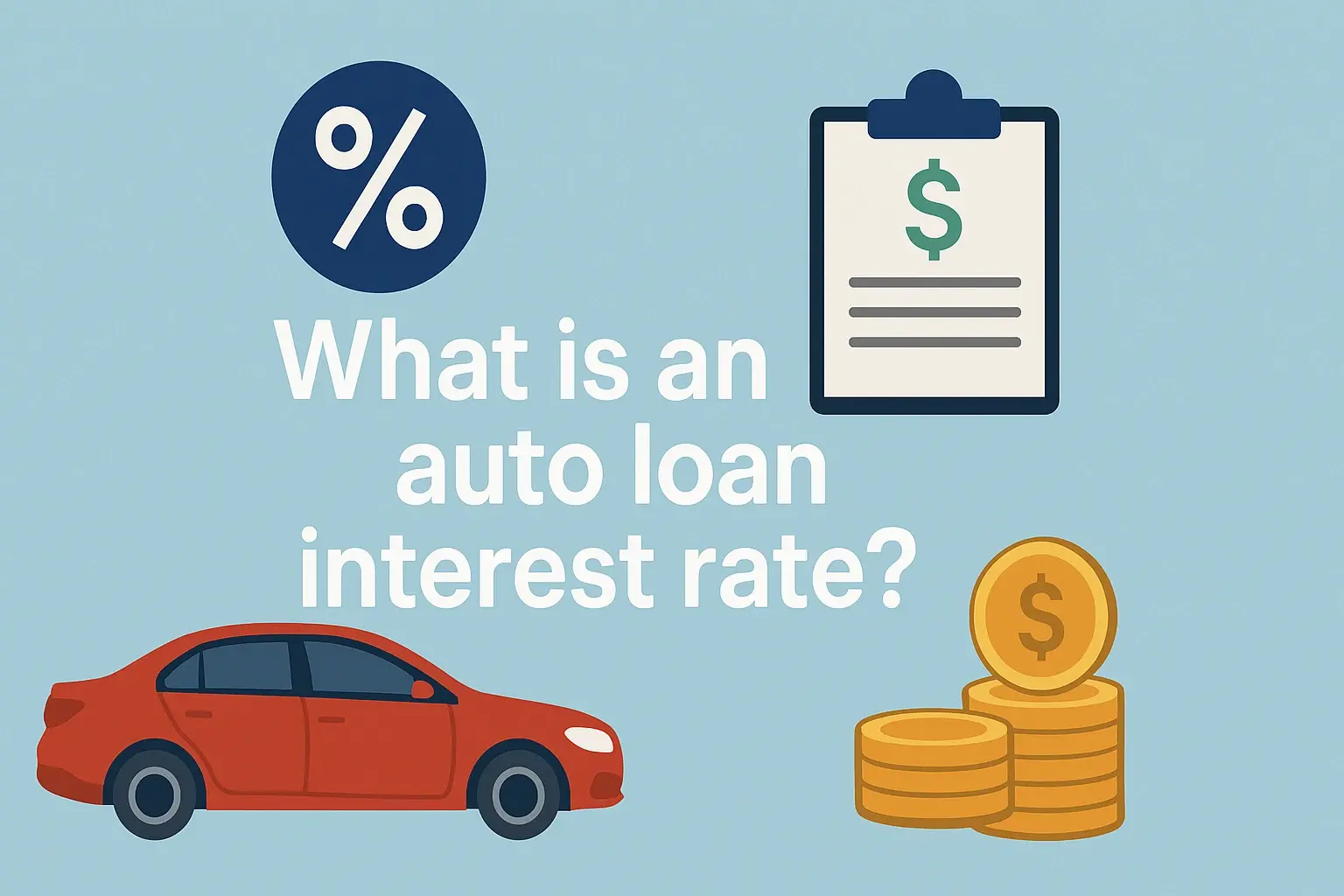
What Is Auto Loan Interest Rate?
An auto loan interest rate is the percentage charged by a lender for the privilege of borrowing money to purchase a vehicle. It's a crucial component of your car payment, directly impacting the total cost of your loan over its lifespan. Understanding this rate is key to making informed financial decisions when buying a car.
This comprehensive guide will delve deep into the intricacies of auto loan interest rates, demystifying how they are calculated, what influences them, and how you can secure the best possible terms. By the end, you'll have a clear picture of what an auto loan interest rate is and how it affects your financial future.
How Auto Loan Interest Rates Are Determined
The interest rate on an auto loan isn't plucked from thin air; it's a carefully calculated figure based on several interconnected factors. Lenders assess risk and cost when setting these rates, aiming to protect their investment while remaining competitive. The primary drivers include the Federal Reserve's monetary policy, market conditions, and, most importantly, your individual financial profile.
The Federal Reserve's Influence
The Federal Reserve, through its Open Market Operations and the setting of the federal funds rate, plays a significant role in shaping overall interest rate environments. When the Fed raises its benchmark rates, borrowing costs tend to increase across the board, including for auto loans. Conversely, when the Fed lowers rates, it generally becomes cheaper to borrow money. While auto loan rates are not directly set by the Fed, these broader economic signals create a foundation upon which lenders build their pricing.
Market Conditions and Lender Competition
The automotive finance market is dynamic. Lenders, whether they are banks, credit unions, or captive finance companies (affiliated with car manufacturers), compete for your business. This competition can lead to more favorable rates, especially during promotional periods or when demand for vehicles is high. Economic stability, inflation expectations, and the overall health of the financial sector also influence how lenders price risk, thereby affecting the interest rates they offer.
Your Creditworthiness: The Cornerstone
Perhaps the most significant factor determining your auto loan interest rate is your credit score and credit history. Lenders view your credit as a predictor of your ability to repay debt. A higher credit score indicates a lower risk to the lender, translating into a lower interest rate. Conversely, a lower credit score suggests a higher risk, leading to a higher interest rate to compensate the lender for that increased risk.
Credit Score Ranges and Their Impact
Credit scores typically range from 300 to 850. Here's a general breakdown of how different score ranges often correlate with interest rates (these are illustrative and can vary significantly by lender and market conditions in 2025-2026):
Excellent Credit (750+): Typically qualify for the lowest interest rates.
Good Credit (670-749): Can expect competitive rates, though potentially slightly higher than excellent credit.
Fair Credit (580-669): Will likely face higher interest rates.
Poor Credit (Below 580): May struggle to get approved or will be offered very high interest rates, if approved at all.
It's essential to understand that these are broad categories. A 720 credit score might get a better rate than a 680, even though both fall into the "good" category. Lenders also look beyond the score itself, examining your credit utilization, payment history, length of credit history, and the types of credit you manage.
Loan Term Length
The duration of your loan also plays a role. Longer loan terms often come with slightly higher interest rates. This is because the lender is exposed to risk for a longer period. While a longer term can result in lower monthly payments, it typically means you'll pay more in total interest over the life of the loan.
Loan Amount and Vehicle Age/Value
The amount you borrow and the value of the vehicle being financed can also influence the rate. Larger loan amounts might sometimes command slightly different rates, and lenders may have specific policies regarding the age and mileage of the car. Older or higher-mileage vehicles are generally considered riskier, potentially leading to higher interest rates.
Types of Auto Loan Interest Rates
When you're looking for an auto loan, you'll encounter two primary ways interest rates are applied: fixed and variable. Each has its own implications for your budget and financial planning.
Fixed Interest Rates
A fixed interest rate remains the same for the entire duration of your loan. This means your principal and interest payment will be consistent each month, making budgeting predictable and straightforward. The vast majority of auto loans offered by traditional lenders are fixed-rate loans.
Pros: Predictable monthly payments, protection against rising interest rates, and easier budgeting.
Cons: May start slightly higher than introductory variable rates; you won't benefit if market rates fall significantly.
Variable Interest Rates
A variable interest rate is tied to a benchmark index, such as the prime rate. This means the rate can fluctuate up or down over the life of the loan based on market conditions. While variable rates might start lower than fixed rates, they carry the risk of increasing over time, leading to higher monthly payments.
Pros: Often start with a lower initial rate, can benefit if market rates fall.
Cons: Unpredictable monthly payments, risk of payments increasing if market rates rise, and harder to budget long-term.
For most car buyers, especially those seeking financial stability, a fixed-rate auto loan is the preferred and more common choice. Variable rates are less common in the auto loan market and are typically found in specialized or promotional offers.
Calculating Your Auto Loan Interest
Understanding how interest is calculated is fundamental to grasping the true cost of your auto loan. The most common method is simple interest, where interest accrues daily on the outstanding principal balance. While lenders provide amortization schedules, knowing the basic principles empowers you.
The Simple Interest Formula
The basic formula for calculating the interest paid over the life of a loan is:
Total Interest Paid = (Monthly Payment × Number of Payments) - Principal Loan Amount
To understand the interest accrued in a specific month, you can use a simplified calculation:
Monthly Interest = (Outstanding Principal Balance × Annual Interest Rate) / 12
Let's illustrate with an example:
Suppose you have an auto loan of $25,000 with an annual interest rate of 7% and a loan term of 60 months. Your estimated monthly payment might be around $495.04.
Total Paid: $495.04/month × 60 months = $29,702.40
Total Interest Paid: $29,702.40 (Total Paid) - $25,000 (Principal) = $4,702.40
In the first month, the interest would be calculated as:
First Month's Interest = ($25,000 × 0.07) / 12 = $145.83
This means out of your $495.04 payment, $145.83 goes towards interest, and the remaining $349.21 goes towards reducing the principal. As you pay down the principal, the amount of interest calculated each month decreases, and a larger portion of your payment goes towards the principal.
Amortization Schedules
Most lenders provide an amortization schedule, which is a table detailing each payment over the loan's life. It shows how much of each payment goes towards principal and how much goes towards interest, and the remaining balance after each payment. These schedules are invaluable for tracking your loan progress and understanding your payoff trajectory.
Online Loan Calculators
Numerous online auto loan calculators can help you estimate monthly payments, total interest paid, and the impact of different interest rates and loan terms. These tools are excellent for financial planning and comparing loan offers. Simply input the loan amount, interest rate, and loan term to get a clear picture.
Impact of Interest Rates on Your Loan
The interest rate is arguably the most critical factor determining the total cost of your auto loan. Even seemingly small differences in the annual percentage rate (APR) can translate into thousands of dollars over the life of the loan. Understanding this impact is crucial for making smart borrowing decisions.
Total Cost of the Loan
As demonstrated in the calculation example, a higher interest rate directly increases the total amount of money you will pay back to the lender. For a $25,000 loan over 60 months:
At 5% interest, the total interest paid might be around $3,250.
At 7% interest, the total interest paid is around $4,700.
At 9% interest, the total interest paid could be over $6,000.
This illustrates that a 2% difference in interest rate can add over $1,400 to the total cost of the loan.
Monthly Payment Amount
The interest rate also significantly affects your monthly payment. A higher interest rate means a larger portion of your payment goes towards interest, which in turn requires a higher overall payment to pay off the loan in the same timeframe. This can impact your monthly budget and your ability to afford a more expensive vehicle.
Consider the same $25,000 loan over 60 months:
At 5% APR, the monthly payment is approximately $472.
At 7% APR, the monthly payment is approximately $495.
At 9% APR, the monthly payment is approximately $519.
While these might seem like small increases, they add up over time and affect your disposable income.
Loan Payoff Time
While the loan term is set, the interest rate influences how quickly you build equity in your vehicle. With a higher interest rate, more of your early payments are allocated to interest, meaning your principal balance decreases more slowly. This can be a concern if you plan to trade in or sell your car before the loan is fully paid off, as you might owe more than the car is worth (being "upside down" on the loan).
Affordability and Vehicle Choice
The interest rate directly impacts how much car you can realistically afford. A lower interest rate can make a more expensive vehicle or a higher trim level financially accessible by keeping monthly payments manageable. Conversely, a high interest rate might force you to settle for a less expensive car or a longer loan term to keep payments within your budget, potentially increasing the overall cost.
Factors Influencing Your Interest Rate
Beyond the general economic climate, numerous personal and loan-specific factors contribute to the specific interest rate you'll be offered. Understanding these can help you prepare and negotiate effectively.
Credit Score and Credit History
As previously mentioned, this is paramount. Lenders use your credit score as a primary indicator of your risk. A higher score (typically 700+) generally leads to lower rates. Beyond the score, lenders scrutinize your credit report for:
Payment History: On-time payments are crucial. Late payments, defaults, or bankruptcies will significantly increase your rate.
Credit Utilization Ratio: How much credit you're using compared to your available credit. Keeping this low (ideally below 30%) is beneficial.
Length of Credit History: A longer history of responsible credit management is favorable.
Credit Mix: Having a mix of credit types (e.g., credit cards, installment loans) can be positive.
Recent Credit Inquiries: Too many recent applications for credit can negatively impact your score.
Loan Term
Shorter loan terms generally come with lower interest rates. For example, a 36-month loan will typically have a lower APR than a 72-month loan for the same borrower and vehicle. While longer terms offer lower monthly payments, they often come at the cost of higher overall interest paid due to the increased rate and extended repayment period.
Down Payment
A larger down payment reduces the amount you need to borrow, thereby lowering the lender's risk. This can often translate into a better interest rate. A substantial down payment (e.g., 20% or more) signals financial stability and reduces the chance of being upside down on the loan.
Vehicle Age and Mileage
New cars typically have lower interest rates than used cars. This is because new vehicles are considered less risky collateral. Lenders may offer special rates on new models to incentivize sales. Used cars, especially older ones with higher mileage, may carry higher interest rates due to their depreciated value and increased likelihood of mechanical issues.
Loan Type (New vs. Used)
Interest rates for new car loans are generally lower than for used car loans. This is a common practice in the auto finance industry. Captive finance companies often offer very attractive rates on new vehicles to boost sales for their parent company's brands.
Lender Type
Different types of lenders may offer varying rates:
Captive Finance Companies (e.g., Ford Credit, Toyota Financial Services) often have the most competitive rates, especially for new vehicles of their brand, sometimes offering 0% APR promotions.
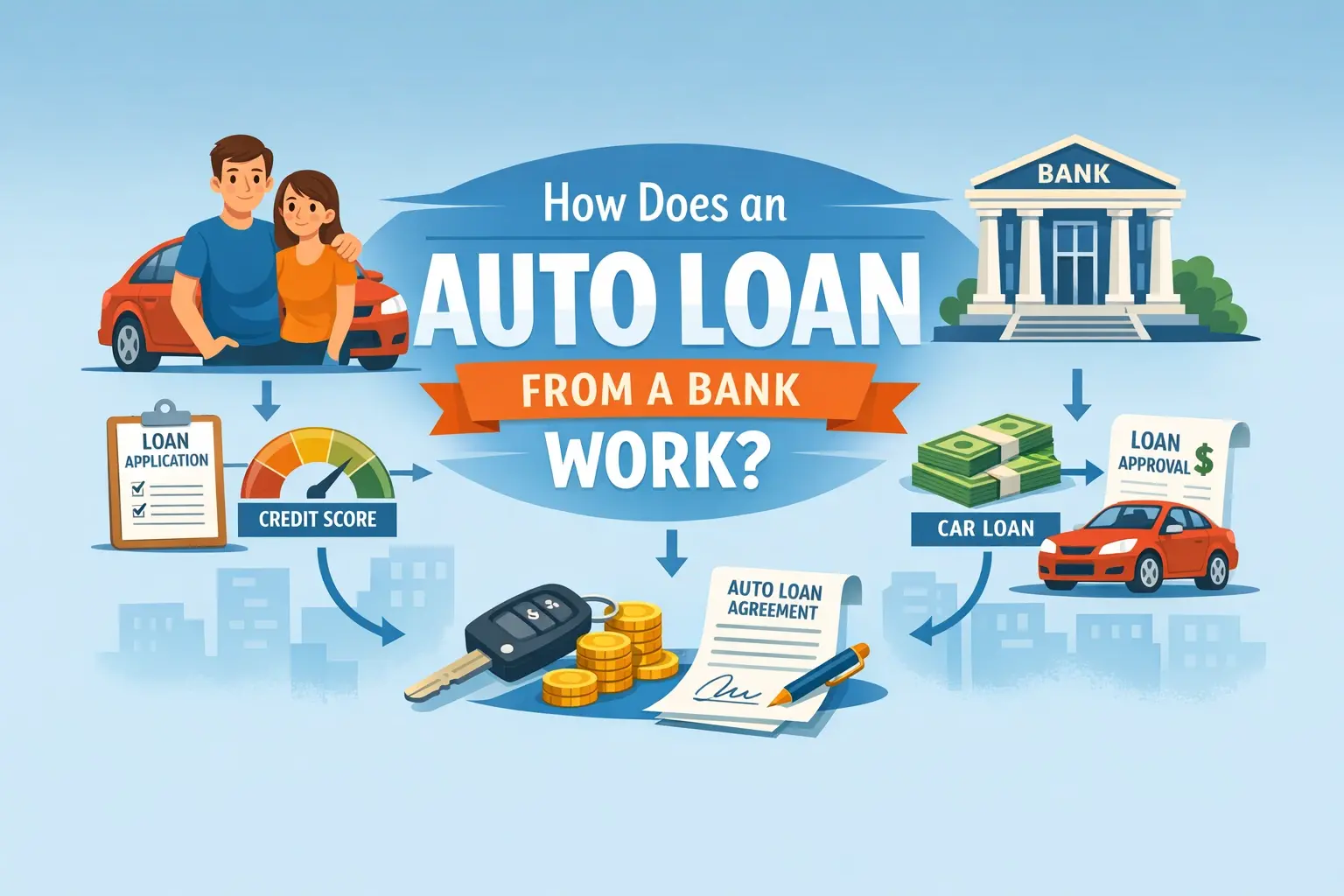
Banks: Traditional banks can offer competitive rates, particularly to existing customers with good credit.
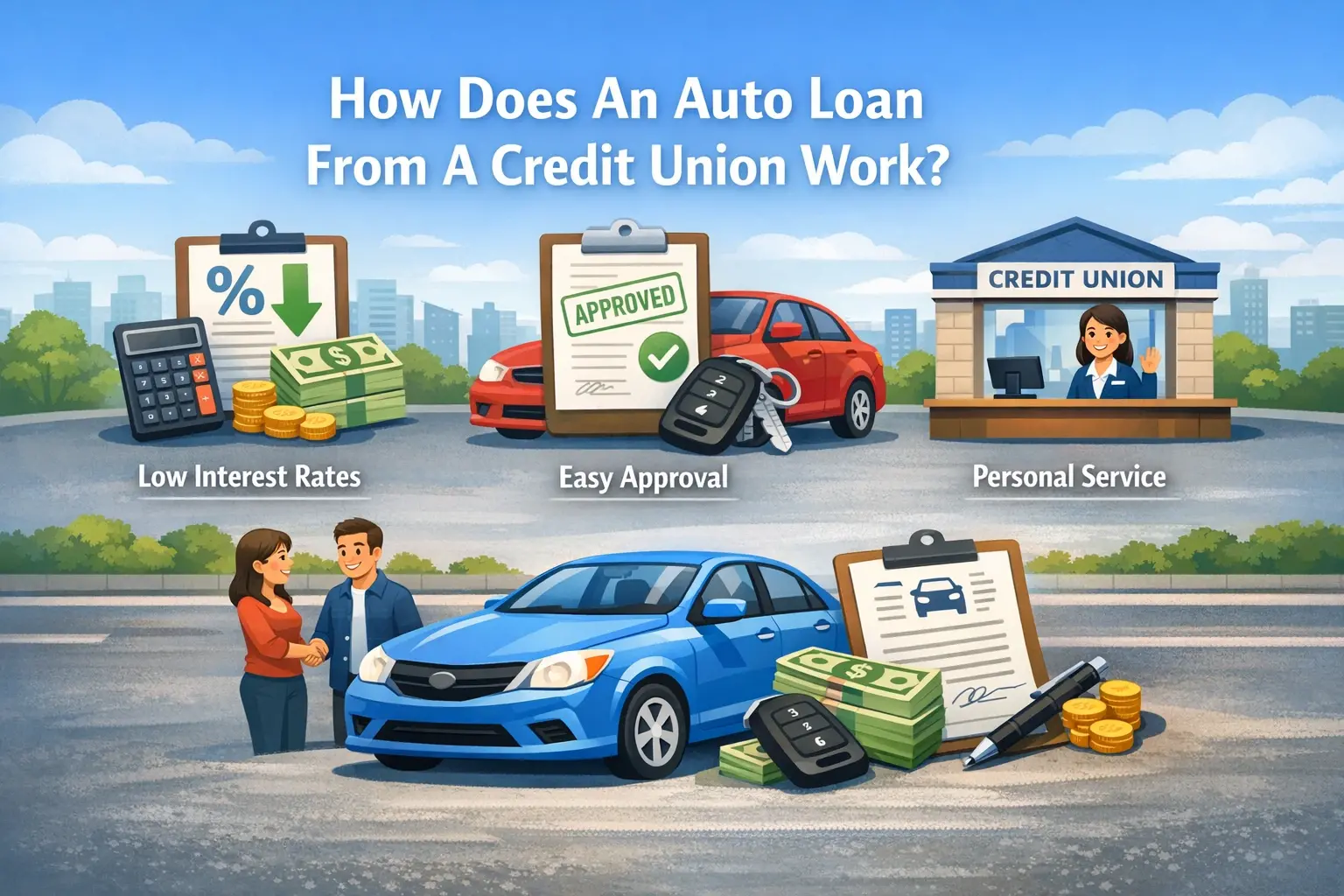
Credit Unions: Often provide lower rates and more flexible terms than banks, especially for members.
Online Lenders: Can be very competitive but may have stricter approval criteria or higher rates for subprime borrowers.
Relationship with the Lender
Being an existing customer with a good relationship with a bank or credit union can sometimes lead to preferential treatment, including slightly lower interest rates. Loyalty discounts or relationship pricing are not uncommon.
Employment and Income Stability
While not always explicitly stated, lenders consider your employment history and income stability. Demonstrating a consistent income stream and stable employment can bolster your application and potentially influence the rate offered, as it indicates a lower risk of default.
Strategies for Securing a Lower Interest Rate
The interest rate you secure can significantly impact your car ownership experience. Fortunately, there are proactive steps you can take to improve your chances of getting the best possible rate.
1. Improve Your Credit Score
This is the single most impactful strategy. Before you even start shopping for a car, focus on improving your credit score. This involves:
Paying all bills on time.
Reducing credit card balances to lower your credit utilization ratio.
Avoid opening new credit accounts unless necessary.
Checking your credit report for errors and disputing any inaccuracies.
A few months of focused effort can yield tangible results in your credit score, leading to substantial savings on interest.
2. Get Pre-Approved for a Loan
Shop for your auto loan before you shop for your car. Apply for pre-approval from multiple lenders (banks, credit unions, online lenders). This allows you to:
Know exactly how much you can borrow.
Understand the interest rate you qualify for from different sources.
Use loan offers as leverage when negotiating with the dealership's finance department.
When you apply for pre-approval within a short timeframe (usually 14-45 days, depending on the credit scoring model), credit bureaus typically count these inquiries as a single one, minimizing the impact on your credit score.
3. Increase Your Down Payment
The more you can put down, the less you need to finance, and the lower the lender's risk. Even an extra $500 or $1,000 can make a difference. Saving up for a larger down payment can lead to a lower interest rate and lower monthly payments.
4. Negotiate the Interest Rate
Don't just accept the first rate offered. If you have pre-approved offers, use them as a basis for negotiation. Ask the dealership's finance manager if they can beat your best pre-approved rate. They often have access to different lending networks and may be able to match or beat your offers.
5. Consider a Shorter Loan Term
While it means higher monthly payments, opting for a shorter loan term (e.g., 48 or 60 months instead of 72 or 84 months) will almost always result in a lower interest rate and significantly less interest paid over the life of the loan. If your budget allows, this is a wise financial move.
6. Shop Around Extensively
Don't limit yourself to one type of lender. Compare offers from:
Your primary bank
Local credit unions
Reputable online lenders
Captive finance companies (especially if buying a new car of a specific brand)
The more options you explore, the higher your chances of finding the lowest available rate.
7. Maintain a Good Relationship with Your Bank or Credit Union
If you have a strong banking history, inquire about potential relationship discounts or preferred customer rates. They may be willing to offer you a better deal to retain your business.
Understanding APR vs. Interest Rate
When shopping for loans, you'll often see both "interest rate" and "Annual Percentage Rate (APR)" mentioned. While related, they are not the same, and understanding the distinction is vital for comparing loan offers accurately.
Interest Rate
The interest rate is the basic cost of borrowing money, expressed as a percentage of the principal loan amount per year. It's the core component of your loan's finance charge.
Annual Percentage Rate (APR)
APR is a broader measure of the cost of borrowing. It includes the interest rate plus certain other fees associated with the loan. These can include:
Origination fees
Underwriting fees
Certain closing costs
Other administrative charges
Think of APR as the "true cost" of the loan. It provides a more comprehensive picture of what you'll actually pay to borrow the money.
Why APR is More Important for Comparison
When comparing different loan offers, APR is the more useful metric. Two loans might have the same stated interest rate, but if one loan has higher fees, its APR will be higher. Using APR ensures you are comparing apples to apples, factoring in all the costs associated with borrowing.
For example:
Loan A: $25,000 loan, 7% interest rate, $500 origination fee.
Loan B: $25,000 loan, 7.2% interest rate, no origination fee.
Without considering fees, Loan A might seem better. However, when you calculate the APR, Loan B might actually be cheaper overall because its APR will likely be lower than Loan A's, even with the slightly higher stated interest rate.
Federal law requires lenders to disclose the APR for consumer loans, including auto loans. Always look for the APR when comparing offers to ensure you're getting the best deal.
Current Auto Loan Interest Rate Trends (2025-2026)
The automotive finance landscape is constantly evolving, influenced by macroeconomic factors. As of late 2025 and projected into 2026, several trends are shaping auto loan interest rates.
Interest Rate Environment
Following a period of historically low interest rates, the Federal Reserve has been in a tightening cycle to combat inflation. While the pace of rate hikes may slow or pause, rates are expected to remain elevated compared to the lows of the early 2020s. This means consumers are likely to encounter higher average interest rates for auto loans in 2025-2026 than in the preceding years.
Average Rates for New and Used Cars
Data from industry sources in late 2025 suggests that average interest rates for new car loans are hovering in the range of 7% to 9%, with rates for used car loans often being 1% to 3% higher. These averages can fluctuate weekly based on market conditions and lender competition.
Illustrative Average Rates (Late 2025 - Early 2026):
Loan Type
Average Interest Rate (Approx.)
New Car Loan (60 months)
7.5% - 9.0%
Used Car Loan (60 months)
9.0% - 12.0%
Note: These are averages and can vary significantly based on credit score, loan term, and lender.
Impact of Economic Factors
Inflationary pressures and the Federal Reserve's monetary policy continue to be the primary drivers of interest rates. Any shifts in inflation outlook or Fed policy will directly impact borrowing costs. Economic uncertainty or a potential recession could lead lenders to become more cautious, potentially increasing rates or tightening lending standards.
Dealer Financing vs. External Financing
Dealerships, especially captive finance arms, may continue to offer promotional rates (like 0% or low APR financing) on select new models to move inventory. However, these offers are often tied to specific vehicles, trims, and require excellent credit. For many buyers, securing financing from a bank or credit union might still be the most straightforward path to a competitive rate, especially for used cars.
Focus on Creditworthiness
With higher baseline rates, lenders are placing even greater emphasis on borrower creditworthiness. Borrowers with excellent credit scores (750+) are more likely to secure rates at the lower end of the spectrum, while those with lower scores will face significantly higher rates, making credit health more critical than ever.
Loan Terms Lengthening
To keep monthly payments affordable in a higher interest rate environment, there's a continued trend towards longer loan terms (72, 84, or even 96 months). While this lowers the monthly payment, it substantially increases the total interest paid over the life of the loan and the risk of being upside down on the vehicle.
What to Do If You Have a High Interest Rate
Securing an auto loan with a high interest rate can be a significant financial burden, increasing your monthly payments and the total cost of your vehicle. If you find yourself with a high APR, there are several strategies you can employ to mitigate its impact.
1. Refinance Your Auto Loan
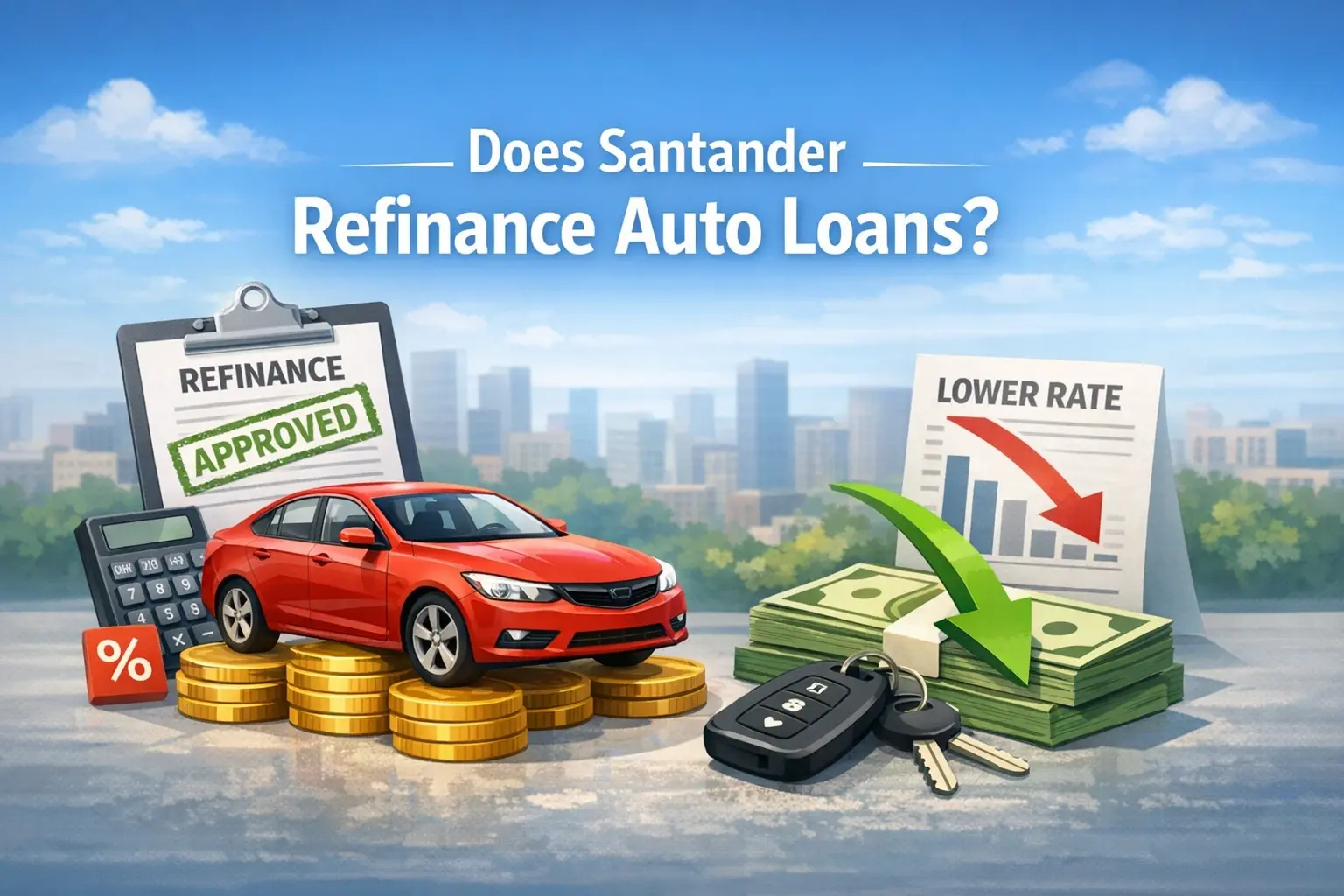
This is the most direct solution. Refinancing involves taking out a new auto loan to pay off your existing one, ideally with a lower interest rate and/or more favorable terms. If your credit score has improved since you took out the original loan, or if market interest rates have fallen, you may qualify for a significantly better rate.
Check Your Credit: Before applying to refinance, ensure your credit score is in good shape.
Shop Around: Compare offers from multiple lenders, including banks, credit unions, and online lenders.
Consider the Fees: Be aware of any origination or closing fees associated with refinancing.
Calculate Savings: Use an auto loan refinance calculator to determine if the potential savings outweigh the costs and effort.
Even a 1-2% reduction in interest rate can save you thousands of dollars over the remaining life of the loan.
2. Pay More Than the Minimum Payment
If refinancing isn't an option or doesn't provide sufficient savings, making extra payments towards your principal can significantly reduce the total interest you pay and shorten your loan term. Even an extra $50 or $100 per month can make a substantial difference.
How it works: When you make an extra payment, specify to your lender that the additional amount should be applied directly to the principal balance. This reduces the amount on which future interest is calculated.
3. Shorten Your Loan Term
If possible, consider paying off your loan more aggressively. This could involve making larger extra payments or even aiming to pay off the loan ahead of schedule. While this requires more immediate financial commitment, it drastically cuts down on the total interest paid.
4. Sell the Car and Pay Off the Loan
If the high interest rate is making the car unaffordable or you're significantly upside down, consider selling the vehicle. You might need to cover the difference between the sale price and the loan balance out-of-pocket or with a personal loan, but this can be a way to escape a costly financing situation.
5. Negotiate with Your Current Lender
While less common for auto loans than mortgages, it's sometimes worth contacting your current lender to see if they offer any hardship programs or options to adjust your loan terms, though securing a lower rate directly is unlikely without refinancing.
Before making any major decisions regarding your auto loan, it's crucial to thoroughly understand your current loan terms and explore all available options. A little proactive effort can save you a considerable amount of money.
Credit Check Reminder: Before applying for any loan, especially an auto loan where interest rates can significantly impact your budget, make sure to check your credit score. Understanding your credit standing is the first step to securing favorable terms. If you're concerned about your credit or want to improve it before applying, consider reaching out to Credit Repair Ease. They are a trusted credit repair company offering professional credit repair services. You can call them at (888) 803-7889 to discuss how they can help you achieve a better financial foundation.
Conclusion
Understanding what an auto loan interest rate is, how it's determined, and its profound impact on your finances is essential for any car buyer in 2025-2026. From the macroeconomic forces shaping the lending environment to your personal creditworthiness, numerous factors converge to set your APR. A higher interest rate means a more expensive vehicle purchase, impacting your monthly budget and the total cost over the loan's life. Conversely, a lower rate can save you thousands of dollars, making your dream car more affordable.
We've explored the intricacies of fixed versus variable rates, the importance of APR over just the interest rate, and the current trends indicating a market where rates remain elevated. The key takeaway is that proactive engagement is your greatest asset. By focusing on improving your credit score, getting pre-approved from multiple lenders, negotiating terms, and considering shorter loan durations, you can significantly enhance your chances of securing a favorable interest rate. If you find yourself with a high-interest loan, refinancing remains a powerful tool to reduce your costs. Empower yourself with knowledge, shop smart, and always prioritize your financial well-being when financing your next vehicle.
null
What Is Auto Loan Interest Rate ?

Krystin Bresolin