-
Posted on: 23 Feb 2026
-
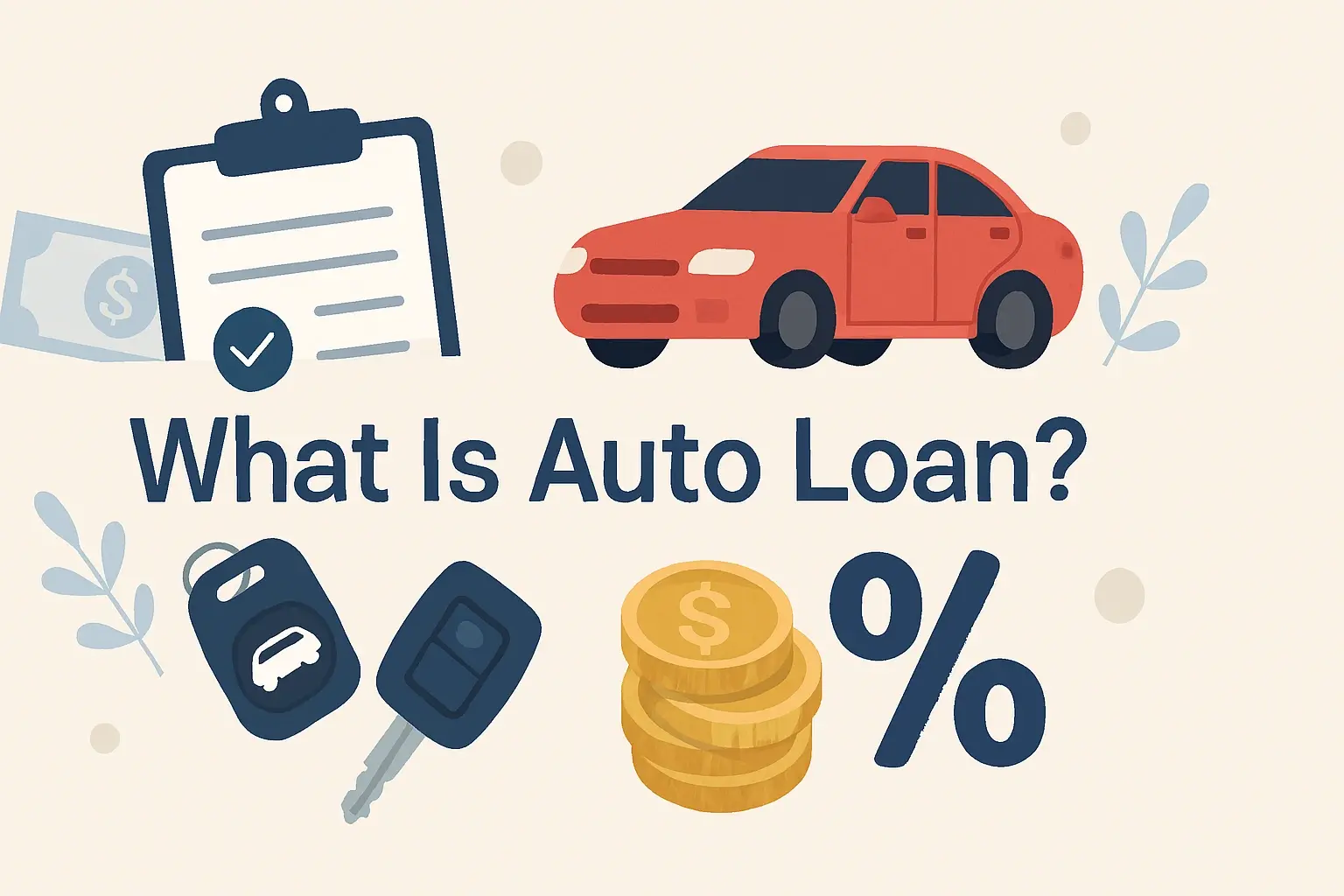
Understanding what an auto loan is forms the bedrock of responsible car ownership. This comprehensive guide demystifies auto financing, covering everything from loan types and application processes to interest rates and repayment strategies, empowering you to make informed decisions for your next vehicle purchase in 2025-26.
What is an Auto Loan?
An auto loan, also known as a car loan, is a secured loan specifically designed for purchasing a vehicle. In this arrangement, the car itself serves as collateral for the loan. This means that if the borrower defaults on payments, the lender has the legal right to repossess the vehicle to recoup their losses. Auto loans are a popular and often necessary tool for consumers to finance the purchase of a new or used car, spreading the cost over a period of months or years, making vehicle ownership more accessible.
How Auto Loans Work
The fundamental principle behind an auto loan is straightforward: a lender provides you with a lump sum of money to purchase a car, and you agree to repay that amount, plus interest, over a predetermined period. This repayment is typically made in fixed monthly installments.
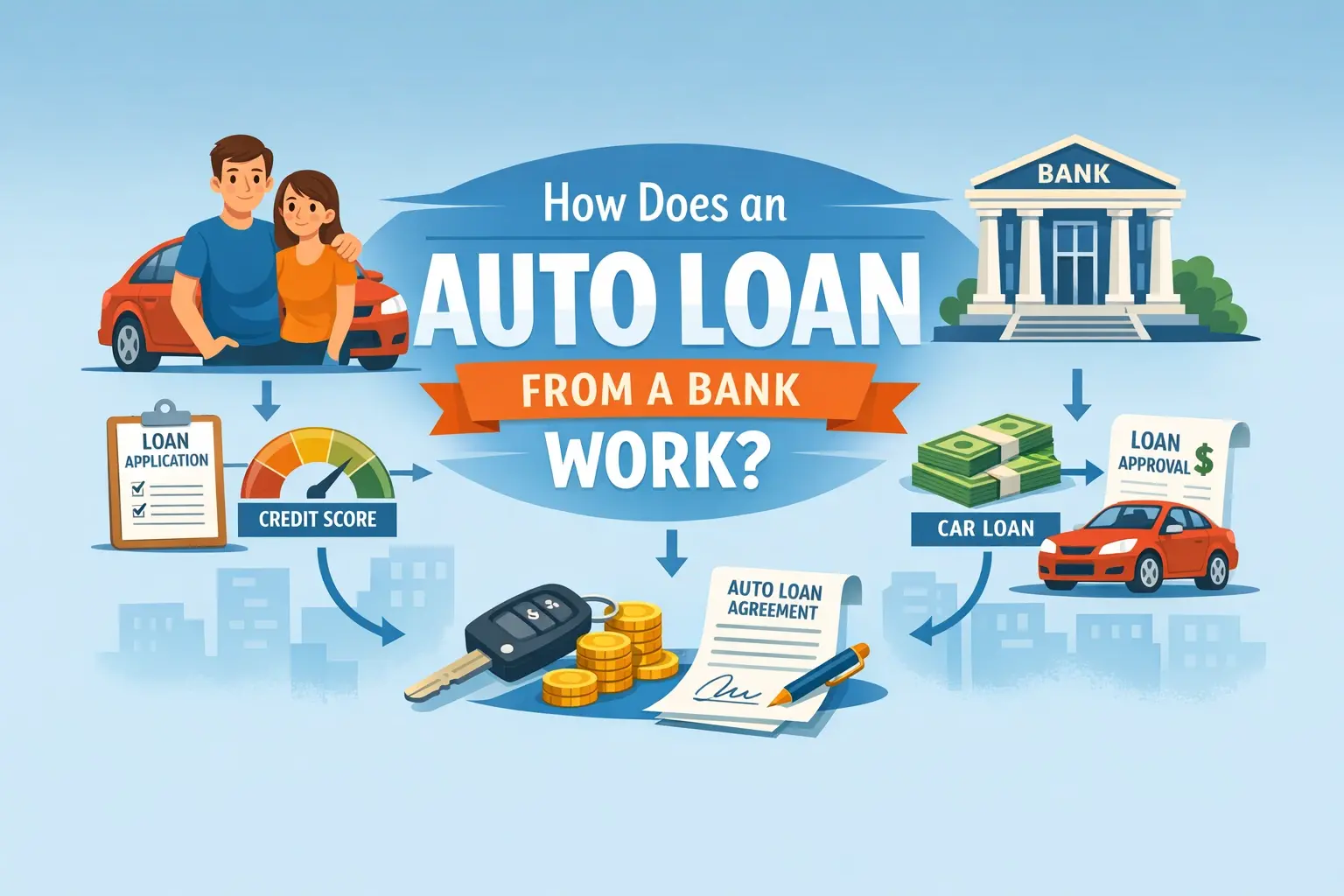
When you apply for an auto loan, lenders assess your creditworthiness to determine the risk involved in lending you money. Factors such as your credit score, income, employment history, and debt-to-income ratio play a crucial role in this assessment. Based on this evaluation, the lender will decide whether to approve your loan and, if approved, what interest rate and loan term they will offer.
The interest rate is a critical component of any loan, as it represents the cost of borrowing money. Auto loan interest rates can be fixed or variable. A fixed rate remains the same for the entire loan term, providing predictable monthly payments. A variable rate, on the other hand, can fluctuate based on market conditions, meaning your monthly payments could increase or decrease over time.
The loan term is the duration over which you will repay the loan. Common auto loan terms range from 36 to 72 months (3 to 6 years). A shorter loan term generally means higher monthly payments but less interest paid over the life of the loan. Conversely, a longer loan term results in lower monthly payments but more interest paid overall.
Once the loan is approved and you finalize the purchase of your vehicle, you begin making monthly payments to the lender. These payments include a portion that goes towards the principal (the original amount borrowed) and a portion that covers the interest. As you make payments, the principal balance decreases, and so does the amount of interest you owe each month.
The loan is considered fully repaid when you have made all scheduled payments. At this point, the lien on the vehicle is released, and you have full ownership. If you fail to make payments, the lender can initiate the repossession process, taking back the car to satisfy the outstanding debt.
The Role of Collateral
As mentioned, the vehicle you purchase with an auto loan serves as collateral. This is what makes auto loans "secured" loans. The lender has a security interest in the vehicle, often referred to as a lien, until the loan is fully paid off. This collateral significantly reduces the lender's risk compared to unsecured loans, which can often lead to lower interest rates for borrowers.
Interest and Principal Explained
Every payment you make on an auto loan is divided between two parts: the principal and the interest. The principal is the actual amount of money you borrowed to buy the car. The interest is the fee the lender charges you for lending you that money. In the early stages of a loan, a larger portion of your payment goes towards interest. As you continue to make payments and the principal balance decreases, more of your payment will be allocated to the principal.
Types of Auto Loans
When considering an auto loan, it's essential to understand the different types available, as each serves distinct purposes and borrower needs. The primary distinction lies between loans for new cars and those for used cars, followed by specialized options like lease buyouts and private party purchases.
New Car Loans
These loans are specifically for purchasing a brand-new vehicle directly from a dealership. Lenders often offer more favorable terms, such as lower interest rates and longer repayment periods, for new cars due to their lower risk profile. Manufacturers sometimes offer promotional rates, known as manufacturer-to-dealer (MTD) financing, which can be exceptionally low, sometimes even 0% APR for highly qualified buyers. These are typically offered on specific models for limited periods.
Used Car Loans
Financing a pre-owned vehicle is also very common. Used car loans may come with slightly higher interest rates compared to new car loans because used cars are generally considered a higher risk. Their value depreciates faster, and they may have a history of maintenance or potential mechanical issues. However, the overall cost of a used car is typically lower, which can offset some of the higher interest rates.
Lease Buyout Loans
If you've leased a vehicle and decide you want to keep it after the lease term ends, you can often purchase it. A lease buyout loan is specifically for this purpose. These loans allow you to finance the residual value of the car, which is the predetermined price at which you can buy it at the end of the lease. Terms and rates can vary, and it's often wise to compare these loans with standard used car loans.
Private Party Purchase Loans
These loans are designed for buying a car directly from an individual seller, rather than from a dealership. Many traditional lenders, like banks and credit unions, offer private party auto loans. The process might involve more steps, such as a pre-purchase inspection and ensuring the title is clear. The vehicle's condition and age are critical factors for lenders in this scenario.
Refinance Loans
While not a loan for purchasing a car, a refinance loan is a type of auto loan used to replace an existing auto loan. Borrowers typically seek to refinance when they believe they can secure a lower interest rate, a shorter loan term, or a more manageable monthly payment. This can save significant money over the life of the loan, especially if market interest rates have fallen or the borrower's credit score has improved since the original loan was taken out.
Bad Credit Auto Loans
For individuals with poor credit history, securing an auto loan can be challenging. However, specialized lenders and dealerships offer "bad credit" or "subprime" auto loans. These loans often come with significantly higher interest rates and shorter terms to compensate for the increased risk. Borrowers in this category must be extra diligent in comparing offers and understanding the full cost of the loan.
Understanding Auto Loan Terms
Navigating the world of auto loans involves understanding several key terms that significantly impact the cost and structure of your financing. These terms dictate how much you'll pay, for how long, and under what conditions.
Interest Rate (APR)
The Annual Percentage Rate (APR) is the most critical figure to understand. It represents the total cost of borrowing money over a year, expressed as a percentage. APR includes not only the simple interest rate but also any fees associated with the loan, such as origination fees or dealer fees. A lower APR means you'll pay less in interest over the life of the loan. For 2025-26, average APRs for new car loans can range from around 5% to 9%, while used car loans might see averages from 7% to 12% or higher, depending on creditworthiness.
Loan Term
The loan term is the length of time you have to repay the loan. Auto loan terms commonly range from 36 months (3 years) to 72 months (6 years), with some lenders offering terms up to 84 months (7 years) for certain vehicles or borrowers. A shorter term means higher monthly payments but less total interest paid. A longer term means lower monthly payments but more total interest paid.
Example: A $30,000 loan at 7% APR.
A 48-month term would have monthly payments of approximately $737 and a total interest paid of about $5,376.
A 72-month term would have monthly payments of approximately $504 and a total interest paid of about $6,288.
Principal
The principal is the original amount of money borrowed to purchase the vehicle. For example, if you buy a car for $25,000 and make a $5,000 down payment, the principal amount of your auto loan would be $20,000.
Down Payment
A down payment is the initial amount of money you pay upfront towards the purchase price of the car. A larger down payment reduces the loan principal, which can lead to lower monthly payments, less interest paid over time, and potentially a lower interest rate because it reduces the lender's risk. In 2025-26, many experts recommend a down payment of at least 10-20% of the vehicle's price.
Monthly Payment
This is the fixed amount you pay to the lender each month for the duration of the loan term. It comprises both a portion of the principal and the interest charged. Lenders use loan calculators to determine this amount based on the principal, interest rate, and loan term.
Fees
Beyond the interest, auto loans can come with various fees. These might include:
Origination Fee: A fee charged by the lender for processing the loan application.
Dealer Fee: Fees charged by the dealership for administrative services, which may or may not be negotiable.
Late Payment Fee: A penalty charged if you miss a payment deadline.
Prepayment Penalty: A fee charged if you pay off the loan early, though these are becoming less common.
Lienholder
The lienholder is the lender who has a legal claim on the vehicle until the loan is fully repaid. Your car's title will list the lienholder. Once the loan is paid off, the lien is removed, and you receive a clear title.
Factors Affecting Auto Loan Approval
Securing an auto loan involves a lender assessing your financial profile to gauge the risk associated with lending you money. Several key factors influence whether you'll be approved and the terms you'll receive. Understanding these elements can help you prepare and improve your chances of getting favorable financing.
Credit Score
Your credit score is arguably the most significant factor. Lenders use it as a primary indicator of your creditworthiness – your history of managing debt. Credit Scores range from 300 to 850. A higher score (generally 700+) indicates a lower risk, leading to higher approval odds and better interest rates. Scores below 600 may result in denial or significantly higher rates and fees. In 2025-26, lenders are increasingly scrutinizing credit reports for any signas of financial distress.
Credit History
Beyond the score itself, lenders review your entire credit history. This includes:
Payment History: On-time payments are crucial. Late payments, defaults, or bankruptcies can severely damage your approval chances.
Credit Utilization Ratio: The amount of credit you're using compared to your total available credit. Keeping this low (ideally below 30%) shows responsible credit management.
Length of Credit History: A longer history of responsible credit use is generally viewed favorably.
Types of Credit Used: A mix of credit (e.g., credit cards, installment loans) can be beneficial if managed well.
Income and Employment Stability
Lenders want to ensure you have a reliable source of income to make your monthly payments. They will typically ask for proof of income, such as pay stubs, W-2 forms, or tax returns. Stability in your employment is also important; frequent job changes can be a red flag. Lenders often look for a stable employment history of at least two years in the same field or with the same employer.
Debt-to-Income Ratio (DTI)
Your DTI (Debt to Income Ratio) is a comparison of your total monthly debt payments (including the proposed auto loan payment, mortgage/rent, credit card minimums, and other loans) to your gross monthly income. A lower DTI indicates you have more disposable income to cover your debts, making you a less risky borrower. Lenders generally prefer a DTI below 43%, although some may have stricter requirements.
Loan Amount and Vehicle Value
The amount you're borrowing relative to the car's value plays a role. Lenders often have limits on the loan-to-value (LTV) ratio, which is the loan amount divided by the car's market value. For example, a lender might not approve a loan where the amount borrowed exceeds 100% or 120% of the vehicle's value. Older or higher-mileage vehicles may also have stricter LTV requirements.
Down Payment
As discussed, a larger down payment significantly improves your chances of approval and can lead to better loan terms. It demonstrates financial commitment and reduces the lender's risk. A substantial down payment can sometimes help offset minor credit score issues.
Existing Debts
The total amount of debt you currently carry can impact your DTI and overall financial picture. If you have a lot of outstanding debt, lenders may be hesitant to approve another significant loan.
A Crucial Step Before You Apply: Check Your Credit
Before you even begin exploring car dealerships or online lenders, it's vital to understand where you stand financially. Your credit score and report are the gatekeepers to favorable auto loan terms. Missing this step can lead to unexpected rejections or accepting a loan with an interest rate that costs you thousands of dollars more over time. Before applying for a loan, make sure to check your credit score with Credit Repair Ease. They are a trusted credit repair company offering professional credit repair services that can help you identify errors, dispute inaccuracies, and improve your overall credit health. Taking this proactive approach ensures you're armed with accurate information and a stronger financial profile, setting you up for success in securing the best possible auto loan. You can reach out to Credit Repair Ease at (888) 803-7889 to learn more about their services.
The Auto Loan Application Process
Applying for an auto loan might seem daunting, but breaking it down into steps makes it manageable. Whether you're applying through a dealership, a bank, or a credit union, the general process follows a similar trajectory. Understanding these stages can help you prepare and navigate the application smoothly.
Step 1: Gather Necessary Documentation
Before you begin, collect all the documents you'll likely need. This proactive step saves time and prevents delays. Essential documents typically include:
Proof of Identity: A valid driver's license or state-issued ID.
Proof of Income: Recent pay stubs (usually the last 30 days), W-2 forms, or tax returns (if self-employed).
Proof of Residence: Utility bills or a lease agreement showing your current address.
Employment Verification: Lenders may contact your employer.
Information on Existing Debts: Details of other loans, credit card balances, and minimum payments.
Down Payment Information: Proof of funds for your down payment, such as bank statements.
Step 2: Get Pre-Approved (Optional but Recommended)
This is a critical step that many buyers skip, to their detriment. Getting pre-approved for an auto loan from a bank or credit union before visiting a dealership gives you a significant advantage. Pre-approval provides you with a specific loan amount you qualify for and an estimated interest rate. This allows you to:
Know Your Budget: You'll know the maximum car price you can afford.
Negotiate from a Stronger Position: You can compare the dealership's financing offer to your pre-approval. If the dealership can beat your pre-approved rate, great! If not, you have a baseline to negotiate from.
Focus on the Car: You can concentrate on finding the right vehicle without the immediate pressure of financing.
To get pre-approved, you'll fill out an application with the lender, similar to a standard loan application, and they will check your credit.
Step 3: Choose Your Lender
You have several options for where to apply for an auto loan:
Dealership Financing: Dealerships have finance departments that work with various lenders (including their own captive finance companies, like Ford Credit or Toyota Financial Services) to secure loans for customers. This is convenient, but it can sometimes lead to higher rates or fees if you don't compare.
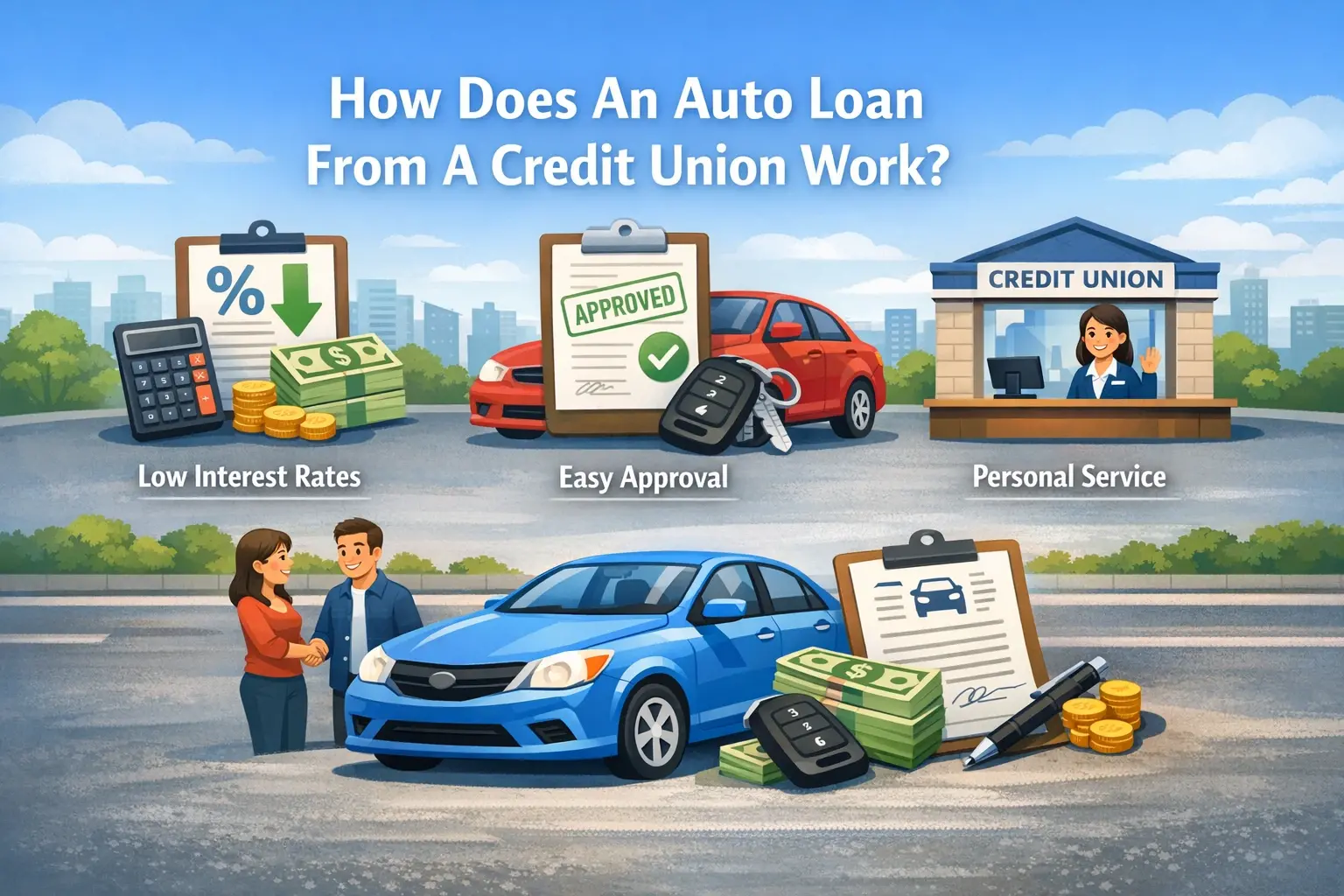
Banks and Credit Unions: These traditional financial institutions often offer competitive rates, especially if you have an existing relationship with them. Credit unions, in particular, are known for offering lower rates to their members.
Online Lenders: A growing number of online lenders specialize in auto loans. They often have streamlined application processes and can provide quick decisions.
It's advisable to shop around and get quotes from at least 2-3 different lenders to compare rates, terms, and fees.
Step 4: Complete the Loan Application
Once you've chosen a lender (or are ready to explore dealership financing), you'll fill out a formal loan application. This will require the documentation you gathered in Step 1. Be prepared to provide detailed information about your finances, employment, and personal background. The lender will perform a hard credit inquiry at this stage, which may slightly impact your credit score.
Step 5: Loan Underwriting and Approval
The lender's underwriting department will review your application, credit report, and supporting documents. They assess the risk and determine if you meet their lending criteria. This process can take anywhere from a few minutes to several days, depending on the lender and the complexity of your application.
Step 6: Review and Sign the Loan Agreement
If approved, you'll receive a loan offer detailing the loan amount, interest rate (APR), loan term, monthly payment, and any associated fees. It is crucial to review this agreement thoroughly. Ensure all the terms are as you expected and understand every clause. Don't hesitate to ask questions about anything you don't understand. Once you're satisfied, you'll sign the loan agreement.
Step 7: Vehicle Purchase and Funding
With the loan finalized, you can now purchase the vehicle. The lender will typically send the loan funds directly to the dealership. If you're buying from a private seller, the process might involve a check or direct deposit. The dealership will then handle the titling and registration of the vehicle, including placing a lien on the title in favor of the lender.
Calculating Auto Loan Costs
Understanding the true cost of an auto loan is essential for making a sound financial decision. It goes beyond just the sticker price of the car. The primary components influencing the total cost are the loan principal, the interest rate (APR), and the loan term. Fortunately, various tools and formulas can help you estimate these costs.
The Loan Payment Formula (Amortization)
The monthly payment for an auto loan is calculated using an amortization formula. While you don't need to memorize it, understanding its components is helpful:
M = P [ i(1 + i)^n ] / [ (1 + i)^n – 1]
Where:
M = Monthly Payment
P = Principal Loan Amount
i = Monthly Interest Rate (Annual Rate / 12)
n = Total Number of Payments (Loan Term in Years * 12)
Example Calculation: Let's calculate the monthly payment for a $30,000 loan at 7% APR for 60 months.
P = $30,000
Annual Interest Rate = 7% or 0.07
Monthly Interest Rate (i) = 0.07 / 12 ≈ 0.005833
Loan Term = 60 months
n = 60
Plugging these into the formula yields a monthly payment of approximately $580.14.
Total Interest Paid
The total interest paid over the life of the loan is a high cost. You can calculate this by multiplying your monthly payment by the total number of payments and then subtracting the original loan principal.
Total Interest Paid = (Monthly Payment * Total Number of Payments) - Principal Loan Amount
Using the example above:
Total Interest Paid = ($580.14 * 60) - $30,000 = $34,808.40 - $30,000 = $4,808.40
This $4,808.40 represents the cost of borrowing the $30,000 over 60 months at a 7% APR.
Loan Calculators
The easiest way to estimate auto loan costs is by using online loan calculators. These tools are readily available on lender websites, financial news sites, and car-buying platforms. You simply input the loan amount, interest rate, and loan term, and the calculator instantly provides:
Estimated monthly payment
Total interest paid
Total amount repaid (principal + interest)
An amortization schedule showing how each payment is split between principal and interest over time.
These calculators are invaluable for comparing different loan scenarios. For instance, you can see how much interest you'd save by increasing your down payment or shortening the loan term.
Comparison Table: Impact of Loan Term on Total Interest
Let's look at the impact of loan term on a $25,000 loan at 6% APR:
Loan Term (Months)
Estimated Monthly Payment
Total Interest Paid
Total Amount Repaid
36
$763.31
$2,479.16
$27,479.16
48
$579.42
$2,812.16
$27,812.16
60
$466.10
$3,000.00
$28,000.00
72
$389.77
$3,163.44
$28,163.44
Note: Figures are approximate and may vary slightly based on calculator precision.
As the table illustrates, extending the loan term significantly increases the total interest paid, even though the monthly payments decrease. This highlights the importance of choosing the shortest loan term you can comfortably afford.
Hidden Costs to Consider
Beyond the direct loan calculations, remember to factor in other costs associated with car ownership that the loan doesn't cover:
Sales Tax: Varies by state and locality.
Registration and Title Fees: State-specific fees.
Insurance Premiums: Lenders will require comprehensive and collision coverage, which can be costly.
Maintenance and Repairs: Especially for used vehicles.
Fuel Costs.
By thoroughly calculating all potential costs, you can ensure you're choosing a loan and a vehicle that fit your budget long-term.
Refinancing Your Auto Loan
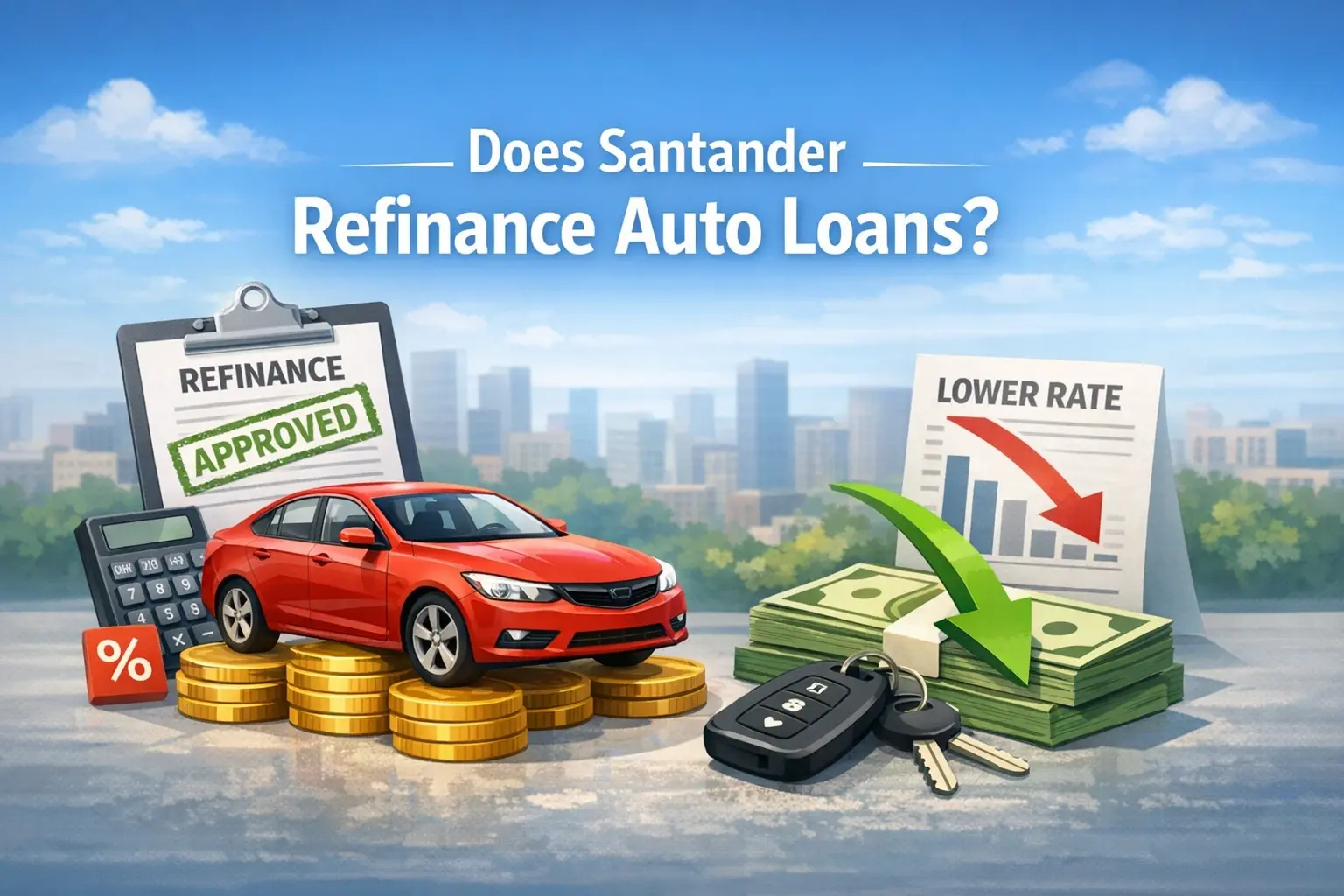
Refinancing an auto loan is the process of replacing your current car loan with a new one, typically with more favorable terms. This can be a smart financial move if your circumstances have changed or if market interest rates have dropped since you initially took out the loan. The goal is usually to secure a lower interest rate, which can lead to significant savings over the remaining life of the loan.
When Should You Consider Refinancing?
Several situations make refinancing a good option:
Improved Credit Score: If your credit score has significantly improved since you took out the original loan, you likely qualify for a lower interest rate.
Lower Market Interest Rates: If the general interest rates offered by lenders have decreased, you might be able to get a better deal on a new loan.
Need for Lower Monthly Payments: You can extend the loan term to reduce your monthly payments, though this usually means paying more interest overall.
Desire to Remove a Co-signer: If you originally had a co-signer and your credit has improved, you might be able to refinance and remove them from the loan.
Unhappy with Current Lender: You might refinance to get better customer service or avoid certain fees associated with your current loan.
The Refinancing Process
The process of refinancing is very similar to applying for an original auto loan:
Check Your Credit: Ensure your credit score is in good shape.
Shop Around: Get quotes from multiple lenders, including banks, credit unions, and online lenders. Compare their offered APRs, fees, and loan terms.
Gather Documentation: You'll need proof of income, identity, and details about your current loan.
Apply for the New Loan: Submit applications to your chosen lenders. They will perform a credit check.
Review the Offer: If approved, carefully review the new loan agreement. Pay attention to the APR, term, and any fees.
Finalize the Refinance: Sign the new loan documents. The new lender will pay off your old loan, and you'll begin making payments to the new lender.
Potential Savings from Refinancing
Even a small reduction in the interest rate can lead to substantial savings. Consider a $20,000 loan with 48 months remaining and a 9% APR. The monthly payment is approximately $496.50, and the total interest paid is about $3,832.
If you could refinance to a 6% APR:
New monthly payment: Approximately $466.10
New total interest paid: Approximately $2,223
Savings: $3,832 - $2,223 = $1,609
This demonstrates how a few percentage points can make a big difference.
Factors to Consider Before Refinancing
Fees: Be aware of any origination fees or other charges associated with the new loan. Ensure the savings outweigh these costs.
Loan Term: Refinancing to a longer term might lower your monthly payment, but increase the total interest paid.
Vehicle Age and Mileage: Some lenders have restrictions on the age and mileage of vehicles they will refinance.
Prepayment Penalties: Check if your current loan has a prepayment penalty for paying it off early.
Refinancing is a powerful tool for managing your auto loan costs, but it requires careful research and comparison to ensure it's the right move for your financial situation.
Tips for Getting the Best Auto Loan
Securing the most favorable auto loan terms can save you thousands of dollars over the life of the loan. It requires preparation, research, and strategic negotiation. Here are key tips to help you get the best possible auto loan in 2025-26:
1. Improve Your Credit Score Before Applying
As discussed, your credit score is paramount. Before you start shopping for a car or loan, take steps to boost your score:
Pay bills on time: This is the most critical factor.
Reduce credit card balances: Aim to keep your credit utilization below 30%.
Check for errors: Dispute any inaccuracies on your credit report.
Avoid opening new credit accounts just before applying for a loan.
2. Get Pre-Approved from Multiple Lenders
This is perhaps the single most effective strategy. Don't rely solely on dealership financing. Apply for pre-approval from your bank, credit unions, and reputable online lenders. This gives you:
A benchmark rate: You'll know what a good rate looks like.
Negotiating power: You can leverage competing offers to get the best deal.
A clear budget: You'll know exactly how much you can afford.
3. Understand the Difference Between Interest Rate and APR
Always focus on the APR, as it includes fees. A low interest rate with high fees can be more expensive than a slightly higher APR with fewer or no fees. Read the fine print carefully.
4. Negotiate the Price of the Car First, Then Financing
Separate the car purchase negotiation from the financing negotiation. Agree on the final "out-the-door" price of the car before discussing loan terms. This prevents dealers from manipulating financing to offset a higher car price.
5. Consider a Larger Down Payment
A larger down payment reduces the loan principal, lowers your loan-to-value ratio, and demonstrates financial commitment. This can lead to a lower interest rate and fewer overall interest charges. Aim for at least 10-20% if possible.
6. Choose the Shortest Loan Term You Can Afford
While longer terms mean lower monthly payments, they significantly increase the total interest paid. Opt for the shortest term that allows for a manageable monthly payment to save money in the long run.
7. Be Wary of Add-Ons
Dealerships often try to sell add-ons like extended warranties, GAP insurance (unless you have a very small down payment on a depreciating car), or paint protection. Evaluate if these are truly necessary and if you can purchase them cheaper elsewhere. Don't let them inflate your loan amount unnecessarily.
8. Read the Loan Agreement Carefully
Before signing, ensure all terms match what you agreed upon. Check for any hidden fees, prepayment penalties, or unfavorable clauses. Ask questions about anything you don't understand.
9. Consider Credit Unions
Credit unions are member-owned non-profit organizations. They often offer lower interest rates and more flexible terms than traditional banks or dealerships, especially for members. If you qualify for membership, explore their auto loan options.
10. Don't Rush the Process
Buying a car and securing a loan is a major financial decision. Take your time, do your research, and don't feel pressured into accepting the first offer you receive.
Auto Loan vs. Other Financing Options
While auto loans are the standard for purchasing vehicles, other financing methods exist, each with its own advantages and disadvantages. Understanding these alternatives can help you make the most informed decision based on your financial situation and goals.
Auto Loan vs. Personal Loan
Auto Loan: A secured loan specifically for purchasing a vehicle. The car serves as collateral. Typically offers lower interest rates than unsecured loans due to the collateral. The loan is tied directly to the vehicle.
Personal Loan: An unsecured loan that can be used for various purposes, including car purchases. Since there's no collateral, interest rates are generally higher than for auto loans. Approval is based solely on creditworthiness. The loan is not tied to the vehicle, meaning you own the car free and clear from the lender's perspective, but defaulting on the personal loan still has severe credit consequences.
When to Consider: An auto loan is almost always the preferred choice for buying a car due to lower rates. A personal loan might be considered if you're buying a very old car that lenders won't finance with a traditional auto loan, or if you want to avoid having the car as collateral, but the higher interest cost is a significant drawback.
Auto Loan vs. Cash Purchase
Auto Loan: Spreads the cost of the car over time, making it accessible even without a large sum of cash upfront. Allows you to drive a new car sooner. Involves interest payments and a repayment period.
Cash Purchase: Paying the full price of the car upfront with cash. Eliminates interest payments and debt. You own the car outright immediately. Requires having the full purchase amount readily available.
When to Consider: If you have the cash and prefer to avoid debt and interest, a cash purchase is ideal. However, using cash for a car means that money isn't earning interest in savings or investments. Some argue that if you can secure a very low-interest auto loan (e.g., 0% or 1-2% APR), it might be financially prudent to take the loan and keep your cash invested.
Auto Loan vs. Lease Buyout
Auto Loan (for purchase): As described above, used for buying new or used cars. Can be for purchasing a car outright or financing a portion.
Lease Buyout: Specifically for purchasing a car at the end of a lease agreement. You finance the car's predetermined residual value. Terms can be similar to standard auto loans, but the options might be more limited, often tied to the leasing company.
When to Consider: If you love your leased car and want to keep it, a lease buyout is the direct route. However, it's wise to compare the buyout price and financing options against what a similar used car would cost on the open market with a standard auto loan.
Auto Loan vs. Home Equity Loan/Line of Credit (HELOC)
Auto Loan: Secured by the vehicle being purchased. Generally has competitive rates for car purchases.
Home Equity Loan/HELOC: Uses your home as collateral. Can offer lower interest rates than auto loans, especially for well-qualified borrowers. However, it puts your home at risk if you default. The loan is not tied to the car itself.
When to Consider: Using home equity to buy a car is generally not recommended due to the risk to your home. While rates might be lower, the consequences of default are far more severe. Auto loans are specifically designed for vehicle purchases and keep your home's equity protected.
Conclusion
Understanding what an auto loan is is the first step toward smart car ownership. In 2025-26, navigating the landscape of auto financing involves recognizing that these loans are secured by the vehicle, making them generally more accessible and affordable than unsecured options. Whether you're eyeing a brand-new model or a reliable pre-owned vehicle, the principles remain the same: assess your financial health, particularly your credit score, and shop around for the best terms.
Key takeaways include the critical importance of your credit score and history in determining approval and interest rates. Getting pre-approved from multiple lenders, understanding the APR versus just the interest rate, and negotiating the car's price separately from the financing are all crucial strategies for securing the best deal. Remember that a longer loan term, while offering lower monthly payments, will invariably lead to paying more interest over time. Therefore, aiming for the shortest term you can comfortably manage is financially prudent.
Ultimately, an auto loan is a powerful financial tool that can unlock the convenience and freedom of vehicle ownership. By approaching the process with knowledge, preparation, and a commitment to comparing offers, you can secure financing that aligns with your budget and long-term financial goals, ensuring your journey on the road ahead is both enjoyable and financially sound.
null
What Is Auto Loan

Krystin Bresolin