-
Posted on: 23 Feb 2026
-
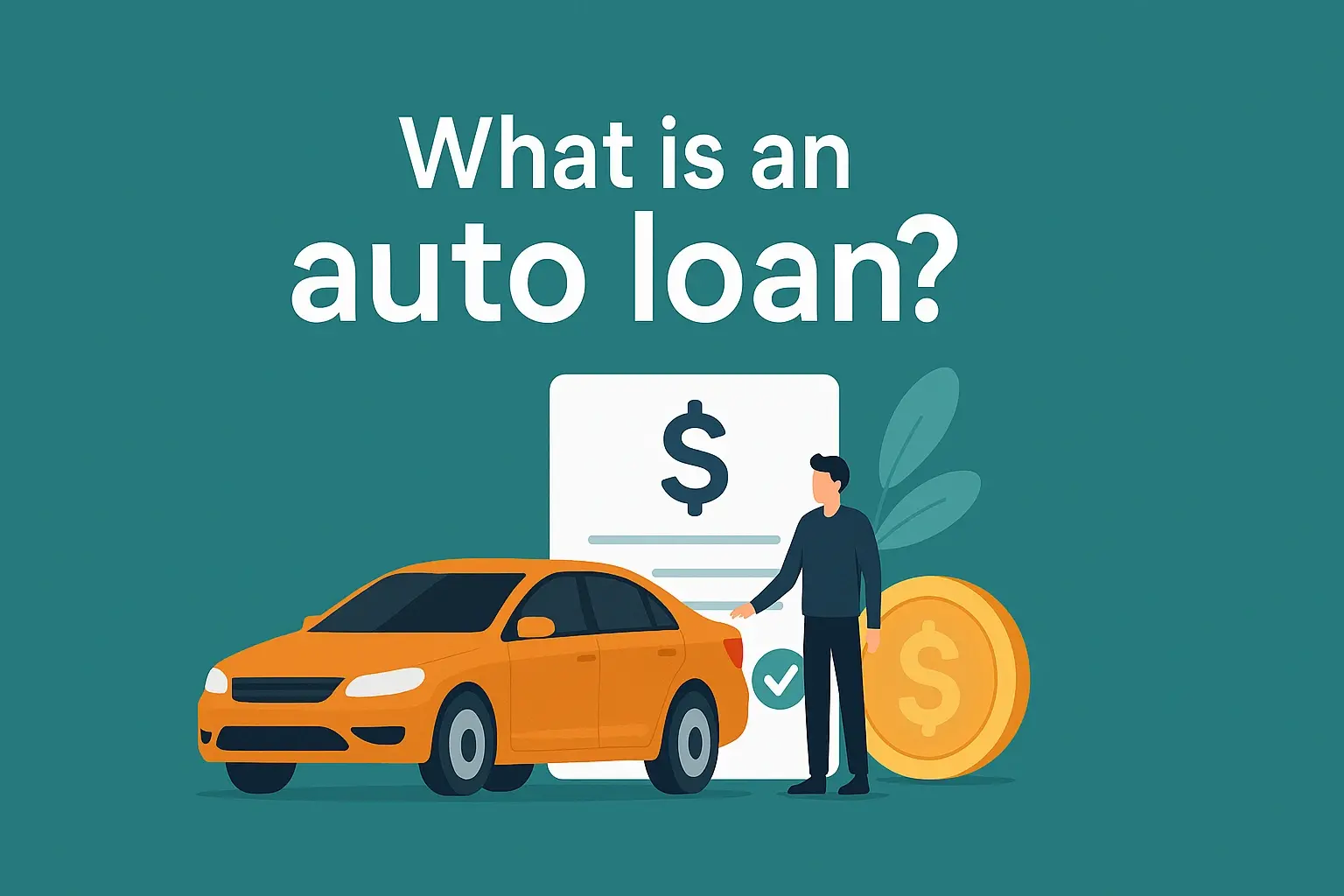
Understanding what an auto loan is forms the bedrock of responsible car ownership. This guide demystifies the process, covering everything from definition and types to application, approval, and repayment, empowering you to make informed financial decisions for your next vehicle purchase.
What Exactly Is An Auto Loan?
At its core, an auto loan is a type of secured personal loan specifically designed to finance the purchase of a new or used vehicle. The vehicle itself serves as collateral for the loan, meaning that if the borrower defaults on their payments, the lender has the legal right to repossess the car. This collateralization makes auto loans generally less risky for lenders compared to unsecured loans, often resulting in more favorable interest rates for borrowers. Auto loans are structured with a principal amount (the total cost of the vehicle minus any down payment), an interest rate, and a repayment term (the length of time over which the loan will be repaid). Understanding these fundamental components is crucial before embarking on the car-buying journey.
The Purpose of an Auto Loan
The primary purpose of an auto loan is to make vehicle ownership accessible to a wider range of individuals. For many, the cost of a car outright is prohibitive. An auto loan breaks down this large expense into manageable monthly payments, spreading the cost over several years. This allows individuals to acquire transportation for work, family, and personal needs without depleting their savings. Beyond mere transportation, a reliable vehicle can be essential for economic mobility, enabling access to better job opportunities and essential services. In 2025, with the average new car price hovering around $48,500 and used car prices remaining elevated, auto loans are more critical than ever for consumers.
Key Characteristics of Auto Loans
Several defining characteristics set auto loans apart:
Secured Nature: As mentioned, the vehicle acts as collateral. This is the most significant characteristic.
Fixed or Variable Interest Rates: While most auto loans offer fixed interest rates, some may have variable rates tied to an index. Fixed rates provide payment predictability, which is highly desirable for budgeting.
Repayment Terms: Loan terms typically range from 36 to 84 months (3 to 7 years). Longer terms mean lower monthly payments but higher overall interest paid.
Loan Amount: The amount borrowed is usually the vehicle's purchase price, minus any down payment, plus taxes, fees, and potentially other add-ons like extended warranties.
Lender Types: Loans can be obtained from various sources, including banks, credit unions, online lenders, and dealership financing departments.
How Auto Loans Work: The Mechanics
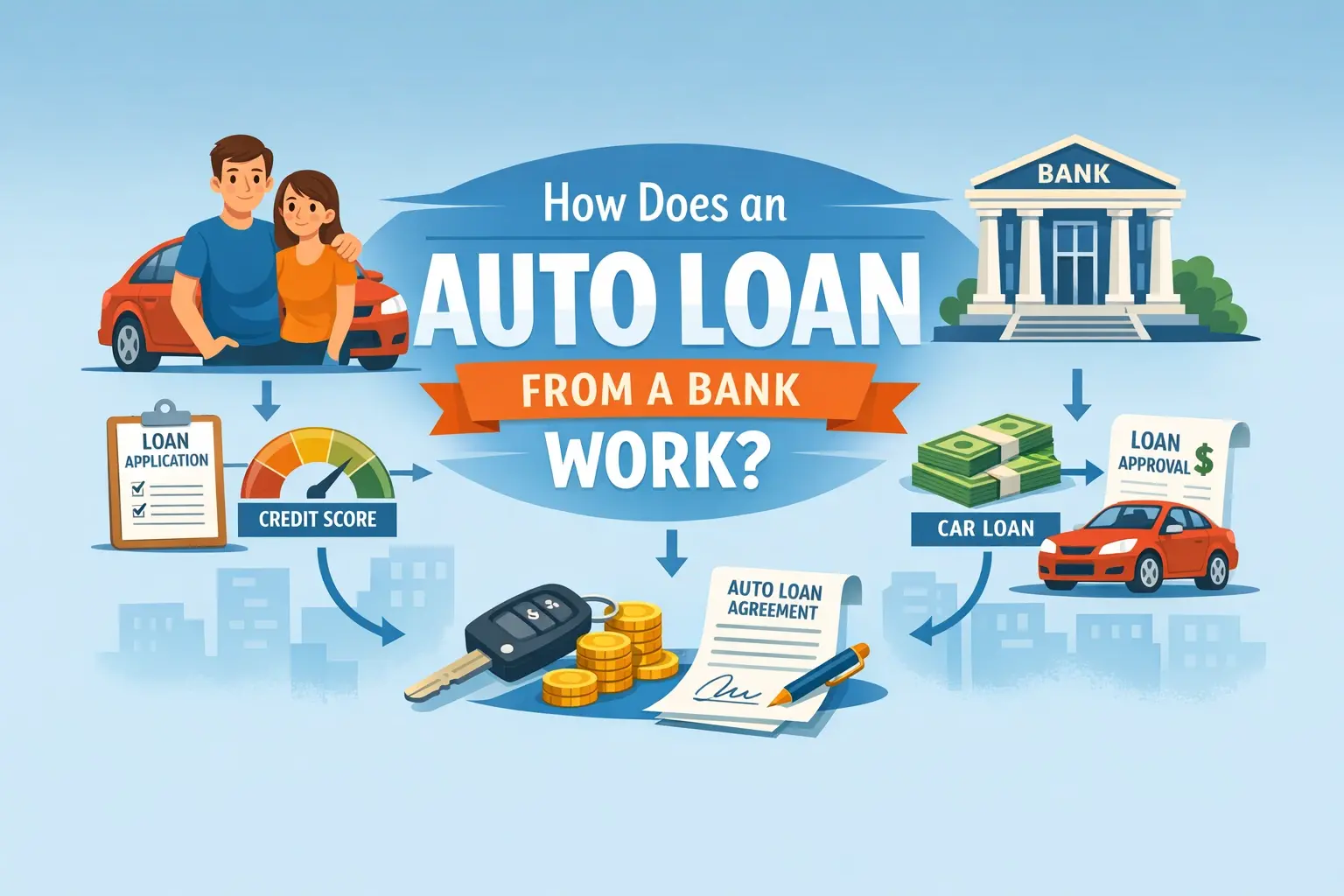
Understanding the lifecycle of an auto loan is vital for responsible borrowing. From the initial application to the final payment, each stage has implications for your financial health.
The Loan Agreement
When you secure an auto loan, you enter into a legally binding contract with a lender. This agreement outlines all the terms and conditions, including:
Principal Amount: The total sum borrowed to purchase the vehicle.
Interest Rate (APR): The Annual Percentage Rate, which is the cost of borrowing money, expressed as a yearly percentage. This is a critical factor determining your total repayment amount.
Loan Term: The duration of the loan, typically in months.
Monthly Payment: The fixed amount you will pay each month, which includes a portion of the principal and the interest accrued.
Fees: Any associated fees, such as origination fees, late payment fees, or prepayment penalties.
Collateral: Confirmation that the vehicle serves as collateral.
Amortization Explained
Auto loans typically use an amortization schedule. This means that with each payment, a portion goes towards paying the interest accrued since the last payment, and the remainder reduces the principal balance. In the early stages of the loan, a larger portion of your payment goes towards interest. As the loan progresses, more of your payment is applied to the principal, accelerating the payoff of the loan. Understanding this can help you appreciate why paying more than the minimum monthly payment can significantly reduce the total interest paid over the life of the loan.
What Happens If You Miss a Payment?
Missing a payment on an auto loan can have serious consequences. Lenders typically impose late fees, which increase the amount you owe. Multiple missed payments can negatively impact your credit score, making it harder to secure future loans or credit. In the most severe cases, if payments are consistently missed, the lender can exercise their right to repossess the vehicle. It's always advisable to communicate with your lender immediately if you anticipate difficulty making a payment to explore potential solutions like payment deferrals or modified payment plans.
Paying Off the Loan Early
Many auto loans do not have prepayment penalties, allowing you to pay off the loan ahead of schedule without extra charges. This is a financially sound strategy, as it reduces the total amount of interest you pay. Even small extra payments, or paying slightly more than your scheduled monthly amount, can make a significant difference over the loan's life. For example, paying an extra $50 per month on a $30,000 loan at 6% APR for 60 months could save you thousands in interest and shorten the loan term by over a year.
Exploring Different Types of Auto Loans
Not all auto loans are created equal. Understanding the various types available can help you find the most suitable option for your financial situation and needs.
New Car Loans
These loans are specifically for purchasing a brand-new vehicle. Lenders often offer the most competitive interest rates and terms for new cars because they are considered less risky. Dealerships frequently offer manufacturer-backed incentives, such as low APR financing or cash rebates, which can further reduce the cost of a new vehicle. For instance, in 2025, some manufacturers might offer 0% APR for qualified buyers on specific models, a highly attractive proposition.
Used Car Loans
Financing a pre-owned vehicle is also common. Interest rates on used car loans are typically slightly higher than those for new cars, reflecting the increased risk associated with older vehicles that may have more wear and tear. The age and mileage of the used car can significantly influence the interest rate offered. Lenders may also impose stricter requirements on the loan-to-value ratio for used car loans.
Refinance Auto Loans
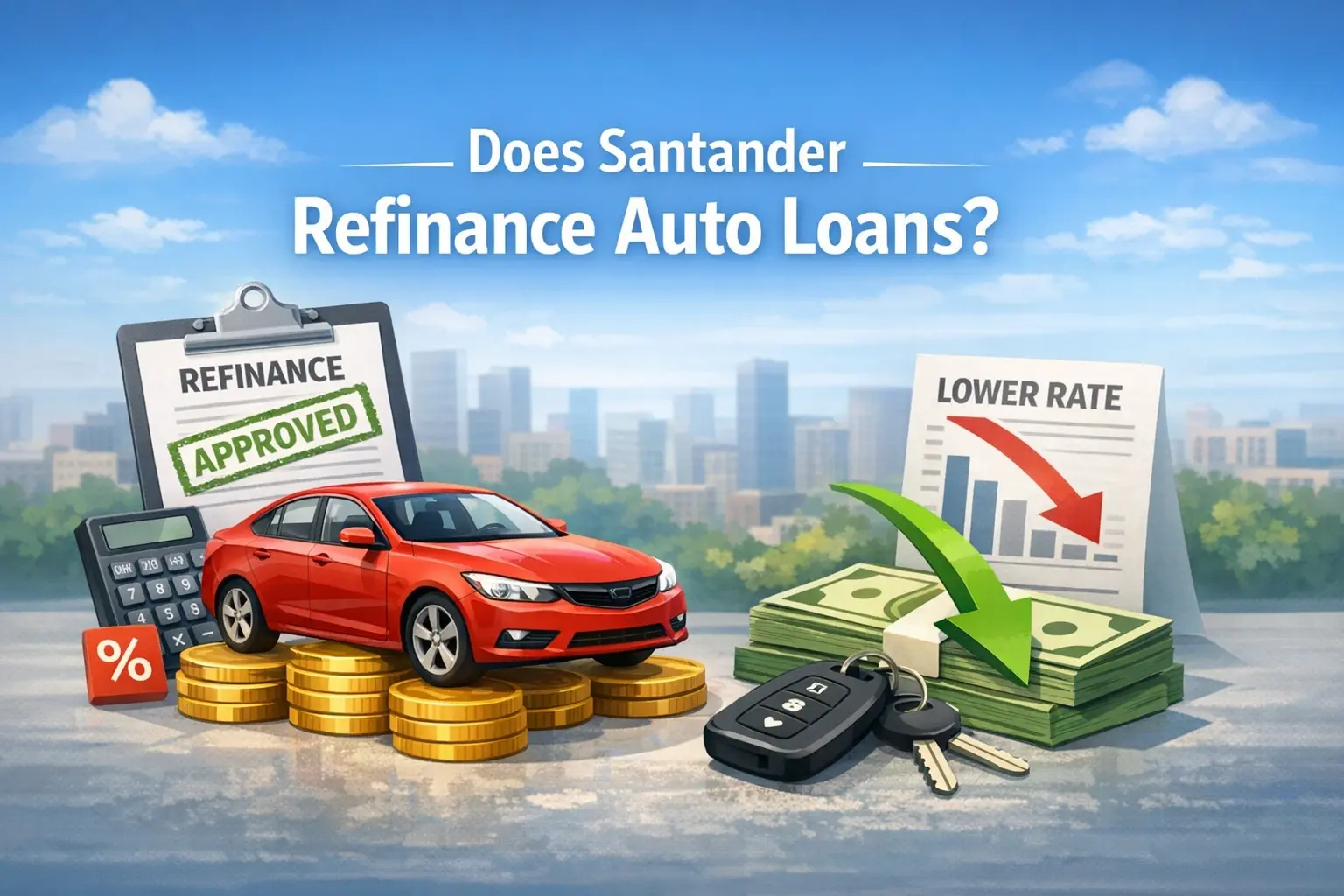
Auto loan refinancing allows you to replace your existing auto loan with a new one, often with better terms. This is particularly beneficial if your credit score has improved since you took out the original loan, or if market interest rates have decreased. Refinancing can lead to a lower monthly payment, a shorter loan term, or both, saving you money over time. For example, if you originally financed a car with a 10% APR and now qualify for a 5% APR, refinancing could yield substantial savings.
Lease Buyout Loans
If you've leased a vehicle and wish to purchase it at the end of your lease term, you'll likely need a lease buyout loan. These loans function similarly to used car loans, with the vehicle's residual value at the end of the lease serving as the basis for the loan amount. The terms and rates will depend on your creditworthiness and the vehicle's condition.
Dealer Financing vs. External Lenders
You have two primary avenues for obtaining an auto loan: dealership financing and external lenders (banks, credit unions, online lenders).
Dealership Financing: Often convenient, as it's handled at the point of sale. Dealerships may offer special promotional rates. However, it's crucial to compare these offers with those from external lenders, as dealership financing isn't always the most competitive.
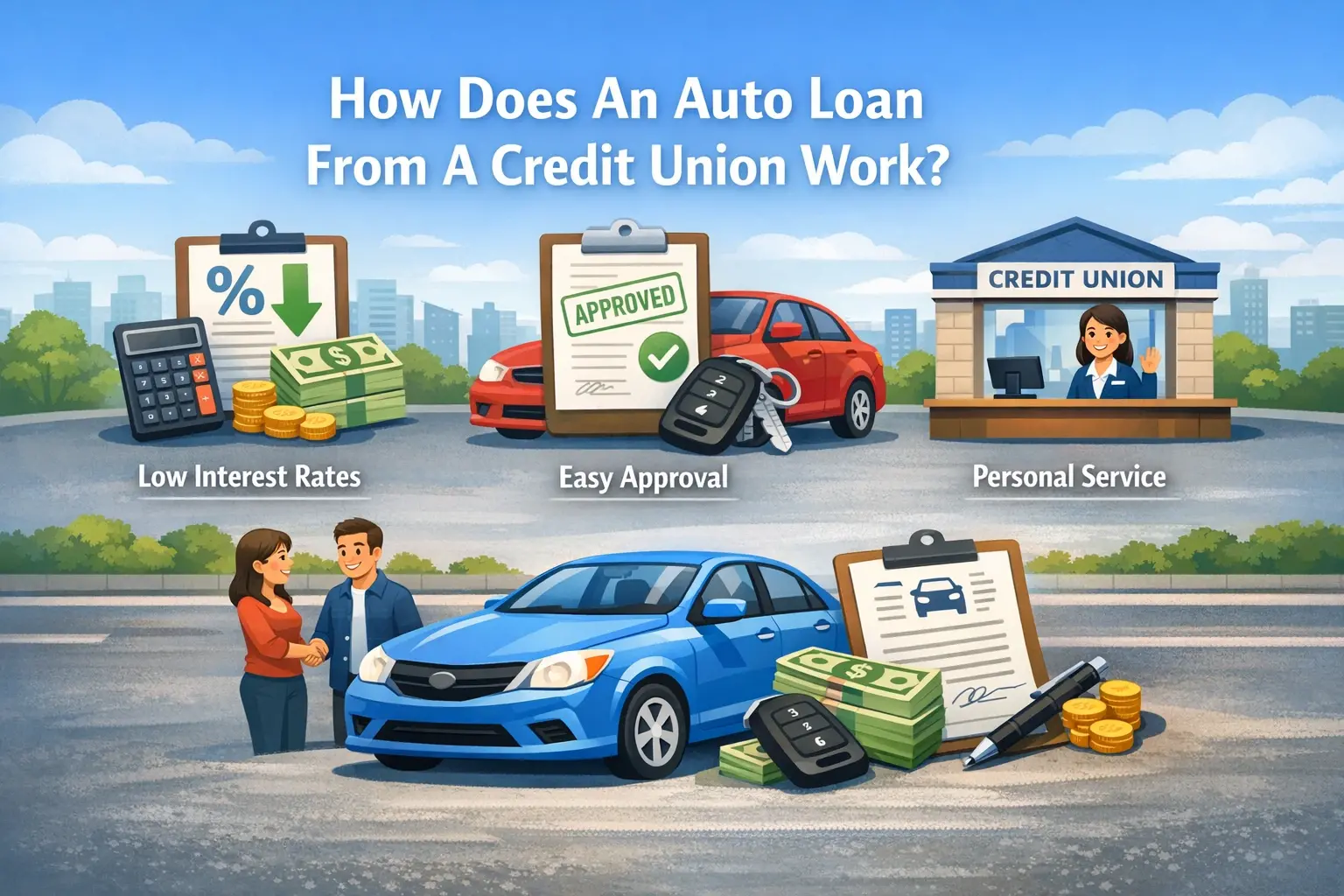
External Lenders: Offer a wider range of options and can provide pre-approval before you visit a dealership, giving you a strong negotiating position. Credit unions, in particular, are known for offering competitive rates and member-friendly terms.
Navigating the Auto Loan Application Process
Applying for an auto loan involves several steps, and being prepared can streamline the process and increase your chances of approval.
Gathering Necessary Documents
Before you apply, ensure you have the following documents readily available:
Proof of Identity: Driver's license or state-issued ID.
Proof of Income: Recent pay stubs, tax returns, or bank statements to verify your ability to repay.
Proof of Residence: Utility bills or lease agreements showing your current address.
Employment Verification: Information about your employer, including contact details.
Social Security Number: Required for credit checks.
Checking Your Credit Score
Your credit score is a pivotal factor in loan approval and interest rates. Before applying, it's wise to check your credit report from all three major bureaus (Equifax, Experian, TransUnion) for accuracy. A higher credit score generally translates to better loan offers.
Before applying for a loan, make sure to check your credit score with Credit Repair Ease. They are a trusted credit repair company offering professional credit repair services that can help you understand and improve your credit standing. Reach out to Credit Repair Ease at (888) 803-7889 to learn more about how they can assist you in preparing for a loan application.
Applying for Pre-Approval
Getting pre-approved for an auto loan before visiting a dealership is highly recommended. Pre-approval involves a lender reviewing your financial information to determine how much they are willing to lend you and at what interest rate. This gives you a firm budget and a strong negotiating position, allowing you to focus on finding the right car rather than worrying about financing.
Comparing Loan Offers
Once you have pre-approval or are considering dealership financing, it's essential to compare offers from multiple lenders. Look beyond just the interest rate; consider the loan term, any fees, and the total cost of the loan. A slightly higher interest rate on a shorter term might be more cost-effective overall than a lower rate on a much longer term.
Negotiating the Deal
With your financing secured or pre-approved, you can negotiate the price of the vehicle independently. Once you've agreed on the car's price, you can then finalize the financing. If the dealership offers a better rate than your pre-approval, you can choose their offer, but always ensure it's the best deal for your situation.
Decoding Essential Auto Loan Terminology
Familiarizing yourself with common auto loan terms will help you understand your loan agreement and make informed decisions.
Annual Percentage Rate (APR)
APR represents the total annual cost of borrowing money, including the interest rate and any fees associated with the loan. It's a more comprehensive measure of the loan's cost than the interest rate alone.
Loan Term
The duration of the loan is typically expressed in months or years. Common terms range from 36 to 84 months. Longer terms result in lower monthly payments but higher total interest paid.
Principal
The original amount of money borrowed to purchase the vehicle. Your monthly payments go towards paying down this principal balance, along with the interest.
Interest
The cost of borrowing money, charged by the lender as a percentage of the principal. This is the primary way lenders make money on auto loans.
Down Payment
An upfront payment made by the borrower at the time of purchase. A larger down payment reduces the principal loan amount, potentially leading to lower monthly payments and less interest paid over time. It can also improve your chances of loan approval and secure a better interest rate.
Collateral
The asset that secures the loan. In the case of an auto loan, the vehicle itself serves as collateral.
Loan-to-Value Ratio (LTV)
The ratio of the loan amount to the value of the vehicle being financed. Lenders often have maximum LTV requirements, especially for used cars.
Origination Fee
A fee charged by the lender for processing the loan application. This is sometimes rolled into the loan amount.
Prepayment Penalty
A fee is charged if you pay off the loan before the scheduled end date. Many auto loans do not have these, but it's important to check.
What Influences Your Auto Loan Approval and Interest Rate?
Several factors determine whether you'll be approved for an auto loan and what interest rate you'll receive. Lenders assess your risk as a borrower based on these elements.
Credit Score and History
This is arguably the most significant factor. A higher credit score (typically above 700) indicates a lower risk, leading to easier approval and lower interest rates. A history of late payments, defaults, or bankruptcies will make approval more difficult and result in higher rates.
Income and Employment Stability
Lenders want to see that you have a stable income sufficient to cover your monthly loan payments. Consistent employment history with your current employer also signals reliability.
Debt-to-Income Ratio (DTI)
Your DTI is the percentage of your gross monthly income that goes towards paying your monthly debt obligations. Lenders prefer a lower DTI, as it indicates you have more disposable income available to handle new debt.
Loan Amount and Term
The total amount you borrow and the length of the repayment term can influence approval and rates. Larger loan amounts or longer terms might be seen as higher risk by some lenders.
Vehicle Age and Mileage
For used cars, the age and mileage of the vehicle are critical. Older cars with higher mileage are generally considered riskier and may command higher interest rates or be ineligible for financing altogether.
Down Payment Size
A larger down payment reduces the loan amount and the lender's risk, often leading to more favorable loan terms and interest rates. A down payment of 20% or more is often considered ideal.
Lender-Specific Criteria
Each lender has its own underwriting standards and risk tolerance. What one lender might approve, another might decline. This is why shopping around for the best loan offer is so important.
Estimating Your Auto Loan Payments
Accurately estimating your monthly auto loan payments is crucial for budgeting. While online calculators are readily available, understanding the formula provides deeper insight.
The Loan Payment Formula
The standard formula for calculating a fixed monthly loan payment is:
M = P [ i(1 + i)^n ] / [ (1 + i)^n – 1]
Where:
M = Monthly Payment
P = Principal Loan Amount
i = Monthly Interest Rate (Annual Rate / 12)
n = Total Number of Payments (Loan Term in Years * 12)
For example, to calculate the monthly payment for a $30,000 loan at 6% APR for 60 months:
P = $30,000
i = 0.06 / 12 = 0.005
n = 60
Plugging these values into the formula would yield an approximate monthly payment. Online auto loan calculators automate this process, allowing you to quickly see how changes in loan amount, interest rate, and term affect your monthly payment.
Impact of Interest Rate
The interest rate has a substantial impact on your monthly payment and the total cost of the loan. Even a small difference in APR can translate to thousands of dollars saved or spent over the loan's life. For a $30,000 loan over 60 months:
At 5% APR, the monthly payment is approximately $579.94, and the total interest paid is $4,796.40.
At 7% APR, the monthly payment is approximately $606.78, and the total interest paid is $6,406.80.
This difference of 2% in APR results in an extra $1,610.40 paid in interest.
Impact of Loan Term
Extending the loan term lowers your monthly payment but increases the total interest paid. Conversely, a shorter term means higher monthly payments but less interest paid overall.
For a $30,000 loan at 6% APR:
36-month term: Monthly payment approx. $932.20, total interest paid $3,559.20.
72-month term: Monthly payment approx. $495.04, total interest paid $5,642.88.
While the 72-month term offers a significantly lower monthly payment, it costs an additional $2,083.68 in interest over the life of the loan.
Calculating Total Cost
To understand the true cost of your auto loan, calculate the total amount you'll repay: (Monthly Payment * Loan Term) + Down Payment. This figure is essential for comparing different loan offers and understanding the long-term financial commitment.
Strategies for Choosing the Right Auto Loan
Selecting the optimal auto loan involves careful consideration of your financial goals and circumstances. Here are key strategies to guide your decision.
Prioritize Lower Interest Rates
The most significant factor in minimizing the total cost of your loan is securing the lowest possible interest rate (APR). Shop around extensively and compare offers from multiple lenders, including banks, credit unions, and online lenders, to find the most competitive rate. Your creditworthiness will be the primary determinant of the rate you receive.
Consider the Loan Term Carefully
While longer loan terms offer lower monthly payments, they also result in paying more interest over time. Evaluate your budget to determine if you can comfortably afford higher monthly payments associated with a shorter loan term. A common recommendation is to aim for the shortest term you can manage without straining your finances.
Evaluate Fees and Other Costs
Beyond the interest rate, scrutinize all associated fees, such as origination fees, documentation fees, and potential prepayment penalties. These can add to the overall cost of the loan. Ensure you understand all charges before signing any agreement.
Understand Your Budget
Before even looking at cars or loans, determine how much you can realistically afford for a monthly car payment, including insurance, fuel, and maintenance. Use online auto loan calculators to estimate payments based on different loan scenarios and ensure they fit within your budget.
Read the Fine Print
Always read your loan agreement thoroughly before signing. Pay close attention to clauses regarding late fees, early repayment, and any other conditions that might affect you. If anything is unclear, ask the lender for clarification.
Don't Rush the Decision
Auto financing is a significant financial commitment. Take your time to compare offers, understand the terms, and ensure you are comfortable with the chosen loan. Rushing can lead to suboptimal choices and unnecessary costs.
Effective Management and Repayment of Your Auto Loan
Once you have secured an auto loan and purchased your vehicle, responsible management and repayment are key to a positive financial outcome.
Make Payments On Time
This is the most critical aspect of managing your auto loan. Consistent, on-time payments not only prevent late fees and negative marks on your credit report but also build a positive payment history, which is vital for your overall credit health. Set up automatic payments if possible to ensure you never miss a due date.
Consider Extra Payments
If your budget allows, making extra payments towards your principal can significantly reduce the total interest paid and shorten the loan term. Even small additional amounts can make a difference over time. Ensure that any extra payments are clearly designated to reduce the principal balance.
Monitor Your Loan Balance
Regularly check your loan statements or online account to track your progress. Seeing your principal balance decrease can be motivating and helps you stay on track with your repayment goals.
Plan for Future Needs
As you pay down your auto loan, consider your future financial goals. Once the loan is paid off, you can redirect those monthly payments towards savings, investments, or a down payment on your next vehicle, potentially without needing a loan.
Refinancing Options
If your financial situation improves or interest rates drop significantly after you've had your loan for a while, explore refinancing. This could lead to lower monthly payments or a shorter loan term, saving you money in the long run. Remember to re-evaluate fees and terms when considering refinancing.
Common Auto Loan Pitfalls to Avoid
Navigating the auto loan process can be complex, and several common mistakes can lead to financial strain. Being aware of these pitfalls can help you avoid them.
Not Shopping Around
Accepting the first loan offer you receive, especially from a dealership, can mean overpaying in interest. Always compare offers from multiple lenders to ensure you're getting the best possible rate and terms.
Focusing Only on the Monthly Payment
While a lower monthly payment is attractive, it can be achieved by extending the loan term. This often results in paying significantly more interest over the life of the loan. Consider the total cost of the loan, not just the monthly payment.
Borrowing More Than Needed
Avoid the temptation to finance extras like expensive add-ons (extended warranties, gap insurance if not needed) or accessories if they push your loan amount beyond what you can comfortably afford. Stick to financing the car itself.
Ignoring Your Credit Score
A poor credit score can lead to high interest rates or loan denial. Before applying, understand your credit standing and take steps to improve it if necessary. This can involve paying down existing debt or addressing errors on your credit report.
Falling for Dealer Tricks
Dealerships may try to upsell you on financing or add-ons. Be wary of "four-square" tactics or pressure to sign quickly. Negotiate the car price first, then discuss financing.
Not Understanding the Loan Terms
Failing to read and comprehend the loan agreement can lead to surprises, such as hidden fees or unfavorable clauses. Ensure you understand all aspects of the loan before signing.
The Evolving Landscape of Auto Financing
The way consumers finance vehicles is continually evolving, driven by technological advancements and changing consumer preferences. Staying informed about these trends can provide a competitive edge.
Rise of Online Lending
Online lenders have become a major force in auto financing, offering convenient application processes, competitive rates, and quick approvals. Many consumers now bypass traditional banks and dealerships for their financing needs.
Fintech Innovations
Financial technology (Fintech) companies are introducing new tools and platforms that streamline the car buying and financing experience. This includes AI-powered loan applications, digital loan closings, and personalized financing offers.
Subscription Models and Leasing Alternatives
Emerging models like car subscriptions offer flexibility, bundling car payments, insurance, and maintenance into a single monthly fee. While not a traditional loan, these are changing how people access vehicles.
Data-Driven Underwriting
Lenders are increasingly using alternative data sources and advanced analytics to assess borrower risk, potentially opening up financing options for individuals with limited traditional credit histories.
Sustainability and EV Financing
As electric vehicles (EVs) gain popularity, specialized financing options for EVs are emerging. These may include lower interest rates or longer terms to encourage adoption, reflecting the growing emphasis on sustainability in the automotive market.
In conclusion, an auto loan is a fundamental tool for acquiring a vehicle, but it requires careful understanding and management. By thoroughly researching your options, understanding the terms, and maintaining responsible financial habits, you can secure a loan that fits your budget and helps you achieve your automotive goals. Making informed decisions today will lead to a smoother financial journey tomorrow.
null
What Is An Auto Loan

Krystin Bresolin