-
Posted on: 26 Feb 2026
-
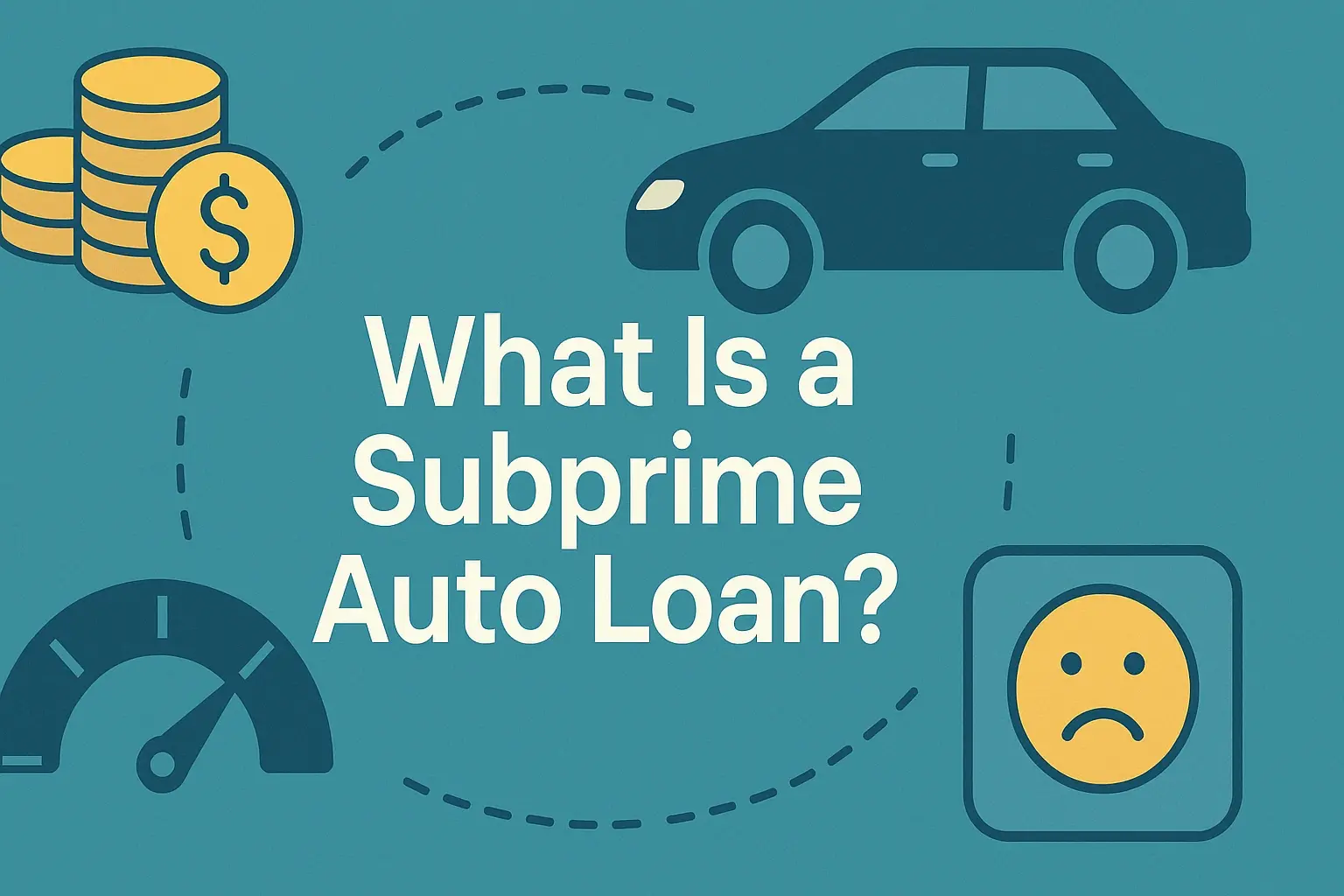
Understanding subprime auto loans is crucial for many individuals seeking vehicle financing, especially those with less-than-perfect credit histories. This guide will break down what these loans entail, who qualifies, and how they work, empowering you to make informed decisions in the 2025-26 automotive market.
What Exactly Is a Subprime Auto Loan?
A subprime auto loan is a type of vehicle financing specifically designed for borrowers who have a lower credit score, often below 620, or a limited credit history. These loans are considered higher risk by lenders due to the increased probability of default associated with borrowers in this credit tier. Consequently, subprime auto loans typically come with higher interest rates, shorter repayment terms, and potentially larger down payment requirements compared to loans offered to prime borrowers with excellent credit. The primary purpose of these loans remains the same: to help individuals purchase a vehicle, providing essential transportation for work, family, and daily life, even when traditional financing avenues are inaccessible.
In the automotive landscape of 2025-26, the demand for accessible car financing continues to be strong. Subprime auto loans play a critical role in this ecosystem, bridging the gap for millions of consumers who might otherwise be excluded from vehicle ownership. These loans are often facilitated through specialized lenders or subprime departments within larger financial institutions. While they offer a pathway to car ownership, borrowers must understand the associated costs and responsibilities. The increased interest rates mean that the total cost of the vehicle over the life of the loan will be significantly higher than for a prime borrower. Furthermore, lenders may impose stricter terms, such as requiring a co-signer or limiting the loan amount to a percentage of the vehicle's value, to mitigate their risk.
The "subprime" designation itself refers to the borrower's creditworthiness. Lenders categorize borrowers into different tiers based on their credit scores, payment history, debt-to-income ratio, and other financial factors. Prime borrowers typically have credit scores above 670, while subprime borrowers fall below this threshold. Deep subprime borrowers, representing the highest risk category, often have credit scores below 500. Understanding where you fall within this spectrum is the first step in determining your eligibility and the likely terms of a subprime auto loan. The market in 2025-26 continues to see a significant portion of auto loan originations falling into the subprime category, highlighting its importance for a large segment of the population.
It's also important to distinguish subprime auto loans from other forms of credit. Unlike personal loans or credit cards, auto loans are secured by the vehicle itself. This means that if the borrower defaults on the loan, the lender has the legal right to repossess the car to recoup their losses. This collateralization is a key factor that allows lenders to offer subprime loans at all; without it, the risk would be prohibitively high. The value of the collateral (the car) plays a significant role in the loan terms, often influencing the maximum loan amount and the required down payment. For instance, lenders might only finance up to 80% of a used car's value or a lower percentage of a new car's value for subprime borrowers.
The landscape of subprime lending is dynamic. In 2025-26, economic conditions, interest rate environments, and regulatory changes can all influence the availability and terms of these loans. Lenders are constantly evaluating their risk models. While some lenders specialize exclusively in subprime auto loans, many mainstream banks and credit unions also have programs to serve this market, albeit with potentially more stringent requirements. The key takeaway is that a subprime auto loan is a tool for vehicle acquisition for those with credit challenges, but it comes with a higher price tag and greater scrutiny.
Who Qualifies for Subprime Auto Loans?
Qualifying for a subprime auto loan is primarily determined by a borrower's credit profile and financial stability. While the exact criteria can vary between lenders, several key factors are consistently evaluated. The most significant factor is the credit score. Generally, individuals with credit scores ranging from approximately 500 to 619 are considered subprime borrowers. Those with scores below 500 may fall into the "deep subprime" category, facing even more challenging loan terms or outright denial from some lenders.
Beyond the credit score, lenders will meticulously examine the credit report itself. This includes looking at:
Payment History: Late payments, missed payments, defaults, repossessions, and bankruptcies are major red flags. The recency and frequency of these issues are crucial. A single late payment from several years ago might be less impactful than multiple recent delinquencies.
Credit Utilization Ratio: This refers to the amount of credit a borrower is using compared to their total available credit. A high utilization ratio (e.g., consistently using more than 30% of credit card limits) suggests financial strain.
Length of Credit History: A longer credit history generally allows lenders to assess a borrower's financial behavior over time. A short credit history, even if clean, can be a hurdle.
Types of Credit Used: A mix of credit, such as credit cards, installment loans (like previous car loans or mortgages), and retail accounts, can demonstrate responsible credit management.
Recent Credit Inquiries: Numerous recent applications for credit can signal desperation and increase perceived risk.
In addition to creditworthiness, lenders assess a borrower's ability to repay the loan. This involves evaluating their income and employment stability. Applicants typically need to demonstrate a steady source of income sufficient to cover the monthly loan payments, insurance, and other vehicle-related expenses. Many lenders require proof of employment, such as recent pay stubs or tax returns. A stable employment history, ideally with the same employer for a year or more, is often preferred. The debt-to-income (DTI) ratio, which compares a borrower's total monthly debt payments to their gross monthly income, is another critical metric. Lenders generally prefer a DTI ratio below 40-50% for subprime borrowers, though this can vary.
Down payment requirements are also common for subprime auto loans. Lenders may ask for a down payment to reduce their risk and to ensure the borrower has some "skin in the game." The amount can range from a few hundred dollars to 10% or more of the vehicle's purchase price, depending on the lender and the borrower's specific risk profile. Some lenders might waive or reduce the down payment requirement if a qualified co-signer is available.
A co-signer is an individual with good credit who agrees to be legally responsible for the loan if the primary borrower fails to make payments. Adding a co-signer with a strong credit history can significantly improve a subprime borrower's chances of approval and may even lead to better loan terms, such as a lower interest rate. However, both parties must understand that the co-signer's credit score will be impacted if payments are missed or late.
In summary, individuals who typically qualify for subprime auto loans are those with:
Credit scores between 500 and 619.
A history of some credit challenges, such as late payments or high credit utilization.
A demonstrable ability to repay the loan through stable income and employment.
A willingness and ability to make a down payment.
Potentially, the ability to secure a co-signer with good credit.
It's important to remember that "subprime" is a broad category, and lenders use sophisticated algorithms to assess risk. Even with a low credit score, a borrower with a stable income and a history of gradually improving credit habits might secure better terms than someone with a slightly higher score but more severe recent credit issues.
How Subprime Auto Loans Work
The fundamental process of obtaining a subprime auto loan mirrors that of a traditional auto loan, but with heightened scrutiny and adjusted terms. It begins with the borrower identifying a need for a vehicle and exploring financing options. For individuals with subprime credit, this often means looking beyond traditional banks and credit unions to specialized subprime lenders or dealerships with in-house financing programs designed for higher-risk borrowers.
1. Application and Pre-Approval: The borrower completes a loan application, providing personal information, employment details, income verification, and details about the desired vehicle. This application is submitted to the lender. Some lenders offer pre-approval, which allows borrowers to understand their potential loan amount and interest rate before selecting a vehicle. This can be advantageous as it provides a clear budget and negotiating power at the dealership.
2. Credit Assessment: The lender then performs a thorough credit check, analyzing the borrower's credit score, credit report history, and debt-to-income ratio. As discussed, this is the most critical step in determining eligibility and loan terms for subprime borrowers. The lender aims to quantify the risk associated with lending to this individual.
3. Loan Offer and Terms: If the borrower meets the lender's criteria, a loan offer is presented. For subprime loans, these terms will likely include:
Higher Annual Percentage Rate (APR): This is the most significant difference. Subprime APRs can range from 10% to 30% or even higher, significantly increasing the total cost of the loan compared to prime rates (which might be 5-8% in 2025-26).
Shorter Loan Terms: To reduce the lender's exposure over time, subprime loans may have shorter repayment periods (e.g., 36 or 48 months) compared to prime loans (which can extend to 72 or 84 months). This results in higher monthly payments.
Lower Loan-to-Value (LTV) Ratio: Lenders may limit the amount they are willing to finance relative to the car's value. This often translates to a requirement for a larger down payment. For example, a lender might only finance 80% of a used car's value for a subprime borrower.
Potential for Fees: Some subprime lenders may charge origination fees or other administrative charges.
4. Down Payment: If a down payment is required, the borrower must provide these funds. This payment reduces the principal loan amount and demonstrates commitment to the loan.
5. Vehicle Selection and Purchase: With financing in place (or a clear understanding of the approved amount), the borrower can select a vehicle. Subprime borrowers must choose a vehicle that fits within their approved loan amount and their budget for monthly payments and insurance. Dealerships often have a wide selection of vehicles suitable for subprime financing, including many used cars.
6. Loan Disbursement and Repayment: Once the loan agreement is signed and the purchase is finalized, the lender disburses the funds to the dealership. The borrower then begins making regular monthly payments to the lender according to the agreed-upon schedule. These payments include both principal and interest. For subprime loans, missing even a single payment can have severe consequences.
7. Collateral and Repossession: The vehicle purchased with the loan serves as collateral. If the borrower fails to make payments as agreed, the lender has the legal right to repossess the vehicle. This is a standard practice for all auto loans, but the consequences of repossession are particularly damaging for individuals already facing credit challenges.
8. Building Credit: A key benefit of successfully managing a subprime auto loan is the opportunity to build or rebuild credit. Making consistent, on-time payments is reported to credit bureaus, which can gradually improve the borrower's credit score over time. This is a crucial step for moving towards prime lending opportunities in the future.
Example Scenario (2025-26): Sarah has a credit score of 580 and needs a reliable car for her new job. She applies for a subprime auto loan and is approved for $15,000 at 18% APR for 48 months. She also needs to make a $2,000 down payment. Her monthly payment will be approximately $445. Without the subprime loan, she would not be able to purchase the car. Over the life of the loan, she will pay back around $21,360, significantly more than the $15,000 principal, due to the high interest rate. However, by making all her payments on time, she aims to improve her credit score for future financial needs.
Understanding the Risks and Rewards
Subprime auto loans, while offering a vital pathway to vehicle ownership for many, come with a distinct set of risks and potential rewards that borrowers must carefully weigh. Understanding these factors is paramount to making a sound financial decision in the 2025-26 market.
Risks Associated with Subprime Auto Loans
The most significant risks stem directly from the higher cost and increased likelihood of default associated with subprime lending:
Higher Interest Rates (APR): This is the most immediate and impactful risk. Subprime APRs can be several times higher than those offered to prime borrowers. For instance, a $20,000 loan at 25% APR over 60 months will cost significantly more in interest than the same loan at 7% APR. Over the life of the loan, this can add thousands of dollars to the total cost of the vehicle.
Higher Monthly Payments: Due to the higher APR and often shorter loan terms, subprime auto loans typically result in higher monthly payments. This can strain a borrower's budget, making it difficult to meet other financial obligations.
Risk of Default and Repossession: The increased financial burden and potential for unexpected expenses make subprime borrowers more susceptible to defaulting on their loans. If a borrower cannot make payments, the vehicle will be repossessed, leading to a loss of the car, the down payment, and all payments made.
Damage to Credit Score: Defaulting on a loan, having a vehicle repossessed, or even making late payments will severely damage an already low credit score. This can make it even harder to secure future credit, rent an apartment, or obtain favorable insurance rates.
Negative Equity (Upside-Down Loans): Because subprime loans often finance a larger portion of the vehicle's value and the vehicle depreciates rapidly, borrowers can quickly find themselves "upside-down" or in negative equity. This means they owe more on the loan than the car is worth. If the car is totaled in an accident, insurance payouts may not cover the outstanding loan balance, leaving the borrower responsible for the difference.
Limited Vehicle Choice: Lenders may impose restrictions on the age, mileage, and value of vehicles that can be financed with a subprime loan, limiting the borrower's options.
Rewards and Benefits of Subprime Auto Loans
Despite the risks, subprime auto loans offer crucial benefits, particularly for individuals facing credit challenges:
Access to Transportation: The primary reward is the ability to purchase a vehicle. Reliable transportation is often essential for employment, education, healthcare, and daily life. For many, a subprime auto loan is the only viable way to acquire this necessity.
Opportunity to Build or Rebuild Credit: Successfully managing a subprime auto loan by making all payments on time is one of the most effective ways to improve a credit score. Positive payment history is reported to credit bureaus, gradually increasing the borrower's score and making it easier to qualify for better loan terms in the future. This is a critical stepping stone towards financial health.
Potential for Lower Interest Rates Over Time: By demonstrating responsible repayment behavior, borrowers can position themselves to qualify for prime auto loans with much lower interest rates on future vehicle purchases.
Fixed Payments (Typically): Most auto loans, including subprime ones, have fixed interest rates and fixed monthly payments. This predictability can help borrowers budget effectively, assuming the payment is manageable.
Negotiating Power (with Pre-approval): Securing pre-approval for a subprime loan can give borrowers negotiating power at the dealership, allowing them to focus on the car's price rather than being solely dependent on the dealership's financing terms.
Balancing Risks and Rewards: The key to navigating subprime auto loans successfully lies in a thorough understanding of one's financial situation and a commitment to responsible repayment. Borrowers should aim to secure the lowest possible APR, make the largest possible down payment, and choose a vehicle they can comfortably afford, including insurance and maintenance costs. Prioritizing on-time payments is essential for reaping the credit-building benefits and avoiding the severe consequences of default.
Navigating the Subprime Auto Loan Application Process
Applying for a subprime auto loan requires a strategic approach, especially for those with less-than-perfect credit. While the process shares similarities with prime loan applications, there are nuances and additional steps to consider to maximize your chances of approval and secure the best possible terms in the 2025-26 market.
Step 1: Assess Your Creditworthiness
Before you even start looking at cars or lenders, understand your credit situation. Obtain copies of your credit reports from all three major bureaus (Equifax, Experian, TransUnion). Review them carefully for any errors that could be negatively impacting your score. Correcting these errors can sometimes provide an immediate boost. Knowing your credit score (typically the FICO score) will give you a realistic expectation of the loan terms you might receive. Many credit card companies and financial services offer free credit score monitoring.
Step 2: Determine Your Budget
This is a critical step often overlooked. Don't just consider the loan payment. Factor in the total cost of car ownership: insurance premiums (which will likely be higher for subprime borrowers and on financed vehicles), fuel, maintenance, registration, and taxes. Use online auto loan calculators to estimate monthly payments based on different loan amounts, interest rates, and terms. Aim for a payment that comfortably fits your budget, leaving room for unexpected expenses. Remember, a higher down payment will reduce your loan amount and monthly payments.
Step 3: Research Lenders and Dealerships
Not all lenders are created equal, especially in the subprime market. Explore various options:
Specialty Subprime Lenders: These companies focus specifically on borrowers with lower credit scores. They often have more flexible criteria but can have higher rates.
Dealership Financing (Buy Here, Pay Here): Some dealerships offer their own financing. While convenient, these loans can sometimes have very high interest rates and strict terms. Thoroughly scrutinize these offers.
Credit Unions: If you are a member of a credit union, they may offer more favorable terms than other lenders due to their member-focused structure.
Banks: Some larger banks have subprime lending divisions, but their requirements might still be more stringent.
Read reviews and compare interest rates, fees, loan terms, and down payment requirements from multiple sources. Look for lenders who are transparent about their fees and terms.
Step 4: Gather Necessary Documentation
Lenders will require documentation to verify your identity, income, and residency. Be prepared to provide:
Proof of Identity: Driver's license or government-issued ID.
Proof of Income: Recent pay stubs (typically the last 30-60 days), W-2 forms, tax returns (if self-employed), or other evidence of income.
Proof of Residence: Utility bills, lease agreements, or mortgage statements.
Employment Verification: Lenders may call your employer to confirm your employment status and duration.
References: Some lenders may ask for personal or professional references.
Step 5: Complete the Loan Application
Fill out the application accurately and completely. Be honest about your financial situation. Incomplete or inaccurate applications can lead to delays or denial. If you are applying for pre-approval, this step will give you a clear understanding of your borrowing power.
Step 6: Secure a Co-signer (If Necessary)
If your credit history is particularly challenging, or if you want to improve your chances of approval or get better terms, consider asking a trusted friend or family member with good credit to co-sign the loan. Ensure they understand the responsibility involved.
Step 7: Review the Loan Offer Carefully
Once you receive a loan offer, do not rush to sign. Scrutinize every detail:
APR: Is it competitive for a subprime loan?
Loan Term: How long is the repayment period?
Monthly Payment: Can you comfortably afford this?
Total Cost of the Loan: Calculate the total amount you will repay, including interest.
Fees: Are there any origination fees, late fees, or prepayment penalties?
Loan-to-Value (LTV) Ratio: Does it require an unreasonable down payment?
Don't hesitate to ask the lender to explain anything you don't understand.
Step 8: Finalize the Purchase
After accepting the loan offer and agreeing on the vehicle purchase price with the dealership, you will finalize the paperwork. Ensure all details on the final loan documents match the offer you accepted. Once signed, the lender will disburse the funds, and you can drive away in your new vehicle.
Post-Purchase: Remember that your journey doesn't end at purchase. Make every payment on time. This is your opportunity to build a positive credit history and improve your financial standing.
Tips for Securing a Better Subprime Loan
While subprime auto loans inherently come with higher costs, there are several proactive steps you can take to secure more favorable terms and reduce the overall financial burden. In the competitive 2025-26 market, these strategies can make a significant difference.
1. Improve Your Credit Score Before Applying
Even a small improvement in your credit score can lead to a lower APR and better loan terms. Focus on:
Paying Bills on Time: Payment history is the most significant factor in credit scoring.
Reducing Credit Utilization: Pay down credit card balances to keep utilization below 30%, ideally below 10%.
Checking for Errors: Dispute any inaccuracies on your credit reports.
Avoiding New Debt: Refrain from opening new credit accounts before applying for a car loan.
2. Make the Largest Down Payment Possible
A substantial down payment reduces the loan amount, lowers your monthly payments, decreases the total interest paid over the life of the loan, and signals to lenders that you are a less risky borrower. Aim for at least 10% of the vehicle's price, but more is always better if feasible.
3. Consider a Co-signer with Good Credit
A co-signer with a strong credit history can significantly improve your approval odds and potentially secure a lower interest rate. However, ensure your co-signer fully understands the risks and that you are committed to making all payments on time to protect their credit.
4. Shop Around for Lenders
Do not accept the first loan offer you receive. Compare offers from multiple lenders, including specialized subprime lenders, credit unions, and potentially dealership financing (with caution). Even a 1-2% difference in APR can save you hundreds or thousands of dollars over the loan term.
5. Negotiate the Interest Rate and Loan Terms
Even with a subprime credit score, you may have some room to negotiate. If you have multiple offers, use them as leverage. Ask lenders if they can match or beat a competitor's rate. Be prepared to walk away if the terms are not acceptable.
6. Choose a Less Expensive Vehicle
The less you borrow, the less interest you will pay. Opt for a reliable, used vehicle that meets your needs but is well within your approved loan amount. Consider the long-term costs, including insurance and maintenance, which are often higher for newer or more expensive cars.
7. Understand All Fees and Terms
Read the loan contract thoroughly. Be aware of origination fees, late payment penalties, and any prepayment penalties (though these are less common on auto loans). Ensure you understand the total cost of the loan and the monthly payment amount.
8. Opt for Shorter Loan Terms (If Affordable)
While shorter terms mean higher monthly payments, they also mean you pay less interest over the life of the loan and own your vehicle outright sooner. If you can manage the higher monthly payment, a 48-month loan will be cheaper than a 60-month loan with the same APR.
9. Look for Lenders Who Report to Credit Bureaus
This is crucial for rebuilding credit. Ensure the lender reports your payment activity to all three major credit bureaus (Equifax, Experian, TransUnion). This allows your on-time payments to positively impact your credit score.
10. Be Wary of "Guaranteed Approval" Offers
These often come with extremely high interest rates and unfavorable terms designed to exploit borrowers in desperate situations. Always scrutinize these offers and compare them to other options.
By implementing these tips, individuals seeking subprime auto loans can navigate the process more effectively, potentially securing a loan that is more manageable and contributes positively to their long-term financial health.
Alternatives to Subprime Auto Loans
While subprime auto loans are a critical financing tool for many, exploring alternatives can sometimes lead to better financial outcomes or provide a pathway to avoid higher interest rates. In the 2025-26 landscape, these options might include:
1. Improve Credit Score Significantly
The most impactful alternative is to delay your purchase and focus on improving your credit score. Even a few months of diligent credit management—paying bills on time, reducing debt—can potentially move you into a prime or near-prime category, unlocking much lower interest rates and more favorable loan terms. This might involve using a credit repair service if you have significant credit issues.
2. Save for a Larger Down Payment or Cash Purchase
If possible, saving a larger down payment can reduce the loan amount needed, making it easier to qualify for a standard loan or even allowing you to purchase a less expensive vehicle outright. Buying a car with cash eliminates interest charges and repossession risk entirely. Even saving enough for a substantial down payment on a modest vehicle can significantly lower the interest rate and monthly payments on a financed purchase.
3. Explore Co-operative or Credit Union Loans
As mentioned, credit unions often offer more competitive rates and terms than traditional banks or finance companies, even for borrowers with less-than-perfect credit. If you are a member or can join one, it's worth investigating their auto loan options.
4. Lease a Vehicle (with Caution)
Leasing typically requires a lower monthly payment than financing a purchase, and the down payment is often less. However, leasing means you never own the vehicle, and there are strict mileage limits and wear-and-tear clauses. If you drive a lot or tend to customize your vehicles, leasing is generally not a good option. For subprime borrowers, the initial approval for a lease might still be challenging, and the terms may not be significantly better than a subprime loan.
5. Consider a Less Expensive Vehicle
If your goal is simply to acquire reliable transportation, look at older vehicles, have higher mileage, or are from more budget-friendly brands. These cars will be cheaper to purchase, cheaper to insure, and may even be eligible for standard auto loans with better rates.
6. Borrow from Friends or Family
If you have a supportive network, borrowing money from friends or family to purchase a car can be an interest-free or low-interest alternative. Ensure you have a clear, written agreement outlining repayment terms to avoid straining relationships.
7. Utilize a Secured Credit Card for Credit Building
While not a direct alternative for purchasing a car, using a secured credit card responsibly can help build or rebuild your credit history over time. Once your credit improves, you can then apply for a standard auto loan with better terms.
When to Stick with Subprime: For many, subprime auto loans are the only immediate option to secure essential transportation. The key is to approach them strategically, minimize the risks, and use them as a stepping stone to improve creditworthiness for future financial goals.
The Future of Subprime Auto Lending (2025-26)
The subprime auto lending market is a dynamic sector influenced by economic conditions, technological advancements, and evolving consumer behaviors. Looking ahead to 2025-26, several trends are likely to shape this landscape:
1. Increased Focus on Data Analytics and AI
Lenders are increasingly leveraging advanced data analytics and artificial intelligence (AI) to assess risk more accurately. This includes analyzing alternative data sources beyond traditional credit scores, such as rent payments, utility bills, and even social media activity (though regulatory scrutiny around this is high). AI algorithms can help identify creditworthy borrowers within the subprime pool who might be overlooked by traditional scoring models, potentially leading to more personalized loan offers and fairer pricing.
2. Continued Economic Sensitivity
The subprime auto loan market is highly sensitive to economic downturns. Inflationary pressures, rising interest rates, and potential recessions can increase default rates. Lenders will likely remain cautious, adjusting underwriting standards and potentially tightening credit availability during periods of economic uncertainty. Conversely, a strong economy with low unemployment generally supports a healthier subprime market.
3. Regulatory Scrutiny and Consumer Protection
Regulators continue to monitor the subprime lending market closely due to its potential for predatory practices and the impact on vulnerable consumers. Expect ongoing scrutiny regarding interest rate caps, fee structures, and transparency. Lenders who prioritize consumer protection and fair lending practices will likely fare better in the long run.
4. The Role of Technology in Application and Servicing
Digitalization will continue to transform the loan application and servicing process. Online platforms and mobile apps will offer more streamlined application experiences, faster approvals, and convenient payment options. This technological integration aims to improve efficiency and customer satisfaction for both lenders and borrowers.
5. Evolution of Vehicle Technology and Financing
As electric vehicles (EVs) and advanced driver-assistance systems (ADAS) become more prevalent, financing models may need to adapt. The higher upfront cost of EVs could present new challenges for subprime borrowers, potentially requiring specialized loan products or government incentives. The increasing complexity of vehicle technology might also impact insurance costs, a factor that lenders consider.
6. Persistent Demand for Transportation
Despite economic fluctuations, the fundamental need for personal transportation remains strong. This underlying demand ensures that the subprime auto loan market will continue to exist and serve a significant portion of the population. For many, owning a vehicle is not a luxury but a necessity for economic participation.
In conclusion, the subprime auto lending environment in 2025-26 will likely be characterized by a blend of technological innovation, economic caution, and a continued focus on serving consumers with credit challenges. Borrowers who are informed, prepared, and committed to responsible financial behavior will be best positioned to navigate this market successfully.
Conclusion: Driving Forward with Confidence
Understanding "What Is A Subprime Auto Loan" is the first step toward navigating the complex world of vehicle financing when your credit history presents challenges. These loans are specifically designed for individuals with credit scores below prime levels, offering a pathway to vehicle ownership that might otherwise be inaccessible. While they come with higher interest rates, potentially larger down payments, and shorter repayment terms, they serve a vital purpose in providing essential transportation and offering an opportunity to rebuild credit.
The key to successfully managing a subprime auto loan lies in thorough preparation and responsible behavior. By diligently assessing your credit, establishing a realistic budget that includes all ownership costs, researching multiple lenders, and negotiating terms, you can secure a more manageable loan. Making all payments on time is paramount, not only to avoid the severe consequences of default and repossession but also to actively improve your credit score. This improvement can unlock better financial opportunities in the future, including more favorable loan terms for subsequent purchases.
In the 2025-26 automotive market, while technology and data analytics are enhancing risk assessment, the fundamental principles of responsible borrowing remain unchanged. Always scrutinize loan offers, understand all fees, and choose a vehicle that aligns with your long-term financial well-being. If your credit is a significant barrier, consider alternatives like saving for a larger down payment, exploring credit union options, or focusing on credit improvement before making a purchase. By approaching subprime auto loans with knowledge and a commitment to financial discipline, you can drive forward with confidence, transforming a potential financial hurdle into a stepping stone toward greater financial stability.
null
What Is A Subprime Auto Loan

Krystin Bresolin