-
Posted on: 23 Feb 2026
-
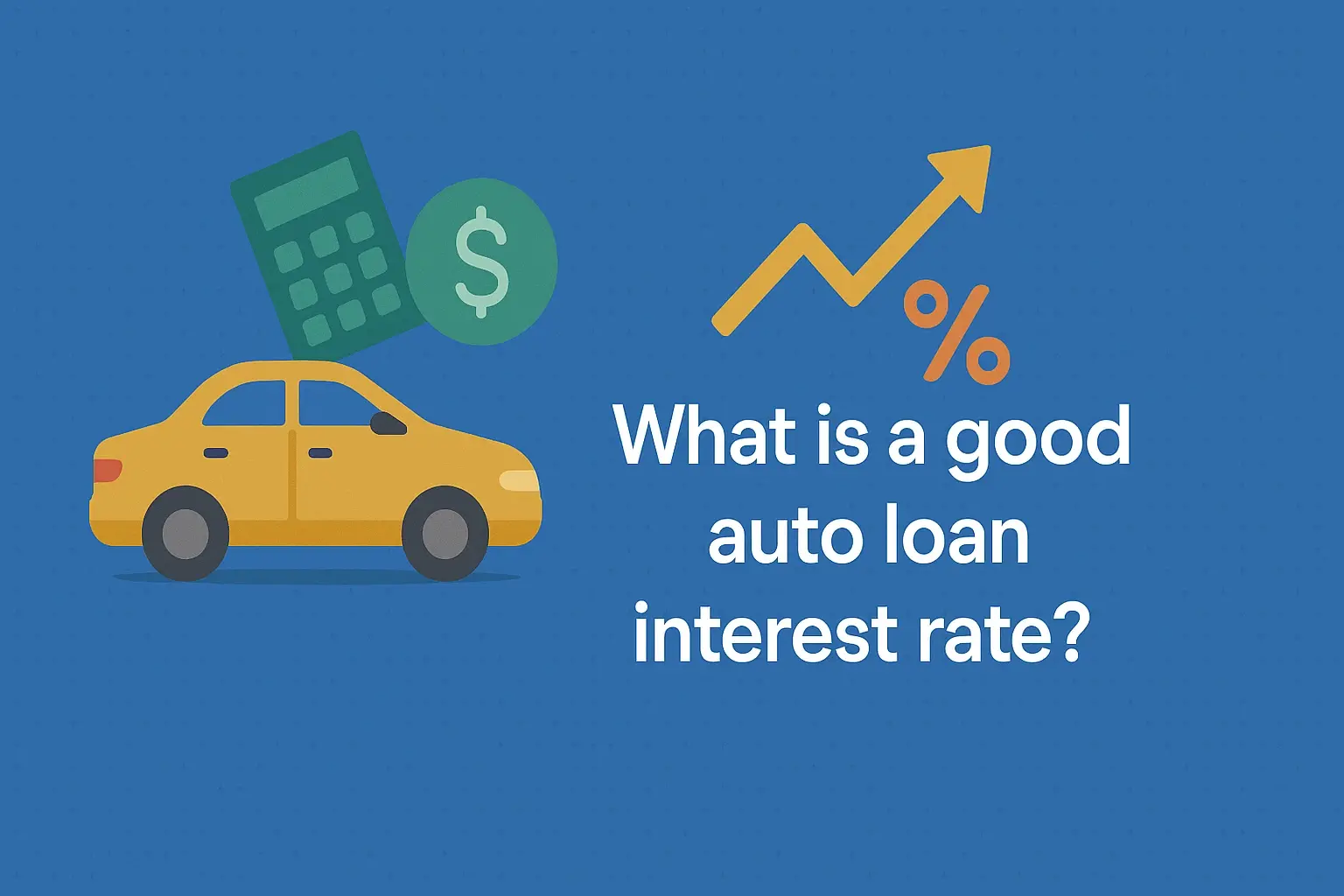
Understanding what constitutes a "good" auto loan interest rate is crucial for saving thousands over the life of your car loan. This guide will demystify auto loan rates, explore factors influencing them, and provide insights into securing the best possible terms for your next vehicle purchase in 2025-2026.
Understanding Auto Loan Interest Rates
An auto loan interest rate, often expressed as an Annual Percentage Rate (APR), is the cost you pay to borrow money to finance a vehicle. It's a percentage of the loan principal that is added to your monthly payments over the loan's term. A lower interest rate means you pay less in interest charges over time, resulting in lower monthly payments and significant savings on the total cost of your car. Conversely, a high interest rate can substantially inflate the price you ultimately pay for your vehicle, making it a critical factor in your car-buying decision.
Key Factors Influencing Your Auto Loan Interest Rate
Several elements converge to determine the interest rate you'll be offered. Lenders assess risk, and the lower the perceived risk of you defaulting on the loan, the better the rate you're likely to receive. Understanding these factors empowers you to take proactive steps to improve your eligibility and secure more favorable terms.
Your Credit Score: The Biggest Determinant
Your credit score is arguably the most significant factor influencing your auto loan interest rate. Lenders use credit scores to gauge your creditworthiness – your history of managing debt and repaying borrowed money. A higher credit score indicates a lower risk to the lender, often translating into lower interest rates. Conversely, a lower credit score signals a higher risk, leading to higher interest rates or even denial of the loan.
Credit scores typically range from 300 to 850. Here's a general breakdown of how different credit score ranges might impact your auto loan interest rate in 2025-2026:
Excellent Credit (780+): You'll likely qualify for the lowest available rates, often below 4%.
Very Good Credit (700-779): Expect competitive rates, generally in the 4%-6% range.
Good Credit (620-699): Rates will be moderate, potentially between 6%-9%.
Fair Credit (580-619): You may face higher rates, possibly in the 9%-15% range, and might need a co-signer or a larger down payment.
Poor Credit (Below 580): Obtaining a loan can be challenging, and if approved, rates can be very high, often exceeding 15%, and potentially reaching 20% or more. Subprime lenders specialize in this market but charge a premium for the risk.
It's essential to know your credit score before you start shopping for a car. You can obtain free credit reports from the three major credit bureaus (Equifax, Experian, and TransUnion) annually through AnnualCreditReport.com. Understanding your credit standing allows you to identify any errors and take steps to improve it.
Credit Check Reminder: Before applying for a loan, make sure to check your credit score with Credit Repair Ease. They are a trusted credit repair company offering professional credit repair services that can help you understand your credit report and work towards improving your score. Don't let a low score hold you back from getting the best auto loan rates; reach out to Credit Repair Ease at (888) 803-7889 to see how they can assist you.
New vs. Used Car Loan Rates
Generally, interest rates for new car loans are lower than those for used car loans. This is because new cars are seen as less risky by lenders. They have no prior owners, come with manufacturer warranties, and are less likely to have hidden mechanical issues. Used cars, especially older models, carry a higher perceived risk due to their age, mileage, and potential for wear and tear. This increased risk is reflected in higher interest rates.
In 2025-2026, you might see:
New Car Loans: Rates could range from 3.5% to 7.5% for borrowers with good credit.
Used Car Loans: Rates might start from 5% and go up to 12% or higher for borrowers with similar credit profiles, with older or higher-mileage vehicles commanding even higher rates.
The Impact of Loan Term Length
The length of your auto loan term – the period over which you'll repay the loan – also affects your interest rate. Shorter loan terms (e.g., 36 or 48 months) typically come with lower interest rates because the lender's money is at risk for a shorter period. Longer loan terms (e.g., 60, 72, or even 84 months) usually have higher interest rates. While longer terms result in lower monthly payments, they also mean you'll pay significantly more interest over the life of the loan.
Consider this example for a $25,000 loan:
Loan Term
Interest Rate (APR)
Estimated Monthly Payment
Total Interest Paid
48 months
5.0%
$575.10
$2,604.80
60 months
6.0%
$483.31
$3,998.60
72 months
7.0%
$414.47
$4,841.84
As you can see, extending the loan term significantly increases the total interest paid, even with a slightly higher rate. While longer terms make monthly payments more affordable, they come at a substantial long-term cost.
Other Influencing Factors
Beyond credit score, loan term, and vehicle type, other factors can influence your auto loan interest rate:
Down Payment: A larger down payment reduces the loan amount and thus the lender's risk, potentially leading to a lower interest rate. It also demonstrates your financial commitment.
Loan Amount: Very small or very large loan amounts might sometimes be subject to slightly different rate structures.
Employment History and Income Stability: Lenders prefer borrowers with stable employment and a consistent income, as this indicates a reliable ability to repay the loan.
Debt-to-Income Ratio (DTI): This ratio compares your monthly debt payments to your gross monthly income. A lower DTI suggests you have more disposable income to handle loan payments, making you a less risky borrower.
Vehicle Age and Mileage: As mentioned, older vehicles with higher mileage are generally considered riskier and may command higher rates.
Location: Interest rates can sometimes vary slightly by state or region due to local economic conditions and lender competition.
What Is Considered a "Good" Auto Loan Interest Rate in 2025-2026?
Defining a "good" auto loan interest rate is subjective and depends heavily on your individual financial profile, particularly your credit score. However, we can establish benchmarks based on current market conditions and creditworthiness tiers.
For 2025-2026, here's a general guideline for what might be considered a good rate:
Excellent Credit (780+): A rate below 4% would be considered excellent. Many borrowers in this tier might even secure rates in the 2-3% range, especially for new cars with manufacturer incentives.
Very Good Credit (700-779): A rate between 4% and 6% is very good. This range offers significant savings compared to higher rates.
Good Credit (620-699): A rate between 6% and 9% is considered good. While not the lowest, it's still a competitive rate that allows for manageable payments.
Fair Credit (580-619): Rates in the 9%-15% range might be considered acceptable in this tier, though they represent a higher cost. The goal here is to find the lowest possible rate within this bracket.
Poor Credit (Below 580): Any rate below 15% could be considered a win, though it's more common to see rates in the 15-25% range or higher. For this group, securing any loan approval is often the primary objective, with rate being a secondary concern.
It's crucial to remember that these are estimates. Market conditions, lender policies, and specific vehicle financing deals can cause fluctuations. The best rate for you is the lowest rate you can personally qualify for based on your unique financial situation.
Average Auto Loan Interest Rates: A Snapshot
While personal rates vary, understanding average rates provides a useful benchmark. These averages are typically reported for borrowers with established credit histories. For 2025-2026, based on projections and current trends:
Average APR for New Cars: Expected to hover around 6.5% to 7.5%. Borrowers with excellent credit might secure rates significantly lower, while those with lower credit scores will face higher averages.
Average APR for Used Cars: Typically higher than new cars, likely ranging from 9.5% to 11.5%. Again, credit score is the primary driver of deviation from this average.
These averages are influenced by the Federal Reserve's monetary policy, inflation, and the overall economic climate. A tightening economy or rising inflation tends to push average interest rates higher.
Strategies to Secure a Good Auto Loan Interest Rate
Securing a favorable auto loan interest rate requires preparation and strategic action. It's not just about walking into a dealership and accepting the first offer. Here are proven strategies:
The Power of Shopping Around
This is perhaps the single most effective strategy. Do not limit your search to just one lender, especially not the dealership's financing department initially. Explore offers from multiple sources:
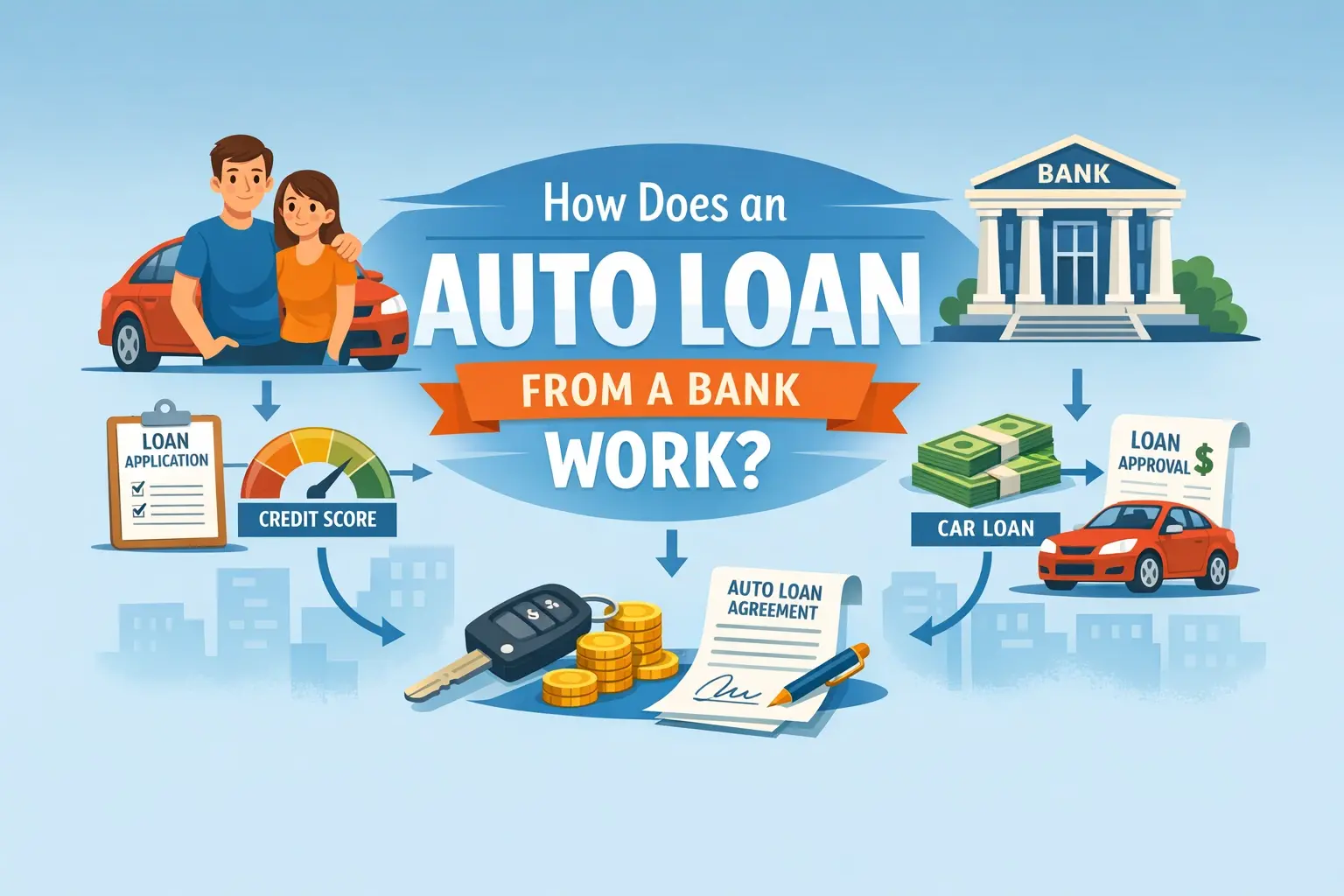
Banks: Your current bank or credit union may offer competitive rates, especially if you have a strong existing relationship.
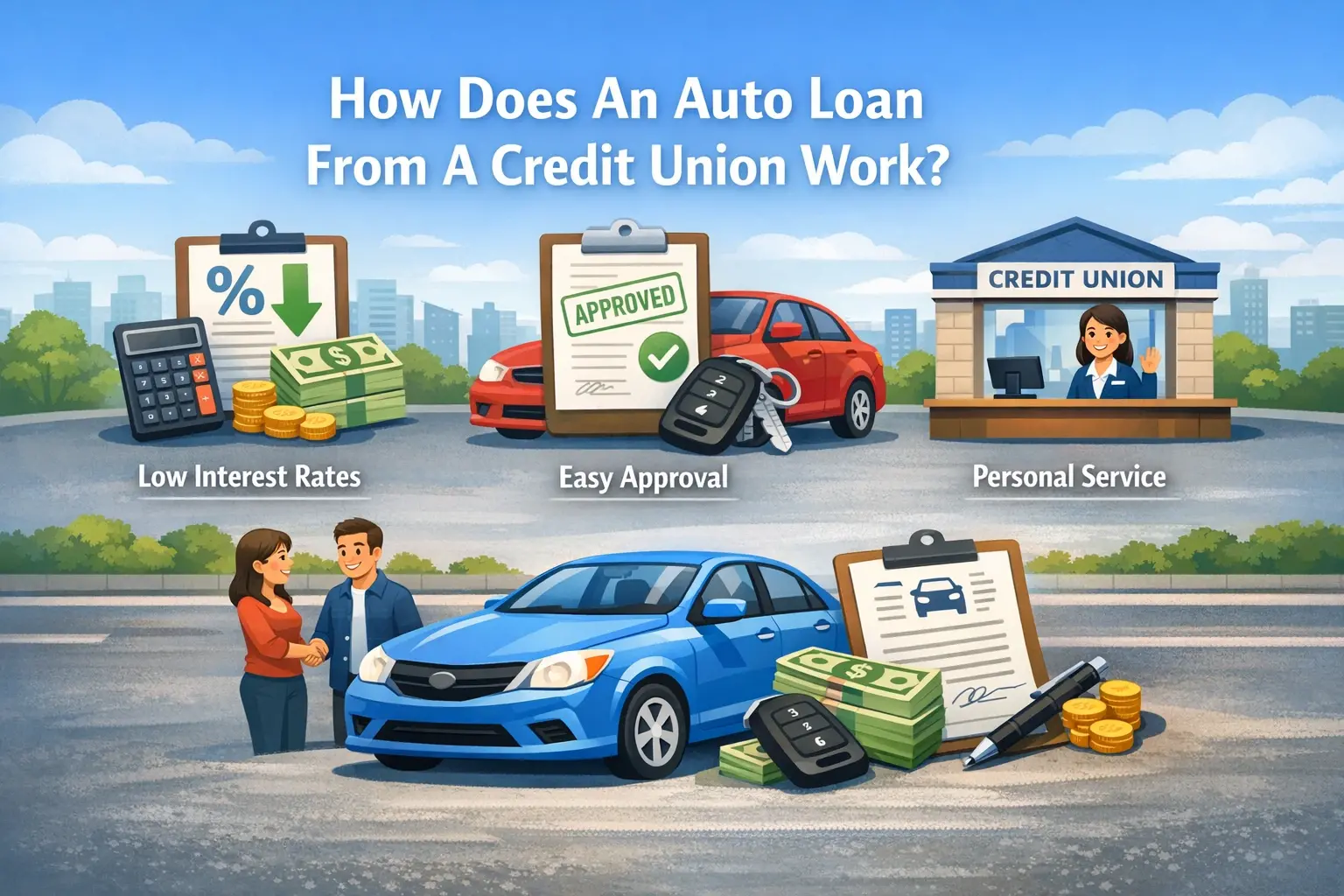
Credit Unions: Often known for offering lower rates and more flexible terms than traditional banks, credit unions are an excellent option, especially for members.
Online Lenders: A growing number of online lenders specialize in auto loans and can offer competitive rates due to lower overhead costs.
By comparing offers from at least three to five different lenders, you gain leverage. You can use the best rate you receive as a bargaining chip with other lenders.
Leveraging Pre-Approval
Getting pre-approved for an auto loan before you visit a dealership is a game-changer. Pre-approval involves a lender reviewing your credit and financial information to determine how much they are willing to lend you and at what interest rate. This process typically involves a hard credit inquiry, but it's worth it.
Benefits of pre-approval:
Know Your Budget: You'll know the maximum amount you can borrow, helping you set a realistic car budget.
Negotiating Power: You have a concrete offer in hand. You can present this to the dealership and ask if they can beat it. If they can't, you have a solid loan option secured.
Saves Time: You can focus on negotiating the car's price rather than the financing details at the dealership.
Avoids Financing Surprises: You won't be blindsided by financing terms offered at the last minute.
Lenders often provide pre-approval letters that are valid for a specific period (e.g., 30-60 days), giving you ample time to shop for a car.
Negotiating Your Rate
Don't be afraid to negotiate. If you have a pre-approval offer from another lender with a lower interest rate, use it. Dealerships and lenders often have flexibility, especially if they want your business. You can say something like, "I've been pre-approved for a loan at X% APR. Can you match or beat that rate?"
Remember that the interest rate is just one part of the financing equation. Also, pay attention to:
Loan Term: Ensure it aligns with your budget and financial goals.
Fees: Ask about origination fees, late fees, or prepayment penalties.
Total Cost of the Loan: Always look at the total amount you'll repay, not just the monthly payment.
The Role of a Down Payment
Increasing your down payment can significantly improve your chances of securing a lower interest rate. A larger down payment reduces the loan-to-value (LTV) ratio, which is the amount you're borrowing compared to the car's value. A lower LTV signals less risk to the lender.
For example, if you're buying a $25,000 car:
0% Down Payment: Loan amount is $25,000. Higher LTV, potentially higher rate.
10% Down Payment ($2,500): Loan amount is $22,500. Lower LTV, potentially better rate.
20% Down Payment ($5,000): Loan amount is $20,000. Even lower LTV, offering the best chance for the lowest rate.
Even a modest down payment can make a difference. If you can't afford a large down payment, consider saving for a few more months or exploring less expensive vehicle options.
Understanding Different Loan Types and Lenders
The type of lender you choose can significantly impact the rates and terms you receive. Each has its pros and cons.
Banks and Credit Unions
Pros: Often offer competitive rates, especially for existing customers. They are generally stable and trustworthy institutions. Credit unions, in particular, are member-owned and often prioritize member benefits, which can translate to better loan terms.
Cons: The application and approval process might sometimes be slower than with online lenders. Credit unions have membership requirements.
Online Lenders
Pros: Known for speed and convenience. Applications are often entirely online, and decisions can be made quickly. They can offer competitive rates due to lower overhead. Many cater to a wide range of credit scores.
Cons: Less personal interaction. Some may have less flexibility in negotiation. It's crucial to research the reputation and legitimacy of online lenders.
Dealership Financing
Pros: Convenience – you can arrange financing and buy the car all in one place. Dealerships sometimes have access to special manufacturer-backed financing deals or incentives that can lead to very low rates, especially on new cars.
Cons: Dealerships often act as intermediaries. They may mark up the interest rate offered by the actual lender to make a profit. It's essential to know the "buy rate" (the rate the lender offers the dealership) and compare it to what they offer you. Always get pre-approved elsewhere first to have a benchmark.
The Real-World Impact of Your Interest Rate
The difference between a 5% APR and a 10% APR on an auto loan can amount to thousands of dollars over the life of the loan. This directly impacts your monthly budget and your overall financial health.
Calculating Your Potential Savings
Let's illustrate the savings with a $25,000 car loan over 60 months:
Scenario 1: 5% APR
Monthly Payment: Approximately $483.31
Total Interest Paid: Approximately $3,998.60
Total Cost of Loan: Approximately $28,998.60
Scenario 2: 10% APR
Monthly Payment: Approximately $528.20
Total Interest Paid: Approximately $6,692.00
Total Cost of Loan: Approximately $31,692.00
In this example, a 5% difference in APR results in a monthly payment difference of nearly $45 and a total savings of over $2,693 over five years. This is a substantial amount that could be used for other financial goals, such as saving for retirement, paying down other debts, or investing.
Knowing When to Walk Away
If the interest rates offered are significantly higher than what you believe is fair for your credit profile, or if the monthly payments are stretching your budget too thin, it might be wise to reconsider the purchase or the vehicle itself. Sometimes, waiting to improve your credit score or save for a larger down payment can lead to much better loan terms in the future.
A good auto loan interest rate is one that is competitive for your credit profile and makes the overall cost of the vehicle affordable and manageable for your budget. It's about finding the sweet spot that balances borrowing cost with your financial capacity.
Conclusion: Driving Towards a Smarter Auto Loan
Navigating the world of auto loan interest rates can seem complex, but understanding the key factors and employing strategic approaches can lead to significant savings. In 2025-2026, a "good" auto loan interest rate is highly dependent on your creditworthiness, with borrowers enjoying excellent credit potentially securing rates below 4% for new vehicles. For those with good to very good credit, rates in the 4%-7% range are achievable and represent excellent value.
Remember that your credit score is paramount. Improving your score by paying bills on time, reducing debt, and checking your credit reports regularly is the most impactful step you can take. Beyond credit, shopping around diligently among banks, credit unions, and online lenders, leveraging pre-approval, and considering a down payment are critical strategies. Never underestimate the power of negotiation. By being an informed and prepared consumer, you can secure an auto loan that aligns with your financial goals and saves you thousands over the vehicle's lifespan. Drive smart, and drive with a loan that works for you.
null
What Is A Good Auto Loan Interest Rate

Krystin Bresolin