-
Posted on: 25 Feb 2026
-
Understanding what constitutes a "good" auto loan Annual Percentage Rate (APR) is crucial for saving significant money over the life of your car loan. This guide breaks down the factors influencing APR, provides current 2025-26 benchmarks, and offers strategies to secure the best possible rate for your next vehicle purchase.
What is an Auto Loan APR?
The Annual Percentage Rate (APR) on an auto loan is more than just the interest rate. It's a comprehensive measure of the cost of borrowing money, expressed as a yearly rate. While the interest rate is the percentage charged on the principal loan amount, the APR also includes other fees associated with obtaining the loan, such as origination fees, processing fees, and sometimes even credit insurance premiums, if applicable. Essentially, APR provides a more accurate, all-encompassing picture of how much your car loan will truly cost you annually. Understanding this distinction is fundamental when comparing loan offers, as two loans with the same advertised interest rate might have different APRs due to varying fee structures.
APR vs. Interest Rate: A Crucial Distinction
It's easy to conflate APR with the interest rate, but they are not interchangeable. The interest rate is simply the cost of the money you borrow, calculated as a percentage of the principal. For example, a 5% interest rate on a $20,000 loan means you'll pay $1,000 in interest over one year, assuming simple interest. However, if that same loan has a 1% origination fee ($200), the APR would be higher than 5% because it accounts for that fee spread over the loan term. Lenders are required by law to disclose the APR, making it a standardized metric for consumers to compare the true cost of credit across different financial institutions. Always look at the APR when shopping for an auto loan to ensure you're getting the most cost-effective deal.
Key Factors Influencing Your Auto Loan APR
Several elements play a significant role in determining the APR you'll be offered for an auto loan. Lenders assess these factors to gauge your creditworthiness and the risk associated with lending you money. The better your profile in these areas, the lower your APR is likely to be.
Your Credit Score: The Biggest Determinant
Your credit score is arguably the most critical factor influencing your auto loan APR. Scores range from 300 to 850, with higher scores indicating a lower risk to lenders. A good credit score demonstrates a history of responsible borrowing and timely payments. Lenders use your score to predict the likelihood of you repaying the loan. For 2025-26, a credit score of 740 or higher is generally considered excellent, often qualifying you for the best available APRs. Scores between 670 and 739 are considered good, while scores below 670 may result in higher APRs or even loan denial.
Typical APRs by Credit Score Tier (2025-26 Estimates)
While these are estimates and can fluctuate based on market conditions and specific lenders, they provide a general idea:
Excellent Credit (740+): Typically 4.0% - 6.5% APR
Good Credit (670-739): Typically 6.0% - 9.0% APR
Fair Credit (580-669): Typically 9.0% - 15.0% APR
Poor Credit (Below 580): Can be 15.0% APR and significantly higher, or require a co-signer.
Loan Term Length
The duration of your loan, or loan term, also impacts the APR. Shorter loan terms generally come with lower APRs. This is because the lender's risk is reduced; they get their money back sooner, and there's less opportunity for economic changes to affect the borrower's ability to repay. Conversely, longer loan terms, while resulting in lower monthly payments, often carry higher APRs to compensate the lender for the extended risk period. For instance, a 36-month loan will likely have a lower APR than a 72-month loan for the same vehicle and borrower.
Loan Amount
The amount you borrow can sometimes influence the APR. For very small loan amounts, lenders might charge a slightly higher APR to cover their administrative costs, as the profit margin is smaller. Conversely, for extremely large loan amounts, the perceived risk might increase, potentially leading to a higher APR. However, for typical new and used car loan amounts in the 2025-26 market, this factor is often less significant than credit score or loan term.
Down Payment Size
A larger down payment reduces the amount of money you need to borrow, thereby lowering the loan-to-value (LTV) ratio. A lower LTV ratio signifies less risk for the lender, as you have more equity in the vehicle from the outset. This can often translate into a more favorable APR. For example, putting down 20% on a car will likely get you a better APR than putting down only 5%.
Vehicle Age and Mileage
The type of vehicle you're financing also matters. New cars typically qualify for lower APRs than used cars. This is because new vehicles are generally more reliable and hold their value better, making them less risky collateral for the lender. Used cars, especially older ones with higher mileage, may come with higher APRs due to increased risk of mechanical issues and faster depreciation.
Lender Type
Where you get your auto loan can also affect the APR. Different types of lenders have different cost structures and risk appetites:
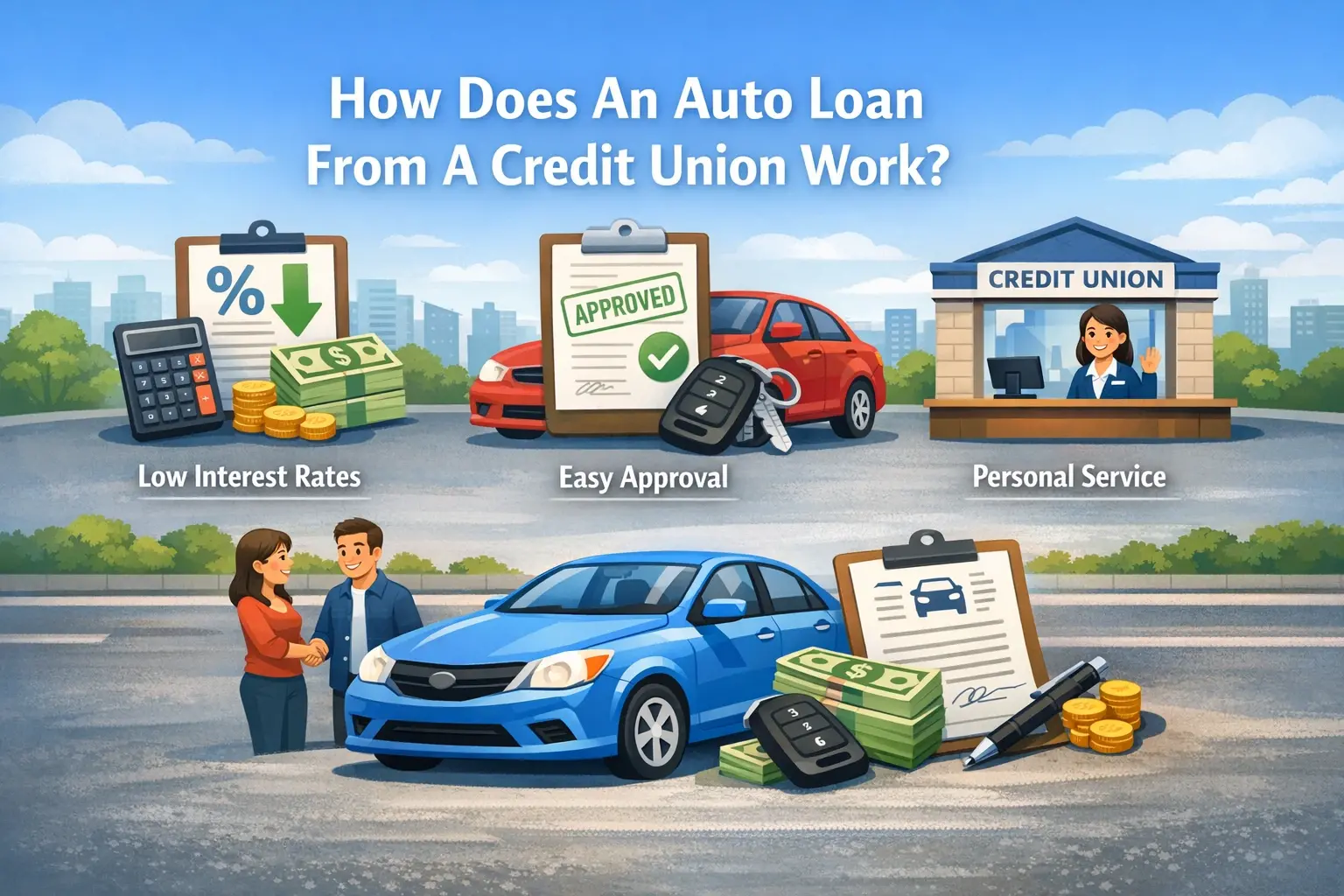
Credit Unions: Often offer competitive rates, especially for members, as they are non-profit organizations focused on serving their members.
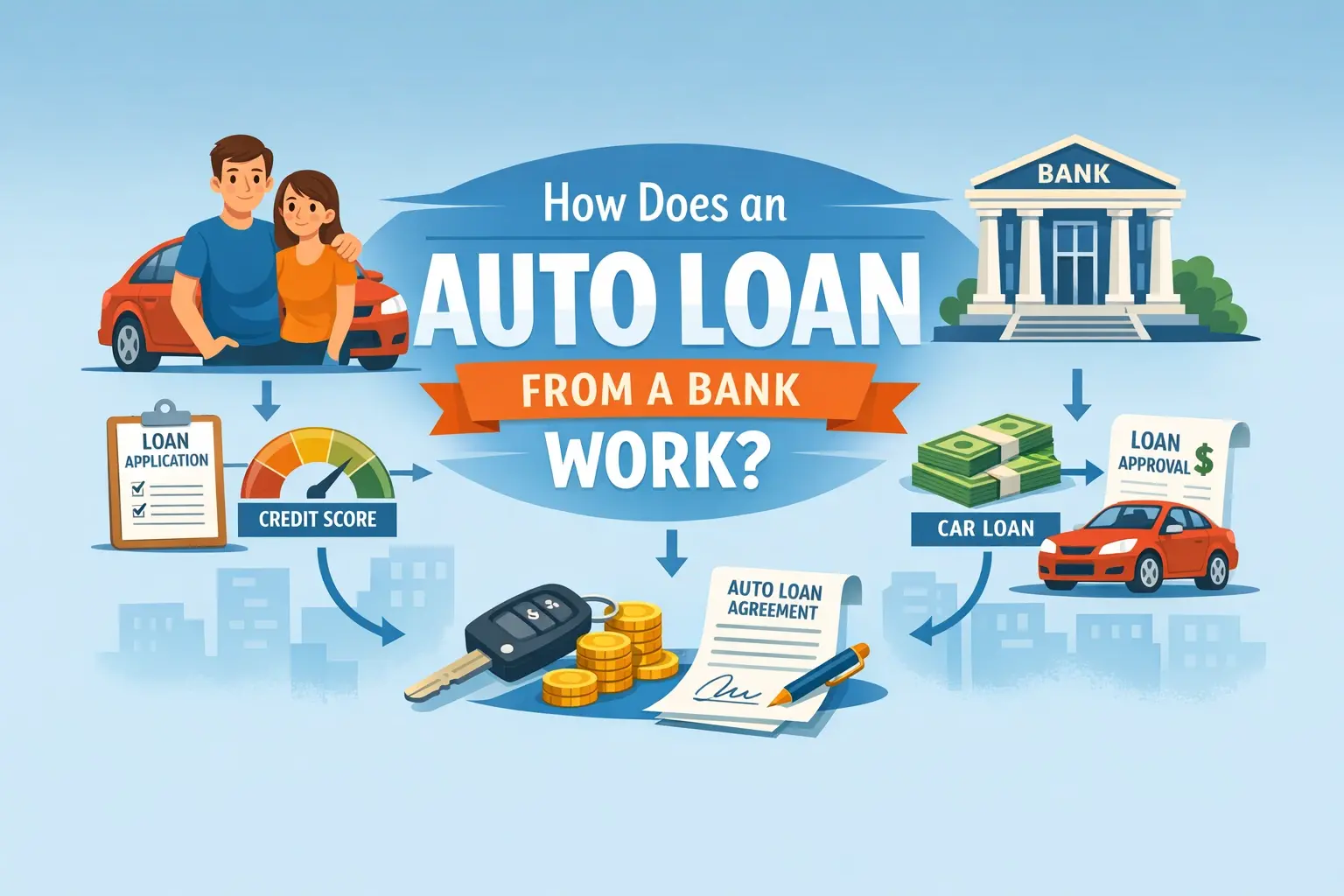
Banks: Can offer competitive rates, particularly if you have an existing relationship with them.
Dealership Financing (Captive Lenders): Manufacturers' financing arms (e.g., Ford Credit, Toyota Financial Services) often have special promotional APRs, sometimes as low as 0% for highly qualified buyers on new vehicles. However, these are not always available for used cars or for buyers with less-than-perfect credit.
Online Lenders: A growing segment offering convenience and competitive rates, but it's essential to compare offers carefully.
Current Auto Loan APR Benchmarks (2025-26)
The automotive lending market is dynamic, with APRs influenced by broader economic factors like the Federal Reserve's interest rate policies, inflation, and overall market demand. For 2025 and 2026, we're seeing a landscape shaped by efforts to manage inflation while stimulating economic activity. Here’s a look at typical APR ranges for new and used car loans, keeping in mind that these are averages and your specific rate will depend on the factors discussed previously.
New Car Loan APRs (2025-26)
New car loans generally benefit from lower APRs due to the perceived lower risk associated with new, reliable vehicles and often manufacturer-backed incentives. For borrowers with excellent credit (740+), APRs for new cars in 2025-26 are typically range from 4.0% to 6.5%. These rates can dip even lower, sometimes into promotional 0% APR offers, for specific models or during manufacturer sales events, but these are usually tied to shorter loan terms (e.g., 36 or 48 months) and require top-tier credit. For borrowers with good credit (670-739), expect rates in the 6.0% to 9.0% range. Fair credit borrowers might see rates from 9.0% to 15.0%, and those with poor credit could face rates exceeding 15% or require a co-signer.
Used Car Loan APRs (2025-26)
Financing a used car typically comes with higher APRs compared to new cars. This is due to the increased risk associated with older vehicles, potential for higher maintenance costs, and faster depreciation. For borrowers with excellent credit (740+), used car APRs in 2025-26 are generally in the range of 5.0% to 8.0%. Good credit borrowers might expect rates between 7.0% and 11.0%. Fair credit borrowers could see APRs from 11.0% to 18.0%, and poor credit borrowers may face rates above 18%, often with stricter loan terms or higher down payment requirements.
Impact of Used Car Age on APR
The age and mileage of a used car significantly influence its APR. Very recent used models (1-3 years old) might have APRs close to new car rates, especially if certified pre-owned (CPO). Older vehicles, particularly those over 5-7 years old or with over 100,000 miles, will almost certainly carry higher APRs due to the increased risk of mechanical issues and diminished resale value.
Credit Union and Bank Rates
Credit unions and traditional banks are often competitive. In 2025-26, you might find new car loan APRs from these institutions for well-qualified borrowers ranging from 4.5% to 7.0%, and used car APRs from 5.5% to 9.0%. These rates can be even better if you have a strong existing relationship with the bank or credit union.
Online Lender Rates
Online lenders can be very competitive, offering convenience and potentially lower overheads. Their APRs for new cars might range from 4.0% to 7.5% for prime borrowers, and for used cars from 5.0% to 10.0%. It's crucial to compare offers from multiple online lenders, as their offerings can vary widely.
What is Considered a "Good" Auto Loan APR?
Defining a "good" auto loan APR isn't a one-size-fits-all answer. It's relative to your individual financial profile and the prevailing market conditions. However, we can establish benchmarks based on creditworthiness and loan type for the 2025-26 period.
For Excellent Credit (740+)
If you have an excellent credit score, a "good" APR for a new car loan in 2025-26 would be at the lower end of the spectrum, ideally between 4.0% and 5.5%. For a used car, a good APR would be in the 5.0% to 7.0% range. Securing rates below these benchmarks, especially during promotional periods, is considered excellent.
For Good Credit (670-739)
Borrowers with good credit can still achieve favorable rates. A good APR for a new car loan would likely fall between 6.0% and 8.0%. For a used car, a good APR would be in the 7.0% to 10.0% range. While not the absolute lowest rates, these are still considered competitive and will result in manageable monthly payments and reasonable total interest paid.
For Fair Credit (580-669)
For those with fair credit, the definition of "good" shifts. A "good" APR might be considered anything that is not excessively high and allows for manageable payments. For a new car, this could be in the 9.0% to 13.0% range, and for a used car, 11.0% to 16.0%. The primary goal here is to secure a loan that is affordable and to focus on improving credit to refinance later.
What Makes an APR Stand Out?
Below Market Averages: Any APR significantly lower than the current market averages for your credit tier is excellent.
Promotional Offers: 0% or low APR financing deals from manufacturers are the gold standard, but these often come with strict eligibility requirements and may mean foregoing other incentives like cash rebates.
Low Fees: A good APR also implies minimal or no hidden fees. Always check the loan estimate for all associated costs.
Competitive Offers: Shopping around and getting multiple quotes allows you to identify the best available rate for your specific situation. If you secure an offer that's notably better than others, it's a good sign.
How Different Loan Types Affect APR
The structure and purpose of an auto loan can influence its APR. Understanding these differences helps in choosing the most suitable financing option.
New Car Loans
As discussed, new car loans typically have the lowest APRs. This is due to the vehicle's newness, warranty, and the fact that manufacturers often subsidize rates to boost sales. Promotional APRs, sometimes as low as 0%, are common for new vehicles. These offers are highly attractive but often require excellent credit and may exclude other discounts.
Used Car Loans
Used car loans carry higher APRs because the collateral (the car) depreciates and carries more risk of mechanical failure. The older the car and the higher its mileage, the higher the APR tends to be. Lenders often set stricter terms and may require a larger down payment for used car financing.
Certified Pre-Owned (CPO) Loans
CPO vehicles are used cars that have undergone rigorous inspections and often come with extended warranties. Because of this added assurance and the higher quality of the vehicle, CPO loans may have APRs that are slightly lower than standard used car loans, sometimes approaching new car loan rates, especially from the manufacturer's captive finance company.
Direct vs. Dealership Financing
Direct Financing: This involves getting pre-approved for a loan directly from a bank, credit union, or online lender before you go to the dealership. The advantage is that you know your budget and have a rate in hand to compare against dealership offers. Rates from direct lenders are often competitive, especially from credit unions.
Dealership Financing: When you finance through the dealership, they act as an intermediary, working with various lenders (including their own captive finance companies). They may be able to secure promotional rates or match/beat competitor offers. However, dealerships sometimes mark up the APR offered by the lender to increase their profit. It's crucial to know the "buy rate" (the lender's actual rate) versus the "sell rate" (the rate they offer you). Always compare dealership offers to your pre-approved direct loan.
Lease Buyout Loans
If you're looking to purchase a car you're currently leasing, you might be able to get a lease buyout loan. The APR on these loans can vary. Sometimes, the manufacturer's finance company offers special rates for lease buyouts. If you secure financing from a third-party lender, it will be based on your creditworthiness and the vehicle's value.
Strategies to Secure a Lower Auto Loan APR
Securing the lowest possible APR can save you thousands of dollars over the life of your loan. Here are proven strategies to help you achieve this:
1. Improve Your Credit Score
This is the most impactful strategy. Before applying for a loan, take steps to boost your credit score:
Pay Bills on Time: Payment history is the biggest factor in your credit score.
Reduce Credit Utilization: Keep credit card balances low, ideally below 30% of your credit limit.
Check for Errors: Review your credit reports from Equifax, Experian, and TransUnion for any inaccuracies and dispute them.
Avoid Opening New Credit Unnecessarily: Each hard inquiry can slightly lower your score.
Consider working with a reputable credit repair service like Credit Repair Ease if you have significant credit issues. They can help identify and address problems on your credit report, potentially improving your score before you apply for a loan. A higher score opens the door to better APRs.
2. Shop Around Aggressively
Never accept the first loan offer you receive. Compare rates from multiple lenders, including:
Your current bank or credit union
Other credit unions you might be eligible to join
Online lenders specializing in auto loans
Dealerships (but use their offers as a point of comparison)
The difference between the highest and lowest APR offered can be substantial. Many lenders allow you to get pre-qualified with a "soft" credit check, which doesn't impact your score, so you can compare offers without penalty.
3. Get Pre-Approved
Obtaining pre-approval from a direct lender (bank, credit union, online lender) before visiting a dealership gives you significant leverage. You'll know exactly how much you can borrow and at what rate. This pre-approval acts as a benchmark, and you can then see if the dealership can beat it. If they can't, you have a solid financing option ready.
4. Negotiate the APR
Don't be afraid to negotiate the APR, especially if you have multiple competing offers. If a dealership offers you a rate that's higher than your pre-approved rate, inform them. They may be able to go back to their lenders or their own finance department to secure a better rate to earn your business. Remember, the APR is negotiable, just like the car's price.
5. Increase Your Down Payment
A larger down payment reduces the loan-to-value (LTV) ratio, which lowers the lender's risk. Even an extra few percentage points can make a difference. If possible, save up for a larger down payment to potentially qualify for a better APR and reduce your overall loan cost.
6. Choose a Shorter Loan Term
While this means higher monthly payments, shorter loan terms (e.g., 36 or 48 months) almost always come with lower APRs than longer terms (e.g., 60, 72, or 84 months). If your budget allows, opting for a shorter term can save you a significant amount in interest over time, even if the monthly payment is higher.
7. Consider a Co-signer
If your credit score is low, a co-signer with excellent credit might help you qualify for a lower APR. However, be aware that the co-signer is equally responsible for the loan, and their credit will be affected if payments are missed. Choose a co-signer very carefully.
8. Explore Manufacturer Incentives
Keep an eye on manufacturer websites and dealership promotions. Sometimes, automakers offer special low or 0% APR financing on select new models. These can be incredibly valuable, but they often require excellent credit and may not be available on all vehicles or for all loan terms.
The Real-World Impact of APR on Your Monthly Payments
The APR has a direct and significant impact on your monthly car payment and the total amount of interest you'll pay over the life of the loan. Even a seemingly small difference in APR can add up to thousands of dollars.
Illustrative Example (2025-26 Scenario)
Let's consider a $30,000 auto loan for a new car over 60 months. Here's how different APRs affect the monthly payment and total interest paid:
APR
Monthly Payment
Total Interest Paid
Total Loan Cost
4.5%
$566.04
$3,962.40
$33,962.40
6.0%
$585.09
$5,105.40
$35,105.40
8.0%
$612.45
$6,747.00
$36,747.00
10.0%
$639.97
$8,398.20
$38,398.20
Note: Calculations are approximate and for illustrative purposes.
Analysis:
As you can see:
The difference between a 4.5% APR and an 8.0% APR on this $30,000 loan is $51.41 per month. Over 60 months, that's an extra $3,084.60 paid in interest alone.
The difference between a 6.0% APR and a 10.0% APR is $54.88 per month, totaling an additional $3,292.80 in interest over the loan's life.
This clearly demonstrates why securing the lowest possible APR is paramount. It directly translates into lower monthly outlays and significant savings on the total cost of your vehicle.
Navigating Special Circumstances and Offers
The auto loan market often features unique situations and promotional offers that can impact APRs.
0% APR Financing
Manufacturer-backed 0% APR offers are the holy grail for car buyers. These are typically available on new vehicles for highly qualified buyers (usually with credit scores of 740+). While incredibly attractive, it's essential to understand that:
You often have to choose between 0% APR and a cash rebate or discount. Sometimes, taking the cash rebate and financing elsewhere at a competitive rate might be more financially beneficial.
These offers are usually limited to shorter terms (e.g., 36 or 48 months).
They are not universally available and depend on the specific make, model, and current sales incentives.
Subprime Auto Loans
For borrowers with poor credit (typically below 580), obtaining an auto loan can be challenging and will almost always come with a high APR. These loans are considered subprime. Lenders charge significantly higher rates to compensate for the increased risk of default. In 2025-26, APRs for subprime auto loans can easily exceed 15%, 20%, or even higher. Options might include:
Securing a loan from a lender specializing in subprime financing.
Having a co-signer with good credit.
Making a very substantial down payment.
Focusing on purchasing older, less expensive vehicles.
It's crucial to ensure the monthly payments are truly affordable, as default can severely damage your credit further.
Refinancing Options
If you already have an auto loan and your credit score has improved, or if interest rates have dropped significantly since you took out the loan, you may be able to refinance. Refinancing allows you to get a new loan with a potentially lower APR to pay off your existing loan. This can reduce your monthly payments and save you money on interest. The process involves applying for a new loan, and your eligibility and the new APR will depend on your current creditworthiness and market conditions.
Credit Score Impact on Refinancing
Your credit score is paramount when considering refinancing. If your score has improved since you initially financed the car, you are in a strong position to qualify for a better APR. For instance, if you initially financed with a 12% APR due to fair credit and have since improved your score to the "good" or "excellent" range, you could potentially refinance to a rate in the 5-8% range, leading to substantial savings. Before applying to refinance, it's wise to check your current credit score and report. Companies like Credit Repair Ease can assist in reviewing your credit and identifying areas for improvement, maximizing your chances of securing a lower rate when you refinance.
Conclusion: Driving Towards a Smarter Auto Loan
Understanding "What Is A Good Auto Loan APR" is a critical step toward making a financially sound decision when purchasing a vehicle. In the 2025-26 landscape, a good APR is relative, but for those with excellent credit, aiming for rates below 5.5% for new cars and 7.0% for used cars is a strong target. Borrowers with good credit should strive for rates in the 6-8% and 7-10% ranges, respectively. The APR is influenced by a multitude of factors, with your credit score being the most significant. By focusing on improving your credit, shopping around diligently, getting pre-approved, and negotiating effectively, you can significantly lower the cost of your auto loan.
Remember that even a small reduction in APR can translate into thousands of dollars saved over the loan's term. Always compare the Annual Percentage Rate (APR), which includes all fees, rather than just the interest rate. Take the time to research, compare offers from multiple lenders, and don't hesitate to negotiate. A little effort upfront can lead to substantial long-term financial benefits, ensuring you drive away not just with a new car, but with a smart and affordable financing plan that serves your budget well into the future.
null
What Is A Good Auto Loan Apr

Krystin Bresolin