-
Posted on: 19 Mar 2026
-
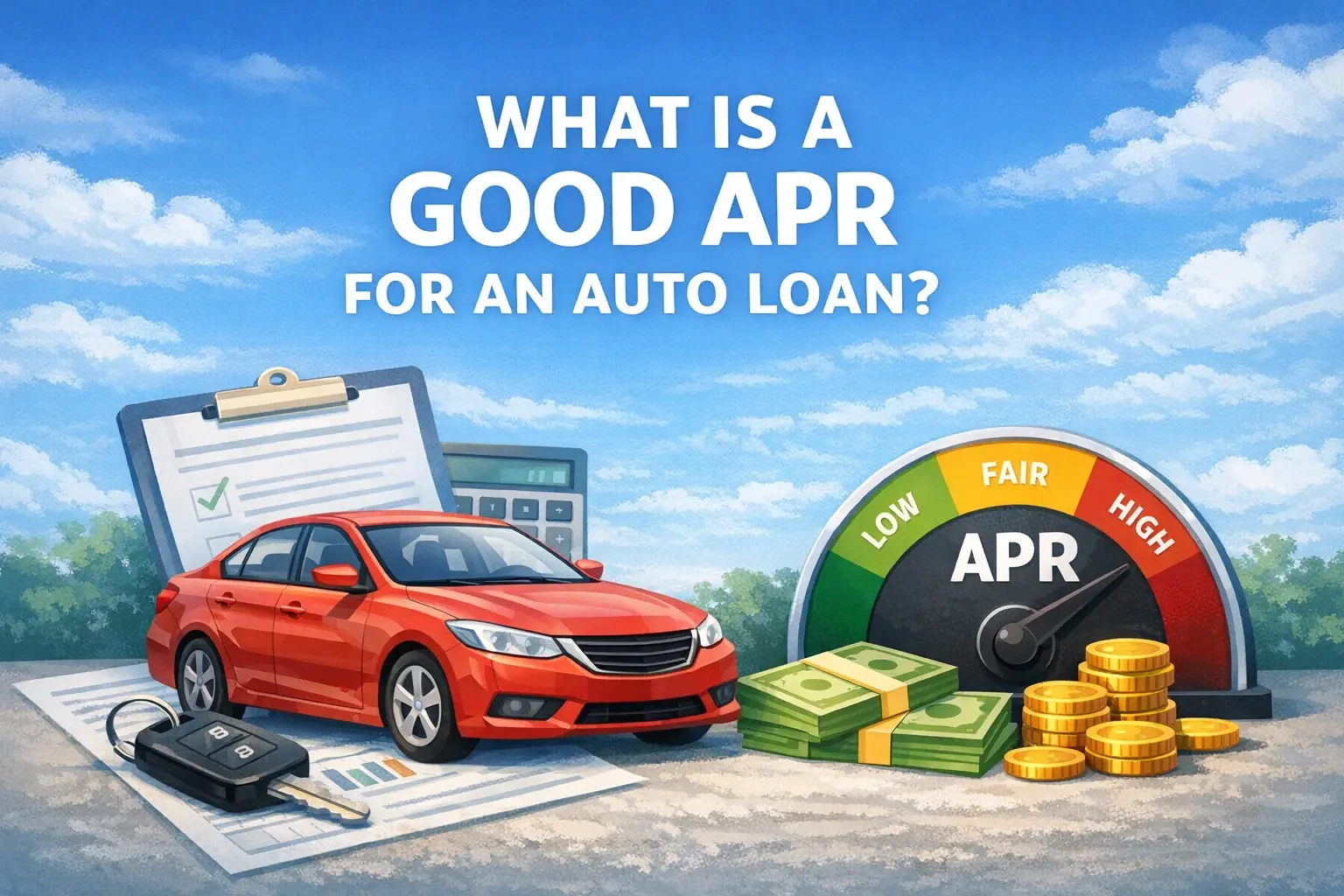
Understanding what constitutes a "good" Annual Percentage Rate (APR) for an auto loan is crucial for saving money over the life of your loan. This guide will break down the factors influencing auto loan APRs and provide insights into what rates you can expect in 2025-26, helping you secure the best possible deal on your next vehicle purchase.
Understanding Auto Loan APR
The Annual Percentage Rate (APR) is a critical figure when considering any loan, and auto loans are no exception. It represents the total cost of borrowing money over a year, expressed as a percentage. Unlike the simple interest rate, the APR includes not only the interest charged on the loan but also any additional fees associated with obtaining the loan, such as origination fees, application fees, or dealer fees. Therefore, the APR provides a more comprehensive picture of the true cost of your auto loan than the interest rate alone.
When you see an advertised auto loan rate, it's often the interest rate. However, the APR is the number you should focus on for comparison. A lower APR means you'll pay less in interest and fees over the life of the loan, leading to significant savings. For instance, a 0.5% difference in APR on a $30,000 loan over five years can amount to hundreds or even thousands of dollars in savings. Understanding this distinction is the first step toward making an informed decision about your car financing.
The APR is expressed as a yearly rate, but it's important to remember that your loan payments are typically made monthly. The lender calculates the interest accrued each month based on your outstanding balance and the APR. Over time, as you make payments, the principal balance decreases, and consequently, the amount of interest you pay each month also decreases, assuming a fixed-rate loan.
Key Factors Influencing Your Auto Loan APR
Several factors converge to determine the APR you will be offered for an auto loan. Lenders assess these elements to gauge the risk associated with lending you money. Understanding these drivers can empower you to improve your financial standing and qualify for more favorable rates.
Credit Score
Your credit score is arguably the most significant determinant of your auto loan APR. A higher credit score indicates to lenders that you are a responsible borrower with a history of managing debt effectively. This translates to lower perceived risk, and therefore, lenders are willing to offer you lower APRs. Scores typically range from 300 to 850, with higher scores commanding better rates.
Excellent Credit (750+): Typically qualifies for the lowest APRs, often promotional rates.
Good Credit (670-749): Can expect competitive rates, though slightly higher than excellent credit.
Fair Credit (580-669): Rates will be higher, reflecting increased risk.
Poor Credit (Below 580): May face very high APRs or require a co-signer, or may not qualify at all.
Credit History and Utilization
Beyond just the score, lenders examine your credit report for the depth and breadth of your credit history. This includes how long you've had credit accounts, the types of credit you use (e.g., credit cards, installment loans), and your payment history. A long history of on-time payments and responsible credit utilization (keeping credit card balances low relative to their limits) strengthens your application and can lead to a better APR.
Loan Term
The length of the loan, or loan term, also plays a role. Shorter loan terms generally come with lower APRs because the lender's risk is spread over a shorter period. Conversely, longer loan terms typically have slightly higher APRs to compensate for the extended period the lender is exposed to potential risks. We'll delve deeper into this later.
Loan Amount
While not as impactful as a credit score, the loan amount can sometimes influence the APR. Lenders might offer slightly different rates for very small or very large loan amounts, though this is less common for standard auto loans compared to other types of financing.
Down Payment
A larger down payment reduces the amount you need to borrow, which in turn lowers the lender's risk. Borrowing less means you have more "skin in the game," making you a more attractive borrower. This can sometimes lead to a slightly better APR, or at least increase your chances of approval.
Vehicle Age and Type
New cars typically have lower APRs than used cars. This is because new vehicles are considered less risky collateral. They depreciate at a predictable rate, and their value is generally easier to ascertain. Used cars, especially older ones, carry more uncertainty regarding their condition and future value, leading lenders to charge higher APRs to offset this increased risk.
Lender Type
Different types of lenders—banks, credit unions, and online lenders—may offer varying APRs based on their business models, overhead costs, and target customer base. Credit unions, often being non-profit organizations, may offer more competitive rates to their members. Online lenders can sometimes offer lower rates due to lower operational costs.
Economic Conditions
Broader economic factors, such as the Federal Reserve's benchmark interest rate, inflation, and the overall health of the economy, also influence auto loan APRs. When interest rates rise, auto loan APRs tend to follow suit.
Average Auto Loan APRs for 2025-2026
Predicting exact APRs for the future is challenging, as they are influenced by dynamic economic conditions and Federal Reserve policies. However, based on current trends and projections for 2025-2026, we can establish expected ranges. It's important to note that these are averages, and your personal APR can fall significantly above or below these figures based on the factors discussed previously.
As of late 2024, interest rates have seen some fluctuations. Projections for 2025-2026 suggest a potential stabilization or even a slight decrease in benchmark interest rates, which could translate to slightly more favorable auto loan APRs compared to the peak rates seen in 2023-2024. However, inflation and market volatility remain key considerations.
Credit Tier
Average APR Range (New Cars, 2025-2026 Projection)
Average APR Range (Used Cars, 2025-2026 Projection)
Excellent (750+)
3.5% - 5.5%
5.0% - 7.0%
Good (670-749)
5.0% - 7.5%
7.0% - 9.5%
Fair (580-669)
8.0% - 12.0%
10.0% - 15.0%
Poor (<580)
12.0% - 20.0%+
15.0% - 25.0%+
Note: These are projected averages and can vary significantly based on lender, loan term, and specific economic conditions.
For new cars, borrowers with excellent credit might see APRs in the mid-single digits, potentially even dipping below 4% if promotional rates are available. For those with good credit, rates could hover between 5% and 7.5%. Borrowers with fair credit will likely face APRs in the 8% to 12% range, while those with poor credit could be looking at rates exceeding 12%, and sometimes well into the 20s.
Used car loans generally carry higher APRs across all credit tiers. The projected ranges for used cars reflect the increased risk associated with pre-owned vehicles. For excellent credit, expect APRs to be a couple of percentage points higher than for new cars, perhaps in the 5% to 7% range. For good credit, this might be 7% to 9.5%. Fair credit users could see rates from 10% to 15%, and poor credit users might face APRs above 15%, potentially reaching 25% or more.
It's crucial to remember that these are just averages. The actual APR you receive will be personalized. For the most up-to-date information, it's always best to check with multiple lenders and consult financial news sources that track interest rate trends.
What Is Considered a "Good" APR for an Auto Loan?
Defining a "good" APR for an auto loan is subjective and depends heavily on your individual creditworthiness and the prevailing economic climate. However, we can establish benchmarks based on credit tiers and market conditions for 2025-2026.
For Borrowers with Excellent Credit (750+)
If you have an excellent credit score, a "good" APR would be anything at or below the lower end of the projected average range for new cars. For 2025-2026, this means an APR of under 4.5% for a new car and under 6.5% for a used car would be considered excellent. Securing a rate below 4% for a new car would be exceptional, especially if it's a manufacturer-backed promotional rate.
For Borrowers with Good Credit (670-749)
For those with good credit, a "good" APR would be within the projected average range, or even slightly better. For 2025-2026, this would translate to an APR of around 5.0% to 7.0% for a new car and around 7.0% to 9.0% for a used car. If you can secure a rate below 6% for a new car, that's a strong outcome.
For Borrowers with Fair Credit (580-669)
For borrowers in this category, a "good" APR is relative to the higher rates they are likely to encounter. Aiming for the lower end of the projected average range would be a success. For 2025-2026, this means striving for an APR of around 8.0% to 10.0% for a new car and around 10.0% to 12.0% for a used car. Anything below 10% for a new car would be a commendable achievement.
For Borrowers with Poor Credit (<580)
For individuals with poor credit, the definition of "good" is highly contextual. While APRs will inevitably be higher, a "good" outcome might mean finding a lender who is willing to approve the loan at all, and securing an APR that is not excessively punitive, perhaps below 15% for a new car and below 18% for a used car. It's crucial to shop around extensively and be aware of predatory lending practices.
General Rule of Thumb:
A widely accepted benchmark for a "good" auto loan APR in 2025-2026, assuming good to excellent credit, is generally considered to be below 7%. However, this is a broad generalization. The best APR for *you* is the lowest one you can qualify for based on your unique financial profile and the current market conditions.
It's also important to consider the total cost of the loan. A slightly higher APR on a shorter loan term might result in a lower overall cost than a lower APR on a much longer loan term. Always calculate the total amount you'll repay before making a decision.
Strategies for Securing the Best Auto Loan APR
Securing the lowest possible APR on your auto loan requires preparation and a strategic approach. Here are key strategies to employ:
1. Boost Your Credit Score
Before you even start shopping for a car or a loan, focus on improving your credit score. Pay down credit card balances, ensure all payments are made on time, and avoid opening new credit accounts unnecessarily in the months leading up to your loan application. Even a small increase in your score can lead to significant savings.
2. Get Pre-Approved
This is perhaps the most crucial step. Apply for pre-approval from multiple lenders before you visit a dealership. This includes banks, credit unions, and reputable online lenders. Pre-approval gives you a concrete APR offer based on your credit profile, which you can then use as leverage when negotiating with the dealership's finance department. It also sets a clear budget for your car purchase.
3. Shop Around and Compare Offers
Don't settle for the first offer you receive. Apply for pre-approval from at least three to five different lenders. Compare not only the APRs but also the loan terms, fees, and any other associated costs. A slightly higher APR from one lender might be offset by lower fees or a more favorable loan term.
4. Negotiate
Once you have pre-approval offers, you have leverage. If a dealership offers you financing, present your pre-approval letter. Ask them if they can beat the APR you've been offered. Dealerships often work with multiple lenders and may be able to match or even beat an external offer to secure your business.
5. Consider a Co-signer
If your credit score is less than ideal, consider asking a trusted friend or family member with excellent credit to co-sign your loan. A co-signer's creditworthiness can help you qualify for a lower APR. However, remember that a co-signer is equally responsible for the loan, and their credit will be impacted if payments are missed.
6. Make a Larger Down Payment
As mentioned earlier, a larger down payment reduces the loan amount and the lender's risk. If you can save up for a more substantial down payment, it can improve your chances of getting a better APR and reduce your overall borrowing costs.
7. Opt for Shorter Loan Terms
While longer loan terms result in lower monthly payments, they typically come with higher APRs and significantly more interest paid over time. If your budget allows, consider a shorter loan term (e.g., 36 or 48 months). You'll pay more per month, but you'll save money on interest and be car-payment free sooner.
8. Look for Special Offers and Incentives
Manufacturers sometimes offer special low-APR financing deals on new vehicles, especially during specific promotional periods. These rates can be significantly lower than what you might get from a traditional lender. Always check the manufacturer's website and dealership promotions.
By diligently following these strategies, you can significantly increase your chances of securing a competitive APR that saves you money throughout your auto loan's life.
Comparing Lenders: Banks, Credit Unions, and Online Lenders
The type of lender you choose can have a substantial impact on the APR you are offered. Each category of lender has its own advantages and disadvantages:
Traditional Banks
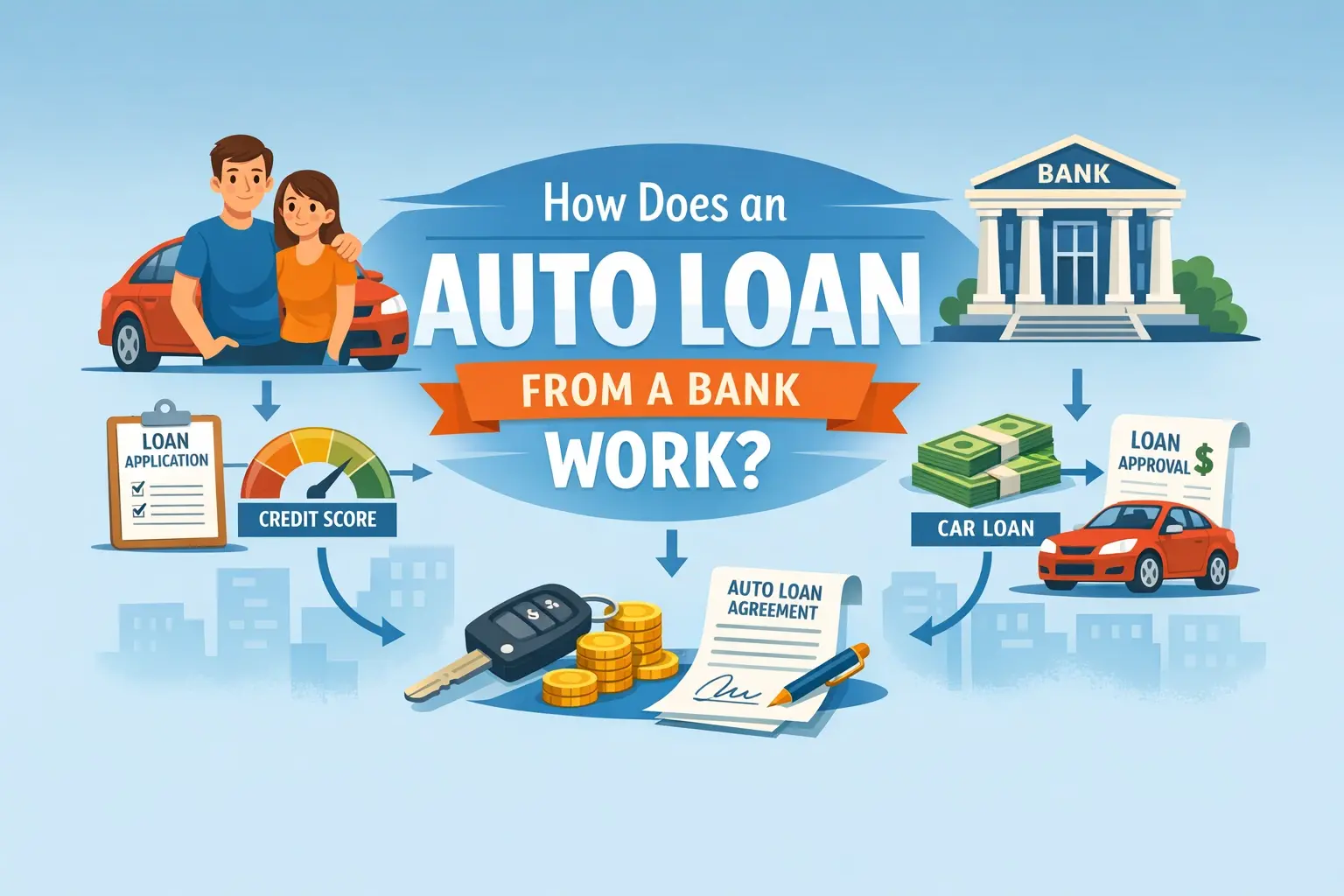
Pros: Established institutions with a wide range of financial products. Often convenient if you already have a banking relationship, as they may offer relationship discounts. Offer a tangible branch presence for in-person service.
Cons: Can sometimes have more stringent lending criteria. APRs may not always be the most competitive compared to credit unions or some online lenders.
Credit Unions
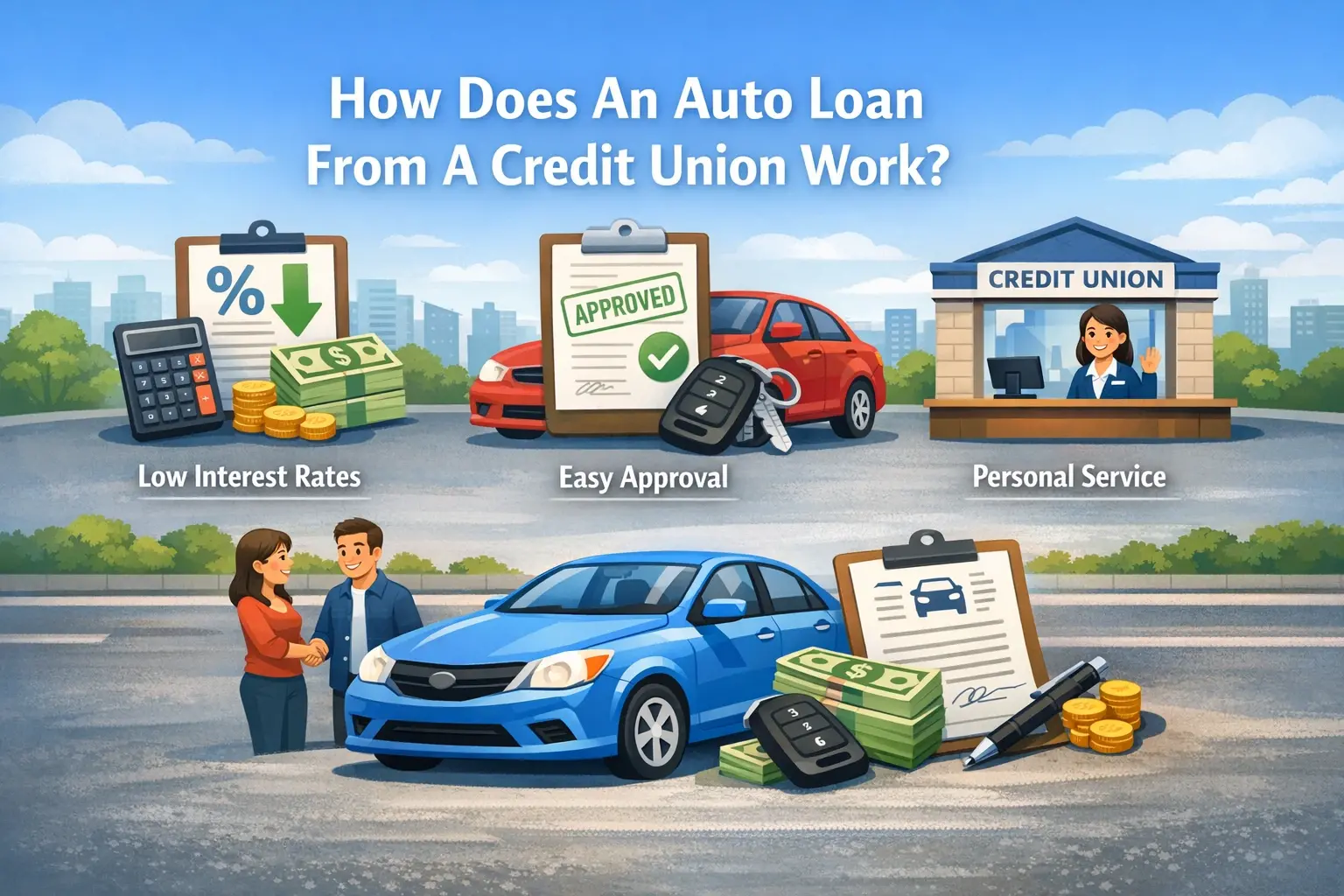
Pros: Non-profit organizations that often prioritize member benefits. Typically offer very competitive APRs, especially for members in good standing. Known for more personalized customer service and flexibility.
Cons: Membership is usually required, which often involves meeting certain criteria (e.g., living in a specific area, working for a particular employer, or joining an affiliated organization). Limited branch network compared to large national banks.
Online Lenders
Pros: Often provide the most competitive APRs due to lower overhead costs. Offer a fast and convenient application process, often with quick funding. A wide variety of online lenders means more options to compare.
Cons: Lack of in-person interaction can be a drawback for some. Approval processes can sometimes feel less transparent. It's crucial to research the reputation and legitimacy of online lenders.
Example Comparison (Hypothetical 2025 Scenario):
Let's consider a borrower with good credit applying for a $25,000, 60-month loan for a new car:
Bank A: Offers 6.5% APR. Total interest paid: $4,174.
Credit Union B (Membership required): Offers 5.8% APR. Total interest paid: $3,655.
Online Lender C: Offers 5.5% APR. Total interest paid: $3,477.
In this hypothetical scenario, the online lender offers the lowest APR and the least total interest paid. However, the credit union is a close second and might be preferred by someone who values membership benefits and local service. The traditional bank's offer is competitive but higher.
Recommendation: Always include lenders from all three categories in your comparison shopping. Don't assume one type of lender is always the cheapest. Your individual credit profile and the current market will dictate where you find the best deal.
The Impact of Loan Term on Your APR
The duration of your auto loan, known as the loan term, has a direct and significant impact on both your monthly payments and the total interest you will pay. Lenders often adjust APRs based on the loan term, with longer terms generally carrying higher rates.
Shorter Loan Terms (e.g., 36-48 months)
Pros:
Typically come with lower APRs.
You pay off the loan faster, saving substantial amounts on total interest.
You build equity in your vehicle more quickly, reducing the risk of being "upside down" (owing more than the car is worth).
Cons:
Higher monthly payments, which may strain your budget.
May be harder to qualify for if your income doesn't support the higher payments.
Longer Loan Terms (e.g., 60-72 months, sometimes 84 months)
Pros:
Lower monthly payments make the car more affordable on a monthly basis.
Can help you qualify for a more expensive vehicle than you could afford with a shorter term.
Cons:
Usually come with higher APRs.
You pay significantly more in total interest over the life of the loan.
You are more likely to be upside down on your loan for a longer period.
The vehicle will be older and have more mileage by the time you pay it off, potentially leading to increased maintenance costs.
Illustrative Example (2025 Data):
Consider a $30,000 auto loan for a new car with an APR based on the loan term:
48-month term: APR 5.0%
Monthly Payment: $690.72
Total Interest Paid: $3,154.56
Total Cost: $33,154.56
60-month term: APR 5.8%
Monthly Payment: $574.97
Total Interest Paid: $4,498.20
Total Cost: $34,498.20
72-month term: APR 6.5%
Monthly Payment: $490.44
Total Interest Paid: $5,811.68
Total Cost: $35,811.68
As you can see, stretching the loan term from 48 to 72 months increases the total interest paid by over $2,600, even though the monthly payment decreases by nearly $200. This highlights the trade-off between affordability and cost.
Recommendation: While longer terms offer lower monthly payments, always aim for the shortest loan term you can comfortably afford. The long-term savings on interest are substantial. If you're tempted by a longer term for affordability, consider if you can commit to paying extra each month to shorten the loan's life and reduce interest.
New vs. Used Car APRs: What to Expect
The distinction between financing a new car and a used car is a significant factor in the APR you'll be offered. Lenders generally view these two types of loans differently, primarily due to the perceived risk associated with the collateral.
New Car APRs
Why are they typically lower:
Predictable Depreciation: New cars have a well-documented depreciation curve. Their value is easier for lenders to assess and predict.
Warranty Coverage: New vehicles come with manufacturer warranties that cover repairs for a specified period. This reduces the likelihood of the car becoming a financial burden due to unexpected mechanical issues.
Lower Risk Collateral: A new car is considered a more secure and reliable asset for the lender.
Manufacturer Incentives: Automakers often offer special low-APR financing deals on new models to boost sales. These promotional rates can be significantly lower than standard market rates.
Projected Ranges (2025-2026): As previously mentioned, borrowers with excellent credit might secure new car APRs between 3.5% and 5.5%. Those with good credit could see rates from 5.0% to 7.5%.
Used Car APRs
Why are they typically higher:
Uncertainty of Condition: The mechanical condition and maintenance history of a used car can be difficult to ascertain fully, even with inspections.
Depreciation Variability: While used cars depreciate, the rate can be more unpredictable, especially for older models or those with higher mileage.
Lack of Warranty: Most used cars are sold "as-is" or with limited dealer warranties, meaning the borrower assumes more risk for future repairs.
Age and Mileage: Older vehicles with higher mileage are inherently riskier collateral.
Projected Ranges (2025-2026): For used cars, expect APRs to be higher across the board. Borrowers with excellent credit might see rates from 5.0% to 7.0%, while those with good credit could be looking at 7.0% to 9.5%. For fair or poor credit, these rates can climb considerably higher.
Example Comparison (Hypothetical 2025 Scenario):
Consider two borrowers, both with good credit, seeking a $20,000 loan for 60 months:
Borrower 1 (New Car): APR 6.0%
Monthly Payment: $384.20
Total Interest Paid: $2,052.00
Total Cost: $22,052.00
Borrower 2 (Used Car): APR 8.0%
Monthly Payment: $414.48
Total Interest Paid: $2,868.80
Total Cost: $22,868.80
The difference in APR (2%) results in over $800 more in interest paid over the life of the loan for the used car. This difference can be even more pronounced with higher APRs.
Recommendation: If your primary goal is to secure the lowest possible APR, a new car often presents a better opportunity, especially with manufacturer incentives. However, if a used car is your preference or necessity, be prepared for potentially higher rates and focus on shopping around aggressively to mitigate this.
When to Consider Refinancing Your Auto Loan
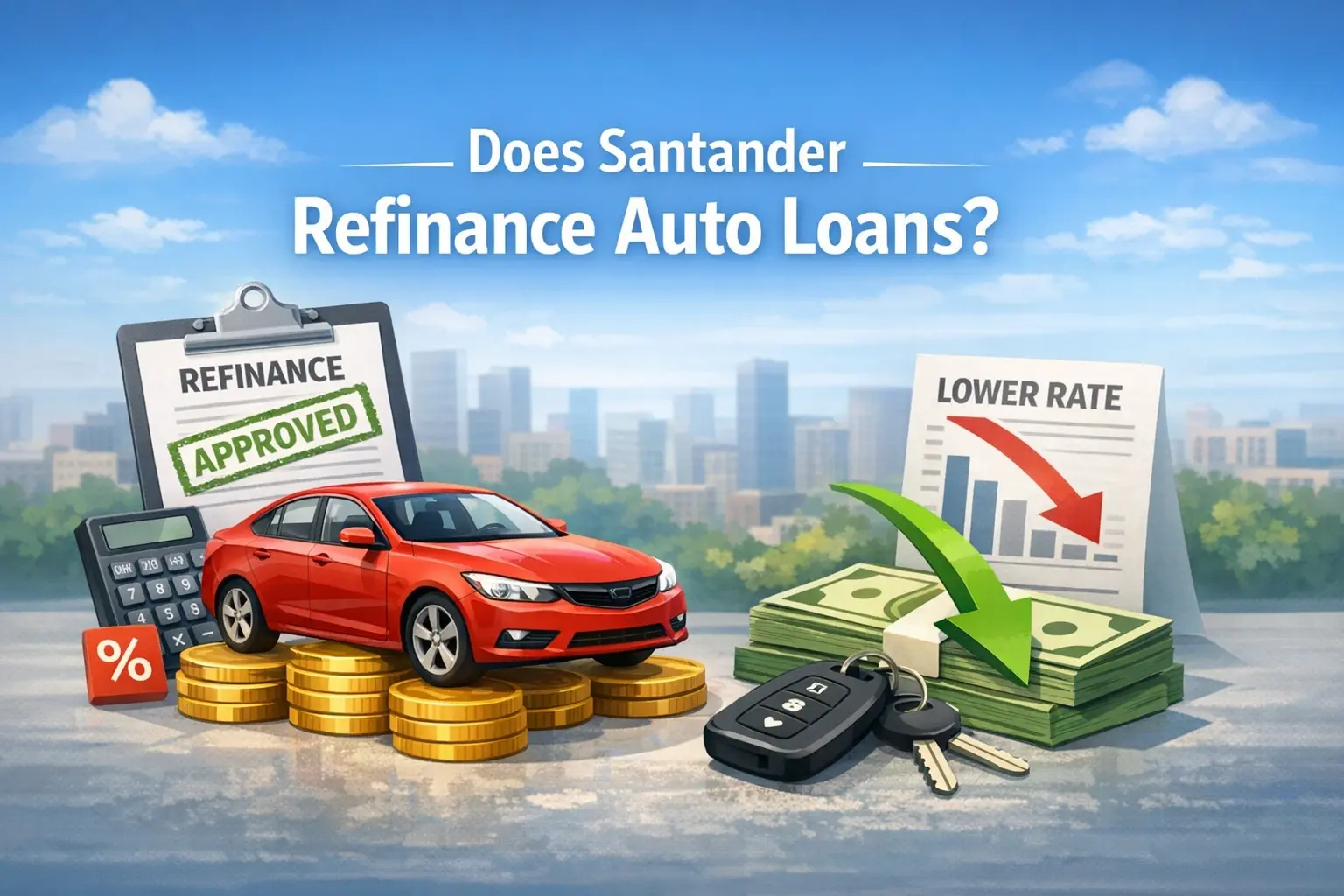
Refinancing your auto loan involves replacing your current loan with a new one, typically with different terms and, ideally, a lower APR. This can be a smart financial move under several circumstances.
Reasons to Refinance:
Lowering Your APR: If your credit score has improved significantly since you took out the original loan, or if market interest rates have dropped, you may qualify for a lower APR. This is the most common and beneficial reason to refinance.
Reducing Your Monthly Payment: You can refinance into a loan with a longer term, which will lower your monthly payments. However, be mindful that this usually means paying more interest over the life of the loan.
Removing a Co-signer: If you initially had a co-signer and your credit has improved, you may be able to refinance the loan in your name only.
Getting Rid of PMI (less common for auto loans): While Private Mortgage Insurance (PMI) is for mortgages, some auto loans might have similar fees or structures that could be eliminated through refinancing.
When is the Best Time to Refinance?
Credit Score Improvement: The most opportune time is when your credit score has increased by at least 25-50 points, and you've maintained a good payment history.
Interest Rate Drops: If the Federal Reserve lowers interest rates, or if market conditions lead to generally lower auto loan APRs, it's worth exploring refinancing.
Mid-Loan Term: Refinancing is often most beneficial when you still have a significant portion of your loan balance remaining. Refinancing too early might incur fees that outweigh the benefits, and refinancing too late may not offer enough time to see substantial savings.
When You Need Cash Flow: If you're facing unexpected financial challenges, extending your loan term through refinancing can lower your monthly payments, providing immediate relief.
The Refinancing Process:
The process is similar to applying for an initial auto loan:
Check Your Credit: Ensure your credit score is in good shape.
Shop Around: Get quotes from multiple lenders (banks, credit unions, online lenders).
Compare Offers: Look at the APR, loan term, fees (origination, title transfer, etc.), and the total cost of the new loan.
Apply: Submit your application to the lender offering the best terms.
Finalize: If approved, you'll sign new loan documents, and the new lender will pay off your old loan.
Important Consideration: Be aware of any early payoff penalties on your current loan. Also, factor in any fees associated with the new loan. For a refinance to be worthwhile, the savings in interest or the reduction in monthly payments (if desired) should outweigh these costs.
Conclusion: Driving Towards Financial Savings
Understanding "What Is A Good APR For An Auto Loan" is a cornerstone of smart car ownership. In the 2025-2026 landscape, a good APR is highly personalized, but generally, borrowers with excellent credit should aim for rates below 4.5% for new cars and below 6.5% for used cars. For those with good credit, targets around 5-7% for new and 7-9% for used are achievable. For fair credit, aiming below 10-12% is a strong goal.
The key to securing these favorable rates lies in diligent preparation: improving your credit score, shopping around with multiple lenders, and leveraging pre-approval offers. Remember that the loan term, vehicle type (new vs. used), and lender choice all significantly influence the APR. Longer terms mean lower monthly payments but higher overall interest, while new cars typically offer lower rates than used ones.
Don't overlook the power of refinancing if your financial situation or market conditions change. By staying informed and proactive, you can ensure your auto loan works for your financial well-being, saving you potentially thousands of dollars over the years. Make informed decisions, and drive away with not just a new car, but also a smart financial deal.
null
What Is A Good Apr For An Auto Loan

Krystin Bresolin