-
Posted on: 23 Feb 2026
-
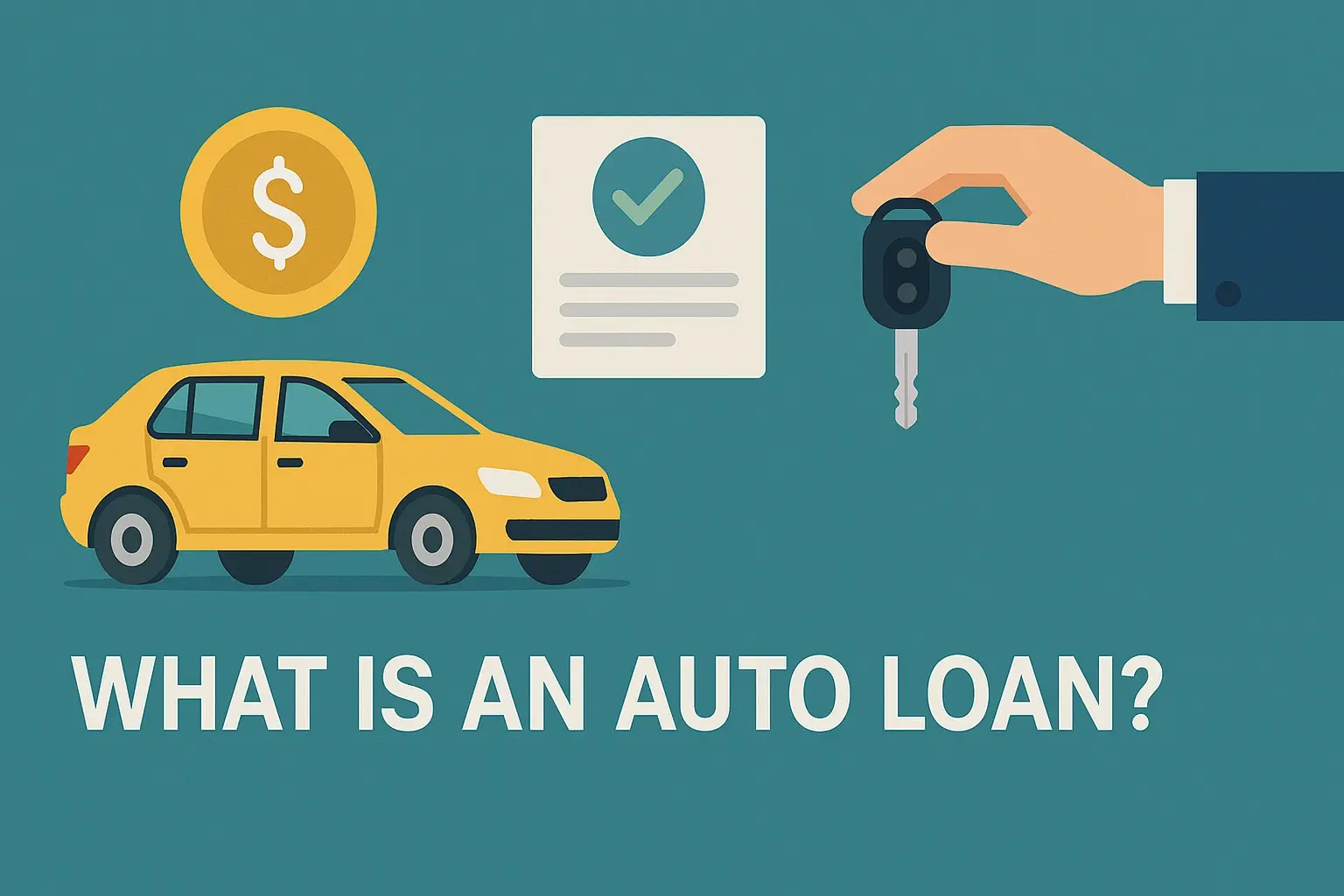
Understanding what an auto loan is forms the bedrock of responsible car ownership. This comprehensive guide demystifies auto loans, explaining their mechanics, types, and the crucial factors involved in securing one. We aim to equip you with the knowledge to navigate the car financing landscape confidently and make informed decisions for your next vehicle purchase.
What Exactly Is An Auto Loan?
At its core, an auto loan is a type of secured personal loan specifically designed to help individuals finance the purchase of a new or used vehicle. When you take out an auto loan, a lender – typically a bank, credit union, or specialized auto finance company – provides you with the funds needed to buy a car. In return, you agree to repay this amount over a set period, usually between 3 and 7 years, with interest. The vehicle you purchase serves as collateral for the loan, meaning if you fail to make your payments, the lender has the legal right to repossess the car to recover their losses. Auto loans are a ubiquitous financial tool, enabling millions of people annually to acquire personal transportation without needing to pay the full purchase price upfront.
How Auto Loans Work: The Mechanics Explained
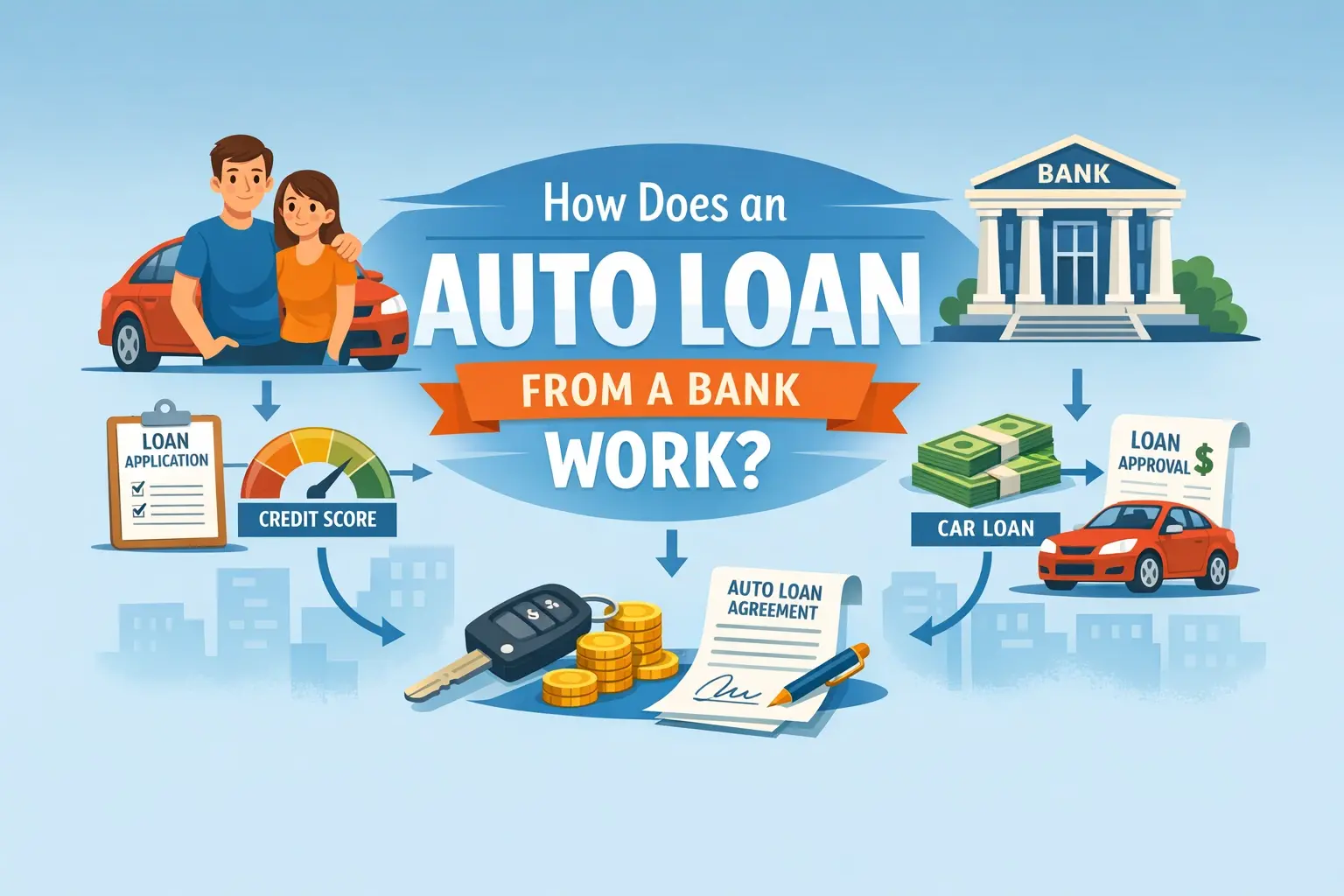
Understanding the mechanics of an auto loan is crucial for making an informed decision. When you apply for an auto loan, lenders assess your financial health to determine your creditworthiness. This assessment typically involves reviewing your credit score, income, employment history, and debt-to-income ratio. Based on this evaluation, they decide whether to approve your loan and, if so, what interest rate and loan terms they will offer. The loan amount you receive is the agreed-upon price of the vehicle, minus any down payment you make. You then begin making regular monthly payments to the lender. Each payment consists of two parts: a portion that reduces the principal loan balance (the original amount borrowed) and a portion that covers the interest charged by the lender. Over time, as you continue to make payments, the principal balance decreases, and eventually, you will own the car outright once the loan is fully repaid.
The interest rate on an auto loan is a critical component, significantly impacting the total cost of the vehicle. This rate is usually expressed as an Annual Percentage Rate (APR), which includes not only the simple interest but also certain fees associated with the loan. A lower APR means you'll pay less in interest over the life of the loan, making the car more affordable. Factors such as your credit score, the loan term, and the lender's policies all influence the APR you'll be offered. For instance, individuals with excellent credit scores generally qualify for lower APRs compared to those with fair or poor credit.
The loan term, or repayment period, is another key aspect. Auto loans can range from as short as 36 months (3 years) to as long as 84 months (7 years), or even longer in some cases. A shorter loan term means higher monthly payments but a lower total interest paid over the life of the loan. Conversely, a longer loan term results in lower monthly payments, which can make a car more affordable on a month-to-month basis, but you'll end up paying more in interest overall. Choosing the right loan term involves balancing your monthly budget with the total cost of the vehicle.
A down payment is the amount of money you pay upfront towards the purchase price of the vehicle. While not always mandatory, making a down payment can have several benefits. It reduces the amount you need to borrow, which can lead to lower monthly payments and less interest paid over time. A larger down payment can also improve your chances of loan approval and may help you secure a lower interest rate. In 2025, many lenders still recommend a down payment of at least 10% to 20% of the vehicle's price to demonstrate financial commitment and reduce the lender's risk.
The loan-to-value (LTV) ratio is a metric lenders use to assess risk. It's calculated by dividing the loan amount by the market value of the vehicle. For example, if you're buying a car worth $25,000 and financing $20,000, your LTV is 80%. Lenders generally prefer lower LTV ratios, as they indicate less risk. If your LTV is too high, you might be required to make a larger down payment or may face higher interest rates.
Loan Disbursement and Repayment
Once your auto loan is approved, the lender typically disburses the funds directly to the dealership where you are purchasing the vehicle. This means you don't usually receive a lump sum of cash; instead, the loan amount is applied to the car's purchase price. You then begin making your scheduled monthly payments to the lender. These payments are usually due on a specific date each month. It's important to make these payments on time to avoid late fees and negative impacts on your credit score. Most lenders offer various payment methods, including online portals, automatic bank transfers, mail, and in-person payments at a branch.
Understanding the amortization schedule of your loan is also beneficial. An amortization schedule details how each of your loan payments is allocated between principal and interest over the entire loan term. In the early stages of the loan, a larger portion of your payment goes towards interest. As the loan matures, more of your payment is applied to the principal, accelerating the payoff process. Reviewing your amortization schedule can help you visualize your progress and plan for potential extra payments if you wish to pay off the loan early.
Types of Auto Loans: Finding Your Perfect Fit
The world of auto financing offers several types of loans, each catering to different needs and circumstances. Understanding these options is key to selecting the one that best suits your financial situation and vehicle purchase goals.
New Car Loans
These loans are specifically for purchasing brand-new vehicles directly from a dealership. They often come with competitive interest rates and longer repayment terms, as new cars are generally considered less risky by lenders due to their predictable value and warranty coverage. Manufacturers often offer special financing deals on new models, which can include very low APRs or even 0% financing for qualified buyers. In 2025, these manufacturer-backed incentives remain a significant draw for new car buyers.
Used Car Loans
Used car loans are for vehicles that are not new. The terms and interest rates for used car loans can vary more widely than for new cars. Lenders may offer slightly higher interest rates on used cars because their value depreciates more rapidly, and they may not have manufacturer warranties. The age and mileage of the used car can significantly influence the loan terms. Older or higher-mileage vehicles might require a larger down payment or come with higher APRs. As of 2025, the used car market remains robust, and specialized lenders often focus on this segment.
Refinance Loans
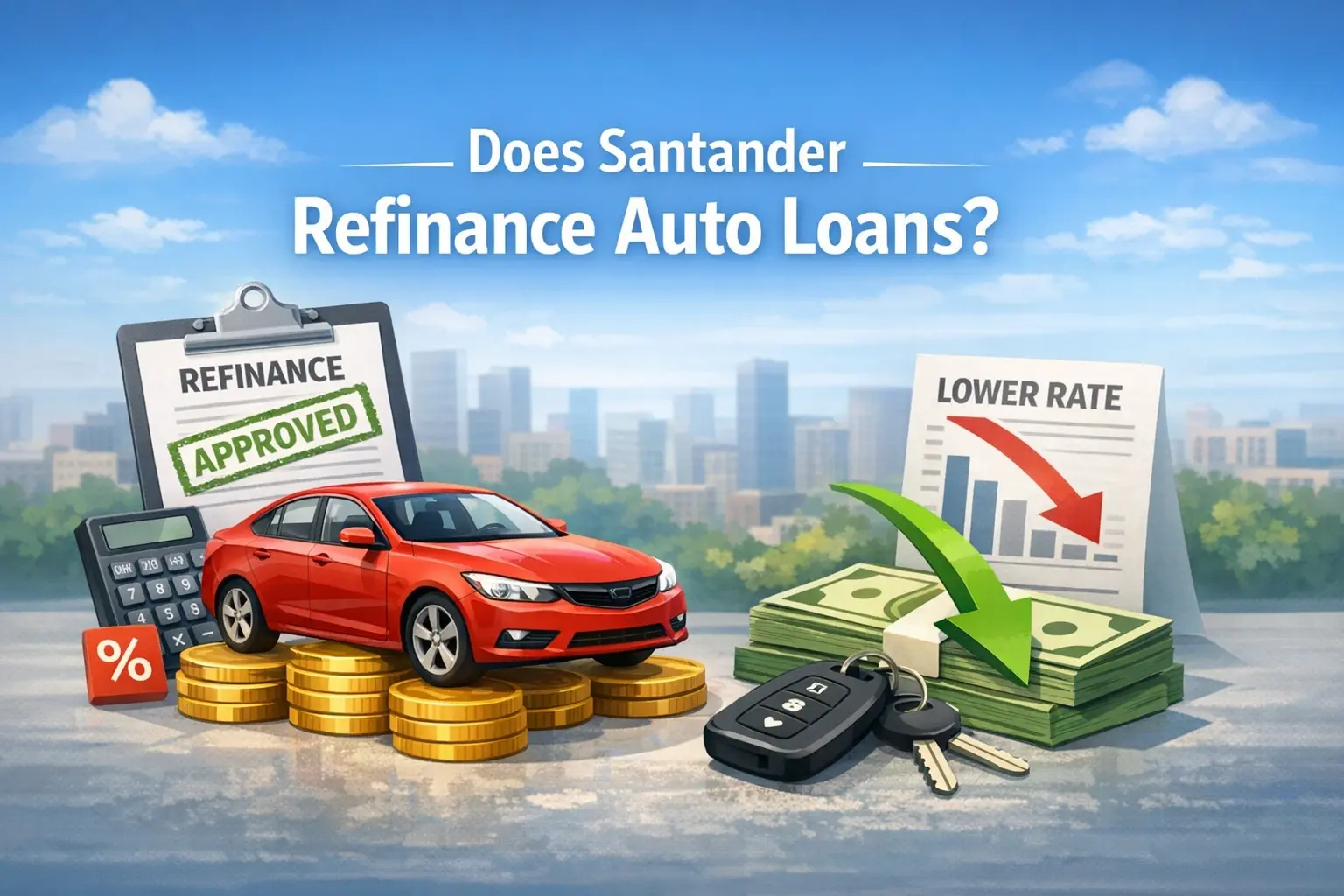
If you already have an auto loan, you can apply for a refinance loan to replace your existing loan with a new one. The primary goal of refinancing is usually to secure a lower interest rate, reduce your monthly payments, or shorten your loan term. This can be particularly beneficial if your credit score has improved since you initially took out the loan, or if market interest rates have decreased. Refinancing can save you a significant amount of money in interest over the remaining life of the loan. Many borrowers in 2025 are exploring refinancing options to manage their budgets better.
Lease Buyout Loans
When your car lease is nearing its end, you often have the option to purchase the vehicle. A lease buyout loan is a specific type of loan designed to finance this purchase. These loans allow you to take ownership of the car you've been leasing. The terms might be similar to those used for car loans, depending on the car's age and condition at the end of the lease.
Bad Credit Auto Loans
For individuals with lower credit scores or a history of financial difficulties, obtaining an auto loan can be more challenging. Bad credit auto loans are designed for these borrowers. However, they typically come with higher interest rates and potentially shorter loan terms to compensate for the increased risk to the lender. It's crucial for borrowers seeking these loans to shop around and compare offers carefully, as rates can vary significantly. Some dealerships specialize in subprime auto loans, but it's essential to be wary of predatory terms.
Direct Lender Loans vs. Dealership Financing
You can obtain an auto loan through two main channels: direct lenders or dealership financing.
Direct Lenders: These include banks, credit unions, and online lenders. Applying directly with them allows you to get pre-approved before you even visit a dealership, giving you a clear budget and negotiation leverage. Pre-approval from a direct lender means you know exactly how much you can borrow and at what rate.
Dealership Financing: Also known as dealer-arranged financing or "spot delivery," this is when the dealership arranges the loan for you, often through their own finance department or by working with various lenders. While convenient, dealership financing can sometimes come with higher interest rates or fees compared to direct lenders, as they may mark up the interest rate to earn a commission.
In 2025, it's generally recommended to get pre-approved by a direct lender first to compare their offer against what the dealership might propose. This strategy empowers you to negotiate more effectively.
Key Terms and Concepts in Auto Financing
Navigating the auto loan market involves understanding a specific set of terminology. Familiarizing yourself with these terms will help you make more informed decisions and avoid misunderstandings.
APR (Annual Percentage Rate)
APR represents the total cost of borrowing money over a year, expressed as a percentage. It includes not only the interest rate but also any associated fees, such as origination fees or dealer financing fees. APR provides a more comprehensive picture of the loan's cost than the simple interest rate alone. A lower APR means a less expensive loan.
Principal
The principal is the original amount of money borrowed from the lender to purchase the vehicle. For example, if you buy a car for $25,000 and make a $5,000 down payment, the principal amount of your auto loan would be $20,000.
Interest
Interest is the cost charged by the lender for lending you money. It's calculated as a percentage of the outstanding principal balance. The interest rate (or APR) determines how much you'll pay in interest over the life of the loan. The total interest paid is a significant factor in the overall cost of your vehicle.
Loan Term
The loan term is the duration over which you are obligated to repay the loan. It's typically measured in months or years. Common terms range from 36 to 84 months. A shorter term means higher monthly payments but less total interest paid, while a longer term means lower monthly payments but more total interest paid.
Down Payment
A down payment is the initial amount of money you pay out-of-pocket towards the purchase price of the vehicle. It reduces the amount you need to finance, which can lower your monthly payments and the total interest paid. A larger down payment can also improve your chances of loan approval and may lead to a better interest rate.
Collateral
In an auto loan, the vehicle you purchase serves as collateral. This means the car is pledged as security for the loan. If you default on your loan payments, the lender has the legal right to repossess the vehicle to recoup their financial losses. This is why auto loans are considered secured loans.
Credit Score
Your credit score is a three-digit number that reflects your creditworthiness, based on your credit history. Lenders use your credit score to assess the risk of lending you money. A higher credit score generally leads to better loan terms, including lower interest rates. Scores typically range from 300 to 850.
Credit History
Your credit history is a record of your past borrowing and repayment behavior. It includes information from credit bureaus about your loans, credit cards, payment timeliness, amounts owed, length of credit history, and types of credit used. Lenders review your credit history to understand your financial habits.
Debt-to-Income Ratio (DTI)
DTI is a financial metric that compares your total monthly debt payments to your gross monthly income. It's expressed as a percentage. For example, if your total monthly debt payments are $1,000 and your gross monthly income is $4,000, your DTI is 25%. Lenders use DTI to gauge your ability to manage monthly payments.
Loan Origination Fee
Some lenders charge an origination fee for processing your loan application. This fee is typically a percentage of the loan amount or a flat fee and is often rolled into the total loan amount or paid upfront. It's important to inquire about any such fees when comparing loan offers.
Pre-Approval
Pre-approval is a conditional commitment from a lender to lend you a specific amount of money at a certain interest rate, based on a preliminary review of your credit and financial information. Getting pre-approved before shopping for a car gives you a budget and strengthens your negotiating position at the dealership.
Factors Influencing Auto Loan Approval and Rates
Securing an auto loan and the terms you receive are influenced by several key factors. Lenders evaluate these elements to assess your risk and determine the best offer they can extend.
Credit Score and History
This is arguably the most significant factor. A higher credit score (typically 700+) indicates a lower risk to lenders, often resulting in approval for lower APRs and more favorable loan terms. Conversely, a lower credit score (below 600) may lead to loan denial or approval with significantly higher interest rates. Your credit history, including payment timeliness and the amount of debt you carry, also plays a crucial role. Lenders want to see a consistent track record of responsible credit management.
Income and Employment Stability
Lenders need assurance that you have a stable income sufficient to cover your monthly loan payments. They will verify your employment status and income through pay stubs, tax returns, or bank statements. A steady employment history, often with the same employer for at least a year, demonstrates financial stability and increases your chances of approval. Your income level relative to the loan amount and other debts is also assessed via the DTI ratio.
Loan Amount and Loan-to-Value (LTV) Ratio
The amount you wish to borrow and its relation to the vehicle's value are critical. Lenders often have maximum LTV ratios they are willing to finance. If you're trying to finance 100% of a vehicle's value, especially an older or less valuable one, you might face higher rates or require a larger down payment. A lower LTV, achieved through a substantial down payment, generally signals less risk and can lead to better terms.
Loan Term
The length of the loan term impacts both approval and rates. Longer terms (e.g., 72 or 84 months) result in lower monthly payments, which can make a vehicle more affordable and potentially increase your approval odds if your budget is tight. However, longer terms also mean you'll pay more interest over time and may have a higher APR. Shorter terms have higher monthly payments but lower overall interest costs.
Vehicle Age and Mileage
For used cars, the age and mileage are significant. Newer, lower-mileage vehicles are generally considered less risky and may qualify for better interest rates. Older cars with high mileage may have higher APRs or require a larger down payment, as their resale value depreciates faster and they may be more prone to mechanical issues. In 2025, the demand for reliable used vehicles continues to influence pricing and financing options.
Down Payment Amount
As mentioned, a down payment reduces the loan amount and the LTV ratio. A larger down payment demonstrates financial commitment and reduces the lender's risk, often leading to a lower APR and a higher likelihood of approval, especially for borrowers with less-than-perfect credit.
Type of Lender
Different lenders have different risk appetites and lending criteria. Banks, credit unions, online lenders, and dealership finance departments all have unique offerings. Credit unions, for example, often offer competitive rates to their members. Online lenders may provide faster approvals and wider accessibility. Dealerships can sometimes offer special manufacturer incentives, but may also have higher markups.
The Auto Loan Application Process: A Step-by-Step Guide
Applying for an auto loan might seem daunting, but breaking it down into manageable steps can make the process smoother and more successful. Here’s a typical walkthrough:
Step 1: Assess Your Financials and Credit
Before you even start looking at cars, take stock of your financial situation.
Check your credit score: Obtain copies of your credit reports from the three major bureaus (Equifax, Experian, and TransUnion) and check your credit score. This will give you a realistic idea of the interest rates you might qualify for. If your score is lower than you'd like, consider taking steps to improve it before applying.
Determine your budget: Calculate how much you can realistically afford for a monthly car payment, including insurance, gas, and maintenance. Factor in a down payment amount you're comfortable with.
Before applying for a loan, make sure to check your credit score. Understanding your credit standing is the first step towards securing favorable loan terms. If you find your credit score isn't where you'd like it to be, professional credit repair services can be invaluable. Companies like Credit Repair Ease offer expert guidance and assistance to help you improve your creditworthiness. You can reach out to Credit Repair Ease at (888) 803-7889 to learn more about their services and how they can help you prepare for a loan application.
Step 2: Get Pre-Approved
Shop around for lenders before you go to the dealership. Apply for pre-approval with several banks, credit unions, and reputable online lenders. This process usually involves a soft credit pull, which doesn't affect your credit score. Pre-approval gives you a firm budget, a target interest rate, and a loan amount, empowering you to negotiate with dealerships from a position of strength. Compare the APRs and terms offered by different lenders.
Step 3: Shop for a Vehicle
With your pre-approval in hand, you can now confidently shop for a car. Knowing your budget and financing terms allows you to focus on finding the right vehicle at the right price, rather than being swayed by dealership financing offers that might not be in your best interest.
Step 4: Complete the Loan Application (Dealership or Direct Lender)
Once you've chosen a car, you'll finalize the loan.
If using your pre-approval: You'll present your pre-approval letter to the dealership. They may try to beat your lender's offer, but be cautious and compare all terms carefully.
If considering dealership financing, you'll complete their loan application. They will run your credit and present you with financing options. Always compare these offers against your pre-approval.
The application will require personal information, employment details, income verification, and details about the vehicle you intend to purchase. The lender will then perform a hard credit pull, which can slightly impact your credit score.
Step 5: Review and Sign the Loan Documents
If approved, you'll receive the final loan contract. Read every detail carefully before signing. Pay close attention to the APR, loan term, monthly payment amount, total repayment amount, and any fees or penalties. Ensure you understand all the terms and conditions. Don't hesitate to ask questions if anything is unclear.
Step 6: Drive Away in Your New Car
Once all documents are signed and the financing is finalized, the lender will disburse the funds to the dealership. You can then take possession of your new vehicle and begin making your scheduled payments.
Calculating Your Auto Loan Payments: What to Expect
Understanding how your auto loan payments are calculated is essential for budgeting and managing your finances. The primary factors influencing your monthly payment are the loan principal, the APR, and the loan term. Lenders use a standard loan amortization formula to determine these payments.
The Monthly Payment Formula
While you don't need to perform complex calculations yourself, the underlying formula is based on these variables:
M = P [ i(1 + i)^n ] / [ (1 + i)^n – 1]Where:
M = Monthly Payment
P = Principal Loan Amount
i = Monthly Interest Rate (Annual Rate divided by 12)
n = Total Number of Payments (Loan Term in years multiplied by 12)
For example, a $25,000 loan at 7% APR for 60 months (5 years) would have a monthly payment of approximately $495.04. A $25,000 loan at 7% APR for 72 months would have a monthly payment of approximately $414.49.
Impact of Loan Term on Monthly Payments
The loan term has a direct and significant impact on your monthly payment.
Loan Term (Months)
Approx. Monthly Payment (for $25,000 loan @ 7% APR)
Total Interest Paid
36
$763.44
$2,483.84
48
$592.77
$3,453.00
60
$495.04
$4,702.40
72
$430.71
$5,811.12
84
$384.55
$7,292.20
As you can see, extending the loan term lowers your monthly payment but substantially increases the total interest paid over the life of the loan. In 2025, consumers are increasingly balancing the desire for lower monthly payments with the long-term cost of interest.
Impact of APR on Monthly Payments
The Annual Percentage Rate (APR) also plays a crucial role. Even a small difference in APR can lead to significant savings or additional costs over the loan's duration. For instance, consider a $25,000 loan over 60 months:
APR
Approx. Monthly Payment
Total Interest Paid
5.0%
$482.94
$4,076.40
7.0%
$495.04
$4,702.40
9.0%
$507.52
$5,371.20
11.0%
$520.35
$6,061.20
This table illustrates how a higher APR directly translates to higher monthly payments and significantly more interest paid. This underscores the importance of improving your credit score to qualify for the lowest possible APR.
Using Online Calculators
Fortunately, numerous online auto loan calculators are available. These tools allow you to input different loan amounts, APRs, and terms to estimate your monthly payments and total interest paid. They are invaluable for comparing different loan scenarios and understanding the financial implications of various loan options. Many lender websites offer these calculators, providing a quick way to estimate costs.
When and Why to Refinance Your Auto Loan
Refinancing an auto loan involves replacing your current loan with a new one, typically with different terms. This process can be a smart financial move under several circumstances.
Reasons to Refinance
The most common reasons for refinancing include:
Lowering your interest rate (APR): If your credit score has improved significantly since you took out the original loan, or if market interest rates have dropped, you may qualify for a lower APR. This can lead to substantial savings on interest over the remaining loan term.
Reducing your monthly payments: By extending the loan term, you can lower your monthly payments, freeing up cash flow. However, be mindful that a longer term means paying more interest overall.
Shortening your loan term: If you have the financial capacity, you might refinance to a shorter loan term to pay off the car faster and reduce the total interest paid. This will result in higher monthly payments.
Removing private mortgage insurance (PMI) or similar protections: Though less common for auto loans, some specific loan structures might have associated fees that can be eliminated through refinancing.
Consolidating debt: In rare cases, some lenders might offer options to consolidate other debts into an auto loan refinance, though this is generally not recommended due to the risk of extending payments on non-car-related debt over a long period.
When is a Good Time to Refinance?
The ideal time to consider refinancing is typically:
After a credit score improvement: If your credit score has jumped by 20-40 points or more, you likely qualify for better rates.
When interest rates drop: Monitor market interest rates. If they fall significantly below your current APR, refinancing might be worthwhile.
Mid-loan term: Refinancing too early might incur prepayment penalties on your old loan. Refinancing when you still have a substantial portion of the loan balance remaining allows for more significant interest savings.
The Refinancing Process
The process is similar to applying for an initial auto loan:
Check your current loan details: Know your remaining balance, current APR, and remaining term.
Check your credit score: Ensure it has improved.
Shop for new lenders: Compare offers from banks, credit unions, and online lenders specializing in auto loan refinancing.
Apply for refinancing: Submit applications to your chosen lenders.
Review and sign: If approved, carefully review the new loan contract and sign.
Finalize: The new lender pays off your old loan, and you begin making payments to the new lender.
In 2025, with fluctuating economic conditions, many car owners are actively exploring refinancing to optimize their car ownership costs.
Tips for Getting the Best Auto Loan Deal
Securing the best possible auto loan deal can save you thousands of dollars over the life of the loan. Here are some expert tips:
1. Improve Your Credit Score
Your credit score is the single most important factor determining your interest rate. Before applying, take steps to boost your score: pay bills on time, reduce credit card balances, and avoid opening new credit accounts unnecessarily. Even a small increase in your score can lead to a significantly lower APR.
2. Get Pre-Approved Before Shopping
As discussed, pre-approval from a direct lender (bank, credit union, online lender) gives you a concrete budget and a benchmark interest rate. This prevents you from being pressured into dealership financing that might not be the best deal. It also strengthens your negotiation power.
3. Shop Around with Multiple Lenders
Don't settle for the first offer you receive. Compare rates and terms from at least 3-4 different lenders. Different institutions have different lending criteria and may offer you better deals based on your profile. Focus on the APR, as it reflects the total cost of the loan.
4. Negotiate the Price of the Car Separately
Always negotiate the purchase price of the vehicle before discussing financing. Once you have a firm price, you can discuss loan terms. This prevents dealers from inflating the car price to compensate for a lower interest rate or vice versa.
5. Understand All Fees and Terms
Read the loan contract carefully. Be aware of any origination fees, late payment penalties, early repayment penalties, or other charges. Ensure you understand the total cost of the loan, not just the monthly payment.
6. Consider a Larger Down Payment
A larger down payment reduces the amount you need to borrow, lowers your LTV ratio, and can often lead to a lower APR and easier approval. Even an extra few percentage points can make a difference.
7. Avoid Unnecessary Add-Ons
Dealerships often try to sell you add-ons like extended warranties, GAP insurance (if not already covered by your policy or if your LTV is very low), or paint protection. While some might be beneficial, many are overpriced. Evaluate them critically and only purchase what you truly need and can afford.
8. Consider Shorter Loan Terms (If Possible)
While longer terms offer lower monthly payments, they significantly increase the total interest paid. If your budget allows, opting for a shorter term (e.g., 48 or 60 months) will save you money in the long run and help you own your car outright sooner.
9. Read Reviews and Research Lenders
Before committing, research the reputation of the lender. Look for reviews regarding customer service, transparency, and their handling of loan management. Credit unions are often a good starting point due to their member-focused approach.
Auto Loans for Different Situations: New, Used, and Bad Credit
The auto loan landscape is diverse, offering solutions for various buyer profiles and vehicle types. Understanding these specific scenarios can help you find the right financing.
New Car Financing (2025 Trends)
In 2025, new car financing continues to be characterized by competitive rates, often driven by manufacturer incentives. Zero-percent APR offers are still available on select models for highly qualified buyers, significantly reducing the total cost of the vehicle. However, these deals often require excellent credit and may come with shorter loan terms. For buyers who don't qualify for these special offers, standard new car loans from banks, credit unions, and online lenders are widely available. The average loan term for new cars in 2025 hovers around 70-75 months, though shorter terms are encouraged to minimize interest. Lenders are also increasingly focusing on digital application processes for speed and convenience.
Used Car Financing: Challenges and Opportunities
Financing a used car presents a slightly different picture. Due to the inherent depreciation and potential for wear and tear, used car loans may have higher interest rates compared to new car loans. The age and mileage of the vehicle are critical factors. Lenders are more cautious with older, high-mileage vehicles. However, the demand for affordable used cars in 2025 means there are many lenders specializing in this market. Opportunities exist for buyers who can make a substantial down payment or have a strong credit history. Some lenders offer certified pre-owned (CPO) vehicle loans, which may have slightly better terms due to the vehicle's inspection and warranty.
Navigating Bad Credit Auto Loans
For individuals with poor credit scores (typically below 600), obtaining an auto loan can be challenging but not impossible. These loans are often referred to as "subprime" auto loans. Key characteristics include:
Higher Interest Rates: Expect APRs significantly higher than prime rates, sometimes reaching 20% or more, to compensate lenders for the increased risk.
Shorter Loan Terms: Lenders may opt for shorter repayment periods to reduce their exposure.
Larger Down Payment Requirements: A substantial down payment is often necessary to secure the loan and demonstrate commitment.
Limited Vehicle Choices: You might be restricted to older, less expensive vehicles.
Dealership Specialization: Many dealerships cater specifically to buyers with bad credit. While they can be a viable option, it's crucial to scrutinize their offers for fairness and avoid predatory terms.
Tip: Even with bad credit, getting pre-approved by a specialized subprime lender or a credit union that offers programs for rebuilding credit can provide a clearer picture of your options and a potential bargaining chip at a dealership.
Buy Here, Pay Here (BHPH) Dealerships
BHPH dealerships are a specific type of used car dealer that provides in-house financing. They handle both the sale and the loan themselves. This can be an option for individuals with very poor credit or no credit history. However, BHPH loans often come with extremely high interest rates, shorter payment cycles (sometimes weekly), and may not report to credit bureaus, thus offering little opportunity for credit building. Use BHPH as a last resort and understand all terms meticulously.
The Role of Dealerships and Lenders in Auto Financing
Understanding the players involved in auto financing is key to navigating the process effectively. Dealerships and lenders have distinct roles, and their interactions can significantly impact your loan terms.
Dealerships: Intermediaries and Financiers
Car dealerships serve multiple roles in the auto loan process:
Facilitators: They often have finance departments that work with a network of lenders (banks, credit unions, finance companies) to find financing for their customers. This is known as dealer-arranged financing.
Direct Financiers: Some dealerships, particularly "Buy Here, Pay Here" lots, provide in-house financing, acting as the lender themselves.
Negotiation Points: Dealerships can influence the loan terms presented to you. They may earn commissions from lenders for arranging loans, and they might also mark up the interest rate offered by the lender to increase their profit. This is why it's crucial to compare dealership offers with your own pre-approved loan.
Sales Tool: Attractive financing deals, such as low APRs or deferred payments, are often used as sales incentives to encourage purchases.
Lenders: Providing the Capital
Lenders are the entities that provide the actual funds for the auto loan. They can be broadly categorized as:
Banks: Traditional financial institutions that offer a wide range of loan products, including auto loans. They often have competitive rates for customers with good credit.
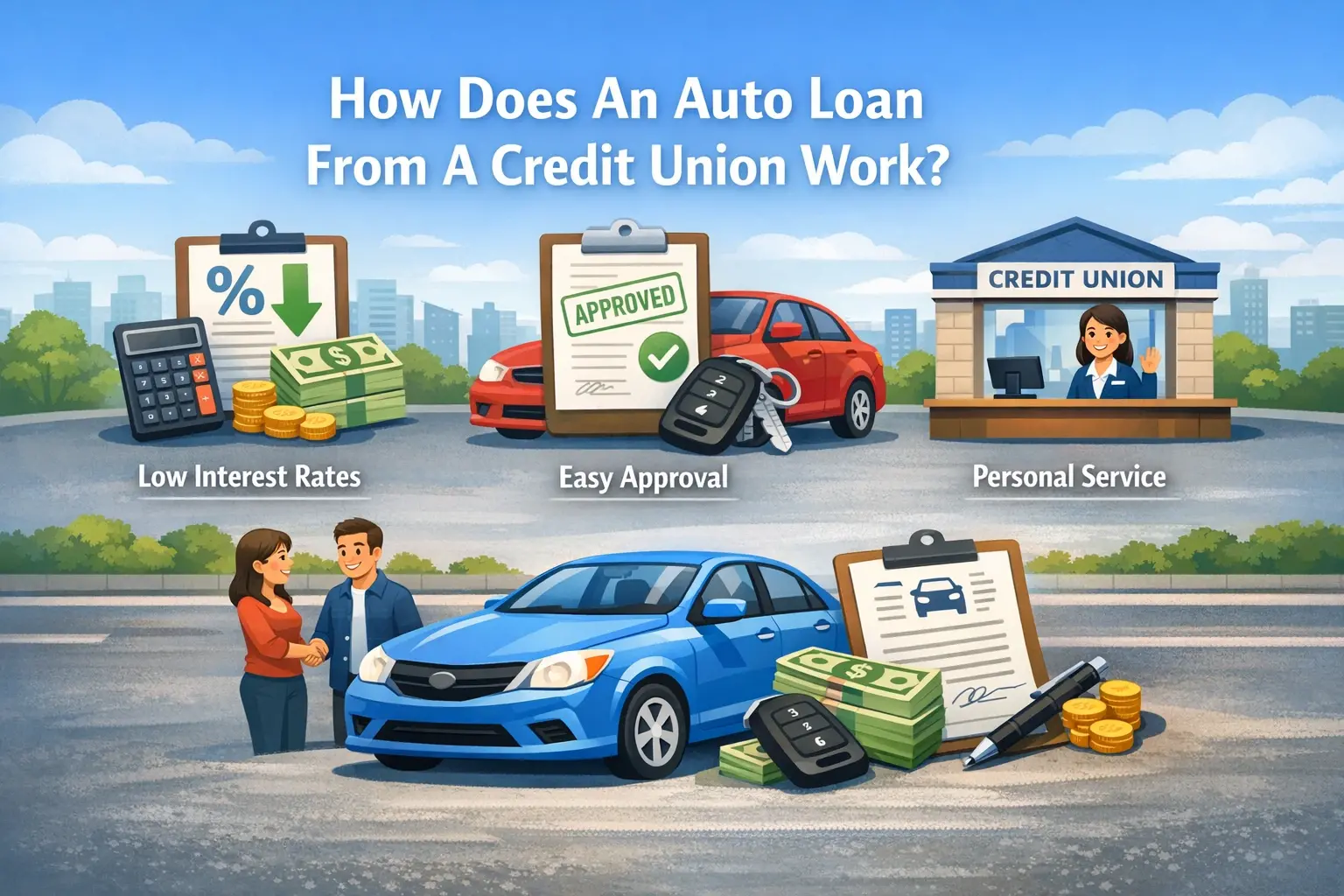
Credit Unions: Member-owned cooperatives that typically offer lower interest rates and fees than banks, especially for their members. They are often a great option for competitive auto loans.
Online Lenders: These are often fintech companies that specialize in auto loans. They can offer fast application processes, competitive rates, and cater to a broad spectrum of credit profiles, including those with less-than-perfect credit.
Captive Finance Companies: These are financing arms of specific car manufacturers (e.g., Ford Credit, Toyota Financial Services). They often offer special incentives and low APRs on new vehicles from their brand to qualified buyers.
Lenders assess your creditworthiness, income, and the vehicle's value to determine loan approval and set the APR. Their primary goal is to lend money responsibly and earn interest on those loans.
The Importance of Comparison in 2025
In 2025, with a dynamic economic environment, the interplay between dealerships and lenders is as critical as ever. Consumers benefit most when they:
Get pre-approved independently from banks or credit unions before visiting a dealership.
Understand the difference between the interest rate the dealership presents and the rate offered by their pre-approved lender.
Negotiate the car's price first, then discuss financing.
Read all loan documents thoroughly, paying attention to APR, fees, and terms, regardless of who is offering the loan.
By actively comparing offers and understanding the roles of each party, buyers can secure the most favorable auto loan terms.
Avoiding Common Auto Loan Pitfalls
While auto loans are a valuable tool, several common pitfalls can lead to financial strain or unfavorable terms. Being aware of these traps can help you avoid them.
1. Focusing Only on Monthly Payments
Dealerships often try to steer conversations toward the monthly payment rather than the total price or loan terms. While a manageable monthly payment is important, extending the loan term to achieve a low payment can result in paying significantly more in interest over time. Always consider the total cost of the loan and the loan term.
2. Not Getting Pre-Approved
Walking into a dealership without pre-approval puts you at a disadvantage. You have less leverage to negotiate, and you might accept less favorable financing terms offered by the dealer simply because you don't know what else is available. Pre-approval from an independent lender is your strongest negotiation tool.
3. Ignoring the APR
The APR is the true cost of borrowing. While the monthly payment might seem attractive, a high APR means you'll pay much more in interest. Always compare the APRs offered by different lenders and aim for the lowest possible rate you qualify for.
4. Not Reading the Loan Contract
Signing a loan contract without fully understanding its terms is a major mistake. Be sure to review the interest rate, loan term, total repayment amount, any fees, and clauses regarding late payments or early repayment. If anything is unclear, ask for clarification.
5. Falling for Unnecessary Add-Ons
Dealerships often push products like extended warranties, GAP insurance, or VIN etching. While some might be valuable, many are overpriced or redundant. Research these products beforehand and only purchase them if they genuinely add value and fit your budget. You can often purchase these items cheaper elsewhere or decline them entirely.
6. Trading In a Car with Negative Equity
If you owe more on your current car than it's worth, you have negative equity. Rolling this negative equity into a new car loan increases the amount you're financing, leading to higher monthly payments and more interest paid. If possible, try to pay off the difference or sell the car privately to avoid this.
7. Making Late Payments
Late payments incur fees and, more importantly, damage your credit score. This can make it harder to secure future loans and may lead to higher interest rates on your current loan if penalties are applied. Always pay on time, or set up automatic payments.
8. Not Considering Refinancing
If your financial situation or credit score improves after taking out an auto loan, you might be able to save money by refinancing. Don't assume your initial loan is the best you can get for the entire term. Regularly check if refinancing makes sense.
9. Falling for Predatory Lending Practices
Be wary of deals that seem too good to be true, especially if you have bad credit. Loans with extremely high APRs, excessive fees, or pressure tactics can be signs of predatory lending. Always compare offers and trust your instincts.
By staying informed and vigilant, you can navigate the auto loan process successfully and avoid these common pitfalls, ensuring you get a fair deal and a loan that fits your financial goals.
In conclusion, an auto loan is a financial agreement to purchase a vehicle, requiring repayment with interest over time, with the car serving as collateral. Understanding the various types of loans, key terms like APR and loan term, and the factors influencing approval is paramount. By getting pre-approved, shopping around, negotiating effectively, and avoiding common pitfalls, consumers can secure the best possible auto loan deal. Whether you're buying new, used, or dealing with credit challenges, a well-researched approach empowers you to make informed decisions and drive away with confidence, knowing you've secured financing that aligns with your financial well-being for 2025 and beyond.
null
What Is A Auto Loan

Krystin Bresolin