-
Posted on: 11 Nov 2023

-
Regarding vehicle loans, good conditions, and interest rates are unlocked by your credit score. Among the several lenders available, the Navy Federal Credit Union is one of the most often chosen ones. Let's examine the nuances of credit scores and learn the particular criteria Navy Federal has set for vehicle loans.
What is a Credit Score?
Representing an individual's creditworthiness numerically, a credit score falls between 300 and 850. One is more likely to get authorized for loans and get good interest rates the better their score.
Factors Influencing Credit Scores
Payment history, credit use, length of credit history, categories of credit, and new credit all help determine credit ratings.
Why Credit Scores Matter in Auto Loan Approval
Regarding vehicle loans, lenders evaluate their risk of giving money using credit ratings. Usually translating to less risk for the lender, a greater credit score results in better loan conditions for the borrower.
Navy Federal Auto Loans
Overview of Navy Federal Credit Union
Renowned for its dedication to assisting military personnel and their families is the Navy Federal Credit Union. It provides a range of financial solutions, including vehicle loans catered to fit the particular requirements of its members.
Types of Auto Loans Offered
Navy Federal offers customized services for military personnel, refinancing, and new and used automobile loans.
Credit Score Requirements
One must have a minimum credit score if one wants a car loan from Navy Federal. The type of loan and other personal considerations may affect the particular score.
Factors Considered by Navy Federal
Income and Employment HistoryNavy Federal evaluates the financial stability and repayment capability of the applicant using income and job history.
Debt-to-Income Ratio
Determining the borrower's capacity to handle further debt depends much on the debt-to-income ratio.
Loan-to-Value Ratio
The loan's risk is influenced by the loan-to-value ratio, which evaluates the worth of the vehicle concerning the loan amount.
Tips to Improve Credit Score
Regularly Check Credit ReportsMonitoring credit reports guarantees accuracy and helps find mistakes, therefore improving the credit score.
Timely Payment of Bills
Regular, on-time payments indicate financial discipline and help credit ratings.
Reducing Outstanding Debts
Dealing with current debt reduces credit use, therefore improving credit ratings.
Importance of a Good Credit Score
Lower Interest RatesUsually translating into lower interest rates, a better credit score results in notable savings throughout the loan.
Higher Loan Approval Chances
A strong credit score gives additional choices for borrowers and raises the possibility of loan acceptance.
Long-term Financial Benefits
Keeping a good credit score provides many financial possibilities and advantages beyond only vehicle loans.
How to Check Your Credit Score
Utilizing Credit Reporting AgenciesCredit reporting companies give people access to credit reports and ratings, thereby helping them to keep informed.
Free Credit Score Check Options
Many websites provide free credit score checks so that users may keep an eye on their credit situation without affecting their ratings.
Common Misconceptions
Minimum Credit Score vs. Ideal Credit ScoreFor borrowers, knowing the variations between the minimum required and an optimal score is vital.
The Role of Down Payments
Although down payments are important, they might not be enough to offset a really poor credit score.
Impact of Credit Inquiries
Unlike what most people think, reviewing your credit score has no negative effect on it. Excessive questions, too, could.
Building Credit for Auto Loans
Gradual Improvement StrategiesUsing slow credit-building techniques will help to open the path for improved loan conditions.
Seeking Professional Advice
See financial professionals to get individual advice on raising credit ratings.
Real-life Success Stories
Individuals with Low Credit Scores ApprovedHearing success stories of people with poor credit scores getting vehicle loans gives one hope.
How They Improved Their Credit Scores
Knowing the actions these people took to raise their credit ratings helps one to identify doable solutions.
Navy Federal Customer Experiences
Positive Auto Loan Approval StoriesInvestigating the good experiences Navy Federal clients have had getting vehicle loans lends confidence to the lender.
Challenges Faced and Overcome
Realistically speaking, appreciating the difficulties borrowers encounter and how they overcome them helps.
Comparisons with Other Lenders
Navy Federal vs. Traditional BanksComparing Navy Federal with conventional banks guides borrowers in making wise judgments.
Benefits of Choosing Navy Federal
Emphasizing the special advantages of choosing Navy Federal for vehicle loans helps to increase its attractiveness.
The Application Process
Step-by-step Guide to Applying
A comprehensive guide to the application process simplifies the journey for potential borrowers.Documents Required
Understanding the necessary documents streamlines the application process.Conclusion
To ensure good terms, first one must know the credit score criteria for Navy Federal auto loans. Borrowers may negotiate the car loan scene with confidence by concentrating on raising credit scores, investigating special lender perks, and learning from actual events.
Unlock better loan rates with a higher credit score—dial (888) 803-7889!
What Credit Score Does Navy Federal Require for Auto Loans?

Krystin Bresolin

Suggested Articles




What Credit Score Does Navy Federal Require For Auto Loans
-
Posted on: 03 Mar 2026
-
Understanding Navy Federal Auto Loan Credit Score Requirements
Decoding Navy Federal's Credit Score Requirements for Auto Loans
Strategies for Improving Your Credit Score for a Navy Federal Auto Loan
Navigating Navy Federal Auto Loan Credit Score Requirements
Securing an auto loan from Navy Federal Credit Union can be an excellent way to finance your next vehicle, especially for military members and their families. Understanding the credit score requirements is crucial for a smooth application process. This guide delves into what credit score Navy Federal typically looks for, along with other vital factors that influence loan approval and interest rates for 2025-26.
Navy Federal Auto Loan Overview
Navy Federal Credit Union (NFCU) is the world's largest credit union, serving members of the U.S. military, Department of Defense personnel, and their families. They are renowned for offering competitive rates and favorable terms on a wide range of financial products, including auto loans. Their auto loan program is designed to be accessible and beneficial to their member base, offering options for new cars, used cars, and even refinancing existing auto loans. They often boast some of the lowest Annual Percentage Rates (APRs) in the market, making them a popular choice for vehicle financing.
When considering an auto loan with Navy Federal, it's important to understand that like all lenders, they assess risk. This risk is primarily gauged by your creditworthiness, which is heavily influenced by your credit score. A higher credit score generally indicates a lower risk to the lender, translating into better loan terms, lower interest rates, and a higher likelihood of approval. Conversely, a lower credit score might lead to higher interest rates, lower loan amounts, or even loan denial.
Navy Federal offers various loan products tailored to different needs:
New Auto Loans: For vehicles typically 1-2 model years old with low mileage. These often come with the most competitive rates.
Used Auto Loans: For vehicles that are older or have higher mileage. Rates might be slightly higher than for new cars.
Refinance Auto Loans: To transfer an existing auto loan from another lender to Navy Federal, potentially to secure a lower interest rate or monthly payment.
Pre-Approval: Allowing you to get loan approval before you even step into a dealership, giving you more negotiating power.
The specific credit score requirements can vary depending on the type of loan, the loan term, the loan amount, and the overall economic climate. However, understanding the general expectations is the first step in preparing your application.
Credit Score Basics: What You Need to Know
Before diving into Navy Federal's specific requirements, it's essential to grasp the fundamentals of credit scores. A credit score is a three-digit number that represents your creditworthiness to lenders. It's a snapshot of your financial behavior, calculated based on information in your credit reports.
The most common credit scoring models are FICO and VantageScore. While they have different algorithms, they generally consider the same core factors:
Payment History (35%): This is the most critical factor. Making on-time payments for all your credit accounts (credit cards, loans, mortgages) significantly boosts your score. Late payments, defaults, and bankruptcies can severely damage it.
Amounts Owed (30%): This refers to how much credit you're using compared to your total available credit, often called the credit utilization ratio. Keeping this ratio low (ideally below 30%) is beneficial.
Length of Credit History (15%): A longer history of responsible credit use generally leads to a higher score.
Credit Mix (10%): Having a mix of different types of credit, such as credit cards, installment loans (like auto loans or mortgages), can be positive.
New Credit (10%): Opening several new credit accounts in a short period can temporarily lower your score, as it may indicate a higher risk.
Credit scores typically range from 300 to 850. Lenders categorize scores into different tiers:
Excellent Credit: 750-850. You're considered a very low-risk borrower.
Very Good Credit: 700-749. You're a low-risk borrower with a good track record.
Good Credit: 650-699. You're a moderate-risk borrower.
Fair Credit: 550-649. You may be considered a higher risk, potentially facing higher interest rates or stricter terms.
Poor Credit: Below 550. You're considered a high-risk borrower, and loan approval may be difficult.
For auto loans, lenders often look for scores in the "Good" to "Excellent" range to offer the best rates. Navy Federal, being a credit union that aims to serve its members well, might have slightly more flexibility than some traditional banks, but a solid credit score remains paramount.
Decoding Navy Federal's Credit Score Requirements for Auto Loans
Navy Federal Credit Union does not publicly disclose a single, definitive minimum credit score required for its auto loans. This is common practice among many lenders, as the approval decision is rarely based on a credit score alone. However, based on industry standards, member feedback, and typical lending practices for credit unions aiming for competitive rates, we can infer their general expectations for 2025-26.
To qualify for the most competitive interest rates and favorable loan terms offered by Navy Federal for auto loans, applicants generally need a credit score in the following ranges:
Excellent Rates & Terms: 720+
Good Rates & Terms: 680-719
Potential Approval, but Higher Rates: 640-679
Challenging Approval, Likely Higher Rates/Co-signer Needed: Below 640
Key Considerations for Navy Federal Auto Loans:
Targeting the Best Rates: If your goal is to secure Navy Federal's advertised low APRs, aiming for a credit score of 720 or higher is strongly recommended. This score range typically signifies a borrower with a proven history of responsible credit management, making them an attractive candidate for the lowest interest rates.
The "Sweet Spot": Many successful applicants often fall within the 680-719 range. While not the absolute top tier, this "Very Good" credit score category still demonstrates a strong credit history, and Navy Federal is likely to offer competitive terms.
"Fair" Credit Applicants: If your score is between 640 and 679, you may still be approved for an auto loan. However, expect the interest rates to be higher than those advertised for excellent credit. Navy Federal might also impose stricter loan terms, such as a shorter repayment period or a larger down payment requirement.
Scores Below 640: For scores below 640, securing an auto loan directly from Navy Federal can be challenging. Lenders in this category often perceive a higher risk of default. In such cases, Navy Federal might require a co-signer with a stronger credit profile, a substantial down payment, or they may deny the application altogether.
It's crucial to remember that these are general guidelines. Navy Federal, like other lenders, will review your entire credit profile. A minor blemish on an otherwise strong report might be viewed differently from multiple significant issues. Conversely, a borrower with a score in the "Good" range but a history of late payments might be seen as a higher risk than someone with a similar score but a perfect payment history.
Example Scenario (2025-26):
Let's say you're looking to finance a new car costing $30,000 with a 60-month term. If you have a credit score of 740, you're highly likely to qualify for Navy Federal's lowest advertised APR, perhaps around 5.5%. This would result in a monthly payment of approximately $577. If your score is 660, you might be offered an APR closer to 8.5%, leading to a monthly payment of around $620. If your score is 620, approval might be difficult, or you could face an APR of 12% or higher, with a monthly payment of around $670, assuming approval.
The difference in monthly payments and total interest paid over the life of the loan can be substantial. This underscores the importance of understanding where you stand credit-wise and working to improve your score if necessary.
Understanding Your Credit Reports
Your credit score is derived from the information contained in your credit reports, maintained by the three major credit bureaus: Equifax, Experian, and TransUnion. It's vital to check your credit reports regularly for accuracy. Errors can negatively impact your score without you realizing it.
You are entitled to a free credit report from each of the three bureaus annually through AnnualCreditReport.com. Review these reports for any inaccuracies, such as:
Accounts that do not belong to you.
Incorrectly reported late payments.
Incorrect balances or credit limits.
Outdated negative information that should have been removed.
Disputing errors with the credit bureaus can lead to corrections that may improve your credit score.
Credit Utilization Ratio Matters
As mentioned, the amount of credit you use compared to your total available credit is a significant factor. Navy Federal, like other lenders, will look at this ratio. Keeping your credit utilization ratio below 30% is a general rule of thumb, but aiming for below 10% can provide an even greater boost to your score. This means if you have a credit card with a $10,000 limit, you should aim to keep your balance below $3,000, and ideally below $1,000.
Beyond the Score: Other Factors Navy Federal Considers
While your credit score is a primary indicator of your creditworthiness, Navy Federal and other lenders evaluate a holistic financial picture. Several other factors play a significant role in the auto loan approval process:
1. Income and Employment Stability
Lenders need assurance that you have the financial capacity to repay the loan. Navy Federal will assess your income, typically requiring proof of employment and income through pay stubs, tax returns, or bank statements. They look for stable employment history, as frequent job changes can be seen as a risk. A consistent income that comfortably covers your existing debts and the proposed car payment is essential.
2025-26 Considerations: Economic fluctuations can impact employment stability. Lenders may scrutinize longer employment gaps more closely. Demonstrating a stable income stream, even if it's from a new position, can be beneficial.
2. Debt-to-Income Ratio (DTI)
Your DTI ratio compares your total monthly debt payments to your gross monthly income. Navy Federal will calculate this to understand how much of your income is already committed to existing debts. A lower DTI ratio indicates that you have more disposable income available to handle new loan payments.
A common benchmark for a healthy DTI ratio is below 43%, but for auto loans, lenders often prefer it to be even lower, ideally below 36%. This ratio includes your rent or mortgage payment, student loans, credit card minimum payments, and other loan obligations.
Example: If your gross monthly income is $5,000 and your total monthly debt payments (including rent/mortgage, student loans, credit cards) are $1,500, your DTI is 30% ($1,500 / $5,000). If you add a $400 car payment, your new DTI would be 38% ($1,900 / $5,000). Navy Federal would assess if this new DTI is manageable.
3. Loan-to-Value Ratio (LTV)
The LTV ratio compares the amount of the loan to the value of the vehicle you are purchasing. For instance, if you're buying a car worth $25,000 and taking out a $20,000 loan, your LTV is 80% ($20,000 / $25,000). Lenders prefer lower LTV ratios, as they indicate less risk. A higher down payment reduces the LTV.
Navy Federal might have specific LTV limits depending on the age and type of vehicle. For newer, high-value vehicles, they might be comfortable with a higher LTV, whereas for older or higher-mileage used cars, they may require a lower LTV or a larger down payment.
4. Down Payment
While not always mandatory, a down payment significantly strengthens your auto loan application. It reduces the loan amount, lowers your LTV, and demonstrates your financial commitment to the purchase. A larger down payment can lead to better interest rates and more favorable loan terms, and it can also help you qualify if your credit score is borderline.
For 2025-26, with potential economic uncertainties, lenders might place even more emphasis on down payments as a sign of borrower commitment and reduced risk.
5. Membership Status and History
As a credit union, Navy Federal prioritizes its members. Having a long-standing and positive membership history with Navy Federal can sometimes be a subtle advantage. This includes having other accounts with them (checking, savings, credit cards) and maintaining them in good standing. While not a substitute for a good credit score, a strong relationship can sometimes tip the scales in borderline cases.
6. Vehicle Age and Mileage
The age and mileage of the vehicle you intend to purchase can influence loan approval and interest rates. Newer, low-mileage vehicles are generally considered less risky collateral than older, high-mileage ones. Navy Federal may have specific guidelines on the maximum age and mileage for vehicles it finances.
Strategies for Improving Your Credit Score for a Navy Federal Auto Loan
If your credit score is not where you'd like it to be for a Navy Federal auto loan, don't despair. There are proactive steps you can take to improve your creditworthiness. The key is consistency and time. For 2025-26, focusing on these strategies can significantly boost your chances of approval and securing better terms.
1. Pay Bills On Time, Every Time
This is the single most impactful action you can take. Set up automatic payments or reminders for all your bills, including credit cards, loans, utilities, and rent. Even one late payment can significantly drop your score.
2. Reduce Your Credit Utilization Ratio
Focus on paying down balances on your credit cards. The lower your credit utilization, the better. Aim to keep balances below 30% of your credit limit, and ideally below 10%. If you have multiple cards, prioritize paying down the one with the highest utilization first.
3. Avoid Opening New Credit Accounts Unnecessarily
While a mix of credit can be good, opening too many new accounts in a short period can lower your score. Only apply for credit when you truly need it. If you're planning to apply for an auto loan, it's wise to pause on applying for other credit products for a few months beforehand.
4. Check Your Credit Reports for Errors
As mentioned earlier, obtain your free credit reports from AnnualCreditReport.com and dispute any inaccuracies. Correcting errors can lead to an immediate score increase.
5. Consider a Secured Credit Card or Credit-Builder Loan
If your credit history is limited or has negative marks, a secured credit card (where you provide a cash deposit as collateral) or a credit-builder loan can help you establish or rebuild credit. Use these tools responsibly by making on-time payments, and they will be reflected positively on your credit report.
6. Be Patient
Credit building is a marathon, not a sprint. Negative information typically stays on your report for seven years (bankruptcies for up to 10), while positive actions build your score over time. Focus on consistent good habits.
7. Seek Professional Help
If you're struggling to improve your credit or understand your options, consider consulting with a non-profit credit counseling agency. They can offer personalized advice and create a debt management plan. For more direct assistance with disputing inaccuracies and working towards a cleaner credit report, you might explore services from companies specializing in credit repair.
Credit Check Reminder
Before you embark on the journey of applying for a Navy Federal auto loan or any significant credit product, it's essential to know where you stand. A thorough understanding of your current credit score and the contents of your credit report is your first line of defense against potential rejection or unfavorable terms. Don't guess; know for sure. If you're looking for professional guidance to navigate the complexities of your credit report and work towards a stronger score, consider reaching out to Credit Repair Ease. They are a trusted company dedicated to helping individuals improve their credit standing. You can call them at (888) 803-7889 to learn more about their services and take the first step towards a healthier financial future.
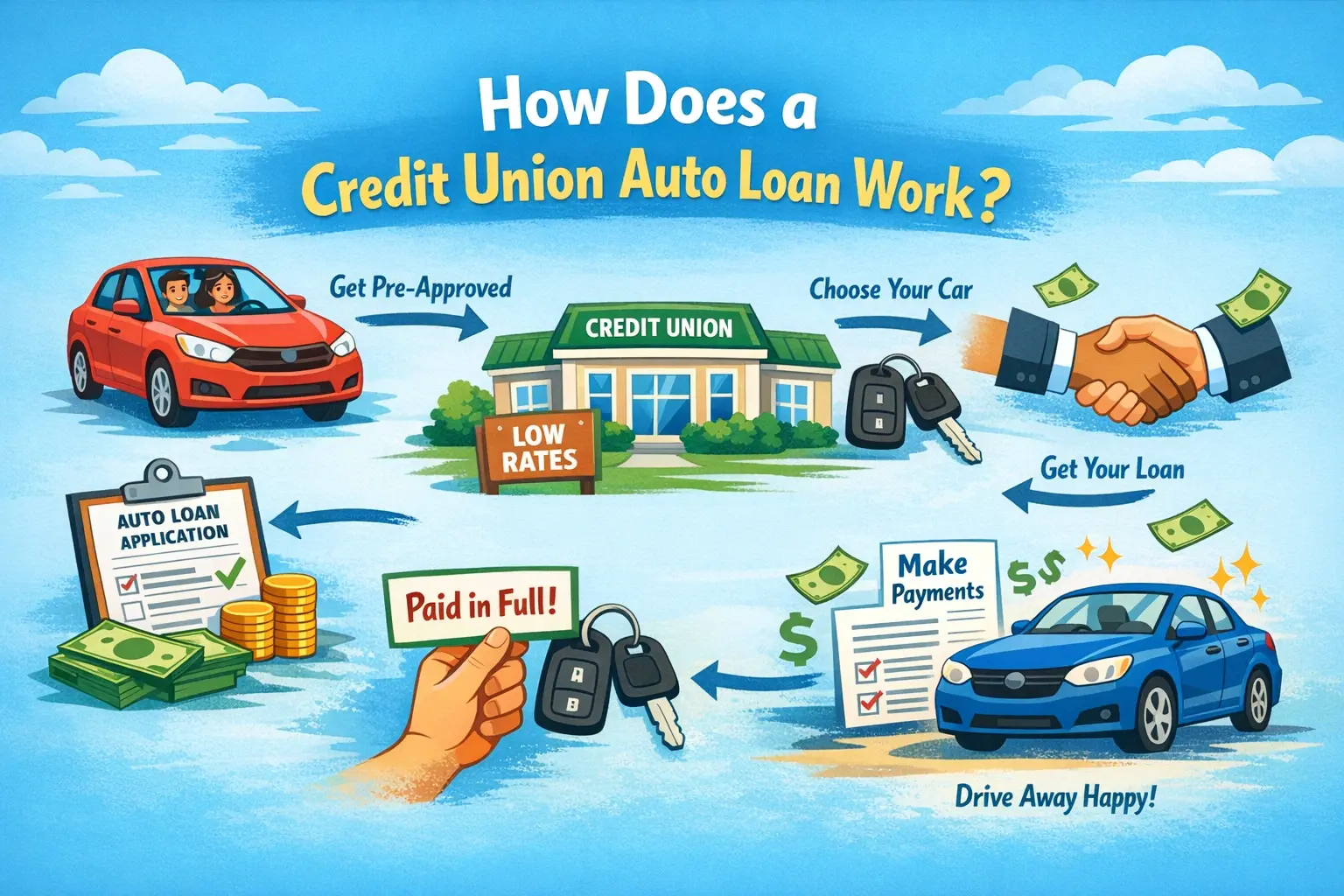
The Navy Federal Auto Loan Application Process
Applying for a Navy Federal auto loan is a straightforward process designed to be member-friendly. Here’s a step-by-step guide:
Step 1: Determine Your Needs and Budget
Before applying, decide on the type of car you want (new/used), your budget, and how much you can afford for a monthly payment. Use online auto loan calculators to estimate payments based on potential interest rates and loan terms.
Step 2: Check Your Credit Score
Obtain your credit score from a reliable source. Knowing your score will help you set realistic expectations and identify areas for improvement. Navy Federal will pull your credit report as part of the application process, so it's best to be prepared.
Step 3: Get Pre-Approved (Recommended)
Applying for pre-approval with Navy Federal before visiting a dealership is highly recommended. This process involves a credit check and an initial assessment of your financial situation. If approved, you'll know how much you can borrow and at what interest rate. This gives you significant leverage when negotiating with car dealerships, as you're essentially a cash buyer.
To apply for pre-approval, you can:
Visit the Navy Federal website and complete their online application.
Call Navy Federal directly.
Visit a local branch.
Step 4: Gather Necessary Documentation
Be prepared to provide documentation to support your application. This typically includes:
Proof of identity (e.g., driver's license, military ID).
Proof of income (e.g., recent pay stubs, W-2s, tax returns).
Information about your employment (employer name, address, duration of employment).
Details about your current debts and assets.
Step 5: Finalize the Loan at the Dealership or with Navy Federal
Once you have your pre-approval, you can shop for your vehicle. When you find the car you want, you'll present your pre-approval to the dealership. The dealership will then work with Navy Federal (or you can finalize directly with Navy Federal) to complete the loan process. They will verify the vehicle's value and finalize the loan terms.
Step 6: Sign the Paperwork and Drive Away
After all approvals are complete, you'll sign the loan documents and the purchase agreement for the vehicle. Navy Federal will then disburse the funds, and you can drive your new car home.
What If You Don't Meet the Ideal Credit Score?
If your credit score falls below the ideal range for Navy Federal's auto loans, it doesn't automatically mean you're out of options. Here are several strategies to consider:
1. Apply with a Co-signer
A co-signer is someone who agrees to be legally responsible for the loan if you fail to make payments. If you have a family member or close friend with excellent credit who is willing to co-sign, this can significantly improve your chances of approval and potentially secure a better interest rate. However, remember that this also puts the co-signer's credit at risk.
2. Increase Your Down Payment
A larger down payment reduces the loan amount and the lender's risk. If you can save up a substantial down payment, it can make your application more attractive, even with a less-than-perfect credit score. This is particularly effective for mitigating a higher Loan-to-Value (LTV) ratio.
3. Consider a Less Expensive Vehicle
If you're looking to finance a luxury or high-end vehicle, a lower credit score might make it difficult. Opting for a more affordable new or used car can reduce the loan amount needed, making it easier to qualify.
4. Explore Other Lenders
While Navy Federal is a great option, other lenders might have different credit score requirements or specialize in subprime auto loans. These lenders may approve borrowers with lower credit scores, but typically at higher interest rates. Researching options from other credit unions, banks, or specialized auto finance companies could be beneficial.
5. Focus on Improving Your Credit Score First
The most sustainable solution is to improve your credit score before applying. Even a few months of diligent credit management—paying bills on time, reducing debt—can make a difference. This will not only increase your chances of approval with Navy Federal but also secure you a much lower interest rate, saving you money over the life of the loan.
6. Look for Navy Federal's Special Programs
Occasionally, Navy Federal may offer specific programs or promotions that have slightly more lenient requirements, especially for members with a long-standing relationship or those facing specific circumstances. It's worth inquiring directly with them about any such possibilities.
Comparing Navy Federal Auto Loans with Other Lenders
When seeking an auto loan, it's wise to compare offers from multiple lenders to ensure you're getting the best possible deal. Here's how Navy Federal typically stacks up against other types of lenders for 2025-26:
Lender Type
Typical Credit Score Requirement
Potential Interest Rates (APR)
Pros
Cons
Navy Federal Credit Union
640+ (720+ for best rates)
Highly competitive, often among the lowest advertised rates (e.g., 5.5% - 9% for qualified borrowers)
Excellent rates and terms for members
Member-focused service
No origination fees or prepayment penalties (often)
Membership eligibility required
Approval can be stricter than some subprime lenders
Major Banks
670+ (often higher for best rates)
Competitive, but may not always match credit unions (e.g., 6% - 10%)
Widely available
Established processes
May have higher rates than credit unions
Less flexible terms sometimes
Online Lenders (e.g., LightStream, Capital One Auto)
Varies widely (620+ to 750+ for best rates)
Can be very competitive, especially for prime borrowers (e.g., 5% - 9%)
Fast application and funding
Often, good online tools and resources
Rates can vary significantly based on the lender and borrower profiles
May have origination fees
Dealership Financing
Varies widely (can approve lower scores)
Often higher, especially for subprime borrowers (e.g., 8% - 15%+)
Convenient, can be done at the point of sale
May offer special manufacturer incentives
Rates can be inflated
Focus is on selling the car, not necessarily the best loan for you
Less transparency sometimes
Subprime Lenders / Buy Here Pay Here
Below 620
Very high (e.g., 15% - 25%+)
Accessible for borrowers with very poor credit
Extremely high interest rates
Often shorter loan terms
Limited vehicle selection
May require GPS tracking/payment devices
Key Comparison Points for 2025-26:
Interest Rates: Navy Federal consistently aims to offer some of the lowest APRs, especially for members with strong credit. Always compare the APR, not just the monthly payment, as it reflects the true cost of borrowing.
Fees: Check for origination fees, late payment fees, and prepayment penalties. Navy Federal often has fewer fees than other lenders.
Loan Terms: Consider the length of the loan. Longer terms mean lower monthly payments but more interest paid overall. Shorter terms mean higher payments but less interest.
Membership Requirements: Navy Federal's main advantage is also its limitation – you must be eligible for membership. If you are eligible, it's a strong contender.
Customer Service: Credit unions are often praised for their personalized customer service compared to larger, more impersonal banks or online lenders.
For prime and super-prime borrowers, Navy Federal is likely to be among the top choices. For borrowers with fair or poor credit, the comparison becomes more complex, and you may need to explore subprime options, accepting higher costs for accessibility.
Tips for Securing the Best Rates and Terms
Beyond having a good credit score, several strategies can help you secure the most favorable auto loan terms from Navy Federal or any lender in 2025-26:
1. Shop Around and Get Pre-Approved
As detailed earlier, getting pre-approved from multiple lenders (including Navy Federal) before you shop for a car is crucial. This allows you to compare actual loan offers, not just advertised rates. You can use the best offer you receive as leverage to negotiate with other lenders.
2. Aim for a Higher Credit Score
The higher your credit score, the lower your interest rate will be. Even a small increase in your score can translate into significant savings over the life of a car loan. Prioritize improving your score in the months leading up to your application.
3. Make a Larger Down Payment
A down payment reduces the amount you need to borrow, lowering your Loan-to-Value (LTV) ratio. Lenders see this as less risk, which can lead to better rates and terms. Aim for at least 10-20% down if possible, especially for used vehicles.
4. Choose a Shorter Loan Term
While longer loan terms result in lower monthly payments, they also mean you pay more interest over time. Opting for a shorter loan term (e.g., 48 or 60 months instead of 72 or 84 months) will increase your monthly payment but significantly reduce the total interest paid. This also means you'll own your car free and clear sooner.
5. Negotiate the Vehicle Price First
Always negotiate the purchase price of the vehicle independently of the financing. Once you have agreed on a price, discuss financing options. This prevents dealerships from inflating the car price to offset a lower interest rate they might offer.
6. Understand all fees
Read the loan agreement carefully. Be aware of any origination fees, processing fees, late payment penalties, or early payoff penalties. These can add to the overall cost of the loan.
7. Consider Refinancing Later
If you secure a loan with a less-than-ideal rate due to your credit score at the time, you can consider refinancing the loan later once your credit has improved. This can help you lower your monthly payments and save on interest.
8. Be Prepared with Documentation
Having all your financial documents (proof of income, employment verification, etc.) ready will speed up the application process and show the lender you are organized and serious about your application.
Final Thoughts on Navy Federal Auto Loan Credit Scores
Understanding the credit score requirements for a Navy Federal auto loan is a critical step towards financing your next vehicle. While Navy Federal doesn't publish a strict minimum score, aiming for a credit score of 720 or higher will position you to receive their most competitive interest rates and favorable terms for 2025-26. Borrowers with scores in the 680-719 range are also likely to secure excellent offers, while those with scores between 640 and 679 may still qualify but can expect higher APRs.
Remember that your credit score is just one piece of the puzzle. Navy Federal, like all lenders, will also consider your income, employment stability, debt-to-income ratio, and the loan-to-value ratio of the vehicle. By focusing on improving your credit score, making a substantial down payment, and demonstrating financial responsibility in these other areas, you can significantly enhance your chances of approval and secure the best possible loan terms.
If your credit score is currently a barrier, don't be discouraged. Proactive steps like paying bills on time, reducing credit utilization, and checking your credit reports for errors can make a tangible difference. For those needing more structured assistance or guidance on credit repair, resources like Credit Repair Ease (call (888) 803-7889) can provide valuable support. Ultimately, a well-prepared application, backed by a strong credit profile and a clear understanding of your financial situation, is your key to unlocking an affordable and convenient auto loan with Navy Federal Credit Union.
null
Krystin Bresolin