-
Posted on: 19 Mar 2026

-
Capital One is a major player in auto financing, and understanding which credit bureaus they utilize is crucial for prospective borrowers. This guide will demystify Capital One's credit reporting practices for auto loans, helping you prepare your application for the best possible outcome.
Understanding the Major Credit Bureaus
Before diving into Capital One's specific practices, it's essential to grasp the foundational role of credit bureaus in the lending landscape. Credit bureaus, also known as credit reporting agencies, are private companies that collect and maintain detailed credit histories for individuals. These histories include information about your borrowing and repayment behavior, such as credit card accounts, mortgages, auto loans, and any instances of late payments, defaults, or bankruptcies. Lenders, like Capital One, use this information to assess your creditworthiness – your perceived ability and likelihood to repay borrowed money.
In the United States, three major credit bureaus dominate the industry:
Equifax: One of the oldest and largest credit bureaus, Equifax collects and reports on a vast amount of consumer credit information.
Experian: Another major player, Experian, provides credit reports and information services to businesses and consumers.
TransUnion: TransUnion is the third of the "big three" credit bureaus, offering credit reporting and related services.
Each of these bureaus maintains its own database, and while they often receive similar information from lenders, there can be slight variations in the data reported or the timing of updates. This is why your credit reports from each bureau might not be identical. When a lender pulls your credit, they typically request a report from one or more of these agencies.
Beyond these three giants, there are also specialized credit bureaus that focus on specific types of credit, such as tenant screening (e.g., Experian RentBureau) or medical debt. However, for major financial products like auto loans, the focus remains squarely on the big three.
The information contained within these reports is used to generate a credit score, a three-digit number that provides a snapshot of your credit risk. Lenders use these scores, along with the detailed reports, to make lending decisions. A higher credit score generally indicates a lower risk to the lender, often translating into better loan terms, lower interest rates, and higher approval chances. Conversely, a lower credit score can lead to higher interest rates, stricter terms, or outright denial of a loan application.
Understanding the role of these bureaus is the first step in navigating the auto loan application process with Capital One. Knowing which bureaus they might consult allows you to proactively check your reports from those specific agencies and address any potential issues before they impact your application.
Capital One's Auto Loan Application Process
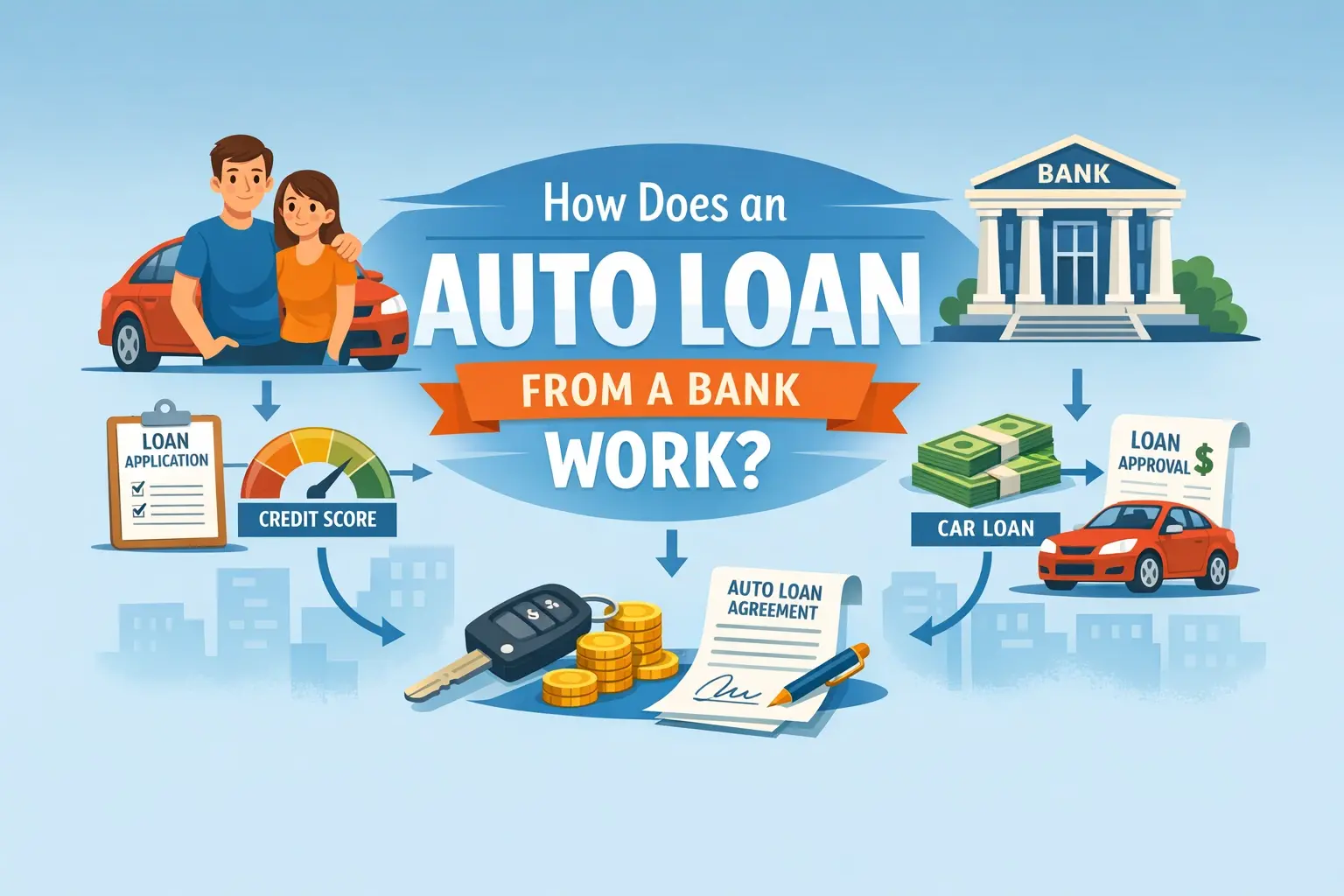
Capital One offers a streamlined and often digitally-focused approach to auto financing, aiming to make the process as convenient as possible for consumers. Understanding their typical application journey can help set expectations and prepare you for each stage.
The process generally begins with an initial inquiry or pre-qualification. Capital One often allows potential borrowers to check their potential auto loan offers, including estimated interest rates and loan amounts, without a hard credit inquiry. This is a significant advantage, as it lets you gauge your eligibility and potential terms before committing to a full application that could affect your credit score.
If you decide to proceed after pre-qualification, or if you're applying directly, the application will typically involve providing detailed personal and financial information. This includes:
Personal Information: Name, address, date of birth, Social Security number.
Employment and Income Details: Information about your current employer, job title, length of employment, and your gross monthly income. This helps Capital One assess your ability to repay the loan.
Housing Information: Details about your current living situation, including whether you rent or own, your monthly housing payment, and how long you've lived at your current address.
Loan Details: The amount you wish to borrow, the desired loan term, and potentially information about the vehicle you intend to purchase (make, model, year, VIN if known).
Once you submit your application, Capital One will conduct a thorough review. This review involves several steps:
Verification of Information: Capital One will verify the personal, employment, and income details you've provided.
Credit Assessment: This is where credit bureaus come into play. Capital One will pull your credit report and score from one or more of the major credit bureaus to evaluate your credit history and risk profile.
Underwriting: Based on all the information gathered, including your credit assessment, Capital One's underwriting team will determine whether to approve your loan, and if so, under what terms (interest rate, loan amount, repayment period).
If approved, you will receive a loan offer detailing the terms and conditions. You then have the option to accept the offer. If you accept, you'll proceed to finalize the loan documents. Capital One's process often integrates with dealerships, allowing for a more seamless experience at the point of sale, though they also offer direct auto loans.
It's important to note that the pre-qualification step, while valuable, is not a guarantee of final approval. The final approval is contingent upon a hard credit inquiry and a comprehensive review of all the information you provided.
Understanding this process allows you to be prepared. Having accurate documentation for your income and employment, and being aware of your credit standing, can significantly smooth the application journey with Capital One.
What Credit Bureaus Does Capital One Use for Auto Loans?
This is the core question for many prospective Capital One auto loan applicants. While Capital One, like most major lenders, does not publicly disclose the exact credit bureau it will pull from for every single applicant, industry best practices and available information provide a clear picture. Capital One primarily relies on the three major credit bureaus: Equifax, Experian, and TransUnion.
Here's a breakdown of what this means for you:
Likely to Pull from One or More: Capital One's underwriting system is designed to be flexible. They may choose to pull a credit report from Equifax, Experian, or TransUnion, or they might pull from two or even all three, depending on their internal algorithms, the specific loan product, and potentially regional factors. The goal is to get a comprehensive view of your creditworthiness.
No Single Definitive Answer: It's impossible to definitively state that Capital One *only* uses X bureau for auto loans. Their system is automated and can vary. The best approach is to assume they might use any of the big three.
Impact of Pre-Qualification: When you pre-qualify for a Capital One auto loan, they typically perform a "soft inquiry" on your credit. Soft inquiries do not affect your credit score and are often done using one specific bureau's data. However, this is distinct from the "hard inquiry" that occurs when you formally apply for the loan. The hard inquiry is what lenders use for final approval decisions and can impact your score.
Why Multiple Bureaus? Lenders often pull from multiple bureaus to mitigate the risk of discrepancies. If one bureau's report has an error or is missing crucial information, another bureau's report might provide a more complete or accurate picture. This also helps them cross-reference information and ensure the data they are using is robust.
What this means for your preparation:
Since Capital One can use any of the three major credit bureaus, it is highly recommended that you obtain and review your credit reports from all three: Equifax, Experian, and TransUnion. You are entitled to a free copy of your credit report from each bureau annually through AnnualCreditReport.com. By reviewing all three reports, you can:
Identify and Dispute Errors: Errors on your credit report can significantly harm your credit score and your chances of loan approval. Common errors include incorrect personal information, accounts that don't belong to you, incorrect payment history, or outdated negative information. If you find any errors, you have the right to dispute them with the respective credit bureau.
Understand Your Credit Profile: Seeing your credit history from each bureau's perspective helps you understand how lenders like Capital One will view you. You can identify patterns in your borrowing and repayment behavior.
Monitor Your Credit Health: Regularly checking your credit reports is a crucial part of maintaining good financial health.
Table: Major Credit Bureaus and Their Role
Credit Bureau
Primary Focus/Data
Capital One Usage Likelihood
Equifax
Comprehensive credit data, including public records, inquiries, and account history.
High - commonly used by lenders.
Experian
Extensive consumer credit data, including credit cards, loans, and payment history.
High - commonly used by lenders.
TransUnion
Consumer credit information has a significant presence in the auto lending sector.
High - commonly used by lenders.
In summary, Capital One utilizes the services of Equifax, Experian, and TransUnion for its auto loan credit assessments. The specific bureau(s) chosen can vary, making it imperative to monitor your credit reports from all three.
Key Factors Affecting Capital One Auto Loan Approval
While the credit bureaus provide the raw data, Capital One's decision-making process for auto loans involves a holistic assessment of several key factors. Understanding these elements can help you tailor your application and improve your chances of approval.
1. Credit Score and Credit History
This is arguably the most significant factor. Capital One, like most lenders, uses your credit score as a primary indicator of risk. For auto loans, a good to excellent credit score (generally considered 670 and above, with scores of 740+ being considered excellent) significantly increases your approval odds and can lead to lower interest rates.
Beyond the score itself, your credit history provides the narrative behind the number:
Payment History: This is the most critical component of your credit report. Consistent on-time payments on all your credit obligations are paramount. Late payments, defaults, or collections will negatively impact your application.
Credit Utilization Ratio: This refers to the amount of credit you're using compared to your total available credit. Keeping this ratio low (ideally below 30%, and even better below 10%) demonstrates responsible credit management. High utilization can signal financial distress.
Length of Credit History: A longer credit history generally works in your favor, as it provides more data for lenders to assess your long-term financial behavior.
Credit Mix: Having a mix of different credit types (e.g., credit cards, installment loans like mortgages or auto loans) can be beneficial, showing you can manage various forms of credit.
New Credit: Opening multiple new credit accounts in a short period can be a red flag, suggesting you might be in financial trouble.
2. Income and Employment Stability
Capital One needs to be confident that you can afford the monthly payments for your auto loan. They will assess your income and employment stability to determine your repayment capacity.
Sufficient Income: You'll need to demonstrate a stable and sufficient income to cover your existing financial obligations and the proposed car loan payment. Lenders often look at your debt-to-income ratio (DTI), which compares your total monthly debt payments to your gross monthly income. A lower DTI is preferable.
Employment History: A stable employment history, typically with the same employer for a significant period (e.g., 1-2 years or more), indicates reliability and consistent income. Frequent job changes can raise concerns.
Proof of Income: Be prepared to provide documentation such as pay stubs, tax returns, or bank statements to verify your income.
3. Loan-to-Value Ratio (LTV)
The LTV ratio compares the amount of the loan you're requesting to the value of the vehicle you intend to purchase. Capital One will consider this to assess its risk.
Higher Down Payment: A larger down payment reduces the LTV, meaning you're borrowing a smaller percentage of the car's value. This lowers the risk for Capital One and can improve your chances of approval, especially if your credit isn't perfect.
Vehicle Age and Mileage: The value of a vehicle depreciates over time. Older vehicles with high mileage will have a lower market value, potentially leading to a higher LTV if the loan amount is substantial. Capital One, like other lenders, may have limits on the age and mileage of vehicles they finance.
4. Loan Amount and Term
The size of the loan and the repayment period also play a role.
Reasonable Loan Amount: The loan amount should be in line with the vehicle's value and your income. Asking for an excessively large loan relative to your financial situation can lead to denial.
Appropriate Loan Term: While longer loan terms can result in lower monthly payments, they also mean you'll pay more interest over the life of the loan. Capital One will assess if the chosen term aligns with your repayment capacity and the vehicle's expected lifespan.
5. Overall Financial Profile
Lenders look at the complete financial picture. This includes:
Banking History: While not always a primary factor for auto loans, a history of overdrafts or significant negative activity in your bank accounts could be a concern.
Existing Debt: Capital One will consider your existing debt obligations when calculating your DTI. High levels of existing debt can make it harder to qualify for new credit.
By understanding and addressing these factors, you can significantly enhance your application for a Capital One auto loan. Proactive steps like improving your credit score, saving for a down payment, and ensuring your financial documentation is in order will put you in a stronger position.
Optimizing Your Credit Score for Capital One Auto Loans
Securing favorable terms on a Capital One auto loan hinges significantly on your credit score. While Capital One's specific credit score requirements aren't publicly disclosed, aiming for the highest score possible is always the best strategy. Here’s how you can optimize your credit score in preparation for applying:
1. Understand Your Current Credit Standing
The first step is to know where you stand. As mentioned earlier, obtain your free credit reports from Equifax, Experian, and TransUnion via AnnualCreditReport.com. Review them meticulously for any inaccuracies or negative items that you can address.
Actionable Steps:
Check for Errors: Dispute any incorrect information immediately. This process can take time, so start early.
Identify Negative Marks: Note any late payments, collections, bankruptcies, or high credit utilization.
2. Pay Down Credit Card Balances
Credit utilization is a major factor in credit scoring. Aim to keep your credit utilization ratio below 30% on each card and overall. For an auto loan, it's even better to aim for below 10%.
Actionable Steps:
Prioritize High-Balance Cards: Focus on paying down the cards with the highest balances first.
Make Multiple Payments: If possible, make more than one payment per month to keep your reported balance low.
Request Credit Limit Increases: If you have a good payment history with a card issuer, you might be able to request a credit limit increase, which can lower your utilization ratio without you spending more.
3. Ensure On-Time Payments
Payment history is the most critical component of your credit score, accounting for about 35% of your FICO score. Even a single late payment can have a significant negative impact.
Actionable Steps:
Set Up Auto-Pay: Automate payments for all your bills to avoid missing due dates.
Use Calendar Reminders: If auto-pay isn't feasible, set up calendar alerts a few days before each payment is due.
Catch Up on Past-Due Accounts: If you have any accounts that are currently past due, bring them current as soon as possible.
4. Avoid Opening New Credit Accounts Unnecessarily
Each time you apply for new credit, a hard inquiry is placed on your credit report, which can slightly lower your score. While a few inquiries won't drastically damage your score, multiple new accounts in a short period can signal to lenders that you might be in financial distress.
Actionable Steps:
Be Strategic: Only apply for credit when you genuinely need it.
Shop Around Within a Short Window: If you are shopping for an auto loan from multiple lenders, try to do so within a concentrated period (e.g., 14-45 days, depending on the scoring model). Credit scoring models often treat multiple inquiries for the same type of loan within this window as a single inquiry to allow for rate shopping.
5. Maintain Older Accounts
The length of your credit history contributes to your score. Closing older, well-managed accounts can shorten your average credit history length and potentially increase your credit utilization ratio if you have balances on other cards.
Actionable Steps:
Keep Accounts Open: Unless there's a compelling reason (like a high annual fee on a card you don't use), keep your older credit accounts open, even if you use them sparingly.
Use Them Occasionally: Make a small purchase on an older card every few months and pay it off immediately to keep it active.
6. Consider Credit-Building Tools (If Needed)
If you have a limited credit history or a low credit score, some tools can help.
Actionable Steps:
Secured Credit Cards: These require a cash deposit that typically becomes your credit limit. They function like regular credit cards and are reported to the credit bureaus.
Credit-Builder Loans: These are small loans where the borrowed amount is held in an account while you make payments. Once the loan is repaid, you receive the funds.
Authorized User: Becoming an authorized user on a trusted person's credit card account can sometimes help build credit, provided the primary cardholder has excellent credit habits.
Before applying for a loan, make sure to check your credit score with Credit Isle. They offer professional credit repair services that can help you understand your credit report, identify areas for improvement, and work towards a stronger financial profile. For personalized assistance, you can reach out to Credit Repair Ease at (888) 803-7889. They are a trusted company dedicated to helping individuals improve their credit standing.
By implementing these strategies, you can proactively enhance your creditworthiness, making you a more attractive candidate for Capital One auto loans and potentially securing better interest rates and terms.
What Happens After Your Capital One Auto Loan is Approved?
Congratulations! You've navigated the application process, and Capital One has approved your auto loan. This is a significant step towards driving away in your new vehicle. However, the process isn't quite finished yet. Understanding the subsequent steps will ensure a smooth transition to ownership.
1. Review and Accept the Loan Offer
Capital One will present you with a formal loan offer detailing all the terms and conditions. This is your opportunity to carefully review everything before committing.
Key items to scrutinize include:
Annual Percentage Rate (APR): This is the interest rate you'll pay on the loan, expressed as a yearly rate.
Loan Amount: The total amount you are borrowing.
Loan Term: The duration of the loan (e.g., 48, 60, 72 months).
Monthly Payment: The fixed amount you'll need to pay each month.
Total Interest Paid: An estimate of the total interest you'll pay over the life of the loan.
Fees: Any origination fees, late payment fees, or other charges associated with the loan.
Prepayment Penalties: Check if there are any penalties for paying off the loan early. Capital One generally does not charge prepayment penalties on its auto loans.
If you are satisfied with the terms, you will formally accept the offer. This usually involves signing the loan agreement digitally or in person.
2. Finalizing the Purchase with the Dealership or Seller
If you applied through a dealership that partners with Capital One, the process is often integrated. Capital One will communicate directly with the dealership to finalize the financing.
If you secured a direct auto loan from Capital One:
Funding the Purchase: Capital One will typically issue a check or provide funds directly to the dealership or seller. You will need to provide them with the necessary purchase agreement details.
Vehicle Information: You'll need to provide Capital One with details about the specific vehicle you are purchasing, including the VIN, make, model, and year.
Sales Contract: You will sign the final sales contract with the dealership, which will reflect the Capital One financing.
3. Vehicle Registration and Insurance
Once the sale is complete and financed, you'll need to ensure the vehicle is properly registered and insured.
Registration: The dealership will usually handle the initial vehicle registration and titling process. You will receive temporary tags and then permanent ones later.
Auto Insurance: Capital One, as the lienholder on the vehicle, will require you to maintain comprehensive and collision auto insurance. You must provide proof of insurance to Capital One. Failure to do so could lead to a default on your loan. Ensure your policy names Capital One as the lienholder.
4. Receiving Your Loan Documents
After the loan is finalized, you will receive copies of all relevant loan documents, including the retail installment contract. It's crucial to keep these documents in a safe place for your records.
5. Setting Up Payments
Capital One offers various convenient ways to make your monthly loan payments:
Online Account Management: You can set up an online account with Capital One to view your loan balance, payment history, and make payments electronically.
Automatic Payments: Setting up automatic payments from your bank account is a highly recommended way to ensure you never miss a payment.
Mail: You can also mail your payments, though this is generally the slowest method.
Make sure to understand your first payment due date and set up your preferred payment method accordingly.
Completing these steps means you've officially secured your Capital One auto loan and are ready to enjoy your new vehicle. Remember to stay on top of your payments to maintain a positive credit history.
Managing Your Capital One Auto Loan
Securing an auto loan is just the beginning; responsible management of your loan is key to maintaining good credit and a healthy financial life. Capital One provides tools and options to make this process straightforward.
1. Making Payments On Time
This is the most critical aspect of managing your auto loan. Consistent, on-time payments are vital for maintaining a good credit score and avoiding late fees and potential penalties.
Best Practices:
Automatic Payments: The most reliable method is to set up automatic monthly payments from your checking or savings account. This eliminates the risk of forgetting a due date.
Payment Reminders: If you prefer manual payments, set up reminders a few days before the due date through your phone's calendar or email alerts.
Payment Confirmation: Always ensure your payment has been successfully processed, whether through online confirmation, bank statement review, or a mailed statement.
2. Understanding Your Loan Statement
Each month, you'll receive a statement (either paper or electronic) detailing your loan activity. Familiarize yourself with its contents.
Key Information on Your Statement:
Payment Due Date: The date your payment is expected.
Amount Due: The minimum payment required.
Payment History: A record of your past payments.
Principal and Interest Breakdown: How much of your payment goes towards reducing the loan balance (principal) versus paying interest.
Loan Balance: The remaining amount you owe.
3. Communicating with Capital One
If you encounter any issues, such as difficulty making a payment, it's crucial to communicate with Capital One as soon as possible. They may be able to offer options or guidance.
Situations requiring communication:
Financial Hardship: If you experience job loss, medical emergencies, or other significant financial setbacks, contact Capital One immediately to discuss potential hardship programs or payment adjustments.
Address Changes: Ensure Capital One always has your current contact information and mailing address to receive important notices and statements.
Questions About Your Loan: Don't hesitate to reach out if you have any questions about your loan terms, statements, or payment options.
4. Tracking Loan Payoff Progress
Monitoring your progress towards paying off the loan can be motivating. You can see how your principal balance decreases with each payment.
Tips for tracking:
Online Account: Capital One's online portal provides real-time updates on your loan balance.
Amortization Schedule: Understand how your payments are applied. Early payments on a loan typically go more towards interest, while later payments reduce the principal more significantly.
5. Considering Early Payoff
If your financial situation allows, paying off your auto loan early can save you a significant amount of money in interest. Capital One does not charge prepayment penalties, making this a financially sound option.
Benefits of early payoff:
Save on Interest: The sooner you pay off the loan, the less interest you will accrue.
Become Debt-Free Sooner: Free up your monthly budget for other financial goals.
Improve Credit Utilization (if applicable): Once the loan is paid off, it will no longer contribute to your debt-to-income ratio, which can be beneficial for future borrowing.
Before making a large lump-sum payment, confirm with Capital One how the payment will be applied (e.g., towards principal only) to ensure it maximizes your interest savings.
By actively managing your Capital One auto loan, you not only fulfill your financial obligations but also build a stronger credit history, which will benefit you for years to come.
Alternatives to Capital One Auto Loans
While Capital One is a prominent auto lender, it's always wise to explore your options to ensure you're getting the best possible financing for your needs. Various institutions offer auto loans, each with its own strengths and target customer base. Comparing offers is crucial for securing a competitive interest rate and favorable terms.
1. Other Major Lenders
Beyond Capital One, several other large financial institutions offer auto loans. These often have robust online platforms and competitive rates, especially for borrowers with good credit.
Ally Bank: Known for its online-only model, Ally Bank often provides competitive rates and a straightforward application process.
Chase Auto: As one of the largest banks in the U.S., Chase offers auto loans with competitive rates and a wide network of dealerships.
Wells Fargo: Another major bank with a significant presence in auto lending, offering various financing options.
2. Credit Unions
Credit unions are member-owned, non-profit financial cooperatives. They often offer some of the most competitive interest rates and personalized service in the lending market.
Membership Requirements: To join a credit union, you typically need to meet certain eligibility criteria, such as living in a specific geographic area, working for a particular employer, or belonging to an affiliated organization.
Lower Rates and Fees: Credit unions are known for passing savings onto their members, often resulting in lower APRs and fewer fees compared to traditional banks.
Customer Service: Many members praise credit unions for their excellent customer service and willingness to work with borrowers.
3. Online Lenders and Fintech Companies
The rise of technology has led to numerous online lenders and financial technology (fintech) companies specializing in auto loans. These lenders often offer quick approvals and can be a good option for borrowers with varying credit profiles.
Speed and Convenience: Applications and approvals can often be completed online within minutes or hours.
Variety of Credit Profiles: Some online lenders cater specifically to borrowers with lower credit scores or limited credit history, though rates may be higher.
Examples: Companies like Carvana (which also sells cars), LendingTree (a marketplace), and others offer diverse auto financing solutions.
4. Dealership Financing
When you buy a car from a dealership, they will often present you with financing options. This can be convenient as it consolidates the car purchase and financing into one step.
In-House Financing: Some dealerships have their own financing arms.
Lender Partnerships: Dealerships partner with various banks, credit unions, and finance companies to offer loans.
Potential for Negotiation: While convenient, it's essential to compare dealership offers with pre-approved loans from other lenders. Sometimes dealerships can secure better rates than you might get directly, but not always.
5. Comparing Loan Offers
The key to finding the best auto loan is comparison shopping. When comparing offers, look beyond just the interest rate (APR).
Factors to Compare:
APR: The most significant factor affecting your total borrowing cost.
Loan Term: A shorter term means higher monthly payments but less interest paid overall. A longer term means lower monthly payments but more interest paid.
Fees: Look for origination fees, application fees, late payment fees, and prepayment penalties.
Down Payment Requirements: Some lenders may require a larger down payment than others.
Loan Amount Limits: Ensure the lender offers financing for the vehicle you intend to purchase.
Customer Service and Reputation: Read reviews and consider the lender's reputation for customer service.
By diligently comparing offers from Capital One, credit unions, other banks, and online lenders, you can identify the auto loan that best suits your financial situation and vehicle purchase goals.
In conclusion, understanding which credit bureaus Capital One uses for auto loans – primarily Equifax, Experian, and TransUnion – is a critical piece of information for any applicant. By proactively reviewing your credit reports from all three, addressing any inaccuracies, and optimizing your credit score, you significantly improve your chances of securing favorable loan terms. Capital One's streamlined process, combined with a thorough understanding of factors like income, employment, and loan-to-value ratios, empowers you to navigate the application with confidence. Remember to explore all your financing alternatives and compare offers to ensure you drive away with not only a new car but also the best possible auto loan.
null
What Credit Bureau Does Capital One Use For Auto Loans

Krystin Bresolin