-
Posted on: 23 Feb 2026
-
Navigating the world of auto financing can feel complex, especially when trying to pinpoint the exact auto loan rates you qualify for. This comprehensive guide will demystify current auto loan rates for 2025-2026, explore influencing factors, and provide actionable strategies to secure the most favorable terms for your next vehicle purchase.
Understanding Auto Loan Rates
At its core, an auto loan rate, often expressed as an Annual Percentage Rate (APR), represents the cost of borrowing money to purchase a vehicle. It's the interest you'll pay to the lender over the life of the loan, in addition to the principal amount borrowed. Understanding what influences these rates is crucial for making informed financial decisions and saving money over the long term.
The Significance of APR
The Annual Percentage Rate (APR) is a more comprehensive measure than the simple interest rate because it includes not only the interest but also certain fees associated with the loan. This provides a truer picture of the overall cost of borrowing. A lower APR translates directly into lower monthly payments and less interest paid over the loan's duration. For instance, a 0.5% difference in APR on a $30,000 loan over five years can save you hundreds, if not thousands, of dollars.
Principal vs. Interest
When you take out an auto loan, you're agreeing to repay the principal (the amount borrowed to buy the car) plus interest. The interest is the lender's profit for providing the loan. The way your payments are structured, typically an amortizing loan, means that in the early stages of the loan, a larger portion of your payment goes towards interest, while later payments are more heavily weighted towards the principal. Understanding this amortization schedule can help you plan your finances more effectively.
Loan Term and Its Impact
The loan term, or the length of time you have to repay the loan, also plays a significant role in your monthly payments and the total interest paid. Shorter loan terms usually come with higher monthly payments but result in less total interest paid. Conversely, longer loan terms offer lower monthly payments, making the vehicle more affordable on a month-to-month basis, but you'll end up paying more interest over the life of the loan. For example, a 72-month loan will almost always have a higher total interest cost than a 48-month loan for the same principal amount and APR.
Factors Influencing Auto Loan Rates
Several key elements converge to determine the auto loan rate an individual will be offered. Lenders assess risk, and the following factors are paramount in their evaluation:
Credit Score: The Dominant Factor
Your credit score is arguably the most critical determinant of your auto loan rate. Lenders use your credit score to gauge your creditworthiness – your likelihood of repaying the loan as agreed. Scores typically range from 300 to 850, with higher scores indicating lower risk.
Excellent Credit (750+): Borrowers with excellent credit scores are considered low-risk and are typically offered the most competitive interest rates.
Good Credit (670-749): This range still qualifies for favorable rates, though perhaps not the absolute lowest available.
Fair Credit (580-669): Expect higher interest rates as lenders perceive a greater risk.
Poor Credit (Below 580): Obtaining an auto loan can be challenging, and rates will likely be significantly higher, if approved at all. Subprime lenders may be an option, but at a premium cost.
It's essential to know your credit score before applying. If your score isn't where you'd like it to be, consider working on improving it. Sometimes, a few simple steps can make a significant difference. For those looking to proactively manage their credit health, resources like Credit Repair Ease offer professional guidance and services to help improve credit profiles, which can directly impact loan eligibility and rates.
Loan-to-Value (LTV) Ratio
The LTV ratio compares the amount you're borrowing to the value of the vehicle. A lower LTV ratio (meaning you're putting down a larger down payment or borrowing less relative to the car's value) generally leads to better rates. Lenders see a lower LTV as less risky because the borrower has more equity in the vehicle from the outset.
Calculation: Loan Amount / Vehicle Value = LTV Ratio
For example, if you're buying a car worth $25,000 and financing $20,000, your LTV is 80% ($20,000 / $25,000). If you put down a larger down payment and finance only $15,000, your LTV drops to 60% ($15,000 / $25,000), which is more favorable.
Loan Term Length
As discussed earlier, the duration of the loan significantly impacts the rate. Lenders often offer slightly lower rates for shorter loan terms (e.g., 36 or 48 months) because the money is at risk for a shorter period. Longer terms (e.g., 72 or 84 months) typically come with higher rates to compensate the lender for the extended risk exposure.
Down Payment Amount
A larger down payment directly reduces the loan amount and, consequently, the LTV ratio. This signals to the lender that you have more "skin in the game," reducing their risk and often resulting in a lower APR. A substantial down payment can also help you avoid needing to finance the full purchase price, potentially allowing you to secure a loan for a lower amount, which might fall into a more favorable rate tier.
Vehicle Age and Type
The age and type of vehicle you're financing can also influence rates. Newer vehicles generally have lower rates than used vehicles because they depreciate less quickly and are perceived as more reliable. Lenders may offer slightly higher rates on older used cars or specialized vehicles due to a higher risk of mechanical issues and a more volatile resale market.
Lender Type
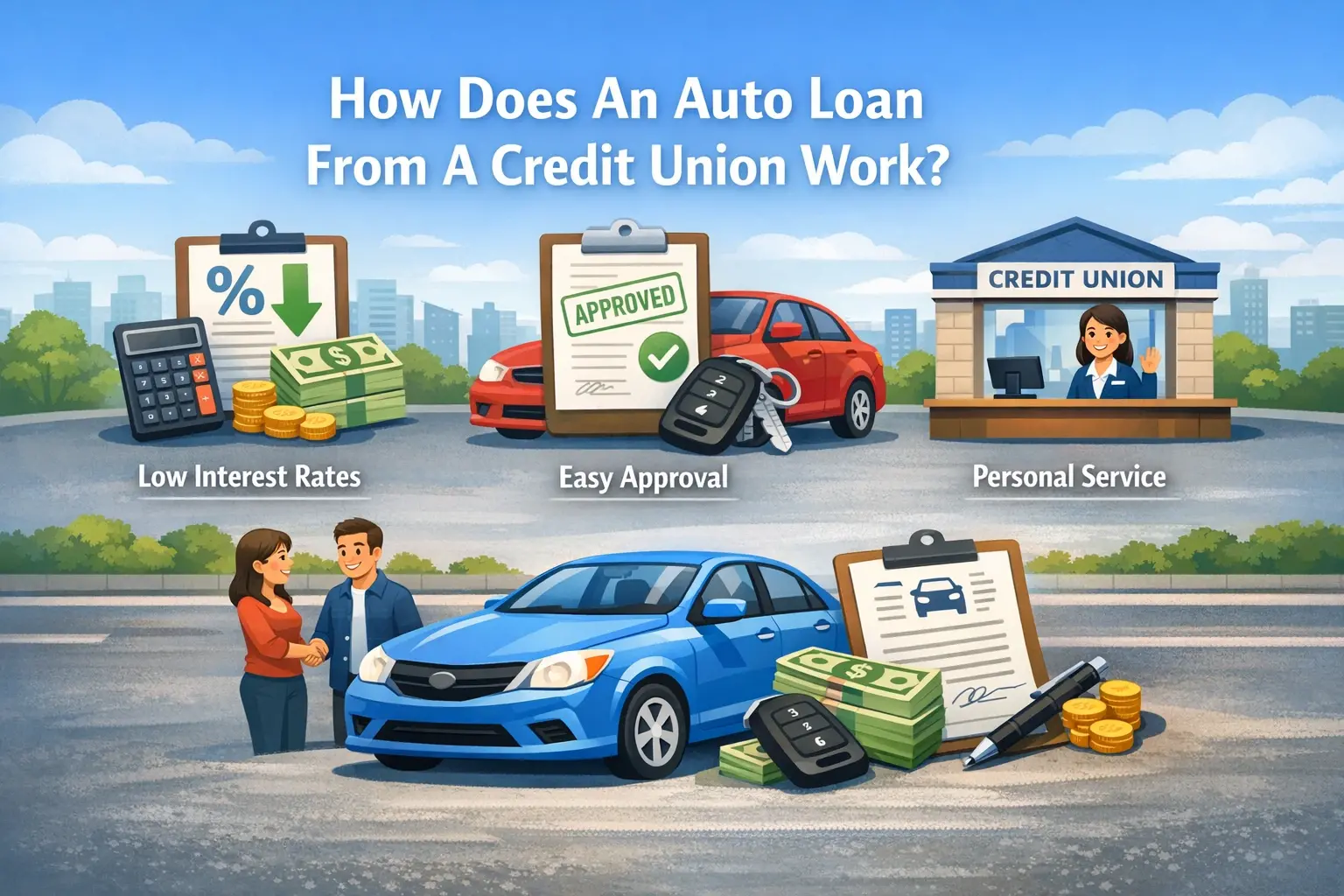
Different types of lenders offer varying rates. Banks, credit unions, and online lenders all have different operational costs and risk appetites, leading to competitive rate structures. Credit unions, often non-profit, may offer some of the most competitive rates to their members. Dealerships often work with multiple lenders and can be a convenient one-stop shop, but it's always wise to compare their offers with those from direct lenders.
Current Auto Loan Rate Landscape (2025-2026)
The automotive financing market is dynamic, influenced by broader economic conditions, inflation, and central bank policies. For 2025 and into 2026, several trends and benchmarks are shaping the auto loan rate environment.
Average Auto Loan Rates (2025-2026 Projections)
Based on current economic forecasts and historical trends, average auto loan rates for new and used vehicles are projected to remain somewhat elevated compared to the historically low rates seen in previous years. However, significant fluctuations can occur based on Federal Reserve actions and market demand.
Projected Average APRs (2025-2026):
Loan Type
Credit Tier
Projected Avg. APR (2025-2026)
New Car Loan
Excellent Credit (750+)
5.5% - 7.0%
New Car Loan
Good Credit (670-749)
7.0% - 8.5%
New Car Loan
Fair Credit (580-669)
9.0% - 12.0%
Used Car Loan
Excellent Credit (750+)
6.0% - 7.5%
Used Car Loan
Good Credit (670-749)
7.5% - 9.0%
Used Car Loan
Fair Credit (580-669)
10.0% - 14.0%
Note: These are projected averages and can vary significantly based on lender, specific economic conditions, and borrower profile. Rates for poor credit may be considerably higher.
Impact of Inflation and Interest Rate Hikes
Inflationary pressures often lead central banks, like the Federal Reserve in the U.S., to raise benchmark interest rates to cool down the economy. These hikes directly influence the cost of funds for lenders, who then pass those costs onto borrowers in the form of higher APRs on auto loans, mortgages, and other credit products. As of late 2024 and into 2025, the lingering effects of inflation and potential further rate adjustments by the Fed will continue to shape the lending landscape.
New vs. Used Car Loan Rates
Historically, new car loans tend to have slightly lower interest rates than used car loans. This is because new cars are typically financed at higher loan amounts, have predictable depreciation curves, and are often seen as less risky by lenders. Used cars, especially older models, can carry higher rates due to increased risk of mechanical issues and a more unpredictable resale market.
The Role of Federal Reserve Policy
The Federal Reserve's monetary policy is a primary driver of interest rates across the economy. When the Fed raises its target for the federal funds rate, it becomes more expensive for banks to borrow money. This increased cost is then passed on to consumers through higher interest rates on loans, including auto loans. Conversely, if the Fed lowers rates to stimulate the economy, auto loan rates may also decrease.
Types of Auto Loans and Their Rates
The type of auto loan you choose can also affect the rate you receive. Understanding these distinctions is key to finding the best fit for your financial situation.
New Car Loans
These are loans specifically for purchasing a brand-new vehicle. As mentioned, they often come with the most competitive rates due to lower perceived risk for lenders. Manufacturers sometimes offer special low-APR financing deals on new models to incentivize sales, which can be incredibly attractive if you qualify.
Used Car Loans
Financing a pre-owned vehicle. Rates for used car loans are generally higher than for new cars. The specific rate can depend heavily on the age, mileage, and condition of the car. Lenders may also impose stricter requirements for older or higher-mileage vehicles.
Refinancing Auto Loans
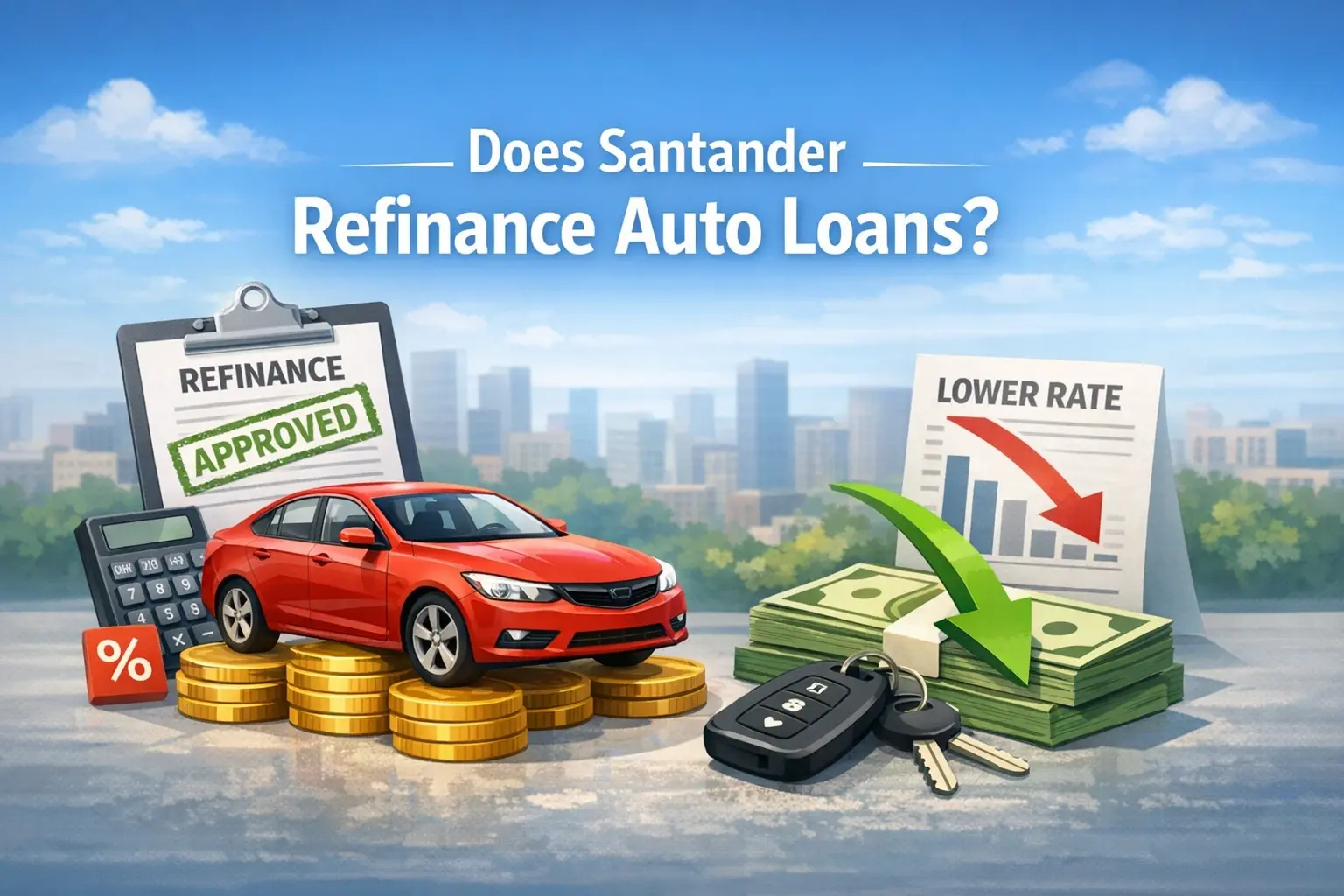
If you currently have an auto loan and your credit score has improved, or if market rates have dropped significantly since you took out your loan, you may be able to refinance. Auto loan refinancing involves taking out a new loan to pay off your existing loan, ideally at a lower interest rate or with more favorable terms. This can save you a substantial amount of money over the remaining life of the loan.
Lease Buyout Loans
When your car lease term ends, you often have the option to purchase the vehicle. A lease buyout loan is specifically for this purpose. The rates can vary, but they are generally competitive, especially if you have good credit. Some lenders specialize in lease buyouts.
Subprime Auto Loans
These loans are designed for borrowers with poor credit histories. While they offer a pathway to vehicle ownership for those who might otherwise be denied, they come with significantly higher interest rates and often shorter loan terms to compensate lenders for the increased risk. It's crucial to carefully evaluate the total cost of a subprime loan before committing.
How to Get the Best Auto Loan Rates
Securing the lowest possible APR on your auto loan requires preparation and a strategic approach. Here’s how to maximize your chances:
1. Improve Your Credit Score
This is the single most impactful step. Before you even start shopping for a car or loan, dedicate time to understanding and improving your credit score. Pay down existing debt, ensure all payments are made on time, and check your credit reports for errors. For those needing professional assistance to navigate credit challenges, services like Credit Repair Ease can provide expert support and strategies to boost your creditworthiness, which can unlock significantly better loan terms.
2. Save for a Larger Down Payment
The more you can put down upfront, the less you'll need to borrow, reducing your LTV ratio and signaling greater financial commitment. A down payment of 10-20% is often recommended, but even a few thousand dollars can make a difference in the loan amount and, consequently, the interest you pay.
3. Shop Around for Lenders
Don't settle for the first offer you receive, especially from a dealership. Get pre-approved by multiple lenders before you visit a dealership. This includes:
Banks: Your current bank or other national banks.
Credit Unions: Often offer competitive rates to members.
Online Lenders: A growing segment offering competitive rates and streamlined application processes.
Comparing offers will give you leverage and a clear benchmark for the best rate available to you.
4. Get Pre-Approved
Securing pre-approval before you shop for a car tells you exactly how much you can borrow and at what interest rate. This empowers you at the dealership, allowing you to focus on negotiating the car's price rather than the financing terms. It also prevents the dealership from potentially inflating the interest rate to compensate for a lower car price.
5. Consider Shorter Loan Terms
While longer terms mean lower monthly payments, they significantly increase the total interest paid. If your budget allows, opt for a shorter loan term (e.g., 48 or 60 months) to save money in the long run. Calculate the total cost of the loan for different terms to see the impact.
6. Negotiate
Once you have pre-approval from a direct lender, you can use that offer as a negotiating tool at the dealership. If the dealership's financing department can beat your pre-approved rate, great! If not, you can proceed with your pre-approved loan.
What to Expect During the Auto Loan Process
Understanding the typical steps involved in securing an auto loan can make the process smoother and less stressful.
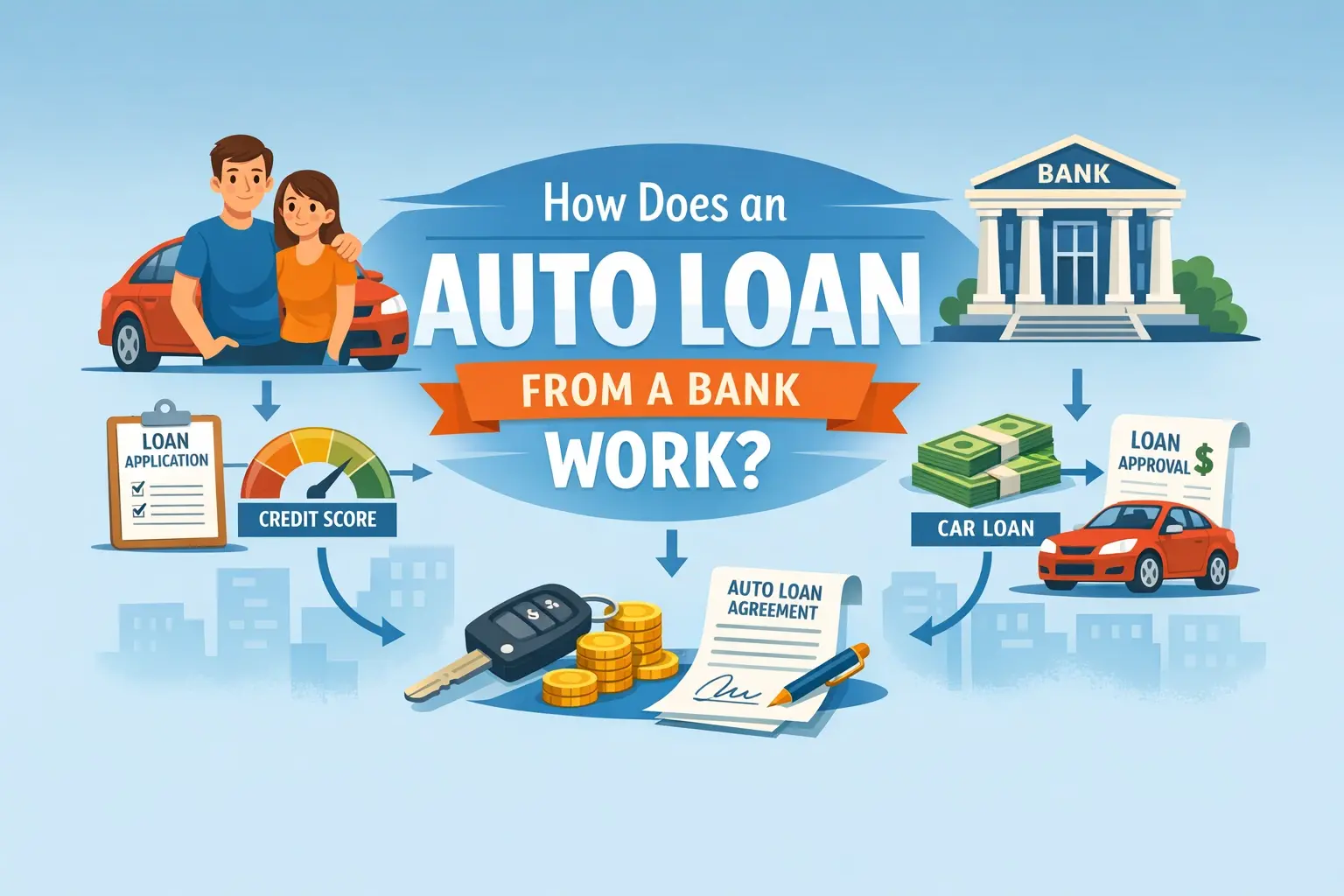
Application and Information Gathering
You'll start by completing a loan application. This will require personal information such as your name, address, employment history, income, and Social Security number. You'll also need to provide details about the vehicle you intend to purchase (if known).
Credit Check
The lender will perform a credit check to assess your creditworthiness. This involves reviewing your credit report and credit score. Multiple inquiries within a short period for the same type of loan (like auto loans) are often grouped together by credit bureaus, meaning they may only count as one inquiry, minimizing the impact on your score.
Underwriting and Approval
The lender's underwriting department will review your application, credit report, and other financial documentation to determine your eligibility and the loan terms they can offer. This stage involves assessing the risk associated with lending to you. If approved, you'll receive a loan offer detailing the principal amount, APR, loan term, and monthly payment.
Finalizing the Loan and Vehicle Purchase
Once you accept the loan offer, you'll sign the loan agreement. The lender will then disburse the funds, usually directly to the dealership. You'll then complete the purchase of the vehicle. Ensure you understand all the terms and conditions before signing anything.
Post-Purchase Responsibilities
After driving off the lot, your primary responsibility is to make your monthly loan payments on time. You'll also need to maintain comprehensive and collision insurance on the vehicle, as required by your loan agreement, with the lender listed as a lienholder.
Impact of Economic Factors on Rates
The auto loan market doesn't exist in a vacuum. Broader economic forces significantly influence the rates offered to consumers.
Inflation and Monetary Policy
As previously touched upon, inflation is a major driver of interest rate changes. When inflation rises, central banks tend to increase interest rates to curb spending and stabilize prices. This directly increases the cost of borrowing for lenders, leading to higher auto loan APRs. Conversely, during periods of low inflation or economic slowdown, central banks might lower rates to encourage borrowing and spending, potentially leading to lower auto loan rates.
Economic Growth and Consumer Demand
A strong economy with robust consumer spending generally leads to higher demand for vehicles. This increased demand can sometimes put upward pressure on auto loan rates, as lenders may see more opportunities to lend. Conversely, during economic downturns, demand for vehicles may decrease, leading lenders to potentially lower rates to attract borrowers.
Supply Chain Issues
Recent years have highlighted how supply chain disruptions can impact vehicle availability and pricing. When new car inventory is low, prices can rise, and financing terms might become less favorable as demand outstrips supply. Conversely, an oversupply of vehicles could lead to more competitive financing offers to move inventory.
Unemployment Rates
Higher unemployment rates signal economic instability and can increase the perceived risk for lenders. This can lead to tighter lending standards and higher interest rates across the board, as lenders become more cautious about borrowers' ability to repay their loans.
Future Outlook for Auto Loan Rates
Predicting future interest rates with absolute certainty is impossible, but we can make informed projections based on current trends and economic indicators for the remainder of 2025 and into 2026.
Continued Volatility
The economic landscape is expected to remain somewhat volatile. Inflationary pressures may persist, potentially leading the Federal Reserve to maintain higher interest rates or even implement further modest hikes if inflation proves stubborn. This suggests that auto loan rates may not see a significant decline in the immediate future and could remain at their current elevated levels or even tick up slightly.
Impact of Technological Advancements
The automotive industry is rapidly evolving with electric vehicles (EVs) and advanced driver-assistance systems. While not directly impacting interest rates, the financing of these newer technologies might see specialized loan products emerge. Lenders may also adapt their risk assessments for EVs based on battery life, resale value, and charging infrastructure availability.
Lender Competition
Despite potential economic headwinds, competition among banks, credit unions, and online lenders is likely to remain fierce. This competition will continue to drive efforts to offer attractive rates and terms to borrowers with strong credit profiles. Borrowers who diligently shop around will still be able to find the best available deals.
The Importance of a Strong Financial Foundation
Regardless of market fluctuations, the most reliable strategy for securing favorable auto loan rates remains a strong financial foundation. This includes maintaining an excellent credit score, a stable income, and a healthy debt-to-income ratio. For individuals aiming to improve their financial standing and qualify for better loan terms, proactive credit management is key. Exploring resources for credit repair can be a valuable step in this process, ensuring you're in the best possible position when applying for a loan.
In conclusion, understanding current auto loan rates for 2025-2026 involves recognizing the interplay of personal financial factors, vehicle specifics, and broader economic conditions. While average rates may remain somewhat elevated due to inflation and monetary policy, borrowers with excellent credit, a solid down payment, and a willingness to shop around can still secure competitive financing. By staying informed and preparing diligently, you can navigate the auto loan market effectively and drive away in your next vehicle with confidence, knowing you've obtained the best possible terms.
null
What Are The Current Auto Loan Rates

Krystin Bresolin