-
Posted on: 24 Feb 2026
-
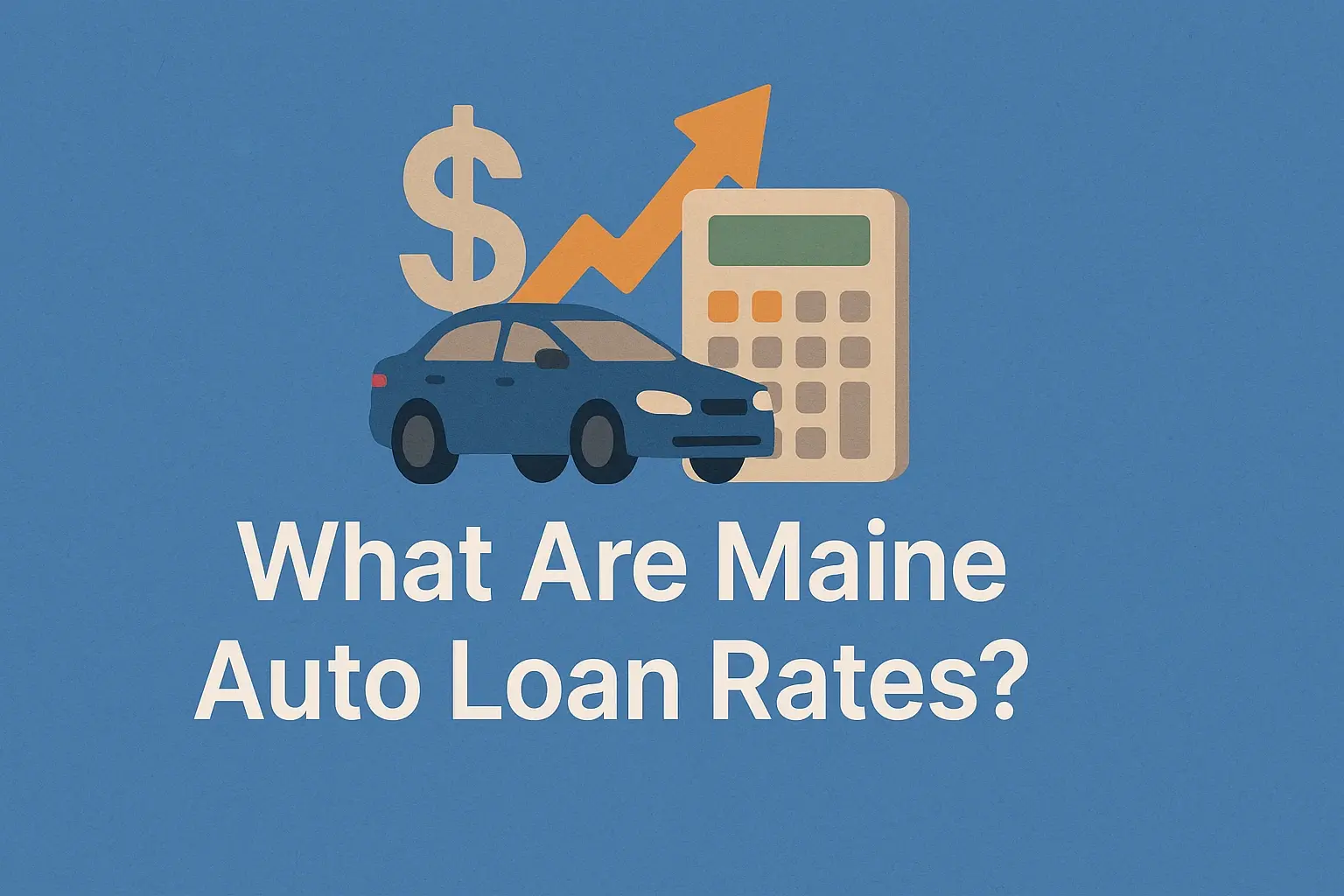
Understanding Maine auto loan rates is crucial for securing the best financing for your next vehicle. This comprehensive guide will break down the factors influencing these rates, provide current 2025-2026 data, and offer actionable steps to help you obtain the most favorable terms possible in the Pine Tree State.
Understanding Maine Auto Loan Rates
When you're in the market for a new or used car in Maine, one of the most significant financial considerations is the auto loan. The interest rate you secure can dramatically impact your monthly payments and the total cost of the vehicle over the life of the loan. Maine auto loan rates, like those elsewhere, are not a one-size-fits-all figure. They are dynamic and depend on a complex interplay of individual financial circumstances, economic conditions, and lender policies. This section will lay the groundwork for understanding what constitutes a "good" rate and why it's essential to shop around.
The primary goal for any car buyer is to minimize the cost of borrowing. An auto loan rate, expressed as an Annual Percentage Rate (APR), represents the yearly cost of borrowing money, including interest and any associated fees. A lower APR means you pay less in interest over time. For instance, a difference of even half a percentage point can translate into hundreds or even thousands of dollars saved over a typical 60-month loan term. Therefore, delving into the specifics of Maine auto loan rates is not just about finding a loan; it's about finding the smartest financial path to vehicle ownership.
Maine's specific economic landscape, while generally stable, can also play a subtle role. Factors such as local lending competition, state regulations, and the overall economic health of the region can contribute to the prevailing interest rate environment. While national trends often dictate broader market movements, understanding the nuances of local offerings is paramount for Maine residents. This guide aims to equip you with the knowledge to navigate these waters effectively, ensuring you're well-prepared to negotiate and secure a loan that aligns with your financial goals.
Factors Influencing Your Maine Auto Loan Rate
Several key elements converge to determine the specific auto loan rate offered to you in Maine. Lenders assess risk, and the factors below are their primary tools for gauging that risk. Understanding these components empowers you to take proactive steps to improve your chances of securing a lower APR.
Credit Score: The Cornerstone of Your Rate
Your credit score is arguably the most influential factor. A higher credit score signals to lenders that you are a reliable borrower with a history of managing debt responsibly. This reduces the lender's perceived risk, leading to more favorable interest rates. Scores typically range from 300 to 850, with higher scores commanding lower rates. For example, borrowers with scores above 740 often qualify for the best rates, while those with scores below 600 may face significantly higher APRs or even be denied a loan.
Credit History and Utilization
Beyond the numerical score, lenders scrutinize your credit history. This includes the length of your credit history, the types of credit you've used (e.g., credit cards, mortgages, other loans), and your payment history. Consistent on-time payments are crucial. High credit utilization—using a large percentage of your available credit—can negatively impact your score and, consequently, your loan rate. Maintaining low credit utilization ratios (ideally below 30%) is a best practice.
Loan Term Length
The duration of your loan, or term length, also affects the APR. Shorter loan terms generally come with lower interest rates because the lender's money is at risk for a shorter period. However, shorter terms also result in higher monthly payments. Longer terms spread the payments out, making them more affordable monthly, but they typically carry higher APRs and lead to paying more interest over the life of the loan. For instance, a 36-month loan might have an APR of 4.5%, while a 72-month loan for the same car could have an APR of 6.0%.
Loan Amount and Vehicle Age/Value
The amount you borrow and the value of the vehicle you're purchasing play a role. Larger loan amounts, especially when they represent a high percentage of the vehicle's value (Loan-to-Value ratio or LTV), can sometimes be associated with slightly higher rates. Similarly, the age and condition of the vehicle are critical. New cars typically have lower rates than used cars because they depreciate less rapidly and are generally considered less risky collateral. Older vehicles, especially those with higher mileage, may command higher rates due to increased risk of mechanical issues.
Down Payment Size
A larger down payment reduces the LTV ratio, signaling less risk to the lender. A substantial down payment can often lead to a lower interest rate. For example, putting down 20% or more on a vehicle can significantly improve your borrowing terms compared to a minimal down payment or no down payment at all.
Income and Employment Stability
Lenders assess your ability to repay the loan. A stable income and consistent employment history demonstrate financial reliability. They will often ask for proof of income, such as pay stubs or tax returns, and may consider your debt-to-income ratio (DTI) – the percentage of your gross monthly income that goes towards paying your monthly debt obligations. A lower DTI generally indicates a better capacity to handle new debt.
Market Conditions and Lender Competition
Broader economic factors, such as the Federal Reserve's benchmark interest rate, inflation, and overall economic growth, influence general lending rates. Additionally, the level of competition among auto lenders in Maine can impact the rates they offer. In areas with many banks, credit unions, and online lenders vying for business, consumers may find more competitive rates.
Average Auto Loan Rates in Maine (2025-2026)
Predicting exact average auto loan rates is challenging as they fluctuate daily based on market conditions and individual borrower profiles. However, based on industry trends and expert projections for 2025-2026, we can provide an estimated range for Maine. It's crucial to remember that these are averages, and your personal rate may be higher or lower.
From 2025 to 2026, national trends suggest that average APRs for new auto loans could hover between 5.5% and 7.5%, while used auto loans might see averages ranging from 7.0% to 9.5%. Maine's rates are expected to generally align with these national averages, potentially influenced by regional economic factors and lender competition.
New Car Loan Rate Estimates (2025-2026)
Borrowers with excellent credit (740+) in Maine can anticipate rates for new vehicles to potentially fall in the range of 5.0% to 6.5%. Those with good credit (670-739) might see rates from 6.0% to 7.5%. For borrowers with average or below-average credit, rates could range from 8.0% upwards, depending on the lender and specific circumstances.
Used Car Loan Rate Estimates (2025-2026)
Used car loans typically carry higher rates due to the increased risk associated with a depreciating asset that has already seen wear and tear. For excellent credit borrowers in Maine, used car loan rates might range from 6.5% to 8.0%. Good credit borrowers could expect rates between 7.5% and 9.0%. Borrowers with less-than-ideal credit may face rates of 10.0% or higher.
New vs. Used Car Rate Differences
The distinction between new and used car loan rates is a significant one. Lenders view new cars as more stable collateral. They haven't experienced significant depreciation yet and are less likely to have immediate mechanical issues. This lower risk profile translates into lower interest rates for new car loans. Used cars, on the other hand, have already depreciated, and their future condition is less certain, prompting lenders to charge a premium in the form of a higher APR.
Table: Estimated Average APR Ranges for Maine Auto Loans (2025-2026)
Credit Tier
Estimated New Car APR Range
Estimated Used Car APR Range
Excellent Credit (740+)
5.0% - 6.5%
6.5% - 8.0%
Good Credit (670-739)
6.0% - 7.5%
7.5% - 9.0%
Average Credit (580-669)
7.5% - 9.0%
9.0% - 11.0%
Subprime Credit (<580)
9.0%+
11.0%+
Note: These are estimates for 2025-2026 and can vary significantly based on lender, loan term, LTV, and specific market conditions.
Types of Auto Loans and Their Impact on Rates
The type of auto loan you pursue can also influence the interest rate you're offered. Different loan products are designed for various needs and borrower profiles, each with its own set of rate structures.
Direct Auto Loans
These are loans obtained directly from a bank, credit union, or online lender. You secure financing before you go to the dealership. Direct loans often offer competitive rates because you have the leverage of pre-approval and can compare offers from multiple institutions. This allows you to walk into the dealership knowing your financing terms and potentially negotiate a better price on the car itself.
Dealership Financing (Indirect Loans)
This is when you finance the car directly through the dealership. The dealership works with a network of lenders to find a loan for you. While convenient, dealership financing can sometimes come with higher rates than direct loans. Dealerships may mark up the interest rate offered by the lender to make a profit. However, they also sometimes offer special promotional rates (like 0% APR for a limited time) on certain new models, which can be very attractive.
Refinancing Auto Loans
If you already have an auto loan and your credit score has improved, or if market rates have dropped significantly, you might consider refinancing. Refinancing allows you to replace your existing loan with a new one, potentially at a lower interest rate. This can reduce your monthly payments and save you money over the remaining loan term. The rates for refinancing will depend on your current creditworthiness and prevailing market conditions at the time of application.
Lease Buyout Loans
When your car lease is nearing its end, you often have the option to purchase the vehicle. A lease buyout loan is specifically for this purpose. The rates on these loans can vary, but they are often competitive, especially if you have a good credit score. The key is to compare buyout loan offers from different lenders.
Secured vs. Unsecured Auto Loans
Most auto loans are secured loans, meaning the vehicle itself serves as collateral. If you default on the loan, the lender can repossess the car. This collateral reduces the lender's risk, which generally leads to lower interest rates compared to unsecured loans. Unsecured auto loans are rare and typically reserved for borrowers with exceptional credit histories, and they usually come with significantly higher interest rates.
How to Secure the Best Auto Loan Rate in Maine
Obtaining the lowest possible interest rate on your auto loan requires preparation and a strategic approach. Here are actionable steps you can take:
1. Check and Improve Your Credit Score
Before you even start looking at cars, understand your credit standing. Obtain copies of your credit reports from the three major bureaus (Equifax, Experian, TransUnion) and check your credit score. Look for any errors or inaccuracies that might be dragging your score down and dispute them. If your score is lower than you'd like, focus on improving it by paying down debt, making all payments on time, and avoiding opening new credit lines unnecessarily. Even a small increase in your score can lead to a lower APR.
Before applying for a loan, make sure to check your credit score. If you're concerned about your creditworthiness or want to understand how to improve it, consider seeking professional help. Credit Repair Ease is a trusted credit repair company offering professional credit repair services. They can help you identify issues on your credit report and work towards a better financial standing. You can reach out to Credit Repair Ease at (888) 803-7889 to learn more about how they can assist you in achieving your financial goals, including securing better loan rates.
2. Determine Your Budget and Loan Needs
Know exactly how much you can afford for a monthly payment and the total loan amount you're comfortable with. This involves considering not just the principal and interest but also insurance, fuel, and maintenance. Having a clear budget prevents you from overspending and helps you focus on loan offers within your financial reach.
3. Get Pre-Approved for a Loan
This is a critical step. Before visiting a dealership, apply for pre-approval from multiple lenders – banks, credit unions, and reputable online lenders. Pre-approval gives you a concrete loan offer with a specific interest rate and loan term. It also tells you how much you can borrow. Shopping for pre-approval within a short timeframe (typically 14-30 days) usually results in only one hard inquiry on your credit report, minimizing the impact on your score.
4. Compare Loan Offers Carefully
Once you have pre-approval from several sources, compare the offers side-by-side. Don't just look at the APR. Also, consider the loan term, any origination fees, prepayment penalties, and other associated costs. A slightly lower APR over a longer term might not be as beneficial as a slightly higher APR over a shorter term if it means paying less interest overall.
5. Negotiate with the Dealership
If you have a pre-approval from a direct lender, you have a powerful negotiating tool at the dealership. You can present your pre-approval offer and ask the dealership's finance department if they can beat it. If they can offer a lower APR or a better loan term, great! If not, you can proceed with your pre-approved loan, knowing you're getting a competitive rate.
6. Consider a Larger Down Payment
As mentioned earlier, a larger down payment reduces your LTV and can lead to a lower interest rate. If you have the funds available, increasing your down payment can be a wise financial move that pays dividends through lower borrowing costs.
7. Opt for Shorter Loan Terms
While longer terms offer lower monthly payments, they significantly increase the total interest paid. If your budget allows, consider a shorter loan term (e.g., 48 or 60 months instead of 72 or 84 months). This will result in higher monthly payments but will save you a substantial amount in interest over the life of the loan.
Comparing Lenders in Maine
Maine offers a variety of lending options for auto loans. Understanding where to look can help you find the best rates and terms.
Local Banks and Credit Unions
Maine-based banks and credit unions often provide competitive auto loan rates, especially for members. Credit unions, in particular, are member-owned non-profits and may offer more favorable terms than traditional banks. They often have a strong understanding of the local economy and may be more willing to work with borrowers who have unique circumstances. Building a relationship with a local financial institution can be beneficial.
National Banks
Large national banks also operate in Maine and offer auto loan products. Their rates can be competitive, but it's essential to compare them against local options. National banks may have more streamlined online application processes.
Online Lenders
Online lenders have become a significant force in the auto loan market. They often have lower overhead costs, which can translate into very competitive interest rates. Many online lenders offer quick application processes and fast funding. Examples include companies like Capital One, LightStream, and LendingTree (which aggregates offers from multiple lenders). When considering online lenders, ensure they are reputable and licensed to operate in Maine.
Dealership Financing Departments
As discussed, dealerships can arrange financing. While convenient, always treat their offers as a starting point for negotiation. Compare their rates against your pre-approved offers from direct lenders. Sometimes, they can match or beat your best offer, especially if they have manufacturer incentives available.
Key Comparison Points
When comparing lenders, look beyond just the APR:
APR: The Annual Percentage Rate, reflecting the total cost of borrowing.
Loan Term: The length of time you have to repay the loan.
Fees: Origination fees, application fees, late payment fees, etc.
Prepayment Penalties: Can you pay off the loan early without penalty?
Customer Service: How responsive and helpful is the lender?
Loan Limits: Minimum and maximum loan amounts.
Impact of Credit Score on Rates
The relationship between your credit score and your auto loan rate cannot be overstated. It is the single most significant determinant of the APR you will be offered. Let's delve deeper into why this is the case and what different credit tiers typically mean for your borrowing costs.
Credit Tiers Explained
Credit bureaus and scoring models categorize individuals into different credit tiers based on their FICO or VantageScore. These tiers are broadly:
Excellent Credit (740+): Borrowers in this tier are considered very low risk. They have a long history of responsible credit management, minimal debt, and a perfect or near-perfect payment record. They will almost always qualify for the lowest available interest rates.
Good Credit (670-739): This tier represents borrowers who manage credit well but may have minor blemishes like occasional late payments or higher credit utilization in the past. They will receive competitive rates, though typically slightly higher than those with excellent credit.
Average/Fair Credit (580-669): Borrowers in this range may have experienced more significant credit challenges, such as past defaults, bankruptcies, or a substantial amount of debt. Lenders see them as higher risk, and interest rates will reflect this, being considerably higher.
Subprime Credit (<580): This tier includes individuals with severe credit issues. Obtaining a loan can be challenging, and if approved, the interest rates will be very high, often accompanied by stricter loan terms and potentially requiring a co-signer or a larger down payment.
Illustrative Example: The Cost of Credit
Consider a $25,000 auto loan over 60 months. The difference in total interest paid based on credit score can be staggering:
Excellent Credit (5.5% APR): Total interest paid ≈ $3,550. Total cost ≈ $28,550.
Good Credit (7.0% APR): Total interest paid ≈ $4,550. Total cost ≈ $29,550.
Average Credit (9.0% APR): Total interest paid ≈ $6,050. Total cost ≈ $31,050.
Subprime Credit (12.0% APR): Total interest paid ≈ $8,200. Total cost ≈ $33,200.
This example clearly demonstrates that improving your credit score, even by a few points, can save you thousands of dollars over the life of the loan. For Maine residents, this translates directly into more disposable income and a less burdensome car ownership experience.
Additional Costs to Consider
While the APR is the most significant factor in the cost of an auto loan, it's not the only expense. Maine car buyers should be aware of other potential costs that can add to the overall financial picture.
Sales Tax
Maine imposes a sales tax on vehicle purchases. As of 2025-2026, the state sales tax rate is 5.5%. This tax is typically added to the purchase price of the vehicle and can be financed as part of the loan, increasing the total amount borrowed and thus the total interest paid.
Registration and Title Fees
When you purchase a vehicle, you'll need to pay for registration and a title. These fees vary based on the vehicle's age, weight, and value. They are usually paid at the time of purchase or shortly thereafter.
Insurance Costs
Auto insurance is mandatory in Maine. The cost of insurance will depend on factors like your driving record, the type of vehicle, your coverage levels, and your location. Lenders will require comprehensive and collision coverage, which can add a significant amount to your monthly car expenses.
Dealer Fees
Be wary of various dealer fees, such as documentation fees ("doc fees"), dealer preparation fees, and advertising fees. While some are legitimate, others can be inflated. It's wise to inquire about these fees upfront and try to negotiate them down or ensure they are included in the advertised price.
Extended Warranties and Add-ons
Dealerships often offer extended warranties, GAP insurance, and other add-ons. While these can provide peace of mind, they also increase the loan amount and interest paid. Carefully consider if you truly need these products and compare prices from third-party providers.
Conclusion
Navigating the landscape of Maine auto loan rates in 2025-2026 requires diligence and a clear understanding of the influencing factors. From your credit score and loan term to the type of vehicle and lender you choose, each element plays a role in determining the APR you'll pay. By prioritizing credit health, conducting thorough research, and comparing offers from various lenders—including local banks, credit unions, and online providers—you can significantly increase your chances of securing the most favorable terms available.
Remember that pre-approval is your strongest tool, empowering you to negotiate effectively with dealerships and avoid being locked into less-than-ideal financing. Always scrutinize the entire loan offer, not just the APR, to account for all fees and understand the total cost of borrowing. By taking these informed steps, Maine residents can drive away with not only a new vehicle but also a loan that aligns perfectly with their financial well-being, ensuring a smoother and more affordable ownership experience for years to come.
null
What Are Maine Auto Loan Rates

Krystin Bresolin