-
Posted on: 26 Feb 2026
-
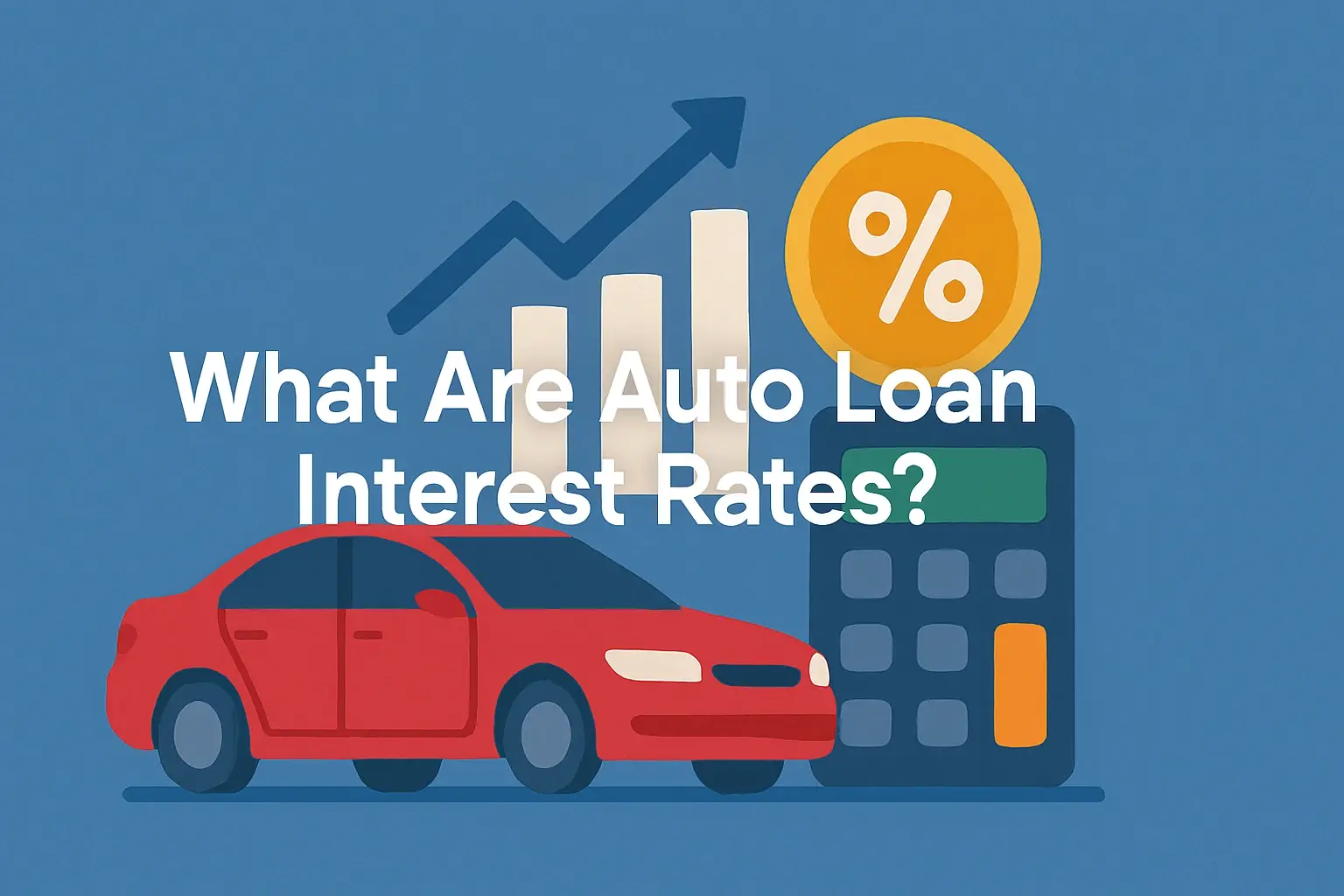
Understanding Auto Loan Interest Rates
An auto loan interest rate is the percentage charged by a lender for the privilege of borrowing money to purchase a vehicle. It's a crucial component of your car payment, directly impacting the total cost of your loan over its lifetime. Understanding this rate is key to securing affordable financing and saving money.
When you're looking to buy a car, especially a new or used vehicle, securing financing is often a necessary step. The terms of that financing, particularly the interest rate, can significantly alter how much you ultimately pay. This guide will break down everything you need to know about auto loan interest rates, from how they're determined to strategies for getting the best possible deal in the 2025-2026 market. We aim to provide a comprehensive overview that empowers you to make informed decisions and drive away with not just a car, but also a smart financial plan.
How Auto Loan Interest Rates Are Determined
The interest rate offered on an auto loan isn't arbitrary; it's a carefully calculated figure based on several interconnected factors. Lenders assess risk, and the interest rate is their primary tool for managing that risk. A higher-risk borrower will generally be offered a higher interest rate to compensate the lender for the increased chance of default. Conversely, borrowers perceived as low risk will qualify for lower rates. The economic climate also plays a significant role, with broader market conditions influencing the cost of money for lenders.
The Federal Reserve's monetary policy, specifically the federal funds rate, acts as a benchmark. When the Fed raises interest rates, it becomes more expensive for banks to borrow money, and this cost is often passed on to consumers in the form of higher loan rates. Conversely, a lower federal funds rate can lead to more affordable borrowing. Beyond these macro-economic influences, lenders scrutinize individual borrower profiles to arrive at a specific rate.
Credit Score as a Primary Driver
Your credit score is arguably the single most important factor determining your auto loan interest rate. This three-digit number, typically ranging from 300 to 850, summarizes your creditworthiness. It's a snapshot of your past borrowing and repayment behavior. Lenders use credit scores to predict the likelihood that you will repay a loan on time.
A higher credit score (generally considered 700 and above) signals to lenders that you are a responsible borrower. This significantly reduces their perceived risk, allowing them to offer you more favorable interest rates. Borrowers with excellent credit (often 750+) can expect to see the lowest rates available in the market.
Conversely, a lower credit score indicates a higher risk. This could be due to late payments, defaults, high credit utilization, or a short credit history. Lenders will compensate for this increased risk by charging a higher interest rate. For individuals with scores below 600, obtaining an auto loan can be challenging, and the rates offered will be considerably higher.
Credit History and Utilization
Beyond the score itself, lenders examine the details within your credit report. This includes the length of your credit history, the types of credit you've managed (e.g., credit cards, installment loans), and your payment history. A long, consistent history of on-time payments is a strong positive indicator.
Credit utilization ratio (CUR) is another critical component. This is the amount of credit you're using compared to your total available credit. A high CUR, especially on credit cards, can negatively impact your score and signal financial strain. Lenders prefer to see a CUR below 30%, and ideally below 10%, as it suggests you manage your credit responsibly without overextending yourself.
Loan Term and Amount
The length of the loan term and the amount you borrow also play a role. Longer loan terms (e.g., 72 or 84 months) often come with slightly higher interest rates compared to shorter terms (e.g., 36 or 48 months). This is because the lender's risk is spread over a longer period, increasing the potential for unforeseen circumstances that could lead to default.
Similarly, the loan amount can influence the rate. While not as impactful as a credit score, very large loans might carry slightly different risk profiles for lenders, potentially affecting the offered rate. However, for typical auto loans, the term is a more significant consideration than the exact dollar amount within standard ranges.
Down Payment Size
A larger down payment reduces the amount of money you need to borrow, thereby lowering the loan-to-value (LTV) ratio. This makes the loan less risky for the lender. A higher down payment can signal financial stability and a genuine commitment to the purchase, often leading to a more favorable interest rate. For example, putting down 20% or more can significantly improve your chances of getting a better rate compared to a minimal down payment or none at all.
Vehicle Age and Type
The age and type of vehicle you're financing can also influence the interest rate. Newer cars, especially certified pre-owned (CPO) vehicles, are often seen as less risky by lenders because they are less likely to require immediate major repairs and typically hold their value better. This can result in lower interest rates for newer vehicles.
Older, high-mileage vehicles, or those with a history of reliability issues, may carry higher interest rates because they depreciate faster and are more prone to mechanical problems, increasing the risk for the lender. Some lenders may even have restrictions on the age or mileage of vehicles they finance.
Types of Auto Loan Interest Rates
When you apply for an auto loan, you'll encounter two primary types of interest rates: fixed and variable. Each has distinct characteristics that affect your monthly payments and the total cost of the loan. Understanding the difference is crucial for choosing the loan structure that best suits your financial situation and risk tolerance.
Fixed Interest Rates
A fixed interest rate remains the same for the entire duration of the loan. This means your monthly principal and interest payment will not change from the first payment to the last. This predictability is a major advantage, as it allows for easy budgeting and protection against rising interest rates in the market.
Pros:
Payment stability: Easy to budget for.
Protection from rising rates: Your rate won't increase even if market rates go up.
Simplicity: Straightforward to understand.
Cons:
Potentially higher initial rate: Fixed rates might be slightly higher than the initial rate of a variable loan.
Missed opportunity if rates fall: You won't benefit if market interest rates decrease.
Most auto loans offered by traditional lenders, credit unions, and dealerships are fixed-rate loans. This is the standard and most common type of auto financing.
Variable Interest Rates
A variable interest rate, also known as a floating interest rate, is tied to a benchmark interest rate, such as the prime rate. This means the rate can fluctuate over the life of the loan. If the benchmark rate increases, your interest rate and monthly payments will also increase. Conversely, if the benchmark rate decreases, your payments could go down.
Pros:
Potentially lower initial rate: Often start lower than fixed rates.
Benefit from falling rates: Your payments could decrease if market rates drop.
Cons:
Payment uncertainty: Monthly payments can change, making budgeting more challenging.
Risk of rising rates: Your payments could significantly increase if market rates climb.
Less common for auto loans: More frequently seen in mortgages or personal loans.
Variable-rate auto loans are less common than fixed-rate loans. They are sometimes offered by specialized lenders or as promotional products. Borrowers who choose a variable rate often do so with the expectation that interest rates will fall or that they plan to pay off the loan quickly before rates have a chance to rise significantly.
Factors Influencing Your Auto Loan Interest Rate
Beyond the fundamental determinants like credit score and loan term, several other factors can subtly or significantly influence the interest rate you are offered for an auto loan. Lenders consider a holistic view of your financial profile and the specifics of the loan transaction to assess risk and set a competitive rate. Understanding these nuances can help you prepare and negotiate for better terms.
Lender Type
Different types of lenders have different operating models, risk appetites, and overhead costs, which can translate into varying interest rates.
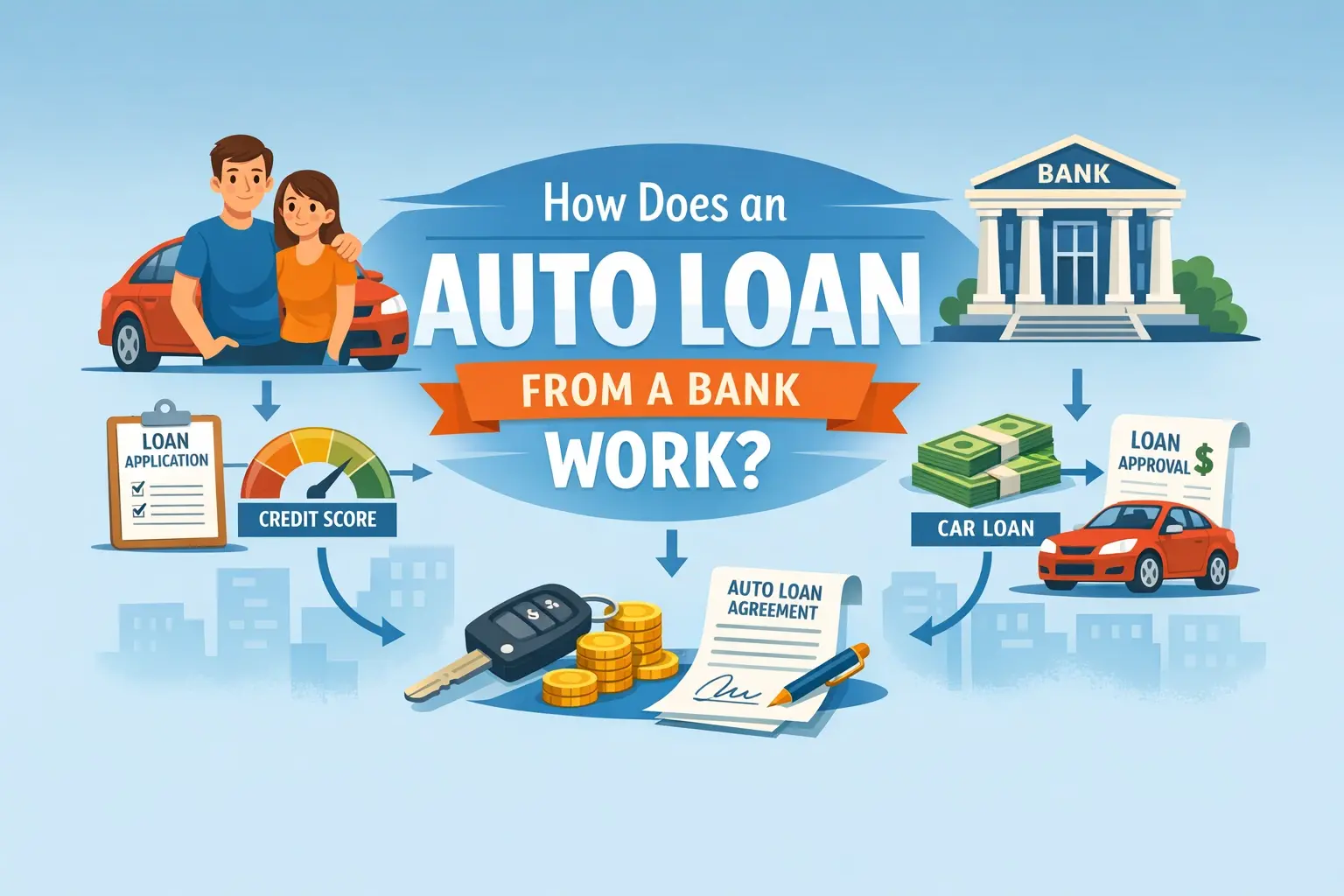
Banks: Traditional banks often offer competitive rates, especially if you have an existing relationship with them. They may have stricter lending criteria, but can provide stable, fixed-rate loans.
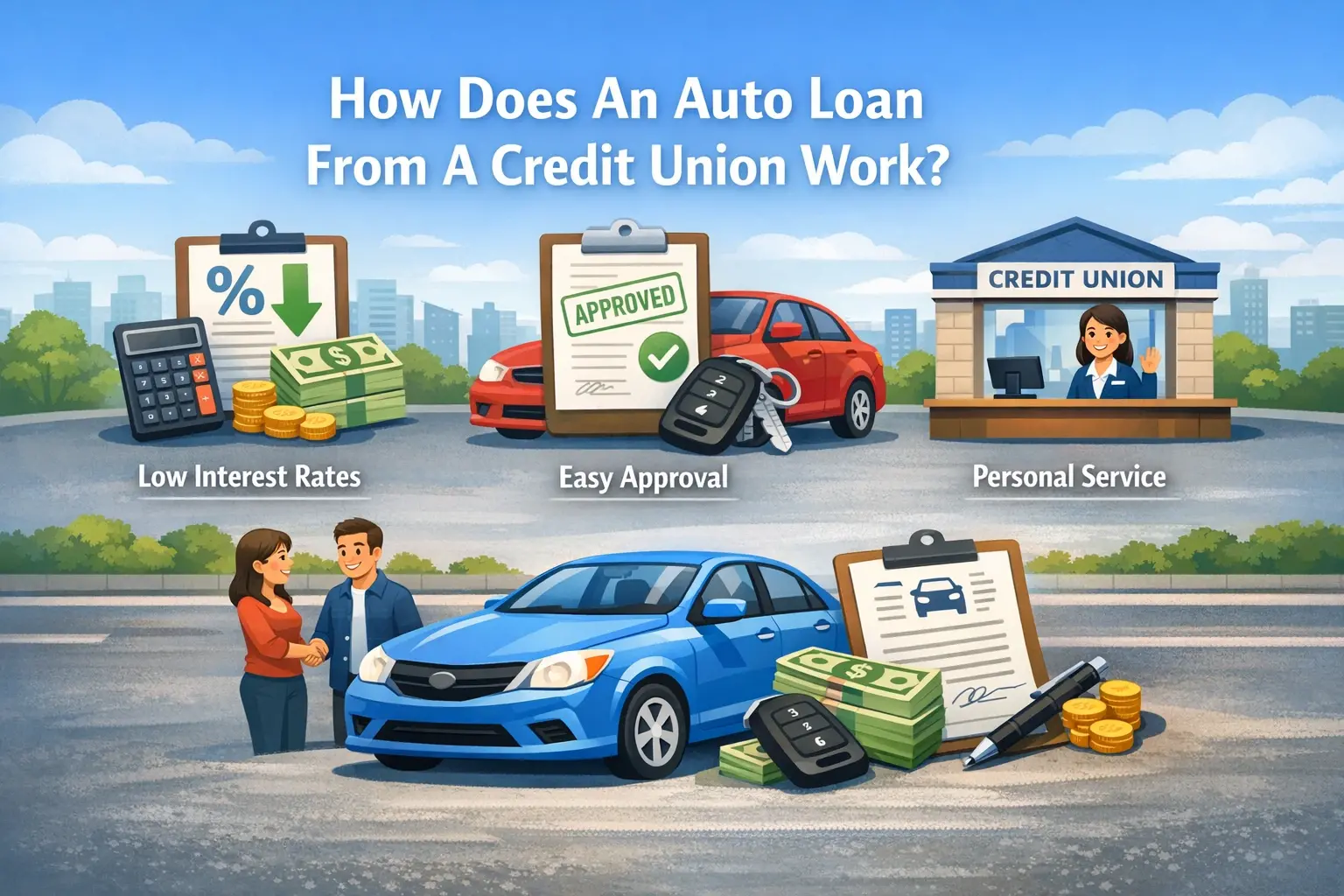
Credit Unions: Credit unions are member-owned non-profit organizations. They often offer some of the lowest interest rates and most flexible terms because their primary goal is to serve their members rather than maximize profits. Membership requirements usually apply.
Online Lenders: Online lenders can be very competitive due to lower overhead costs. They often have streamlined application processes and can offer quick approvals. Rates can vary widely, so it's important to compare offers.
Dealership Financing: Dealerships often have financing arms or partnerships with lenders. While convenient, dealership financing rates can sometimes be higher than what you might secure directly from a bank or credit union, especially if you're not a prime borrower. They may also offer incentives or special rates on certain models.
Loan-to-Value Ratio (LTV)
The LTV ratio compares the amount you're borrowing to the value of the vehicle. It's calculated by dividing the loan amount by the car's market value. A higher LTV ratio means you're borrowing a larger percentage of the car's value, which increases the lender's risk.
For example, if a car is worth $20,000 and you borrow $18,000, your LTV is 90% ($18,000 / $20,000). If you borrow $14,000, your LTV is 70% ($14,000 / $20,000). Lenders typically prefer lower LTV ratios, often below 80% or even 70%, as this provides a buffer in case the vehicle depreciates faster than expected or if you default. A lower LTV, often achieved through a larger down payment, can lead to a better interest rate.
Employment and Income Stability
Lenders want assurance that you have a stable income stream to make your loan payments. They will typically verify your employment history and income. A consistent job history with a reliable employer and sufficient income to cover your existing debts and the new car payment demonstrates financial stability and reduces the lender's risk. This can translate into a more favorable interest rate.
Conversely, frequent job changes, unstable employment, or income that is barely sufficient to cover expenses might lead to a higher interest rate or even loan denial. Some lenders may require proof of income, such as pay stubs, tax returns, or bank statements.
Debt-to-Income Ratio (DTI)
Your DTI ratio is another key metric lenders use to assess your ability to manage debt. It's calculated by dividing your total monthly debt payments (including rent or mortgage, credit card minimums, student loans, personal loans, and the proposed car payment) by your gross monthly income.
A lower DTI ratio indicates that you have more disposable income available to handle new debt. Lenders generally prefer a DTI ratio of 43% or lower, though this can vary. A high DTI might signal that you are already overextended financially, increasing the risk for the lender and potentially leading to a higher interest rate.
Relationship with Lender
Having an existing relationship with a financial institution, such as a checking or savings account, or being a long-time customer, can sometimes work in your favor. Banks and credit unions may offer preferential rates or terms to their loyal customers as a way to retain business. This is particularly true if you have a history of responsible financial behavior with that institution.
Market Conditions and Economic Outlook
Broader economic factors and prevailing market conditions significantly influence interest rates across all loan types, including auto loans.
Federal Reserve Policy: As mentioned, the Federal Reserve's monetary policy, particularly its benchmark interest rate (the federal funds rate), directly impacts the cost of borrowing for banks. When the Fed raises rates, lenders pass these costs on.
Inflation: High inflation can lead to higher interest rates as lenders seek to protect the purchasing power of the money they lend.
Economic Growth: During periods of strong economic growth, demand for loans typically increases, which can push rates up. Conversely, during economic downturns, rates may fall to stimulate borrowing and economic activity.
Bond Market: The yield on U.S. Treasury bonds, particularly those with similar maturities to auto loans, can also influence auto loan rates.
These external factors are largely beyond your control, but understanding them provides context for the rates you are offered.
Average Auto Loan Interest Rates (2025-2026)
Predicting exact interest rates for the future is challenging, as they are influenced by dynamic economic factors. However, based on current trends and projections for 2025-2026, we can provide estimated ranges for average auto loan interest rates. These figures are for informational purposes and can vary significantly based on the individual factors discussed previously.
It's important to note that these are averages, and your actual rate could be higher or lower. The prime lending market (borrowers with excellent credit) will always see the lowest rates, while subprime borrowers will face substantially higher rates.
Here's a look at projected average rates for new and used car loans for 2025-2026, segmented by creditworthiness:
Credit Tier
Average New Car Loan Rate (2025-2026 Estimate)
Average Used Car Loan Rate (2025-2026 Estimate)
Typical Loan Term
Excellent Credit (750+)
4.5% - 6.5%
5.5% - 7.5%
36-72 months
Good Credit (660-749)
6.0% - 8.5%
7.5% - 10.0%
36-72 months
Fair Credit (620-659)
8.0% - 12.0%
10.0% - 15.0%
36-60 months
Poor Credit (Below 620)
12.0% - 20%+
15.0% - 25%+
36-48 months
Key Observations for 2025-2026:
Interest Rate Environment: If the Federal Reserve maintains or slightly increases interest rates to combat inflation, auto loan rates might remain elevated or see a modest increase compared to previous years. Conversely, a dovish Fed policy could lead to slightly lower rates.
Used Car Premiums: Used car loans generally carry higher interest rates than new car loans. This is because used vehicles depreciate faster and may have higher maintenance costs, increasing the lender's risk. This trend is expected to continue.
Loan Term Impact: Longer loan terms (e.g., 72 or 84 months) often come with slightly higher interest rates than shorter terms (e.g., 36 or 48 months), even for borrowers with excellent credit. Lenders price in the extended risk period.
Economic Uncertainty: Any significant economic shifts, such as a recession or unexpected inflation spikes, could cause rates to fluctuate more dramatically than anticipated.
For instance, a borrower with excellent credit securing a new car loan at 5.5% for 60 months will have a significantly lower total interest cost than a borrower with fair credit securing a used car loan at 11% for 60 months on a similarly priced vehicle. This highlights the profound impact of creditworthiness and market conditions on borrowing costs.
Impact of Interest Rates on Your Loan
The interest rate on your auto loan is not just a number; it's a powerful determinant of your overall financial experience with the loan. It directly affects your monthly payment, the total amount you repay, and the speed at which you build equity in your vehicle. Understanding these impacts is crucial for making a financially sound decision.
Monthly Payment Calculation
The interest rate is a primary component in calculating your monthly auto loan payment. The formula for an amortizing loan payment considers the principal loan amount, the interest rate, and the loan term. A higher interest rate means a larger portion of your monthly payment will go towards interest, leaving less for the principal.
Example: Let's consider a $30,000 auto loan for 60 months.
Scenario 1: 5.0% Interest Rate Monthly Payment: Approximately $566.14 Total Interest Paid: Approximately $3,968.40 Total Repaid: Approximately $33,968.40
Scenario 2: 8.0% Interest Rate, Monthly Payment: Approximately $626.0,9, Total Interest Paid: Approximately $7,565.40, Total Repaid: Approximately $37,565.40
As you can see, a 3% difference in interest rate leads to a monthly payment difference of nearly $60 and over $3,500 more paid in interest over the life of the loan.
Total Cost of the Loan
The most significant impact of the interest rate is on the total amount you will repay. Over the life of a loan, even a small difference in the annual interest rate can result in thousands of dollars more or less paid to the lender. This is especially true for longer loan terms.
The total cost is the sum of the principal loan amount and all the interest paid over the loan term. A lower interest rate means a lower total cost, freeing up your money for other financial goals, savings, or investments. A higher interest rate inflates the total cost, making the car more expensive than its sticker price.
Equity Building Speed
Equity is the difference between your car's market value and the amount you still owe on the loan. In the early years of an amortizing loan, a larger portion of your payment goes towards interest. This means you build equity more slowly.
A higher interest rate exacerbates this effect. With a higher rate, more of your early payments are consumed by interest, meaning you owe more on the car than it's worth for a longer period. This is known as being "upside down" or "underwater" on your loan. Conversely, a lower interest rate allows more of your payment to go towards principal, helping you build equity faster and get out of being upside down sooner.
Affordability and Budgeting
The interest rate directly influences how much car you can afford. A lower rate means a lower monthly payment for a given loan amount and term, potentially allowing you to afford a more expensive vehicle or a better-equipped trim level. Alternatively, it allows you to keep your monthly payments lower, providing more financial flexibility.
For budgeting purposes, a fixed interest rate provides certainty. You know exactly how much your car payment will be each month. Variable rates introduce uncertainty, making it harder to plan your finances, especially if interest rates are expected to rise.
Refinancing Opportunities
If you secure an auto loan with a high interest rate, you may have the option to refinance later, especially if your credit score improves or market interest rates drop. Refinancing involves taking out a new loan to pay off your existing one, ideally with better terms.
However, the initial interest rate you secure is crucial. A very high rate might make refinancing less attractive if the fees associated with it outweigh the savings, or if your credit situation hasn't improved enough to qualify for a significantly lower rate. Understanding the impact of your initial rate helps in assessing the potential benefits of future refinancing.
Strategies to Secure a Lower Interest Rate
Securing the lowest possible auto loan interest rate can save you thousands of dollars over the life of the loan. It requires preparation, research, and strategic action. Here are several proven strategies to help you achieve a more favorable rate in the 2025-2026 market.
Improve Your Credit Score
As the most significant factor, a strong credit score is paramount. If your score isn't where you want it, take steps to improve it before applying for a loan.
Pay Bills On Time: Payment history is the most critical factor in credit scoring. Ensure all your bills are paid by their due dates.
Reduce Credit Utilization: Pay down balances on credit cards and other revolving credit lines. Aim for a utilization ratio below 30%, and ideally below 10%.
Check for Errors: Obtain your credit reports from the three major bureaus (Equifax, Experian, TransUnion) and dispute any inaccuracies.
Avoid Opening New Credit Unnecessarily: Multiple hard inquiries in a short period can slightly lower your score.
Give yourself at least 3-6 months to implement these changes before applying for an auto loan.
Save for a Larger Down Payment
A substantial down payment reduces the loan-to-value (LTV) ratio, signaling less risk to the lender. Aim for at least 20% of the vehicle's price. A larger down payment can make you eligible for lower interest rates and may even help you avoid paying private mortgage insurance (PMI) if you were considering a lease-to-own scenario or a unique financing structure.
Shop Around and Compare Lenders
Don't accept the first offer you receive. Different lenders have different pricing models and risk tolerances.
Banks: Check with your current bank or credit union.
Credit Unions: If you're eligible, credit unions often offer the best rates.
Online Lenders: Research reputable online auto loan providers.
Dealerships: While convenient, compare dealership financing offers against external pre-approvals.
When comparing, ensure you're looking at the Annual Percentage Rate (APR), which includes fees, and the total loan cost. Many lenders allow you to get pre-qualified with a "soft" credit pull, which doesn't affect your credit score, allowing you to compare offers without penalty.
Consider a Shorter Loan Term
While longer loan terms result in lower monthly payments, they almost always come with higher interest rates and a greater total cost. If your budget allows, opt for a shorter loan term (e.g., 36 or 48 months). You'll pay more per month but significantly less in interest over the life of the loan and build equity faster.
Negotiate the Price of the Car First
Before discussing financing, negotiate the best possible price for the vehicle. Once you have a firm purchase price, then focus on securing the best loan terms. This prevents dealerships from inflating the car price to compensate for a lower (or seemingly lower) interest rate. Having pre-approval from an external lender gives you leverage during negotiations.
Look for Special Financing Offers
Manufacturers and dealerships sometimes offer special low-APR financing deals on new vehicles, especially during promotional periods or on specific models. These offers can sometimes be as low as 0% APR, significantly reducing your borrowing costs. However, these often require excellent credit and may mean foregoing other incentives like cash rebates. Carefully compare the total savings of a low APR offer versus a cash rebate.
Consider a Co-signer
If you have a low credit score or limited credit history, a co-signer with excellent credit can significantly improve your chances of getting approved and securing a lower interest rate. The co-signer agrees to be legally responsible for the loan if you default. However, this is a significant commitment for the co-signer, as it can affect their credit if you miss payments.
Understanding APR vs. Interest Rate
When shopping for an auto loan, you'll frequently encounter two terms: interest rate and Annual Percentage Rate (APR). While related, they are not the same, and understanding the distinction is vital for accurately comparing loan offers and understanding the true cost of borrowing.
Interest Rate
The interest rate is the percentage charged by the lender on the principal amount of the loan. It represents the cost of borrowing money itself. For example, if you have a 6% interest rate on a $20,000 loan, you will pay $1,200 in interest over one year (assuming simple interest for this example, though auto loans are typically amortized). This rate is a core component of your loan payment calculation.
Annual Percentage Rate (APR)
The APR is a broader measure of the cost of borrowing. It includes the interest rate *plus* any additional fees or charges associated with obtaining the loan. These fees can include:
Origination fees
Processing fees
Underwriting fees
Discount points (less common in auto loans)
The APR provides a more comprehensive picture of the total cost of the loan on an annual basis. It is designed to help consumers compare different loan offers more easily, as it standardizes the cost by incorporating fees into a single percentage.
Why APR Matters for Comparison
When comparing auto loan offers from different lenders, always look at the APR, not just the stated interest rate. Two loans might have the same interest rate, but the one with a lower APR will be cheaper overall if it has fewer or lower fees.
Example:
Loan A: 6.0% interest rate + $500 in fees = APR of approximately 6.5% (for a 60-month loan).
Loan B: 6.0% interest rate + $200 in fees = APR of approximately 6.2% (for a 60-month loan).
Even though both loans have the same interest rate, Loan B is the more affordable option because its APR is lower, reflecting its lower associated fees.
Lenders are required by law (the Truth in Lending Act) to disclose the APR to borrowers. Pay close attention to this figure when reviewing loan documents and comparing offers.
What to Expect During the Loan Application Process
Navigating the auto loan application process can seem daunting, but understanding each step can make it smoother and more efficient. Lenders aim to assess your creditworthiness and ability to repay the loan. Being prepared can help you secure the best possible terms.
Pre-qualification vs. Pre-approval
Before formally applying, you can often get pre-qualified or pre-approved.
Pre-qualification: This is a preliminary assessment based on information you provide (income, debts, estimated credit score). It gives you a rough idea of what you might qualify for, but it's not a guarantee. It usually involves a soft credit check, which doesn't impact your score.
Pre-approval: This is a more thorough process. The lender performs a hard credit check and verifies some of your financial information. It gives you a specific loan amount, interest rate, and term you are approved for, making you a more serious buyer when you go to a dealership. This is highly recommended.
Information Needed for Application
When you apply for an auto loan, whether pre-approval or final approval, you'll typically need to provide:
Personal Information: Full name, address, date of birth, Social Security number.
Employment Information: Employer name, job title, length of employment, contact information.
Income Information: Gross monthly income, other sources of income. Proof may be required (pay stubs, tax returns).
Housing Information: Current address, monthly housing payment (rent or mortgage).
Existing Debt Information: Balances and monthly payments for other loans and credit cards.
Vehicle Information (if known): Make, model, year, VIN (if you've already selected a car).
Credit Check Process
Your credit report and score are central to the loan application. Lenders will pull your credit report from one or more of the major credit bureaus (Equifax, Experian, TransUnion).
Credit Repair Ease Reminder: Before applying for a loan, it is crucial to understand your credit standing. Checking your credit score and report allows you to identify any potential issues or errors that could negatively impact your application. If you find discrepancies or want to improve your credit profile, consider seeking professional assistance. Companies like Credit Repair Ease offer expert credit repair services to help you navigate this process. Making sure your credit is in the best possible shape before you apply can lead to better loan terms and lower interest rates. Don't hesitate to reach out to Credit Repair Ease at (888) 803-7889 to learn more about how they can assist you in achieving your financial goals.
Loan Decision and Offer
After submitting your application and undergoing a credit check, the lender will review all the information.
Approval: If approved, you'll receive a loan offer detailing the principal amount, interest rate (or APR), loan term, and monthly payment.
Conditional Approval: Sometimes, approval may be conditional upon providing additional documentation or meeting certain requirements.
Denial: If denied, the lender must provide a reason, often related to credit score, income, or DTI ratio.
Finalizing the Loan at the Dealership
If you obtained pre-approval, you can take that offer to the dealership. The dealership's finance office will likely try to beat your pre-approved rate by working with its network of lenders.
It's essential to compare the dealership's final offer against your pre-approval. If the dealership offers a better rate and terms, you can accept it. If not, you can use your pre-approval to secure financing. Always ensure the final loan documents accurately reflect the agreed-upon terms before signing. Pay attention to the APR, loan term, and any added products like extended warranties or GAP insurance, which can increase the total loan cost.
Conclusion: Making Informed Decisions
Understanding auto loan interest rates is fundamental to making a smart and financially responsible vehicle purchase. In the 2025-2026 market, rates are influenced by a complex interplay of your personal financial profile, the specifics of the loan, and broader economic conditions. Your credit score remains the most critical factor, directly impacting the rates you'll be offered. By diligently improving your credit, saving for a substantial down payment, and shopping around across various lenders, you can significantly increase your chances of securing a lower interest rate.
Remember that the interest rate dictates not only your monthly payment but also the total cost of your vehicle over time. A seemingly small difference in rate can translate into thousands of dollars saved or spent. Always compare loan offers based on their Annual Percentage Rate (APR) to account for all fees. Being prepared with necessary documentation and potentially pre-approved financing empowers you to negotiate effectively and avoid common pitfalls. Ultimately, the goal is to drive away in a car you love with financing terms that support your long-term financial well-being.
By arming yourself with this knowledge, you are well-equipped to navigate the auto loan landscape, secure competitive financing, and make a decision that benefits your budget now and in the future.
null
What Are Auto Loan Interest Rates

Krystin Bresolin