-
Posted on: 24 May 2023
-
Feeling overwhelmed by debt? This comprehensive guide offers a clear, actionable roadmap to debt relief. We'll break down the process into manageable steps, empowering you to take control of your finances and build a secure future, starting today.
Understanding Your Debt Landscape
Embarking on the journey to debt relief begins with a clear, unvarnished understanding of your current financial situation. Many individuals find themselves in debt without a precise grasp of the total amount owed, the interest rates associated with each debt, and the minimum payments required. This lack of clarity can lead to ineffective strategies and prolonged financial distress. In 2025, the average American household carries over $62,000 in non-mortgage debt, a figure that underscores the widespread nature of this challenge. To effectively navigate your debt, you must first map it out.
Step 1: Compile a Comprehensive Debt Inventory
The initial and perhaps most crucial step is to create a detailed list of every single debt you owe. This isn't just about credit cards; it includes personal loans, student loans, auto loans, medical bills, payday loans, and any other form of borrowed money. For each debt, you need to gather specific information:
- Creditor Name: Who do you owe money to?
- Account Number: For easy reference.
- Current Balance: The exact amount you still owe.
- Interest Rate (APR): This is critical for prioritization. Note if it's fixed or variable.
- Minimum Monthly Payment: The smallest amount you must pay each month.
- Due Date: To avoid late fees and negative credit reporting.
- Loan Type: (e.g., credit card, personal loan, student loan).
Gathering this information might involve reviewing recent statements, logging into online accounts, or even contacting your creditors directly. Be thorough; missing even one debt can skew your overall financial picture.
Step 2: Calculate Your Total Debt Burden
Once you have your inventory, sum up all the outstanding balances to arrive at your total debt burden. This number can be eye-opening, but it's essential for setting realistic goals. For instance, if your inventory reveals $45,000 in credit card debt, $20,000 in student loans, and $15,000 in an auto loan, your total debt is $80,000. Understanding this aggregate figure provides a clear target for your debt reduction efforts.
Step 3: Analyze Interest Rates and Terms
The interest rate is a key factor in how quickly your debt grows and how much you end up paying over time. High-interest debts, such as those on many credit cards (often 18-25% APR or higher in 2025), can be particularly insidious. These debts can feel like they're never getting smaller, even with consistent payments, because a large portion of your payment goes towards interest rather than the principal. Conversely, lower-interest debts, like some student loans or secured loans, may be more manageable. Identifying your highest interest rates is vital for strategizing your repayment.
Step 4: Understand Your Credit Score
Your credit score plays a significant role in your ability to manage debt and access new financial products. A good credit score can mean lower interest rates on loans and credit cards, making debt repayment more affordable. In 2025, the average FICO score hovers around 715, but scores can range from 300 to 850. If your score is low due to past financial difficulties, it might limit your options, but it also highlights an area for improvement as you work towards debt relief. You can obtain free credit reports annually from each of the three major credit bureaus (Equifax, Experian, and TransUnion) through AnnualCreditReport.com.
By thoroughly understanding your debt landscape, you lay the groundwork for informed decision-making. This clarity is the first pillar of your debt relief roadmap.
Building a Solid Budget: The Foundation of Relief
A budget is not a restrictive tool; it's a financial roadmap that guides your money. For debt relief, a well-structured budget is paramount. It allows you to identify where your money is going, find areas where you can cut back, and allocate more funds towards debt repayment. Without a budget, your debt relief efforts will likely be haphazard and less effective. In 2025, financial experts consistently emphasize that a budget is the cornerstone of any successful debt management plan.
Step 1: Track Your Income
Begin by accurately calculating your total monthly income. This includes your net pay (after taxes and deductions) from all sources, such as your primary job, any freelance work, side hustles, or government benefits. If your income fluctuates, use a conservative average or the lowest expected amount to ensure your budget is sustainable.
Step 2: Categorize and Track Your Expenses
This is where you gain insight into your spending habits. For at least one month, meticulously track every dollar you spend. Use a notebook, a spreadsheet, or a budgeting app. Categorize your expenses into two main groups:
- Fixed Expenses: These are costs that generally stay the same each month and are often non-negotiable in the short term. Examples include:
- Rent or Mortgage Payments
- Loan Payments (car, student, etc. - minimums)
- Insurance Premiums (health, auto, home)
- Childcare Costs
- Variable Expenses: These costs fluctuate from month to month and offer the most flexibility for cuts. Examples include:
- Groceries
- Utilities (electricity, water, gas - can be influenced by usage)
- Transportation (gas, public transit, car maintenance)
- Dining Out and Entertainment
- Clothing and Personal Care
- Subscriptions (streaming services, gym memberships)
Be honest and detailed. Don't forget small, recurring expenses like daily coffee or impulse purchases, as these can add up significantly.
Step 3: Analyze Your Spending and Identify Areas for Reduction
Once you have a month's worth of data, compare your total expenses to your total income. If your expenses exceed your income, you're spending more than you earn, which is a recipe for accumulating more debt. If your income exceeds your expenses, you have a surplus that can be directed towards debt repayment.
Now, scrutinize your variable expenses. Where can you realistically cut back? Consider the following:
- Dining Out: Reduce frequency or opt for less expensive options.
- Entertainment: Look for free or low-cost activities.
- Subscriptions: Cancel unused services.
- Groceries: Plan meals, shop with a list, and buy generic brands.
- Transportation: Carpool, use public transport, or combine errands.
Even small reductions in multiple categories can free up significant funds for debt repayment. For example, cutting $50 from dining out, $30 from entertainment, and $20 from subscriptions monthly frees up $100 for debt.
Step 4: Create Your Debt Reduction Budget
With your income, essential expenses, and identified savings, you can now construct your debt reduction budget. Allocate funds to cover your fixed expenses first. Then, allocate a realistic amount for your variable expenses. The remaining money should be aggressively directed towards your debts. This might involve paying more than the minimum on certain debts, a strategy we'll explore further.
Example Budget Allocation (Monthly Income: $4,000 Net)
Category Allocated Amount Notes Rent/Mortgage $1,200 Fixed Utilities $250 Variable (aim to reduce) Groceries $400 Variable (plan meals) Transportation $200 Variable (optimize usage) Insurance $150 Fixed Minimum Debt Payments $600 Essential Personal/Miscellaneous $200 Variable (tighten controls) Extra Debt Payment Fund $800 Aggressively applied to debt Total Expenses/Allocations $4,000 Matches Income This budget demonstrates how identifying savings can create a substantial "Extra Debt Payment Fund." This fund is the engine of your debt relief. A solid budget is not just about tracking; it's about intentional allocation of resources to achieve your financial goals.
Choosing Your Debt Reduction Strategy
With your debt inventory and budget in hand, it's time to decide *how* you'll tackle your debts. Two popular and effective strategies are the Debt Snowball and the Debt Avalanche. Each has its own psychological and financial benefits, and the best choice depends on your personality and financial situation. Understanding these methods is key to selecting the most motivating and efficient path to becoming debt-free. By 2025, these methods remain the most recommended by financial advisors for individuals seeking to systematically reduce debt.
Debt Snowball Method
The Debt Snowball method focuses on psychological wins. You pay the minimum on all debts except for the smallest one, on which you throw all your extra debt payment funds. Once the smallest debt is paid off, you take the money you were paying on it (minimum payment plus extra) and add it to the payment of the next smallest debt. This creates a "snowball" effect, where your payment amounts grow as you eliminate debts.
How it Works:
- List your debts from smallest balance to largest balance, regardless of interest rate.
- Pay the minimum payment on all debts except the smallest.
- Pay as much as you can towards the smallest debt.
- Once the smallest debt is paid off, take all the money you were paying on it and add it to the minimum payment of the next smallest debt.
- Repeat until all debts are paid off.
Pros:
- Provides quick wins and boosts motivation.
- The sense of accomplishment from paying off debts quickly can keep you engaged.
Cons:
- You may end up paying more in interest over time because you're not prioritizing high-interest debts.
- Can be less financially efficient if high-interest debts are not tackled first.
Debt Avalanche Method
The Debt Avalanche method is the mathematically superior approach. It prioritizes paying off debts with the highest interest rates first, while making minimum payments on all other debts. By tackling high-interest debt, you minimize the total amount of interest paid over the life of your loans, saving you money in the long run.
How it Works:
- List your debts from highest interest rate (APR) to lowest interest rate.
- Pay the minimum payment on all debts except the one with the highest APR.
- Pay as much as you can towards the debt with the highest APR.
- Once the highest APR debt is paid off, take all the money you were paying on it and add it to the minimum payment of the debt with the next highest APR.
- Repeat until all debts are paid off.
Pros:
- Saves you the most money on interest payments.
- The most financially efficient way to become debt-free.
Cons:
- May take longer to see the first debt paid off, which can be demotivating for some.
- Requires discipline and a focus on long-term financial gains.
Comparison Table: Debt Snowball vs. Debt Avalanche
Feature Debt Snowball Debt Avalanche Prioritization Smallest balance first Highest interest rate (APR) first Financial Efficiency Less efficient (potentially more interest paid) Most efficient (minimizes interest paid) Psychological Impact High motivation through quick wins Requires discipline; rewards come later Best For Those needing quick motivation, easily discouraged Those prioritizing saving money, disciplined individuals Making Your Choice
Consider your personality. Are you motivated by seeing debts disappear quickly, even if it costs a bit more in interest? The Debt Snowball might be your best bet. If your primary goal is to save as much money as possible and you have the discipline to stick with a plan, the Debt Avalanche is the smarter financial choice. Many people find success by combining elements, perhaps starting with a small debt to gain momentum before switching to the avalanche method. The key is to choose a strategy and commit to it consistently.
Regardless of the method chosen, the "extra debt payment fund" identified in your budget is crucial. This fund is what accelerates your debt repayment, allowing you to pay off debts much faster than just making minimum payments. For example, if you have $500 in minimum payments and an extra $800 debt payment fund, you're applying $1,300 per month to your debts, significantly outpacing the minimums.
Negotiating with Creditors
When facing significant debt, especially if you're struggling to make payments, negotiating with your creditors is a powerful strategy. Creditors often prefer to work with you to find a solution rather than go through lengthy and costly collection processes or write off the debt entirely. In 2025, many creditors are more open to negotiation than in previous years due to economic uncertainties. Proactive communication and a willingness to negotiate can lead to more manageable payment plans, reduced interest rates, or even a settlement. This section provides actionable steps for effective negotiation.
Step 1: Understand Your Situation and Your Goals
Before contacting any creditor, be clear about your financial reality. Review your budget and determine how much you can realistically afford to pay each month. Also, identify what you hope to achieve from the negotiation. Are you looking for:
- A lower interest rate?
- A waived late fee?
- A reduced principal balance?
- A more manageable payment plan?
- A temporary forbearance or deferment?
Having clear goals will help you steer the conversation effectively.
Step 2: Gather All Necessary Information
When you contact a creditor, have your account number and all relevant documentation readily available. This includes your debt inventory, your budget, and any proof of hardship (e.g., layoff notice, medical bills) if applicable. Being organized demonstrates your seriousness and preparedness.
Step 3: Contact the Right Department
For credit card companies or large lenders, you'll often need to speak with a "hardship department," "collections department," or "loss mitigation department." These departments are specifically trained to handle situations where customers are experiencing financial difficulties and are empowered to offer solutions. Avoid speaking with general customer service representatives who may not have the authority to negotiate.
Step 4: Be Polite, Honest, and Firm
Approach the conversation professionally. Explain your situation calmly and honestly. State that you are committed to paying your debt but are currently facing financial hardship. Clearly articulate your proposed solution (e.g., "I can afford to pay $X per month if you can reduce the interest rate to Y%").
Example Script Snippet:
"Hello, my name is [Your Name] and my account number is [Account Number]. I'm calling because I'm experiencing a temporary financial hardship due to [briefly explain reason, e.g., unexpected medical expenses]. I am committed to repaying my debt, but I am currently unable to meet my minimum payment of $Z. I've reviewed my budget and can realistically afford to pay $X per month. Would it be possible to temporarily reduce my interest rate to Y% or set up a modified payment plan to accommodate this amount?"
Be prepared for them to counter-offer or ask for more information. If they deny your request, don't be afraid to politely ask if there are any other options or if you can speak to a supervisor.
Step 5: Understand Settlement Offers
In some cases, particularly with older debts or if you have a lump sum of money available (perhaps from a settlement or savings), a creditor might offer to settle the debt for less than the full amount owed. For example, they might accept $7,000 to close a $10,000 debt. If you accept a settlement, ensure you get the agreement in writing before sending any payment. Also, be aware that a settled debt may still be reported on your credit report, and the forgiven portion of the debt might be considered taxable income by the IRS.
Step 6: Get Everything in Writing
Any agreement reached with a creditor, whether it's a new payment plan, a reduced interest rate, or a settlement, must be documented in writing. This protects you and ensures both parties are clear on the terms. Review the written agreement carefully before signing and making payments. If you're unsure about the terms, consult with a non-profit credit counselor or a financial advisor.
Negotiating with creditors requires preparation and a strategic approach. By understanding your rights and options, and by communicating effectively, you can often find solutions that make your debt more manageable and bring you closer to financial freedom.
Exploring Formal Debt Relief Options
When personal budgeting and negotiation aren't enough, or when dealing with overwhelming debt across multiple creditors, formal debt relief options become necessary. These programs are designed to consolidate your debt, negotiate with creditors on your behalf, or provide a structured repayment plan. It's crucial to understand the differences between these options, as some can be more beneficial than others, and some can even be predatory. In 2025, the landscape of debt relief services continues to evolve, making informed choices essential.
Debt Management Plans (DMPs)
Offered by non-profit credit counseling agencies, a Debt Management Plan is a structured program where you make one monthly payment to the agency, which then distributes the funds to your creditors. The agency often negotiates lower interest rates, waived fees, and more manageable payment terms with your creditors.
How it Works:
- You work with a certified credit counselor to assess your financial situation.
- If a DMP is suitable, the counselor helps you create a budget and a repayment plan.
- You make a single monthly payment to the credit counseling agency.
- The agency distributes payments to your creditors, often at reduced interest rates.
Pros:
- Consolidates multiple payments into one.
- Often results in lower interest rates and fees.
- Provides structure and guidance from a non-profit agency.
- Can help improve your credit score over time if managed well.
Cons:
- May require closing credit card accounts.
- Some plans may have a small monthly fee.
- Not all creditors participate.
- Can take 3-5 years to complete.
Debt Consolidation Loans
This involves taking out a new loan to pay off multiple existing debts. The goal is to combine several high-interest debts into a single loan with a lower interest rate and a manageable monthly payment. Common types include personal loans or secured loans (like a home equity loan).
How it Works:
- You apply for a new loan from a bank, credit union, or online lender.
- If approved, you use the loan funds to pay off your existing debts.
- You then make one monthly payment on the new consolidation loan.
Pros:
- Simplifies payments into one.
- Can potentially lower your overall interest rate and monthly payment if you qualify for a good rate.
- Allows you to pay off debts faster if you make extra payments.
Cons:
- Requires good credit to qualify for favorable interest rates.
- If you use a secured loan (e.g., home equity), your home is at risk if you can't make payments.
- Doesn't address the underlying spending habits that led to debt.
Debt Settlement Programs
In a debt settlement program, a company negotiates with your creditors to pay off your debts for a lump sum that is less than the full amount owed. You typically stop paying your creditors and instead deposit money into an account managed by the settlement company, which then pays your creditors once enough funds are accumulated.
How it Works:
- You enroll in a program and stop making payments to your creditors.
- You deposit a set amount into a dedicated savings account.
- The settlement company negotiates with creditors to pay off debts for less than what you owe.
- Once a settlement is reached, the company pays the creditor from your account.
Pros:
- Can reduce the total amount of debt you owe.
- May be an option for those who cannot afford to pay back the full amount.
Cons:
- Significant negative impact on your credit score.
- Can take years to complete.
- High fees charged by the settlement companies.
- Creditors may sue you while you are enrolled in the program.
- The forgiven debt may be considered taxable income.
- Often considered a last resort due to its severe credit impact.
Bankruptcy
Bankruptcy is a legal process that can provide a fresh start by discharging or reorganizing your debts. There are two main types for individuals: Chapter 7 (liquidation) and Chapter 13 (reorganization). This is a complex legal procedure with significant long-term consequences.
How it Works:
- Consult with a bankruptcy attorney to determine eligibility and the best chapter for your situation.
- File a petition with the bankruptcy court.
- A trustee is appointed to manage your assets (in Chapter 7) or oversee your repayment plan (in Chapter 13).
- Debts are either discharged (eliminated) or reorganized according to court approval.
Pros:
- Can eliminate most unsecured debts.
- Provides legal protection from creditors (automatic stay).
- Offers a complete fresh start for some.
Cons:
- Devastating impact on your credit score for 7-10 years.
- Not all debts are dischargeable (e.g., most student loans, recent taxes, child support).
- Can involve losing assets.
- Requires legal fees and court costs.
Comparison of Formal Debt Relief Options
Feature Debt Management Plan (DMP) Debt Consolidation Loan Debt Settlement Bankruptcy Offered By Non-profit credit counseling agencies Banks, credit unions, online lenders For-profit debt settlement companies Legal process via bankruptcy court Credit Impact Minimal negative impact, can improve over time Depends on loan terms; can be positive if managed well Severe negative impact Devastating negative impact (7-10 years) Interest Rates Often reduced Potentially lower than original debts Not applicable (goal is lump sum payoff) Debts may be discharged or reorganized Fees Small monthly fee Loan origination fees may apply High fees, often percentage of debt Legal fees, court costs Best For Manageable debt, need for structure, good credit Good credit, desire for single payment, potential rate reduction Inability to pay full debt, willing to accept severe credit damage Overwhelming debt, inability to pay, need for legal discharge Choosing the right debt relief option is a critical decision. It's highly recommended to consult with a reputable non-profit credit counseling agency before committing to any program, especially debt settlement or bankruptcy. They can provide unbiased advice tailored to your specific situation.
Rebuilding Your Financial Future
Once you've made significant progress in reducing your debt or have successfully completed a debt relief program, the focus shifts to rebuilding your financial life. This phase is about establishing healthy financial habits, restoring your credit, and working towards long-term financial security. It’s a marathon, not a sprint, and requires patience and consistent effort. In 2025, the principles of financial rebuilding remain steadfast, emphasizing responsible financial behavior and strategic planning.
Step 1: Continue Budgeting and Saving
Even with reduced debt, a budget remains essential. It ensures you live within your means and continue to make progress towards your financial goals. Now, your budget should prioritize saving. Start by building an emergency fund. This fund should ideally cover 3-6 months of essential living expenses. An emergency fund is crucial to prevent you from falling back into debt if unexpected expenses arise (e.g., job loss, medical emergency, car repair).
Building Your Emergency Fund:
- Start Small: Aim for $500-$1,000 initially.
- Automate Savings: Set up automatic transfers from your checking to a separate savings account.
- Prioritize: Make saving for your emergency fund a non-negotiable budget item.
- Keep it Accessible: Store it in a liquid savings account where you can access it quickly.
Step 2: Re-establish and Improve Your Credit Score
Your credit score was likely impacted by your debt situation and any debt relief programs you used. Rebuilding it is key to accessing better financial products (loans, mortgages, credit cards) with favorable terms in the future.
Strategies for Credit Rebuilding:
- Pay Bills On Time: Payment history is the most significant factor in your credit score. Make all payments on time, every time.
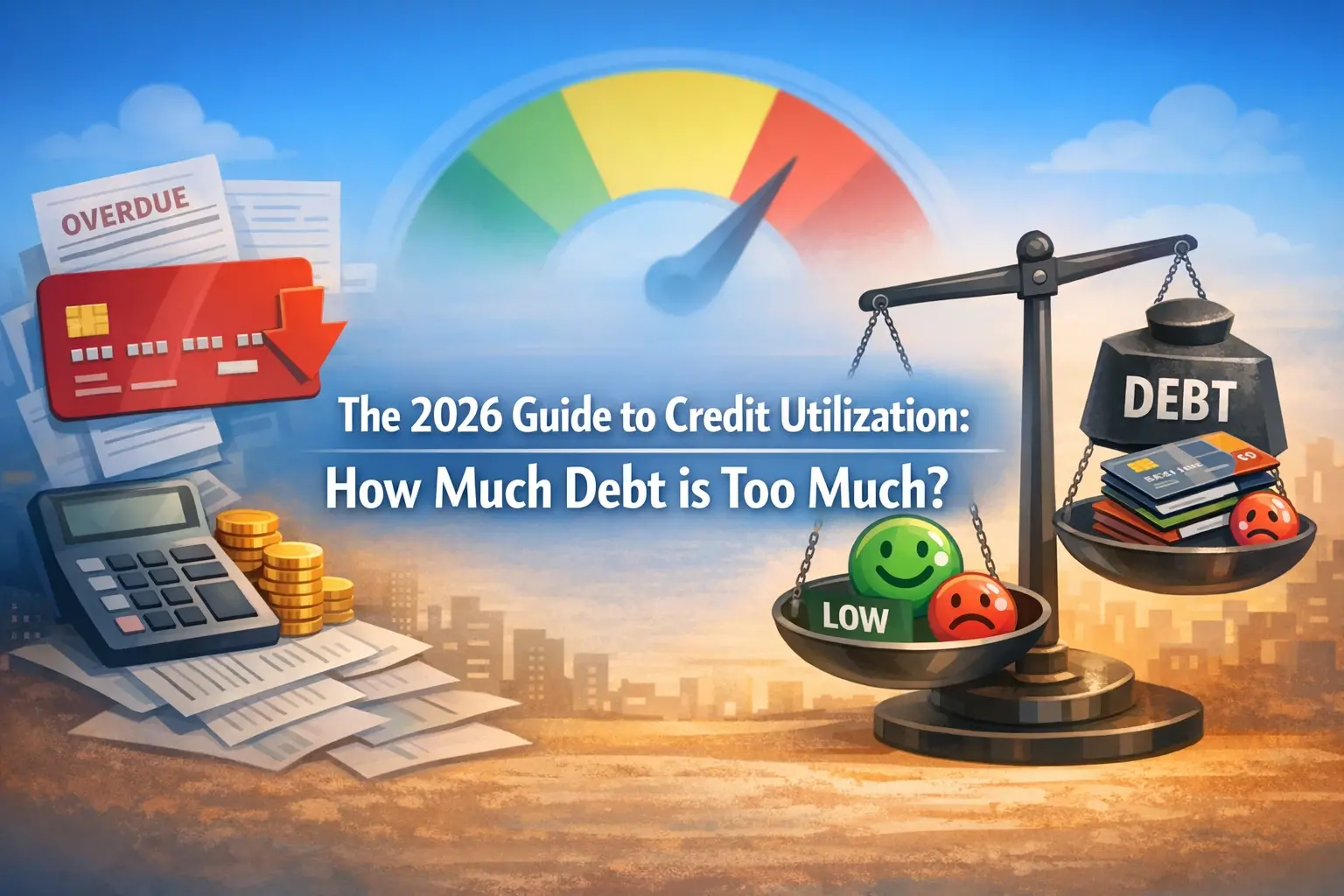
- Keep Credit Utilization Low: If you have credit cards, try to keep your balance below 30% of your credit limit (ideally below 10%).
- Consider a Secured Credit Card: These cards require a cash deposit that acts as your credit limit. They are designed for people with poor or no credit and can help build a positive payment history.
- Become an Authorized User: If a trusted family member with excellent credit adds you as an authorized user on their card, their positive payment history can reflect on your report.
- Avoid Opening Too Many New Accounts: Multiple hard inquiries in a short period can lower your score.
- Monitor Your Credit Reports: Regularly check your credit reports for errors and dispute any inaccuracies.
It can take 12-24 months of responsible credit behavior to see a significant improvement in your credit score after a major financial setback.
Step 3: Set New Financial Goals
With your debt under control and an emergency fund growing, it's time to look ahead. What are your long-term financial aspirations? These might include:
- Saving for a down payment on a home.
- Investing for retirement.
- Saving for your children's education.
- Starting a business.
- Taking a dream vacation.
Break down these large goals into smaller, actionable steps. For example, if you want to save $50,000 for a down payment in five years, you'll need to save $10,000 per year, or about $833 per month. Incorporate these savings goals into your budget.
Step 4: Consider Investing
Once your emergency fund is solid and you're consistently meeting your savings goals, consider investing. Investing allows your money to grow over time, helping you achieve long-term wealth. Options range from low-risk investments like bonds and certificates of deposit (CDs) to higher-risk, higher-reward investments like stocks and mutual funds. If you're unsure where to start, consider consulting a financial advisor or exploring low-cost index funds.
Step 5: Continue Financial Education
The world of finance is constantly evolving. Stay informed about personal finance topics, investment strategies, and economic trends. The more you know, the better equipped you'll be to make smart financial decisions and protect your financial future. Resources include reputable financial websites, books, podcasts, and workshops.
Rebuilding your financial future is a rewarding process that brings a sense of accomplishment and security. By maintaining discipline, continuing to educate yourself, and setting clear goals, you can build a strong and stable financial foundation for years to come.
Avoiding Future Debt Traps
The ultimate goal of debt relief is not just to get out of debt, but to stay out of debt. Learning from past mistakes and implementing preventative measures are crucial to avoiding future debt traps. This involves cultivating a healthy relationship with money, understanding the allure and dangers of credit, and maintaining financial discipline. In 2025, the strategies for avoiding debt remain fundamental to long-term financial well-being.
1. Live Below Your Means
This is the golden rule of financial health. Consistently spending less than you earn creates a buffer against unexpected expenses and allows for saving and investing. It means making conscious choices about your spending, prioritizing needs over wants, and resisting the urge for instant gratification. Regularly reviewing your budget (as discussed earlier) is key to maintaining this discipline.
2. Be Wary of "Easy" Credit Offers
Credit cards, lines of credit, and personal loans are readily available, often with tempting introductory offers. While credit can be a useful tool when used responsibly, it's also a primary driver of debt. Understand the terms and conditions, especially interest rates and fees, before accepting any credit offer. Avoid using credit for purchases you can't afford to pay off within a short timeframe.
3. Cultivate an Emergency Fund
As mentioned in the rebuilding section, a robust emergency fund is your first line of defense against falling back into debt. When unexpected expenses arise, your emergency fund covers them, preventing you from needing to rely on credit cards or high-interest loans. Aim to maintain 3-6 months of living expenses in an easily accessible savings account.
4. Practice Mindful Spending
Before making a purchase, especially a significant one, ask yourself:
- Do I truly need this?
- Can I afford it without going into debt?
- Is there a less expensive alternative?
- Will this purchase add value to my life or just be a fleeting desire?
5. Educate Yourself Continuously
Financial literacy is an ongoing process. Stay informed about different types of debt, investment vehicles, economic trends, and consumer protection laws. The more you understand about personal finance, the better equipped you will be to make sound decisions and avoid common pitfalls.
6. Set Clear Financial Goals
Having clear short-term and long-term financial goals provides motivation and direction. When you know what you're working towards (e.g., a down payment, retirement, travel), you're less likely to derail your progress with unnecessary debt. Regularly revisit and adjust your goals as your circumstances change.
7. Understand the True Cost of Debt
Always remember that debt is not just the principal amount. It includes the interest paid over time, fees, and the psychological burden it carries. When considering taking on new debt, weigh the benefits against the total cost and your ability to repay it comfortably.
8. Build a Support System
Share your financial goals and challenges with trusted friends, family members, or a financial advisor. Having accountability partners or mentors can provide encouragement and valuable advice. Avoid discussing sensitive financial details with those who might encourage irresponsible spending.
By adopting these preventative strategies, you can build a resilient financial future, free from the cycle of debt. The journey to debt relief is a transformative one, and by staying vigilant and disciplined, you can ensure lasting financial freedom.
Conclusion:
The roadmap to debt relief is not a mystical path, but a series of deliberate, actionable steps. From understanding your current financial standing to building a robust budget, choosing the right debt reduction strategy, negotiating with creditors, exploring formal relief options, and diligently rebuilding your financial future, each stage is critical. By committing to these principles and consistently applying them, you can break free from the burden of debt and pave the way for lasting financial security and peace of mind. Start today, take control, and build the debt-free life you deserve.
The Roadmap to Debt Relief: A Step-by-Step Guide

Krystin Bresolin