-
Posted on: 27 Feb 2026
-
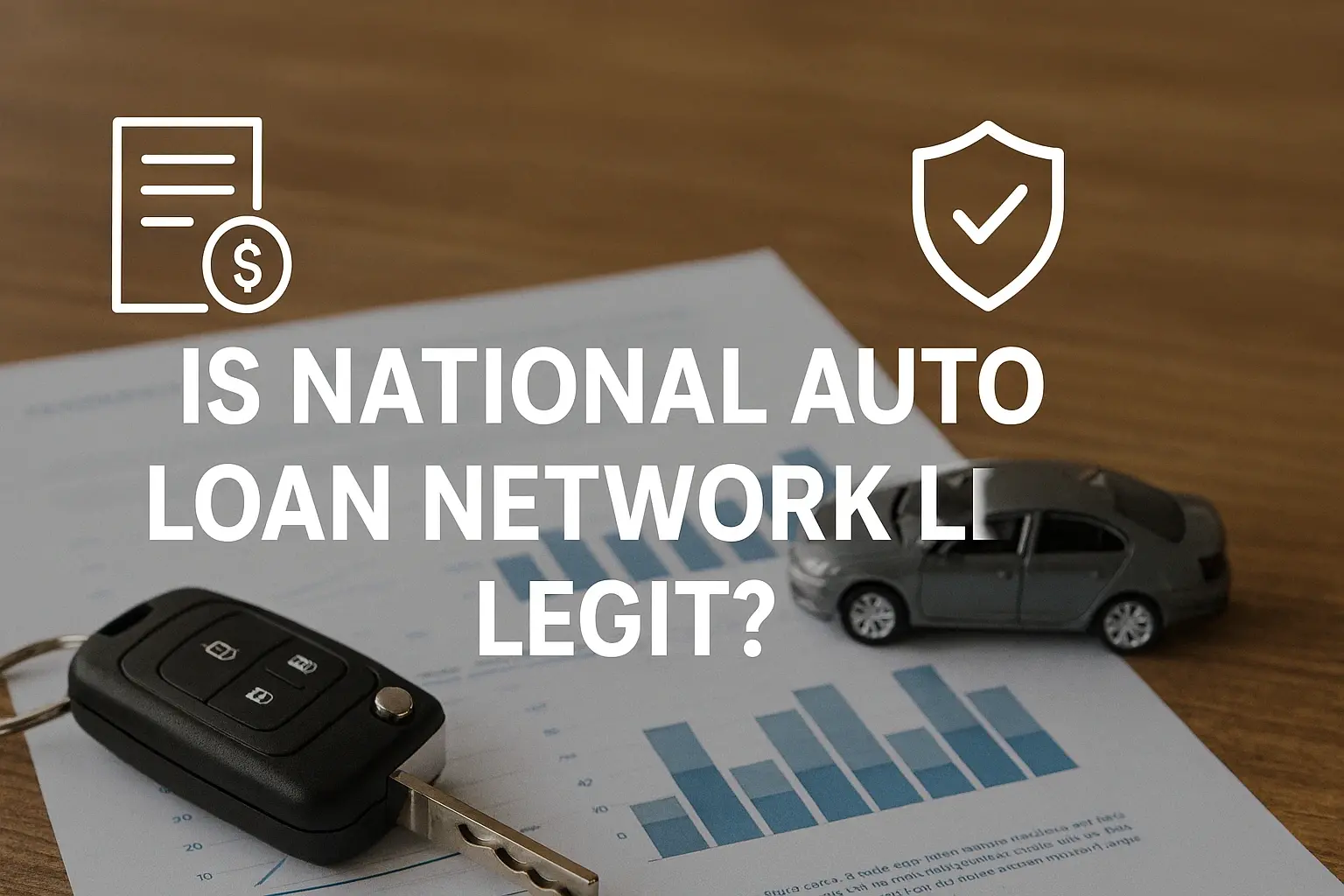
Seeking to understand the legitimacy of the National Auto Loan Network is a smart move for any car buyer. This guide provides a comprehensive, unbiased look at their services, helping you determine if they are a reliable source for securing your next vehicle financing, backed by current 2025-26 insights.
Understanding the National Auto Loan Network
The National Auto Loan Network (often abbreviated as NAN) presents itself as a service designed to connect consumers with auto loan providers. In the complex landscape of automotive financing, where interest rates, loan terms, and lender requirements can vary dramatically, services like NAN aim to simplify the process. They position themselves as a bridge, taking your loan application and distributing it to a network of lenders who may be willing to offer you financing. This can be particularly appealing to individuals with less-than-perfect credit histories, who often struggle to find traditional financing options. However, the core question for any consumer is: how legitimate is this service, and what can you expect when you engage with them? This exploration will delve into their operational model, the feedback from users, and the broader context of auto loan marketplaces to provide a clear picture for 2025-26.
When consumers search for "Is National Auto Loan Network Legit," they are typically looking for assurance that the service is not a scam, that their personal information will be handled securely, and that the outcome of using their service will be a genuine opportunity to secure an auto loan, rather than a frustrating dead end or a source of unwanted solicitations. Understanding the underlying business model of such networks is crucial. Are they primarily lead generators, selling your information to multiple lenders and dealerships? Or do they actively facilitate the loan approval process? The distinction is important, as it directly impacts the consumer's experience and the potential effectiveness of the service.
In the current financial climate of 2025-26, with fluctuating interest rates and evolving lending criteria, consumers are increasingly seeking efficient and trustworthy avenues for obtaining vehicle financing. The allure of a "network" suggesting broader access to lenders is understandable. However, it is paramount to approach such services with a critical eye, informed by research and a clear understanding of what they offer and how they operate. This article aims to provide that clarity, dissecting the National Auto Loan Network's proposition and comparing it against industry standards and consumer experiences.
How the National Auto Loan Network Works
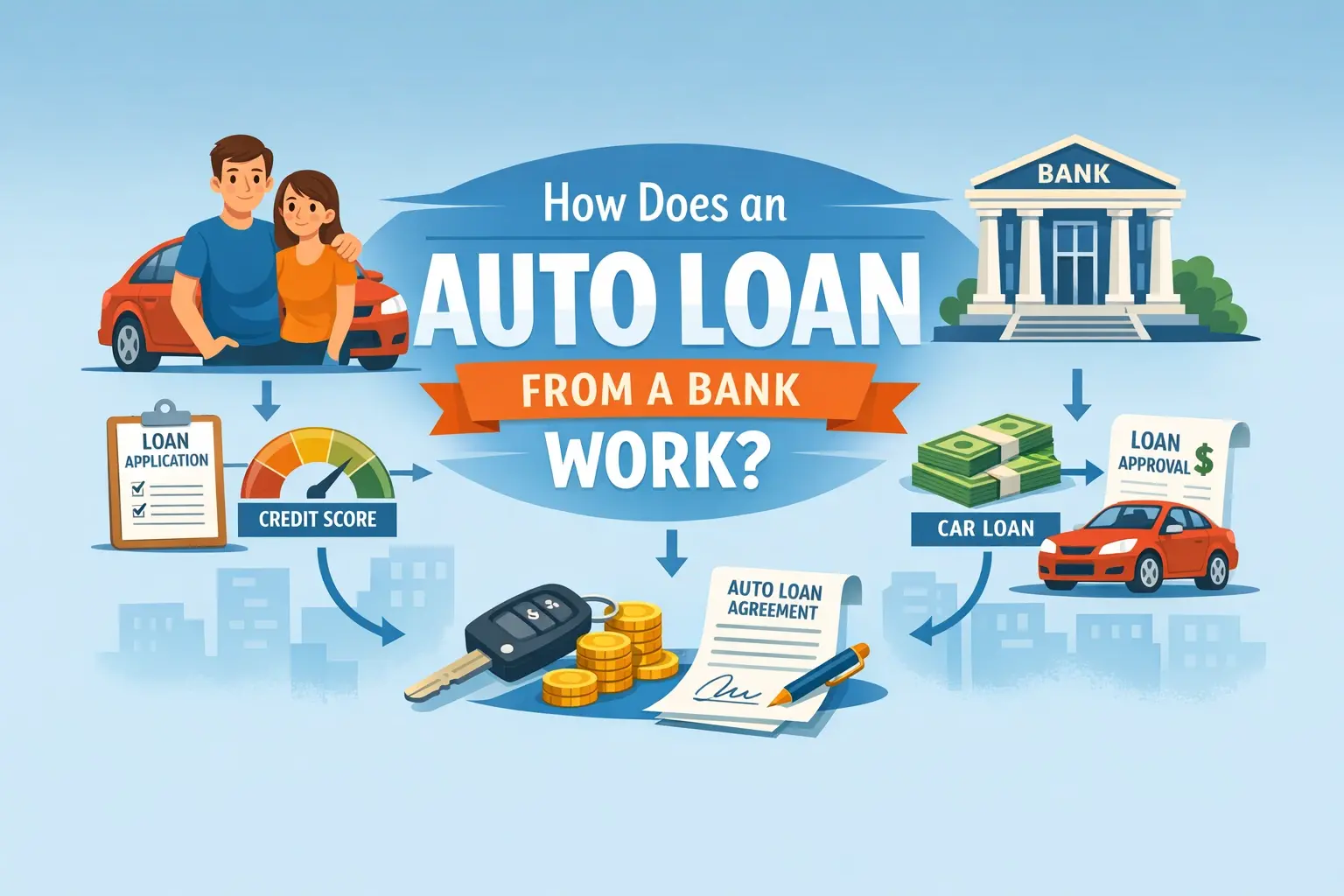
The operational model of the National Auto Loan Network, like many online lead generation platforms for financial services, typically involves a multi-step process designed to match potential borrowers with lenders. Understanding this process is key to evaluating its legitimacy and effectiveness.
The Application Submission
The first step for a consumer interested in the National Auto Loan Network is to visit their website and complete an online application form. This form usually requests a range of personal and financial information. This typically includes:
Personal identification details (name, address, date of birth, Social Security number).
Employment information (employer, length of employment, income).
Financial details (estimated credit score range, monthly income, existing debts).
Loan requirements (desired loan amount, vehicle type, down payment).
The thoroughness of this information gathering is a common trait of legitimate loan application processes. However, it also highlights the importance of the platform's security measures to protect sensitive data, a critical consideration for users concerned about their privacy.
Information Dissemination to Lenders
Once the application is submitted, the National Auto Loan Network's system is designed to process this information and distribute it to a network of affiliated lenders. These lenders can include banks, credit unions, specialized auto finance companies, and sometimes even dealerships that offer in-house financing. The network acts as an intermediary, aiming to find lenders who are willing to consider the applicant's profile. The breadth and quality of this lender network are crucial factors in the service's potential success.
Lender Review and Offers
The affiliated lenders then review the submitted application. Based on their internal lending criteria, risk assessment, and the applicant's financial profile, they decide whether to extend a loan offer. If a lender is interested, they will typically reach out directly to the applicant to discuss the loan terms, interest rates, repayment schedules, and any further documentation required. It's important to note that NAN itself does not typically approve or deny loans; this decision rests solely with the individual lenders in their network.
Potential for Multiple Contacts
A common outcome of using lead generation services like NAN is that applicants may receive multiple communications from different lenders or even third-party brokers. This can be seen as both a positive (increased chance of finding a suitable loan) and a negative (potential for overwhelming contact and unsolicited offers). The transparency with which NAN discloses this possibility to applicants is a measure of their operational integrity.
Fees and Costs
Understanding any potential fees associated with using the National Auto Loan Network is vital. Most legitimate lead generation services do not charge consumers directly for submitting an application. Their revenue typically comes from the lenders or dealerships that pay for the leads. However, it's always prudent to read the terms and conditions carefully to ensure there are no hidden charges or commitments. For 2025-26, consumer protection regulations continue to emphasize transparency in financial services, making this a key area to scrutinize.
The process, in essence, is one of matching and brokering. NAN aims to streamline the initial search for lenders by leveraging a network. The legitimacy hinges on the quality of this network, the security of data handling, and the transparency of their business model. Users should be aware that NAN is primarily a lead generator, and the final loan approval and terms are determined by the individual lenders they connect you with.
Pros and Cons of Using National Auto Loan Network
Evaluating any service requires a balanced perspective. The National Auto Loan Network, like other lead generation platforms, offers potential benefits alongside potential drawbacks. Understanding these can help consumers make an informed decision about whether it's the right avenue for their auto loan needs in 2025-26.
Potential Pros:
Wider Lender Access: For individuals with challenging credit profiles, NAN's network might offer access to lenders who specialize in subprime auto loans or work with consumers who have had past financial difficulties. This can be a significant advantage compared to approaching traditional banks directly.
Convenience and Time-Saving: Instead of applying to multiple lenders individually, a single application through NAN can theoretically reach several potential lenders simultaneously. This can save time and effort in the initial stages of the loan search.
Potential for Competitive Offers: By connecting with multiple lenders, there's a possibility of receiving a range of loan offers. This can allow the consumer to compare terms, interest rates, and down payment requirements to find the most favorable option.
Focus on Auto Loans: As a specialized network, NAN is dedicated to auto financing. This focus can mean their affiliated lenders are more attuned to the specific needs and structures of car loans, potentially leading to more relevant offers.
Information for Those with Bad Credit: Many reviews and descriptions of NAN suggest a strong emphasis on helping individuals with poor credit obtain financing. This specialized niche can be a significant draw for a segment of the car-buying population.
Potential Cons:
Information Privacy Concerns: Submitting personal and financial information to any online platform raises privacy concerns. While legitimate services employ security measures, the risk of data breaches or misuse, however small, is always present. Users should verify NAN's data protection policies.
Lead Generation vs. Direct Lending: It's crucial to understand that NAN is primarily a lead generation service. They connect you with lenders, but they do not directly provide the loan. This means the quality of the loan offer depends entirely on the lenders in their network, which can vary significantly.
Potential for Spam and Unsolicited Contact: Because your information may be shared with multiple lenders and potentially third-party partners, you might receive a high volume of calls, emails, and text messages. Managing this influx of communication can be overwhelming.
No Guarantee of Approval: While NAN can connect you with lenders, there is no guarantee that you will be approved for a loan. Approval depends on the lender's assessment of your creditworthiness and their specific lending criteria.
Varying Lender Quality: The network of lenders associated with NAN may include reputable institutions as well as less scrupulous ones. It is essential for consumers to thoroughly vet any lender that contacts them, regardless of how they were connected.
Limited Transparency on Lender Network: Often, lead generation services do not fully disclose the exact list of lenders they work with, making it difficult for consumers to assess the quality or suitability of the network beforehand.
Potential for Higher Interest Rates: While they aim to help those with bad credit, loans offered through networks that cater to higher-risk borrowers can sometimes come with significantly higher interest rates and fees, increasing the overall cost of the vehicle.
In 2025-26, consumers are increasingly savvy about online financial services. The key is to weigh the convenience and potential access against the risks of data exposure and the possibility of dealing with less-than-ideal lenders. Thorough research into any lender that contacts you is always recommended.
Alternatives to the National Auto Loan Network
While the National Auto Loan Network aims to simplify the auto loan search, several other avenues exist for consumers seeking vehicle financing in 2025-26. Exploring these alternatives can provide a broader perspective and potentially lead to more favorable outcomes, especially for those with specific financial situations or preferences.
Direct Applications with Banks and Credit Unions
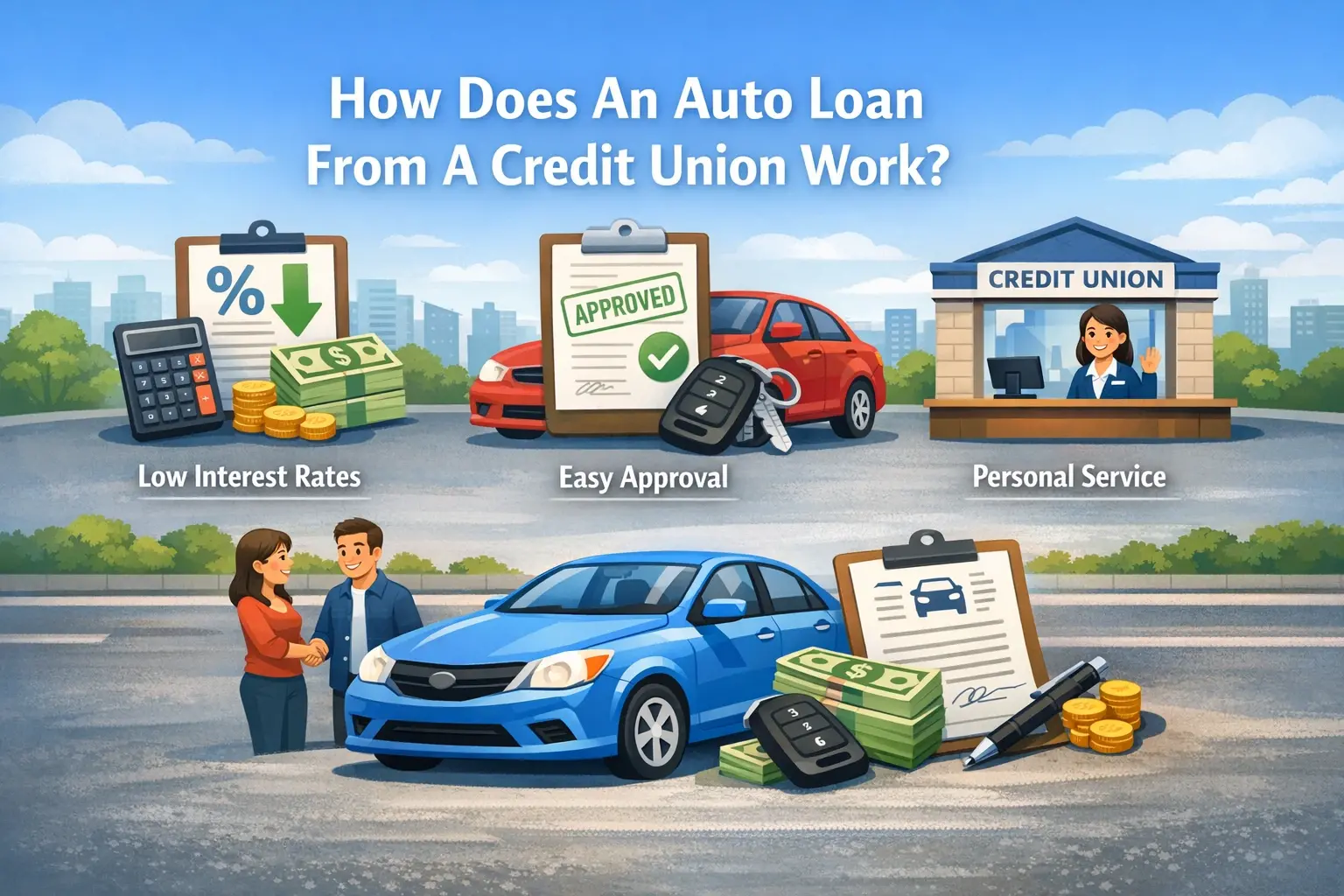
One of the most straightforward and often most cost-effective methods is to apply directly with your existing bank or credit union. If you have a strong banking relationship and a good credit score, you might qualify for preferential rates and terms. Credit unions, in particular, are known for offering competitive auto loan rates to their members.
Pros: Often lower interest rates, established trust, direct communication with the lender, and potentially a simpler process if you are already a customer.
Cons: May have stricter credit score requirements, might not be as accommodating for individuals with poor credit.
Online Lenders Specializing in Auto Loans
The digital lending space has exploded, with numerous online lenders focusing specifically on auto loans. Many of these platforms offer pre-qualification tools that allow you to check potential rates without a hard credit inquiry, which is beneficial for comparison shopping. Some prominent examples include:
Capital One Auto Finance: A well-known lender offering direct financing and dealer financing options.
LightStream: Known for competitive rates, particularly for borrowers with excellent credit.
RoadLoans: Specializes in financing for new and used cars, including options for buyers with less-than-perfect credit.
myAutoloan.com: A marketplace that connects borrowers with multiple lenders, similar in concept to NAN but often with a more transparent lender network.
These lenders often have streamlined online application processes and can provide quick decisions. They cater to a wide range of credit profiles, including those with fair or bad credit.
Dealership Financing (In-House and Manufacturer Financing)
When you visit a car dealership, you'll typically be presented with financing options. These can come directly from the dealership (in-house financing) or from manufacturer-backed financing arms (e.g., Ford Credit, Toyota Financial Services). Manufacturer financing often has special promotional rates for qualified buyers.
Pros: Convenience of arranging financing at the point of sale, potential for promotional offers and low APRs, especially on new vehicles.
Cons: Dealerships may mark up interest rates, financing terms might be less flexible, can be pressured into making a decision quickly.
Buy Here, Pay Here (BHPH) Dealerships
For individuals with very poor credit or who have been denied elsewhere, Buy Here, Pay Here dealerships offer a solution. These dealerships finance the vehicles directly from their own inventory, bypassing traditional lenders. They often have more lenient approval processes.
Pros: Accessible for buyers with severe credit issues, often no credit check required.
Cons: Typically, much higher interest rates and fees, limited vehicle selection, vehicles may be older or have higher mileage,and strict payment terms.
Credit Unions and Community Banks
Beyond your primary bank, exploring local credit unions and community banks can be beneficial. These institutions often have a strong community focus and may offer more personalized service and flexible terms, particularly for residents.
Pros: Personalized service, community focus, potentially competitive rates.
Cons: May have membership requirements (for credit unions), and branch locations might be limited.
When considering alternatives, it's always advisable to get pre-approved from multiple sources before visiting a dealership. This gives you leverage and a clear understanding of the best rates and terms you qualify for. In 2025-26, the digital landscape offers many robust and transparent options that can rival or surpass the services offered by broad lead generation networks like NAN.
Is National Auto Loan Network Legit? Our Verdict
After thoroughly examining the operational model, potential benefits, and drawbacks, the verdict on the National Auto Loan Network's legitimacy is nuanced. Based on available information and common industry practices for lead generation services, the National Auto Loan Network appears to be a legitimate entity in the sense that it is a real business connecting consumers with auto loan providers. It is not inherently a scam designed to steal money or identity without providing any service. However, its effectiveness and the quality of the experience it provides can vary significantly, and consumers must approach it with realistic expectations and a degree of caution.
Legitimacy as a Lead Generator
The core function of NAN is to act as a lead generator. They collect your application information and distribute it to their network of lenders. This is a common and legitimate business model in the financial services industry. Many consumers, particularly those with challenging credit histories, find value in such services because they can increase the pool of potential lenders willing to consider their application. In this regard, NAN is legitimate in its stated purpose of connecting borrowers with lenders.
Factors to Consider for a Positive Experience
For NAN to be considered a positive and effective solution, several factors are critical:
Quality of the Lender Network: The ultimate success of NAN hinges on the caliber and diversity of the lenders in its network. A network comprising reputable financial institutions will yield better results than one filled with predatory lenders.
Transparency of Operations: A legitimate service should be transparent about how it operates, how it makes money (typically from lenders, not consumers), and what the applicant can expect in terms of follow-up communications.
Data Security: NAN must have robust security measures in place to protect the sensitive personal and financial data it collects. Users should look for information on their website regarding data encryption and privacy policies.
Realistic Expectations: Applicants must understand that NAN is a conduit, not a lender. Approval and loan terms are determined by the individual lenders, and there is no guarantee of securing a loan, especially with poor credit.
Potential Pitfalls to Be Aware Of
Despite its legitimacy as a business, users should be aware of potential downsides:
Information Overload: As mentioned, you may receive numerous calls and emails from various lenders and brokers.
Variable Lender Quality: The network might include lenders with less favorable terms or higher interest rates. Due diligence on any lender that contacts you is essential.
Focus on Subprime Lending: While helpful for some, the focus on assisting those with bad credit can mean that the offers available might come with higher costs.
Our Recommendation
The National Auto Loan Network is a legitimate lead generation service. If you have a credit history that makes traditional lending difficult, it can be a useful tool to explore potential financing options. However, it is crucial to:
Read all terms and conditions carefully.
Be prepared for multiple communications.
Thoroughly research any lender that contacts you.
Compare offers from NAN-affiliated lenders with other alternatives (direct bank applications, online lenders, etc.) to ensure you are getting the best possible deal.
For consumers in 2025-26, using NAN should be one part of a broader strategy for finding auto financing, not the sole solution. Its legitimacy as a business is not in question, but its effectiveness as a tool for securing the best auto loan depends heavily on the user's diligence and the quality of the network it accesses.
Navigating Auto Loans in 2025-26
The automotive finance landscape in 2025-26 continues to evolve, influenced by economic conditions, interest rate policies, and technological advancements. For consumers looking to secure a vehicle loan, understanding these dynamics is as crucial as understanding the specific services, like the National Auto Loan Network. Navigating this environment successfully requires a combination of preparation, informed decision-making, and a proactive approach to finding the best possible financing terms.
Economic Influences on Auto Loans
Interest rates remain a primary driver of auto loan costs. In 2025-26, potential borrowers may encounter a market where rates are influenced by central bank policies aimed at managing inflation or stimulating economic growth. Higher interest rate environments mean higher monthly payments and a greater overall cost of borrowing. Conversely, periods of lower interest rates can make financing more affordable. Consumers should stay informed about the broader economic outlook and how it might affect lending rates.
The availability of credit also fluctuates. Lenders may tighten their lending standards during economic uncertainty, making it harder for some individuals to qualify for loans, especially those with lower credit scores. Conversely, in a strong economy, lenders might be more willing to extend credit, potentially leading to more competitive offers. Understanding these economic tides can help set realistic expectations.
The Role of Credit Scores in 2025-26
Your credit score remains a paramount factor in securing an auto loan and determining the interest rate you'll be offered. In 2025-26, lenders continue to rely heavily on credit scores to assess risk. A higher credit score (generally 700 and above) typically unlocks access to the most favorable interest rates and loan terms. For those with scores in the fair or poor range (below 670), options may be more limited, and interest rates will likely be higher.
Credit Check Reminder: Before applying for a loan, make sure to check your credit score with Credit Repair Ease. Understanding your credit standing is the first step to securing the best possible auto loan. If your score isn't where you'd like it to be, professional credit repair services can help improve your financial outlook. Reach out to Credit Repair Ease at (888) 803-7889 to learn more about their services and how they can assist you in achieving your credit goals.
It's also important to note that lenders may look beyond just the score, examining your credit history, debt-to-income ratio, and employment stability. Building and maintaining a strong credit profile is a long-term strategy that pays dividends when seeking significant loans like those for a vehicle.
Technological Advancements in Auto Lending
The digital transformation of lending continues to accelerate in 2025-26. Online lenders, fintech companies, and even traditional institutions are offering increasingly sophisticated online platforms. These platforms often provide:
Instant Pre-qualification: Many lenders allow you to check potential loan offers with a soft credit pull, which doesn't affect your credit score. This enables comparison shopping without commitment.
Streamlined Application Processes: Online applications are often faster and more convenient than traditional in-person processes.
Digital Document Submission: Uploading necessary documents electronically can speed up the approval process.
AI and Machine Learning: Lenders are increasingly using advanced algorithms to assess risk and personalize loan offers, potentially opening doors for a wider range of borrowers.
These technological shifts mean that consumers have more tools at their disposal than ever before to research, compare, and apply for auto loans efficiently.
Strategies for Securing the Best Auto Loan
To navigate the auto loan market effectively in 2025-26, consider these strategies:
Improve Your Credit Score: If your credit score is a concern, take steps to improve it before applying. Pay down debt, ensure on-time payments, and dispute any errors on your credit report.
Get Pre-Approved: Secure pre-approval from multiple lenders (banks, credit unions, online lenders) before you go to the dealership. This gives you a benchmark for financing terms and strengthens your negotiating position.
Understand Your Budget: Determine how much you can realistically afford for a monthly car payment, including insurance, fuel, and maintenance. Don't let the dealership dictate your budget.
Compare Loan Terms Carefully: Look beyond just the interest rate. Consider the loan term (length of the loan), any origination fees, prepayment penalties, and the total cost of the loan over its lifetime.
Negotiate Both Price and Financing: If you are financing through a dealership, negotiate the purchase price of the vehicle separately from the financing terms. Sometimes, dealerships offer attractive financing to compensate for a higher vehicle price.
Be Wary of "Too Good to Be True" Offers: Extremely low interest rates or no-down-payment offers might come with hidden costs or stringent requirements.
By staying informed about economic conditions, understanding the critical role of your credit score, leveraging technological tools, and employing smart negotiation strategies, consumers can successfully navigate the auto loan market in 2025-26 and secure financing that fits their financial goals.
In conclusion, the National Auto Loan Network is a legitimate lead generation service that can be a useful tool for consumers seeking auto financing, particularly those with less-than-perfect credit. However, its effectiveness depends on the quality of its lender network and the diligence of the user. By understanding how it works, weighing its pros and cons against alternatives, and approaching the auto loan process with preparation and realistic expectations, consumers can make informed decisions in the dynamic 2025-26 market.
null
Is National Auto Loan Network Legit

Krystin Bresolin