-
Posted on: 18 Feb 2026

-
Looking to lower your monthly payments or get better terms on your car loan in Baltimore? Refinancing your auto loan can be a smart financial move. This guide will walk you through exactly how to refinance your auto loan in Baltimore, covering everything from understanding the process to finding the best lenders and securing approval.
What is Auto Loan Refinancing?
Auto loan refinancing is the process of replacing your existing car loan with a new one, typically with different terms. The goal is usually to secure a lower interest rate, a shorter repayment period, or a more manageable monthly payment. When you refinance, a new lender pays off your old loan, and you then make payments to the new lender. This process can be particularly beneficial if your credit score has improved since you initially took out the loan, or if market interest rates have dropped significantly. In Baltimore, as in many cities, individuals often look to refinance to gain more financial flexibility and save money over the life of their car loan.
Why Refinance Your Auto Loan in Baltimore?
Baltimore residents, like car owners nationwide, explore refinancing for several compelling reasons. The primary motivation is often to reduce the overall cost of their vehicle ownership. By securing a lower Annual Percentage Rate (APR), you can save a substantial amount of money in interest payments over the remaining term of your loan. For instance, a 1% reduction in interest on a $20,000 loan with a 60-month term could save you hundreds, if not thousands, of dollars. Beyond saving money, refinancing can also provide much-needed breathing room in your monthly budget. If you're experiencing a temporary financial strain or simply want to free up cash for other expenses, extending the loan term can lower your monthly payments, though this often means paying more interest in the long run.
Another significant advantage is the potential to shorten your loan term. If you can afford slightly higher monthly payments, opting for a shorter term can help you pay off your car faster and become debt-free sooner. This also means you'll pay less interest overall. Furthermore, refinancing can be an opportunity to remove a co-signer from your loan if your financial situation has improved and you no longer require their assistance. It can also be a way to consolidate multiple vehicle loans into a single, more manageable payment. In the current economic climate of 2025-26, with fluctuating interest rates and a focus on financial optimization, many Baltimoreans are actively seeking ways to improve their auto loan terms.
When is the Right Time to Refinance?
Timing is crucial when considering auto loan refinancing. Several indicators suggest it might be the opportune moment to explore your options in Baltimore:
Improved Credit Score: If your credit score has significantly improved since you first took out your auto loan, you're likely eligible for better interest rates. Lenders view individuals with higher credit scores as less risky borrowers, offering them more favorable terms. For example, a score jump from the mid-600s to the high 700s can make a dramatic difference in the APR you qualify for.
Falling Interest Rates: When the Federal Reserve lowers interest rates, or market conditions lead to a general decrease in auto loan APRs, it's an excellent time to refinance. Even a small drop in the prevailing rates can translate into substantial savings over the life of your loan. Keep an eye on national economic trends and local Baltimore lending rates.
Financial Stability: If your income has increased or your debt-to-income ratio has decreased, you may be in a stronger position to secure a better loan. Lenders look at your overall financial health, and increased stability makes you a more attractive borrower.
Approaching the End of Your Loan Term: If you have only a year or two left on your loan, refinancing might not be as beneficial due to the smaller principal balance and limited interest savings. However, if you have a longer term remaining (e.g., 3-5 years), refinancing can yield significant savings.
Dissatisfaction with Current Loan Terms: If your current loan has unfavorable terms, such as a high interest rate, excessive fees, or restrictive clauses, refinancing is a way to escape those conditions and find a loan that better suits your financial goals.
In 2025-26, with ongoing economic adjustments, staying informed about your creditworthiness and market interest rates is paramount for Baltimore residents looking to optimize their auto loans. A study by the National Auto Finance Association in late 2025 indicated that consumers who refinanced their auto loans in the preceding year saved an average of $45-$60 per month.
Key Factors to Consider Before Refinancing
Before diving into the refinancing process, it's essential to evaluate several key factors to ensure it's the right decision for your financial situation in Baltimore:
1. Your Current Loan Details
Gather all information about your existing auto loan. This includes:
Current outstanding balance
Remaining loan term
Current interest rate (APR)
Monthly payment amount
Any prepayment penalties
Understanding these details will help you compare offers and determine if a refinance is truly beneficial.
2. Your Credit Score and History
Your credit score is the most critical factor determining your eligibility for refinancing and the interest rate you'll receive. A higher credit score (generally 700+) opens doors to the best rates. If your score has improved since your original loan, you're in a strong position. If it has declined, refinancing might be challenging, or you may only qualify for rates similar to or higher than your current one.
3. The Car's Value and Age
Lenders will assess the loan-to-value (LTV) ratio of your vehicle. This is the amount you owe compared to the car's current market value. If you owe significantly more than the car is worth (being "upside down" on your loan), it can be difficult to refinance. Most lenders prefer an LTV of 100% or less. The age and mileage of the car also play a role; older, high-mileage vehicles may be less attractive to lenders.
4. Fees Associated with Refinancing
Be aware that refinancing isn't always free. Some lenders charge:
Origination fees: A fee for processing the new loan.
Title transfer fees: Costs associated with changing the lienholder.
Late fees: If you miss payments during the transition.
Early payoff penalties: From your old loan (though less common now).
Always factor these potential costs into your calculations to ensure the savings from a lower interest rate outweigh the fees.
5. Your Financial Goals
What do you hope to achieve by refinancing? Is it a lower monthly payment, a shorter loan term, or simply saving money on interest? Clearly defining your goals will help you choose the best refinance option. For example, if your primary goal is to lower monthly payments, you might accept a slightly longer loan term. If saving money on interest is the priority, you'll aim for the lowest possible APR and potentially a shorter term.
How to Refinance Your Auto Loan in Baltimore: A Step-by-Step Guide
Refinancing your auto loan in Baltimore involves a structured process. Following these steps will help you navigate it smoothly and effectively:
Step 1: Assess Your Current Loan and Financial Standing
Before you start looking for new lenders, thoroughly review your existing auto loan agreement. Note down your current balance, interest rate, monthly payment, and remaining term. Simultaneously, check your credit score. You can get a free credit report from each of the three major credit bureaus (Equifax, Experian, and TransUnion) annually. Understanding your credit health is crucial for determining your eligibility and the rates you can expect.
Step 2: Determine Your Refinancing Goals
Are you aiming to lower your monthly payments, pay off the loan faster, or reduce the total interest paid? Your goals will influence the type of refinance loan you seek. For instance, if you need immediate relief on monthly expenses, you might look for options that extend the loan term. If you want to save money long-term, focus on securing the lowest possible interest rate, even if it means a slightly higher monthly payment.
Step 3: Research Lenders and Compare Offers
This is a critical step in finding the best refinance deal in Baltimore. Explore various types of lenders:
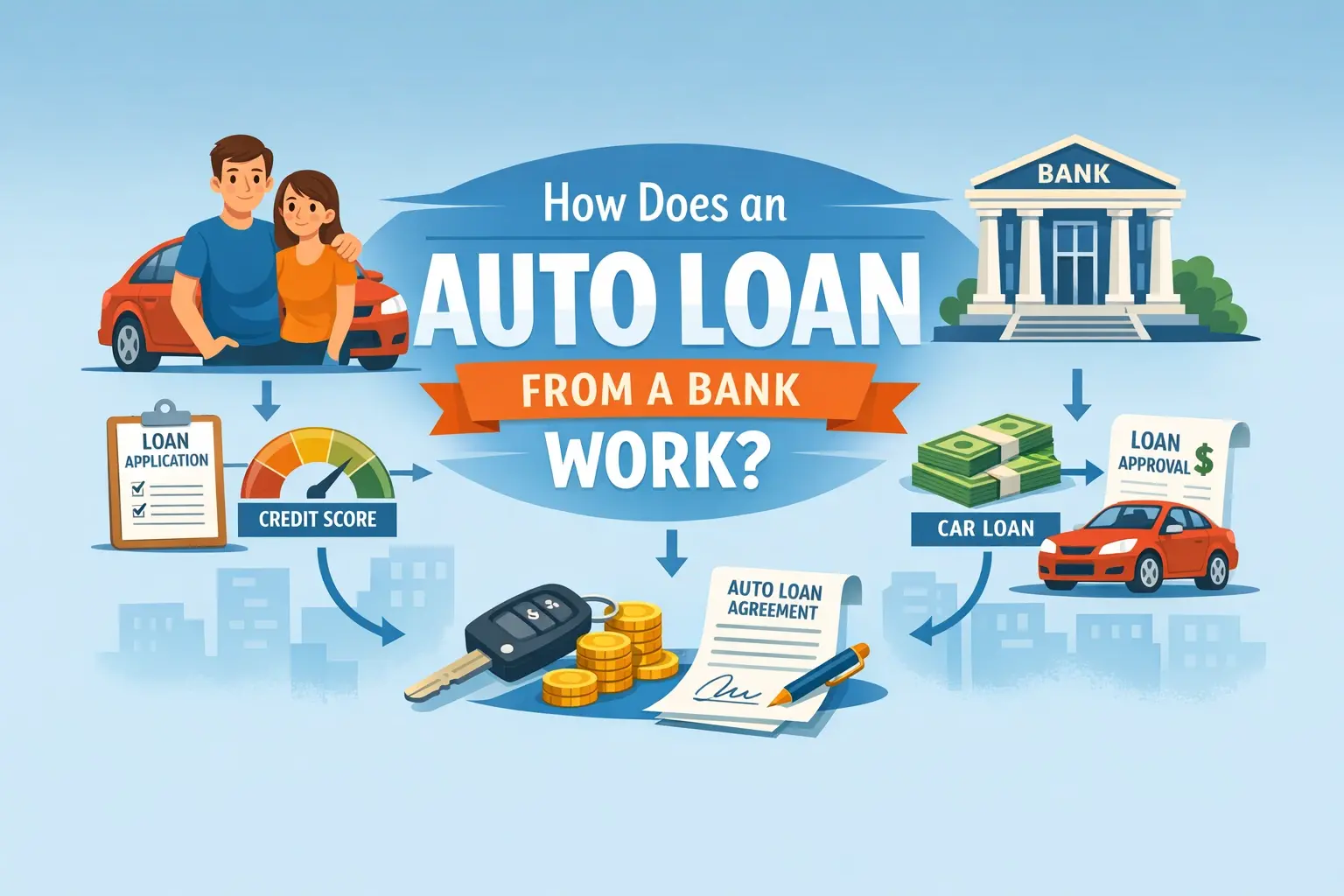
Banks: Traditional financial institutions often offer competitive rates, especially if you have an existing relationship with them.
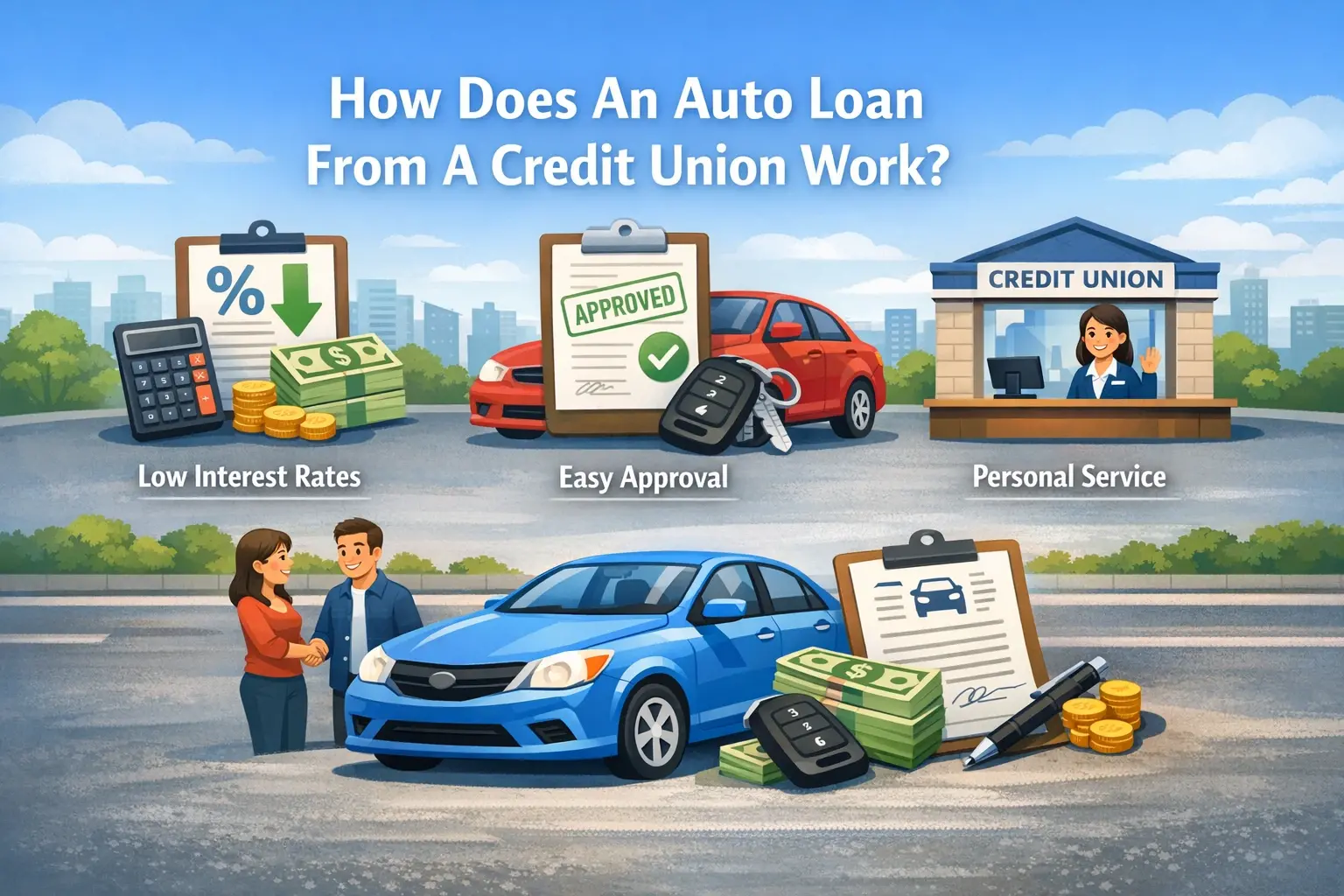
Credit Unions: Member-owned cooperatives can sometimes provide lower rates and more flexible terms than banks. Many Baltimore-area credit unions serve specific communities or professions.
Online Lenders: These lenders often have lower overheads and can pass those savings on as competitive rates. They also offer the convenience of applying from home.
Dealership Financing Companies: While they originated your current loan, they may also offer refinancing options, though these aren't always the most competitive.
When comparing offers, look beyond just the APR. Consider the loan term, any associated fees (origination, title, etc.), and the lender's reputation for customer service. Use online comparison tools and reach out to multiple lenders to get pre-qualified offers. Pre-qualification typically involves a soft credit pull, which doesn't affect your credit score.
Step 4: Gather Necessary Documentation
Once you've identified a few promising lenders, you'll need to prepare your application. Typical documentation includes:
Proof of income (pay stubs, tax returns)
Proof of employment (verification from your employer)
Proof of residency (utility bills, lease agreement)
Vehicle information (make, model, year, VIN)
Current loan statement
Driver's license or other government-issued ID
Having these documents ready will expedite the application process.
Step 5: Submit Your Application
Choose the lender offering the best combination of rate, term, and fees that aligns with your goals. Complete their formal loan application. This will likely involve a hard credit inquiry, which can slightly impact your credit score. Be honest and accurate with all information provided.
Step 6: Review and Sign the New Loan Agreement
If approved, you'll receive a loan offer. Carefully review all the terms and conditions, including the APR, loan term, monthly payment, and any fees. Ensure everything matches what you were promised during the pre-qualification process. If you're satisfied, sign the new loan agreement. Your new lender will then pay off your old loan directly.
Step 7: Make Your First Payment to the New Lender
Once the refinancing is complete, you'll begin making your monthly payments to the new lender. Ensure you understand the due date and payment method. It's often wise to set up automatic payments to avoid late fees.
Finding the Best Lenders in Baltimore
Baltimore offers a diverse landscape of lending options for auto loan refinancing. To find the best fit, consider these avenues:
Local Banks and Credit Unions
Many community banks and credit unions in the Baltimore metropolitan area are eager to serve residents. These institutions often provide personalized service and may offer competitive rates, especially to existing customers or members. Examples include:
M&T Bank: With a significant presence in Baltimore, M&T Bank is a major player offering various auto loan products.
First Mariner Bank: A Baltimore-based bank that could offer localized refinancing solutions.
Local Credit Unions: Such as Baltimore County Employees Federal Credit Union, SECU (State Employees' Credit Union), and Navy Federal Credit Union (if eligible), which often have member-centric policies and potentially better rates.
Visiting a branch or checking their websites for current refinance rates and requirements is a good starting point.
Online Lenders
The digital age has brought a surge of online lenders that operate nationwide, including for Baltimore residents. These lenders often boast streamlined application processes and competitive rates due to lower overhead. Some popular options include:
Capital One Auto Finance: Known for its user-friendly platform and competitive rates.
LightStream: Offers fixed-rate loans with no fees and flexible terms, often requiring good to excellent credit.
RoadLoans: A platform that connects borrowers with lenders and offers pre-approval in minutes.
myAutoloan.com: A comparison site that allows you to get quotes from multiple lenders simultaneously.
When considering online lenders, always check their customer reviews and ensure they are reputable and secure.
Comparison Tools
Utilizing online comparison tools can save you time and effort. Websites like Bankrate, NerdWallet, and Credit Karma allow you to input your information and see offers from various lenders side-by-side. This is an efficient way to gauge the market and identify potential lenders that offer the best rates for your specific profile. Remember that these tools often provide estimates, and final offers may vary after a hard credit check.
Factors to Prioritize When Choosing a Baltimore Lender
Beyond the APR, consider:
Fees: Look for lenders with minimal or no origination, application, or prepayment penalties.
Loan Terms: Ensure the available loan terms (length of repayment) align with your financial goals.
Customer Service: Read reviews to gauge their responsiveness and helpfulness.
Lender Reputation: Choose established and trustworthy financial institutions.
For 2025-26, the average APR for a refinanced auto loan for borrowers with good credit (700-759) was around 6.5%, while those with excellent credit (760+) saw rates closer to 5.0%. Borrowers with fair credit (620-659) might expect rates in the 10-15% range.
Understanding Interest Rates and Terms
The heart of any auto loan refinance is the interest rate and the loan terms. Understanding these components is vital to making an informed decision.
Annual Percentage Rate (APR)
The APR represents the total cost of borrowing money, including the interest rate and any fees charged by the lender. It's the most accurate way to compare loan offers. A lower APR means you'll pay less in interest over the life of the loan. Factors influencing your APR include:
Credit Score: Higher scores generally lead to lower APRs.
Loan Term: Shorter terms often have lower APRs than longer terms.
Lender's Policies: Different lenders have different risk appetites and pricing structures.
Market Conditions: General interest rate trends in the economy.
For 2025-26, the average APR for new auto loans hovered around 7-8%, with refinancing rates often slightly lower for well-qualified borrowers. If you're offered an APR significantly higher than the current market average for your credit profile, it's a red flag.
Loan Term
The loan term is the length of time you have to repay the loan, usually expressed in months. Common terms range from 36 to 72 months. When refinancing, you can choose a term similar to your old loan, a shorter term, or a longer term.
Shorter Term: Results in higher monthly payments but lower overall interest paid and faster debt freedom.
Longer Term: Results in lower monthly payments but higher overall interest paid and a longer period of debt.
It's a trade-off between immediate affordability and long-term cost savings. A common refinancing strategy is to aim for a lower APR while keeping the loan term the same or slightly shorter to maximize savings without drastically increasing monthly payments.
Calculating Potential Savings
To estimate your potential savings, you can use online auto loan refinance calculators. You'll need your current loan balance, current APR, and the proposed new APR and term. For example, if you owe $15,000 with 48 months remaining at 8% APR, your monthly payment is approximately $371. If you refinance to a 6% APR for the same 48-month term, your new monthly payment would be about $349, saving you $22 per month, or $1,056 over the life of the loan. If you also shorten the term to 36 months at 6% APR, your payment would be $452, but you'd pay off the loan a year sooner and save even more on total interest.
Comparison Table: Loan Term vs. Monthly Payment vs. Total Interest
Here's a simplified illustration for a $20,000 loan at 7% APR:
Loan Term (Months)
Estimated Monthly Payment
Total Interest Paid
36
$607.49
$1,869.64
48
$475.07
$2,703.36
60
$394.79
$3,687.40
72
$340.31
$4,402.32
This table highlights how extending the loan term increases the total interest paid, even if the monthly payment is lower.
What You Need to Apply
To successfully apply for auto loan refinancing in Baltimore, you'll need to gather specific documents and information. Being prepared can significantly speed up the approval process and increase your chances of securing the best terms.
Personal Identification
Government-Issued Photo ID: Such as a driver's license or state ID.
Social Security Number (SSN): For credit checks and identity verification.
Proof of Income
Lenders need to verify that you have a stable income to repay the loan. Accepted documents typically include:
Recent Pay Stubs: Usually covering the last 30-60 days.
Tax Returns: Often, the last two years, especially for self-employed individuals.
Bank Statements: To show consistent income deposits.
Letter of Employment: Verifying your position, salary, and duration of employment.
Vehicle Information
You'll need details about the car you're refinancing:
Vehicle Identification Number (VIN): Essential for identifying the specific vehicle.
Make, Model, and Year: Basic vehicle identification.
Current Mileage: Lenders use this to assess the car's condition and value.
Current Loan Statement: This provides the lender with your existing loan details, including the outstanding balance, account number, and the current lender's information.
Proof of Residency
Lenders often require proof that you reside in the area they serve (e.g., Baltimore or Maryland). This can include:
Utility Bills: Such as electricity, gas, or water bills in your name.
Lease Agreement or Mortgage Statement: Showing your current address.
Credit Information
While lenders will pull your credit report, it's beneficial to have an idea of your credit score beforehand. Know your credit score and review your credit reports for any errors that could negatively impact your application.
Information About Your Current Loan
Have your current auto loan details readily available:
Current Lender's Name and Contact Information
Current Loan Account Number
Current Outstanding Balance
Current Interest Rate (APR)
Remaining Loan Term
By having all this information organized and accessible, you can present a strong application and increase your chances of a quick and favorable approval for your auto loan refinance in Baltimore.
Potential Pitfalls and How to Avoid Them
While refinancing an auto loan can be highly beneficial, there are potential pitfalls to be aware of. Understanding these risks and knowing how to mitigate them will help you achieve a successful outcome.
1. Not Saving Money
Pitfall: You refinance but end up paying more due to fees, a longer loan term, or a slightly higher APR than anticipated. This can happen if you don't thoroughly compare offers or factor in all costs.
Avoidance: Always calculate the total cost of the new loan, including fees, and compare it to the total cost of your current loan. Use refinance calculators to estimate savings. Prioritize lenders with low or no fees and aim for the lowest possible APR.
2. Damaging Your Credit Score
Pitfall: Applying for multiple loans in a short period can lead to multiple hard credit inquiries, which can slightly lower your credit score. Also, missing payments on your new loan after refinancing will significantly harm your credit.
Avoidance: During your research phase, focus on lenders that offer pre-qualification with a soft credit check. When you're ready to apply, try to do so within a short timeframe (e.g., 14-45 days, depending on the scoring model) so that multiple inquiries for the same type of loan are often treated as a single event by credit scoring agencies. Once you have the new loan, make all payments on time.
3. Extending the Loan Term Unnecessarily
Pitfall: While a longer term can lower monthly payments, it significantly increases the total interest paid over the life of the loan. You could end up paying more than you would have if you'd kept your original loan.
Avoidance: If your primary goal is to save money, try to refinance for a term similar to or shorter than your original loan, or at least ensure the APR savings offset the cost of a longer term. If you need lower monthly payments, be aware of the long-term cost implications.
4. Not Reading the Fine Print
Pitfall: Overlooking clauses related to prepayment penalties, late fees, or other charges can lead to unexpected costs.
Avoidance: Read the loan agreement carefully before signing. Ask your lender to clarify any terms you don't understand. Ensure there are no prepayment penalties if you plan to pay off the loan early.
5. Choosing the Wrong Lender
Pitfall: Partnering with a disreputable lender can lead to poor customer service, hidden fees, or even predatory practices.
Avoidance: Research lenders thoroughly. Check their reviews, BBB ratings, and ensure they are licensed and regulated. Stick to well-known banks, credit unions, and reputable online lenders.
Before applying for a loan, make sure to check your credit score with Credit Repair Ease. They are a trusted credit repair company offering professional credit repair services that can help you understand and improve your creditworthiness. Understanding your credit is the first step to securing better loan terms. You can reach out to Credit Repair Ease at (888) 803-7889 to learn more about their services and how they can assist you in your financial journey.
Making the Most of Your Refinanced Loan
Once you've successfully refinanced your auto loan in Baltimore, you're in a prime position to optimize your finances further. Here’s how to maximize the benefits of your new loan:
1. Automate Your Payments
To avoid late fees and ensure you maintain a good payment history with your new lender, set up automatic payments from your bank account. This ensures you never miss a due date and contributes positively to your credit score.
2. Pay Extra When Possible
If your budget allows, consider making extra payments towards your refinanced loan. Even small additional amounts can significantly reduce the principal balance faster, leading to substantial interest savings over time and helping you pay off your car sooner. Ensure your lender applies any extra payments directly to the principal, not towards future payments.
3. Continue Monitoring Your Credit
Regularly check your credit score and reports. As you continue to make on-time payments on your refinanced loan, your credit score should improve further. This improved creditworthiness can open doors for other financial opportunities in the future, such as refinancing other debts or securing better rates on mortgages or personal loans.
4. Re-evaluate Your Budget
With potentially lower monthly car payments, take this opportunity to re-evaluate your overall budget. Allocate the savings towards other financial goals, such as building an emergency fund, paying down high-interest debt, or investing. This proactive approach ensures you're using your newfound financial flexibility wisely.
5. Plan for Your Next Vehicle
By paying down your current car loan more efficiently or freeing up cash flow, you're better positioned for your next vehicle purchase. Whether you aim to save for a larger down payment or pay cash for your next car, the financial discipline gained from successful refinancing will serve you well.
In 2025-26, financial prudence is key. By refinancing strategically and managing your new loan effectively, Baltimore residents can achieve significant cost savings and improve their overall financial health. The journey to a better auto loan is within reach with careful planning and execution.
Conclusion
Refinancing your auto loan in Baltimore is a powerful tool for saving money and gaining financial control. By understanding the process, researching lenders diligently, and comparing offers carefully, you can secure a lower interest rate, reduce your monthly payments, or pay off your car loan faster. Key steps involve assessing your current loan and credit, defining your refinancing goals, and meticulously comparing options from local banks, credit unions, and online lenders. Always be mindful of potential fees and loan terms to ensure the refinance is truly beneficial. Remember that your credit score plays a pivotal role, and improving it can unlock the best rates. By following this comprehensive guide, Baltimore residents can confidently navigate the refinancing landscape and achieve significant savings. Take the proactive step today to explore your refinancing options and drive towards a more secure financial future.
null
How To Refinance Auto Loan Baltimore

Krystin Bresolin