-
Posted on: 18 Feb 2026
-
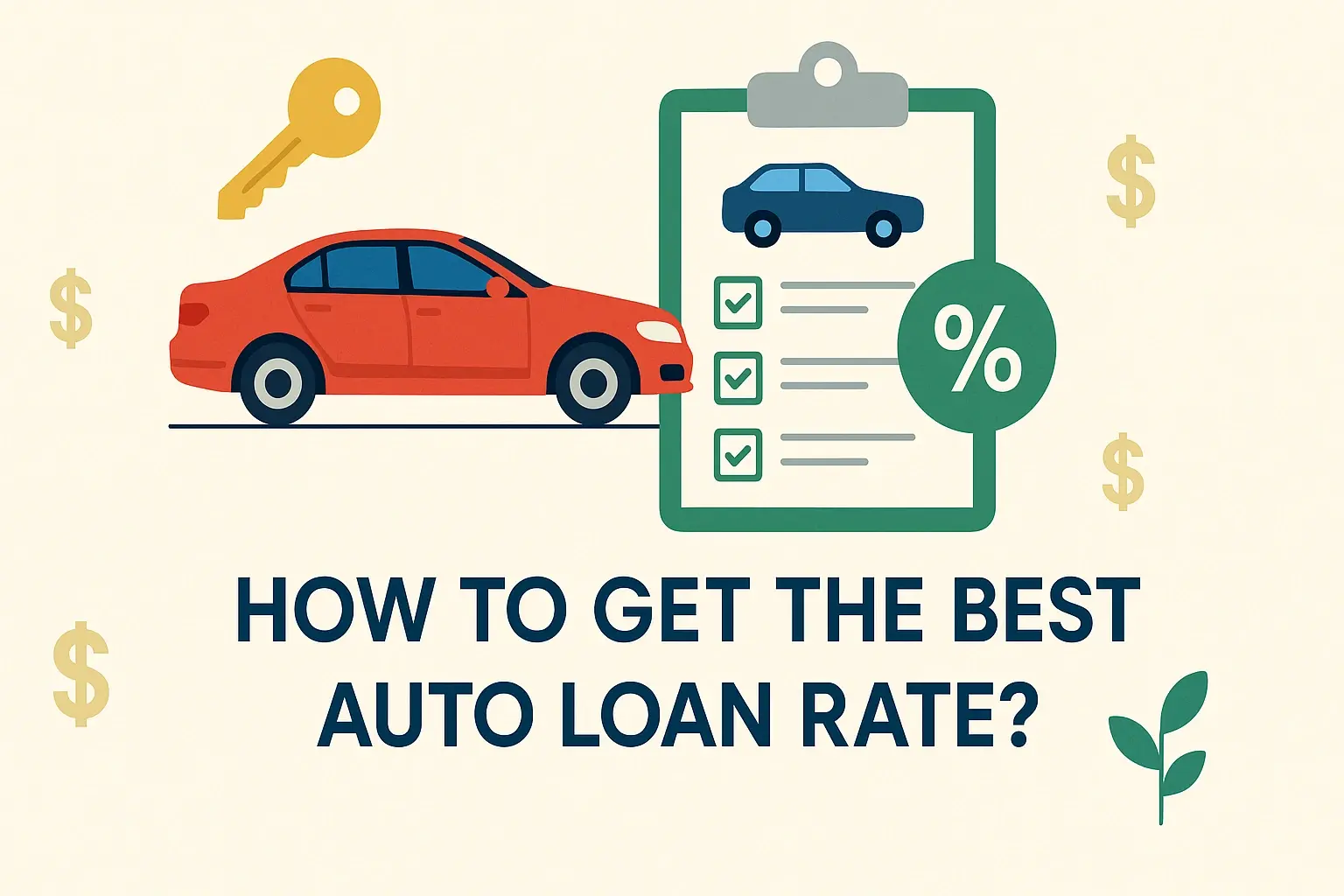
Securing the best auto loan rate in 2025-26 is crucial for saving thousands over the life of your car purchase. This comprehensive guide will walk you through every essential step, from understanding your credit score to navigating lender negotiations, ensuring you drive away with the most favorable terms possible.
Understanding Your Credit Score: The Foundation of Your Loan
Your credit score is arguably the single most important factor determining the interest rate you'll be offered on an auto loan. Lenders use your credit score to assess your risk as a borrower. A higher score indicates a lower risk, which translates into lower interest rates and more favorable loan terms. For 2025-26, lenders are paying close attention to FICO and VantageScore models, with scores typically ranging from 300 to 850.
What is a Credit Score and Why Does it Matter?
A credit score is a three-digit number that summarizes your credit history. It's calculated based on information in your credit reports, including payment history, amounts owed, length of credit history, new credit, and credit mix. Auto lenders, like all creditors, use this score to predict the likelihood that you will repay borrowed money. A score above 700 generally qualifies you for better rates, while scores below 600 may result in higher rates or outright loan denial.
2025-26 Credit Score Benchmarks for Auto Loans
While specific thresholds vary by lender, here’s a general breakdown of how credit scores typically impact auto loan rates:
Credit Score Range
Likely Interest Rate (Estimate)
Loan Approval Likelihood
800+ (Exceptional)
3.0% - 4.5%
Very High
740-799 (Very Good)
4.0% - 5.5%
High
670-739 (Good)
5.5% - 7.5%
Moderate to High
580-669 (Fair)
7.5% - 12.0%
Moderate to Low
Below 580 (Poor)
12.0% + (or denial)
Low
Note: These rates are estimates for 2025-26 and can fluctuate based on market conditions, lender, loan term, and vehicle age/mileage.
How to Check Your Credit Score
Before you even start looking at cars, you should know where you stand. You are entitled to a free credit report from each of the three major credit bureaus (Equifax, Experian, and TransUnion) annually at AnnualCreditReport.com. Many credit card companies and banks also offer free access to your credit score through their online portals or mobile apps. Understanding your score allows you to identify any errors that might be dragging it down and take steps to improve it.
Improving Your Credit Score Before Applying
If your credit score isn't where you'd like it to be, consider these strategies to boost it before applying for an auto loan:
Pay Bills on Time: Payment history is the most significant factor in your credit score. Ensure all your bills, not just credit cards, are paid by their due dates.
Reduce Credit Utilization: Aim to keep your credit card balances below 30% of their credit limits. Paying down existing debt can significantly improve your score.
Dispute Errors: Review your credit reports for any inaccuracies and dispute them with the credit bureaus.
Avoid Opening Too Many New Accounts: Applying for multiple credit accounts in a short period can negatively impact your score.
Be Patient: Credit score improvement takes time. Even small, consistent positive actions can lead to noticeable gains over several months.
Researching and Comparing Lenders
Once you have a handle on your creditworthiness, the next crucial step is to shop around for the best loan offers. Don't just walk into the dealership and accept the first financing option presented. By comparing offers from various types of lenders, you can find the most competitive interest rates and terms.
Types of Auto Loan Lenders
Several institutions offer auto loans, each with its own advantages:
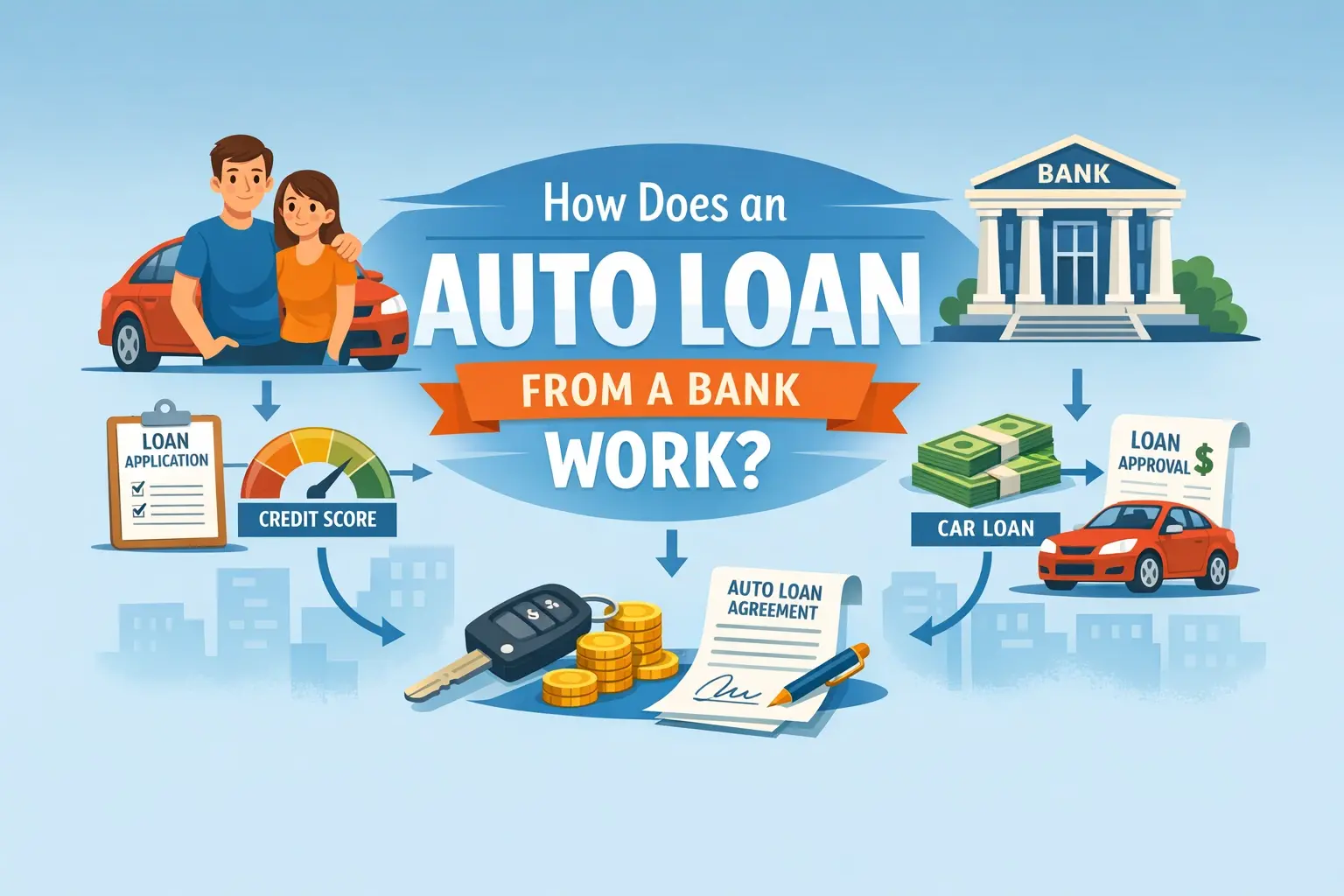
Banks: Traditional banks often offer competitive rates, especially if you have an existing relationship with them. They tend to have more stringent approval requirements.
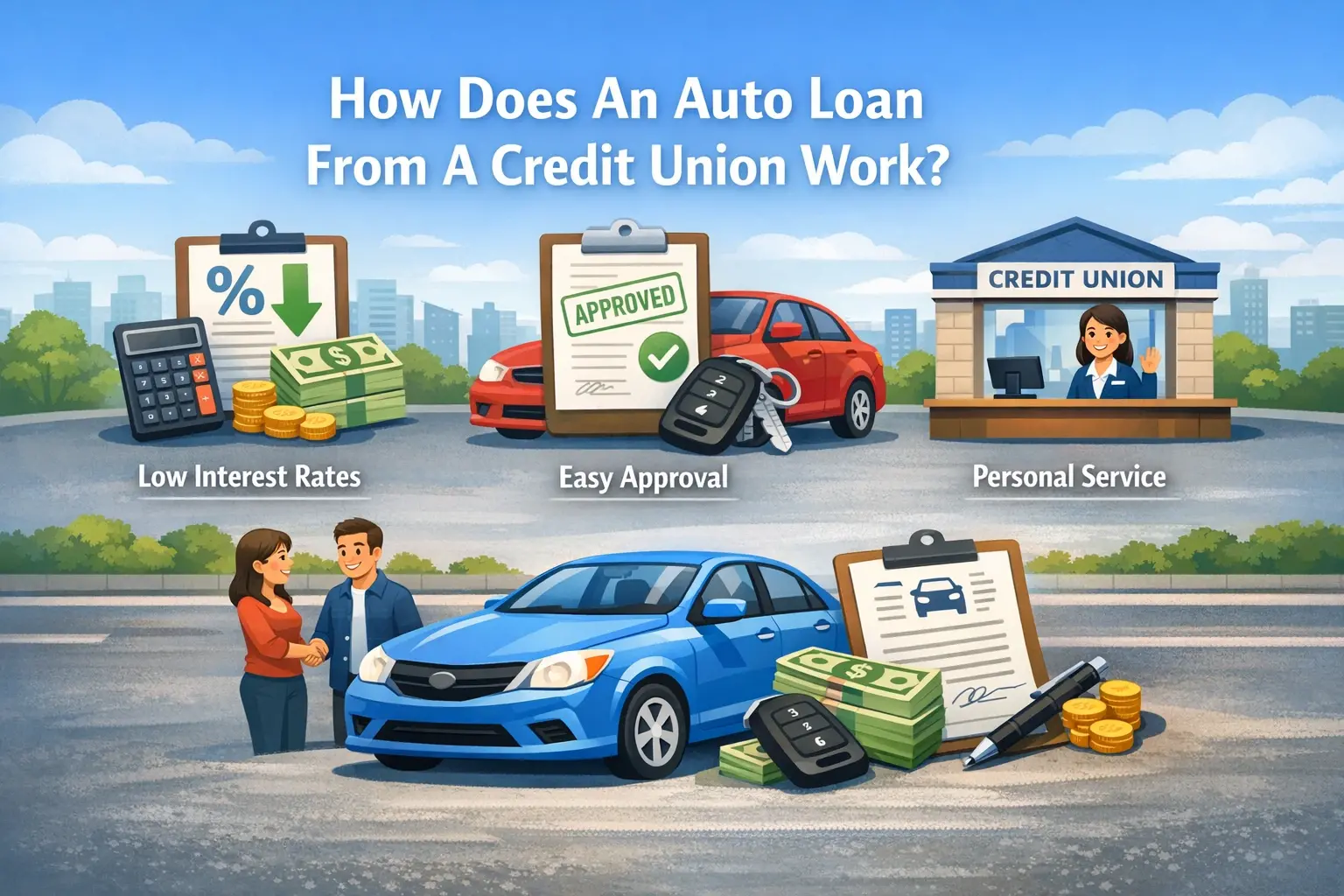
Credit Unions: These member-owned cooperatives often provide lower interest rates and more flexible terms than banks. You'll need to become a member to apply, which usually involves a small deposit and meeting membership criteria (e.g., living in a certain area, working for a specific employer).
Online Lenders: A growing number of online lenders specialize in auto loans. They often offer quick pre-approval processes and can be very competitive on rates, particularly for borrowers with good to excellent credit.
Dealership Financing: While convenient, dealership financing (also known as "dealer financing" or "indirect lending") can sometimes come with higher interest rates or hidden fees. They act as intermediaries between you and a lender, and their profit margin can influence the rate offered. Always compare dealership offers to external ones.
The Pre-Approval Process: Your Secret Weapon
Before you set foot in a dealership, get pre-approved for an auto loan from at least one bank, credit union, or online lender. Pre-approval is a conditional commitment from a lender to offer you a specific loan amount at a specific interest rate, based on a preliminary review of your credit. This process typically involves a hard credit inquiry, but doing it within a short timeframe (usually 14-45 days, depending on the scoring model) will only count as a single inquiry for scoring purposes.
Benefits of Pre-Approval:
Know Your Budget: You'll know the maximum amount you can borrow and the estimated monthly payment, helping you set a realistic car budget.
Stronger Negotiating Position: Armed with a pre-approved offer, you can negotiate the car's price and financing terms from a position of strength. If the dealership can't beat your pre-approved rate, you know where to go.
Faster Dealership Experience: Having financing in place streamlines the car-buying process.
Comparing Loan Offers: What to Look For
When comparing loan offers, don't just focus on the interest rate. Consider the following:
Annual Percentage Rate (APR): This is the most crucial number, as it reflects the total cost of borrowing, including interest and most fees, expressed as a yearly rate.
Loan Term: This is the length of time you have to repay the loan (e.g., 36, 48, 60, 72 months). Shorter terms mean higher monthly payments but less interest paid overall. Longer terms mean lower monthly payments but more interest paid over time.
Fees: Watch out for origination fees, documentation fees, late payment fees, and prepayment penalties.
Down Payment Requirements: Some lenders may require a down payment, while others offer 100% financing.
Exploring Different Auto Loan Types
Understanding the nuances of different auto loan structures can help you choose the one that best fits your financial situation and long-term goals.
New vs. Used Car Loans
Rates and terms can differ significantly between loans for new and used vehicles. New cars typically have lower interest rates because they are less risky for lenders (they depreciate more slowly initially and are less likely to have mechanical issues). Used cars, especially older models with higher mileage, may carry higher interest rates due to increased risk.
Direct vs. Indirect Lending
As mentioned earlier, direct lending involves getting your loan directly from a bank, credit union, or online lender. Indirect lending happens at the dealership, where the dealer arranges financing through a third-party lender. Direct lending often provides more transparency and potentially better rates, as you're negotiating directly with the financial institution.
Lease Buyout Loans
If you're leasing a vehicle and decide you want to purchase it at the end of your lease term, you'll need a lease buyout loan. These loans are specifically for purchasing a car you've already been driving. Rates can vary, and it's essential to compare them to traditional auto loan offers.
Refinancing Auto Loans
If you already have an auto loan and your credit score has improved significantly since you took it out, or if market interest rates have dropped, you might be able to refinance your existing loan for a lower rate. This process involves getting a new loan to pay off your old one, ideally with better terms. Many borrowers in 2025-26 are exploring refinancing to lower their monthly payments or save on total interest paid.
The Auto Loan Application Process
Applying for an auto loan is a multi-step process that requires careful preparation and attention to detail. Following these steps will help ensure a smooth and successful application.
Step 1: Gather Your Documentation
Lenders will need to verify your identity, income, and residency. Be prepared to provide:
Proof of Identity: Driver's license or state-issued ID, passport.
Proof of Income: Recent pay stubs (usually 2-3), W-2 forms, tax returns (if self-employed or income is irregular), bank statements.
Proof of Residency: Utility bills, lease agreement, mortgage statement.
Employment Verification: Lenders may call your employer to confirm your employment status and salary.
Down Payment Information: If you plan to make a down payment, have proof of funds available (e.g., bank statement).
Step 2: Complete the Loan Application
You can usually complete the application online, in person at a bank or credit union branch, or at the dealership. Be thorough and accurate when filling out the application. Inaccurate information can lead to delays or denial.
Key information required typically includes:
Personal details (name, address, date of birth, Social Security number)
Employment history and income
Monthly expenses
Loan amount requested
Vehicle details (if known)
Step 3: The Credit Check
The lender will perform a hard credit inquiry to review your credit report and score. This is why it's crucial to have checked your score beforehand and to do most of your shopping for rates within a short period to minimize the impact on your score.
Step 4: Loan Underwriting and Approval
The lender's underwriting department will review your application, credit report, and supporting documents to assess your creditworthiness. They will determine if you meet their lending criteria and decide whether to approve your loan. This stage can take anywhere from a few minutes for online lenders to a few business days for traditional institutions.
Step 5: Reviewing the Loan Offer
If approved, you'll receive a loan offer detailing the loan amount, interest rate (APR), loan term, monthly payment, and any associated fees. Carefully review all the terms and conditions. Don't hesitate to ask questions if anything is unclear.
Negotiating Your Auto Loan Terms
Securing a pre-approved loan is a powerful negotiation tool, but there's still room to negotiate at the dealership. The goal is to get the best possible APR and loan terms that fit your budget.
Negotiate the Car Price First
Always negotiate the purchase price of the car before discussing financing. Once you have agreed on a price, you can discuss how you will pay for it. If you discuss financing first, the dealership might manipulate the numbers, offering a seemingly low monthly payment by extending the loan term or increasing the car's price, masking a higher interest rate.
Leverage Your Pre-Approval
Present your pre-approval letter to the dealership's finance manager. State clearly that you have financing secured, but are willing to consider their offer if it's better. This puts them on the defensive and encourages them to offer their most competitive rate.
Example Scenario:
You have a pre-approval for a 60-month auto loan at 5.5% APR from your credit union. You go to a dealership, and after negotiating the car price to $25,000, the finance manager offers you financing. They initially present a loan at 6.5% APR. You can then say, "Thank you for the offer, but my credit union has pre-approved me for 5.5% APR. Can you beat that rate?" If they can't, you simply use your pre-approved loan.
Understand the Dealer's Markup
Dealerships often can mark up interest rates from the lender they partner with. This markup is a profit center for the dealership. Your pre-approval serves as a benchmark, and if the dealer's offer is higher, it means they are either not matching the lender's best rate or are attempting to profit from the markup.
Be Wary of Add-Ons
During the financing discussion, dealerships often try to sell you additional products like extended warranties, GAP insurance, tire protection, or fabric protection. While some of these might be beneficial, they often come with significant markups and can inflate your loan amount. Evaluate each add-on carefully and only agree to what you truly need and can afford. If you decide you want an extended warranty, research independent providers as they are often cheaper than dealer-offered ones.
Walk Away if Necessary
The most powerful negotiation tactic is the willingness to walk away. If the dealership cannot meet your expectations on price or financing, be prepared to leave. There are plenty of other cars and dealerships, and lenders are eager for your business. Sometimes, the threat of losing a sale is enough to prompt a better offer.
Additional Tips for Securing the Best Rate
Beyond the core steps, several other strategies can help you secure the most advantageous auto loan rate in 2025-26.
Consider a Larger Down Payment
A larger down payment reduces the amount you need to borrow, which inherently lowers your monthly payments and the total interest paid. It also signals to lenders that you are a more committed borrower, potentially leading to a slightly better rate. Aiming for at least 10-20% of the vehicle's price is often recommended.
Choose a Shorter Loan Term
While longer loan terms result in lower monthly payments, they significantly increase the total interest paid over the life of the loan. For example, a $25,000 loan at 6% APR:
A 36-month term would have a monthly payment of approximately $764 and a total interest of $2,504.
A 60-month term would have a monthly payment of approximately $483 and a total interest of $3,980.
A 72-month term would have a monthly payment of approximately $415 and a total interest of $4,880.
Prioritize the shortest term you can comfortably afford to save money in the long run.
Opt for a Newer, Less Expensive Car
The age and price of the car significantly influence loan rates. Newer, certified pre-owned (CPO) vehicles often come with lower interest rates than older, high-mileage used cars. If your primary goal is the absolute lowest rate, consider vehicles that are more attractive to lenders.
Check for Manufacturer Incentives and Special Financing
Automakers often offer special financing deals on new vehicles, such as 0% APR or low-interest rates for qualified buyers. These deals can be incredibly beneficial, but they usually come with strict credit score requirements and may mean foregoing other rebates or discounts on the car's price. Always compare the total savings of a special financing offer versus a cash rebate.
Be Mindful of Your Credit Score's Impact
As highlighted earlier, your credit score is paramount. If you're not happy with your current score, dedicate time to improving it before applying. This might mean delaying your car purchase slightly, but the savings in interest can be substantial. Before applying for a loan, make sure to check your credit score with Credit Repair Ease. They offer professional credit repair services that can help you understand your credit report and take steps towards improvement. You can reach out to Credit Repair Ease at (888) 803-7889 for a consultation.
Understand Loan Prepayment Penalties
Some auto loans come with prepayment penalties, meaning you'll be charged a fee if you pay off the loan early. Always ask about this and ensure your loan agreement does not include such a penalty if you plan to pay off your loan ahead of schedule or refinance it later.
Consider Co-signing Carefully
If you have a low credit score, a co-signer with excellent credit might help you secure a better rate. However, a co-signer is just as responsible for the loan as you are. If you default, their credit will be damaged, and they will be legally obligated to repay the loan. Only consider this option if you are confident in your ability to make payments consistently.
Conclusion: Driving Away with Savings
Obtaining the best auto loan rate in 2025-26 is an achievable goal with the right strategy and preparation. By prioritizing your credit score, diligently researching and comparing lenders, understanding different loan types, and employing smart negotiation tactics, you can significantly reduce the overall cost of your vehicle purchase. Remember that the APR is your most critical metric, but also consider the loan term and any associated fees. A well-informed borrower is a powerful borrower. Take the time to get pre-approved, understand your budget, and never be afraid to walk away from a deal that doesn't feel right. The savings you achieve on your auto loan can be reinvested, used for car maintenance, or simply enjoyed, making your car ownership experience much more rewarding. Start your journey today by understanding your credit and exploring your financing options – your future self will thank you for the savings.
null
How To Get The Best Auto Loan Rate

Krystin Bresolin