-
Posted on: 10 Mar 2026
-
The Credit Union Auto Loan Application Process: A Step-by-Step Guide
How Your Credit Score Impacts Your Auto Loan Approval and Rates
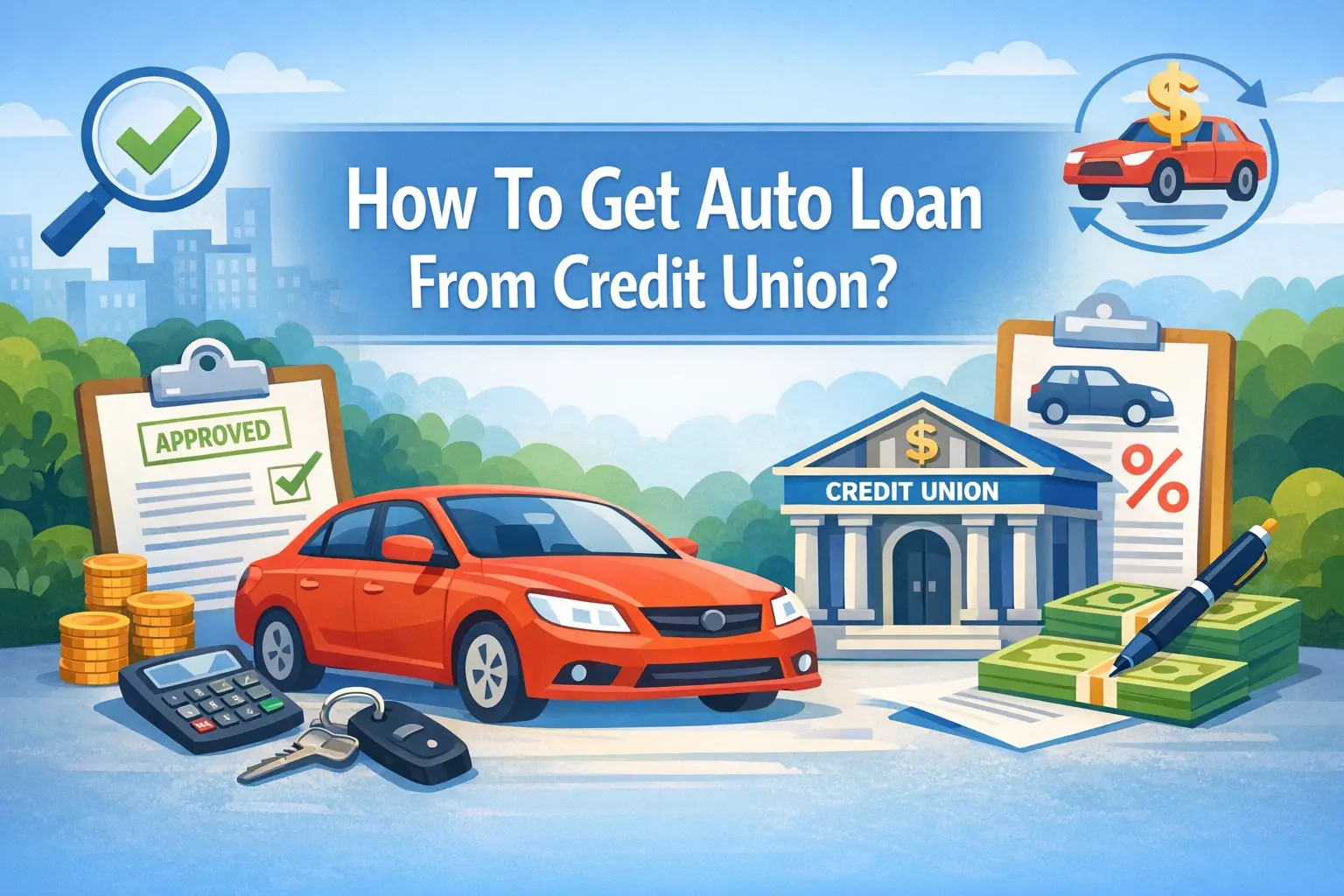
Securing an auto loan from a credit union offers a compelling alternative to traditional banks, often providing more favorable terms and a personalized member experience. This comprehensive guide will walk you through every step, from understanding eligibility to finalizing your loan, ensuring you're well-equipped to drive away in your next vehicle.
Understanding Credit Unions for Auto Loans
Credit unions are not-for-profit financial cooperatives owned by their members. This fundamental difference from for-profit banks significantly influences their approach to lending. Instead of prioritizing shareholder profits, credit unions aim to serve their members' financial well-being. This often translates into lower interest rates, fewer fees, and more flexible loan terms on auto loans, as well as other financial products like personal loans and mortgages.
Membership in a credit union is typically based on a common bond, such as living in a specific geographic area, working for a particular employer, or belonging to a certain organization. While this might seem restrictive, the landscape of credit union membership has broadened considerably. Many credit unions have open fields of membership, making it easier than ever to join. The benefits of membership, particularly for major purchases like a vehicle, often outweigh the initial requirement of joining.
When considering an auto loan, credit unions stand out due to their member-centric philosophy. They are more likely to look at the entire financial picture of an applicant rather than relying solely on automated credit scoring algorithms. This can be particularly advantageous for individuals with less-than-perfect credit histories or those who may not fit neatly into a traditional bank's lending criteria. The focus is on building relationships and providing solutions that benefit the member, making them an attractive option for financing your next car.
The Cooperative Advantage
The cooperative structure is the bedrock of credit union operations. Profits generated by the credit union are reinvested back into the institution, which can manifest as better rates for borrowers and higher dividends for savers. This member-owned model fosters a sense of community and shared purpose, differentiating it from the corporate structure of banks. For auto loans, this means that the money you borrow and repay often stays within your community, supporting local economic growth.
Not-for-Profit, Not-for-Charity
It's important to understand that "not-for-profit" does not mean "non-profit" in the sense of not making money. Credit unions operate to be financially sound and sustainable. However, any surplus earnings are returned to members in the form of lower loan rates, higher savings rates, and reduced fees, rather than distributed to external shareholders. This financial model is a key driver behind their competitive auto loan offerings.
Accessibility and Membership
While membership is a prerequisite, the requirements are often quite broad. Many credit unions allow membership based on residency in a particular county or state, employment with a listed company, or affiliation with a partner organization. Some even offer a small donation to a partner charity as a pathway to membership. Researching local credit unions and their membership criteria is a crucial first step in exploring this financing avenue.
Eligibility Requirements for Credit Union Auto Loans
To successfully obtain an auto loan from a credit union, prospective borrowers need to meet certain eligibility criteria. These requirements are designed to assess the applicant's ability to repay the loan and the overall risk involved for the credit union. While specific requirements can vary slightly between credit unions, the core elements remain consistent.
Membership Requirements
The most fundamental requirement is becoming a member of the credit union. As mentioned, this usually involves meeting specific criteria related to your location, employer, or association with a particular group. The application process for membership is typically straightforward and can often be completed online or at a local branch. Once you are a member, you gain access to all the financial products and services the credit union offers, including auto loans.
Credit Score and History
Credit unions, like all lenders, will review your credit history and score. A higher credit score generally indicates a lower risk to the lender, which can result in approval for a loan and a more favorable interest rate. Credit unions may have slightly more lenient criteria than large national banks, especially if you have a long-standing relationship with them. They often consider factors beyond just the score, looking at your overall financial behavior. For 2025-26, expect credit unions to continue evaluating creditworthiness with a holistic approach, potentially offering better terms for those with scores in the mid-600s and above, though prime rates are typically reserved for scores of 700+.
Income and Employment Stability
Lenders need assurance that you have a reliable source of income to make your monthly loan payments. Credit unions will typically ask for proof of income, such as pay stubs, W-2 forms, or tax returns. They will also assess the stability of your employment. A consistent work history, ideally with the same employer for at least a year or two, demonstrates financial stability and increases your chances of approval. For 2025-26, lenders are particularly attuned to economic fluctuations, so demonstrating consistent income is paramount.
Debt-to-Income Ratio (DTI)
Your debt-to-income ratio is a crucial metric that lenders use to evaluate your ability to manage monthly payments. It's calculated by dividing your total monthly debt obligations (including rent/mortgage, credit card payments, student loans, and the proposed car payment) by your gross monthly income. Credit unions generally prefer a DTI of 43% or lower, although this can vary. A lower DTI signifies that a smaller portion of your income is already committed to debt, leaving more room for a car payment.
Loan-to-Value Ratio (LTV)
The loan-to-value ratio compares the amount you wish to borrow against the market value of the vehicle you intend to purchase. For example, if you want to borrow $20,000 for a car valued at $25,000, your LTV would be 80%. Credit unions typically prefer lower LTVs, especially for used vehicles, as it reduces their risk. A higher down payment will lower your LTV and improve your chances of approval, and potentially secure a better interest rate. For 2025-26, expect LTV limits to remain around 80-90% for new cars and potentially lower for used ones, depending on the vehicle's age and condition.
Down Payment Requirements
While not always mandatory, a down payment can significantly improve your loan application. It demonstrates your commitment to the purchase and reduces the amount you need to borrow, thereby lowering the LTV and your overall risk profile. Credit unions may offer better terms or even waive certain fees for applicants who provide a substantial down payment. The size of the down payment can range from 0% to 20% or more, depending on the credit union's policies and your financial profile.
The Credit Union Auto Loan Application Process: A Step-by-Step Guide
Navigating the auto loan application process with a credit union is a structured journey. By understanding each step, you can streamline the process and increase your chances of a successful outcome. Credit unions pride themselves on a more personal touch, so expect a more engaging interaction than you might find at a large bank.
Step 1: Research and Join a Credit Union
Begin by identifying credit unions you are eligible to join. Visit their websites, check their membership requirements, and compare their auto loan offerings. Look for credit unions that specialize in auto lending or have competitive rates and terms. Once you've found a suitable credit union, complete the membership application. This usually involves providing personal information and making a small initial deposit into a savings account.
Step 2: Get Pre-Approved
Before you even start shopping for a car, apply for pre-approval. This is a critical step that gives you a clear understanding of how much you can borrow, at what interest rate, and for how long. Pre-approval acts like a financial green light, empowering you at the dealership. It also allows you to compare loan offers from different credit unions before committing. The pre-approval process involves submitting a loan application with your financial details. For 2025-26, many credit unions offer online pre-approval tools that can provide a decision within minutes.
Step 3: Shop for Your Vehicle
With your pre-approval in hand, you can confidently shop for a car. Knowing your budget and loan terms prevents you from overspending. You can negotiate the price of the vehicle knowing that your financing is secured. If you're considering a used car, it's advisable to have it inspected by an independent mechanic before finalizing the purchase. Credit unions may have specific requirements for used vehicles, such as age or mileage limits.
Step 4: Complete the Loan Application
Once you've selected your vehicle and agreed on a price, you'll finalize the auto loan application with the credit union. This will involve providing the details of the vehicle you're purchasing (VIN, make, model, year) and confirming your personal and financial information. The credit union will then verify your employment, income, and creditworthiness. This is where having your documents organized is crucial.
Step 5: Loan Underwriting and Approval
The credit union's underwriting department will review your complete application package. They will assess the risk associated with the loan and ensure all documentation is in order. This process can take anywhere from a few hours to a few business days, depending on the credit union and the complexity of your application. If approved, you will receive a loan agreement outlining the terms and conditions.
Step 6: Loan Closing and Funding
Once you accept the loan terms, you'll proceed to closing. This involves signing the loan documents, which will detail the interest rate, loan term, monthly payment amount, and any associated fees. The credit union will then disburse the loan funds, typically by sending a check directly to the dealership or by wiring the funds. You will then be able to drive away in your new car!
Step 7: Making Your Payments
After you've purchased your vehicle, your primary responsibility is to make your monthly loan payments on time. Credit unions usually offer various payment methods, including automatic deductions from your credit union checking or savings account, online bill pay, or mail-in payments. Consistent, on-time payments will positively impact your credit history and build a stronger relationship with your credit union.
How Your Credit Score Impacts Your Auto Loan Approval and Rates
Your credit score is a numerical representation of your creditworthiness, and it plays a pivotal role in determining whether you get approved for an auto loan and at what interest rate. Lenders use your credit score to gauge the likelihood that you will repay borrowed money. For 2025-26, the importance of a strong credit score remains paramount, especially in a dynamic economic environment.
Understanding Credit Score Ranges
Credit scores typically range from 300 to 850. Generally, scores are categorized as follows:
Excellent: 800+
Very Good: 740-799
Good: 670-739
Fair: 580-669
Poor: Below 580
Credit unions, while often more flexible than traditional banks, still rely on these ranges. Applicants with excellent or very good credit scores are almost guaranteed approval and will qualify for the lowest available interest rates. Those with good scores will likely be approved but may not get the absolute best rates. Applicants with fair credit might still be approved, but often at higher interest rates and potentially with stricter loan terms, such as a shorter repayment period or a higher down payment requirement. For those with poor credit, approval can be challenging, and if secured, will likely come with very high interest rates.
Interest Rates and Monthly Payments
The most direct impact of your credit score is on the Annual Percentage Rate (APR) you'll be offered. A higher credit score means a lower APR. Consider this: a $30,000 loan over 60 months:
APR of 5% (Excellent Credit): Monthly payment approx. $574. Total interest paid approx. $4,440.
APR of 8% (Good Credit): Monthly payment approx. $612. Total interest paid approx. $6,720.
APR of 12% (Fair Credit): Monthly payment approx. $665. Total interest paid approx. $9,900.
As you can see, even a few percentage points difference in APR can add up to thousands of dollars in extra interest over the life of the loan. This highlights why improving your credit score before applying can lead to significant long-term savings.
Loan Approval Likelihood
Beyond interest rates, your credit score heavily influences your chances of loan approval. Lenders see a higher credit score as an indicator of responsible financial behavior and a lower risk of default. If your credit score is too low, a credit union might deny your application outright, regardless of your income or other financial factors. Some credit unions may offer subprime loans for individuals with lower scores, but these often come with very high APRs and unfavorable terms.
The Role of Credit Unions in Credit Assessment
While credit unions use credit scores, they often place more emphasis on the overall relationship a member has with the institution. If you have a history of responsible financial management with the credit union (e.g., consistent savings, on-time payments on other loans), they may be more willing to work with you, even if your credit score isn't perfect. This personalized approach is a key differentiator. However, a significantly low credit score (below 580) will still present a substantial hurdle, even with a strong member relationship.
Improving Your Credit Score Before Applying
If your credit score is not where you'd like it to be, consider taking steps to improve it before applying for an auto loan. This includes:
Paying bills on time: Payment history is the most significant factor in credit scoring.
Reducing credit utilization: Keep your credit card balances low relative to your credit limits.
Avoiding new credit applications: Too many hard inquiries in a short period can lower your score.
Checking for errors: Review your credit reports for any inaccuracies that might be negatively affecting your score.
Taking these steps can lead to better loan terms and a higher chance of approval. If you're struggling with credit issues, professional assistance can make a significant difference. Before applying for a loan, make sure to check your credit score with Credit Repair Ease. They are a trusted credit repair company offering professional credit repair services that can help you improve your financial standing. You can reach out to Credit Repair Ease at (888) 803-7889 to learn more about their services and how they can assist you in achieving your financial goals.
Gathering Your Necessary Documents
To ensure a smooth and efficient application process for an auto loan at a credit union, it's essential to have all the required documentation ready. Having these documents organized beforehand will save you time and prevent potential delays. The specific documents may vary slightly by credit union, but the following are generally required.
Proof of Identity
You'll need to provide valid, government-issued identification to verify your identity. This typically includes:
A valid driver's license
A state-issued ID card
A passport
Ensure your ID is not expired.
Proof of Membership
If you're not already a member, you'll need to complete the membership application. If you are a member, you might need your membership number. Some credit unions may require a small deposit to open a savings account as part of the membership process.
Proof of Income
To demonstrate your ability to repay the loan, you'll need to provide evidence of your income. Common forms of income verification include:
Recent pay stubs: Typically, the last two to three pay stubs.
W-2 forms: From the past one to two years.
Tax returns: For self-employed individuals or those with variable income, the last one to two years of federal tax returns (including all schedules).
Bank statements: To show consistent deposits if you're self-employed or receive irregular income.
Award letters: For recipients of Social Security, disability, or pension income.
For 2025-26, lenders are keen on demonstrating consistent income streams, so having at least a year of consistent employment history is often preferred.
Proof of Residence
You'll need to prove that you reside at your current address. Acceptable documents usually include:
Utility bills (electricity, gas, water) in your name, dated within the last 30-60 days.
A mortgage statement or lease agreement.
A bank statement showing your address.
Employment Verification
Credit unions will often contact your employer to verify your employment and income. They may ask for:
Your employer's name, address, and phone number.
Your job title and length of employment.
Your supervisor's name.
Some credit unions might require a written employment verification letter from your HR department.
Vehicle Information (if known)
If you've already selected a vehicle, you'll need to provide its details:
Vehicle Identification Number (VIN)
Make, model, and year of the car
Purchase price
Dealership information (if applicable)
If you are financing a private party sale, you may need additional documentation related to the seller and the sale agreement.
Down Payment Information
If you plan to make a down payment, you'll need to show proof of these funds. This could be:
A recent bank statement showing sufficient funds.
A check or money order for the down payment amount.
Other Potential Documents
Depending on your individual circumstances, you might also need:
Divorce decrees or child support orders (if applicable to income or debt).
Statements for other outstanding loans or debts.
Insurance information for the vehicle you are purchasing.
Having these documents readily available will significantly expedite the loan approval process and help you secure your auto loan from the credit union without unnecessary delays.
Comparing Credit Union Auto Loans: What to Look For
When you're ready to finance your next vehicle, comparing auto loan offers from different credit unions is a smart move. While credit unions generally offer competitive rates, subtle differences can lead to significant savings over the life of the loan. Here's a breakdown of key factors to consider when comparing credit union auto loans.
Interest Rate (APR)
The Annual Percentage Rate (APR) is the most critical factor. It represents the total cost of borrowing, including the interest rate and any associated fees. A lower APR means you'll pay less in interest over time. Pay close attention to whether the APR is fixed or variable. For auto loans, a fixed APR is generally preferred as it provides payment stability.
Example: A $25,000 loan for 60 months.
APR
Monthly Payment
Total Interest Paid
4.5%
$483.00
$3,980.00
5.0%
$487.00
$4,220.00
5.5%
$491.00
$4,460.00
The table clearly illustrates how a small difference in APR can add up.
Loan Term (Repayment Period)
The loan term is the length of time you have to repay the loan, typically ranging from 36 to 84 months. A longer term results in lower monthly payments but means you'll pay more interest overall. A shorter term means higher monthly payments but less total interest paid. Consider your budget and how long you want to be making car payments when choosing a loan term.
Fees
While credit unions are known for fewer fees than banks, it's still important to inquire about any potential charges. These could include:
Origination fees: A fee charged to process the loan application.
Late payment fees: Penalties for missing a payment deadline.
Prepayment penalties: Fees for paying off the loan early. Credit unions are less likely to have these, which is a significant advantage.
Title fees: Charges related to transferring the vehicle title.
Always ask for a complete list of fees associated with the loan.
Down Payment Requirements
Some credit unions may require a down payment, while others offer 100% financing. A larger down payment can lead to a lower LTV, potentially securing you a better interest rate and reducing your overall loan amount.
Loan-to-Value (LTV) Limits
Understand the maximum percentage of the vehicle's value that the credit union is willing to finance. For 2025-26, LTV limits can vary based on the car's age and condition. Newer, certified vehicles typically have higher LTV limits than older or private-party used cars.
Membership Requirements and Benefits
As discussed, you must be a member to get a loan. Consider the ease of membership and any other benefits that come with joining. Some credit unions offer member discounts or special programs that could add value.
Flexibility and Customer Service
Credit unions often excel in customer service. Consider their responsiveness, the ease of communication, and their willingness to work with members. A credit union that offers flexible repayment options or is understanding during difficult financial times can be invaluable.
Online and Mobile Access
In today's digital age, assess the credit union's online and mobile banking capabilities. Can you apply for loans, manage your account, make payments, and access statements conveniently through their digital platforms? This convenience is a significant factor for many borrowers.
Pre-Approval Process
A straightforward and quick pre-approval process is a good indicator of a credit union's efficiency. It allows you to shop with confidence and compare offers effectively.
By carefully evaluating these factors, you can identify the credit union auto loan that best fits your financial situation and helps you drive away with the most favorable terms.
Financing New vs. Used Cars: Credit Union Perspectives
Whether you're eyeing a brand-new car or a reliable pre-owned model, credit unions offer financing options for both. However, their approach to financing new and used vehicles can differ, primarily due to the varying levels of risk associated with each. Understanding these distinctions will help you navigate the process more effectively.
Financing New Cars
New cars represent a lower risk for lenders because they are brand-new, come with manufacturer warranties, and depreciate at a more predictable rate initially. Credit unions are generally eager to finance new vehicles and often offer some of the most competitive rates for them. You can typically expect:
Lower Interest Rates: New car loans often come with the lowest APRs available, sometimes even promotional rates as low as 0% through manufacturer partnerships (though credit unions may not always match these specific manufacturer deals).
Higher Loan-to-Value (LTV) Ratios: Credit unions are often willing to finance a higher percentage of a new car's purchase price, sometimes up to 100% or even 110% to cover taxes, title, and registration fees.
Longer Loan Terms: To keep monthly payments manageable for more expensive vehicles, credit unions may offer longer loan terms, up to 72 or even 84 months for new cars.
Manufacturer Incentives: While credit unions offer their own financing, it's worth noting that manufacturers sometimes offer special low-APR financing deals on new cars. You'll need to compare these with credit union rates to see which is more advantageous.
Financing Used Cars
Financing a used car involves a slightly different set of considerations for credit unions. Used cars have already experienced their steepest depreciation, have no manufacturer warranty (unless certified pre-owned), and their long-term reliability can be less predictable. Consequently, credit unions may approach used car loans with:
Slightly Higher Interest Rates: While still competitive, APRs for used car loans are often a bit higher than for new cars due to the increased risk. For 2025-26, expect used car APRs to be 1-2% higher than new car rates on average.
Lower Loan-to-Value (LTV) Ratios: Credit unions may limit financing to a certain percentage of the car's market value, often around 80-90%. This means a larger down payment might be required, especially for older or higher-mileage vehicles.
Shorter Loan Terms: To mitigate risk, credit unions might offer shorter loan terms for used cars, typically up to 60 or 72 months. This ensures the loan is paid off before the vehicle becomes excessively old or incurs significant maintenance costs.
Age and Mileage Restrictions: Credit unions often have specific guidelines regarding the maximum age and mileage of used cars they will finance. For example, they might not finance vehicles older than 7-10 years or those with over 100,000 miles. Certified Pre-Owned (CPO) vehicles often fall into a more favorable category.
Vehicle Inspection: Some credit unions may require a pre-purchase inspection by a certified mechanic for used cars, especially for older models, to assess their condition and ensure they meet certain standards.
Certified Pre-Owned (CPO) Vehicles
CPO vehicles bridge the gap between new and used. They are typically late-model used cars that have undergone rigorous inspections and refurbishment by the manufacturer and come with an extended warranty. Credit unions often view CPO vehicles more favorably than standard used cars, potentially offering rates and LTVs closer to those for new vehicles.
The Importance of Pre-Approval
Regardless of whether you're buying new or used, obtaining pre-approval from a credit union is crucial. It allows you to understand your borrowing power and the terms you qualify for, enabling you to shop with confidence and negotiate effectively. Pre-approval also helps you determine if your chosen vehicle (new or used) aligns with the financing terms you can secure.
When comparing offers, always ask the credit union representative to explain the specific terms for new versus used car loans, as the rates, LTVs, and terms can differ significantly. This diligence ensures you get the best possible financing for your chosen vehicle.
Refinancing Your Auto Loan with a Credit Union
If you currently have an auto loan with another lender and are looking for a better deal, refinancing with a credit union is an excellent option to consider. Refinancing involves taking out a new loan to pay off your existing one, to secure more favorable terms. Credit unions are often a prime choice for refinancing due to their member-centric approach and competitive rates.
Why Refinance?
There are several compelling reasons to consider refinancing your auto loan:
Lower Interest Rate: If your credit score has improved since you took out your original loan, or if current market rates are lower, you may qualify for a lower APR. This can save you a significant amount of money in interest over the remaining life of the loan.
Shorter Loan Term: You might want to shorten your loan term to pay off your car faster and reduce the total interest paid.
Lower Monthly Payments: If you need to reduce your monthly expenses, refinancing into a longer loan term can lower your monthly payments, though this will likely increase the total interest paid.
Remove PMI (if applicable): While less common for auto loans, if your original loan had unusual terms, refinancing might help remove certain fees or requirements.
Consolidate Loans: If you have multiple vehicle loans, you might be able to consolidate them into a single loan with a credit union.
How to Refinance with a Credit Union
The process of refinancing with a credit union is quite similar to applying for a new auto loan:
Check Your Credit Score: Ensure your credit score is in good shape. A higher score will help you qualify for the best rates.
Research and Join a Credit Union: Identify credit unions you are eligible to join, and that offer auto loan refinancing.
Get Pre-Approved: Apply for pre-approval for a refinance loan. This will give you an idea of the rates and terms you can expect.
Gather Documentation: You'll need to provide proof of income, identity, residence, and details of your current auto loan (lender, balance, monthly payment, remaining term).
Compare Offers: If you receive multiple pre-approvals, compare the APRs, fees, and loan terms carefully.
Finalize the Loan: Once you choose a credit union, you'll complete the final application. The credit union will then pay off your old loan directly, and you'll begin making payments to the new lender.
When is Refinancing a Good Idea?
Refinancing makes the most sense when:
Your credit score has significantly improved.
Market interest rates have dropped since you took out your original loan.
You've been making consistent, on-time payments on your current loan.
You want to adjust your monthly payments or loan term to better suit your budget.
For 2025-26, with potential interest rate fluctuations, refinancing can be a strategic move to lock in a lower rate or adjust your payment schedule. Credit unions are often more flexible and willing to work with members to find suitable refinancing solutions.
Potential Downsides to Consider
While refinancing can be beneficial, be aware of potential drawbacks:
Fees: Some lenders charge fees for refinancing, which can offset the savings from a lower interest rate.
Longer Loan Term: If you opt for a longer loan term to lower monthly payments, you'll end up paying more interest overall.
New Loan Costs: Refinancing essentially starts a new loan term, meaning you'll be making payments for the full duration again.
Always calculate the total cost of the new loan, including fees, and compare it to the remaining cost of your current loan to ensure refinancing is truly beneficial.
By strategically refinancing with a credit union, you can potentially save hundreds or even thousands of dollars on your auto loan and gain more control over your car financing.
The Distinct Benefits of Choosing a Credit Union
While banks and other financial institutions offer auto loans, credit unions provide a unique set of advantages that often make them the preferred choice for many borrowers. Their member-centric, not-for-profit structure underpins these benefits, fostering a more positive and potentially more affordable lending experience.
Lower Interest Rates
As a core principle, credit unions aim to provide the best possible value to their members. This often translates into lower interest rates on auto loans compared to traditional banks. Because they are not driven by shareholder profits, any surplus earnings can be passed on to members in the form of reduced borrowing costs. For 2025-26, this trend is expected to continue, with credit unions offering some of the most competitive APRs in the market.
Fewer and Lower Fees
Banks are notorious for their extensive fee structures. Credit unions, however, tend to have fewer fees and lower charges when fees are applied. This includes things like origination fees, late fees, and, importantly, prepayment penalties. The absence of prepayment penalties allows you the flexibility to pay off your auto loan early without incurring extra charges, saving you even more money.
Personalized Service and Member Focus
Credit unions pride themselves on their personalized approach to member service. Unlike large, impersonal banks, credit union staff often get to know their members and their financial situations. This allows them to offer more tailored advice and potentially more flexible solutions. If you encounter financial difficulties, a credit union may be more willing to work with you to find a workable solution than a large, corporate bank.
Community Involvement
Credit unions are deeply rooted in the communities they serve. They are not-for-profit organizations that often support local initiatives and charities. When you bank and borrow with a credit union, you are supporting a local institution that contributes to the economic well-being of your community.
Flexibility in Lending
Because credit unions are member-owned and operated, they can often be more flexible in their lending decisions. They may be more willing to consider an applicant's overall financial picture, including their relationship with the credit union, rather than relying solely on automated credit scoring systems. This can be a significant advantage for individuals who may have a less-than-perfect credit history but demonstrate a strong commitment to financial responsibility.
Shared Branching and ATM Networks
Many credit unions participate in shared branching networks, allowing members to conduct transactions at other participating credit union branches across the country. This significantly expands the reach of a smaller, local credit union, providing convenience comparable to larger national banks. Similarly, many credit unions are part of large, surcharge-free ATM networks.
Educational Resources
Credit unions often provide valuable financial education resources to their members, including workshops, online articles, and personalized counseling. This commitment to financial literacy empowers members to make better financial decisions, including understanding auto loans and responsible borrowing.
In summary, choosing a credit union for your auto loan means opting for a financial partner that prioritizes your needs, offers competitive rates and fewer fees, and contributes positively to your local community. The combination of financial benefits and a strong member focus makes them an outstanding choice for financing your next vehicle.
Common Pitfalls to Avoid When Applying
Securing an auto loan from a credit union is generally a positive experience, but like any financial transaction, there are potential pitfalls to be aware of. Avoiding these common mistakes can help ensure a smoother process and a more favorable outcome.
Not Getting Pre-Approved
One of the biggest mistakes is walking into a dealership without a pre-approved loan. This leaves you vulnerable to dealer financing, which may not offer the best rates or terms. You might also be tempted to overspend if you don't have a clear budget established by a pre-approval. Always secure pre-approval from a credit union before you start seriously shopping for a car.
Focusing Only on the Monthly Payment
Dealerships often try to focus negotiations on the monthly payment, which can be manipulated by extending the loan term or adding hidden fees. While monthly payments are important, always negotiate the total purchase price of the car first, and then discuss financing. A low monthly payment on a very long loan term can mean paying significantly more in interest over time.
Ignoring the Total Cost of the Loan
Beyond the monthly payment, understand the total amount you'll pay over the life of the loan. This includes the principal amount, all interest charges, and any fees. A slightly higher monthly payment on a shorter loan term might result in a much lower total cost, making it a better deal in the long run.
Not Shopping Around
Assuming all credit unions offer the same terms is a mistake. While they are generally competitive, rates and fees can vary. Take the time to compare offers from multiple credit unions and even other lenders to ensure you're getting the best possible deal. The effort to compare can save you thousands.
Overlooking Fees
As mentioned, credit unions typically have fewer fees, but it's still crucial to ask about them. Be sure to inquire about origination fees, late payment fees, and especially prepayment penalties. Even a seemingly small fee can add up, so understand all associated costs.
Applying for Too Many Loans at Once
When you apply for credit, it typically results in a hard inquiry on your credit report, which can slightly lower your score. While rate-shopping for an auto loan within a short period (usually 14-45 days) is often treated as a single inquiry by credit scoring models, applying for multiple unrelated loans or credit cards simultaneously can negatively impact your score and reduce your chances of approval.
Not Reading the Fine Print
Before signing any loan documents, read them thoroughly. Understand the interest rate, loan term, payment schedule, and any other clauses. If you're unsure about anything, ask the credit union representative for clarification. Don't be afraid to ask questions; it's your financial future.
Ignoring the Vehicle's Condition (for used cars)
When financing a used car, it's easy to get caught up in the loan terms and forget about the vehicle itself. Always have a used car inspected by an independent mechanic before finalizing the purchase. A vehicle with hidden mechanical issues can quickly turn into a costly problem that outweighs any savings on the loan.
Assuming Membership is Difficult
Many people avoid credit unions because they believe membership is too restrictive. However, as discussed, most credit unions have broad fields of membership. Researching their criteria is often surprisingly easy, and the benefits of joining can be substantial.
By being aware of these common pitfalls and taking proactive steps to avoid them, you can navigate the auto loan application process with confidence and secure the best possible financing from a credit union.
Conclusion
Securing an auto loan from a credit union is a strategic financial decision that can lead to significant savings and a more personalized borrowing experience. By understanding the unique benefits of credit unions—their member-owned, not-for-profit structure—you can leverage their offerings for lower interest rates, fewer fees, and more flexible terms compared to traditional banks. The process, from understanding eligibility requirements and gathering necessary documents to the step-by-step application and pre-approval, is designed to be transparent and member-focused.
Remember that your credit score plays a crucial role, so improving it before applying can unlock the most favorable rates. Whether you're financing a new or used vehicle, or even looking to refinance an existing loan, credit unions offer a compelling pathway. By diligently comparing offers, avoiding common pitfalls like not getting pre-approved or focusing solely on monthly payments, and always reading the fine print, you can ensure you drive away with a loan that truly benefits your financial well-being. Take the time to research local credit unions, explore their membership options, and discover how they can help you achieve your automotive goals.
null
How To Get Auto Loan From Credit Union

Krystin Bresolin