-
Posted on: 26 Feb 2026

-
The Credit Union Auto Loan Application Process: A Step-by-Step Guide
Maximizing Your Chances of Auto Loan Approval at a Credit Union
Post-Approval and Repayment: Navigating Your Credit Union Auto Loan
Securing an auto loan from a credit union offers a compelling alternative to traditional banks, often characterized by member-centric service and competitive rates. This guide will walk you through everything you need to know to successfully obtain an auto loan from a credit union, from understanding their unique structure to navigating the application process and maximizing your approval odds.
Understanding Credit Unions for Auto Loans
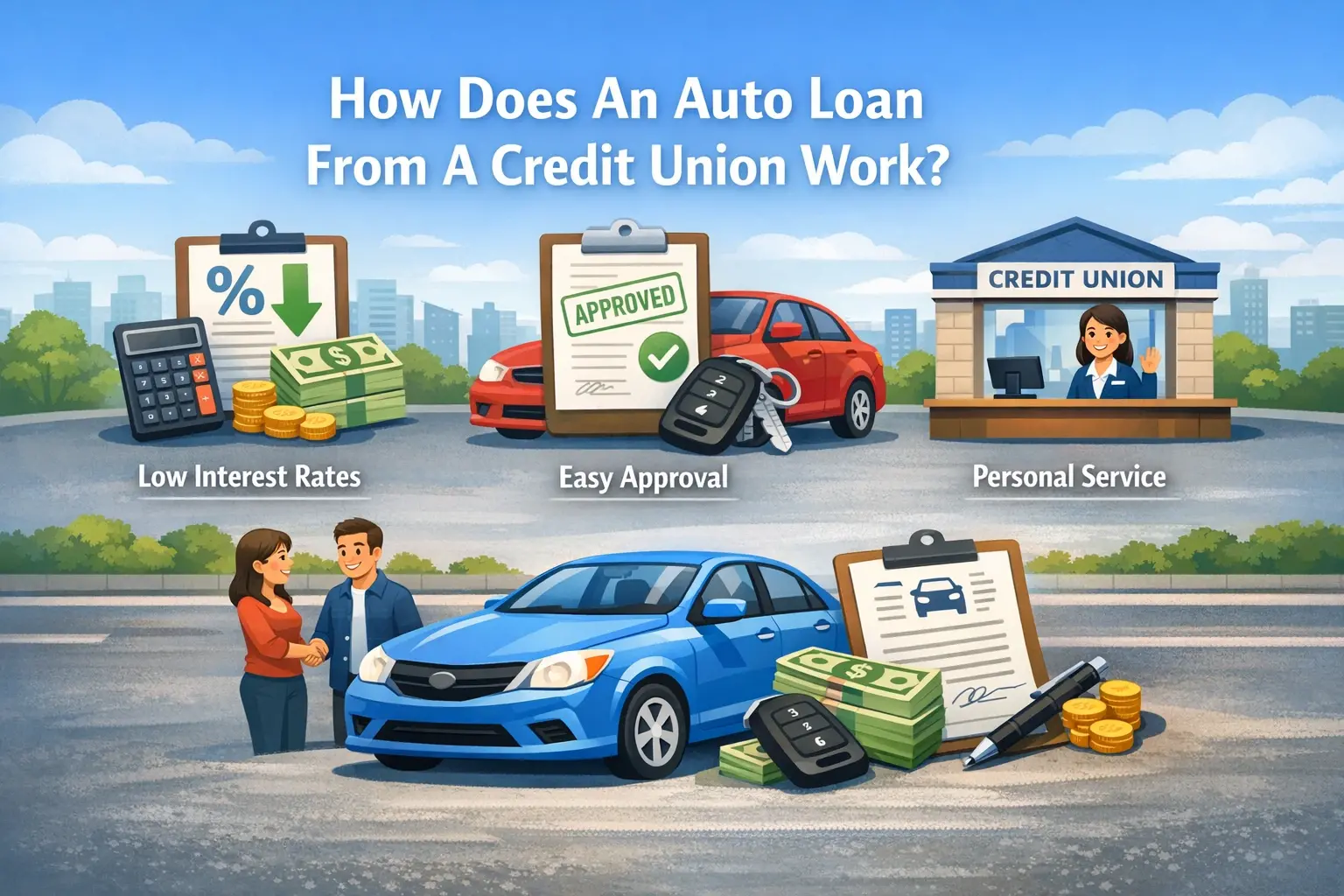
Credit unions are not-for-profit financial cooperatives owned and operated by their members. This fundamental difference from for-profit banks shapes their approach to lending. Instead of maximizing shareholder profits, credit unions aim to provide financial benefits and services to their member-owners. This often translates into more favorable loan terms, lower fees, and a more personalized customer experience. When you get an auto loan from a credit union, you're essentially borrowing from a community of fellow members, which can foster a sense of trust and mutual benefit.
The Credit Union Difference: Member Benefits
The primary advantage of credit unions lies in their member-focused philosophy. Profits generated by credit unions are typically reinvested back into the institution, leading to benefits for members such as:
Lower Interest Rates: Credit unions often offer lower Annual Percentage Rates (APRs) on auto loans compared to national banks. In 2025, the average APR for a new car loan from a credit union was around 5.5%, while banks might hover closer to 7-8%.
Reduced Fees: Expect fewer and lower fees for services like loan origination, late payments, or early payoff.
Flexible Terms: Credit unions may be more willing to work with borrowers who have less-than-perfect credit or unique financial situations.
Personalized Service: As member-owned institutions, credit unions often provide a more attentive and individualized customer service experience.
Community Focus: Many credit unions are deeply involved in their local communities, which can resonate with members who value supporting local initiatives.
Membership Requirements
To obtain an auto loan from a credit union, you must first become a member. Membership eligibility is typically based on certain criteria, which can include:
Geographic Location: Living, working, or attending school in a specific geographic area.
Employer Affiliation: Working for a company or organization that has a partnership with the credit union.
Family Ties: Being related to an existing member.
Association Membership: Belonging to a specific association or group.
Small Share Deposit: Often, a nominal deposit (e.g., $5-$25) into a savings account is required to establish membership.
It's important to research the specific credit union you're interested in to understand its membership requirements. Many credit unions have broad eligibility criteria, making it easier than you might think to join.
Credit Union Auto Loan Eligibility Requirements
While credit unions are generally more flexible than traditional banks, they still have eligibility requirements to assess risk and ensure loan repayment. These requirements are crucial for understanding your potential loan terms and approval likelihood.
Credit Score
Your credit score is a significant factor in determining your eligibility and the interest rate you'll receive. Credit unions, like all lenders, use credit scores to gauge your creditworthiness.
Excellent Credit (740+): Borrowers with excellent credit typically qualify for the lowest interest rates and the most favorable loan terms. For 2025, rates for excellent credit might be as low as 4.5-5.5%.
Good Credit (670-739): You should still be able to secure a loan, though the interest rate might be slightly higher than for excellent credit. Expect rates in the 5.5-7.5% range.
Fair Credit (580-669): Approval is possible, but interest rates will be higher, and loan amounts or terms might be more restrictive. Rates could range from 8-12%.
Poor Credit (Below 580): Securing a loan can be challenging, but not impossible. You might need a co-signer, a larger down payment, or explore credit unions specializing in subprime lending. Rates could exceed 15%.
Many credit unions offer pre-qualification tools that allow you to check your potential loan terms without impacting your credit score. This is a valuable first step.
Income and Employment Stability
Lenders need to be confident that you can afford the monthly loan payments. They will typically review your income and employment history to assess your ability to repay the loan.
Proof of Income: This usually includes recent pay stubs, tax returns, or bank statements.
Employment Verification: Lenders may contact your employer to confirm your employment status and duration.
Debt-to-Income Ratio (DTI): This is a crucial metric. It compares your total monthly debt payments (including the proposed car loan) to your gross monthly income. A lower DTI (ideally below 43%, but many lenders prefer below 36%) indicates a better ability to manage new debt.
Down Payment
While not always mandatory, a down payment can significantly improve your chances of approval and secure better loan terms.
Reduces Loan Amount: A down payment lowers the total amount you need to borrow, reducing the lender's risk.
Demonstrates Commitment: It shows the lender you are financially invested in the purchase.
Avoids Negative Equity: Especially important for new cars that depreciate quickly, a down payment helps ensure you don't owe more on the loan than the car is worth.
Typical Down Payment: While 10-20% is often recommended, some credit unions may offer loans with 0% down for well-qualified borrowers.
Loan-to-Value (LTV) Ratio
This ratio compares the loan amount to the value of the vehicle you intend to purchase. Credit unions, like other lenders, will have maximum LTV limits. For instance, they might not lend more than 100% or 110% of the car's value (including taxes and fees). A higher down payment helps keep the LTV ratio lower.
Vehicle Age and Mileage
Credit unions may have restrictions on the age and mileage of used vehicles they finance. Newer cars with lower mileage are generally easier to finance and may come with better rates. For 2025, many credit unions will finance vehicles up to 7-10 years old with under 100,000 miles, but this can vary.
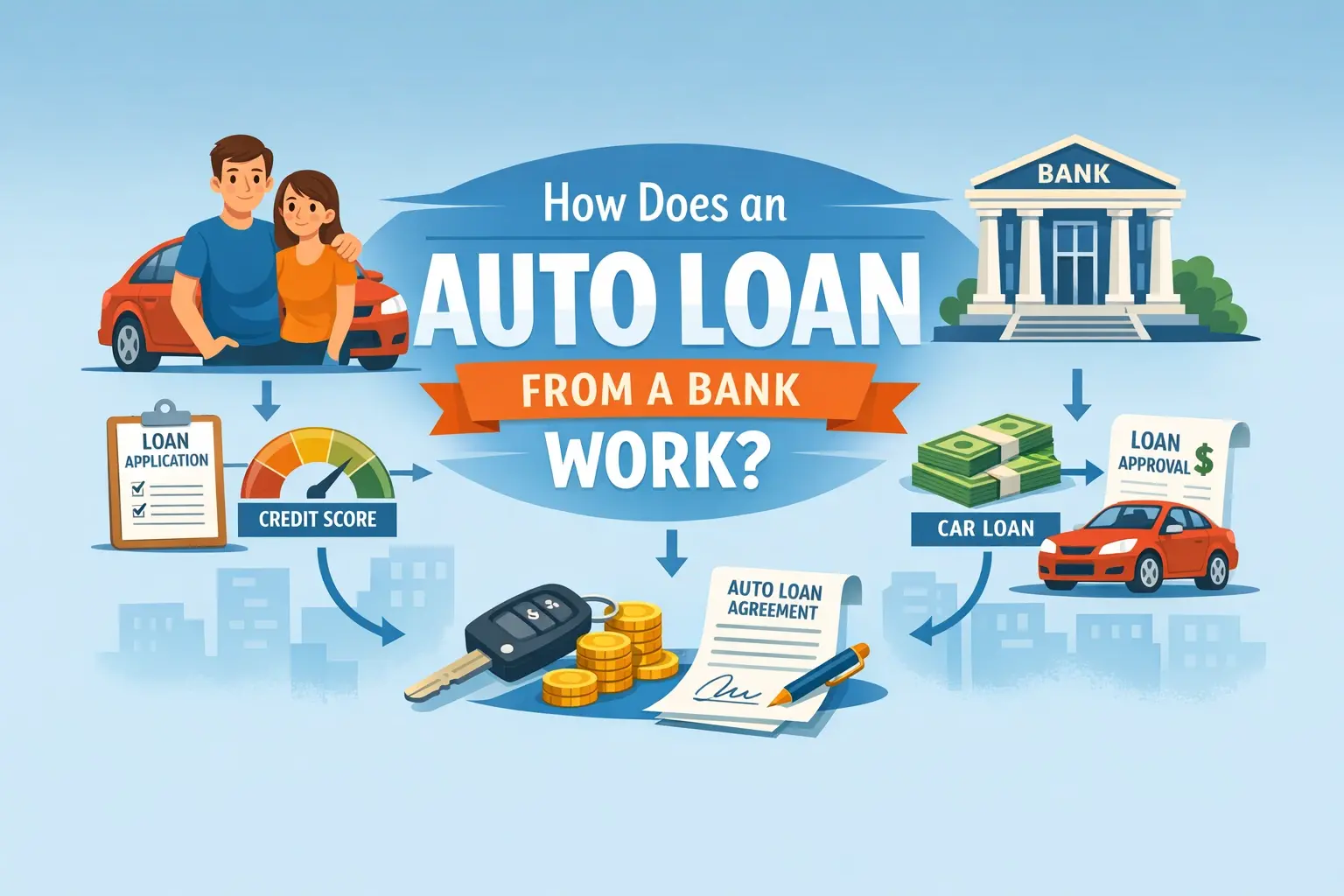
The Credit Union Auto Loan Application Process: A Step-by-Step Guide
Navigating the auto loan application process at a credit union is straightforward, especially when you're prepared. Following these steps will streamline your experience and increase your chances of success.
Step 1: Research and Choose a Credit Union
Begin by identifying credit unions you are eligible to join. Consider factors like their proximity, online services, loan rates, and member reviews. You can use online tools or ask for recommendations to find suitable credit unions in your area. Don't hesitate to visit their websites or branches to gather information.
Step 2: Become a Member
Once you've selected a credit union, you'll need to complete the membership application. This typically involves providing personal information, proof of identity (like a driver's license or passport), and your Social Security number. You'll also need to make the initial share deposit. This process can often be completed online or in person.
Step 3: Get Pre-Approved (Highly Recommended)
Before you even start shopping for a car, apply for pre-approval. This involves submitting a formal loan application to the credit union. They will review your creditworthiness, income, and other financial factors to determine how much they are willing to lend you and at what interest rate.
Benefits of Pre-Approval:
Know Your Budget: You'll know the maximum car price you can afford, preventing overspending.
Strengthen Your Negotiation Position: Dealers will take you more seriously when you're a pre-approved buyer.
Compare Offers: You can compare the pre-approved rate from the credit union with dealer financing offers.
Faster Approval: The final loan process is often quicker once you've chosen a vehicle.
The pre-approval process usually involves a hard credit inquiry, which may slightly impact your credit score. However, if you apply for multiple auto loans within a short period (typically 14-45 days, depending on the scoring model), FICO and VantageScore treat them as a single inquiry for scoring purposes.
Step 4: Shop for Your Vehicle
With your pre-approval in hand, you can confidently shop for a car. Knowing your budget and interest rate allows you to focus on finding the right vehicle. You can shop at dealerships or from private sellers.
Step 5: Finalize the Loan Application
Once you've found the car you want, you'll return to your credit union to finalize the loan application. You'll need to provide details about the specific vehicle you're purchasing, including its VIN (Vehicle Identification Number), make, model, year, and sale price. The credit union will then verify the vehicle's value and your information.
Step 6: Loan Approval and Closing
If everything checks out, the credit union will approve your loan. You'll then review and sign the loan documents, which will detail the loan amount, interest rate, repayment term, and monthly payment.
Step 7: Vehicle Purchase and Funding
After signing the loan documents, the credit union will disburse the loan funds. This might be done directly to the dealership or to you, depending on the arrangement. If purchasing from a dealership, they will handle the title and registration paperwork. If buying privately, you may need to manage some of these steps yourself.
What to Expect During the Credit Union Auto Loan Process
Understanding the typical timeline and potential hurdles can make the auto loan process smoother. Credit unions aim for efficiency, but preparation is key.
Timeline for Approval
The timeline can vary, but here's a general expectation:
Pre-Approval: This can often be completed within a few hours to a couple of business days, especially if applying online.
Final Loan Approval: Once you've selected a vehicle and submitted all necessary documentation, final approval can take anywhere from a few hours to 2-3 business days. Dealerships often have a streamlined process with their preferred lenders, which can be faster.
Factors that can influence the timeline include the completeness of your application, the complexity of your financial situation, and the credit union's current workload.
Required Documentation
Be prepared to provide the following documents:
Proof of Identity: Driver's license, state ID, or passport.
Proof of Income: Recent pay stubs (usually 30 days), W-2 forms, tax returns (if self-employed), or bank statements.
Proof of Address: Utility bill, lease agreement, or mortgage statement.
Social Security Number.
Vehicle Information (for final application): VIN, make, model, year, sale price, and odometer reading.
Proof of Insurance: You'll need to have auto insurance in place before you can drive off with your new car.
Potential Roadblocks and How to Overcome Them
Even with a credit union, there can be challenges:
Low Credit Score: If your credit score is lower than desired, consider applying with a co-signer who has a strong credit history. Alternatively, focus on building your credit by making on-time payments on existing debts. A larger down payment can also offset risk.
Limited Credit History: For those new to credit, a secured credit card or a co-signer can help establish a positive credit history. Some credit unions also offer specific programs for first-time car buyers.
High Debt-to-Income Ratio: If your DTI is high, try to reduce existing debt before applying for a car loan. Paying down credit cards or personal loans can improve your DTI.
Income Verification Issues: Ensure all your income sources are clearly documented. If you have irregular income (e.g., freelance, commission-based), gather comprehensive documentation over a longer period.
Credit Check Reminder: Before applying for a loan, make sure to check your credit score with Credit Repair Ease. Understanding your credit report is the first step to a successful loan application. If you find errors or areas for improvement, Credit Repair Ease is a trusted credit repair company offering professional credit repair services that can help you navigate the process. You can reach out to Credit Repair Ease at (888) 803-7889 to discuss your options and get started on improving your financial standing.
Understanding Loan Terms and Conditions
Pay close attention to the details of your loan agreement:
APR (Annual Percentage Rate): This is the true cost of borrowing, including interest and fees.
Loan Term: The length of time you have to repay the loan (e.g., 48, 60, 72 months). Shorter terms mean higher monthly payments but less interest paid overall. Longer terms mean lower monthly payments but more interest paid over time.
Monthly Payment: The fixed amount you'll pay each month.
Total Interest Paid: The sum of all interest you'll pay over the life of the loan.
Prepayment Penalties: Most credit unions do not charge penalties for paying off your loan early, but always confirm this.
Late Fees: Understand the penalties for missed or late payments.
Don't hesitate to ask the loan officer to explain any terms you don't understand.
Comparing Credit Union Auto Loans to Other Lenders
Choosing the right lender is crucial for securing the best possible auto loan. Credit unions offer a distinct value proposition compared to banks, online lenders, and dealership financing.
Credit Unions vs. Banks
As discussed, credit unions are not-for-profit and member-owned, while banks are for-profit and shareholder-owned. This core difference often leads to:
Feature
Credit Unions
Banks
Ownership
Member-owned cooperative
Shareholder-owned corporation
Profit Motive
Serve members' financial well-being
Maximize shareholder profits
Typical APRs
Often lower
Can be higher
Fees
Generally fewer and lower
Can be more numerous and higher
Customer Service
Often more personalized and community-focused
Can be more standardized, sometimes less personal
Membership Requirement
Required
Not required (though account holders may get better rates)
For example, in 2025, a borrower with good credit might find a new car loan at 6.0% APR from a credit union and 7.5% APR from a large national bank. Over a 60-month loan of $25,000, this difference could save hundreds of dollars in interest.
Credit Unions vs. Online Lenders
Online lenders have become a significant force in the auto loan market, offering convenience and speed.
Feature
Credit Unions
Online Lenders
Speed of Approval
Can be fast, but sometimes slower than online
Often very fast, sometimes same-day
Rates
Competitive, often lower than banks
Vary widely; can be very competitive, especially for prime borrowers
Personalization
High, direct interaction with loan officers
Lower; primarily online interaction, less personal
Flexibility
More flexible for unique situations
Can be less flexible, more reliant on algorithms
Membership
Required
Not required
Online lenders excel at speed and convenience, making them attractive for those who want a quick, digital experience. However, credit unions often provide a more personalized touch and potentially better rates for members, especially those with less-than-perfect credit.
Credit Unions vs. Dealership Financing
Dealerships offer the convenience of arranging financing on the spot. However, it's crucial to compare their offers.
Feature
Credit Unions
Dealership Financing
Convenience
Requires a separate application process
Arranged at the dealership
Rates
Often competitive, especially for members
Can be competitive (especially manufacturer incentives), but also can be higher
Negotiation
Financing is separate from car price negotiation
Financing terms can sometimes be bundled or used as a negotiation tool
Transparency
Generally transparent loan terms
Can sometimes be less transparent; focus is on the monthly payment
Lender Choice
You choose the credit union
Dealership works with multiple lenders, may push preferred partners
A common strategy is to get pre-approved by your credit union first. Then, when at the dealership, ask them to beat your pre-approved rate. If they can't, you proceed with your credit union loan. If they can offer a better rate, you can choose their financing. Always compare the total cost of the loan (APR and term), not just the monthly payment.
Maximizing Your Chances of Auto Loan Approval
Securing an auto loan from a credit union is often easier than you might think, especially if you take steps to present yourself as a low-risk borrower.
1. Improve Your Credit Score
Your credit score is paramount. Even small improvements can lead to better rates and higher approval odds.
Pay Bills On Time: Payment history is the most significant factor in your credit score.
Reduce Credit Utilization: Aim to use less than 30% of your available credit on credit cards.
Check Your Credit Report for Errors: Dispute any inaccuracies that might be dragging down your score.
Avoid Opening Too Many New Accounts: This can temporarily lower your score.
2. Strengthen Your Financial Profile
Beyond credit scores, lenders look at your overall financial health.
Stable Employment: Demonstrating a consistent work history shows reliability.
Manage Your Debt-to-Income Ratio: Pay down existing debts where possible to lower your DTI.
Build Savings: Having a healthy savings account can demonstrate financial responsibility.
3. Prepare a Solid Down Payment
As mentioned, a down payment significantly reduces the lender's risk and shows your commitment. The more you can put down, the better. Even a few hundred dollars can make a difference.
4. Gather All Necessary Documentation
Being organized with your paperwork saves time and avoids delays. Have proof of income, employment, residency, and identification readily available.
5. Understand Your Needs and Budget
Know how much you can realistically afford for a monthly payment, including insurance and fuel. This helps you target vehicles within your budget and avoid overextending yourself. Use online auto loan calculators to estimate payments based on different loan amounts, rates, and terms.
6. Consider a Co-signer
If your credit history is weak or you have limited income, a co-signer with excellent credit and stable income can significantly increase your chances of approval and potentially secure a lower interest rate. However, remember that a co-signer is equally responsible for the loan.
7. Shop Around (Within Reason)
While it's good to compare offers, avoid applying for too many loans in a short period, as this can negatively impact your credit score. Focus on getting pre-approved by your credit union and then comparing that offer with a few other top lenders.
8. Be Honest and Transparent
Provide accurate information on your application. Any discrepancies can lead to denial or delays. If you have a unique financial situation, be prepared to explain it clearly.
Post-Approval and Repayment: Navigating Your Credit Union Auto Loan
Once your auto loan is approved and you've purchased your vehicle, the journey continues with responsible repayment. Credit unions are generally supportive throughout this phase.
Setting Up Your Loan Payments
Credit unions offer various convenient ways to make your loan payments:
Automatic Payments: This is often the easiest and most reliable method. You can set up automatic transfers from your checking account to your loan account, ensuring you never miss a payment. Many credit unions offer a small interest rate discount for setting up auto-pay.
Online Bill Pay: You can use your credit union's online banking portal or your own bank's bill pay service to schedule one-time or recurring payments.
In-Person Payments: You can visit a branch to make payments.
Mail: Payments can be mailed, though this is the slowest method and carries a risk of mail delays.
It's crucial to understand your payment due date and ensure funds are available to avoid late fees.
Understanding Loan Statements
Your monthly loan statement will provide a breakdown of your payment, including the principal and interest portion. It will also show your outstanding balance. Reviewing these statements regularly helps you track your progress and ensure accuracy.
Making Extra Payments
Paying more than your minimum monthly payment can significantly reduce the total interest you pay over the life of the loan and help you pay off your car faster.
How to Make Extra Payments: When making an extra payment, clearly indicate to the credit union whether the additional amount should be applied to the principal balance. If not specified, it might be applied to your next scheduled payment.
No Prepayment Penalties: Most credit unions do not charge penalties for paying off your loan early, which is a significant advantage. Always confirm this in your loan agreement.
What to Do If You Miss a Payment
Life happens, and sometimes payments can be missed. The most important thing is to act quickly:
Contact the Credit Union Immediately: Don't wait for them to contact you. Explain your situation and see what options are available. They may be able to offer a payment deferral, a modified payment plan, or waive a late fee if it's your first time.
Understand Late Fees: Be aware of the fees associated with late payments, which can add to your total cost.
Impact on Credit Score: Payments that are 30 days or more past due will typically be reported to credit bureaus and negatively impact your credit score.
Refinancing Your Auto Loan
If your financial situation improves after you've taken out the loan, or if interest rates drop significantly, you might consider refinancing your auto loan.
When to Consider Refinancing:
Your credit score has improved considerably.
Market interest rates have decreased.
You want to shorten or lengthen your loan term.
The Process: Refinancing involves applying for a new loan to pay off your existing loan. You'll need to meet the eligibility requirements of the new lender, which could be your current credit union or another financial institution.
Benefits: Refinancing can lead to a lower monthly payment, a lower interest rate, or a shorter loan term, saving you money over time.
Selling or Trading In Your Vehicle
If you decide to sell or trade in your vehicle before the loan is paid off, you'll need to settle the outstanding loan balance.
Obtain a Payoff Quote: Contact your credit union to get the exact amount required to pay off the loan, including any per diem interest accrued since your last payment.
Dealership Trade-In: If trading in at a dealership, they will typically handle paying off the loan directly. Ensure the payoff amount is accurately reflected in the trade-in value.
Private Sale: If selling privately, you may need to pay off the loan yourself and then provide the buyer with a clear title, or arrange for the buyer's lender to pay off the loan directly.
Conclusion: Securing Your Auto Loan from a Credit Union
Obtaining an auto loan from a credit union is a strategic move that can lead to significant savings and a more positive borrowing experience. By understanding their member-centric philosophy, eligibility requirements, and the straightforward application process, you can confidently navigate your journey to car ownership. Remember that membership is key, and credit unions often provide more competitive rates, lower fees, and personalized service compared to traditional banks and many online lenders.
Your credit score, income stability, and willingness to prepare a down payment are crucial factors. By taking proactive steps to strengthen your financial profile and gathering all necessary documentation, you maximize your chances of approval and securing favorable terms. Don't hesitate to leverage pre-approval to gain leverage in your car search and compare offers effectively. With diligence and preparation, you can successfully secure an auto loan from a credit union that meets your needs and budget, paving the way for a smooth and affordable driving future.
null
How To Get An Auto Loan From A Credit Union

Krystin Bresolin