-
Posted on: 05 Mar 2026
-
Understanding how auto loan refinancing works is crucial for saving money and improving your financial standing. This guide will break down the process, eligibility, benefits, and potential drawbacks, empowering you to make an informed decision about lowering your monthly payments or overall interest costs on your vehicle.
What is Auto Loan Refinancing?
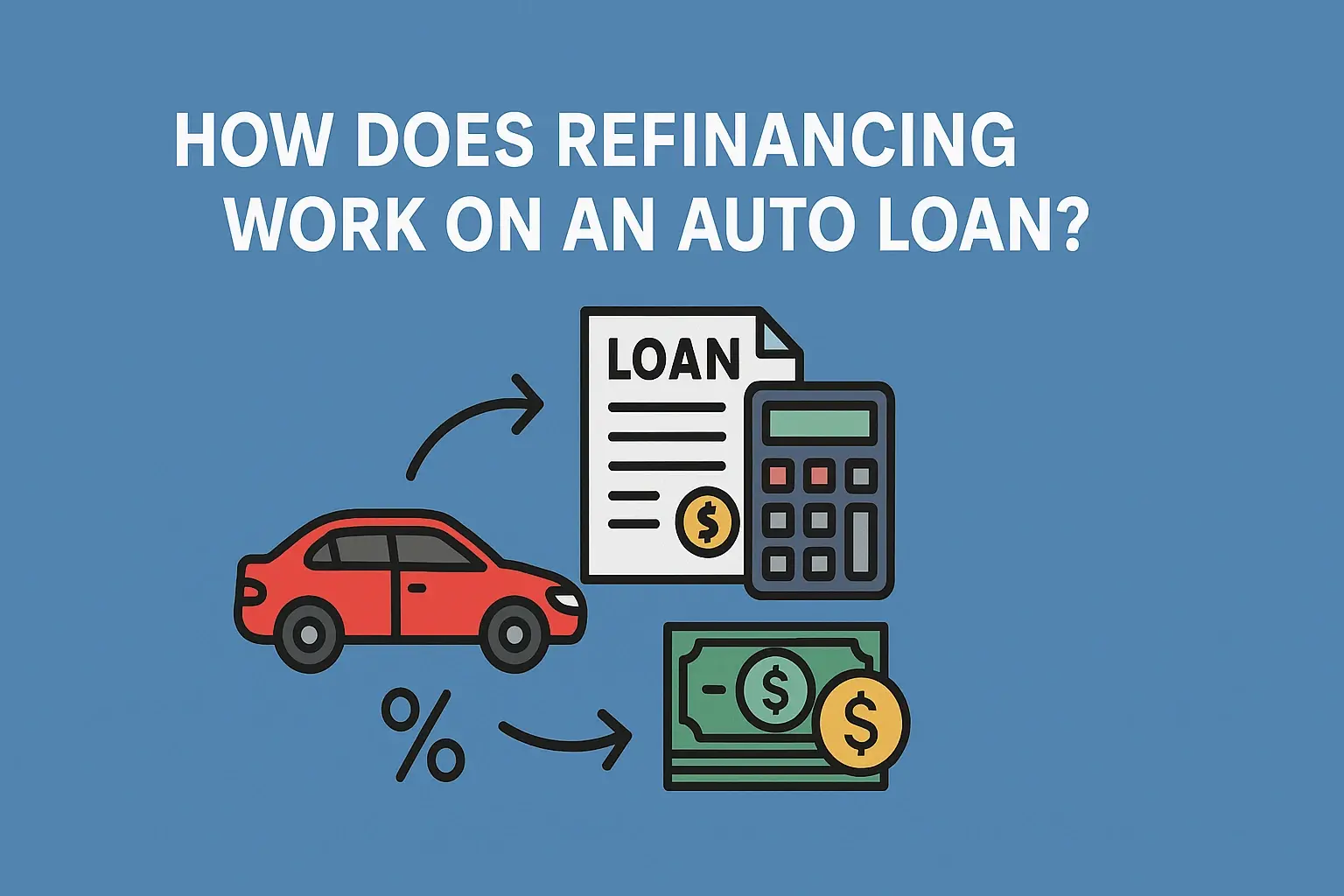
Auto loan refinancing is essentially replacing your existing car loan with a new one. The new loan typically comes with different terms, such as a lower interest rate, a shorter or longer repayment period, or a combination of both. The primary goal is to secure more favorable conditions than your current loan offers, ultimately saving you money over the life of the loan or reducing your monthly financial obligations.
Think of it like this: you're taking out a new loan to pay off your old loan. The new lender pays off your original lender, and you then owe the new lender. This process allows you to renegotiate the terms of your car financing, potentially unlocking significant savings and improving your cash flow.
Why Refinance Your Auto Loan?
Several compelling reasons might lead you to consider refinancing your auto loan. The most common drivers revolve around financial benefits and the desire for better loan management. By the end of 2025, many consumers will find themselves in a position where their original loan terms are no longer optimal due to market shifts or changes in their personal financial situations.
Here are the primary motivations:
Lower Interest Rate: If prevailing interest rates have dropped since you took out your original loan, or if your credit score has improved significantly, you might qualify for a lower Annual Percentage Rate (APR). This is often the most impactful reason to refinance, as it directly reduces the total interest paid over the loan's life.
Reduced Monthly Payments: Extending the loan term can lower your monthly payments, freeing up cash flow for other expenses or savings goals. This can be particularly helpful if you're experiencing temporary financial strain or simply want more breathing room in your budget.
Shorter Loan Term: Conversely, if your financial situation has improved and you want to pay off your car faster and save on interest, you can opt for a shorter repayment period. This means higher monthly payments but less interest paid overall.
Remove a Co-signer: If you originally had a co-signer on your auto loan, and your credit history has since improved, you might be able to refinance to remove them from the loan.
Consolidate Loans: While less common for single auto loans, if you have multiple vehicle loans, some lenders might offer options to consolidate them into a single new loan, simplifying your payments.
In 2025-26, with potential fluctuations in the economic landscape, borrowers are increasingly looking for ways to optimize their existing debt. Refinancing an auto loan stands out as a tangible strategy to achieve this.
How Does the Refinancing Process Work?
The auto loan refinancing process is structured and generally straightforward, though it requires careful attention to detail. It mirrors the initial car loan application process in many ways, but with a specific focus on your existing vehicle and loan. Here’s a step-by-step breakdown:
Step 1: Assess Your Current Loan and Financial Situation
Before you even start looking for new lenders, it's crucial to understand your current loan. Gather all the details:
Your outstanding loan balance.
Your current interest rate (APR).
Your remaining loan term (how many months are left).
Your current monthly payment.
Any prepayment penalties associated with your current loan?
Simultaneously, evaluate your financial health. Has your credit score improved since you took out the original loan? Are you experiencing a change in income or expenses that makes your current payments difficult or manageable?
Step 2: Check Your Credit Score
Your credit score is a primary determinant of the interest rate you'll be offered. A higher score generally leads to a lower APR. Before applying, it's wise to check your credit report for accuracy and to get an idea of where you stand. Lenders will use this information to assess your risk.
Credit Repair Reminder: Before applying for a loan, make sure to check your credit score. A strong credit profile is key to securing favorable refinancing terms. If you're concerned about your creditworthiness or want to understand your score better, consider reaching out to Credit Repair Ease. They are a trusted credit repair company offering professional credit repair services that can help you navigate the complexities of credit reporting and improvement. You can call them at (888) 803-7889 to discuss your options and take the first step towards a better financial future.
Step 3: Research and Compare Lenders
You don't have to stick with your original lender. Explore various financial institutions, including:
Banks: Traditional banks often offer competitive rates, especially if you're an existing customer.
Credit Unions: Credit unions are non-profit organizations that may offer lower rates and more personalized service. Membership is usually required.
Online Lenders: Many specialized online lenders focus on auto loans and refinancing, often providing quick approvals and competitive rates.
When comparing, look beyond just the APR. Consider the loan term, fees (origination fees, documentation fees), and customer service reputation. Many lenders allow you to get pre-qualified without a hard credit check, giving you an estimate of the rates you might receive.
Step 4: Gather Required Documentation
Lenders will need to verify your identity, income, and the vehicle's details. Common documents include:
Proof of income (pay stubs, tax returns).
Proof of address (utility bills).
Driver's license or other government-issued ID.
Vehicle information (VIN, make, model, year).
Your current auto loan statement.
Proof of insurance.
Step 5: Submit Your Application
Once you've chosen a lender, you'll formally apply. This typically involves a hard credit check, which may slightly impact your credit score temporarily. Be prepared to provide all the gathered documentation.
Step 6: Review and Sign the New Loan Agreement
If approved, the lender will present you with a new loan offer. Carefully review all the terms and conditions, including the APR, loan term, monthly payment, fees, and any clauses about prepayment penalties. Ensure it aligns with your goals.
Step 7: Funding and Payoff
Upon signing the agreement, the new lender will disburse the funds. They will then pay off your old loan directly to your previous lender. You will then begin making payments to your new lender according to the new loan terms.
The entire process, from initial research to funding, can take anywhere from a few days to a couple of weeks, depending on the lender and the completeness of your application.
Eligibility Criteria for Auto Refinancing
Not everyone will qualify for auto loan refinancing, and the terms offered can vary significantly based on eligibility. Lenders assess your application to determine the risk involved in lending to you. Meeting these criteria increases your chances of approval and securing favorable rates.
Key Eligibility Factors:
Credit Score: This is arguably the most critical factor. Most lenders look for a minimum credit score, often in the mid-600s or higher. Scores above 700 generally qualify for the best rates. Lenders use your score to gauge your creditworthiness and likelihood of repayment.
Loan-to-Value (LTV) Ratio: This ratio compares the amount you owe on the loan to the current market value of your vehicle. Lenders typically prefer an LTV below 100%, meaning you owe less than or equal to what your car is worth. If your car has depreciated significantly, you might have a high LTV, making refinancing difficult. For 2025-26, with potential shifts in used car values, this ratio remains paramount.
Vehicle Age and Mileage: Lenders often have limits on the age and mileage of the vehicle they will refinance. Older cars with high mileage are considered higher risk due to potential maintenance issues and lower resale value. Many lenders cap refinancing for vehicles older than 7-10 years or with over 100,000 miles.
Income and Employment Stability: Lenders need assurance that you can afford the new loan payments. They will typically require proof of stable income and employment, often looking for a debt-to-income (DTI) ratio below a certain threshold (e.g., 40-50%).
Loan History: A history of on-time payments on your current auto loan is a strong indicator of your reliability. Conversely, a history of late payments or defaults can make it very difficult to get approved.
Residency Status: Lenders usually require you to be a legal resident of the country where you're applying.
Meeting these criteria sets a solid foundation for a successful refinancing application. If you fall short in certain areas, focusing on improving your credit score or reducing your loan balance can significantly boost your chances.
Factors Influencing Refinancing Rates
The Annual Percentage Rate (APR) is the most significant factor affecting how much you save through refinancing. Even a small reduction in APR can lead to substantial savings over the life of the loan. Several factors influence the rate you'll be offered:
Key Rate Determinants:
Credit Score: As mentioned, this is paramount. Borrowers with excellent credit scores (740+) typically receive the lowest interest rates. Those with fair or poor credit will face higher rates, if approved at all. For 2025-26, lenders are keenly observing creditworthiness due to economic uncertainties.
Loan-to-Value (LTV) Ratio: A lower LTV (meaning you owe less than your car is worth) signals less risk to the lender, often resulting in a lower APR.
Loan Term: Shorter loan terms often come with lower interest rates because the lender's risk is reduced over a shorter period. Longer terms might have slightly higher rates to compensate for the extended risk.
Market Interest Rates: The general economic climate and the Federal Reserve's interest rate policies play a significant role. If overall interest rates have fallen, you're more likely to find lower refinancing rates.
Lender's Profit Margins and Business Model: Different lenders have different operational costs and profit goals, which they factor into their offered rates. Online lenders might offer lower rates due to lower overhead.
Vehicle Age and Condition: Newer vehicles with low mileage are generally seen as less risky and may qualify for better rates than older, high-mileage vehicles.
Your Income and Debt-to-Income Ratio: A high income and a low DTI ratio demonstrate your ability to manage debt, which can lead to better rates.
Understanding these factors helps you negotiate and choose the offer that best suits your financial situation.
Benefits of Refinancing Your Car Loan
The decision to refinance your auto loan is driven by the tangible benefits it can provide. By successfully navigating the process, you can achieve significant financial advantages and improve your overall car ownership experience. These benefits are particularly relevant in the 2025-26 period as consumers seek to optimize their finances.
Key Advantages:
Save Money on Interest: This is the most compelling benefit. Securing a lower APR means paying less interest over the remaining life of your loan. For example, refinancing a $20,000 loan with 5 years remaining from 7% APR to 5% APR could save you thousands of dollars in interest.
Lower Monthly Payments: If you opt for a longer loan term, your monthly payments will decrease. This can provide much-needed financial relief, freeing up cash for other necessities, savings, or investments. It can be a lifesaver during periods of unexpected expenses or income fluctuations.
Pay Off Your Car Faster: If you choose a shorter loan term with potentially a slightly higher monthly payment than your original loan, you will pay off your vehicle sooner. This allows you to own your car outright faster and avoid paying interest for an extended period.
Improve Cash Flow: Lowering your monthly payments directly improves your immediate cash flow, giving you more financial flexibility. This can be crucial for managing unexpected bills or taking advantage of opportunities.
Potentially Remove a Co-signer: If your credit has improved significantly, you might be able to refinance the loan in your name alone, releasing your co-signer from their obligation.
Access to Better Loan Features: Some new loan products might offer more flexible payment options or better customer service than your original loan.
The cumulative effect of these benefits can lead to a more manageable and cost-effective car ownership experience.
Potential Drawbacks and Considerations
While refinancing an auto loan offers numerous advantages, it's essential to be aware of potential downsides and carefully consider whether it's the right move for your specific situation. A thorough evaluation can prevent unintended financial complications.
Things to Watch Out For:
Fees: Some lenders charge origination fees, documentation fees, or other administrative costs associated with refinancing. These fees can eat into your savings, so be sure to factor them into your calculations. Ensure the total savings outweigh the total fees.
Longer Loan Term: If you choose to extend your loan term to lower your monthly payments, you will likely end up paying more interest over the life of the loan, even if your APR is lower. It's a trade-off between immediate affordability and long-term cost.
Negative Equity (Upside Down): If the value of your car has depreciated significantly and you owe more than it's worth (negative equity), you might not qualify for refinancing, or you might have to roll that negative equity into the new loan, increasing your debt.
Impact on Credit Score: Applying for a new loan involves a hard credit inquiry, which can temporarily lower your credit score by a few points. While this is usually a minor impact, it's something to consider if you're planning to apply for other credit soon.
Prepayment Penalties: Check your original loan agreement for any penalties for paying off the loan early. While less common with auto loans, it's a possibility.
Not Always Worth It: If you have a relatively short time left on your loan, a very low interest rate already, or only a small amount of interest left to pay, the savings from refinancing might not justify the effort and potential fees.
Carefully weighing these potential drawbacks against the benefits is crucial for making a sound financial decision.
Refinancing vs. Other Options
When looking to improve your auto loan situation, refinancing isn't the only path. Understanding your alternatives can help you choose the most appropriate strategy. For 2025-26, with a dynamic financial market, knowing all your options is key.
Comparison with Alternatives:
Loan Modification: This is an agreement with your *current* lender to change the terms of your existing loan. It's typically used when you're facing financial hardship and can't make payments. Options might include extending the term or temporarily reducing payments. It's generally less about saving money long-term and more about immediate affordability. Refinancing involves a new lender and a completely new loan.
Debt Consolidation: While auto loan refinancing is a form of debt consolidation for your car loan, true debt consolidation often involves combining multiple debts (e.g., credit cards, personal loans, and possibly an auto loan) into a single new loan. This is usually done with a personal loan or a home equity loan. It can simplify payments, but may not always yield the lowest interest rate for each debt.
Paying Off the Loan Early: If you have the financial means, simply paying off your auto loan early, or making extra payments, is the most straightforward way to save on interest and own your car outright faster. This avoids fees and the hassle of a new loan application.
Selling the Vehicle: If your car's value has significantly increased or if you no longer need it, selling it and paying off the loan might be an option. You could then purchase a less expensive vehicle or go without one.
Refinancing is ideal when you can secure significantly better terms (especially a lower APR) than your current loan, and you plan to keep the vehicle for the foreseeable future. If your primary concern is immediate affordability due to hardship, a loan modification might be more appropriate. If you have multiple debts, broader debt consolidation might be considered.
Preparing to Refinance Your Auto Loan
A successful auto loan refinancing application hinges on thorough preparation. By taking proactive steps, you can significantly increase your chances of approval and secure the best possible terms. This preparation is vital for navigating the competitive lending landscape of 2025-26.
Key Preparation Steps:
Know Your Current Loan Inside Out: As detailed earlier, have your current loan balance, APR, remaining term, and monthly payment readily available. Understand any existing fees or penalties.
Check and Improve Your Credit Score: Obtain copies of your credit reports from the major bureaus (Equifax, Experian, TransUnion). Review them for any errors and dispute them if found. Address any negative items if possible. If your score is lower than you'd like, focus on paying down credit card balances, making all payments on time, and avoiding new credit applications for a few months before applying to refinance.
Determine Your Vehicle's Value: Use online resources like Kelley Blue Book (KBB), Edmunds, or NADA Guides to get an estimate of your car's current market value. This will help you calculate your LTV ratio and understand if you're "upside down" on your loan.
Calculate Your Budget: Determine how much you can realistically afford for a monthly car payment. Consider your income, expenses, and savings goals. This will help you decide whether you're looking for lower payments (longer term) or faster payoff (shorter term).
Gather Necessary Documents: Start collecting documents like pay stubs, bank statements, proof of address, and your driver's license. Having these ready will expedite the application process.
Understand Your Goals: Are you prioritizing lower monthly payments, saving money on interest, or paying off the loan faster? Clearly defining your goals will help you evaluate different refinancing offers.
Being well-prepared empowers you to approach lenders with confidence and make informed decisions.
Choosing the Right Lender
Selecting the right lender is as important as meeting the eligibility criteria. Different lenders offer varying rates, terms, and customer service experiences. A careful comparison is essential to find the best fit for your needs.
Where to Look and What to Consider:
Banks Often offer competitive rates, especially for existing customers. They may provide a more traditional, in-person experience.
Credit Unions: Non-profit organizations that may offer lower rates and fees than banks, with a focus on member benefits. Membership is usually required.
Online Lenders: Many specialized online platforms focus on auto refinancing. They often have streamlined application processes, quick approvals, and competitive rates due to lower overhead. Examples include LightStream, Capital One Auto Navigator, and others that cater specifically to auto loan refinancing.
Dealership Financing Companies: While you financed your car through a dealership initially, you can often refinance with a different institution.
Key Comparison Points:
APR: The Annual Percentage Rate is the most critical factor for savings.
Loan Term Options: Do they offer terms that align with your payment goals (e.g., shorter terms for faster payoff, longer terms for lower payments)?
Fees: Look for lenders with minimal or no origination, application, or early payoff fees.
Customer Service: Read reviews and gauge the lender's reputation for responsiveness and support.
Pre-qualification Process: A lender that offers pre-qualification without a hard credit pull is ideal for comparing offers without impacting your score.
Loan Limits: Ensure the lender will refinance your specific loan amount and vehicle.
Utilize online comparison tools and get pre-qualified from multiple lenders to find the most advantageous offer.
What to Expect After Refinancing
Once you've successfully refinanced your auto loan, there are a few key things to keep in mind to ensure a smooth transition and continued financial health. Understanding these post-refinancing steps is crucial for maximizing the benefits.
Post-Refinancing Actions:
New Payment Schedule: You will receive a new payment schedule from your new lender. Make sure you understand the due dates and payment methods. Set up automatic payments if possible to avoid missing any deadlines.
Cancel Automatic Payments with Old Lender: If you had automatic payments set up with your previous lender, ensure you cancel them to avoid duplicate payments.
Update Insurance Information: Your new loan may have different requirements or lienholder information. Contact your auto insurance provider to update your policy with the new lienholder details. Failure to do so could violate your loan agreement.
Monitor Your Credit Report: After a few months, check your credit report to ensure the old loan has been paid off and the new loan is accurately reflected. This helps catch any potential errors.
Track Your Savings: Keep an eye on your statements to confirm you are indeed saving money as expected, whether through lower monthly payments or reduced interest over time.
Continue Good Financial Habits: The refinancing process is a great opportunity to improve your financial standing. Continue making payments on time and managing your budget effectively to maintain a good credit score.
By staying organized and attentive after refinancing, you can ensure the process leads to the desired financial outcomes.
Conclusion: Making the Smart Choice
Refinancing your auto loan can be a powerful tool for saving money and improving your financial flexibility. By understanding how the process works, evaluating your eligibility, and carefully comparing lenders, you can secure a new loan with more favorable terms. Whether your goal is to lower monthly payments, reduce the total interest paid, or simply gain more control over your finances, refinancing offers a tangible solution. Remember to consider all potential drawbacks, such as fees and the impact of extending your loan term, to ensure it aligns with your long-term financial strategy. With diligent preparation and a clear understanding of your options, making the smart choice to refinance can lead to significant savings and a more manageable car ownership experience in 2025 and beyond.
null
How Does Refinancing Work Auto Loan

Krystin Bresolin