-
Posted on: 28 Feb 2026
-
What is Auto Loan Refinancing?
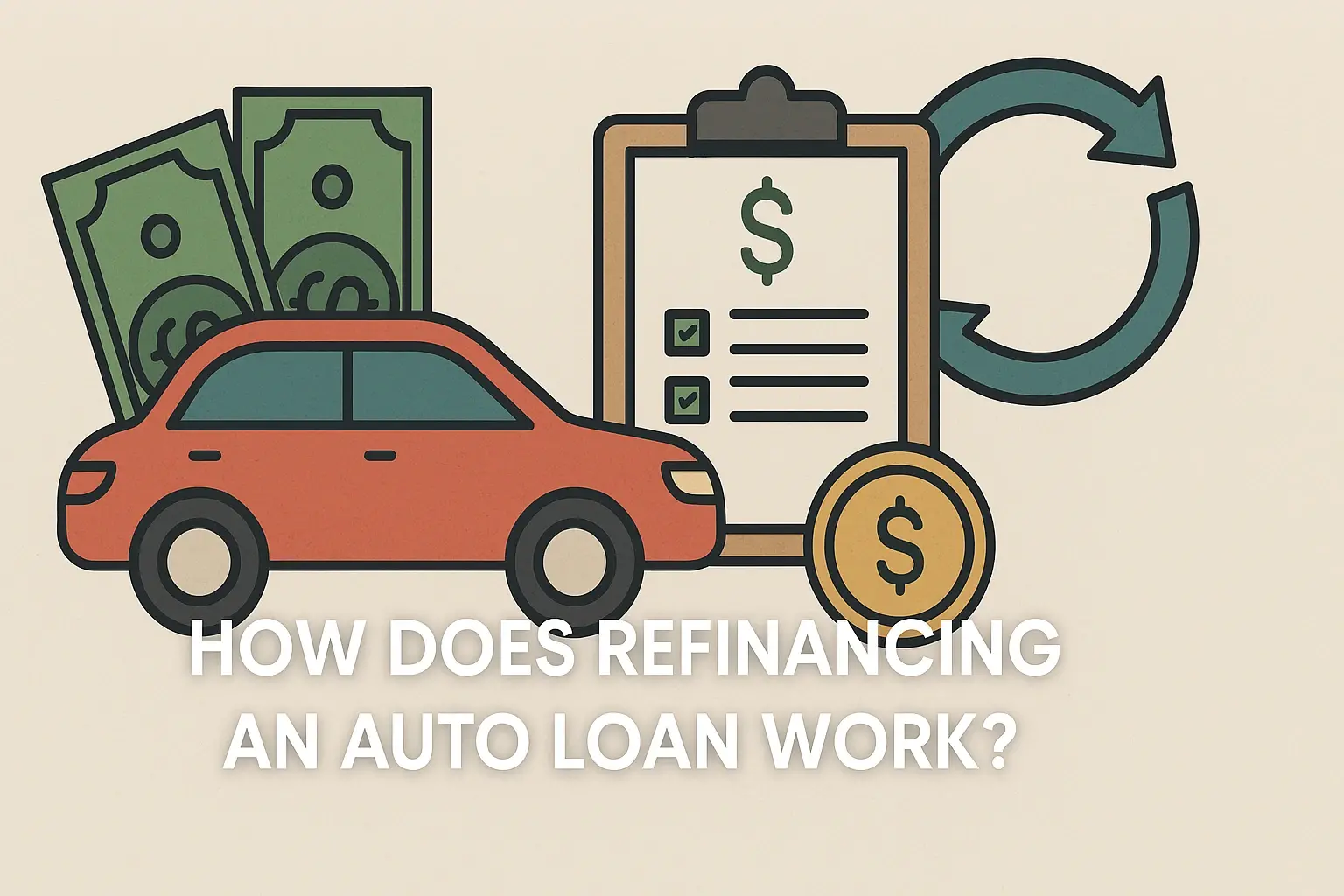
Refinancing an auto loan involves replacing your existing car loan with a new one, typically with different terms and potentially a lower interest rate. This process can lead to significant savings and improved financial flexibility over the remaining life of your loan. Understanding how it works is key to making informed decisions about your car financing.
In essence, when you refinance, you're taking out a new loan to pay off your old one. The new loan is then what you'll make payments on. The primary motivations for refinancing are usually to secure a lower Annual Percentage Rate (APR), reduce your monthly payment, or shorten the loan term. This strategic financial move can impact your budget positively, making car ownership more manageable and cost-effective. As we delve deeper, we'll explore the mechanics, benefits, and considerations involved in successfully refinancing your auto loan, providing you with a comprehensive guide for 2025-26.
Why Refinance Your Auto Loan?
The decision to refinance an auto loan is driven by a desire for financial improvement. Several compelling reasons might lead a car owner to explore this option. The most common and impactful reason is to obtain a lower interest rate. Over the life of a car loan, even a small reduction in the APR can translate into substantial savings. For instance, a 1% decrease on a $20,000 loan over five years could save you hundreds, if not thousands, of dollars in interest payments. As of 2025, with fluctuating market interest rates, opportunities for refinancing at a more favorable APR are often present.
Another significant driver is the desire to lower monthly payments. This can be achieved by extending the loan term, which spreads the remaining balance over a longer period. While this might result in paying more interest over the entire loan duration, it can provide immediate relief to your monthly budget, freeing up cash for other essential expenses or savings goals. This is particularly beneficial for individuals facing temporary financial constraints or those looking to improve their cash flow. According to industry reports for 2025, a notable percentage of borrowers refinance to ease their monthly financial burdens.
Conversely, some individuals choose to refinance with the goal of shortening their loan term. This strategy allows them to pay off their car loan faster, thereby reducing the total interest paid and becoming debt-free sooner. This approach requires a higher monthly payment but offers the long-term benefit of saving money and achieving financial freedom more quickly. It's a powerful tool for those who are financially stable and eager to eliminate debt.
Beyond interest rates and payment adjustments, refinancing can also offer access to better loan features. Some new loan products might come with more flexible repayment options, fewer penalties, or improved customer service. Additionally, if your credit score has significantly improved since you originally took out the loan, you may qualify for better terms than you initially received. This is a testament to responsible financial management and can be a strong incentive for exploring refinancing opportunities in 2025-26.
Finally, refinancing can be a strategic move to consolidate debt or manage your overall financial picture more effectively. While less common for auto loans specifically compared to other types of debt, it's worth considering if it aligns with broader financial planning objectives. The overarching goal is to optimize the cost and terms of your car financing to better suit your current financial situation and future aspirations.
Interest Rate Reduction
The primary allure of refinancing is the potential to secure a lower Annual Percentage Rate (APR). If market interest rates have dropped since you secured your original loan, or if your creditworthiness has improved, you may qualify for a more competitive rate. Even a modest decrease in APR can lead to significant savings over the remaining term of your auto loan. For example, refinancing a $25,000 loan with a remaining term of 48 months from 7% APR to 5% APR could save you approximately $1,200 in interest over the life of the loan. This is a tangible benefit that directly impacts your wallet.
Lower Monthly Payments
By extending the repayment period of your auto loan, you can reduce your monthly installments. This can provide much-needed breathing room in your budget, especially if you're experiencing a temporary financial setback or if your income has decreased. While extending the term generally means paying more interest in the long run, the immediate relief from lower monthly payments can be invaluable. For instance, a $20,000 loan balance over 60 months at 8% APR might have a monthly payment of approximately $405. If you refinance this to a 72-month term at the same rate, the monthly payment could drop to around $333, offering a monthly saving of $72.
Shorter Loan Term
For those who prefer to be debt-free sooner and have the financial capacity, refinancing to a shorter loan term is an attractive option. This means making higher monthly payments, but it significantly reduces the total interest paid over the life of the loan. For example, paying off a $20,000 loan in 36 months instead of 60 months at the same interest rate will result in substantial interest savings, even with the increased monthly outlay. This accelerates your journey to full ownership of your vehicle.
Improved Loan Features
Beyond rates and terms, new loan products may offer more favorable features. This could include options for skipping a payment under certain circumstances, fewer prepayment penalties if you decide to pay off the loan early, or better online account management tools. Evaluating these features alongside interest rates and terms can lead to a more beneficial overall loan package.
Credit Score Improvement
If your credit score has improved since you initially obtained your auto loan, you are in a stronger position to negotiate better terms. Lenders view individuals with higher credit scores as less risky borrowers, which often translates into lower interest rates and more favorable loan conditions. Demonstrating improved financial responsibility can unlock significant savings through refinancing.
How Does the Refinancing Process Work?
Understanding the step-by-step process of refinancing an auto loan is crucial for a smooth and successful transaction. While the specifics can vary slightly between lenders, the general framework remains consistent. It begins with research and application, followed by approval and the finalization of the new loan, which then replaces your old one.
The initial phase involves assessing your current loan and determining if refinancing is a viable option. This means gathering details about your existing loan, such as the outstanding balance, current interest rate, remaining term, and monthly payment. Simultaneously, you should research potential lenders and compare their refinance offers. This comparison is vital for identifying the best possible terms, including interest rates, loan terms, and any associated fees. Many online tools and comparison websites can assist in this research phase, providing insights into current market offerings for 2025-26.
Once you've identified a few promising lenders, the next step is to formally apply for refinancing. This typically involves submitting a loan application, which will require personal information, employment details, income verification, and information about your current auto loan. Lenders will also conduct a credit check to assess your creditworthiness. Your credit score, credit history, and debt-to-income ratio are key factors they will evaluate to determine your eligibility and the interest rate you'll be offered.
Upon receiving your application, the lender will review it and, if you meet their criteria, provide you with a loan offer. This offer will detail the new loan's APR, term length, monthly payment, and any fees involved. It's imperative to carefully review this offer, comparing it against your current loan and other offers you may have received. Pay close attention to the total cost of the loan over its lifetime, not just the monthly payment.
If you accept the loan offer, you will proceed to the closing stage. This involves signing the new loan agreement. At this point, the new lender will typically pay off your old auto loan directly. This means the funds from your new loan are used to satisfy the outstanding balance of your previous loan. Once the old loan is paid off, your original lender will release the lien on your vehicle. You will then begin making your monthly payments to the new lender according to the terms of your refinanced loan.
The entire process, from initial research to the finalization of the new loan, can take anywhere from a few days to a couple of weeks, depending on the lender and the efficiency of the application and approval process. Being prepared with all necessary documentation and understanding each step can significantly expedite the refinancing journey.
Step 1: Assess Your Current Loan
Before exploring refinancing, thoroughly understand your existing auto loan. Gather details such as the outstanding principal balance, the current interest rate (APR), the remaining number of payments, the monthly payment amount, and the date your loan began. This information is crucial for comparing potential new offers and calculating potential savings. Knowing these figures will also help you determine if refinancing is likely to be beneficial.
Step 2: Check Your Credit Score
Your credit score is a critical factor in determining your eligibility for refinancing and the interest rate you'll receive. Before applying, obtain your credit report and score. If your score has improved since you took out your original loan, you're in a better position to secure more favorable terms. A higher credit score generally leads to a lower APR, which is the primary goal for many refinancers. If your score isn't as high as you'd like, consider taking steps to improve it before applying. For instance, ensuring all your bills are paid on time and reducing your credit utilization can have a positive impact. You can get a free credit report from each of the three major credit bureaus annually through AnnualCreditReport.com. If you're looking for assistance in understanding or improving your credit, companies like Credit Repair Ease offer professional credit repair services. Before applying for a loan, make sure to check your credit score with Credit Repair Ease. Reach out to Credit Repair Ease at (888) 803-7889 for expert guidance.
Step 3: Research Lenders and Compare Offers
Shop around for the best refinancing deals. Don't limit yourself to your current lender. Explore banks, credit unions, and online lenders. Use online comparison tools to get pre-qualified offers, which usually involve a soft credit pull that doesn't affect your score. Compare APRs, loan terms, fees (such as origination fees or title transfer fees), and any other associated costs. A lower APR is generally the most significant factor for savings, but consider the total cost of the loan over its entire duration.
Step 4: Submit Loan Application
Once you've identified a few lenders with competitive offers, submit formal applications. Be prepared to provide detailed personal and financial information, including proof of income (pay stubs, tax returns), employment verification, and details about your current auto loan. Most lenders will perform a hard credit inquiry at this stage, which can temporarily impact your credit score, so it's best to do this within a short timeframe when comparing multiple offers.
Step 5: Review and Accept the Loan Offer
After your application is processed, you'll receive a loan offer. Carefully review all terms and conditions. Ensure the APR, loan term, monthly payment, and fees align with your expectations and the pre-qualification offers. If you're satisfied, formally accept the offer. This usually involves signing the new loan agreement electronically or in person.
Step 6: Loan Closing and Payoff
In the final step, the new lender will disburse the funds to pay off your existing auto loan. Your original lender will then release the lien on your vehicle. You will then begin making payments on your new loan to the new lender. The process is complete once the old loan is fully satisfied and the lien is removed. Ensure you receive confirmation that your old loan has been paid off and the lien has been released.
Eligibility and Requirements for Refinancing
Not everyone is automatically eligible for auto loan refinancing. Lenders have specific criteria they use to assess risk and determine who qualifies for a new loan. Understanding these requirements beforehand can save you time and effort and help you focus on improving your chances of approval. The primary factors lenders consider revolve around your creditworthiness, the vehicle itself, and the terms of your existing loan.
Your credit score is paramount. Lenders use it as a primary indicator of your ability to repay debt. A higher credit score generally signifies a lower risk, making you a more attractive candidate for refinancing and often leading to better interest rates. While specific score requirements vary by lender, many prefer borrowers with scores in the mid-600s or higher. For the most competitive rates, scores in the excellent range (720+) are often necessary.
Beyond your credit score, lenders will examine your credit history. This includes looking at your payment history, the length of your credit history, the types of credit you use, and your overall credit utilization. A consistent record of on-time payments is a strong positive. Conversely, a history of late payments, defaults, or bankruptcies can make it difficult to qualify for refinancing.
Your income and employment stability also play a significant role. Lenders want to ensure you have a reliable source of income to make your monthly payments. They will often look at your debt-to-income ratio (DTI), which compares your total monthly debt payments to your gross monthly income. A lower DTI generally indicates a better ability to manage additional debt. Proof of income, such as pay stubs or tax returns, will likely be required during the application process.
The vehicle you are financing also has requirements. Lenders typically have age and mileage restrictions on vehicles they are willing to refinance. Older cars with high mileage are considered higher risk because they may be more prone to mechanical issues and have a lower resale value. For example, many lenders will not refinance vehicles older than 7-10 years or those with over 100,000-150,000 miles. The Loan-to-Value (LTV) ratio is also important; it's the ratio of the loan amount to the car's value. Lenders usually require the LTV to be below a certain threshold, often 100% or less, meaning the loan amount should not exceed the car's market value.
The terms of your existing loan matter as well. Most lenders require that you have made a certain number of on-time payments on your current loan. Typically, you need to have paid off at least 20-25% of the original loan principal before you can refinance. This demonstrates a commitment to the loan and reduces the lender's risk. Some lenders also have minimum loan balance requirements for refinancing.
Finally, you must be a legal resident of the country where you are applying for the loan and possess a valid driver's license. Some lenders may also require proof of auto insurance.
Credit Score and History
Your credit score is the most influential factor. Generally, a score of 650 or higher is a good starting point for refinancing. Scores above 720 often qualify for the best interest rates. Lenders will also review your entire credit report, looking for any red flags such as late payments, defaults, collections, or bankruptcies. A consistent history of responsible credit management is key.
Income and Employment Stability
Lenders need to be confident that you can afford the new loan payments. They will typically require proof of income, such as recent pay stubs, W-2 forms, or tax returns. They will also assess your debt-to-income ratio (DTI). A lower DTI (ideally below 40%) indicates that a smaller portion of your income is already allocated to debt payments, leaving more room for a new auto loan.
Vehicle Age and Mileage
Most lenders have limits on the age and mileage of vehicles they will refinance. For example, many will not refinance cars older than 7-10 years or those with over 100,000 miles. Older vehicles with high mileage are considered higher risk due to potential maintenance issues and lower resale value. These restrictions are in place to protect the lender's investment.
Loan-to-Value Ratio (LTV)
The LTV ratio compares the amount you want to borrow against the current market value of your vehicle. Lenders typically want the LTV to be 100% or less, meaning the loan amount should not exceed the car's value. If you owe significantly more than your car is worth (you are "upside down"), refinancing may be difficult or impossible.
Remaining Loan Balance and Payment History
Lenders often have minimum requirements for the remaining balance on your current loan. You may also need to have made a certain percentage of your original payments (e.g., at least 20-25%) to be eligible. A solid payment history on your current loan is also a positive indicator.
Finding the Best Refinance Deals
Securing the best auto loan refinancing deal requires a proactive and informed approach. It's not enough to simply apply to one lender; diligent research and comparison are essential. The goal is to find a lender offering the lowest APR, the most favorable loan terms, and minimal fees, all while fitting your specific financial situation. The landscape of auto finance is dynamic, with rates and offers changing frequently, especially in 2025-26, making a strategic search even more critical.
Start by understanding your own financial profile. As discussed, knowing your credit score is the first step. If your score has improved, you're in a stronger negotiating position. Gather all necessary documentation, such as proof of income and details of your current loan, so you're ready to apply when you find a good offer. Being prepared streamlines the process and allows you to act quickly.
Next, cast a wide net when searching for lenders. Don't limit yourself to your current bank or the dealership where you purchased the car. Explore various types of financial institutions:
Banks: Traditional banks often offer competitive rates, especially if you have an existing relationship with them.
Credit Unions: These member-owned cooperatives frequently offer lower interest rates and fees than traditional banks. Membership requirements typically involve living, working, or belonging to a specific group in a certain area.
Online Lenders: The digital lending space has expanded significantly, with many online-only companies specializing in auto loans and refinancing. They often have lower overhead costs, which can translate into better rates for borrowers.
Utilize online comparison tools and pre-qualification offers. Many websites allow you to input your basic information and see potential offers from multiple lenders without impacting your credit score (these typically use soft credit checks). This is an excellent way to get a broad overview of the market and identify lenders who are likely to approve you. However, remember that pre-qualification is not a guarantee of approval; a formal application will involve a hard credit inquiry.
When comparing offers, look beyond just the APR. While a lower APR is usually the primary objective, consider the following:
Loan Term: A shorter term means higher monthly payments but less total interest paid. A longer term means lower monthly payments but more interest over time. Choose a term that balances affordability with your long-term financial goals.
Fees: Be aware of any origination fees, application fees, late payment fees, or prepayment penalties. These can add to the overall cost of the loan. A seemingly low APR with high fees might not be the best deal.
Loan Amount: Ensure the new loan amount accurately reflects your outstanding balance. You generally cannot borrow more than you owe unless you are consolidating other debts, which is less common with auto loans.
Pay attention to customer service and the ease of the application process. A lender with a good reputation for customer service and a straightforward online application can make the refinancing experience much smoother. Read reviews and check ratings from reputable sources.
Finally, don't be afraid to negotiate. If you have received a competitive offer from one lender, you might be able to leverage that to get a better deal from another. Some lenders are willing to match or beat competitor rates, especially if you have a strong credit profile.
Leverage Online Comparison Tools
Websites dedicated to financial comparisons allow you to input your details and receive pre-qualified offers from multiple lenders simultaneously. This is an efficient way to gauge the market and identify potential lenders without extensive individual applications. Remember to use tools that perform soft credit checks for pre-qualification to avoid negatively impacting your credit score.
Consider Credit Unions
Credit unions are known for offering competitive rates and more personalized service than many traditional banks. They are non-profit organizations, and their primary goal is to serve their members, which often translates into better loan terms. You may need to meet specific membership criteria to join a credit union.
Look for Pre-Approval Offers
Many lenders offer pre-approval, which involves a preliminary assessment of your financial standing. This process typically uses a soft credit check, so it won't harm your credit score. Pre-approval gives you a realistic idea of the rates and terms you might qualify for, helping you narrow down your options before submitting a full application.
Evaluate All Fees and Terms
Beyond the Annual Percentage Rate (APR), scrutinize all associated fees, such as origination fees, application fees, and prepayment penalties. Also, carefully consider the loan term length, as it impacts your monthly payment and the total interest paid over time. A seemingly lower APR might be offset by high fees or an excessively long loan term.
Negotiate with Lenders
If you have received multiple offers, you may have some leverage to negotiate. Present your best offer from a competitor to another lender and see if they can match or beat it. This is particularly effective if you have a strong credit profile and a clear understanding of the market rates.
Calculating Potential Savings
One of the most crucial aspects of refinancing is quantifying the potential financial benefits. Without accurate calculations, it's difficult to determine if refinancing is truly worthwhile. The primary drivers of savings are a lower interest rate and potentially a shorter loan term. By using a loan amortization calculator or performing manual calculations, you can project your future payments and total interest paid under both your current loan and a proposed refinanced loan.
To calculate potential savings, you need to compare the total cost of your current loan with the total cost of the proposed new loan. The total cost of a loan includes the principal amount borrowed plus all the interest paid over the life of the loan. You also need to factor in any fees associated with the refinancing process, such as origination fees or title transfer costs.
Here's a simplified approach to calculating potential savings:
Determine the Total Interest Paid on Your Current Loan: You can find this information on your loan statement or by using an online loan amortization calculator. Input your current loan's principal balance, APR, and remaining term. The calculator will show you the total interest you'll pay by the end of the loan.
Calculate the Total Cost of the Proposed Refinanced Loan: Use the same loan amortization calculator, but input the details of the new loan offer: the new principal balance (which should be very close to your current outstanding balance), the new APR, and the new loan term. This will give you the total interest paid on the refinanced loan.
Subtract Refinancing Fees: Add any fees associated with the new loan (origination fees, etc.) to the total interest calculated in step 2. This gives you the total cost of the refinanced loan.
Compare Total Costs: Subtract the total cost of the refinanced loan (from step 3) from the total interest paid on your current loan (from step 1). The difference represents your potential savings.
Example Calculation (Illustrative for 2025):
Let's say you have a remaining balance of $20,000 on your auto loan with 48 months left and an APR of 8%.
Current Loan:
Principal: $20,000
APR: 8%
Term: 48 months
Monthly Payment: Approximately $471.78
Total Interest Paid: Approximately $2,645.44
Total Cost: $22,645.44
Proposed Refinanced Loan:
Principal: $20,000
APR: 6%
Term: 48 months
Monthly Payment: Approximately $444.78
Total Interest Paid: Approximately $1,349.44
Refinancing Fees: $300 (origination fee)
Total Cost: $21,649.44 ($20,000 principal + $1,349.44 interest + $300 fees)
Potential Savings: $22,645.44 (Current Total Cost) - $21,649.44 (Refinanced Total Cost) = $996.00
In this example, refinancing to a lower interest rate saves you nearly $1,000 over the remaining term, even after accounting for fees. If you also shorten the loan term, the savings could be even greater, though your monthly payments will increase.
It's also important to consider the break-even point. This is the point at which the savings from the lower interest rate offset the fees you paid for refinancing. If you plan to sell the car or pay off the loan early, knowing the break-even point helps you determine if refinancing is beneficial in the short term.
Using Loan Calculators
Online auto loan calculators are invaluable tools. Input your current loan details (balance, APR, term) and the proposed refinance offer (balance, APR, term). These calculators will display your current monthly payment, total interest paid, and total loan cost. They will then show you the same figures for the new loan, making the comparison straightforward.
Comparing Total Interest Paid
The most significant saving often comes from reducing the total interest paid over the life of the loan. By comparing the sum of all interest payments for your current loan versus the refinanced loan, you can clearly see the financial benefit of a lower APR. Remember to factor in any fees associated with the new loan when making this comparison.
Considering Loan Term Adjustments
If you refinance to a shorter term, your monthly payments will increase, but you'll pay significantly less interest overall and be debt-free sooner. Conversely, extending the term lowers monthly payments but increases total interest. Calculate savings for both scenarios to see which best fits your budget and financial goals.
The Break-Even Point
Calculate how many months it will take for your monthly savings to recoup the costs of refinancing (e.g., origination fees). If you plan to keep the car and make payments for longer than the break-even point, refinancing is likely a good financial decision. If you plan to sell the car before reaching the break-even point, the refinancing costs might outweigh the benefits.
When to Consider Refinancing Your Auto Loan
The decision to refinance your auto loan isn't always straightforward. While the potential for savings is appealing, it's important to assess your current financial situation and the market conditions to determine if now is the right time. Several key indicators suggest that exploring refinancing might be beneficial. These often align with changes in your personal finances or shifts in the broader economic landscape, particularly interest rate environments prevalent in 2025-26.
One of the most opportune times to consider refinancing is when your credit score has significantly improved since you originally took out the loan. Responsible financial behavior, such as consistently making on-time payments and reducing other debts, can lead to a higher credit score. A better score signals to lenders that you are a less risky borrower, making you eligible for lower interest rates. If you've seen a substantial jump in your credit score, it's worth investigating if you can now qualify for better terms than you initially received.
Market interest rates play a crucial role. If the general interest rates for auto loans have decreased since you obtained your current loan, you might be able to secure a lower APR by refinancing. Lenders' rates are influenced by the Federal Reserve's monetary policy and overall economic conditions. Keeping an eye on economic news and interest rate trends can help you identify opportune moments to refinance.
Your personal financial situation is another major factor. If you're experiencing financial hardship and struggling to meet your current monthly car payments, refinancing to a longer loan term can lower your monthly obligations. This can provide much-needed relief and prevent you from falling behind on payments. However, it's important to weigh this against the fact that a longer term usually means paying more interest over time.
Conversely, if your income has increased and you're in a stronger financial position, you might consider refinancing to a shorter loan term. This allows you to pay off your car loan faster, saving on total interest costs and becoming debt-free sooner. It's a strategy for those looking to accelerate their debt repayment and improve their financial freedom.
The age and mileage of your vehicle can also influence the decision. While many lenders have restrictions on older or high-mileage cars, if your vehicle is still relatively new and in good condition, you might have more refinancing options. Some lenders specialize in refinancing for vehicles that are no longer eligible with their original lenders.
Finally, it's always a good practice to re-evaluate your loan periodically, perhaps annually or when significant life events occur (like a job change or a pay raise). Even if you don't see immediate savings, staying informed about market conditions and your creditworthiness can help you seize opportunities when they arise.
Significant Credit Score Improvement
If your credit score has risen substantially since you took out your original loan, you likely qualify for better interest rates. A score increase of 20-50 points or more can make a significant difference in the APR you're offered, leading to considerable savings. Regularly checking your credit report can help you track these improvements.
Falling Market Interest Rates
When the Federal Reserve lowers its benchmark interest rate, or when general economic conditions lead to lower rates for auto loans, it's an opportune time to refinance. If current rates are lower than your existing loan's APR, you stand to save money. Monitoring financial news and interest rate trends is advisable.
Financial Hardship or Need for Lower Payments
If you're facing unexpected expenses or a reduction in income, refinancing to a longer loan term can lower your monthly payments. This can provide essential financial breathing room and help you avoid late payments. However, be mindful that extending the term typically increases the total interest paid over the loan's life.
Desire to Pay Off Loan Sooner
If your financial situation has improved and you have more disposable income, you might consider refinancing to a shorter loan term. This strategy allows you to pay off your car loan faster, reducing the total interest paid and freeing up cash flow sooner. This requires a higher monthly payment but offers long-term financial benefits.
Vehicle Still Relatively New
Lenders often have age and mileage restrictions. If your car is still within a reasonable age (e.g., under 7 years) and mileage (e.g., under 100,000 miles), you'll likely have more refinancing options available. As vehicles age, their refinancing potential can decrease.
Common Pitfalls to Avoid When Refinancing
While refinancing an auto loan can offer significant financial advantages, it's not without its potential drawbacks. Being aware of common pitfalls can help you navigate the process successfully and avoid costly mistakes. Many of these issues stem from a lack of thorough research, overlooking details, or making decisions based solely on monthly payment amounts.
One of the most frequent mistakes is not shopping around for the best rates. Many borrowers accept the first offer they receive or only consider their current lender. This can lead to paying a higher APR than necessary, negating potential savings. As highlighted earlier, comparing offers from multiple banks, credit unions, and online lenders is crucial. Utilize pre-qualification tools to get a broad overview of available rates without harming your credit score.
Another pitfall is focusing too much on the monthly payment without considering the total cost of the loan. Refinancing to a longer loan term can significantly reduce your monthly payment, providing immediate relief. However, this often comes at the cost of paying much more interest over the life of the loan. Always calculate the total amount you will repay, including principal, interest, and fees, to understand the true cost of the new loan. A lower monthly payment might not be a good deal if it means paying thousands more in interest.
Ignoring fees is another common oversight. Origination fees, application fees, title transfer fees, and other administrative charges can add up and eat into your potential savings. Always ask for a complete list of all fees associated with the refinance and factor them into your total cost calculation. A loan with a slightly higher APR but no fees might be a better option than one with a lower APR but substantial charges.
Not understanding the terms and conditions of the new loan is also a significant risk. This includes overlooking clauses related to prepayment penalties, late payment fees, or any other restrictions. If you plan to pay off your loan early, ensure there are no prepayment penalties that would negate your savings. Reading the fine print carefully is essential.
Applying for multiple loans simultaneously without a strategy can negatively impact your credit score. While rate shopping within a short period (typically 14-45 days) is usually treated as a single inquiry by credit scoring models, applying for numerous loans over an extended period can lead to multiple hard inquiries, which can lower your score. It's best to get pre-qualified offers first and then submit formal applications to only a few lenders you are seriously considering.
Finally, refinancing when your credit score has declined since taking out the original loan is often a fruitless endeavor. If your creditworthiness has worsened, you may not qualify for a better rate, and applying could result in a hard inquiry that further lowers your score. It's best to focus on improving your credit first before attempting to refinance.
Not Shopping Around
Accepting the first offer you receive or only considering your current lender is a missed opportunity. Different lenders have varying rates and terms. Diligent comparison shopping can lead to significant savings. Use online tools to get pre-qualified offers from multiple institutions.
Focusing Only on the Monthly Payment
A lower monthly payment might be achieved by extending the loan term. While this provides immediate relief, it often results in paying substantially more interest over the life of the loan. Always calculate the total cost of the loan, including principal, interest, and fees, to understand the true financial impact.
Overlooking Fees
Origination fees, application fees, title transfer fees, and other charges can add up. These fees can offset potential savings from a lower APR. Request a comprehensive list of all fees and factor them into your total cost calculation. A loan with slightly higher APR but no fees might be more advantageous.
Misunderstanding Loan Terms
Failing to read the fine print can lead to unexpected costs or restrictions. Pay close attention to clauses regarding prepayment penalties, late payment fees, and any other stipulations. Ensure the loan terms align with your financial habits and goals.
Applying for Too Many Loans
While rate shopping within a short window is generally acceptable, applying for numerous loans over an extended period can result in multiple hard credit inquiries, negatively impacting your credit score. Get pre-qualified offers first, then apply to a select few lenders.
Refinancing vs. Other Auto Financing Options
When considering ways to manage your auto loan, refinancing is a primary strategy, but it's important to understand how it compares to other available options. Each method serves a different purpose and suits distinct financial situations. Knowing these differences allows you to make the most informed decision for your circumstances in 2025-26.
Refinancing vs. Loan Modification: A loan modification involves changing the terms of your *existing* loan with your *current* lender. This might include extending the term to lower monthly payments or temporarily deferring payments. Refinancing, on the other hand, involves replacing your current loan with a completely new loan from a different lender (or sometimes the same lender, but under a new agreement). Modifications are often sought during times of financial hardship, while refinancing is typically done to improve terms when your financial situation or market conditions are favorable.
Refinancing vs. Loan Consolidation: Loan consolidation typically refers to combining multiple debts into a single loan. For auto loans, this usually means consolidating your auto loan with other debts (like credit cards or personal loans) into a new, larger loan. This can simplify payments and potentially lower your overall interest rate if the consolidated loan has a better APR. However, it's crucial to ensure the new loan's terms are truly beneficial and that you're not extending the repayment period excessively, leading to more interest paid overall. Refinancing an auto loan specifically targets just that single loan.
Refinancing vs. Cash-Out Refinancing (Less Common for Auto Loans): While more common with mortgages, some lenders might allow you to "cash-out" refinance your auto loan, meaning you borrow more than you owe on the car and receive the difference in cash. This is generally not advisable for auto loans due to the rapid depreciation of vehicles. The loan amount would likely exceed the car's value quickly, and the interest paid could be substantial. Refinancing typically aims to match the outstanding loan balance.
Refinancing vs. Selling and Buying a New Car: Sometimes, the best financial decision isn't to refinance but to sell your current car and purchase a new or used one. This might be the case if your current car is costing a lot in repairs, or if you can sell it for more than you owe and purchase a more affordable vehicle with better financing terms. This is a more significant financial undertaking, but it can be a solution if your current vehicle is no longer meeting your needs or is becoming a financial drain.
Refinancing vs. Paying Off the Loan Early: If you have the available funds and your loan has a high interest rate, paying off the loan early is often the most financially sound decision. This eliminates all future interest payments and frees up your cash flow immediately. Refinancing aims to reduce the cost of borrowing, but paying it off entirely removes the cost of borrowing altogether.
When evaluating these options, always consider your primary financial goal: Are you looking for lower monthly payments, reduced total interest, simplified payments, or to exit a debt entirely? Your answer will guide you toward the most appropriate strategy.
Loan Modification
A loan modification adjusts the terms of your existing loan with your current lender, often to lower monthly payments during financial hardship. This is different from refinancing, which replaces your loan with a new one, usually from a different lender, to secure better terms. Modifications are typically a temporary solution for distress, while refinancing is a strategic move for improvement.
Loan Consolidation
Loan consolidation involves combining multiple debts into a single new loan. While you can consolidate your auto loan with other debts, it's important to ensure the new loan's terms are genuinely beneficial. Refinancing an auto loan specifically targets that single loan to obtain better rates or terms for it alone.
Selling and Buying a New Car
This is a more drastic step than refinancing. It involves selling your current vehicle and using the proceeds to purchase a different car. This option might be considered if your current car is unreliable, expensive to maintain, or if you can secure significantly better financing on a new or different used vehicle.
Paying Off the Loan Early
If you have sufficient funds and your current loan has a high interest rate, paying it off entirely is often the most financially advantageous option. This eliminates all future interest payments and frees up your cash flow immediately. Refinancing aims to reduce borrowing costs, but paying off the loan removes the cost of borrowing altogether.
The Future of Auto Loan Refinancing
The landscape of auto loan refinancing is continually evolving, shaped by technological advancements, economic shifts, and changing consumer behaviors. As we look towards 2025 and beyond, several trends are poised to influence how individuals refinance their car loans. The core goal of seeking better terms and saving money will remain, but the methods and opportunities may transform.
Increased Digitalization and AI: The trend towards online lending is set to accelerate. Expect more streamlined, fully digital application and approval processes, leveraging artificial intelligence (AI) and machine learning. AI can help lenders assess risk more accurately and quickly, potentially leading to faster approvals and more personalized loan offers. This means borrowers might be able to refinance their auto loans in a matter of minutes or hours, rather than days or weeks. Comparison platforms will likely become even more sophisticated, offering real-time rate comparisons and personalized recommendations.
Data Analytics and Personalized Offers: Lenders are increasingly using advanced data analytics to understand borrower behavior and risk. This will lead to more personalized refinancing offers tailored to individual credit profiles, driving habits, and even vehicle usage patterns. For example, telematics data from connected cars could potentially be used (with consent) to offer usage-based insurance rates or even refinancing terms that reflect a driver's low-risk behavior.
Focus on Customer Experience: Competition in the lending market will continue to drive a focus on customer experience. Lenders will invest in user-friendly platforms, responsive customer support, and transparent processes to attract and retain borrowers. This includes making it easier for consumers to understand their options, compare offers, and complete the refinancing process with minimal friction.
Economic Volatility and Interest Rate Fluctuations: The economic environment will continue to play a significant role. Fluctuations in interest rates, inflation, and overall economic stability will create both opportunities and challenges for auto loan refinancing. Periods of rising interest rates might make refinancing less attractive, while periods of decline could open doors for significant savings. Borrowers will need to stay informed about macroeconomic trends to make timely decisions.
Evolution of Vehicle Ownership Models: As car ownership models evolve (e.g., increased adoption of electric vehicles, subscription services, and autonomous driving), the way auto loans are structured and refinanced may also change. For instance, loans for electric vehicles might have different terms due to battery life and maintenance considerations. Subscription services might reduce the need for traditional auto loans and refinancing altogether for some consumers.
Regulatory Landscape: The regulatory environment will continue to shape the lending industry. Consumer protection laws and regulations aimed at ensuring fair lending practices will remain important. Lenders will need to adapt to any new regulations, which could impact the types of loans offered and the processes involved in refinancing.
In conclusion, the future of auto loan refinancing points towards a more digital, personalized, and efficient experience. While the fundamental principles of securing a better interest rate and terms will persist, the tools and strategies for achieving these goals will undoubtedly advance. Staying informed and adaptable will be key for consumers looking to optimize their auto financing in the years to come.
Refinancing an auto loan is a powerful financial tool that, when used strategically, can lead to significant savings and improved financial well-being. By understanding how the process works, assessing your eligibility, diligently comparing offers, and calculating potential savings, you can make an informed decision that benefits your budget. Remember to always read the fine print, avoid common pitfalls, and consider how refinancing fits into your broader financial goals. The opportunity to reduce your car loan's cost is often within reach, especially with the evolving landscape of lending in 2025-26. Take the time to explore your options and secure the best possible terms for your auto financing.
null
How Does Refinancing An Auto Loan Work

Krystin Bresolin