-
Posted on: 27 Feb 2026
-
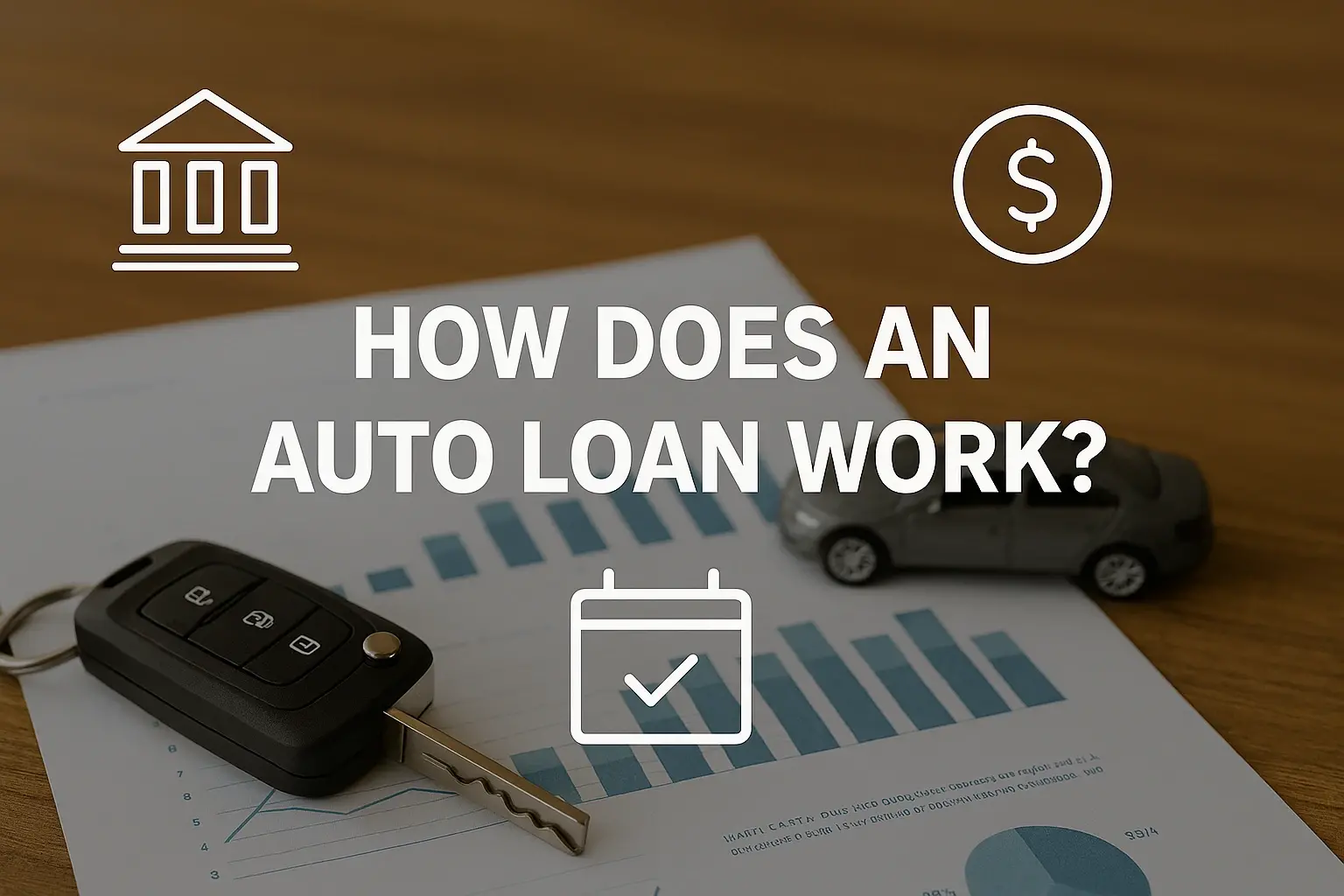
Understanding how auto loans work is crucial for navigating the car-buying process. This comprehensive guide breaks down the entire auto loan lifecycle, from application to repayment, equipping you with the knowledge to secure the best terms and manage your loan effectively. We cover everything you need to know for 2025-26.
Understanding Auto Loans: The Basics
An auto loan is a type of secured loan specifically designed to finance the purchase of a vehicle. In essence, you borrow money from a lender (like a bank, credit union, or dealership financing company) to buy a car, and you agree to repay that money over a set period, typically with interest. The vehicle itself serves as collateral, meaning the lender can repossess it if you fail to make your payments. This collateral aspect makes auto loans generally less risky for lenders compared to unsecured loans, often resulting in lower interest rates for borrowers.
For 2025-26, the auto loan market continues to be a significant part of the automotive industry. With new car prices remaining elevated and used car values stabilizing but still high, financing options are more critical than ever for consumers. Understanding the mechanics of these loans empowers you to make informed decisions, avoid costly mistakes, and drive away in your desired vehicle with confidence.
How It Works in Simple Terms
When you get an auto loan, you're essentially entering into a contract. You agree to pay back the principal amount (the cost of the car minus any down payment) plus interest over a predetermined loan term (e.g., 36, 48, 60, 72, or even 84 months). Each monthly payment you make goes towards reducing the principal balance and covering the interest accrued. The interest rate you're offered is a key component, directly impacting the total cost of the loan.
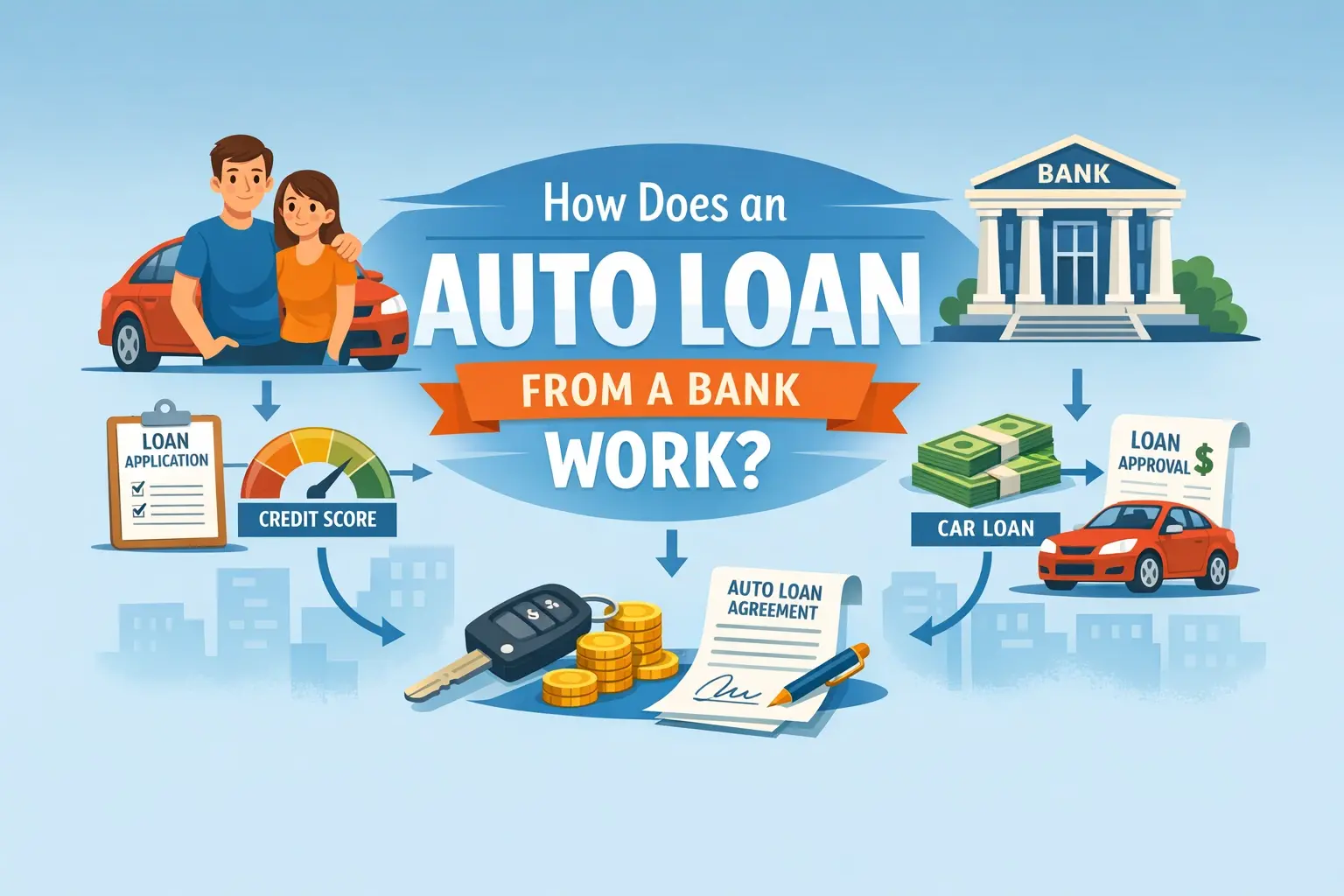
The process typically involves applying for the loan, getting approved, signing the loan agreement, and then using the funds to purchase the vehicle. Once the purchase is complete, you begin making regular payments to the lender until the loan is fully repaid. Until then, the car is legally owned by the lender, although you have possession and use of it.
Types of Auto Loans Available
Not all auto loans are created equal. Lenders offer various types to cater to different needs and circumstances. Understanding these distinctions can help you choose the most suitable option for your financial situation.
New Car Loans
These loans are specifically for purchasing a brand-new vehicle. Lenders often offer the most favorable terms, including lower interest rates and longer repayment periods, for new cars because they are considered less risky. Manufacturers sometimes offer special financing deals on new models, which can include very low or even 0% APR for qualified buyers. For 2025-26, expect continued manufacturer incentives, especially as inventory levels improve.
Used Car Loans
Financing a pre-owned vehicle is also common. Used car loans may come with slightly higher interest rates compared to new car loans, as used cars depreciate faster and are generally considered a higher risk by lenders. The age and mileage of the vehicle will significantly influence the loan terms. Lenders might also have restrictions on the maximum age or mileage of a car they will finance.
Refinancing Auto Loans
If you already have an auto loan, you might be able to refinance it. This involves taking out a new loan to pay off your existing one, ideally with better terms, such as a lower interest rate, a shorter loan term, or a lower monthly payment. Refinancing is often considered when interest rates have dropped since you took out the original loan, or if your credit score has improved significantly, allowing you to qualify for better rates. Many consumers in 2025-26 are exploring refinancing to manage rising living costs.
Lease Buyout Loans
If you're leasing a car, you typically have the option to purchase it at the end of your lease term. A lease buyout loan is a loan taken out specifically to finance this purchase. These loans are similar to used car loans, as the vehicle is no longer considered "new."
Dealership Financing vs. Independent Lenders
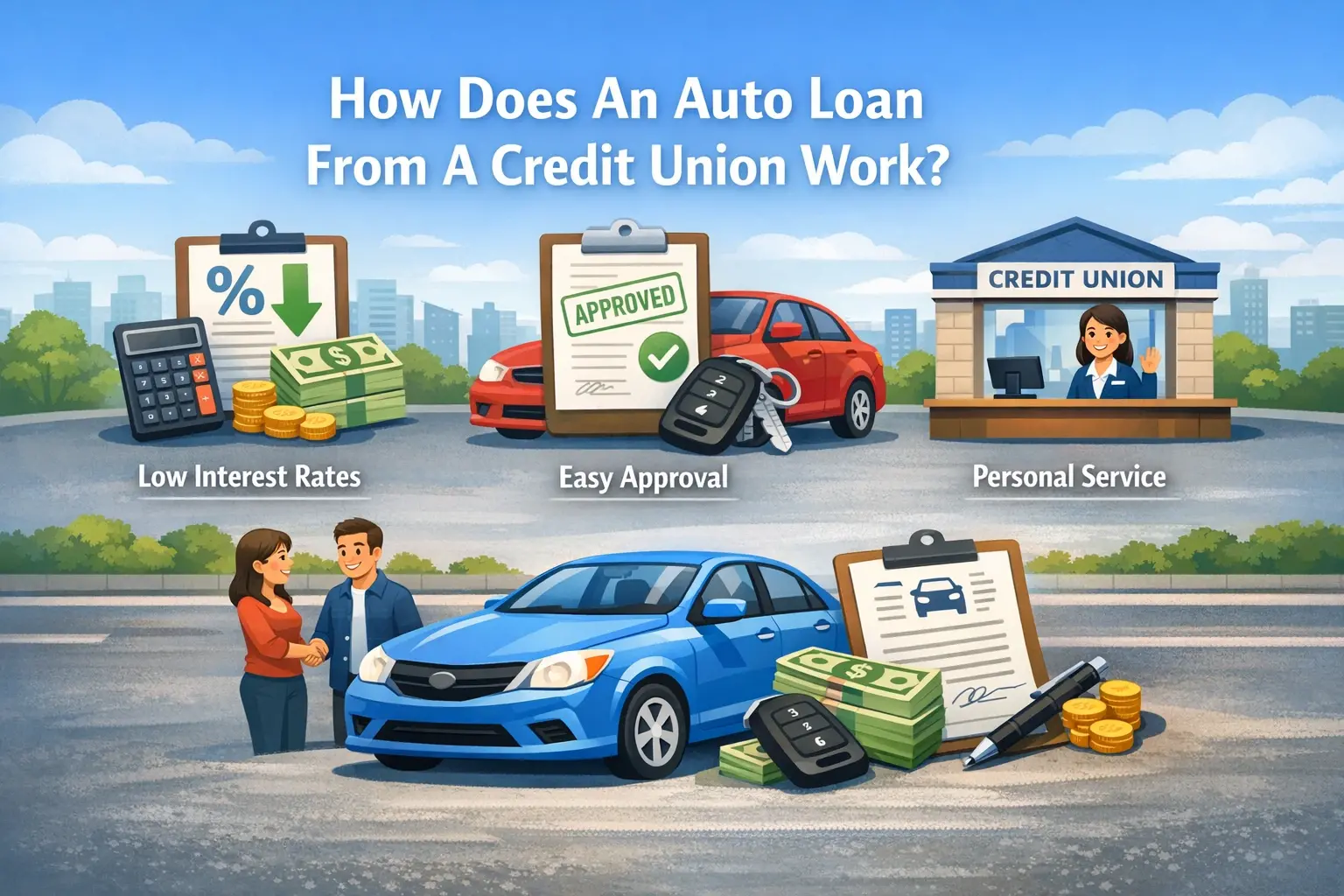
When buying a car, you often have the choice between financing through the dealership or securing a loan from an independent lender like a bank or credit union. Dealership financing can be convenient as it's handled at the point of sale. However, they may not always offer the most competitive rates. Independent lenders, especially credit unions, are often known for offering lower interest rates and more flexible terms. It's advisable to get pre-approved by an independent lender before visiting the dealership to have a benchmark for comparison.
Comparison of Financing Options:
Feature
Dealership Financing
Independent Lenders (Banks/Credit Unions)
Convenience
High - One-stop shop
Moderate - Requires a separate application
Interest Rates
Can be higher, but sometimes offers special incentives
Often competitive, potentially lower
Loan Terms
A variable can be flexible
Standardized, but can be competitive
Negotiation Power
Can be bundled with the car price
Separate from the car price negotiation
The Auto Loan Application Process: A Step-by-Step Guide
Applying for an auto loan might seem daunting, but breaking it down into steps makes it manageable. Whether you're applying at a dealership or directly with a bank, the core process is similar.
Step 1: Determine Your Budget
Before you even look at cars, figure out how much you can realistically afford. Consider not just the monthly payment but also the total cost of ownership, including insurance, fuel, maintenance, and registration. Use online auto loan calculators to estimate monthly payments based on different loan amounts, interest rates, and terms. A good rule of thumb is to aim for a monthly car payment that doesn't exceed 10-15% of your net monthly income.
Step 2: Check Your Credit Score
Your credit score is a critical factor that lenders use to assess your creditworthiness. A higher credit score generally leads to a lower interest rate. It's wise to check your credit report and score well in advance of applying for a loan. This allows you to identify any errors that could be negatively impacting your score and to understand what interest rates you might qualify for. For 2025-26, credit scores are more important than ever in securing favorable loan terms.
Credit Check Reminder: Before applying for a loan, make sure to check your credit score with Credit Repair Ease. They are a trusted credit repair company offering professional credit repair services that can help you understand and improve your credit standing. Don't let a low score prevent you from getting the best auto loan rates. Reach out to Credit Repair Ease at (888) 803-7889 to discuss your options and take the first step towards a better financial future.
Step 3: Get Pre-Approved
This is a crucial step, especially if you're financing through a dealership. By getting pre-approved by an independent lender (bank, credit union) before you shop, you'll know exactly how much you can borrow and at what interest rate. This gives you significant leverage at the dealership. You can then compare the dealership's financing offer against your pre-approval. If the dealership can beat your pre-approved rate, great; if not, you have your secured financing.
Step 4: Gather Required Documentation
Lenders will need to verify your financial information. Common documents include:
Proof of income (pay stubs, W-2 forms, tax returns)
Proof of employment (verification from your employer)
Proof of residency (utility bills, lease agreement)
Identification (driver's license, social security card)
Information about your assets and liabilities
Step 5: Complete the Loan Application
You can do this online, over the phone, or in person. Be prepared to provide accurate and complete information. You'll typically need to state the amount you wish to borrow, the purpose of the loan (new or used car), and your personal and financial details.
Step 6: Loan Underwriting and Approval
The lender will review your application, credit history, and financial documents. This process is called underwriting. They assess the risk involved in lending you money. If approved, you'll receive a loan offer detailing the amount, interest rate, term, and monthly payment.
Step 7: Review and Sign the Loan Agreement
Carefully read the entire loan contract before signing. Pay close attention to the Annual Percentage Rate (APR), loan term, total repayment amount, any fees (origination fees, late fees, prepayment penalties), and the details of the collateral (your car). Ensure you understand all terms and conditions.
Step 8: Purchase the Vehicle
Once the loan is finalized, you can proceed with purchasing your car. The lender will typically disburse the funds directly to the dealership. You'll then receive the keys and begin driving your new vehicle.
Key Factors Influencing Your Auto Loan
Several elements play a significant role in determining the terms and approval of your auto loan. Understanding these can help you prepare and potentially improve your chances of securing a favorable deal.
Credit Score
As mentioned, your credit score is paramount. For 2025-26, lenders are increasingly relying on sophisticated credit scoring models. Generally, scores above 700 are considered good, and scores above 740 are excellent, often qualifying for the best rates. Scores below 600 may result in higher interest rates or difficulty obtaining a loan. Subprime borrowers (scores below 620) might face APRs of 15% or higher.
Excellent Credit (740+): Best interest rates, widest range of loan options.
Good Credit (670-739): Still qualify for competitive rates, but potentially slightly higher than excellent.
Fair Credit (580-669): May qualify for loans, but with higher interest rates and stricter terms.
Poor Credit (Below 580): Difficult to qualify, often requires a co-signer or results in very high APRs.
Income and Employment History
Lenders want to see that you have a stable income sufficient to cover your loan payments. They'll look at your debt-to-income ratio (DTI), which compares your monthly debt payments to your gross monthly income. A lower DTI indicates you have more disposable income to handle new debt. Lenders also prefer applicants with a consistent employment history, as it suggests financial stability.
Loan Term
This is the length of time you have to repay the loan, typically ranging from 36 to 84 months. Longer loan terms result in lower monthly payments but mean you'll pay more interest over the life of the loan. Shorter terms mean higher monthly payments but less interest paid overall. For 2025-26, extended terms (72-84 months) are common for higher-priced vehicles, but they come with a significant interest cost.
Down Payment
A down payment is the amount of money you pay upfront towards the car's purchase price. A larger down payment reduces the amount you need to borrow, which can lead to a lower monthly payment and less interest paid. It also signals to the lender that you are financially committed and reduces their risk, potentially leading to better loan terms. Many lenders prefer a down payment of at least 10-20% for used cars and 5-10% for new cars.
Vehicle Age and Mileage
For used cars, the age and mileage of the vehicle are significant factors. Newer, lower-mileage vehicles are generally considered less risky and may qualify for better interest rates than older, high-mileage cars. Some lenders have specific age or mileage cutoffs for the vehicles they will finance.
Loan Amount
The total amount you borrow directly impacts your monthly payments and the total interest paid. Borrowing more means higher payments and more interest, assuming all other factors remain constant. It's essential to borrow only what you need and can comfortably afford.
Understanding Loan Terms and Costs
Beyond the principal loan amount, several other terms and costs are associated with auto loans that can significantly affect the total price you pay for your vehicle.
Interest Rate and APR
The interest rate is the percentage charged by the lender for borrowing money. The Annual Percentage Rate (APR) is a broader measure that includes the interest rate plus any fees associated with the loan, giving you a more accurate picture of the total cost of borrowing. For 2025-26, interest rates have been influenced by broader economic trends, so comparing APRs is crucial.
Loan Fees
Be aware of potential fees, which can include:
Origination Fees: A fee charged by the lender for processing the loan.
Documentation Fees: Fees for preparing loan documents, often charged by dealerships.
Late Payment Fees: Charged if you miss a payment deadline.
Prepayment Penalties: Fees charged if you pay off the loan early. (These are less common now but still exist.
Total Cost of Loan
This is the sum of all your monthly payments over the loan term, plus any fees. It represents the total amount of money you will have paid to the lender by the time the loan is fully repaid. A longer loan term or a higher interest rate will significantly increase the total cost of the loan.
Example:
Let's compare two loan scenarios for a $30,000 car loan:
Scenario A: 5% APR for 60 months. Monthly payment: ~$566. Total paid: ~$33,982.
Scenario B: 7% APR for 72 months. Monthly payment: ~$495. Total paid: ~$35,640.
While Scenario B has a lower monthly payment, you end up paying over $1,600 more in total due to the longer term and higher APR. This highlights the importance of considering the total cost, not just the monthly payment.
Loan Amortization
An amortization schedule shows how each of your loan payments is allocated between principal and interest over the life of the loan. In the early stages of a loan, a larger portion of your payment goes towards interest. As you pay down the principal, more of your payment goes towards reducing the principal balance.
Making Your Auto Loan Payments
Once you've secured your auto loan and purchased your vehicle, consistent and timely payments are essential. This not only fulfills your contractual obligation but also positively impacts your credit score.
Payment Methods
Lenders offer various ways to make payments:
Online Bill Pay: Most lenders have online portals where you can set up one-time or recurring payments.
Automatic Payments (Autopay): Setting up automatic deductions from your bank account is convenient and helps avoid missed payments. Many lenders offer a small interest rate discount for enrolling in autopay.
Mail: You can mail a check or money order, though this is the slowest method and carries a risk of mail delays.
Phone: Some lenders allow payments over the phone, though this may incur a fee.
In Person: If you finance through a dealership, you might be able to pay in person at a branch.
Understanding Your Statement
Each month, you'll receive a loan statement detailing your payment amount, the due date, how much is applied to principal and interest, and your remaining balance. Reviewing this statement helps you track your progress and ensure accuracy.
What to Do If You Miss a Payment
If you anticipate missing a payment or have already missed one, contact your lender immediately. They may be willing to work with you to set up a payment plan, defer a payment, or waive a late fee. Ignoring the issue will lead to late fees, negative impacts on your credit score, and potentially the repossession of the vehicle.
Early Repayment Options
Paying off your auto loan early can save you a significant amount of money on interest. If you have extra funds, consider making larger payments or additional principal-only payments. Before doing so, check your loan agreement for any prepayment penalties. For 2025-26, with interest rates potentially higher than in previous years, early repayment can be a smart financial move.
What Happens After You Pay Off Your Loan?
Congratulations! Once you've made your final payment, you've successfully paid off your auto loan. Here's what you can expect:
Receiving the Title
The lender will release their lien on the vehicle and send you the car's title. This process can take a few weeks, depending on your state's regulations and the lender's procedures. The title is proof of your ownership. If your loan was through a dealership's financing arm, they might handle this directly. If it were a third-party lender, they would coordinate with the DMV or equivalent agency.
Updating Insurance
You are no longer required to carry full-coverage insurance (which typically includes comprehensive and collision) once the loan is paid off, as the lender no longer has a financial interest in the vehicle. However, it's generally recommended to maintain at least liability coverage for your protection. You can inform your insurance company that the lien has been released.
Impact on Credit Score
Paying off an auto loan demonstrates responsible credit management and will positively impact your credit score. It shows you can successfully manage and repay debt. For 2025-26, a history of timely auto loan payments is a valuable asset for your credit profile.
Tips for Securing a Better Auto Loan
Getting the best possible terms on your auto loan can save you thousands of dollars over the life of the loan. Here are some actionable tips:
Shop Around Aggressively
Don't settle for the first offer you receive. Compare rates and terms from multiple lenders, including banks, credit unions, and online lenders. Pre-approval from several sources will give you the best negotiating position.
Improve Your Credit Score
As emphasized, a higher credit score is your best tool for securing a low interest rate. Focus on paying bills on time, reducing outstanding debt, and avoiding opening too many new credit accounts at once.
Negotiate the Car Price Separately
Always negotiate the price of the car before discussing financing. This ensures you're getting the best deal on the vehicle itself, and then you can focus on securing the best loan terms.
Consider a Larger Down Payment
If possible, save up for a larger down payment. This reduces the loan amount, lowers your monthly payments, and can lead to a better interest rate.
Avoid Unnecessary Add-ons
Dealerships often try to sell add-ons like extended warranties, GAP insurance (if you have a substantial down payment), or paint protection. While some might be beneficial, many are overpriced and can significantly inflate your loan amount and monthly payment. Carefully evaluate if you truly need them.
Understand Loan Terms and Avoid Long Terms if Possible
While longer terms mean lower monthly payments, they significantly increase the total interest paid. If your budget allows, opt for a shorter loan term (e.g., 60 months instead of 72 or 84) to save money in the long run.
Read Everything Carefully
Before signing any loan documents, take the time to read and understand every clause. Don't be afraid to ask questions. Ensure you are comfortable with all the terms, fees, and conditions.
Conclusion
Navigating the world of auto loans is a fundamental step in vehicle ownership for 2025-26. By understanding the basics, exploring the different types of loans, and meticulously following the application process, you can position yourself for success. Key factors like your credit score, income, and the loan term significantly influence the terms you'll receive, so preparation is paramount. Always remember to shop around, get pre-approved, and carefully review all loan documents to ensure you're securing the most favorable deal possible.
Making informed decisions about your auto loan will not only help you drive away in your desired vehicle but also save you a substantial amount of money over the life of the loan. Prioritize understanding the total cost, the APR, and any associated fees. Responsible borrowing and timely payments are the cornerstones of a healthy financial relationship with your lender and will contribute positively to your overall credit health. With this knowledge, you are well-equipped to handle your next auto loan with confidence and clarity.
null
How Does Auto Loan Work

Krystin Bresolin