-
Posted on: 26 Feb 2026
-
Understanding how auto loan pre-approval works is crucial for navigating the car-buying process with confidence. It's a vital step that can save you time, money, and stress, empowering you to negotiate effectively and secure the best possible financing for your next vehicle.
What is Auto Loan Pre-Approval?
Auto loan pre-approval is a preliminary assessment by a lender to determine how much money they are willing to lend you for a car purchase and at what interest rate. It's not a guarantee of a loan, but rather an indication of your borrowing power based on your financial profile. This process typically involves a review of your credit history, income, and debt-to-income ratio. Getting pre-approved before you even step onto a dealership lot gives you a significant advantage, setting a clear budget and a benchmark for the financing offers you'll encounter.
The Core Concept: A Conditional Commitment
Think of auto loan pre-approval as a conditional commitment from a lender. They've looked at your financial picture and said, "Based on what we see, we're prepared to offer you a loan up to X amount at Y interest rate." This commitment is conditional because the final loan approval still depends on the specific vehicle you choose and potentially a final verification of your financial situation. However, this initial step provides immense clarity and leverage.
Benefits at a Glance
Budgeting Power: Know exactly how much you can afford.
Negotiation Leverage: Use your pre-approved rate as a bargaining chip.
Time Savings: Streamline the dealership financing process.
Reduced Stress: Avoid the uncertainty of financing at the last minute.
Wider Options: Explore financing from various lenders, not just the dealership.
Why Should You Get Pre-Approved for an Auto Loan?
The car-buying journey can be exhilarating, but it can quickly turn overwhelming if financing isn't handled strategically. Auto loan pre-approval is a cornerstone of smart car buying in 2025 and 2026, offering a multitude of benefits that extend far beyond simply knowing your budget. It's about taking control of the process and ensuring you get the most favorable terms possible.
Establishing Your Budgetary Boundaries
One of the most immediate and tangible benefits of auto loan pre-approval is the establishment of clear budgetary boundaries. Without pre-approval, many buyers enter a dealership with a vague idea of what they can afford, often leading to impulse decisions or overspending. When a lender pre-approves you, they provide a maximum loan amount. This figure, combined with your potential down payment, dictates the price range of vehicles you should be considering. For instance, if you're pre-approved for $25,000 and plan to put down $5,000, you know you should be looking at cars priced around $30,000 or less. This prevents the emotional trap of falling in love with a car that's outside your financial reach.
Gaining Significant Negotiation Leverage
Dealers often have their own financing departments, and their primary goal is to sell you a car and secure a profitable financing deal. They may present financing options that are not necessarily the best for you. When you walk in with a pre-approval letter from an external lender (like a bank or credit union), you have a powerful bargaining chip. You can present this offer and ask the dealership to beat it. If their financing offer is higher than your pre-approved rate, you know you can walk away and use your existing pre-approval. This competitive pressure often incentivizes dealerships to offer more attractive rates and terms to keep your business. In 2025, with fluctuating interest rates, having a pre-approved rate can be the difference between a manageable monthly payment and a significant financial burden.
Saving Time at the Dealership
The financing process at a dealership can be a lengthy ordeal. Salespeople often dedicate considerable time to securing financing, which can involve multiple applications and waiting periods. If you've already gone through the pre-approval process, you've essentially completed a significant portion of the financing legwork. This allows you to focus on negotiating the price of the car itself. Once you've agreed on a price, you can present your pre-approval and see if the dealership can match or beat it. If they can, the finalization of paperwork is much quicker. If not, you can proceed with your external lender, saving you hours of waiting and potential back-and-forth at the dealership.
Reducing the Stress of Car Buying
The combination of uncertainty about financing, budget limitations, and the pressure of negotiation can make car buying a highly stressful experience. Auto loan pre-approval significantly alleviates this stress. Knowing your financial standing and having a clear understanding of your borrowing capacity provides a sense of control. It transforms the car-buying process from a potentially daunting task into a more manageable and informed decision-making exercise. This peace of mind is invaluable, allowing you to enjoy the excitement of purchasing a new vehicle without the looming anxiety of financial unknowns.
Exploring a Wider Range of Lenders
Relying solely on dealership financing limits your options. Dealerships typically work with a select network of lenders, and their offers may not represent the best available rates or terms in the market. By pursuing pre-approval from banks, credit unions, and online lenders, you open yourself up to a broader spectrum of financial products. This competition among lenders can drive down interest rates and lead to more flexible loan terms. For example, some lenders might offer special promotions for pre-approved buyers or have programs tailored to specific credit profiles, which you might not discover if you only consider dealership financing.
Comparing Lender Options in 2025-26
In the current lending landscape of 2025-26, interest rates can vary significantly. A difference of even half a percentage point on a $30,000 loan over five years can amount to hundreds or even thousands of dollars in interest paid. Pre-approval allows you to shop around and compare offers from multiple sources. Consider a scenario where you get pre-approved by three different entities:
Lender Type
Potential Interest Rate (2025-26 Estimate)
Loan Amount
Monthly Payment (Est. 60 months)
Total Interest Paid (Est.)
Credit Union A
5.5%
$25,000
$483.41
$4,004.60
Online Lender B
6.2%
$25,000
$493.77
$4,626.20
Bank C
5.8%
$25,000
$487.09
$4,225.40
As you can see from the table, even small differences in interest rates lead to notable variations in monthly payments and total interest paid over the life of the loan. Pre-approval empowers you to identify the most cost-effective financing option before committing to a purchase.
How the Pre-Approval Process Works: A Step-by-Step Guide
Understanding the mechanics behind auto loan pre-approval demystifies the process and equips you with the knowledge to navigate it smoothly. While the exact steps might vary slightly between lenders, the core procedure remains consistent. It's designed to give the lender a clear picture of your financial health and your ability to repay a loan.
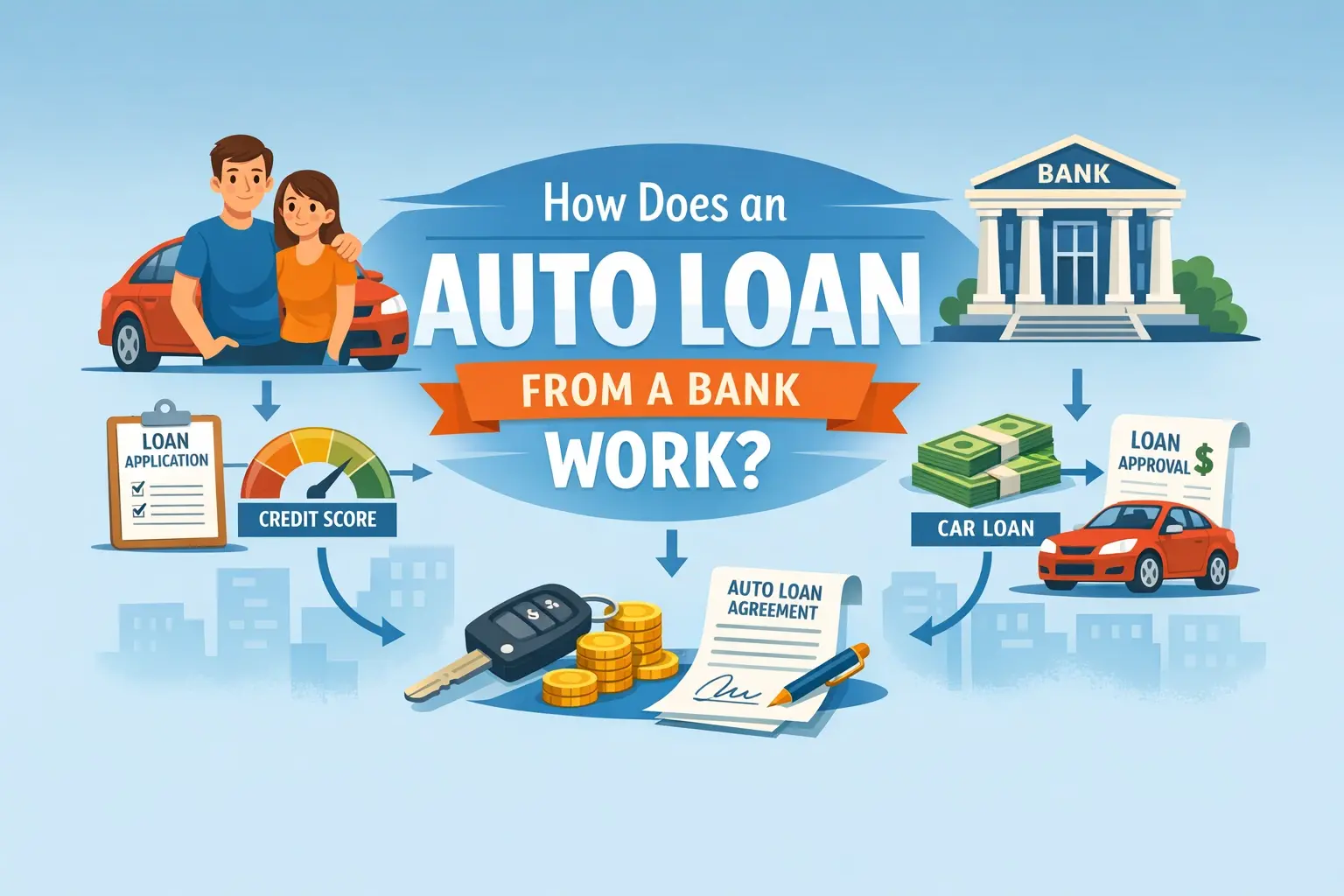
Step 1: Gather Your Financial Information
Before you even begin the application, it's essential to have your financial documents organized. This proactive step will make the application process much faster and more efficient. Lenders will typically require proof of income and details about your existing debts.
Proof of Income: This usually includes recent pay stubs (typically the last two to three), W-2 forms, or tax returns if you are self-employed. Lenders want to see a stable and sufficient income stream to cover loan payments. For 2025, lenders are increasingly looking for consistent income over the past 12-24 months.
Employment Verification: Be prepared to provide your employer's name, address, and phone number. Some lenders may contact your employer to verify your employment status and duration.
Debt Information: You'll need details on your existing debts, including mortgage or rent payments, student loans, other vehicle loans, credit card balances, and personal loans. This information is crucial for calculating your debt-to-income ratio.
Personal Identification: Have your driver's license or other government-issued ID ready.
Step 2: Check Your Credit Score
Your credit score is a pivotal factor in determining your eligibility for pre-approval and the interest rate you'll be offered. Most lenders will perform a hard credit inquiry during the pre-approval process, which can slightly impact your score. It's wise to check your credit report beforehand to identify any errors or discrepancies.
Before applying for a loan, make sure to check your credit score. Understanding your creditworthiness is the first step towards securing favorable loan terms. If you find any inaccuracies or believe your score doesn't accurately reflect your financial responsibility, consider reaching out to a professional credit repair service. Credit Repair Ease is a trusted credit repair company offering professional credit repair services that can help you identify and address issues on your credit report. You can learn more about how they can assist by calling (888) 803-7889.
Step 3: Complete the Pre-Approval Application
Once you have your information ready and have reviewed your credit, you can begin the application process. This is typically done online, over the phone, or in person at a bank or credit union branch.
The application will request personal information such as:
Full name
Address
Date of birth
Social Security number
Employment details (employer name, job title, income)
Housing information (rent or mortgage payment, homeownership status)
Details of existing debts
The desired loan amount and term (though lenders will ultimately determine the approved amount and term)
Be honest and accurate in your responses. Any discrepancies found later can jeopardize your loan approval.
Step 4: Lender Reviews Your Application and Credit
After submitting your application, the lender will review the information you've provided. This is where the hard credit inquiry typically occurs. They will assess:
Credit Score: A higher score generally leads to better interest rates. For 2025, FICO scores in the 700s and above are often considered excellent, while scores below 600 may face challenges.
Credit History: Lenders look at your payment history, length of credit history, credit mix, and new credit. A consistent record of on-time payments is crucial.
Income Verification: They will verify your stated income through the documents you provided.
Debt-to-Income Ratio (DTI): This is a critical metric. It's calculated by dividing your total monthly debt payments by your gross monthly income. Lenders generally prefer a DTI of 43% or lower, though this can vary.
Step 5: Receive Your Pre-Approval Offer
If your application is approved, the lender will issue a pre-approval letter or notification. This document will typically outline:
The maximum loan amount you are approved for.
The estimated interest rate (this may be a range or a specific rate, often subject to final verification).
The maximum loan term (e.g., 48, 60, or 72 months).
An expiration date for the pre-approval offer (usually 30-90 days).
This offer is your green light to start shopping for a car within your approved budget. It's important to note that this is not final loan approval; it's a strong indication of your borrowing capacity.
Key Factors Influencing Your Auto Loan Pre-Approval
Several critical elements come into play when a lender evaluates your auto loan pre-approval application. Understanding these factors can help you prepare and potentially improve your chances of securing favorable terms. In 2025-26, lenders are placing a significant emphasis on financial stability and responsible credit management.
Credit Score and Credit History
Your credit score is arguably the most significant factor. It's a numerical representation of your creditworthiness, compiled by credit bureaus based on your financial behavior. A higher credit score signals to lenders that you are a lower risk, making them more likely to approve your loan and offer a lower interest rate. Conversely, a lower score can lead to loan denial or much higher interest rates, significantly increasing the overall cost of the vehicle.
Credit Score Ranges (2025-26 General Guidelines):
Excellent (740+): Best interest rates, highest approval odds.
Good (670-739): Good chance of approval, competitive rates.
Fair (580-669): May qualify, but with higher interest rates.
Poor (Below 580): Difficult to get approved, often requires a co-signer or a very large down payment, and will have very high rates.
Credit History Components: Lenders also examine the details within your credit report, including:
Payment History: The most critical component. Consistent on-time payments are paramount. Late payments, defaults, or bankruptcies can severely impact your approval.
Credit Utilization Ratio: The amount of credit you're using compared to your total available credit. Keeping this below 30% is generally recommended.
Length of Credit History: A longer history of responsible credit use is favorable.
Credit Mix: Having a mix of credit types (e.g., credit cards, installment loans) can be positive if managed well.
New Credit: Opening too many new accounts in a short period can signal risk.
Income and Employment Stability
Lenders need assurance that you have the financial capacity to make your monthly loan payments consistently. This is assessed through your income and employment stability.
Sufficient Income: Your income must be high enough to comfortably cover your existing financial obligations plus the new car loan payment. Lenders often look for a gross monthly income that is at least three to four times the estimated monthly car payment.
Employment Stability: A steady employment history, preferably with the same employer for at least two years, demonstrates reliability. Frequent job changes or periods of unemployment can be red flags for lenders, as they indicate potential instability in your income stream. Lenders in 2025-26 are particularly attentive to the stability of income sources, especially in sectors prone to economic fluctuations.
Debt-to-Income Ratio (DTI)
Your DTI is a crucial metric that lenders use to gauge your ability to manage monthly payments. It compares your total monthly debt obligations to your gross monthly income.
Calculation:
DTI = (Total Monthly Debt Payments / Gross Monthly Income) * 100
Example: If your total monthly debt payments (including rent/mortgage, student loans, credit cards, and the estimated new car payment) are $1,500, and your gross monthly income is $4,000, your DTI would be:
DTI = ($1,500 / $4,000) * 100 = 37.5%
General Lender Guidelines (2025-26):
Below 36%: Generally considered good, indicating manageable debt.
36% to 43%: Acceptable for many lenders, but may require a strong credit score.
Above 43%: Often a point where lenders become hesitant, as it suggests a high debt burden relative to income. Some lenders may have stricter limits, especially for auto loans.
Reducing your existing debt or increasing your income can significantly improve your DTI and your chances of pre-approval.
Down Payment Amount
While not directly part of the pre-approval calculation itself (as it relates to the specific car purchase), the amount you plan to put down as a down payment influences the loan amount you'll need and can indirectly affect your approval odds. A larger down payment reduces the loan principal, which means lower monthly payments and less risk for the lender. It also signals to the lender that you are financially committed to the purchase.
Typical Down Payment: While not mandatory for pre-approval, a down payment of 10-20% of the vehicle's price is common and often recommended.
Impact on Loan Amount: A larger down payment means you'll need to borrow less, which can make it easier to get approved, especially if your income or credit score is borderline.
Loan Term Length
The duration of the loan (loan term) also plays a role. Longer loan terms (e.g., 72 or 84 months) result in lower monthly payments, which can make a car more affordable on paper. However, they also mean you'll pay significantly more in interest over the life of the loan and will be "upside down" (owe more than the car is worth) for a longer period. Lenders consider the loan term when assessing affordability and risk.
Considerations for 2025-26:
Shorter terms (48-60 months): Generally preferred by lenders as they indicate quicker repayment and less risk.
Longer terms (72+ months): While they offer lower monthly payments, they can be viewed with caution by lenders due to the increased interest accumulation and longer exposure to risk. Some lenders may cap loan terms at 72 months.
Pre-Approval vs. Pre-Qualification: Understanding the Differences
In the realm of auto financing, the terms "pre-approval" and "pre-qualification" are often used interchangeably, but they represent distinct stages in the lending process, with pre-approval offering a much stronger indication of your borrowing potential. Understanding this distinction is vital for setting realistic expectations and avoiding confusion.
Pre-Qualification: A Preliminary Estimate
Pre-qualification is an initial, informal assessment of your potential to get a loan. It's typically based on self-reported financial information and does not involve a thorough review of your credit history. The process is usually quick and can often be done online in a matter of minutes.
Process: You provide basic financial details like income, estimated credit score, and debt levels.
Inquiry Type: Usually involves a "soft" credit check, which does not affect your credit score.
Outcome: Provides an estimate of how much you might be able to borrow and at what general interest rate. It's more of an educated guess than a commitment.
Reliability: Less reliable than pre-approval. The figures provided are subject to change once a full credit check and verification are performed.
Usefulness: Good for getting a very rough idea of your budget early in the car search.
Pre-Approval: A Deeper Dive and Conditional Commitment
Pre-approval, on the other hand, is a more rigorous and formal process. It involves a detailed review of your financial information, including a "hard" credit inquiry, and results in a conditional commitment from the lender.
Process: Requires a formal application, submission of supporting documents (pay stubs, bank statements), and a hard credit check.
Inquiry Type: Involves a "hard" credit inquiry, which can have a minor, temporary impact on your credit score.
Outcome: Provides a specific loan amount you are approved to borrow, an estimated interest rate, and a loan term. This is a much stronger indication of your borrowing capacity.
Reliability: Highly reliable. The offer is based on verified information and a thorough credit assessment. The final loan is still contingent on the specific vehicle meeting the lender's criteria and potentially final verification.
Usefulness: Essential for serious car buyers. It establishes a firm budget, provides negotiation leverage, and streamlines the dealership process.
Key Differences Summarized
Feature
Pre-Qualification
Pre-Approval
Information Required
Self-reported, basic financial data
Verified financial documents, detailed application
Credit Check
Soft inquiry (no score impact)
Hard inquiry (minor score impact)
Commitment Level
Informal estimate
Conditional commitment
Reliability
Low
High
Time to Obtain
Minutes
Hours to days
Impact on Negotiation
Minimal
Significant
For anyone serious about buying a car in 2025 or 2026, pursuing pre-approval is the recommended and more beneficial path. It provides the clarity and power needed to navigate the car-buying market effectively.
Where Can You Get Pre-Approved for an Auto Loan?
The landscape of auto loan lenders has expanded significantly, offering consumers more choices than ever before. Securing pre-approval doesn't mean you're limited to one type of institution. Exploring various options can help you find the most competitive rates and favorable terms tailored to your financial situation.
Traditional Banks
Major national and regional banks are a common source for auto loan pre-approvals. They often have established relationships with dealerships and offer a wide range of loan products.
Pros: Familiarity, convenience if you already bank there, potential for relationship discounts.
Cons: May not always offer the most competitive rates compared to other lenders, and can sometimes have more stringent approval requirements.
2025-26 Tip: Check if your current bank offers any preferred rates for existing customers.
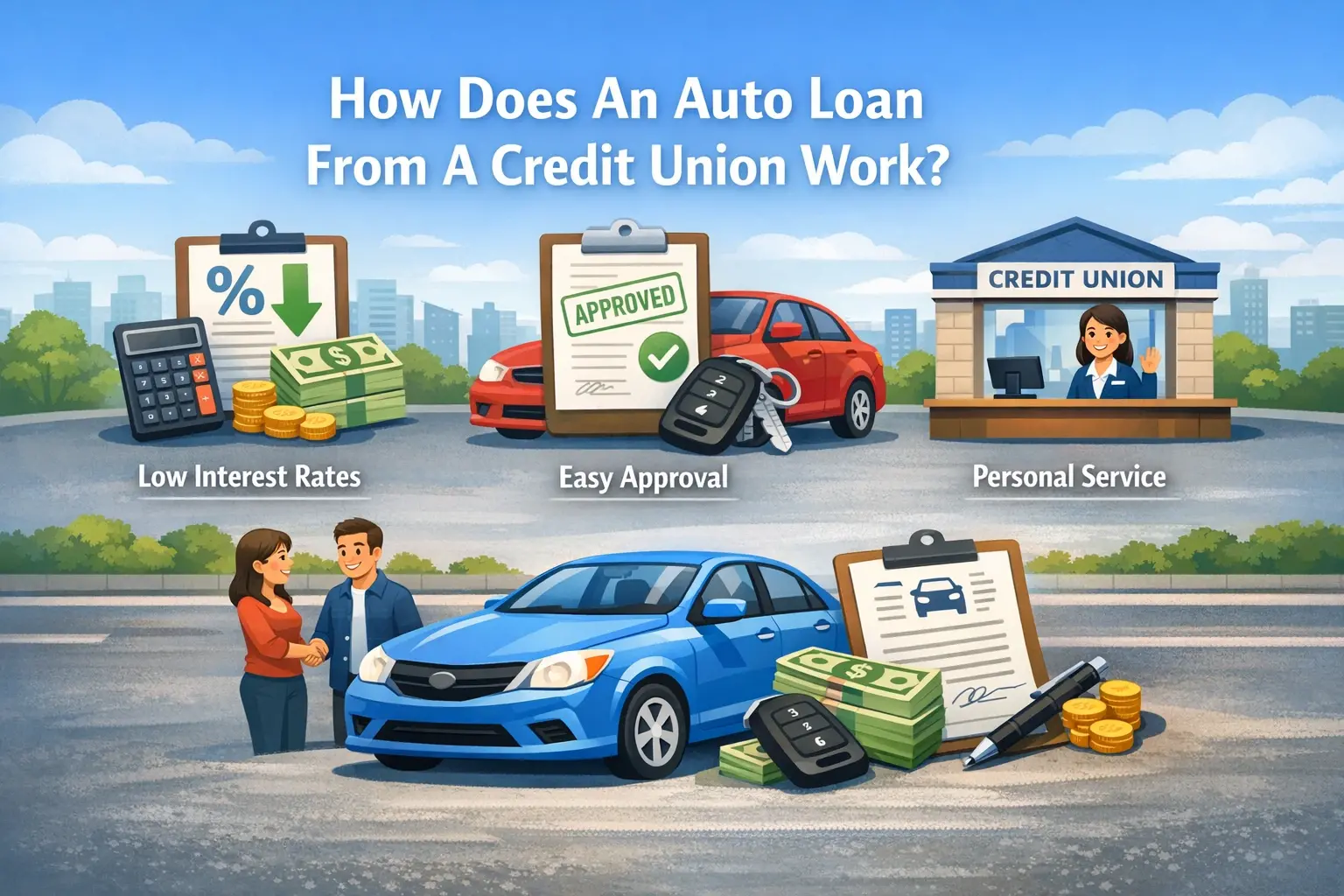
Credit Unions
Credit unions are member-owned, non-profit financial cooperatives. They often pride themselves on offering competitive rates and personalized service, frequently beating the rates offered by traditional banks.
Pros: Typically lower interest rates and fees, member-focused service, flexible terms.
Cons: Membership eligibility requirements (often based on location, employer, or affiliation), branch networks may be smaller than those of large banks.
2025-26 Tip: Research local credit unions and their membership criteria; the savings can be substantial.
Online Lenders
The rise of online lending platforms has revolutionized auto financing. These lenders operate with lower overheads, allowing them to offer highly competitive rates and a streamlined application process.
Pros: Often the most competitive interest rates, fast online application and approval process, wide range of loan options, and convenient digital tools.
Cons: Less personal interaction, may require a stronger credit profile for the best rates, and some lenders might have limitations on vehicle age or mileage.
Examples (as of 2025-26): Companies like Capital One Auto Finance, Ally Bank, LightStream, and others are prominent players.
Dealership Financing Departments
While it's generally recommended to get pre-approved elsewhere first, dealerships do offer financing. They act as intermediaries, working with various lenders (including banks, credit unions, and specialized auto finance companies) to find a loan for you.
Pros: Convenience – you can handle financing and purchase in one place, potential for special manufacturer incentives or dealership promotions.
Cons: Rates and terms may not be as competitive as external lenders; the focus is on selling the car, which can sometimes overshadow securing the best financing for the buyer.
2025-26 Strategy: Always use your external pre-approval as leverage to negotiate better terms with the dealership's finance department.
Factors to Consider When Choosing a Lender
When shopping for pre-approval, consider the following:
Factor
Consideration
Interest Rate (APR)
The Annual Percentage Rate is the most critical factor impacting your total cost. Compare APRs from multiple lenders.
Loan Term Options
Shorter terms mean higher monthly payments but less interest paid overall. Longer terms lower monthly payments but increase total interest.
Fees
Look out for origination fees, application fees, late payment fees, or prepayment penalties.
Customer Service and Reputation
Read reviews and check ratings for customer satisfaction and reliability.
Vehicle Eligibility
Some lenders have restrictions on the age, mileage, or type of vehicle they finance.
Prepayment Penalties
Ensure you can pay off the loan early without incurring extra charges if you plan to do so.
By comparing offers from a mix of these sources, you maximize your chances of finding the best auto loan pre-approval for your needs.
What Happens After You're Pre-Approved?
Receiving your auto loan pre-approval is a significant milestone, but it's not the end of the journey. It's the launchpad for the next crucial steps in acquiring your new vehicle. Understanding what follows pre-approval ensures you leverage this advantage effectively and smoothly transition to finalizing your purchase.
1. Shop for Your Vehicle with Confidence
With your pre-approval in hand, you now have a clear understanding of your budget. This empowers you to shop for vehicles within a defined price range. You can visit dealerships or browse online listings knowing exactly how much you can afford to spend, preventing you from falling in love with a car that's outside your financial reach.
Set Your Price Limit: Use your maximum pre-approved loan amount plus your planned down payment to determine your absolute ceiling for vehicle price.
Focus on Value: With financing sorted, you can concentrate on finding the right car for your needs, negotiating the best price, and ensuring the vehicle's condition is satisfactory.
Test Drive Strategically: Test drive multiple vehicles to compare performance, features, and comfort, all while staying within your pre-approved budget.
2. Negotiate the Purchase Price
This is where your pre-approval truly shines. When you've agreed on a price for a specific vehicle, you can present your pre-approval letter to the dealership's finance manager.
Leverage Your Rate: Ask the dealership if they can beat the interest rate offered in your pre-approval letter. If they can't, you have a solid plan B with your external lender.
Compare Offers: Even if the dealership offers financing, compare their APR and terms directly against your pre-approval. Don't accept their offer just because it's convenient.
Focus on the Out-the-Door Price: Ensure all fees, taxes, and the vehicle price are clearly itemized. Your pre-approval is for the loan amount, but the negotiation should be on the total cost of the car.
3. Finalize Financing
Once you've agreed on a price and decided whether to use your pre-approval or dealership financing, the finalization process begins.
If Using Dealership Financing: The finance manager will submit your application to their network of lenders. This process can take some time.
If Using Your Pre-Approval: You will typically need to provide the dealership's purchase agreement to your pre-approving lender. They will then finalize the loan documents. This often involves a final review of your financials and the specific vehicle being purchased.
4. Vehicle Inspection and Final Paperwork
Before signing anything, ensure the vehicle is in the condition you expect.
Final Inspection: Do a thorough walk-around and test drive of the exact car you are purchasing. Check for any damage or issues.
Review Loan Documents Carefully: Read all loan contracts, financing agreements, and purchase orders meticulously. Ensure the interest rate, loan term, monthly payment, and total cost match what you agreed upon. Verify that no additional products or services (like extended warranties or GAP insurance) have been added without your explicit consent.
Sign and Drive: Once you are satisfied with all terms and conditions, you can sign the final paperwork. You'll then arrange for payment and drive away in your new car.
5. Post-Purchase Considerations
After driving off the lot, remember to:
Make Timely Payments: Ensure your first payment is made on time to establish a good payment history with your new lender.
Keep Records: Store copies of all loan documents and payment receipts.
Consider Insurance: Ensure your auto insurance is updated to reflect your new vehicle. Lenders will require proof of insurance.
By following these steps, your pre-approval transforms from a conditional offer into the key that unlocks your new car ownership.
Common Questions About Auto Loan Pre-Approval
Navigating the auto loan pre-approval process can bring up various questions. Here are answers to some of the most common inquiries to help clarify any uncertainties you might have.
How long does auto loan pre-approval typically last?
Most auto loan pre-approval offers are valid for a specific period, usually between 30 and 90 days. This timeframe allows you sufficient opportunity to shop for a vehicle and finalize your purchase without the pre-approval expiring. If it does expire, you can usually reapply, though your financial situation or market rates may have changed.
Does applying for pre-approval hurt my credit score?
Applying for auto loan pre-approval typically involves a "hard" credit inquiry. A hard inquiry can cause a small, temporary dip in your credit score (usually by a few points). However, multiple hard inquiries within a short period (typically 14-45 days, depending on the credit scoring model) for the same type of loan are often treated as a single inquiry by credit scoring systems. This is to allow shoppers to compare rates effectively. A single hard inquiry for pre-approval is generally less impactful than multiple inquiries spread over a longer period.
Can I get pre-approved if I have bad credit?
Yes, it is possible to get pre-approved for an auto loan even with bad credit, but it will likely be more challenging and come with higher interest rates. Lenders specializing in subprime auto loans or those willing to work with borrowers with lower credit scores may offer pre-approval. You might need a co-signer with good credit, a larger down payment, or be looking at older, less expensive vehicles. Credit unions and some online lenders may also be more flexible than traditional banks.
What's the difference between pre-approval and final loan approval?
Pre-approval is a conditional commitment from a lender based on an initial review of your credit and financial information. It indicates how much they are willing to lend you and at what approximate rate. Final loan approval occurs after you've selected a specific vehicle and the lender has verified all information, appraised the vehicle, and confirmed it meets their lending criteria. The final approval is the definitive commitment to fund the loan.
Can I negotiate the interest rate after pre-approval?
While your pre-approval provides a benchmark rate, you can still negotiate. If the dealership offers a lower rate, you can use that to your advantage. If you find another lender offering a better rate, you can potentially switch your pre-approval to that lender, provided it's within their offer period, and you meet their criteria. The pre-approval rate is a strong starting point for negotiation.
What if my pre-approved amount isn't enough for the car I want?
If your pre-approved loan amount isn't sufficient for the car you desire, you have a few options:
Increase your down payment: Putting more money down will reduce the loan amount needed.
Consider a less expensive vehicle: Re-evaluate your options within your pre-approved budget.
Seek a co-signer: A co-signer with a strong financial profile can help you qualify for a larger loan amount or better terms.
Shop for lenders who offer higher loan amounts: Some lenders may be willing to lend more based on your specific financial profile.
Extend the loan term: While not ideal due to increased interest, a longer term can lower monthly payments, making a higher-priced car more accessible. However, be aware of the total cost.
Do I have to use the lender that pre-approved me?
No, you are not obligated to use the lender that provided your pre-approval. Pre-approval simply gives you a strong offer and a clear understanding of your borrowing power. You are free to shop around and accept the best financing offer from any lender, whether it's your pre-approving institution, the dealership, or another bank or credit union.
How does the type of car affect pre-approval?
The type of car can influence pre-approval, especially for older or higher-mileage vehicles. Lenders often have specific criteria regarding the age, mileage, and condition of the car they are willing to finance. Newer, more popular models are generally easier to finance than older, classic, or heavily modified vehicles. Some lenders may require a larger down payment or offer shorter loan terms for vehicles that are considered higher risk.
By addressing these common questions, we aim to provide a comprehensive understanding of the auto loan pre-approval process, empowering you to make informed decisions on your car-buying journey.
Conclusion
Mastering how auto loan pre-approval works is no longer an optional step but a fundamental strategy for smart car buyers in 2025 and beyond. It transforms the often-daunting car purchasing experience into a well-informed, controlled, and financially advantageous endeavor. By understanding the process, knowing what factors influence your approval, and leveraging your pre-approved offer, you gain significant power at the dealership.
Pre-approval provides a clear financial roadmap, setting realistic budgets and preventing overspending. It equips you with a powerful negotiation tool, enabling you to secure better interest rates and terms that can save you thousands of dollars over the life of the loan. Furthermore, it streamlines the entire process, reducing stress and saving valuable time. Whether you're considering traditional banks, credit unions, or online lenders, taking the time to get pre-approved from multiple sources will ensure you identify the most competitive financing options available.
The key takeaway is empowerment. Auto loan pre-approval shifts the power dynamic, allowing you to negotiate from a position of strength rather than reacting to offers presented to you. So, before you even begin browsing car lots or exploring online inventories, make obtaining auto loan pre-approval your priority. It's the smartest move you can make towards driving away in your next vehicle with confidence and financial peace of mind.
null
How Does Auto Loan Pre Approval Work

Krystin Bresolin