-
Posted on: 20 Mar 2026
-
Navigating the auto loan landscape can feel complex, but understanding how credit union auto loans work offers a distinct advantage. Credit unions often provide more member-centric terms, competitive rates, and a personalized approach to financing your next vehicle, making them a compelling choice for many car buyers.
Understanding Credit Unions: More Than Just Banks
Before diving into the specifics of how an auto loan from a credit union works, it's essential to grasp what credit unions are and how they differ from traditional banks. Credit unions are not-for-profit financial cooperatives, owned and controlled by their members. This fundamental difference shapes their operational philosophy and the benefits they offer. Unlike banks, which are for-profit entities driven by shareholder returns, credit unions prioritize serving their members' financial well-being. This often translates into more favorable loan terms, lower fees, and a more personalized banking experience.
Membership in a credit union is typically based on a "field of membership," which can be tied to an employer, a geographic location, a religious affiliation, or membership in a specific organization. However, many credit unions have expanded their fields of membership, making it easier for a wider range of individuals to join. Once you become a member, you gain access to all the financial products and services they offer, including auto loans.
The not-for-profit structure means that any profits generated are returned to members in the form of better rates on savings and loans, lower fees, and improved services. This member-centric approach is a cornerstone of the credit union model and a key reason why many consumers choose them for major financial decisions like purchasing a vehicle.
The Member-First Philosophy
The core of a credit union's operation is its commitment to its members. This isn't just a marketing slogan; it's embedded in their structure. When you deposit money into a credit union, you're essentially investing in a community-focused financial institution. This contrasts sharply with banks, where your deposits help generate profits for external shareholders. For auto loan seekers, this means credit unions are often more willing to work with individuals to find solutions that fit their unique financial situations, rather than adhering to rigid, profit-driven lending criteria.
Types of Credit Unions
Credit unions can be broadly categorized into a few types:
Employee/Employer-Based: These serve employees of a specific company or industry.
Geographic: Membership is open to individuals living or working within a defined geographic area.
Association/Group-Based: These cater to members of specific organizations, clubs, or alumni associations.
National: Some credit unions have very broad membership requirements, making them accessible to a large portion of the population.
Understanding the type of credit union you're considering can help you determine your eligibility and the potential benefits you might receive.
How Credit Union Auto Loans Work: The Core Process
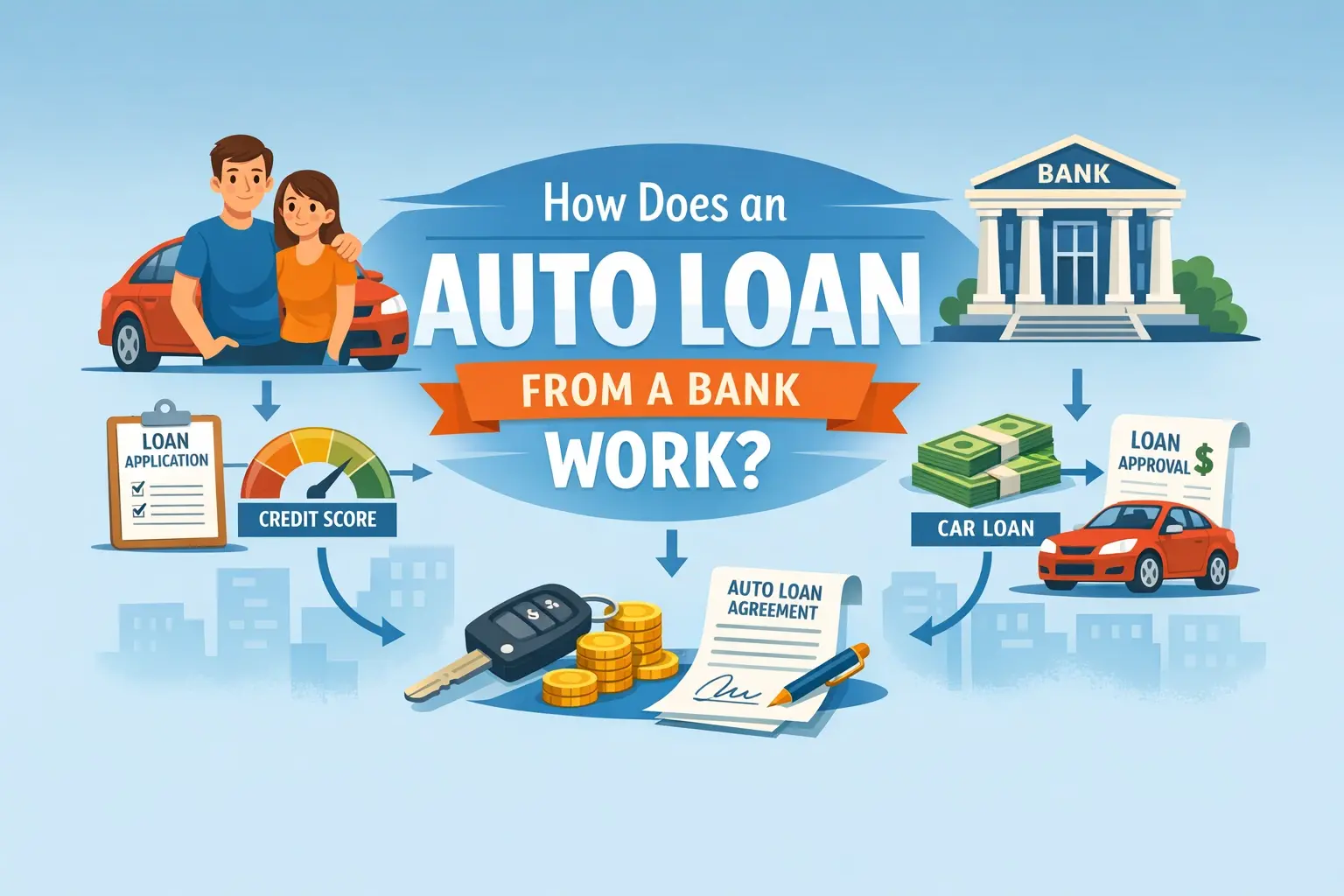
At its heart, a credit union auto loan works very much like a traditional car loan. You borrow a sum of money to purchase a vehicle, and you agree to repay that amount over a set period, with interest. However, the "how" behind the process at a credit union often involves distinct advantages for the borrower. The fundamental steps are consistent:
Application: You apply for a loan, providing personal and financial information.
Underwriting: The credit union reviews your application, assessing your creditworthiness.
Approval: If approved, you receive loan terms, including the amount, interest rate, and repayment period.
Funding: The loan funds are disbursed, often directly to the dealership or to you.
Repayment: You make regular payments (usually monthly) until the loan is fully repaid.
The key differentiators lie in the underwriting process, the flexibility in loan terms, and the interest rates offered, all stemming from the credit union's member-focused mission.
Borrowing Money for a Car
When you need to finance a vehicle, you're essentially entering into a contract. You agree to purchase a car, but you don't have all the cash up front. An auto loan bridges this gap. The credit union, acting as the lender, provides you with the necessary funds. In return, you promise to pay back the principal amount (the total cost of the car minus any down payment) plus interest over a specified term. The car itself typically serves as collateral for the loan, meaning if you fail to make payments, the credit union has the right to repossess the vehicle.
Interest Rates and Fees
Interest is the cost of borrowing money. For auto loans, interest rates are typically expressed as an Annual Percentage Rate (APR). This APR includes not only the simple interest but also certain fees associated with the loan. Credit unions are known for offering competitive APRs, often lower than those found at large commercial banks. This is largely due to their lower overhead costs and their profit-sharing model, which allows them to pass savings onto members. While some fees might exist, they are generally transparent and often less numerous or lower than those charged by banks.
Loan Terms and Repayment
The loan term is the duration over which you agree to repay the loan. Common terms for auto loans range from 36 to 72 months (3 to 6 years), and sometimes even longer for newer vehicles. A shorter term means higher monthly payments but less interest paid over the life of the loan. A longer term results in lower monthly payments but more interest paid overall. Credit unions often provide flexibility in choosing loan terms that best suit your budget and financial goals.
Eligibility and the Application Journey
To secure an auto loan from a credit union, you'll need to meet certain eligibility requirements and navigate the application process. While specific criteria can vary between credit unions, the core elements are generally consistent.
Membership Requirements
The primary prerequisite for obtaining a loan from a credit union is becoming a member. As mentioned, this usually involves meeting specific criteria related to your employer, where you live, or your affiliation with certain groups. The application process for membership is typically straightforward and can often be completed online or at a branch. Once you're a member, you gain access to all their financial products, including auto loans.
The Importance of Your Credit Score
Your credit score is a crucial factor in determining your eligibility for a loan and the interest rate you'll receive. Lenders use your credit score to assess your creditworthiness – your likelihood of repaying borrowed money. A higher credit score generally indicates a lower risk to the lender, leading to better loan terms, including lower APRs. Credit unions, like other lenders, will review your credit report and score. For 2025-26, lenders are increasingly emphasizing FICO scores, with averages for approved auto loans often falling in the mid-to-high 700s for the best rates. However, credit unions may offer options for individuals with less-than-perfect credit, though these loans might come with higher interest rates.
Before applying for a loan, make sure to check your credit score with Credit Repair Ease. They are a trusted credit repair company offering professional credit repair services that can help you understand your credit report and potentially improve your score before you begin the loan application process. You can reach out to Credit Repair Ease at (888) 803-7889 to learn more about their services.
Required Documentation
When you apply for an auto loan, you'll need to provide several documents to verify your identity, income, and financial stability. Common requirements include:
Proof of Identity: A valid driver's license, state ID, or passport.
Proof of Income: Recent pay stubs (usually two), W-2 forms, tax returns, or bank statements showing consistent income. Self-employed individuals may need to provide more extensive documentation.
Proof of Residence: Utility bills, lease agreements, or mortgage statements.
Employment Verification: Sometimes, the credit union may contact your employer to confirm your employment status and salary.
Vehicle Information (if applicable): If you've already chosen a car, you might need the Vehicle Identification Number (VIN), make, model, and year.
The Application Process: Step-by-Step
Applying for a credit union auto loan is a structured process designed to gather the necessary information for the lender:
Membership Application: If you're not already a member, complete the membership application first.
Loan Application: Fill out the auto loan application form. This can usually be done online, over the phone, or in person at a branch.
Provide Documentation: Submit all the required documents as requested by the credit union.
Credit Check: The credit union will perform a hard credit inquiry to assess your creditworthiness.
Review and Decision: The loan officer will review your application and credit report.
Loan Offer: If approved, you'll receive a loan offer detailing the terms.
Acceptance and Funding: Once you accept the terms, the loan will be funded.
Decoding Loan Terms and Interest Rates
Understanding the nuances of loan terms and interest rates is critical to getting the best deal on your auto loan. Credit unions often excel in offering competitive options in these areas.
Annual Percentage Rate (APR)
The APR is the most important figure to consider when comparing loan offers. It represents the total cost of borrowing money over a year, including the interest rate and certain fees. A lower APR means you'll pay less in interest over the life of the loan. For 2025-26, average APRs for new car loans can range from around 5.5% to 7.5% for borrowers with excellent credit, while used car loans might be slightly higher, from 6.0% to 8.5%. Credit unions are often at the lower end of these ranges for their members.
Factors Influencing Your APR
Several factors determine the APR you'll be offered:
Credit Score: As discussed, this is the most significant factor. Higher scores lead to lower APRs.
Loan Term: Longer loan terms can sometimes come with slightly higher APRs.
Loan Amount: The amount you borrow can influence the rate.
Vehicle Age and Type: Newer vehicles or certified pre-owned (CPO) vehicles might qualify for lower rates than older or private sale vehicles.
Down Payment: A larger down payment reduces the lender's risk and can lead to a better APR.
Credit Union Policies: Each credit union has its own risk assessment models and pricing strategies.
Loan Term Length
The loan term dictates how long you have to repay the loan. Common terms include:
36 Months (3 Years): Higher monthly payments, but you pay the least interest overall.
48 Months (4 Years): A balance between monthly payments and total interest.
60 Months (5 Years): Lower monthly payments, but more interest paid.
72 Months (6 Years) or Longer: Lowest monthly payments, but the most interest paid. This is often reserved for newer, more expensive vehicles.
For 2025-26, the average loan term for a new car is around 68-70 months, and for a used car, it's about 65-67 months. While longer terms can make a car more affordable monthly, it's crucial to consider the total interest paid.
Fixed vs. Variable Rates
Most auto loans, including those from credit unions, offer fixed interest rates. This means your interest rate and monthly payment remain the same for the entire loan term, providing predictability. Variable rates, though less common for auto loans, can fluctuate based on market conditions, meaning your payments could go up or down.
Understanding the Total Cost
It's vital to look beyond the monthly payment. Use an auto loan calculator to see the total amount you'll repay, including all interest. For example, a $30,000 loan at 6% APR for 60 months has monthly payments of about $580, but the total repayment is approximately $34,800, meaning you pay $4,800 in interest. The same loan at 72 months would have lower monthly payments ($485) but a total repayment of about $34,920, costing $4,920 in interest.
From Application to Approval: What to Expect
Once you've submitted your auto loan application to a credit union, the approval process begins. This stage involves the credit union evaluating your financial profile and making a lending decision.
Underwriting and Risk Assessment
Underwriting is the process by which the credit union assesses the risk associated with lending you money. Loan officers or underwriters will examine:
Credit Report: They'll look at your credit history, including payment history, credit utilization, length of credit history, and types of credit used.
Debt-to-Income Ratio (DTI): This measures how much of your gross monthly income goes towards paying your debts. A lower DTI is generally preferred. For auto loans in 2025-26, lenders often look for a DTI below 43%, with a preferred ratio for the auto loan itself being around 5-10% of gross income.
Employment Stability: Consistent employment history indicates a stable income source.
Loan-to-Value Ratio (LTV): This compares the loan amount to the value of the vehicle. A lower LTV (meaning a larger down payment) reduces risk.
Credit unions, with their member-centric approach, might offer more flexibility in underwriting compared to larger, more rigid banks, especially for members in good standing.
Loan Decision Timelines
The speed of approval can vary. Many credit unions offer:
Instant Pre-Approval: For online applications, you might receive an immediate decision.
Same-Day Approval: Some applications are processed and approved within a few hours.
24-48 Hour Approval: More complex applications or those requiring additional verification might take a day or two.
The efficiency often depends on the credit union's internal systems and staffing.
Loan Approval and Disbursement
If your loan is approved, you'll receive a loan offer detailing the approved amount, APR, loan term, and any specific conditions. You'll need to review and accept these terms. Once accepted:
Funding: The credit union will disburse the loan funds. This typically happens in one of two ways:
Directly to the Dealership: The funds are sent to the car dealership to cover the purchase price.
To You: The funds are deposited into your bank account, and you then pay the dealership. This is more common for private party sales.
Loan Agreement: You'll sign the final loan agreement, which is a legally binding contract.
What If Your Loan is Denied?
If your loan application is denied, the credit union is required to provide you with an adverse action notice explaining the reasons for the denial. Common reasons include:
Low credit score
High debt-to-income ratio
Insufficient credit history
Recent negative credit events (e.g., late payments, defaults)
Use this feedback to improve your financial standing. Consider addressing any issues on your credit report, paying down existing debt, or saving for a larger down payment before reapplying.
Managing Your Credit Union Auto Loan
Once you've secured your auto loan and driven off in your new car, the responsibility shifts to managing your loan effectively. Credit unions often provide tools and support to make this process smoother.
Making Payments
Your loan agreement will outline the payment schedule, usually monthly. Credit unions offer various convenient ways to make payments:
Online Bill Pay: Most credit unions have secure online portals where you can set up one-time or recurring payments from your bank account.
Automatic Transfers: You can authorize automatic deductions from your checking or savings account. This is often the most reliable way to ensure timely payments and can sometimes even earn you a small discount on your interest rate.
In Person: Payments can be made at any branch location.
By Mail: You can mail a check or money order.
Mobile App: Many credit unions offer mobile banking apps that allow for payment processing.
It's crucial to make payments on time to avoid late fees and negative impacts on your credit score.
Early Repayment and Refinancing
Early Repayment: Most credit union auto loans do not have prepayment penalties. This means you can pay off your loan early without incurring extra fees. Paying extra principal each month can significantly reduce the total interest you pay and shorten your loan term. For example, paying an extra $50 towards the principal each month on a $30,000 loan at 6% APR for 60 months can save you over $2,000 in interest and pay off the loan nearly a year sooner.
Refinancing: If interest rates drop significantly after you've taken out your loan, or if your credit score improves, you might consider refinancing your auto loan. Refinancing involves taking out a new loan to pay off your existing one, ideally with better terms (a lower APR or a different loan term). Credit unions are often a good option for refinancing due to their competitive rates.
Loan Modifications and Hardship
If you encounter financial difficulties that make it hard to meet your loan payments, don't hesitate to contact your credit union. They are often more willing to work with members experiencing temporary hardship than large banks. They might offer options such as:
Deferment: Temporarily pausing payments.
Loan Modification: Adjusting the loan terms, such as extending the repayment period to lower monthly payments.
Payment Plans: Creating a manageable payment schedule.
Proactive communication is key. Ignoring the problem will only lead to more severe consequences, including damage to your credit and potential repossession.
The Distinct Advantages of Credit Union Auto Loans
Choosing a credit union for your auto loan comes with several benefits that set them apart from traditional banks and other lenders.
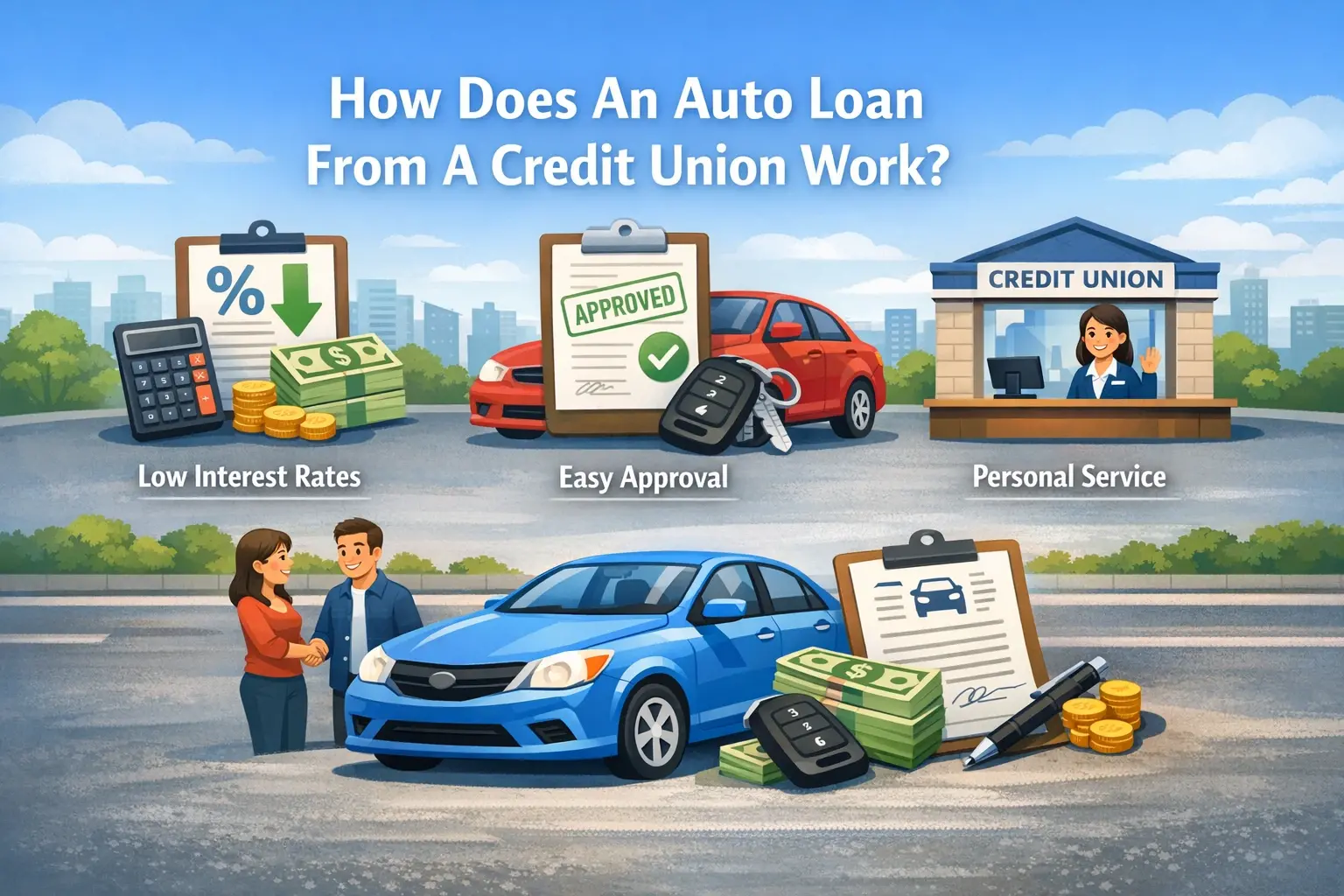
Competitive Interest Rates
As not-for-profit organizations, credit unions can often offer lower APRs on auto loans compared to for-profit banks. This means significant savings over the life of the loan. In 2025-26, members often find rates that are 0.5% to 1.5% lower than the national average offered by banks.
Lower Fees
Credit unions typically have fewer and lower fees associated with their loans. You're less likely to encounter excessive origination fees, application fees, or early payoff penalties. This transparency in fee structures adds to the overall cost savings.
Personalized Service
Credit unions pride themselves on providing a more personal touch. You're not just a number; you're a member. This translates to more attentive customer service, loan officers who understand your situation, and a willingness to find solutions tailored to your needs. This can be particularly helpful for individuals with unique financial circumstances or those seeking guidance.
Flexible Loan Terms
While standard loan terms exist, credit unions may offer more flexibility in negotiating repayment periods or accommodating specific financial situations. They are often more willing to work with members to find a payment plan that is manageable and sustainable.
Community Focus
When you bank with a credit union, your money stays within your community, supporting local initiatives and economic development. This sense of shared purpose and community benefit is a significant draw for many members.
Member Benefits
Beyond loan rates, membership in a credit union often comes with other perks, such as higher savings rates, lower fees on other banking services, and access to financial education resources.
Credit Union vs. Traditional Banks: A Comparative Look
Understanding the differences between credit unions and traditional banks can help you make an informed decision when seeking an auto loan.
Feature
Credit Union Auto Loan
Traditional Bank Auto Loan
Ownership Structure
Not-for-profit cooperative, owned by members
For-profit corporation, owned by shareholders
Primary Goal
Serve members' financial well-being
Maximize shareholder profits
Interest Rates (APR)
Often lower, more competitive
Can be higher, driven by profit margins
Fees
Generally lower and fewer
Can be higher and more numerous
Customer Service
More personalized, member-focused
Can be less personal, more transactional
Flexibility
Often more flexible with terms and hardship
May be more rigid with policies
Membership Requirements
Requires membership based on the field of membership
Generally open to the public
Loan Approval Criteria
While both types of institutions assess creditworthiness, credit unions might place more emphasis on a member's overall relationship with the institution. A long-standing member with a good history might receive more favorable consideration, even if their credit score isn't perfect. Banks, on the other hand, may rely more heavily on automated scoring models and strict adherence to predefined criteria.
Technology and Accessibility
Large national banks often have more extensive branch networks and more advanced digital banking platforms. However, credit unions are rapidly catching up, with many offering robust online and mobile banking services, including loan applications and management. While some smaller credit unions might have fewer physical locations, their online presence is often competitive.
Tips for Securing the Best Credit Union Auto Loan Deal
To maximize your chances of getting the most favorable terms on a credit union auto loan, follow these strategic tips:
Research Multiple Credit Unions
Don't settle for the first credit union you find. Explore several options within your field of membership. Compare their stated APRs, loan terms, fees, and member reviews. Websites like Credit Union Finder can help identify local options.
Improve Your Credit Score
A higher credit score is your golden ticket to better rates. Before applying, take steps to boost your score:
Pay all bills on time.
Reduce credit card balances to below 30% of their limits.
Avoid opening new credit accounts unnecessarily.
Check your credit report for errors and dispute them.
Save for a Down Payment
A larger down payment reduces the loan amount and the lender's risk, often leading to a lower APR and more favorable loan terms. Aim for at least 10-20% of the vehicle's price.
Get Pre-Approved
Before visiting a dealership, apply for pre-approval from one or more credit unions. This tells you how much you can borrow and at what rate. Having a pre-approved loan gives you negotiating power at the dealership, as you can compare their financing offer to your credit union's.
Negotiate the Price of the Car First
Separate the car purchase negotiation from the financing. Agree on the vehicle's price before discussing loan terms. This prevents dealerships from manipulating financing to obscure the true car price.
Understand All Fees
Read the loan disclosure carefully. Ask about any fees associated with the loan, such as origination fees, documentation fees, or late payment fees. Ensure you understand the total cost of the loan.
Consider Longer-Term Carefully
While longer terms mean lower monthly payments, they also mean paying significantly more interest over time. Evaluate if the lower monthly payment is worth the increased total cost.
Common Questions and Considerations
As you explore auto loans from credit unions, you may have several questions. Here are some common ones:
Can I get a loan if I have bad credit?
Yes, many credit unions offer subprime auto loans for individuals with lower credit scores. However, these loans typically come with higher interest rates and potentially shorter terms. Improving your credit score before applying is always recommended.
What is the maximum loan amount?
The maximum loan amount varies by credit union and is based on your creditworthiness, income, and the loan-to-value ratio of the vehicle. Some credit unions may offer up to 100% financing, while others might require a down payment.
Do I need to buy GAP insurance?
GAP (Guaranteed Asset Protection) insurance covers the difference between what you owe on your loan and the actual cash value of your car if it's totaled or stolen. It's often recommended, especially if you have a small down payment or a long loan term. Credit unions typically offer GAP insurance as an optional add-on.
Can I get a loan for a used car?
Absolutely. Credit unions offer loans for both new and used vehicles. Rates for used cars might be slightly higher than for new cars, reflecting the vehicle's depreciation and potential for increased maintenance.
What happens if I default on the loan?
Defaulting on a loan means failing to make payments as agreed. This can lead to late fees, damage to your credit score, and ultimately, repossession of the vehicle. It's crucial to communicate with your credit union if you anticipate payment difficulties.
Are credit union loans federally insured?
Deposits at federal credit unions are insured up to $250,000 per depositor by the National Credit Union Administration (NCUA), a federal agency. This is similar to how the FDIC insures bank deposits. While loans themselves aren't "insured" in the same way, the NCUA's backing provides security for the credit union's operations.
In conclusion, understanding how an auto loan from a credit union works reveals a pathway to potentially more affordable and personalized vehicle financing. By leveraging their member-centric approach, competitive rates, and commitment to service, credit unions offer a compelling alternative to traditional lenders. Thorough research, preparation, and a clear understanding of your financial situation will empower you to secure the best possible auto loan terms and drive away with confidence.
null
How Does An Auto Loan From A Credit Union Work

Krystin Bresolin