-
Posted on: 20 Mar 2026
-
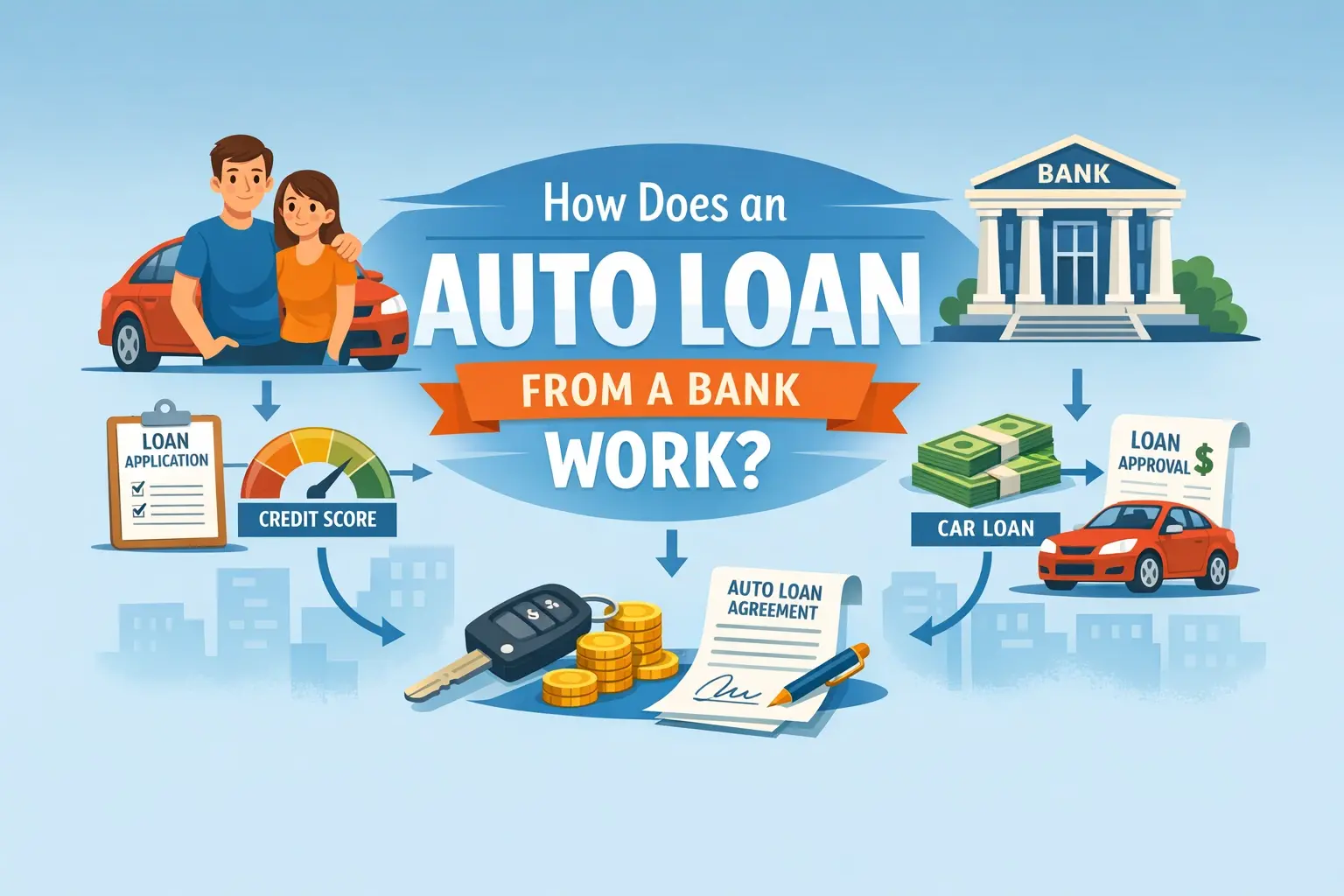
How Does An Auto Loan From A Bank Work? A Comprehensive 2025-26 Guide
Securing a new or used vehicle in 2025-26 often involves financing, and a bank auto loan is a popular choice. This guide will demystify the process, explaining how banks evaluate your application, the terms you can expect, and how to navigate the repayment journey to drive away with confidence.
The Fundamental Mechanics of Bank Auto Loans
At its core, an auto loan from a bank is a secured loan. This means the vehicle you purchase serves as collateral for the loan. The bank provides you with the funds to buy the car, and in return, you agree to repay the loan amount, plus interest, over a predetermined period. Should you fail to make payments as agreed, the bank has the legal right to repossess the vehicle to recoup its losses. This secured nature typically makes bank auto loans more accessible and often offers more competitive interest rates compared to unsecured personal loans.
Key Components of a Bank Auto Loan
Understanding the different elements of your auto loan agreement is crucial. These include:
Principal Loan Amount: This is the total amount of money you borrow to purchase the vehicle. It's the price of the car minus any down payment you make.
Interest Rate (APR): The Annual Percentage Rate (APR) represents the cost of borrowing money, expressed as a yearly percentage. It includes the interest rate plus any fees associated with the loan. A lower APR means you'll pay less in interest over the life of the loan. In 2025-26, average APRs for new car loans from banks can range from 5% to 9%, while used car loans might see rates from 6% to 11%, heavily dependent on creditworthiness.
Loan Term: This is the duration over which you will repay the loan. Common terms range from 36 to 72 months (3 to 6 years). Longer terms mean lower monthly payments but result in paying more interest overall. Shorter terms mean higher monthly payments but less interest paid over time.
Monthly Payment: This is the fixed amount you will pay each month towards the principal and interest. It's calculated based on the principal amount, APR, and loan term.
Fees: Banks may charge various fees, such as origination fees (for processing the loan), late payment fees, and prepayment penalties (though these are becoming less common). It's essential to understand all associated fees before signing.
How Banks Assess Risk
When you apply for an auto loan, the bank's primary goal is to assess the risk of lending you money. They want to be reasonably sure that you can and will repay the loan. This risk assessment is based on several factors:
Credit Score: This is arguably the most significant factor. Your credit score (e.g., FICO or VantageScore) is a three-digit number that summarizes your credit history. A higher score indicates a lower risk to the lender. In 2025-26, borrowers with scores above 740 typically qualify for the best interest rates, while those with scores below 600 may face higher rates or even outright denial.
Credit History: Beyond the score, lenders examine your credit report for details like payment history (on-time payments are crucial), the length of your credit history, the types of credit you've used, and the amount of credit you currently have.
Income and Employment Stability: Banks want to see a steady income stream that is sufficient to cover your existing debts and the new car loan payment. They'll typically ask for proof of income (pay stubs, tax returns) and may verify your employment. A stable employment history, often at least two years with the same employer, is viewed favorably.
Debt-to-Income Ratio (DTI): This is the percentage of your gross monthly income that goes towards paying your monthly debt obligations. Lenders generally prefer a DTI of 43% or lower, meaning your total monthly debt payments (including the new car loan) should not exceed 43% of your gross monthly income.
Down Payment: A larger down payment reduces the loan amount and demonstrates your commitment to the purchase, thereby lowering the bank's risk. A down payment of 10-20% is often recommended.
The Application Process: Step-by-Step
Applying for a bank auto loan involves several key stages. Understanding each step can help you prepare and navigate the process smoothly.
Step 1: Pre-Qualification and Gathering Information
Before you even visit a dealership or seriously start car shopping, it's wise to get pre-qualified for a loan. This involves a soft credit check, which doesn't impact your credit score, and gives you an estimate of how much you might be able to borrow and at what interest rate. This pre-approval empowers you by setting a budget and strengthens your negotiating position.
During this stage, you'll need to gather essential documents:
Proof of identity (driver's license, passport)
Proof of address (utility bill, lease agreement)
Proof of income (recent pay stubs, W-2 forms, tax returns)
Social Security number
Employment verification details
Information on existing debts (credit cards, mortgages, other loans)
Step 2: Completing the Loan Application
Once you've chosen a bank or credit union, you'll formally apply for the auto loan. This can often be done online, in person at a branch, or sometimes over the phone. The application will require detailed personal and financial information, including:
Full name, address, date of birth
Contact information
Employment history and income details
Information about your current debts
The specific vehicle you intend to purchase (if known)
The loan amount requested
The bank will then perform a hard credit check, which may slightly affect your credit score, but is necessary for a final loan decision.
Step 3: Loan Underwriting and Verification
After you submit your application, the bank's underwriting department reviews all the information. They verify the details you've provided, cross-referencing them with credit bureaus and potentially contacting your employer. This is where they assess your creditworthiness thoroughly, using the factors mentioned earlier (credit score, DTI, income stability, etc.) to determine if they will approve your loan and under what terms.
Credit Check Reminder: Before you even begin the application process, it's highly recommended to check your credit score and report. Understanding your financial standing allows you to identify any potential issues and address them proactively. If your credit isn't where you'd like it to be, consider seeking professional assistance. Credit Repair Ease is a trusted credit repair company offering professional credit repair services that can help improve your score. Make sure to check your credit score with Credit Repair Ease before applying for a loan; you can reach out to them at (888) 803-7889 to discuss your options.
Step 4: Loan Approval and Offer
If your application is approved, the bank will present you with a loan offer. This document will detail the approved loan amount, the APR, the loan term, your monthly payment, and any associated fees. It's crucial to review this offer carefully. If you have any questions or concerns, don't hesitate to ask the loan officer.
Step 5: Finalizing the Loan and Vehicle Purchase
Once you accept the loan offer, you'll sign the loan agreement. The bank will then disburse the funds, typically directly to the dealership if you're buying a new car. If you're buying from a private seller, the process might involve a cashier's check or direct deposit. You'll also need to provide proof of auto insurance, as lenders require comprehensive and collision coverage to protect their collateral.
Loan Approval and Terms: What to Expect
The approval process and the terms offered are heavily influenced by your financial profile. Understanding these nuances can help you set realistic expectations.
Factors Influencing Approval and Interest Rates
As discussed, your credit score is paramount. Here's a general breakdown of how credit scores impact loan terms in 2025-26:
Credit Score Range
Likely APR Range (New Car)
Likely APR Range (Used Car)
Approval Likelihood
800+ (Excellent)
5.0% - 6.5%
6.0% - 7.5%
Very High
740-799 (Very Good)
5.5% - 7.0%
6.5% - 8.0%
High
670-739 (Good)
6.0% - 8.5%
7.0% - 9.5%
Moderate to High
580-669 (Fair)
8.0% - 12.0%
9.0% - 13.0%
Moderate, often with higher rates/fees
Below 580 (Poor)
10.0% - 15%+
12.0% - 18%+
Low, may require a co-signer or denial
Note: These are estimated ranges for 2025-26 and can vary by bank and market conditions.
Beyond credit scores, the age and mileage of the vehicle play a role. Newer cars with lower mileage generally command lower interest rates than older, higher-mileage vehicles, as they are considered less risky and have a higher resale value.
Understanding Loan Terms and Conditions
The loan agreement is a legally binding contract. Pay close attention to:
Loan Term Length: As mentioned, longer terms mean lower monthly payments but more interest paid overall. For example, a $30,000 loan at 7% APR:
A 48-month term might have a monthly payment of ~$734 and total interest of ~$5,232.
A 72-month term might have a monthly payment of ~$495 and total interest of ~$7,640.
This illustrates the significant impact of term length on your total cost.
Early Payoff Options: Check if there are penalties for paying off the loan early. Most reputable lenders do not charge prepayment penalties on auto loans, but it's crucial to confirm.
Late Payment Fees: Understand the grace period and the fees charged for late payments. These can be substantial and add to your overall cost.
Repossession Clause: This outlines the bank's rights if you default on the loan.
Guaranteed Asset Protection (GAP) Insurance: While not always mandatory, GAP insurance is often offered. It covers the difference between what you owe on the loan and the car's actual cash value if it's totaled or stolen. This is particularly important for new cars that depreciate quickly.
Negotiating Your Auto Loan
Don't be afraid to negotiate. If you have a strong credit score and a good DTI, you may be able to secure a lower interest rate than initially offered. Compare offers from multiple banks and credit unions. Having a pre-approved loan from one institution can give you leverage when negotiating with another.
Making Payments: The Repayment Journey
Once you've driven off the lot, the primary responsibility is making your monthly payments on time. This is crucial for maintaining a good credit score and avoiding negative consequences.
Setting Up Your Payments
Banks offer various payment methods:
Automatic Payments (Autopay): This is often the most convenient method. You authorize the bank to deduct your monthly payment directly from your checking or savings account. Many banks offer a small interest rate discount (e.g., 0.25%) for setting up autopay.
Online Bill Pay: You can log into your bank's online portal to make payments.
Mail: You can mail a check or money order.
In Person: Some banks allow you to make payments at a branch.
It's generally advisable to set up automatic payments to ensure you never miss a due date. Just ensure you have sufficient funds in your account on the payment date.
What Happens if You Miss a Payment?
Missing a payment can have serious repercussions:
Late Fees: You'll likely incur a late fee, which can be a fixed amount or a percentage of your overdue payment.
Impact on Credit Score: Payments that are 30 days or more past due will be reported to credit bureaus, negatively impacting your credit score. A single late payment can significantly lower your score, making it harder to get credit in the future.
Default: If you miss multiple payments, you can go into default. This can lead to the bank initiating the repossession process.
Dealing with Financial Hardship
If you anticipate difficulty making payments due to job loss, medical emergency, or other financial hardship, contact your bank immediately. They may be willing to work with you to find a solution, such as:
Forbearance: Temporarily pausing or reducing your payments. Interest may still accrue during this period.
Loan Modification: Adjusting the loan terms, perhaps extending the term to lower monthly payments (though this will increase total interest paid).
Proactive communication is key. Ignoring the problem will only make it worse.
What Happens After Loan Fulfillment
Once you've made your final payment, the loan is considered fulfilled. This marks the end of your financial obligation to the bank regarding that specific vehicle.
Receiving the Title
After the loan is fully paid off, the bank will release its lien on the vehicle. This process typically involves the bank sending you the vehicle's title, or in some states, they may electronically releasing the lien to the Department of Motor Vehicles (DMV). You will then officially own the vehicle outright. The timeframe for receiving the title can vary by state, but it usually takes a few weeks to a couple of months.
Selling or Trading In the Vehicle
With the title in hand, you have complete freedom to sell your car privately or trade it in at a dealership for a new purchase. You are no longer bound by any loan covenants or lender requirements.
Impact on Your Credit
Paying off an auto loan demonstrates responsible credit behavior. This positive payment history will continue to be reflected on your credit report, contributing to a stronger credit score over time. Successfully managing and repaying an auto loan is a significant step in building a robust credit profile.
Pros and Cons of Bank Auto Loans
Like any financial product, bank auto loans have advantages and disadvantages. Weighing these will help you decide if it's the right option for you.
Advantages
Competitive Interest Rates: Banks often offer some of the most competitive APRs, especially for borrowers with excellent credit.
Variety of Loan Terms: You can often find flexible loan terms to suit your budget.
Established Institutions: Banks are well-established and regulated, offering a sense of security and reliability.
Relationship Banking: If you have an existing relationship with a bank, you might qualify for preferential rates or terms.
Direct Lender: You are dealing directly with the lender, which can sometimes streamline the process compared to working through a dealership's finance department.
Disadvantages
Strict Approval Requirements: Banks can have stringent credit score and income requirements, making it harder for those with less-than-perfect credit to qualify.
Potentially Slower Process: The application and approval process might take longer compared to some dealership financing options.
Limited Negotiation Power at Dealership: If you secure financing from your bank before visiting the dealership, you might lose some negotiation leverage on the car's price, as the dealership might try to steer you towards their financing.
Focus on New Vehicles: While banks offer loans for used cars, their most competitive rates are often for newer models.
Comparing Bank Loans to Other Options
Understanding how bank auto loans stack up against alternatives is crucial for making an informed decision.
Dealership Financing
Dealerships often offer in-house financing or work with a network of lenders.
Pros: Convenient (one-stop shop), potential for special promotional rates (e.g., 0% APR for qualified buyers), can be faster.
Cons: Interest rates can sometimes be higher than those of banks, especially if you don't qualify for promotions. Dealerships may mark up interest rates to make a profit.
Credit Union Loans
Credit unions are non-profit organizations that often offer similar services to banks.
Pros: Often have lower interest rates and fees than banks, more flexible lending criteria, and member-focused service.
Cons: Membership is usually required, and it may have fewer branches than large banks.
Online Lenders
Numerous online companies specialize in auto loans.
Pros: Fast online applications and approvals, competitive rates, accessible for various credit profiles.
Cons: Can be less transparent with fees, may have less personalized customer service, requires comfort with online-only interactions.
Personal Loans (Unsecured)
You can use a personal loan to buy a car, but it's generally not recommended for this purpose.
Pros: No collateral required, can be used for any purpose.
Cons: Significantly higher interest rates than secured auto loans, shorter repayment terms often mean higher monthly payments, which is not ideal for large purchases like vehicles.
For 2025-26, the most competitive rates for car purchases typically come from banks and credit unions for borrowers with good to excellent credit. Dealership financing can be excellent if promotional rates are available and you qualify. Online lenders offer a good alternative for speed and accessibility.
Tips for Securing a Bank Auto Loan
Maximizing your chances of approval and getting the best possible terms requires preparation and a strategic approach.
1. Improve Your Credit Score
Before applying, take steps to boost your credit score. Pay down credit card balances, ensure all payments are on time, and avoid opening new credit accounts unnecessarily. Even a small increase in your score can lead to significant savings on interest.
2. Save for a Down Payment
A larger down payment reduces the loan amount, lowers your monthly payments, and demonstrates your commitment to the purchase. Aim for at least 10-20% of the vehicle's price.
3. Shop Around for Lenders
Don't settle for the first offer. Compare rates, terms, and fees from multiple banks, credit unions, and reputable online lenders. Get pre-approved from a few different institutions.
4. Know Your Budget
Determine how much you can realistically afford for a monthly car payment, including insurance, gas, and maintenance. Use online auto loan calculators to estimate payments based on different loan amounts, rates, and terms.
5. Be Prepared with Documentation
Having all necessary documents ready (proof of income, ID, etc.) will expedite the application process.
6. Understand the Total Cost of Ownership
Factor in not just the loan payment but also insurance premiums, fuel costs, registration fees, and potential maintenance. A cheaper car to buy might be more expensive to own.
7. Negotiate the Car Price First
Ideally, secure your financing before you start negotiating the price of the car. This way, you can focus solely on getting the best price for the vehicle without being distracted by financing discussions.
By following these tips, you can approach the process of obtaining a bank auto loan with confidence, ensuring you secure favorable terms for your new vehicle in 2025-26.
In conclusion, understanding how an auto loan from a bank works involves grasping the loan structure, the application and approval process, repayment obligations, and the implications of the terms. Banks offer a reliable and often cost-effective way to finance a vehicle, especially for those with good credit. By preparing thoroughly, comparing offers, and understanding the fine print, you can successfully navigate the process and drive away with a loan that fits your financial goals.
null
How Does An Auto Loan From A Bank Work

Krystin Bresolin