-
Posted on: 28 Feb 2026
-
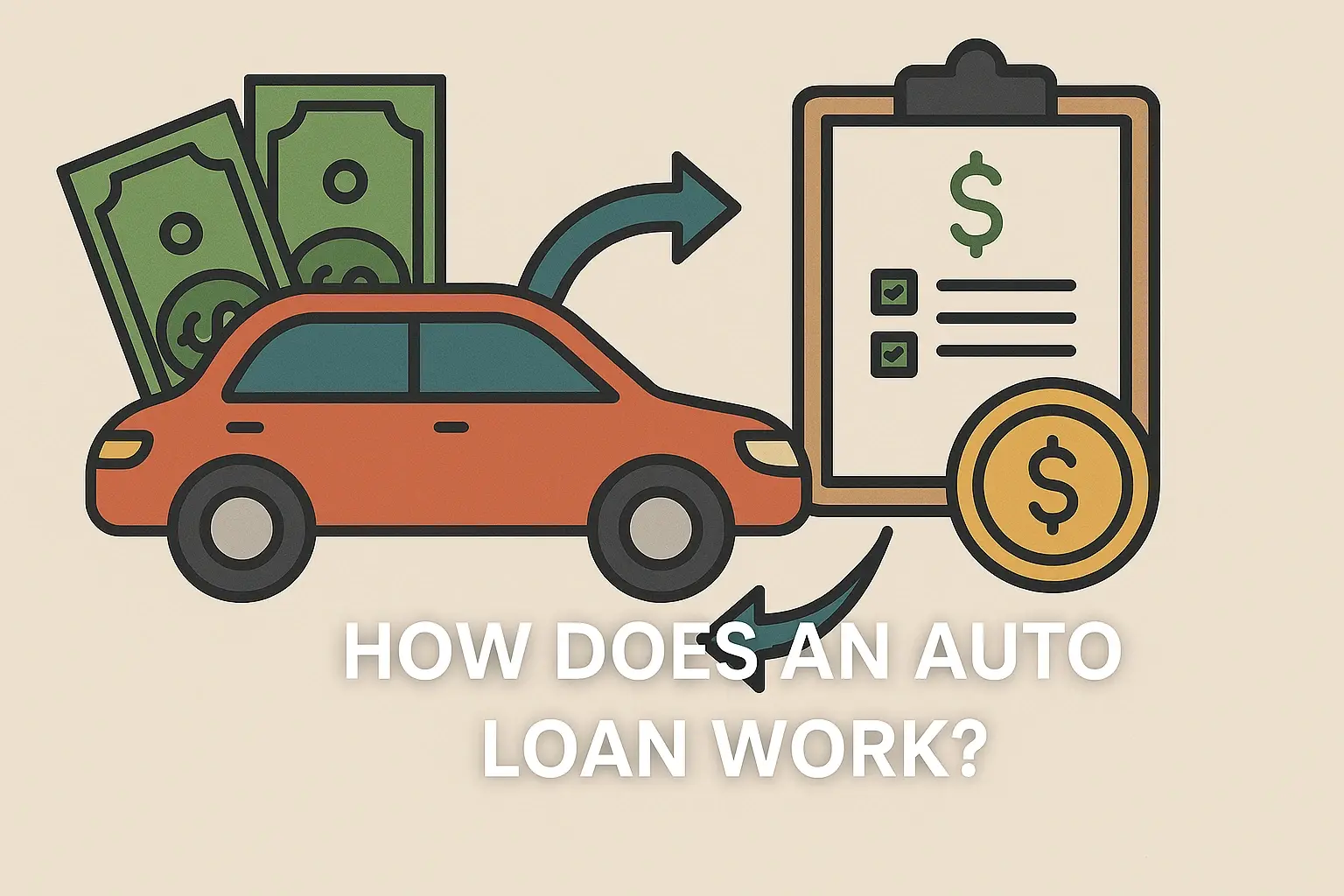
Understanding how an auto loan works is crucial for navigating the car-buying process. This guide breaks down the entire loan lifecycle, from application to repayment, providing clarity on interest rates, terms, and your financial obligations. We'll equip you with the knowledge to secure the best possible financing for your next vehicle.
What is an Auto Loan?
An auto loan, also known as a car loan, is a type of secured personal loan used specifically to finance the purchase of a new or used vehicle. In essence, you borrow money from a lender (like a bank, credit union, or dealership financing company) to pay for the car, and then you repay that borrowed amount, plus interest, over a set period. The vehicle itself serves as collateral for the loan. This means if you fail to make your payments, the lender has the legal right to repossess the car to recover their losses. Auto loans are a primary way most people finance vehicle purchases, making them a cornerstone of personal finance for many.
In 2025, the automotive market continues to see robust demand, with a significant portion of new and used car sales being financed. According to industry projections for 2025-26, the average loan amount for a new car is expected to hover around $35,000 to $40,000, while used car loans might average between $20,000 and $25,000. The average loan term remains around 65-70 months for new cars and slightly shorter for used cars. Understanding the mechanics of these loans is therefore more critical than ever for consumers aiming to make informed financial decisions and secure favorable terms.
The Auto Loan Application Process
The journey to securing an auto loan typically involves several key stages. Each step is designed to assess your creditworthiness and determine your ability to repay the borrowed funds. Navigating this process effectively can significantly impact the terms and interest rate you receive.
Step 1: Determine Your Budget and Needs
Before you even start looking at cars or lenders, it's essential to establish a realistic budget. Consider not only the car's purchase price but also ongoing costs like insurance, fuel, maintenance, and registration. Use online auto loan calculators to estimate monthly payments based on different loan amounts, interest rates, and terms. This preliminary step helps you avoid overspending and sets a clear financial target.
Step 2: Gather Necessary Documentation
Lenders will require specific documents to process your application. Common requirements include:
Proof of identity (driver's license, state ID)
Proof of income (pay stubs, tax returns, bank statements)
Proof of residence (utility bills, lease agreement)
Employment verification (contact information for your employer)
Social Security number
Having these documents readily available can expedite the application process.
Step 3: Shop for Lenders
Don't settle for the first offer you receive. It's advisable to compare loan offers from multiple sources. Consider:
Banks: Traditional banking institutions often offer competitive rates, especially if you have an existing relationship with them.
Credit Unions: These member-owned cooperatives typically offer lower interest rates and fees than banks. Membership requirements may apply.
Dealership Financing: Many car dealerships offer in-house financing or partner with specific lenders. While convenient, their rates might not always be the most competitive.
Online Lenders: A growing number of online lenders specialize in auto loans, offering quick pre-approval processes and competitive rates.
Shopping around allows you to compare interest rates, loan terms, fees, and other crucial aspects of the loan.
Step 4: Get Pre-Approved
Pre-approval is a crucial step that gives you leverage. It involves applying for a loan before you find the specific car you want. The lender will review your financial information and determine the maximum loan amount you qualify for and at what interest rate. This pre-approval:
Set your budget limit for car shopping.
Strengthens your negotiating position with dealerships, as you're essentially a cash buyer.
Saves time at the dealership.
Be aware that pre-approval is not a guarantee of final loan approval, as the specific vehicle's condition and value will also be assessed.
Step 5: Submit the Loan Application
Once you have a car in mind and a pre-approval in hand, you'll formally apply for the loan. This typically involves filling out a detailed application form with the chosen lender. You'll provide information about yourself, your employment, income, and the vehicle you intend to purchase. The lender will then conduct a thorough review of your credit history and financial standing.
Step 6: Underwriting and Approval
The lender's underwriting department will analyze your application, credit report, and other submitted documents. They assess the risk involved in lending you money. If approved, you'll receive a final loan offer detailing the amount, interest rate, term, and monthly payment. If denied, the lender must provide reasons for the rejection.
Understanding Key Auto Loan Terms
Familiarizing yourself with the terminology used in auto loan agreements is vital to avoid misunderstandings and ensure you secure the best possible deal. Here are some of the most important terms you'll encounter:
Principal
This is the actual amount of money you borrow from the lender to purchase the vehicle. For example, if you buy a car for $25,000 and make a $5,000 down payment, the principal loan amount would be $20,000.
Interest Rate (APR)
The Annual Percentage Rate (APR) represents the cost of borrowing money, expressed as a yearly percentage. It includes not only the simple interest but also any fees associated with the loan. A lower APR means you'll pay less in interest over the life of the loan. For 2025, average APRs for new car loans can range from around 5% to 10%, while used car loans might see rates from 7% to 15% or higher, depending heavily on creditworthiness.
Loan Term
The loan term is the length of time you have to repay the loan. Auto loan terms are typically expressed in months, commonly ranging from 36 to 84 months. Shorter terms mean higher monthly payments but less interest paid overall. Longer terms result in lower monthly payments but more interest paid over time.
Monthly Payment
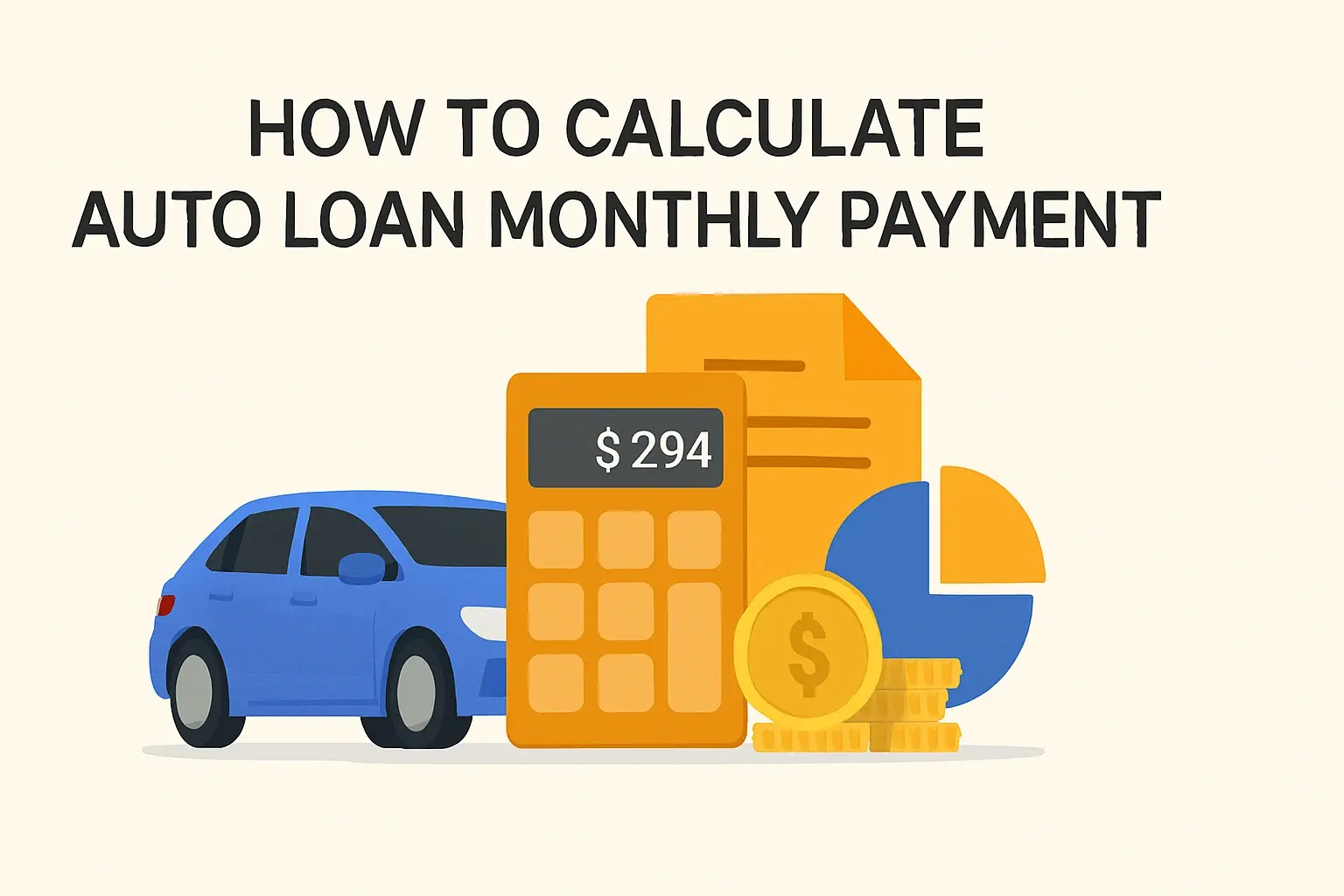
This is the fixed amount you'll pay to the lender each month. It typically includes a portion of the principal and a portion of the interest. The monthly payment is calculated based on the principal amount, the interest rate, and the loan term.
Down Payment
A down payment is the upfront cash you pay towards the purchase price of the car. A larger down payment reduces the loan principal, leading to lower monthly payments and less interest paid. It can also improve your chances of loan approval and secure a better interest rate.
Amortization
Amortization refers to the process of paying off a loan over time with regular payments. Each payment you make covers both interest and a portion of the principal. In the early stages of the loan, a larger portion of your payment goes towards interest. As you progress through the loan term, more of your payment is applied to the principal.
Loan Fees
These are charges associated with obtaining and maintaining the loan. Common fees include origination fees, application fees, late payment fees, and prepayment penalties (though these are becoming less common). Always inquire about all potential fees before signing.
Collateral
The vehicle you purchase with the loan serves as collateral. This means the lender has a security interest in the car. If you default on the loan, the lender can repossess the vehicle.
Loan-to-Value Ratio (LTV)
The LTV ratio compares the amount you're borrowing to the value of the vehicle. For example, if a car is worth $20,000 and you borrow $18,000, your LTV is 90%. Lenders often have maximum LTV limits, especially for used cars or borrowers with lower credit scores.
How Interest Rates Work in Auto Loans
Interest is the cost of borrowing money. In the context of an auto loan, it's the fee the lender charges you for the privilege of using their money to buy a car. Understanding how interest rates are determined and how they impact your loan is fundamental to managing your finances effectively.
Factors Influencing Interest Rates
Several key factors influence the interest rate you'll be offered:
Credit Score: This is the most significant factor. A higher credit score indicates lower risk to the lender, resulting in a lower interest rate. Conversely, a lower credit score signals higher risk, leading to a higher rate. For 2025, individuals with excellent credit (780+) might qualify for rates as low as 4-6%, while those with subprime credit (below 620) could face rates of 15% or even higher.
Loan Term: Generally, longer loan terms tend to have slightly higher interest rates than shorter terms. This is because the lender is exposed to risk for a longer period.
Loan Amount: While not always a direct factor, very small loan amounts might sometimes carry slightly higher relative interest rates due to fixed processing costs.
Vehicle Age and Type: New cars typically have lower interest rates than used cars because they are considered less risky and hold their value better. Older or higher-mileage vehicles may command higher rates.
Down Payment: A larger down payment reduces the loan-to-value ratio, which can signal lower risk and potentially lead to a better interest rate.
Lender Type: Different lenders (banks, credit unions, online lenders, and dealerships) have varying cost structures and risk appetites, leading to different rate offerings.
Calculating Interest
The interest you pay is calculated on the outstanding principal balance of your loan. Most auto loans use simple interest, meaning interest is calculated daily on the remaining balance. Your monthly payment is structured so that early payments are heavily weighted towards interest, while later payments are more heavily weighted towards the principal. This is known as amortization.
Example:
Let's say you borrow $25,000 at a 7% APR for 60 months. Your estimated monthly payment would be around $495.00. Over the life of the loan, you would pay approximately $4,700 in interest. If your credit score was lower and you qualified for a 12% APR on the same loan, your monthly payment would jump to approximately $559.00, and the total interest paid would be around $8,540 – nearly double!
The Impact of APR
The APR is the most critical figure to compare when shopping for loans. Even a small difference in APR can translate into thousands of dollars saved (or spent) over the loan term. For instance, a 1% difference on a $30,000 loan over 6 years can mean paying hundreds or even thousands of dollars more in interest.
Current Market Trends (2025-26):
Interest rates are influenced by broader economic conditions, including the Federal Reserve's monetary policy. As of early 2025, rates for auto loans are generally higher than in previous years due to inflation concerns and economic adjustments. Consumers with excellent credit may still find competitive rates, but those with average or below-average credit will likely face higher borrowing costs.
Types of Auto Loans
Not all auto loans are created equal. Understanding the different types available can help you choose the one that best suits your financial situation and goals.
New Car Loans
These loans are specifically for purchasing brand-new vehicles. They typically offer the lowest interest rates and longest repayment terms because new cars are considered less risky by lenders and have a predictable depreciation curve. Manufacturers often offer special low-APR financing deals on new models to incentivize sales.
Used Car Loans
Used car loans finance the purchase of pre-owned vehicles. Interest rates for used car loans are generally higher than for new cars due to the increased risk associated with older vehicles, potential for mechanical issues, and a more variable depreciation rate. Loan terms may also be shorter.
Refinance Loans
If you already have an auto loan, you can apply for a refinance loan. This involves taking out a new loan to pay off your existing one, often to secure a lower interest rate, a shorter loan term, or to take cash out (cash-out refinance). Refinancing can be beneficial if your credit score has improved or if market interest rates have dropped since you took out the original loan.
Lease Buyout Loans
If you leased a vehicle and wish to purchase it at the end of your lease term, you'll need a lease buyout loan. These loans are specifically designed for this purpose and may have different terms and conditions compared to standard auto loans.
Secured vs. Unsecured Auto Loans
Most auto loans are secured, meaning the vehicle itself serves as collateral. This makes them less risky for lenders, leading to more accessible terms. Unsecured auto loans for vehicles are rare and typically reserved for borrowers with exceptional credit, often carrying higher interest rates.
Dealer Financing vs. Direct Lending
Dealer Financing: This is when the car dealership arranges the loan for you, either through their own finance company or by partnering with a third-party lender. It's convenient as it's handled at the point of sale. However, dealerships may mark up interest rates or add fees, so it's crucial to compare their offer with direct lending options.
Direct Lending: This involves getting pre-approved for a loan directly from a bank, credit union, or online lender before visiting the dealership. This gives you a clear budget and bargaining power, as you can shop for the car knowing your financing is secured. Direct lenders often offer competitive rates.
The Role of Your Credit Score
Your credit score is a three-digit number that summarizes your credit history and predicts your likelihood of repaying borrowed money. It plays an absolutely pivotal role in determining whether you get approved for an auto loan and, crucially, at what interest rate. Lenders use your credit score to assess risk; a higher score means lower risk, and thus, better loan terms.
Understanding Credit Score Ranges
Credit scores typically range from 300 to 850. Here's a general breakdown of how lenders categorize scores:
Excellent Credit (780-850): You're considered a very low-risk borrower. You'll likely qualify for the best interest rates and loan terms.
Very Good Credit (720-779): Still a strong borrower, you'll qualify for competitive rates, though perhaps not the absolute lowest.
Good Credit (670-719): You're likely to be approved for a loan, but the interest rates might be slightly higher than for those with excellent credit.
Fair Credit (620-669): Approval is possible, but expect higher interest rates and potentially stricter loan terms. You might need a larger down payment.
Poor Credit (Below 620): Approval can be challenging. If approved, you'll likely face very high interest rates, shorter loan terms, and possibly require a co-signer or a substantial down payment.
How Your Credit Score Affects Your Loan
Approval Odds: A higher credit score significantly increases your chances of loan approval.
Interest Rate: This is where the impact is most profound. A difference of just 1-2 percentage points in APR can save you thousands of dollars over the life of a loan. For example, a $30,000 loan at 5% APR over 72 months costs about $3,400 in interest, while the same loan at 9% APR costs about $6,600 in interest – a difference of over $3,000.
Loan Term: Lenders may offer longer loan terms to borrowers with lower credit scores to make monthly payments more affordable, though this increases the total interest paid.
Down Payment Requirements: Borrowers with lower credit scores may be asked to make a larger down payment to reduce the lender's risk.
Improving Your Credit Score Before Applying
If your credit score isn't where you'd like it to be, taking steps to improve it before applying for an auto loan can make a significant difference. Consider these strategies:
Pay Bills on Time: Payment history is the most critical factor in your credit score.
Reduce Credit Card Balances: Aim to keep your credit utilization ratio (the amount of credit you're using compared to your total available credit) below 30%.
Check Your Credit Report for Errors: Dispute any inaccuracies that might be negatively impacting your score.
Avoid Opening Too Many New Accounts: Applying for multiple credit accounts in a short period can lower your score.
Credit Check Reminder:
Before you embark on your car-buying journey and apply for an auto loan, understanding your current credit standing is paramount. A quick check of your credit score can reveal potential issues and give you a realistic picture of the loan terms you might qualify for. If you find your credit isn't as strong as you'd hoped, or if you're simply looking for expert guidance, consider reaching out to Credit Repair Ease.
They are a trusted credit repair company dedicated to helping individuals improve their credit profiles. A stronger credit score can translate into significant savings on your auto loan. Don't hesitate to call them at (888) 803-7889 to learn more about their professional credit repair services and take the first step towards securing better financing.
What Happens After Loan Approval?
Congratulations, your auto loan has been approved! This is a significant milestone, but there are still a few important steps to complete before you can drive away in your new car. Understanding this post-approval phase ensures a smooth and successful transaction.
Reviewing the Loan Agreement
Before signing anything, carefully review the final loan agreement provided by the lender. Pay close attention to:
The Final Loan Amount: Ensure it matches the agreed-upon price of the vehicle, minus your down payment and any trade-in value.
The Annual Percentage Rate (APR): Confirm this is the rate you were quoted and expect.
The Loan Term: Verify the number of months you have to repay the loan.
The Monthly Payment: Double-check the exact amount and the due date.
All Fees: Scrutinize any origination fees, documentation fees, or other charges.
Prepayment Penalties: Understand if you'll be charged a fee for paying off the loan early.
Any Add-ons: Be wary of optional products like extended warranties or GAP insurance being bundled into the loan without your explicit consent. You can often purchase these separately, potentially at a lower cost.
If anything in the agreement is unclear or differs from your understanding, ask for clarification or renegotiation before signing.
Finalizing the Purchase at the Dealership
Once you're satisfied with the loan terms, you'll typically finalize the purchase at the dealership. The dealership's finance department will work with your lender to complete the necessary paperwork. This often includes:
Signing the purchase agreement for the vehicle.
Signing the loan documents.
Arranging for vehicle registration and titling.
Providing proof of auto insurance.
Insurance Requirements
Lenders require you to maintain comprehensive and collision insurance on the vehicle throughout the loan term. This protects their investment. You'll need to provide proof of insurance before you can drive the car off the lot. If you don't have insurance, the dealership can help you arrange it, or you can contact your preferred insurance provider.
Taking Delivery of Your Vehicle
After all the paperwork is signed and the financing is confirmed, you'll take delivery of your new car. It's a good practice to:
Inspect the Vehicle Thoroughly: Check for any damage or issues that may have occurred since your last inspection.
Understand the Features: Ask the salesperson to walk you through the car's features, especially if it's a new model or has advanced technology.
Confirm All Paperwork: Ensure you receive copies of all signed documents, including the loan agreement and purchase contract.
Setting Up Automatic Payments
To avoid late fees and ensure timely payments, consider setting up automatic payments from your bank account. Most lenders offer this option, and it can help you stay on track with your loan obligations.
Making Your Auto Loan Payments
Successfully managing your auto loan involves understanding how payments work and ensuring you make them on time. This section covers the mechanics of repayment and what to do if you encounter difficulties.
Understanding Your Payment Schedule
Your loan agreement will specify your monthly payment amount and the due date. Payments are typically due on the same date each month. It's crucial to mark these dates on your calendar or set up reminders.
Payment Methods
Lenders offer various payment methods:
Online Payments: Most lenders allow you to pay through their website or a mobile app, often via bank transfer (ACH).
Automatic Payments (Auto-Pay): Setting up automatic deductions from your bank account is a convenient way to ensure payments are made on time. Many lenders offer a small interest rate discount for setting up auto-pay.
Mail: You can mail a check or money order to the lender. Allow ample time for mail delivery to ensure it arrives by the due date.
Phone: Some lenders accept payments over the phone, though this may incur an additional fee.
In Person: If you bank with the same institution that holds your loan, you might be able to pay at a branch.
What Happens If You Miss a Payment?
Missing a payment can have serious consequences:
Late Fees: Most lenders charge a late fee, which can add to the total cost of your loan.
Impact on Credit Score: Payments that are 30 days or more past due are typically reported to credit bureaus, negatively impacting your credit score.
Damage to Loan Terms: Repeated late payments can lead to default.
Repossession: If you fail to make payments for an extended period (the exact timeframe varies by state and loan agreement), the lender can repossess your vehicle.
What to Do If You Can't Make a Payment
If you anticipate difficulty making a payment, contact your lender *before* the due date. Lenders are often willing to work with borrowers facing temporary financial hardship. They may offer options such as:
Payment Deferral: Postponing a payment to a later date.
Interest-Only Payments: Temporarily paying only the interest portion of your loan.
Loan Modification: Restructuring the loan terms to lower your monthly payments (this might extend the loan term and increase total interest paid).
Proactive communication is key to avoiding severe consequences.
Paying Off Your Loan Early
You generally have the right to pay off your auto loan early. If your loan agreement doesn't have a prepayment penalty, paying off the loan ahead of schedule can save you a significant amount of money on interest. To do this, contact your lender to get a payoff quote, which will include the remaining principal balance plus any accrued interest up to the payoff date.
Refinancing Your Auto Loan
Refinancing your auto loan means replacing your current loan with a new one, typically with different terms. It's a strategy many car owners use to improve their financial situation related to their vehicle financing.
When Should You Consider Refinancing?
Several scenarios make refinancing a good option:
Improved Credit Score: If your credit score has significantly improved since you took out the original loan, you may qualify for a lower interest rate.
Lower Market Interest Rates: If overall interest rates have dropped since you secured your loan, you might be able to get a better rate.
Need for Lower Monthly Payments: You can refinance into a loan with a longer term to reduce your monthly payment, making it more manageable.
Desire to Shorten Loan Term: Conversely, if you want to pay off your car faster and save on interest, you can refinance into a loan with a shorter term (this will increase your monthly payments).
Removing a Co-signer: If you initially had a co-signer, you might be able to refinance to remove them from the loan once your credit has improved.
The Refinancing Process
The process is similar to applying for an initial auto loan:
Check Your Credit Score: Ensure your score has improved.
Shop for Lenders: Compare offers from banks, credit unions, and online lenders.
Gather Documentation: You'll need proof of income, identification, and details about your current loan.
Apply for the New Loan: Submit applications to your chosen lenders.
Review and Accept Offer: Once approved, carefully review the new loan terms.
Sign and Finalize: Sign the new loan agreement. The new lender will pay off your old loan, and you'll begin making payments to the new lender.
Potential Benefits of Refinancing
Lower Interest Costs: Saving money over the life of the loan.
Reduced Monthly Payments: Improving cash flow.
Shorter Loan Term: Paying off the car sooner.
Consolidating Debt: In some cases, auto loans can be bundled with other debts, though this is less common for auto loans specifically.
Potential Drawbacks of Refinancing
Fees: Some lenders charge origination or other fees for refinancing.
Longer Loan Term: If you opt for a longer term to lower payments, you'll pay more interest overall.
Negative Equity: If the car's value has depreciated significantly, you might owe more than the car is worth (upside-down), which can make refinancing difficult.
Hard Credit Inquiries: Each application for refinancing results in a hard inquiry on your credit report, which can temporarily lower your score.
Statistics (2025-26 Outlook): With fluctuating interest rates, refinancing remains a popular strategy. Lenders are seeing increased activity from consumers looking to capitalize on any potential rate drops or to improve their loan terms after improving their credit profiles.
Common Auto Loan Pitfalls to Avoid
Navigating the auto loan process can be complex, and several common pitfalls can cost you money or lead to financial stress. Being aware of these traps can help you avoid them.
1. Not Shopping Around for Lenders
Accepting the first loan offer from a dealership without comparing rates from banks, credit unions, and online lenders is a major mistake. This can lead to paying a significantly higher interest rate than necessary.
2. Focusing Only on Monthly Payments
Dealerships often try to sell cars based on low monthly payments. This can be achieved by extending the loan term, which means you'll pay substantially more interest over time, even if the monthly payment seems affordable. Always look at the total cost of the loan (principal + interest).
3. Not Getting Pre-Approved
Going to a dealership without pre-approved financing means you're negotiating the car's price and the loan terms simultaneously. This puts you at a disadvantage. Pre-approval gives you a clear budget and bargaining power.
4. Not Understanding the Total Cost of the Loan
Beyond the principal and interest, be aware of all fees, including origination fees, documentation fees, and potential early payoff penalties. These can add to the overall cost.
5. Buying Unnecessary Add-ons
Dealerships often push products like extended warranties, GAP insurance, or fabric protection. While some might be beneficial, they are often overpriced and can be purchased elsewhere for less. Ensure you understand what you're buying and if you truly need it.
6. Ignoring the Loan Term
Longer loan terms (72, 84 months) lead to lower monthly payments but significantly increase the total interest paid. For example, a $30,000 loan at 7% APR over 84 months will cost roughly $8,500 in interest, compared to about $5,500 over 60 months. Always consider the trade-off between monthly payment affordability and total interest paid.
7. Not Reading the Fine Print
Failing to read and understand all terms and conditions in the loan agreement can lead to surprises, such as unexpected fees or unfavorable clauses.
8. Applying for Too Much Credit at Once
Multiple loan applications within a short period can negatively impact your credit score. Focus your shopping within a defined timeframe (e.g., 14-30 days) to minimize the impact of hard inquiries.
9. Assuming Your Credit Score is Perfect
Many people underestimate the impact of their credit score. It's essential to check your credit report and score before applying to understand your position and the rates you might qualify for.
Tips for Getting the Best Auto Loan
Securing the best possible auto loan terms can save you thousands of dollars over the life of the loan. Here are actionable tips to help you achieve that:
1. Improve Your Credit Score
Your credit score is the single most significant factor influencing your interest rate. Before applying, take steps to improve it: pay bills on time, reduce credit card balances, and dispute any errors on your credit report. Even a small improvement can lead to substantial savings.
2. Get Pre-Approved from Multiple Lenders
Shop around! Apply for pre-approval from banks, credit unions, and reputable online lenders. This allows you to compare interest rates, fees, and terms from different institutions. Aim to do this within a short period (e.g., 14-30 days) to minimize the impact of credit inquiries.
3. Know Your Budget and Stick to It
Determine how much you can realistically afford for a monthly payment, including insurance, fuel, and maintenance. Use online auto loan calculators to estimate payments based on different loan amounts and rates. Don't let the desire for a fancier car push you beyond your budget.
4. Negotiate the Car Price First
Separate the car price negotiation from the financing negotiation. Once you have agreed on the car's price, discuss financing. Having pre-approval from another lender gives you leverage to negotiate a better rate with the dealership.
5. Aim for a Shorter Loan Term
While longer terms mean lower monthly payments, they also mean paying significantly more interest over time. If your budget allows, opt for a shorter loan term (e.g., 48 or 60 months) to save money on interest and own your car outright sooner.
6. Make the Largest Down Payment Possible
A larger down payment reduces the loan principal, lowers your monthly payments, and decreases the total interest paid. It also improves your loan-to-value ratio, which can help you qualify for better rates.
7. Understand All Fees and Terms
Read the loan agreement carefully. Inquire about all fees (origination, documentation, etc.) and understand any clauses, such as prepayment penalties. Ensure the APR quoted is the final rate you'll pay.
8. Consider Dealership Incentives Carefully
Manufacturer incentives, such as low APR financing, can be attractive. However, compare these offers with your pre-approved rates. Sometimes, you may have to choose between a cash rebate and low APR financing. Calculate which option saves you more money overall.
9. Avoid Unnecessary Add-ons
Be cautious of dealership add-ons like extended warranties or GAP insurance. Research these products independently, as they are often available cheaper elsewhere. If you do want them, consider purchasing them separately from the car loan itself.
10. Build a Relationship with Your Bank or Credit Union
If you have a strong, long-standing relationship with a bank or credit union, they may offer you preferential rates or terms as a valued customer.
The Future of Auto Financing
The landscape of auto financing is continuously evolving, driven by technological advancements, changing consumer expectations, and economic shifts. Several key trends are shaping how people will finance vehicles in the coming years.
Digital Transformation and Online Lending
The move towards online applications, digital loan origination, and virtual closings is accelerating. Consumers expect a seamless, paperless experience. Online lenders are at the forefront, offering quick approvals and competitive rates, pushing traditional institutions to enhance their digital offerings.
Data Analytics and AI
Lenders are increasingly leveraging big data and artificial intelligence (AI) to assess creditworthiness. Advanced algorithms can analyze a wider range of data points beyond traditional credit scores, potentially leading to more personalized loan offers and improved risk management. This could also open doors for borrowers with thin credit files.
Personalized Loan Products
Expect more tailored loan products designed around individual needs and vehicle types. This could include flexible payment structures, usage-based insurance integration, or financing options tied to electric vehicle (EV) incentives.
Subscription and Mobility Services
The rise of car subscription services and integrated mobility platforms might alter traditional car ownership models. Financing may evolve to accommodate these new models, potentially offering bundled packages that include the vehicle, insurance, maintenance, and even ride-sharing credits.
Focus on Electric Vehicles (EVs)
As EV adoption grows, financing options specifically for EVs are likely to become more prominent. This could include longer loan terms to accommodate higher upfront costs, special low-APR financing promoted by manufacturers, or loans that incorporate charging infrastructure costs.
Increased Transparency and Consumer Empowerment
Regulatory pressures and consumer demand are pushing for greater transparency in loan terms, fees, and interest calculations. Tools that help consumers easily compare loan offers and understand their financial commitments will become more prevalent.
The Role of Blockchain
While still in its early stages for auto finance, blockchain technology could eventually streamline the loan process by creating secure, transparent, and immutable records of transactions, potentially reducing fraud and administrative costs.
For consumers in 2025-26, staying informed about these evolving trends will be crucial for making the most advantageous financing decisions. The emphasis will continue to be on leveraging technology for efficiency, personalization, and transparency in the auto loan market.
In conclusion, understanding how an auto loan works is fundamental to making a sound financial decision when purchasing a vehicle. From the initial application and credit assessment to navigating loan terms, interest rates, and repayment, each step requires careful consideration. By arming yourself with knowledge, shopping around for the best rates, and avoiding common pitfalls, you can secure favorable financing that aligns with your budget and financial goals. Remember that your credit score is a powerful tool in this process, and proactive steps to improve it can lead to significant savings. With the right approach, the path to car ownership can be both accessible and financially rewarding.
null
How Does A Auto Loan Work

Krystin Bresolin