-
Posted on: 20 Mar 2026
-
Yes, Wells Fargo does offer auto loans, providing a significant option for individuals seeking to finance a new or used vehicle. This comprehensive guide will delve into the specifics of Wells Fargo auto loans, their application process, eligibility criteria, and how they stack up against other lenders in the 2025-26 market.
Wells Fargo Auto Loans: An Overview
Wells Fargo, one of the largest financial institutions in the United States, offers a robust suite of auto financing solutions designed to cater to a diverse range of borrowers. Whether you're in the market for a brand-new car, a reliable pre-owned vehicle, or even looking to refinance an existing auto loan, Wells Fargo presents itself as a viable contender. Their auto loan program is generally structured to provide competitive rates and flexible terms, although specific offerings can vary based on individual creditworthiness and market conditions. In the dynamic landscape of automotive finance for 2025-26, understanding the nuances of a lender like Wells Fargo is crucial for making an informed decision. This section will provide a foundational understanding of what Wells Fargo offers in the auto loan space, setting the stage for a deeper dive into its features, benefits, and potential drawbacks.
The bank's extensive network of branches and online services aims to make the application and management process as convenient as possible for its customers. For many, the appeal of securing an auto loan from a well-established national bank like Wells Fargo lies in the perceived stability and trustworthiness it represents. However, as with any significant financial product, a thorough examination of the terms, conditions, and potential alternatives is always recommended. We will explore how Wells Fargo’s auto loan products align with the needs of today's car buyers, considering factors such as interest rates, loan amounts, repayment periods, and customer service reputation. The goal is to equip you with the knowledge necessary to determine if a Wells Fargo auto loan is the optimal choice for your next vehicle purchase or refinancing needs.
Eligibility and Requirements for Wells Fargo Auto Loans
Securing an auto loan from Wells Fargo, like any major lender, involves meeting certain eligibility criteria and fulfilling specific requirements. These are designed to assess the borrower's ability to repay the loan and to mitigate the lender's risk. While Wells Fargo does not publicly disclose precise credit score thresholds, it is generally understood that they, along with most traditional lenders, favor applicants with good to excellent credit histories. This typically translates to credit scores in the mid-600s and above, with higher scores generally leading to more favorable interest rates and loan terms.
Beyond credit score, several other factors come into play:
Income and Employment Stability: Lenders want to see a consistent and sufficient income stream to comfortably cover monthly loan payments. Wells Fargo will likely assess your debt-to-income ratio (DTI), which compares your monthly debt obligations to your gross monthly income. A lower DTI is generally preferred. Proof of employment, such as recent pay stubs or tax returns, is often required.
Credit History: A thorough review of your credit report will be conducted. This includes looking at your payment history (on-time payments are crucial), the length of your credit history, the types of credit you use, and any instances of late payments, defaults, bankruptcies, or collections. A history of responsible credit management is a significant advantage.
Down Payment: While not always mandatory, a down payment can significantly improve your chances of approval and may lead to a lower loan amount and interest rate. A larger down payment reduces the lender's risk and demonstrates your commitment to the purchase. The required down payment can vary, but typically ranges from 5% to 20% of the vehicle's purchase price.
Loan-to-Value (LTV) Ratio: This ratio compares the amount you wish to borrow to the value of the vehicle. Lenders often have limits on the maximum LTV they will approve. For instance, they might not finance more than 80% or 90% of the vehicle's value.
Residency and Age: Applicants must typically be U.S. citizens or permanent residents and be of legal age to enter into a contract (usually 18 years or older).
Vehicle Eligibility: Wells Fargo, like other lenders, may have restrictions on the age and mileage of the vehicles they finance. Older cars with high mileage might be considered higher risk and may not qualify for financing, or they might come with less favorable terms.
It's important to note that Wells Fargo also offers auto loans through its dealership network. In these cases, the dealership acts as an intermediary, submitting your application to Wells Fargo. The specific requirements might be presented slightly differently by the dealership, but the underlying assessment by Wells Fargo will still consider these core eligibility factors. For those with less-than-perfect credit, Wells Fargo may still offer options, but potentially with higher interest rates or stricter terms. Exploring options for credit improvement, such as those offered by Credit Repair Ease, can be a proactive step before applying.
Credit Score Considerations
The credit score is arguably the most critical factor in determining auto loan approval and the interest rate offered by Wells Fargo. For 2025-26, here's a general breakdown:
Excellent Credit (780+): You are likely to qualify for the lowest interest rates, potentially below 5% APR, and the most flexible loan terms.
Good Credit (670-779): You should still be able to secure a loan with competitive rates, though they may be slightly higher than those offered to excellent credit borrowers. Rates might range from 5% to 9% APR.
Fair Credit (580-669): Approval is possible, but expect higher interest rates, potentially in the 10% to 15% APR range or even higher. Loan terms might also be less flexible.
Poor Credit (Below 580): Approval can be challenging, and if approved, interest rates will likely be very high. In such cases, exploring specialized subprime lenders or considering a co-signer might be necessary.
Wells Fargo's underwriting process will analyze your entire credit profile, not just the score. They look for consistency and responsible behavior over time. A history of late payments, collections, or significant debt can negatively impact your application, even if your score is borderline acceptable.
Documentation Needed
To streamline the application process, be prepared to provide the following documentation:
Proof of Identity: A valid government-issued photo ID (e.g., driver's license, passport).
Proof of Income: Recent pay stubs (typically the last 30 days), W-2 forms, or tax returns (if self-employed).
Proof of Residence: Utility bills or lease agreements showing your current address.
Employment Verification: Contact information for your employer.
Vehicle Information: If you have a specific vehicle in mind, have its VIN (Vehicle Identification Number), make, model, year, and mileage ready. If you are pre-approved, you'll have more flexibility.
Down Payment Information: Proof of funds for your down payment.
Having these documents readily available will expedite the application and approval process, making your experience with Wells Fargo smoother.
The Wells Fargo Auto Loan Application Process
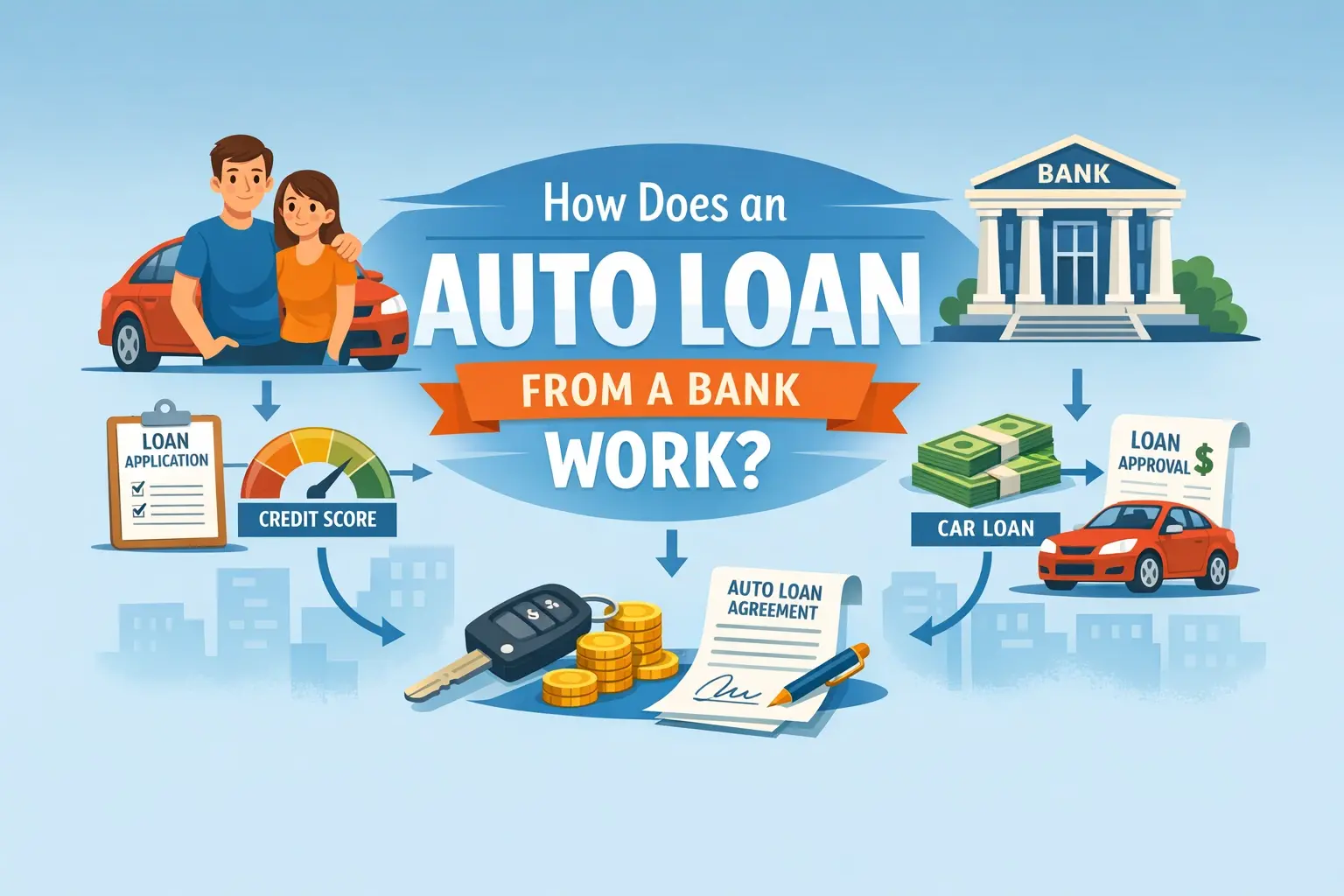
Applying for a Wells Fargo auto loan can be done through a few different channels, offering flexibility to borrowers. The process is generally designed to be straightforward, though it requires careful attention to detail and the provision of accurate information. Understanding each step can help you navigate the application with confidence and increase your chances of a successful outcome.
Online Application
The most common and convenient method for applying is online through the Wells Fargo website. This typically involves the following steps:
Visit the Wells Fargo Auto Loans Page: Navigate to the official Wells Fargo website and find the auto loan section.
Pre-qualification (Optional but Recommended): Many lenders, including Wells Fargo, offer a pre-qualification option. This allows you to get an estimate of the loan amount and interest rate you might qualify for without a hard inquiry on your credit report. This is a valuable first step to gauge your potential options.
Complete the Application Form: If you proceed with a full application, you will need to fill out an online form. This will ask for personal information (name, address, date of birth, Social Security number), employment details (employer, income, job title), financial information (income, existing debts, assets), and details about the vehicle you intend to purchase (if known).
Submit Required Documents: You may be prompted to upload or submit supporting documents electronically, such as proof of income, identification, and residency.
Review and Submit: Carefully review all the information you have entered for accuracy. Once satisfied, submit your application.
Underwriting and Decision: Wells Fargo's lending team will review your application and creditworthiness. This stage may involve a hard inquiry on your credit report if you haven't already undergone one during pre-qualification.
Loan Offer and Acceptance: If approved, you will receive a loan offer detailing the loan amount, interest rate (APR), repayment term, and monthly payment. You will need to review and accept these terms.
Funding: Once accepted, Wells Fargo will arrange for the loan funds to be disbursed, typically directly to the dealership where you are purchasing the vehicle.
Application Through a Dealership
Wells Fargo partners with numerous auto dealerships across the country. You can also apply for a loan directly through a dealership that works with Wells Fargo. The process here is often integrated into the car-buying experience:
Choose Your Vehicle: Select the car you wish to purchase at the dealership.
Discuss Financing: Inform the dealership's finance manager that you are interested in Wells Fargo financing.
Complete the Dealership's Application: You will fill out a loan application provided by the dealership, which includes much of the same information required for an online application. The dealership will then submit this to Wells Fargo (and potentially other lenders) on your behalf.
Credit Check: The dealership will run your credit, which will result in a hard inquiry.
Review Offers: The finance manager will present you with loan offers from Wells Fargo and possibly other lenders. You can compare these offers to ensure you are getting the best deal.
Finalize and Sign: If you accept the Wells Fargo offer, you will complete the necessary paperwork with the dealership.
Funding: The dealership handles the disbursement of funds.
While convenient, applying through a dealership might sometimes result in slightly higher rates compared to applying directly with the lender, as dealerships may add a markup. It's always a good practice to get pre-approved directly from Wells Fargo beforehand to have a benchmark for comparison.
What to Expect After Application
After submitting your application, Wells Fargo will review your information. This process can take anywhere from a few minutes for online pre-approvals to a few business days for a full application review. If approved, you'll receive your loan terms. It's crucial to read these terms carefully, paying close attention to the APR, loan term (length of the loan), any potential fees (origination fees, late payment fees), and the total cost of the loan. If your application is denied, Wells Fargo is required to provide you with the reasons for the denial, which can be helpful for future applications.
Wells Fargo Auto Loan Features and Terms (2025-26)
Wells Fargo aims to provide a competitive and comprehensive auto loan product in the 2025-26 market. Understanding the specific features and typical terms offered is essential for borrowers to assess if this lender aligns with their financial goals and needs. While exact rates and terms are highly personalized, based on creditworthiness, loan amount, and market conditions, we can outline the general characteristics of Wells Fargo auto loans.
Interest Rates and APRs
Interest rates for Wells Fargo auto loans are variable and depend heavily on the applicant's credit score, the loan term, and the current economic environment. For 2025-26, borrowers with excellent credit (780+) can anticipate Annual Percentage Rates (APRs) that are among the lowest in the market, potentially starting in the low 5% range. Those with good credit (670-779) might see rates in the 6% to 9% range. Applicants with fair credit (580-669) could face rates from 10% to 15% or higher. It's important to remember that APR includes the interest rate plus any fees, giving a more accurate picture of the total cost of borrowing.
Loan Amounts and Terms
Wells Fargo typically offers a wide range of loan amounts to accommodate various vehicle prices. While specific minimums and maximums can fluctuate, they generally cater to most standard vehicle purchases. Loan terms, which represent the duration over which the loan must be repaid, are also flexible. Common terms range from 36 months (3 years) to 72 months (6 years), with some lenders offering up to 84 months (7 years) for certain vehicles or borrowers. Longer terms result in lower monthly payments but mean you'll pay more interest over the life of the loan. Shorter terms mean higher monthly payments but less overall interest paid.
For example, a borrower financing $25,000 might have options:
36-month term: Higher monthly payment, less total interest.
60-month term: Moderate monthly payment, moderate total interest.
72-month term: Lower monthly payment, higher total interest.
The choice of term significantly impacts affordability and the total cost of the vehicle. Wells Fargo's online tools often allow borrowers to estimate payments based on different terms and interest rates.
Fees
While Wells Fargo strives to be competitive, it's crucial to be aware of potential fees associated with auto loans. These can include:
Origination Fee: A fee charged for processing the loan application. This can sometimes be rolled into the loan amount.
Late Payment Fee: Charged if a payment is not received by the due date.
Prepayment Penalty: Some loans may charge a fee if you pay off the loan early. However, many lenders, including Wells Fargo, offer loans with no prepayment penalty, which is a significant advantage for borrowers who plan to pay off their loans ahead of schedule. Always confirm this detail.
Title and Registration Fees: These are standard government fees associated with vehicle ownership and are separate from loan fees.
It is vital to clarify all potential fees with Wells Fargo during the application process to understand the full cost of the loan.
Vehicle Types and Financing
Wells Fargo generally finances both new and used vehicles. However, there might be limitations on the age and mileage of used cars they will finance. For instance, they might restrict financing to vehicles that are no more than 7-10 years old and have fewer than 100,000 miles. These restrictions are in place to manage the risk associated with the depreciation and potential maintenance costs of older vehicles. Financing for recreational vehicles (RVs), boats, or motorcycles may be handled through different loan products or have separate criteria.
Online Account Management
A significant feature for 2025-26 borrowers is the ability to manage their auto loans online. Wells Fargo typically provides a user-friendly online portal where customers can view loan details, make payments, track payment history, and sometimes set up automatic payments. This digital convenience is a key aspect of modern banking and enhances the customer experience.
Pros and Cons of Wells Fargo Auto Loans
Deciding on an auto loan provider involves weighing the advantages against the disadvantages. Wells Fargo, as a major financial institution, presents a compelling case for many borrowers, but it's essential to have a balanced perspective. Here’s a breakdown of the pros and cons:
Pros
Reputation and Stability: Wells Fargo is a well-established and reputable bank, offering a sense of security and reliability for borrowers. This can be particularly appealing to those who prefer to deal with traditional financial institutions.
Competitive Rates for Strong Credit: For individuals with excellent credit scores, Wells Fargo often provides highly competitive interest rates, which can lead to significant savings over the life of the loan.
Convenient Online Access: The bank offers robust online tools for managing your loan, making payments, and viewing statements, which is a significant convenience for tech-savvy borrowers.
Dealership Network: Wells Fargo's presence in many dealerships simplifies the financing process for those who prefer to arrange their loan at the point of sale.
Potential for Relationship Discounts: Existing Wells Fargo customers might be eligible for relationship discounts or preferential treatment, though this is not always guaranteed for auto loans.
No Prepayment Penalties (Often): Many of Wells Fargo's auto loan products do not include prepayment penalties, allowing borrowers to pay off their loan early without incurring extra fees, saving on interest.
Cons
Strict Eligibility Requirements: Wells Fargo tends to have higher credit score requirements compared to some specialized auto lenders. Borrowers with lower credit scores may find it difficult to get approved or may face very high interest rates.
Limited Options for Subprime Borrowers: While they may offer some options for borrowers with less-than-perfect credit, Wells Fargo is generally not the go-to lender for those with significant credit challenges. Specialized subprime lenders often cater better to this demographic.
Potential for Dealership Markups: When applying through a dealership, there's a possibility that the offered rate might be higher than what you could secure by applying directly with Wells Fargo, as dealerships may add a profit margin.
Customer Service Variability: Like any large bank, customer service experiences can vary. While many customers report positive interactions, some may encounter longer wait times or less personalized service compared to smaller, specialized lenders.
Less Flexibility on Older Vehicles: Wells Fargo may have stricter limitations on the age and mileage of used vehicles they finance, potentially excluding older or higher-mileage cars from their loan offerings.
Ultimately, whether Wells Fargo is the right choice depends on your individual financial profile, your comfort level with traditional banking, and your specific vehicle needs. Comparing their offerings with those of other lenders is always a prudent step.
Comparing Wells Fargo Auto Loans to Competitors
In the competitive auto loan market of 2025-26, Wells Fargo stands alongside other major banks, credit unions, and specialized online lenders. Each type of lender offers a different set of advantages and disadvantages. Understanding these differences is key to finding the best auto loan for your specific situation.
Wells Fargo vs. Other Major Banks (e.g., Chase, Bank of America)
Similarities: Like other large national banks, Wells Fargo offers a generally stable and reliable financing option. They typically cater to borrowers with good to excellent credit and provide online account management. Rates from these institutions are often competitive for prime borrowers.
Differences: Specific interest rates, loan terms, and eligibility criteria can vary slightly. Some banks might have more aggressive online-only platforms, while others, like Wells Fargo, maintain a strong physical branch presence. The application process and required documentation are usually quite similar.
Wells Fargo vs. Credit Unions
Similarities: Both can offer competitive rates and personalized service. Credit unions, like banks, serve specific member bases.
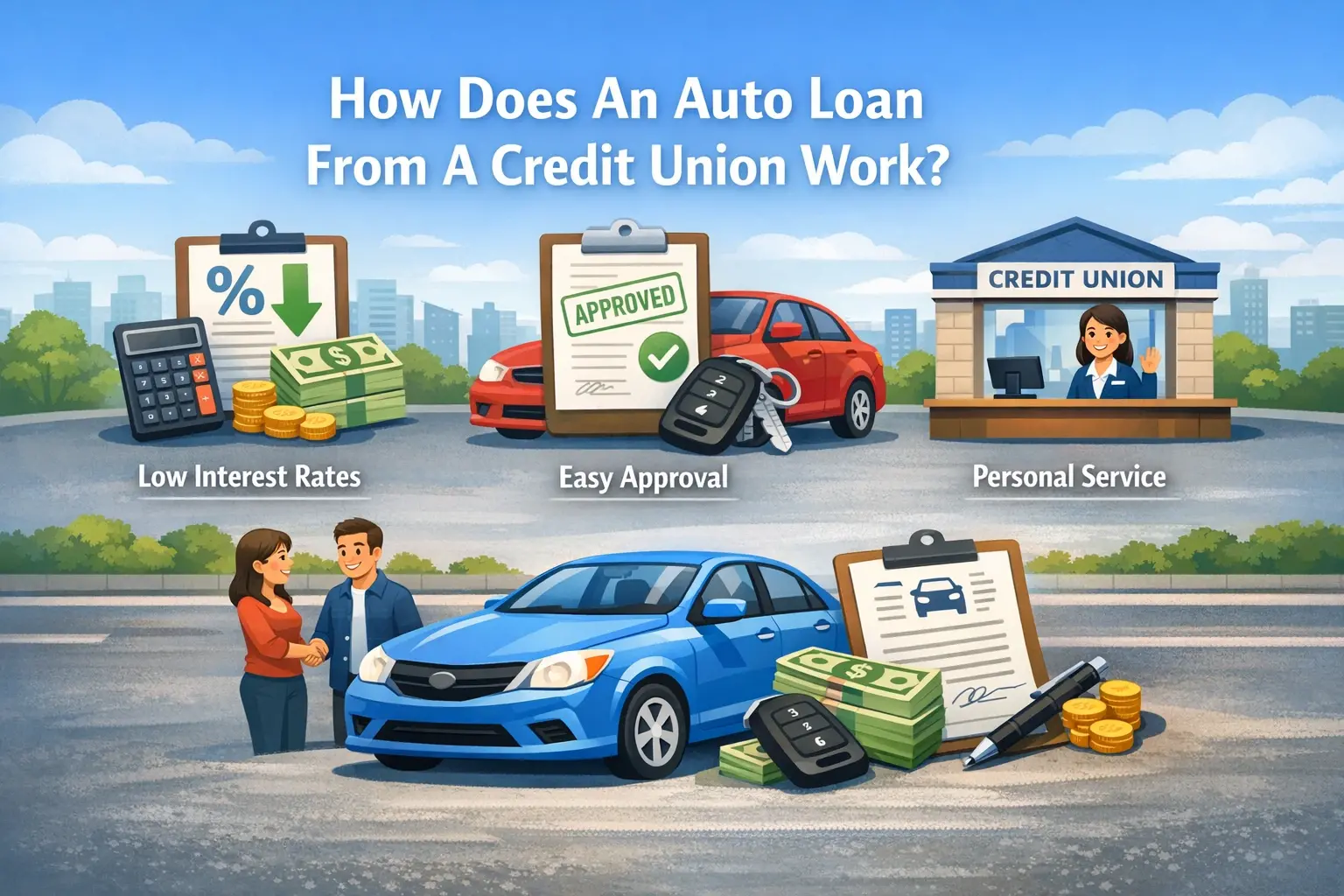
Differences: Credit unions are non-profit organizations and often pass savings onto their members in the form of lower interest rates and fewer fees. They may also offer more flexible terms and be more willing to work with members who have slightly less-than-perfect credit. However, membership is typically required, and their geographic reach or online capabilities might be more limited than a national bank like Wells Fargo.
Wells Fargo vs. Online Lenders and Specialty Finance Companies
Similarities: Many online lenders offer quick application processes and rapid funding. Some specialize in specific niches, like subprime lending.
Differences:
Speed: Online lenders often boast faster approval and funding times than traditional banks.
Credit Score Flexibility: Specialized online lenders (e.g., Capital One Auto Finance, Ally Bank, Carvana, Vroom) may be more accommodating to borrowers with fair or even poor credit, though at higher interest rates. Wells Fargo is generally more selective.
Rates: For borrowers with excellent credit, Wells Fargo might offer comparable or even better rates than some online lenders. However, for those with lower credit scores, specialized lenders might be the only viable option, albeit at a higher cost.
Customer Service: Online lenders rely heavily on digital platforms, while Wells Fargo offers a hybrid model of online and in-person service.
A comparison table can illustrate these points:
Feature
Wells Fargo
Major Banks
Credit Unions
Online Lenders (Prime)
Online Lenders (Subprime)
Credit Score Focus
Good to Excellent
Good to Excellent
Varies (often more flexible)
Good to Excellent
Fair to Poor
Interest Rates (Prime)
Competitive
Competitive
Often Lower
Competitive
High
Approval Speed
Moderate
Moderate
Moderate
Fast
Fast
Online Tools
Strong
Strong
Varies
Excellent
Good
Physical Presence
Strong
Strong
Strong (local)
None
None
Flexibility for Lower Credit
Limited
Limited
Moderate to High
Limited
High
Key takeaway for 2025-26: For borrowers with strong credit, Wells Fargo is a solid option, comparable to other major banks. However, if you have less-than-perfect credit or are seeking the absolute fastest approval process, exploring credit unions or specialized online lenders might be more beneficial. Always get pre-approved from multiple lenders to compare offers.
Financing Different Vehicle Types with Wells Fargo
While the term "auto loan" often conjures images of sedans and SUVs, Wells Fargo's financing options can extend to various types of vehicles. However, the specific product and terms will depend on the nature of the vehicle and its intended use. Understanding these distinctions is crucial for borrowers.
New and Used Cars
This is the primary focus of Wells Fargo's auto loan offerings. They provide financing for both new vehicles purchased from dealerships and used vehicles, whether bought from a dealership or a private seller (though dealership financing is more common and often simpler). As mentioned, there are typically age and mileage limitations for used cars to ensure the vehicle retains sufficient value to secure the loan.
Trucks and SUVs
Financing for trucks and SUVs is generally straightforward and falls under the standard auto loan category. The loan amount will be based on the purchase price of the vehicle, and eligibility criteria remain the same as for cars. Larger or more expensive trucks and SUVs may require higher loan amounts, which could impact the terms offered.
Motorcycles and Powersports
Wells Fargo may offer financing for motorcycles, ATVs, UTVs, and other powersports vehicles. These loans might be categorized separately from standard auto loans and could have different interest rates, terms, and LTV limits. The application process is similar, but the vehicle's specific characteristics and market value will be key factors in approval.
Recreational Vehicles (RVs)
Financing for RVs is a significant market, and Wells Fargo is known to participate in this sector. RV loans are typically longer-term than car loans due to the higher purchase prices and are often secured by the RV itself. The terms and rates can vary considerably based on the RV's age, condition, and type (e.g., Class A, B, or C motorhome, travel trailer). It's advisable to inquire directly with Wells Fargo about their specific RV financing programs.
Boats
Similar to RVs, boat loans are a specialized product. Wells Fargo may offer financing for boats, with terms and rates dependent on the boat's value, age, and type. These loans are secured by the vessel.
Commercial Vehicles
For business purposes, such as purchasing a work truck or a van for a small business, Wells Fargo might offer commercial auto loans. These are distinct from personal auto loans and will have different underwriting criteria, focusing on the business's financial health and the vehicle's role in generating revenue. Small business loans or commercial financing divisions would typically handle these applications.
Important Considerations for Non-Car Vehicles
LTV Limits: Lenders often have stricter Loan-to-Value (LTV) limits for recreational vehicles and boats, as these assets can depreciate more rapidly or be considered higher risk.
Loan Terms: Longer loan terms are common for higher-priced vehicles like RVs, which can lead to lower monthly payments but a higher total interest cost.
Insurance Requirements: Lenders will require comprehensive insurance coverage for all financed vehicles, especially for higher-value items like RVs and boats.
Specialized Lenders: While Wells Fargo offers a broad range, specialized lenders in the RV or marine finance sectors might sometimes offer more tailored products or more competitive rates for these specific types of vehicles.
When seeking financing for anything other than a standard car or truck, it's essential to clarify with Wells Fargo whether they offer the specific loan product you need and to understand all the associated terms and conditions.
Refinancing Your Auto Loan with Wells Fargo
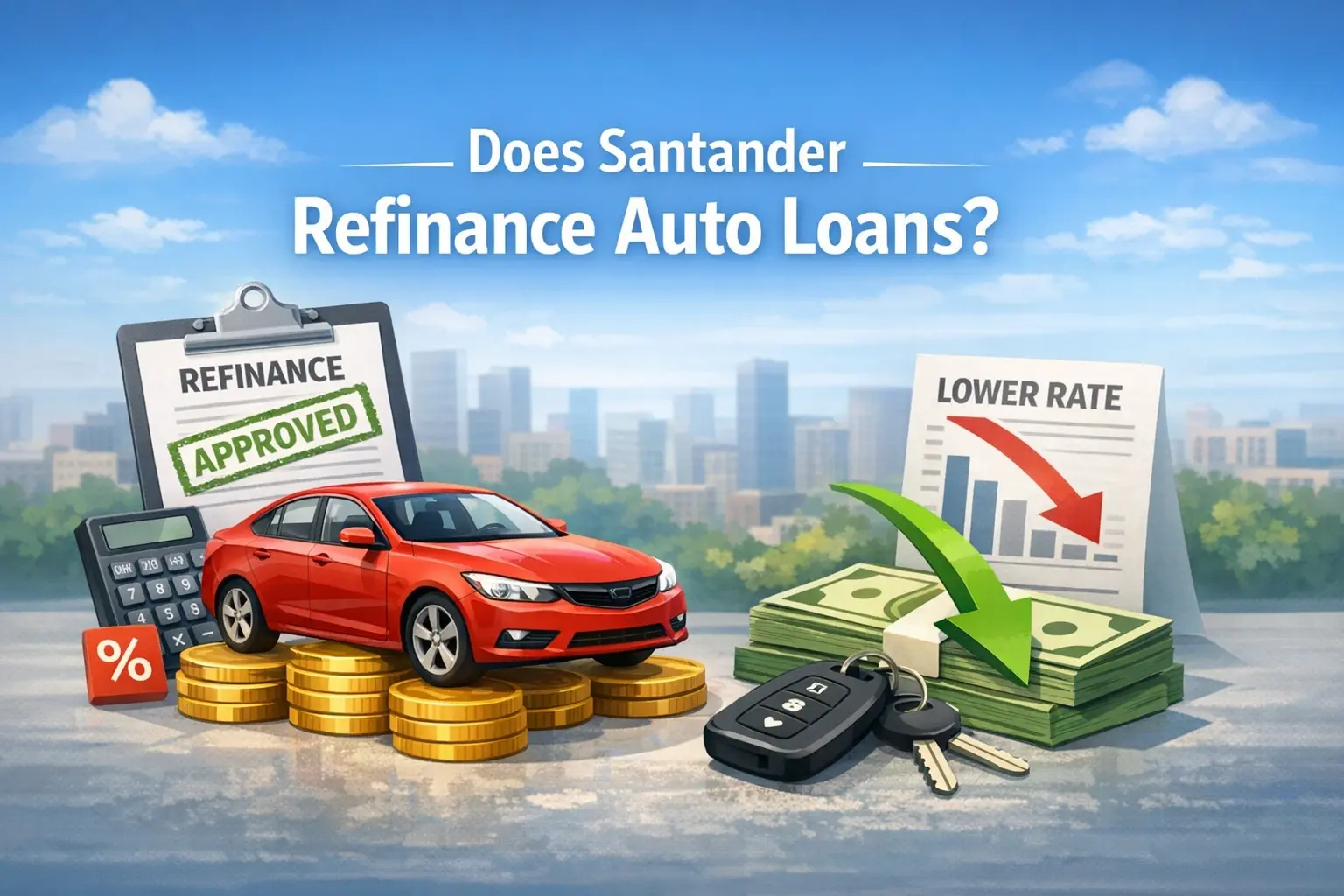
If you currently have an auto loan with another lender, refinancing with Wells Fargo could be a strategic move to potentially lower your monthly payments, reduce your interest rate, or shorten your loan term. Refinancing is essentially taking out a new loan to pay off your existing one, allowing you to start fresh with potentially better terms.
Why Refinance?
Lower Interest Rate: If your credit score has improved significantly since you took out your original loan, or if market interest rates have dropped, you may qualify for a lower APR. This can save you a substantial amount of money over the remaining life of the loan.
Lower Monthly Payments: By extending the loan term or securing a lower interest rate, you can reduce your monthly payment, freeing up cash flow for other expenses.
Shorten Loan Term: Conversely, if you can afford higher monthly payments, you might choose a shorter loan term with a potentially lower overall interest rate, allowing you to pay off your vehicle faster.
Remove a Co-signer: If you initially had a co-signer and your credit profile has improved, you might be able to refinance the loan solely in your name.
The Refinancing Process
The process for refinancing an auto loan with Wells Fargo is similar to applying for a new loan:
Check Your Credit: Before applying, ensure your credit score is in good standing. A higher score will increase your chances of approval and securing a better rate. Consider using Credit Repair Ease to assess and potentially improve your credit profile before applying.
Gather Information: You'll need details about your current auto loan, including the outstanding balance, lender, interest rate, and monthly payment.
Apply with Wells Fargo: Visit the Wells Fargo website or a branch to apply for an auto loan refinance. You'll need to provide personal, employment, and financial information.
Vehicle Valuation: Wells Fargo will assess the current market value of your vehicle to determine the Loan-to-Value (LTV) ratio.
Review Loan Offer: If approved, Wells Fargo will present you with a new loan offer, including the interest rate, term, and monthly payment.
Accept and Fund: If you accept the offer, Wells Fargo will disburse the funds to your current lender to pay off the existing loan. You will then begin making payments to Wells Fargo.
Considerations for Refinancing
Fees: Be aware of any potential fees associated with refinancing, such as origination fees or title transfer fees.
Vehicle Age and Mileage: Wells Fargo, like other lenders, may have restrictions on the age and mileage of the vehicle it will refinance. Older, high-mileage vehicles may not qualify.
Total Cost: Ensure that the new loan terms, even if they result in lower monthly payments, do not significantly increase the total amount of interest you pay over the life of the loan. Sometimes, extending the term can lead to paying more interest overall, despite lower monthly payments.
Loan Term Reset: Refinancing effectively resets your loan term. If you extend it significantly, you could end up making payments for longer than you originally intended.
Refinancing is a powerful tool for managing your auto loan debt, and Wells Fargo can be a viable option for borrowers looking to improve their current loan terms, provided they meet the eligibility requirements.
Tips for Getting Approved for a Wells Fargo Auto Loan
Securing approval for a Wells Fargo auto loan, especially with favorable terms, requires preparation and a strategic approach. By focusing on key areas, you can significantly enhance your chances of a successful application in the 2025-26 lending environment.
Boost Your Credit Score
This is paramount. Even a small improvement can make a difference. Focus on:
Pay Bills On Time: Payment history is the biggest factor in credit scores.
Reduce Credit Utilization: Keep credit card balances low relative to their limits. Aim for below 30%, ideally below 10%.
Avoid Opening New Credit Accounts: Multiple hard inquiries in a short period can lower your score.
Check for Errors: Obtain your credit reports from all three major bureaus and dispute any inaccuracies. Companies like Credit Repair Ease can assist with this process.
Save for a Down Payment
A larger down payment reduces the loan amount, lowers your LTV ratio, and demonstrates financial commitment. This makes you a less risky borrower in the eyes of Wells Fargo. Aim for at least 10-20% of the vehicle's price if possible.
Calculate Your Debt-to-Income Ratio (DTI)
Wells Fargo will assess your DTI. Lowering your existing debts (e.g., paying down credit cards, personal loans) before applying can improve your DTI and make you a more attractive candidate.
Get Pre-Approved Directly
Apply directly on the Wells Fargo website before visiting a dealership. Pre-approval gives you a clear understanding of the loan amount and interest rate you qualify for. This empowers you at the dealership, allowing you to focus on negotiating the car's price rather than the financing terms, and provides a benchmark to compare against dealership offers.
Know Your Budget
Determine how much you can realistically afford for a monthly car payment, including insurance, gas, and maintenance. Don't just focus on the monthly payment; consider the total cost of the loan over its entire term.
Research Vehicle Values
Understand the fair market value of the vehicle you intend to purchase. This helps you negotiate a fair price and ensures the loan amount requested is reasonable.
Be Prepared with Documentation
Having all necessary documents (ID, proof of income, proof of residency) ready will expedite the application process and show Wells Fargo you are organized and serious.
Consider a Co-signer If Needed
If your credit is borderline or you have limited credit history, a co-signer with a strong credit profile can significantly improve your chances of approval and potentially secure a better interest rate. However, remember that a co-signer is equally responsible for the loan.
Shop Around, But Limit Inquiries
While it's wise to compare offers, try to do so within a short timeframe (typically 14-45 days, depending on the credit scoring model) to minimize the impact of multiple hard inquiries on your credit score. Focus on comparing pre-approval offers first.
By implementing these tips, you can approach your Wells Fargo auto loan application with confidence, increasing your likelihood of approval and securing terms that align with your financial goals.
Conclusion: Is a Wells Fargo Auto Loan Right for You?
Wells Fargo remains a significant player in the auto loan market for 2025-26, offering a reliable and accessible financing option for many consumers. The bank's strong reputation, extensive branch network, and robust online platform provide a convenient and secure avenue for purchasing a new or used vehicle. For individuals with a solid credit history, Wells Fargo often delivers competitive interest rates and flexible loan terms, making it a compelling choice for those seeking to finance their next car.
However, it is crucial to approach the decision with a clear understanding of Wells Fargo's lending criteria. The bank generally favors borrowers with good to excellent credit scores, and those with lower scores may find it challenging to secure approval or may be offered less favorable rates. While Wells Fargo does offer options for various vehicle types, including RVs and motorcycles, their primary strength lies in standard automotive financing. Borrowers should always compare Wells Fargo's offers against those from other lenders, including credit unions and specialized online providers, to ensure they are obtaining the most advantageous terms available.
Ultimately, the decision of whether a Wells Fargo auto loan is the right fit hinges on your individual financial circumstances, credit profile, and vehicle needs. By diligently researching, getting pre-approved, and understanding all the terms and conditions, you can confidently determine if Wells Fargo aligns with your path to vehicle ownership. Remember, proactive financial management, including maintaining a healthy credit score, is key to unlocking the best possible loan options in today's competitive market.
null
Does Wells Fargo Have Auto Loans

Krystin Bresolin