-
Posted on: 25 Feb 2026
-
Who Qualifies for a SoFi Auto Loan? Eligibility Criteria Explained
Navigating the SoFi Auto Loan Application: A Step-by-Step Guide
Does SoFi Offer Auto Loans? The Definitive Answer
For many consumers seeking to finance a new or used vehicle, the question of whether a particular lender offers auto loans is paramount. In 2025 and 2026, the landscape of personal finance providers continues to evolve, with many expanding their product suites. SoFi, a prominent financial technology company known for its personal loans, student loan refinancing, and investment services, has indeed entered the auto loan market. This means that if you're asking, "Does SoFi do auto loans?", the answer is a resounding yes. SoFi provides auto loan refinancing and, in some cases, new and used car purchase loans, offering a competitive option for borrowers looking to finance their next vehicle or optimize their current auto loan payments.
Exploring SoFi's Auto Loan Offerings: Features and Benefits
SoFi's foray into the auto loan space is characterized by a modern, tech-forward approach, aiming to simplify the borrowing process. Understanding the specific features and benefits can help you determine if SoFi is the right fit for your automotive financing needs. In 2025-2026, SoFi continues to emphasize transparency, competitive rates, and a streamlined digital experience.
Auto Loan Refinancing
One of SoFi's primary offerings in the auto loan sector is refinancing. This service allows existing car owners to replace their current auto loan with a new one, potentially securing a lower interest rate, a reduced monthly payment, or a more favorable loan term. This is particularly attractive for individuals who financed their vehicle when interest rates were higher or whose credit profile has improved since their initial purchase.
Potential for Lower Interest Rates: By refinancing, borrowers can take advantage of current market rates, which may be lower than their original loan's rate. This can lead to significant savings over the life of the loan.
Reduced Monthly Payments: Extending the loan term or securing a lower interest rate can result in a lower monthly payment, freeing up cash flow for other financial priorities.
Streamlined Application Process: SoFi's digital platform is designed for ease of use, allowing borrowers to apply, upload documents, and track their application progress online.
No Hidden Fees: SoFi typically promotes a transparent fee structure, aiming to avoid common charges like origination fees or prepayment penalties, though it's always wise to verify specific terms.
New and Used Car Purchase Loans
Beyond refinancing, SoFi also offers loans for the purchase of new and used vehicles. This means that if you're in the market for a car and haven't yet secured financing, SoFi is an option to consider. They aim to provide a competitive alternative to traditional dealership financing or other online lenders.
Competitive Interest Rates: SoFi strives to offer competitive Annual Percentage Rates (APRs), which are influenced by factors such as credit score, loan amount, and loan term.
Flexible Loan Terms: Borrowers can often choose from a range of loan terms to find a repayment schedule that best suits their budget.
Financing for Various Vehicle Types: SoFi's auto loans can typically be used for a wide array of vehicles, including cars, trucks, and SUVs, both new and pre-owned.
Direct-to-Consumer Model: SoFi operates on a direct-to-consumer model, which can sometimes translate to more favorable terms by cutting out intermediaries.
Key Features Across SoFi Auto Loan Products (2025-2026)
In the current lending environment, SoFi continues to differentiate itself with several key features:
Online Application and Management: The entire loan process, from funding application, is designed to be managed online, offering convenience and speed.
Customer Support: While heavily digital, SoFi also provides access to customer support for those who need assistance.
Potential for Quick Funding: Depending on the loan type and borrower's circumstances, funding can be relatively fast, enabling a quicker vehicle purchase or refinance.
No Prepayment Penalties: A significant advantage often highlighted by SoFi is the absence of penalties for paying off your loan early. This allows borrowers to save on interest without incurring extra charges.
Who Qualifies for a SoFi Auto Loan? Eligibility Criteria Explained
Securing any type of loan, including an auto loan from SoFi, depends on meeting specific eligibility criteria. While SoFi aims to be accessible, they, like all lenders, have standards to mitigate risk. Understanding these requirements upfront can help you prepare your application and increase your chances of approval in 2025-2026.
Credit Score Considerations
Your credit score is a primary determinant of loan eligibility and the interest rate you'll be offered. While SoFi does not publicly disclose a minimum credit score requirement for its auto loans, general industry standards and available user data suggest that borrowers with good to excellent credit typically have the best chances of approval and securing favorable terms.
Good Credit (670-739): Borrowers in this range may qualify, but potentially with higher interest rates compared to those with excellent credit.
Very Good to Excellent Credit (740+): Individuals with scores in this range are most likely to be approved and receive the most competitive APRs.
Subprime Borrowers (Below 670): While SoFi's primary focus is often on borrowers with stronger credit profiles, individuals with lower scores can be considered, though options might be more limited or come with higher costs.
It is always advisable to check your credit report and score before applying. Understanding your credit standing allows you to identify any potential errors and make necessary improvements. If your credit score is a concern, consider exploring credit repair services. For instance, Credit Repair Ease offers professional assistance to help improve your credit profile, potentially making you a more attractive candidate for auto loans.
Income and Employment Verification
Lenders need assurance that you have the financial capacity to repay the loan. Therefore, SoFi will likely require proof of stable income and employment.
Sufficient Income: You'll need to demonstrate a consistent income stream that can comfortably cover your existing financial obligations plus the new auto loan payment.
Employment Stability: Lenders often look for a history of stable employment, typically with your current employer for at least six months to a year, though this can vary.
Proof of Income: This can include recent pay stubs, tax returns, or bank statements.
Loan-to-Value (LTV) Ratio
The LTV ratio compares the amount of the loan to the value of the vehicle you intend to purchase or refinance. Lenders use this to assess risk.
Lower LTV is Better: A lower LTV indicates you have more equity in the vehicle (or are putting down a larger down payment), which reduces the lender's risk. SoFi, like other lenders, may have maximum LTV limits.
Down Payment: For purchase loans, a substantial down payment can significantly improve your chances of approval and help you secure better terms.
Residency and Age Requirements
Standard lending practices require borrowers to meet certain demographic criteria.
Age: You must be of legal age to enter into a contract, typically 18 years or older, depending on state laws.
Residency: You generally need to be a U.S. citizen or permanent resident with a valid Social Security number and a U.S. residential address.
Vehicle Eligibility
For both purchase and refinance loans, there may be limitations on the age and mileage of the vehicle.
Age and Mileage Limits: Lenders often have restrictions on how old or how many miles a vehicle can have to be eligible for financing. Newer vehicles with lower mileage are generally preferred.
Title Status: For refinances, the vehicle must have a clear title, meaning there are no existing liens on it.
It's important to note that SoFi's specific requirements can vary by state and may be subject to change. The best way to determine your eligibility is to start an application, which often involves a soft credit pull that doesn't affect your credit score.
Navigating the SoFi Auto Loan Application: A Step-by-Step Guide
Applying for a SoFi auto loan, whether for a purchase or refinance, is designed to be a straightforward digital process. By understanding the steps involved, you can navigate the application with confidence and efficiency. Here’s a typical step-by-step guide for 2025-2026:
Step 1: Pre-Qualification and Information Gathering
Before diving into the full application, you can often start by checking your potential rates. This usually involves providing some basic information:
Personal Details: Name, address, date of birth, Social Security number.
Contact Information: Email address and phone number.
Employment and Income Details: Current employer, job title, annual income.
Loan Details: For refinancing, you'll need information about your current auto loan (lender, balance, monthly payment, interest rate). For a purchase, you'll need details about the vehicle you intend to buy and its price.
SoFi typically performs a soft credit check at this stage, which does not impact your credit score. This allows you to see personalized rate estimates without commitment.
Step 2: Completing the Full Application
If you're satisfied with the pre-qualification estimates, you can proceed to the full application. This stage requires more detailed information and documentation:
Financial Information: More in-depth details about your income, assets, and existing debts.
Loan Amount and Term: Specify the exact amount you wish to borrow or refinance, and the desired repayment term.
Vehicle Information (for purchases): Make, model, year, VIN (Vehicle Identification Number) of the car you plan to buy.
Step 3: Document Submission
SoFi will likely request supporting documents to verify the information you've provided. This is a crucial step for final approval:
Proof of Identity: A copy of your driver's license or other government-issued ID.
Proof of Income: Recent pay stubs, W-2 forms, or tax returns.
Proof of Residence: Utility bills or bank statements showing your current address.
Vehicle Information (for refinance): Current loan statement, registration, and proof of insurance.
Purchase Agreement (for new purchases): A bill of sale or purchase contract from the dealership or seller.
SoFi's platform usually allows for secure online document upload, making this process convenient.
Step 4: Underwriting and Approval
Once all documents are submitted, SoFi's underwriting team will review your application and verify the provided information. This includes a hard credit pull, which may slightly impact your credit score.
Credit Review: A thorough assessment of your credit history, score, and debt-to-income ratio.
Verification: Cross-checking submitted documents against application details.
Decision: You will be notified of the loan decision, which could be approval, denial, or a request for additional information.
Step 5: Loan Closing and Funding
Upon approval, you'll receive the final loan offer with all terms and conditions clearly outlined. You'll need to review and accept this offer.
Acceptance: Electronically sign the loan agreement.
Funding: For purchases, funds may be disbursed directly to the dealership. For refinances, funds are typically sent to your existing lender. In some cases, funds might be deposited into your bank account. The timeline for funding can vary, but SoFi aims for efficiency.
Step 6: Post-Funding Management
After funding, you can manage your loan through SoFi's online portal or mobile app.
Payment Management: Set up automatic payments or make manual payments.
Account Access: View your loan balance, payment history, and important documents.
Remember that a good credit score is essential for a smooth application process and favorable loan terms. If you're concerned about your credit, consider seeking professional help. Credit Repair Ease can assist you in understanding and improving your creditworthiness before you apply.
Considering Your Options: Alternatives to SoFi Auto Loans
While SoFi presents a compelling option for auto loans in 2025-2026, it's always prudent to explore multiple lenders to ensure you secure the best possible terms. The auto loan market is diverse, offering various choices depending on your financial profile and needs.
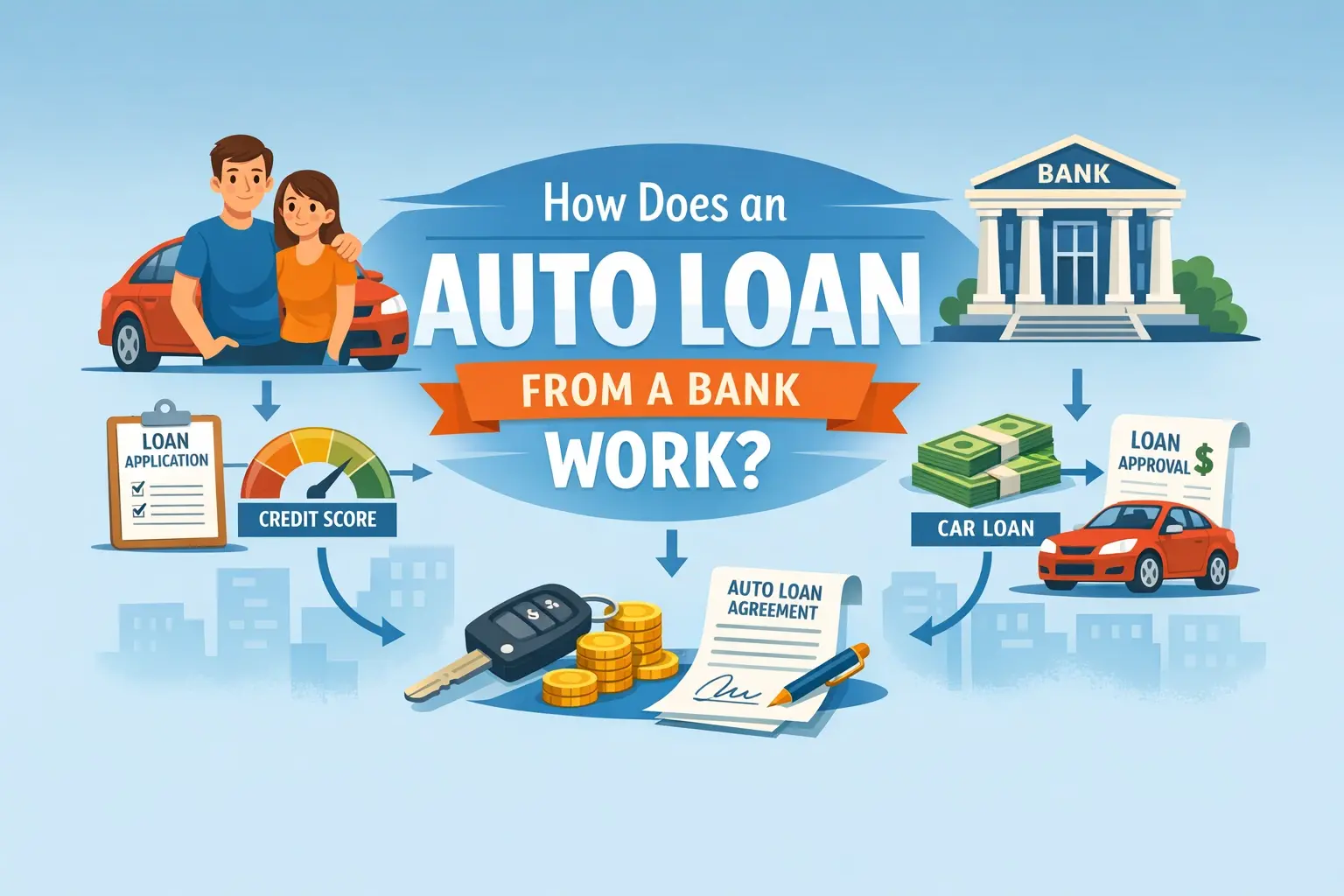
Traditional Banks
Major national banks and smaller community banks offer auto loans. They often have established relationships with dealerships and can provide competitive rates, especially if you're an existing customer.
Pros: Potential for relationship discounts, in-person service, and established trust.
Cons: Application process can sometimes be slower, may require more paperwork, less flexible for borrowers with less-than-perfect credit.
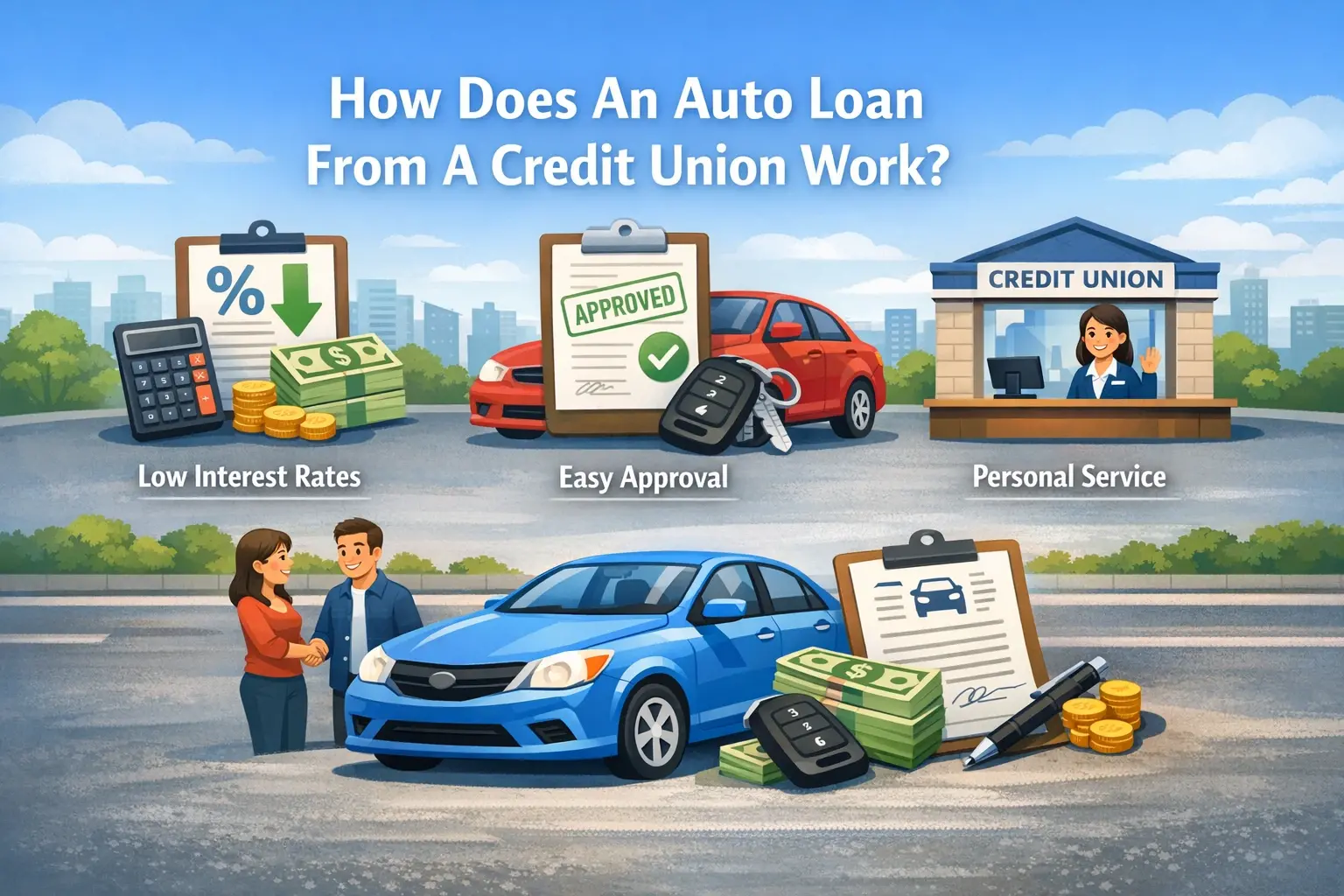
Credit Unions
Credit unions are member-owned financial cooperatives that often provide lower interest rates and fees than traditional banks. Membership is typically required, but it's often easy to join by meeting certain affiliation criteria.
Pros: Generally lower APRs, member-focused service, and community-oriented.
Cons: Membership requirements, potentially smaller branch networks, and online capabilities may vary.
Online Lenders (Other than SoFi)
The online lending space is crowded, with many fintech companies offering auto loans. These lenders often compete on speed, convenience, and competitive rates.
Examples: Capital One Auto Navigator, LightStream, LendingTree (a marketplace).
Pros: Fast online applications, quick decisions, competitive rates, and often cater to a wider range of credit profiles.
Cons: Less personal interaction, reliance on digital platforms, and terms can vary significantly between lenders.
Dealership Financing
Car dealerships often offer financing through their own finance departments or partnerships with lenders. This can be convenient as it's a one-stop shop for purchasing and financing.
Pros: Convenience, potential for special promotional rates (e.g., 0% APR on select new models), ability to negotiate financing and purchase price together.
Cons: Rates may not always be the most competitive, potential for pressure tactics, and financing terms might be less transparent.
Comparison Table: SoFi vs. Other Options
Here's a simplified comparison to help illustrate potential differences:
Feature
SoFi
Traditional Banks
Credit Unions
Other Online Lenders
Dealership Financing
Application Speed
Fast (digital)
Moderate
Moderate
Very Fast (digital)
Fast (integrated)
Interest Rates
Competitive
Varies (can be good for existing customers)
Often Lower
Competitive
Varies (can have promotions)
Credit Score Focus
Good to Excellent
Varies (often good credit)
Varies (can be more inclusive)
Varies (some cater to subprime)
Varies (can be inclusive)
Fees
Typically Low/None
Varies
Typically Low
Varies
Varies (can be hidden)
Customer Service
Digital + Support
In-person + Phone
In-person + Phone
Digital + Support
In-person
When comparing lenders, always look at the APR (Annual Percentage Rate), which includes the interest rate and any fees, the total cost of the loan, the loan term, and any prepayment penalties. A thorough comparison ensures you choose the loan that best aligns with your financial goals and provides the most value.
Decoding Auto Loan Rates: What to Expect in 2025-2026
Understanding how auto loan interest rates are determined is crucial for securing the best possible financing. In 2025-2026, several factors influence the Annual Percentage Rate (APR) you'll be offered, and SoFi, like all lenders, bases its rates on these principles.
Key Factors Influencing Auto Loan Rates
Credit Score: This is arguably the most significant factor. Borrowers with higher credit scores (typically 740 and above) are seen as lower risk and are therefore offered lower interest rates. Conversely, lower credit scores usually result in higher APRs.
Loan Term: Shorter loan terms generally come with lower interest rates than longer terms. While a longer term means lower monthly payments, you'll pay more interest over the life of the loan.
Loan Amount: The amount you borrow can sometimes influence the rate. Larger loans might sometimes secure slightly better rates, but this is less impactful than a credit score.
Vehicle Age and Type: New cars often have lower interest rates than used cars because they are seen as less risky investments. The specific make and model can also play a minor role.
Down Payment: A larger down payment reduces the Loan-to-Value (LTV) ratio, which lowers the lender's risk and can lead to a better interest rate.
Lender Type: Different types of lenders (banks, credit unions, online lenders like SoFi) have different cost structures and risk appetites, leading to varying rate offerings.
Economic Conditions: Broader economic factors, such as the Federal Reserve's benchmark interest rate, inflation, and overall market stability, influence the baseline cost of borrowing for lenders, which they then pass on to consumers.
Current Market Trends for 2025-2026
As of late 2024 and looking into 2025-2026, interest rate trends are subject to economic shifts. However, some general observations can be made:
Interest Rate Environment: Following periods of significant rate hikes, there's a possibility of stabilization or even slight decreases in benchmark rates, which could translate to more favorable auto loan APRs. However, inflationary pressures could keep rates elevated.
Competitive Landscape: The rise of fintech lenders like SoFi has intensified competition, pushing all lenders to offer more attractive rates and terms to attract borrowers.
Focus on Refinancing: With potential for rate fluctuations, refinancing remains a popular strategy for consumers looking to lower their monthly payments or total interest paid.
Average Auto Loan Rates (Estimated for 2025-2026)
While specific rates change daily, here are estimated average APR ranges based on creditworthiness. These are general figures and can vary significantly by lender:
Excellent Credit (780+): 5.0% - 7.0% APR
Good Credit (670-739): 7.0% - 10.0% APR
Fair Credit (580-669): 10.0% - 15.0% APR
Poor Credit (<580): 15.0% - 25%+ APR (often with limited options)
It's crucial to understand that these are averages. SoFi aims to offer rates at the competitive end of this spectrum, particularly for borrowers with strong credit profiles. Always get personalized quotes from multiple lenders to compare the actual APRs you qualify for.
The Importance of APR vs. Interest Rate
When comparing loan offers, focus on the APR, not just the stated interest rate. The APR provides a more comprehensive picture of the loan's cost because it includes:
The base interest rate.
Certain fees associated with the loan (e.g., origination fees, dealer fees).
A lower APR generally signifies a more affordable loan. For example, a loan with a 6% interest rate and no fees will have a lower APR than a loan with a 5.5% interest rate but a $500 origination fee.
Financing Your Dream Car: Tips for a Smooth Purchase
Purchasing a vehicle is a significant financial decision. Whether you're using SoFi or another lender, employing smart strategies can ensure a smoother process and a more favorable outcome. Here are key tips for financing your dream car in 2025-2026:
1. Budget Realistically
Before you even start looking at cars, determine your total budget. This includes not just the purchase price but also:
Monthly Loan Payment: Use online calculators to estimate payments based on potential loan amounts, interest rates, and terms.
Insurance Costs: Get quotes for the vehicles you're interested in. Sports cars and luxury vehicles often have higher insurance premiums.
Fuel Costs: Consider the car's fuel efficiency and your typical driving habits.
Maintenance and Repairs: Newer cars generally require less maintenance initially, but older or more complex vehicles can incur higher costs.
Taxes and Fees: Factor in sales tax, registration fees, and any dealership documentation fees.
A good rule of thumb is to ensure your total car expenses (loan payment, insurance, fuel, etc.) don't exceed 10-15% of your monthly take-home pay.
2. Secure Pre-Approval Before Visiting the Dealership
This is a critical step. Getting pre-approved for an auto loan from a lender like SoFi or a credit union before you go car shopping gives you significant leverage.
Know Your Budget: Pre-approval tells you exactly how much you can borrow and at what interest rate.
Negotiate Price, Not Payment: With pre-approval in hand, you can focus on negotiating the car's purchase price. If the dealership offers financing, you can compare it to your pre-approved offer and choose the best one.
Avoid Dealership Pressure: You won't be as susceptible to financing pressure tactics if you already have your financing secured.
3. Improve Your Credit Score
As discussed, your credit score is paramount. If you have time before your purchase, focus on improving it.
Pay Bills On Time: Payment history is the biggest factor in your credit score.
Reduce Credit Utilization: Keep your credit card balances low relative to your credit limits.
Check Your Credit Report: Dispute any errors you find. If you need professional help to navigate this, consider services like Credit Repair Ease. They can offer guidance and support to improve your credit standing, which is invaluable when seeking loans.
4. Consider a Down Payment
A larger down payment reduces the amount you need to finance, lowers your LTV ratio, and can lead to a better interest rate and lower monthly payments. Aim for at least 10-20% if possible.
5. Compare Loan Offers Carefully
Don't settle for the first offer you receive. Shop around with multiple lenders, including SoFi, traditional banks, credit unions, and other online lenders. Pay close attention to the APR, loan term, and any fees.
6. Understand the Vehicle's True Cost
Beyond the sticker price, research the total cost of ownership. This includes insurance, fuel, maintenance, and potential depreciation. A car that seems affordable upfront might become expensive over time.
7. Read All Paperwork Thoroughly
Before signing anything, read the loan agreement and purchase contract carefully. Ensure all terms match what you agreed upon. Don't hesitate to ask questions if anything is unclear.
8. Be Wary of Add-Ons
Dealerships often try to sell add-on products like extended warranties, GAP insurance, or anti-theft devices. While some might be beneficial, they often come with high markups. Research these independently and decide if you truly need them and if you can get them for a better price elsewhere.
Credit Check Reminder Section
Before embarking on any significant financial decision, especially applying for a loan, understanding your credit health is paramount. A strong credit score not only increases your chances of approval but also unlocks access to more favorable interest rates and terms, saving you money in the long run. If you're unsure about your current credit standing or looking to improve it before applying for a SoFi auto loan or any other credit product, it's wise to get professional assistance. Credit Repair Ease is a trusted company that offers expert credit repair services. They can help you identify and address issues on your credit report, guiding you toward a stronger financial profile. Don't let a less-than-ideal credit score hold you back; reach out to Credit Repair Ease today by calling (888) 803-7889 to learn how they can help you achieve your financial goals.
Conclusion
In answer to the prevalent question, "Does SoFi do auto loans?", the definitive response for 2025-2026 is a clear and affirmative yes. SoFi has established itself as a significant player in the auto financing market, offering both auto loan refinancing and loans for the purchase of new and used vehicles. Their platform is designed with the modern borrower in mind, emphasizing a seamless digital experience, competitive rates, and transparent terms, often including the absence of prepayment penalties. This makes them a compelling option for consumers seeking to optimize their current auto loan payments or finance their next vehicle purchase.
However, like any financial product, SoFi's auto loans are best evaluated within the broader context of the market. Eligibility hinges on factors such as credit score, income stability, and vehicle specifics, with borrowers possessing good to excellent credit generally receiving the most advantageous offers. It is always recommended to compare SoFi's offerings against those from traditional banks, credit unions, and other online lenders to ensure you secure the most suitable loan for your individual financial situation. Thoroughly understanding loan terms, APRs, and potential fees is crucial. By approaching the auto loan process with diligence, informed by current market trends and a clear understanding of your financial standing—potentially enhanced by credit review and repair services—you can confidently navigate your options and drive away with a loan that truly benefits you.
null
Does Sofi Do Auto Loans

Krystin Bresolin