-
Posted on: 20 Mar 2026

-
Refinancing an auto loan can seem like a smart move to lower your monthly payments or interest rate. However, a common concern is whether this process will negatively impact your credit score. This article dives deep into the mechanics of auto loan refinancing and its direct and indirect effects on your creditworthiness, providing a clear answer for 2025-26.
Understanding Credit Scores and Auto Loans
In the financial landscape of 2025-26, your credit score is a critical determinant of your borrowing power and the terms you'll receive on any loan, including an auto loan. A credit score is a three-digit number, typically ranging from 300 to 850, that lenders use to assess your creditworthiness – essentially, how likely you are to repay borrowed money. The most common scoring models, like FICO and VantageScore, consider several factors:
Payment History (35%): This is the most significant factor. Making on-time payments is paramount. Late payments, defaults, and bankruptcies can severely damage your score.
Amounts Owed (30%): This refers to your credit utilization ratio – the amount of credit you're using compared to your total available credit. Keeping this low is beneficial.
Length of Credit History (15%): A longer history of responsible credit management generally leads to a higher score.
Credit Mix (10%): Having a mix of different credit types (e.g., credit cards, installment loans) can be positive, showing you can manage various forms of credit.
New Credit (10%): Opening multiple new credit accounts in a short period can lower your score, as it suggests increased risk.
Auto loans are installment loans, meaning you borrow a fixed amount and repay it over a set period with regular, scheduled payments. Lenders evaluate your credit score to determine if they will approve your loan application and, crucially, what interest rate they will offer. A higher credit score typically translates to a lower interest rate, saving you a significant amount of money over the life of the loan. Conversely, a lower score might result in a higher rate or even loan denial. Understanding these fundamentals is key to comprehending how refinancing an auto loan might affect your credit.
How Auto Loan Refinancing Works
Auto loan refinancing involves replacing your existing car loan with a new one, ideally with more favorable terms. The primary goals of refinancing are typically to:
Lower your interest rate: This is the most common reason. If your credit score has improved since you took out the original loan, or if market interest rates have dropped, you might qualify for a lower Annual Percentage Rate (APR).
Reduce your monthly payment: By securing a lower interest rate or extending the loan term, you can often lower your monthly payment, freeing up cash flow.
Shorten the loan term: If you can afford higher monthly payments, you might opt for a shorter term to pay off your car faster and save on interest.
Change lenders: You might want to switch from a dealership-affiliated lender to a bank or credit union, or vice versa, to access different services or benefits.
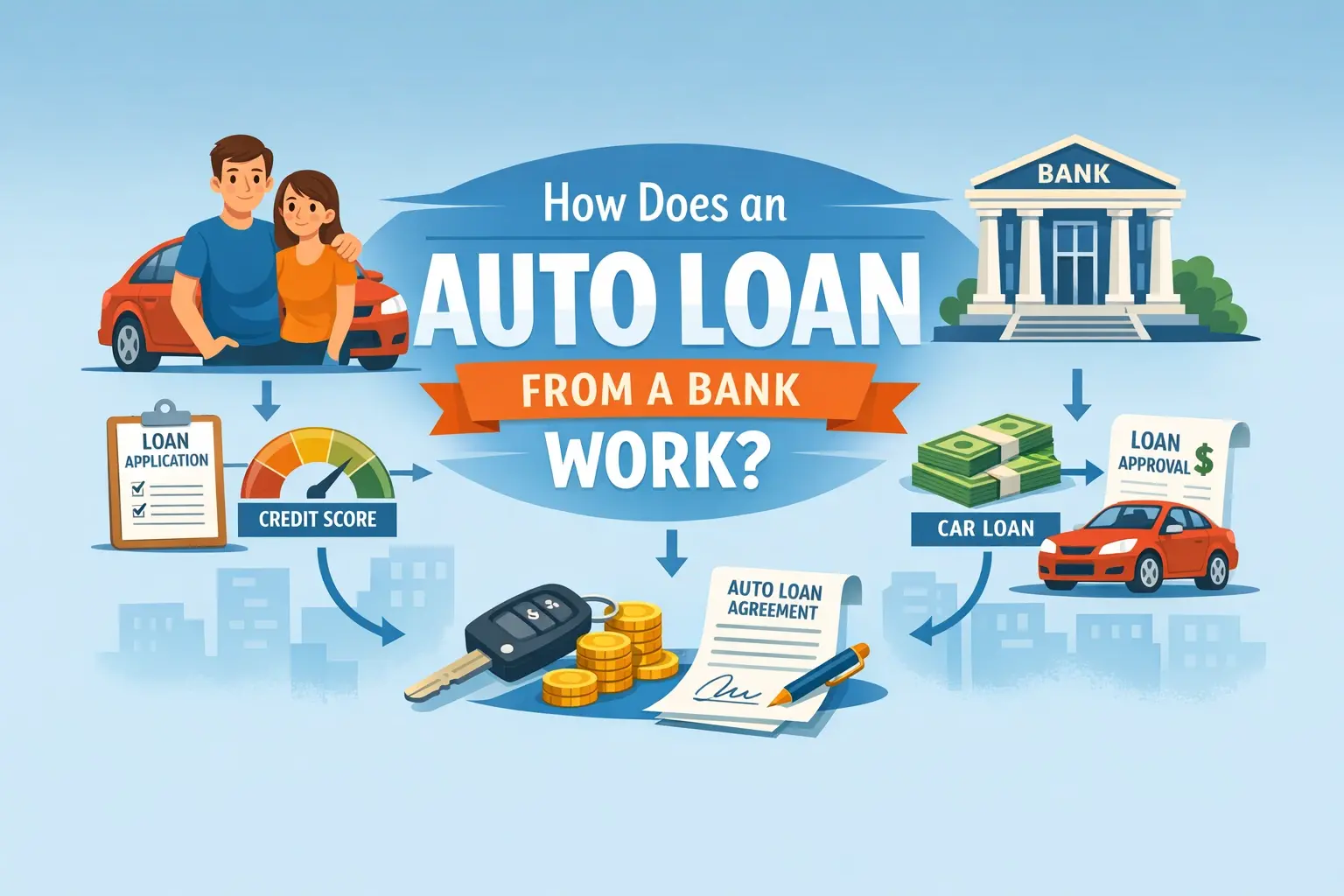
The process generally involves applying for a new loan with a different lender. If approved, the new lender pays off your old loan, and you then make payments to the new lender. It's important to note that refinancing doesn't change the ownership of your vehicle; it only changes the terms of the loan agreement associated with it.
The Direct Impact of Refinancing on Your Credit Score
The question "Does refinancing an auto loan hurt your credit?" is nuanced. The immediate answer is that it can, but the long-term effects are often positive if done strategically. The impact stems from two main actions taken during the refinancing process: the hard inquiry for the new loan application and the establishment of a new credit account.
Hard Inquiries: The Immediate Effect
When you apply for a new auto loan, the lender will perform a "hard inquiry" on your credit report. This is a formal check of your credit history to assess your risk. Unlike "soft inquiries" (which occur when you check your own credit or when pre-approved offers are generated), hard inquiries can temporarily lower your credit score by a few points, typically between 1 and 5 points. This is because opening new credit lines can be seen as an indicator of increased financial risk.
Multiple hard inquiries within a short period can have a more significant negative impact. However, credit scoring models are designed to recognize that consumers often shop around for the best rates on major purchases like cars. For auto loans (and mortgages), most scoring models will treat inquiries made within a specific window (usually 14 to 45 days, depending on the scoring model) as a single inquiry. This allows you to compare offers from different lenders without severely penalizing your credit score.
The impact of a hard inquiry is usually minimal and short-lived, typically affecting your score for only a few months. By 2025-26, lenders are increasingly aware of this, and the impact is generally understood to be a minor, temporary dip.
Opening a New Loan Account
When you successfully refinance, you are essentially closing your old auto loan account and opening a new one. This action affects your credit report in a couple of ways:
New Account on Report: The new auto loan will appear on your credit report as a new account. This can slightly lower the average age of your accounts, which is a factor in credit scoring.
Credit Mix: If your previous credit profile was solely revolving credit (like credit cards) and you added an installment loan, this could positively impact your credit mix. However, if you already have several installment loans, adding another might not offer significant benefits in this category.
The key here is that the old loan doesn't disappear from your report immediately. It will typically remain on your report for up to 10 years, marked as "paid as agreed" or similar, continuing to contribute to your payment history. The new loan will then reflect your ongoing repayment behavior.
The Effect of Closing Your Old Account
When you refinance, the original auto loan account is paid off and effectively closed. This has a few implications:
No Longer Contributing to Payment History: The history of the old loan will no longer be updated. However, its past positive payment history will remain visible on your report.
Potential Impact on Credit Utilization: If your old auto loan was the only installment loan you had, closing it might not significantly impact your credit utilization ratio, as this primarily applies to revolving credit. However, if you have other installment loans, the total amount of your installment debt might be considered.
Average Age of Accounts: As mentioned, closing an older account can reduce the average age of your open accounts. This is generally a minor factor, especially if you have other older accounts contributing to your credit history.
The most important aspect is that the positive payment history from the old loan will continue to benefit your credit report for years to come, even after the account is closed. The new loan will then begin building its own positive payment history.
Credit Utilization and Average Age of Accounts
Credit Utilization Ratio: This is the amount of revolving credit you're using compared to your total available revolving credit. Auto loans are installment loans, not revolving credit, so refinancing an auto loan typically has little to no direct impact on your credit utilization ratio. Your credit utilization is primarily affected by credit cards and lines of credit. However, if you were to consolidate other debts into a new auto loan (which is uncommon and generally not advised), it could impact utilization.
Average Age of Accounts: This metric considers how long your credit accounts have been open. When you open a new loan, it can lower the average age of your accounts. For instance, if you have one credit card open for 10 years and you refinance an auto loan that's 3 years old, opening a new loan (which effectively closes the old one) will lower your average account age. However, the impact is usually modest, especially if you have other long-standing accounts. The positive effects of a lower interest rate and potentially lower monthly payments often outweigh this minor dip in average account age.
Indirect Impacts and Long-Term Benefits
While there are minor, immediate credit score impacts, the indirect and long-term benefits of refinancing an auto loan can be substantial and far outweigh the temporary drawbacks. These benefits often lead to an improved credit profile over time.
Improved Payment History: By securing a loan with more manageable payments (either through a lower rate or extended term), you reduce the risk of falling behind on payments. Consistent, on-time payments on the new loan will build a strong positive payment history, which is the most crucial factor for your credit score.
Lower Interest Costs: A lower APR means you pay less in interest over the life of the loan. This financial benefit can free up money that can be used for other financial goals, such as building savings or paying down other debts, which indirectly benefits your credit health.
Financial Stability: Reduced monthly payments can alleviate financial stress, making it easier to manage your budget and avoid accumulating new debt. This overall financial stability is conducive to maintaining a healthy credit score.
Demonstration of Financial Responsibility: Successfully managing a refinanced loan demonstrates to future lenders that you are capable of seeking out and benefiting from better financial terms, which can be viewed positively.
In essence, while the act of refinancing itself introduces a temporary credit check and a new account, the subsequent responsible management of the new, more favorable loan terms actively contributes to a stronger credit profile in the long run. By 2025-26, the financial industry will recognize that strategic refinancing is a tool for consumers to improve their financial standing.
Improving Your Chances of Approval with a Good Score
To successfully refinance an auto loan and achieve favorable terms, having a good credit score is essential. Lenders use your credit score to gauge the risk associated with lending to you. A higher score indicates a lower risk, making you a more attractive borrower. Here's how a good score helps and what constitutes a "good" score for refinancing in 2025-26:
Lower Interest Rates: This is the primary advantage. Borrowers with excellent credit (typically 740 and above) qualify for the lowest APRs. Even a small reduction in APR can save thousands of dollars over the life of a car loan. For example, a borrower with a 680 score might get an APR of 8%, while a borrower with a 760 score might secure 4%. This difference on a $25,000 loan over 60 months can save over $4,000 in interest.
Higher Loan Amounts: If you need to borrow more than your original loan amount (e.g., to cover a significant repair or unexpected expense), a good credit score increases your chances of approval for a larger sum.
More Flexible Terms: Lenders may offer more flexible repayment terms, such as longer loan durations or more lenient late payment policies, to borrowers with strong credit histories.
Wider Lender Options: A good credit score opens doors to a broader range of lenders, including banks, credit unions, and specialized auto finance companies. This allows you to shop around for the best possible deal.
What is a "Good" Score for Refinancing in 2025-26?
While there's no single magic number, generally:
Excellent Credit (740+): You'll likely qualify for the best rates and terms.
Good Credit (670-739): You should be able to refinance and potentially get a lower rate than your original loan, especially if your score has improved significantly.
Fair Credit (580-669): Refinancing might be possible, but the rates may not be significantly better, or they could even be higher if your score has dropped.
Poor Credit (Below 580): Refinancing will be very difficult, and you're unlikely to secure better terms. Focus on improving your credit first.
If your credit score has improved since you took out your original auto loan, refinancing is often a worthwhile endeavor. It's a testament to your responsible financial behavior and can lead to significant savings.
Potential Pitfalls to Avoid
While refinancing can be beneficial, it's crucial to be aware of potential pitfalls that could negatively impact your credit or financial situation. Avoiding these can ensure a smooth and advantageous refinancing process.
Applying for Too Many Loans at Once: As mentioned, multiple hard inquiries in a short period can lower your score. While auto loan shopping is usually grouped, applying for other types of credit simultaneously can compound the negative effect.
Ignoring Fees: Some lenders charge origination fees, application fees, or early payoff penalties. These fees can negate the savings from a lower interest rate. Always read the fine print and factor in all costs.
Extending the Loan Term Unnecessarily: While extending the loan term can lower your monthly payments, it also means you'll pay more interest over the life of the loan. If your goal is to save money, ensure the total interest paid is less than your original loan, or you have a clear plan to pay it off sooner.
Refinancing with a Lender Who Offers Worse Terms: If your credit score has declined or market rates have risen, you might not qualify for a better deal. Applying without checking your credit and understanding current market conditions can lead to disappointment or even a worse loan.
Not Checking Your Credit Report Beforehand: Errors on your credit report can impact your approval odds and the terms offered. It's vital to review your report for inaccuracies before applying.
By being diligent and informed, you can navigate the refinancing process successfully and avoid these common mistakes.
When Does Refinancing Make Sense?
Refinancing an auto loan is not always the best course of action. It makes the most sense under specific circumstances where the benefits clearly outweigh the minimal credit score impact. Here are the key scenarios where refinancing is a good idea:
Significant Improvement in Credit Score: This is the most common and compelling reason. If your credit score has increased by 20-30 points or more since you obtained your original loan, you are likely to qualify for a lower interest rate. For example, if you started with a score of 620 and now have a 700, you've moved from "fair" to "good" credit, opening up much better loan options.
Falling Market Interest Rates: If the prevailing interest rates for auto loans have dropped significantly since you secured your original loan, refinancing can allow you to take advantage of the lower rates, even if your credit score hasn't changed dramatically.
Need for Lower Monthly Payments: If you're experiencing financial hardship or simply want to free up cash flow, refinancing to a lower monthly payment can be beneficial. However, be cautious about extending the loan term excessively, as this can increase the total interest paid.
Unfavorable Original Loan Terms: If your original loan had a very high interest rate due to a low credit score at the time, and your financial situation has improved, refinancing is a smart move to correct those unfavorable terms.
Desire to Shorten Loan Term: If your financial situation has improved and you can afford higher monthly payments, refinancing to a shorter loan term can help you pay off your car faster and save a substantial amount on interest.
Example Scenario (2025-26): Sarah took out a $20,000 auto loan 2 years ago with an APR of 9% over 60 months. Her credit score was 650 at the time. Today, her score is 720, and current market rates for similar loans are around 5%. Her remaining balance is $14,000. By refinancing to a 48-month loan at 5% APR, she could lower her monthly payment from approximately $400 to $320 and save over $1,500 in interest over the life of the loan. This is a clear win.
Conversely, if your credit score has declined or if you're nearing the end of your loan term, refinancing might not offer significant benefits and could even introduce unnecessary credit checks.
Step-by-Step Guide to Refinancing Your Auto Loan
Refinancing your auto loan can seem daunting, but by following a structured process, you can ensure you get the best possible outcome. Here’s a step-by-step guide for 2025-26:
Assess Your Current Loan:
Gather all details of your existing auto loan: outstanding balance, current interest rate (APR), remaining loan term, and monthly payment.
Check for any prepayment penalties on your current loan.
Check Your Credit Score:
Obtain your credit report from the major credit bureaus (Equifax, Experian, TransUnion) or use a credit monitoring service.
Identify any errors and dispute them if necessary.
Understand where you stand credit-wise. A score of 670 or higher generally positions you well for refinancing.
Determine Your Refinancing Goals:
Are you primarily looking to lower your interest rate?
Do you need to reduce your monthly payments?
Do you want to pay off the loan faster?
Be clear about what you want to achieve.
Shop Around for Lenders:
Don't settle for the first offer. Compare rates and terms from multiple lenders, including banks, credit unions, and online lenders.
Many lenders allow you to get pre-qualified rates without a hard credit inquiry, giving you an idea of what you might qualify for.
Gather Necessary Documentation:
Lenders will typically require proof of income (pay stubs, tax returns), proof of employment, proof of address, and details about your current auto loan and vehicle (VIN, mileage, condition).
Submit Loan Applications:
Once you've identified a few promising lenders, submit formal applications. This is when hard inquiries will occur. Try to do this within a short timeframe (e.g., 14-45 days) to minimize the impact on your credit score.
Compare Loan Offers:
Carefully review the APR, loan term, monthly payment, and any associated fees (origination fees, etc.) for each approved offer.
Consider the total cost of the loan, not just the monthly payment.
Choose the Best Offer and Finalize:
Select the loan that best meets your goals and financial situation.
Complete the final paperwork with the chosen lender.
The new lender will pay off your old loan, and you will begin making payments to the new lender.
Monitor Your Credit:
After refinancing, continue to make on-time payments on your new loan.
Monitor your credit report to ensure the old loan is correctly reported as paid off and the new loan is accurately reflected.
Comparing Lenders and Offers
The key to a successful auto loan refinance lies in diligent comparison. In 2025-26, the market offers a variety of lenders, each with different strengths and weaknesses. Here’s how to effectively compare them:
Factor
What to Look For
Impact on Refinancing
Annual Percentage Rate (APR)
The lowest possible rate. This is the most critical factor for saving money on interest.
Directly impacts the total interest paid and the monthly payment. Lower is always better.
Loan Term
Options for shorter or longer terms. Ensure it aligns with your payment goals.
Affects the monthly payment size and total interest paid. Shorter terms save more interest but have higher payments.
Monthly Payment
A payment that fits comfortably within your budget.
Impacts your cash flow. Ensure it's sustainable.
Fees (Origination, Application, etc.)
Lenders with minimal or no fees. If fees exist, calculate their impact on the overall loan cost.
Can significantly increase the total cost of the loan, potentially negating interest savings.
Lender Reputation & Customer Service
Read reviews and check ratings for responsiveness and ease of process.
Ensures a smoother application and management experience.
Prepayment Penalties
Absence of penalties for paying off the loan early.
Crucial if you plan to pay off the loan ahead of schedule to save more interest.
Loan Amount Restrictions
Ensure the lender offers loans within your required range.
Prevents wasted applications if the lender doesn't offer the loan size you need.
Example Comparison (2025-26):
Consider a remaining loan balance of $15,000.
Lender A (Credit Union): 4.9% APR for 48 months. Monthly Payment: ~$340. Total Interest: ~$1,280. No origination fee.
Lender B (Online Lender): 5.5% APR for 48 months. Monthly Payment: ~$348. Total Interest: ~$1,670. 1% origination fee ($150).
Lender C (Bank): 5.2% APR for 60 months. Monthly Payment: ~$280. Total Interest: ~$1,700. No origination fee.
In this scenario, Lender A offers the lowest total cost and a manageable payment. Lender C offers the lowest monthly payment but costs more in total interest due to the longer term. Lender B is the most expensive due to the higher APR and origination fee.
Always calculate the total cost of each loan offer (monthly payment x number of months + fees) to make an informed decision. This detailed comparison is vital to ensure you're not just lowering your monthly payment but also saving money overall and positively impacting your credit.
The Role of Credit Repair Ease
Before embarking on any significant financial decision, such as refinancing an auto loan, understanding your current credit standing is paramount. A strong credit score is your gateway to favorable loan terms, lower interest rates, and a smoother approval process. Without knowing your score, you're essentially navigating blind, potentially missing out on the best offers or even facing rejections.
This is where professional assistance becomes invaluable. Before applying for a loan, make sure to check your credit score. Companies like Credit Repair Ease specialize in helping individuals understand and improve their credit profiles. They offer professional credit repair services designed to identify and address inaccuracies on your credit reports, negotiate with creditors, and implement strategies to boost your creditworthiness. By working with Credit Repair Ease, you can gain clarity on your credit health, identify areas for improvement, and present yourself as a stronger candidate to lenders. This proactive approach can lead to better refinancing outcomes and significant long-term financial benefits. To learn more about how they can assist you, reach out to Credit Repair Ease at (888) 803-7889.
Conclusion: Navigating Auto Loan Refinancing
So, does refinancing an auto loan hurt your credit? The answer is a qualified no, with a temporary, minor dip being the most significant immediate effect. The process involves a hard credit inquiry and the opening of a new account, both of which can momentarily lower your score by a few points. However, these effects are typically short-lived and are often outweighed by the long-term benefits. By 2025-26, strategic refinancing is recognized as a valuable financial tool.
The real power of refinancing lies in its potential to secure a lower interest rate, reduce monthly payments, and ultimately save you thousands of dollars over the life of your loan. Consistent, on-time payments on a more manageable loan will actively build positive credit history, which is the most influential factor in your credit score. Furthermore, a lower interest rate frees up financial resources that can be directed towards other financial goals, further enhancing your overall financial health and creditworthiness.
To maximize the benefits and minimize any potential negative impacts, it's crucial to do your homework. Check your credit score and report beforehand, shop around for the best rates and terms from multiple lenders, and carefully compare all fees and loan conditions. By approaching auto loan refinancing with a clear understanding of the process and your financial goals, you can successfully leverage it to improve your financial standing and build a stronger credit future.
null
Does Refinancing An Auto Loan Hurt Your Credit

Krystin Bresolin