-
Posted on: 05 Mar 2026
-
Does GM Financial Refinance Auto Loans? An In-Depth Look
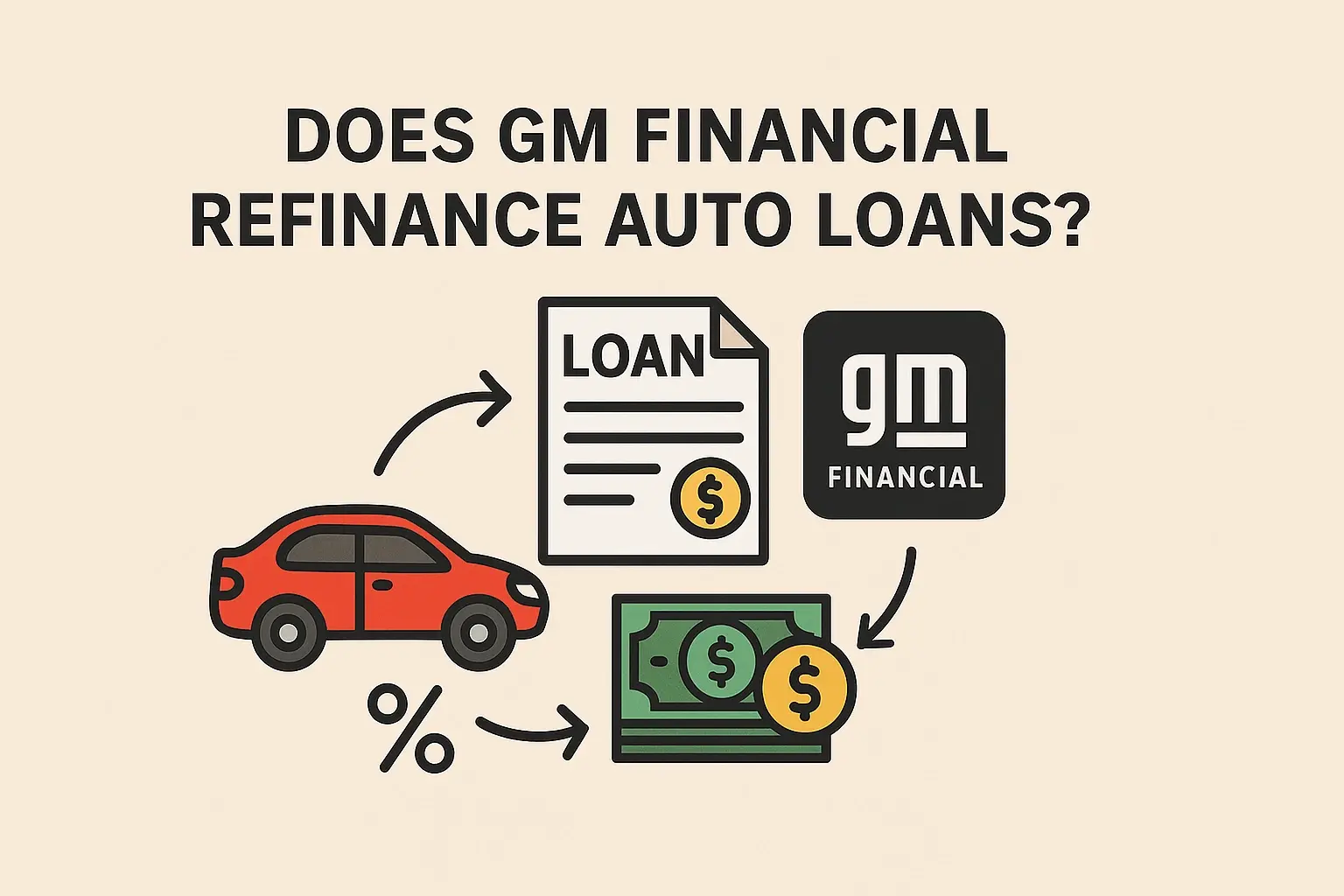
For many car owners, the question "Does GM Financial refinance auto loans?" is a crucial one. The answer is a definitive yes, but with important nuances. GM Financial does offer refinancing options for existing auto loans, providing a pathway to potentially lower monthly payments, reduced interest rates, or different loan terms. Understanding the specifics of their program is key to determining if it's the right financial move for your situation.
Understanding Auto Loan Refinancing
Auto loan refinancing involves replacing your current car loan with a new one, typically with different terms and interest rates. The primary goals of refinancing are to save money over the life of the loan, lower monthly payments to improve cash flow, or shorten the loan term to become debt-free sooner. It's essentially a financial reset for your existing vehicle financing.
Why Refinance Your Auto Loan?
Several factors might prompt a car owner to consider refinancing:
Improved Credit Score: If your credit has improved since you initially took out the loan, you may qualify for a lower interest rate.
Lower Interest Rates in the Market: General economic conditions can lead to lower prevailing interest rates, making it advantageous to refinance at a more competitive rate.
Desire for Lower Monthly Payments: Extending the loan term can reduce your monthly payment, freeing up cash for other expenses.
Need for Different Loan Terms: You might want to adjust the loan term for personal financial planning reasons.
Negative Equity: In some cases, refinancing might help manage negative equity (owing more on the car than it's worth), though this is more complex.
How Refinancing Works
When you refinance, you apply for a new loan with a new lender (which could be GM Financial or another institution). If approved, the new lender pays off your old loan, and you then make payments to the new lender according to the new loan agreement. The key is to secure terms that are more favorable than your current loan.
GM Financial's Role in Refinancing
GM Financial is a prominent auto finance company, particularly associated with General Motors vehicles. They offer a range of financing and leasing options for new and used cars. For existing customers with loans originated or serviced by GM Financial, exploring a refinance option directly with them can be a logical first step. They understand your current loan and vehicle history, which can sometimes streamline the process. However, it's crucial to remember that GM Financial's refinancing might not always be the most competitive option available in the broader market.
GM Financial Refinancing Eligibility: Who Qualifies?
While GM Financial does offer refinancing, not everyone will automatically qualify. Eligibility is typically based on a comprehensive review of your financial profile and the specifics of your current loan. Here are the key factors GM Financial and most lenders will consider:
Credit Score Requirements
Your credit score is arguably the most critical factor. A higher credit score indicates a lower risk to the lender, making you a more attractive candidate for refinancing and for better interest rates. While GM Financial doesn't publicly disclose exact minimum credit score requirements for refinancing, general industry standards suggest that applicants with scores in the "good" to "excellent" range (typically 670 and above, with scores 740+ being ideal) have the best chance of approval and securing favorable terms. Applicants with lower credit scores may still be considered, but often at higher interest rates or with stricter loan conditions.
Loan-to-Value (LTV) Ratio
The LTV ratio compares the amount you owe on the loan to the current market value of your vehicle. Lenders prefer to see a lower LTV ratio, meaning you owe less than the car is worth. If you owe significantly more than the car's value (a negative LTV or being "upside down"), it increases the lender's risk, and you may not qualify for refinancing, or you might need to make a down payment. For instance, if your car is worth $15,000 and you owe $18,000, your LTV is over 100%, making refinancing challenging.
Payment History
A consistent history of on-time payments on your current auto loan is vital. Lenders want to see that you are a reliable borrower. Late payments, defaults, or collections on your credit report can significantly hinder your refinancing application.
Loan Age and Remaining Term
Lenders may have restrictions on how old a loan can be or how much time is remaining on the current term before they will consider refinancing. For example, they might not refinance a loan that is very close to being paid off or one that was recently originated.
Vehicle Age and Mileage
The age and mileage of your vehicle also play a role. Older vehicles with high mileage are generally considered to have less collateral value and may be less attractive for refinancing. Some lenders may have specific cutoffs for vehicle age or mileage.
Employment and Income Verification
Like any loan application, GM Financial will likely require proof of stable income and employment to ensure you have the capacity to repay the new loan. This typically involves providing pay stubs, tax returns, or other financial documentation.
Current Loan Status
If your current loan is with GM Financial, you are likely a prime candidate to explore their refinancing options. If your loan is with another lender, you would be applying for a new loan with GM Financial to pay off the existing one, which is a standard refinancing process.
GM Financial Specific Programs
It's important to note that GM Financial might have specific programs or criteria for refinancing depending on whether you are refinancing a loan they currently service or if you are looking to refinance a loan from another lender into a GM Financial loan. Their website or customer service representatives are the best source for the most up-to-date and specific eligibility requirements.
The Refinancing Process with GM Financial
If you've determined that refinancing with GM Financial might be a good option, understanding the process is crucial. While specific steps can vary slightly, here's a general outline of what to expect when applying for auto loan refinancing with GM Financial:
Step 1: Assess Your Current Loan and Financial Situation
Before you even start an application, gather all the details of your current auto loan: the outstanding balance, current interest rate, monthly payment, and remaining term. Simultaneously, review your credit report and score. Understanding your creditworthiness will help you gauge your chances of approval and the type of rates you might qualify for. Check your vehicle's current market value using resources like Kelley Blue Book (KBB) or Edmunds to calculate your LTV ratio.
Step 2: Visit the GM Financial Website or Contact Them
The most direct way to begin is by visiting the official GM Financial website. Look for sections related to "Refinance," "Existing Customers," or "Auto Loans." You may find online application portals or contact information for their customer service or loan specialists. If you're an existing customer, logging into your account might provide specific options or guidance.
Step 3: Complete the Application
The application will typically require personal information such as your name, address, contact details, Social Security number, date of birth, employment history, and income. You'll also need to provide details about your current auto loan and the vehicle you wish to refinance. Be prepared to authorize a credit check.
Step 4: Underwriting and Approval
Once submitted, GM Financial's underwriting team will review your application. They will assess your creditworthiness, income stability, LTV ratio, and other factors discussed in the eligibility section. This stage may involve requesting additional documentation to verify information provided in the application.
Step 5: Loan Offer and Review
If approved, GM Financial will present you with a loan offer. This offer will detail the new interest rate, monthly payment, loan term, and any associated fees. It is imperative to carefully review all terms and conditions. Compare this offer against your current loan and any other refinancing offers you might have received from other lenders. Ensure the new terms genuinely represent a financial benefit.
Step 6: Acceptance and Closing
If you accept the offer, you'll proceed to the closing stage. This typically involves signing the new loan agreement. If you are refinancing a loan not currently with GM Financial, they will handle the payoff of your old loan directly. If you are refinancing a GM Financial loan with GM Financial, the process might involve simply agreeing to the new terms and updating your payment schedule.
Step 7: New Loan Payments Begin
After closing, you will begin making payments on your new refinanced auto loan according to the terms of the new agreement. Ensure you understand the payment due dates and methods to avoid late fees.
Potential Fees and Costs
Be aware of potential fees associated with refinancing. These could include:
Origination Fees: Some lenders charge a fee for processing the new loan.
Title Transfer Fees: If the loan is transferred to a new lienholder, there might be fees associated with updating the vehicle title.
Early Payoff Penalties (on your old loan): While less common now, check if your current loan has any penalties for paying it off early.
Always ask GM Financial about any potential fees upfront to ensure you have a clear picture of the total cost of refinancing.
Alternatives to GM Financial Refinancing
While GM Financial is a viable option for refinancing, it's wise to explore the broader market. Many other lenders offer auto loan refinancing, and competition can lead to better rates and terms. Comparing offers is crucial to securing the best deal.
Banks and Credit Unions
Traditional banks and local credit unions are significant players in the auto loan market. Credit unions, in particular, often offer competitive rates to their members, especially those with good credit. Many have online platforms that make applying straightforward.
Online Lenders
A growing number of online lenders specialize in auto loans and refinancing. Companies like Capital One Auto Finance, LightStream, and RoadLoans (a Santander company) often provide quick application processes, competitive rates, and flexible terms. These lenders are known for their efficiency and wide reach.
Comparison Table: GM Financial vs. Other Lenders
Here's a simplified comparison to illustrate potential differences. Note that specific rates and terms are highly individualized and subject to change.
Feature
GM Financial
Typical Online Lenders/Banks
Target Audience
Primarily GM vehicle owners, but may refinance others.
Broad audience, often competitive for good to excellent credit.
Interest Rates (APR)
Variable, depends on credit and vehicle. May be competitive for existing customers.
Can be very competitive, especially for prime borrowers.
Loan Terms
Standard terms, potentially flexible for existing customers.
Often offer a wide range of terms (e.g., 24-84 months).
Application Process
Online, by phone, or through dealerships.
Typically streamlined online processes, often with pre-qualification options.
Fees
May include origination or title fees.
Varies; some lenders advertise no fees, others have them.
Customer Service
Dedicated to GM Financial customers.
Varies by institution; online lenders often have strong digital support.
Pre-qualification and Shopping Around
Many lenders, including online ones, offer pre-qualification. This process typically involves a soft credit check (which doesn't impact your credit score) and provides an estimate of the rates and terms you might receive. This is an excellent way to "shop around" without committing to a full application. Always aim to get pre-qualified with multiple lenders before making a decision.
Consider Your Vehicle's Manufacturer
If you drive a non-GM vehicle, GM Financial might still be an option, but its rates and terms might be more competitive for GM-branded cars. For other makes, lenders specializing in general auto finance might offer better deals.
Factors Influencing Refinancing Decisions
Deciding whether to refinance your auto loan involves weighing several factors beyond just the interest rate. A holistic approach ensures you make the best financial choice for your long-term goals.
Interest Rate (APR)
This is often the primary driver. A lower Annual Percentage Rate (APR) means you pay less in interest over the life of the loan. Even a small reduction in APR can lead to significant savings, especially on longer loan terms. For example, refinancing a $20,000 loan with 5 years remaining from 7% APR to 5% APR could save you thousands of dollars in interest.
Monthly Payment
If your primary goal is to lower your monthly expenses, refinancing can help by extending the loan term or securing a lower interest rate. However, be cautious: extending the term means you'll pay more interest overall, even with a lower rate.
Loan Term
Refinancing allows you to adjust the loan term. You can choose to shorten it to pay off the car faster, or extend it to lower your monthly payments. Consider your current financial situation and long-term goals when deciding on a term. Paying off a car loan sooner can save substantial interest and free up cash flow sooner.
Total Cost of the Loan
Always calculate the total cost of the loan under the new terms, including all interest payments and any fees. Compare this to the total remaining cost of your current loan. This will give you a clear picture of your overall savings (or potential increased cost).
Fees and Costs
As mentioned, be mindful of any origination fees, title transfer fees, or other charges associated with the new loan. These costs can offset the savings from a lower interest rate, so factor them into your decision.
Your Credit Score and History
Your credit score is a direct indicator of your financial health and risk level to lenders. A higher score generally unlocks better interest rates and terms. If your credit has improved significantly since your last auto loan, refinancing is likely a good idea.
The Vehicle's Value and Age
The collateral (your car) plays a role. If your car has depreciated significantly or has high mileage, it might be harder to find favorable refinancing terms. Lenders assess the risk associated with the collateral's value.
Your Current Financial Goals
Are you trying to free up cash for an emergency fund, save for a down payment on a home, or simply reduce your monthly debt burden? Your personal financial objectives should guide your refinancing decision.
Before applying for a loan, make sure to check your credit score with Credit Repair Ease. Understanding your credit standing is the first step toward securing favorable loan terms. If your credit isn't where you'd like it to be, professional credit repair services can help improve your financial profile. Don't let a less-than-perfect credit score hold you back from potentially significant savings. Reach out to Credit Repair Ease at (888) 803-7889 to learn more about how they can assist you in achieving your financial goals.
Maximizing Your Refinancing Chances
To increase your likelihood of getting approved for auto loan refinancing with GM Financial or any other lender, and to secure the best possible terms, consider these strategies:
1. Improve Your Credit Score
This is paramount. Before applying, take steps to boost your credit score:
Pay Bills on Time: Payment history is the biggest factor. Ensure all your bills are paid by their due dates.
Reduce Credit Utilization: Pay down balances on your credit cards. Aim to keep your credit utilization ratio below 30%, and ideally below 10%.
Check for Errors: Review your credit reports from Equifax, Experian, and TransUnion for any inaccuracies and dispute them promptly.
Avoid Opening New Credit Accounts Unnecessarily: Each new credit application can result in a hard inquiry, which can slightly lower your score.
2. Gather All Necessary Documentation
Having all your financial information readily available will expedite the application process. This typically includes:
Proof of income (pay stubs, W-2s, tax returns)
Proof of residence (utility bills, lease agreements)
Information about your current auto loan
Vehicle details (VIN, make, model, year, mileage)
Driver's license or other government-issued ID
3. Know Your Vehicle's Value
Use reputable sources like KBB, Edmunds, or NADA Guides to get an accurate estimate of your car's current market value. This will help you calculate your LTV ratio and understand if you are in a good position for refinancing.
4. Pre-Qualify with Multiple Lenders
As mentioned earlier, pre-qualification allows you to get an idea of potential rates and terms without impacting your credit score. This empowers you to compare offers from GM Financial, banks, credit unions, and online lenders side-by-side.
5. Be Realistic About Your Expectations
If your credit score is low or you have a high LTV ratio, you may not qualify for the most attractive rates. Focus on improving your financial situation first, or be prepared for potentially higher rates and fees.
6. Understand the Total Cost
Don't just focus on the monthly payment. Calculate the total interest paid over the life of the loan and compare it to your current loan. A slightly higher monthly payment might be acceptable if it leads to significantly lower total interest paid.
7. Consider the Loan Term Carefully
While a longer term can lower monthly payments, it increases the total interest paid. A shorter term saves you money on interest but increases your monthly obligation. Choose a term that aligns with your budget and financial goals. For 2025-2026, many consumers are looking for shorter terms to become debt-free faster, but the trade-off is higher monthly payments.
8. Negotiate (If Possible)
While not always possible with online lenders, sometimes there's room for negotiation, especially with banks or credit unions. If you have a strong credit profile and multiple competing offers, you might be able to leverage them to get a better rate.
Conclusion: Your Auto Loan Refinancing Journey
So, does GM Financial refinance auto loans? Yes, they do. For existing GM Financial customers or those looking to consolidate their auto financing with a GM-affiliated lender, GM Financial presents a viable option for refinancing. They offer a pathway to potentially reduce your interest rate, lower your monthly payments, or adjust your loan terms to better suit your financial circumstances. The process typically involves a thorough review of your creditworthiness, income, and the vehicle's value.
However, the key to successful auto loan refinancing, whether with GM Financial or any other lender, lies in thorough research and comparison. Always assess your current loan details, understand your credit standing, and explore offers from multiple financial institutions. Factors like interest rates, loan terms, fees, and your personal financial goals should all be carefully considered. By optimizing your credit profile and shopping around, you can significantly increase your chances of securing the most favorable refinancing deal available in the 2025-2026 market. Taking the time to compare options ensures you are not just refinancing, but refinancing smartly to achieve genuine savings and financial relief.
null
Does Gm Financial Refinance Auto Loans

Krystin Bresolin