-
Posted on: 25 Feb 2026
-
Discover, a prominent financial services company, does not directly offer auto loans. While they are known for credit cards and personal loans, their product suite currently excludes new or used car financing. This guide explores alternative lenders and crucial steps for securing an auto loan.
Does Discover Offer Auto Loans? The Direct Answer
For individuals seeking to finance a new or used vehicle, a common question arises: "Does Discover do auto loans?" The straightforward answer, as of 2025 and projected into 2026, is no. Discover Financial Services, while a well-respected institution known for its credit cards, personal loans, and student loans, does not currently offer auto loan products. This means you won't find options for car financing directly through Discover's official channels.
This might come as a surprise to some, given Discover's broad range of financial services. However, understanding their product portfolio is key. If you're in the market for a car loan, you'll need to look beyond Discover and explore other lenders who specialize in automotive financing. This guide will not only clarify Discover's position but also provide a comprehensive roadmap to finding and securing the best auto loan for your needs. We'll delve into alternatives, crucial factors influencing loan terms, and a step-by-step application process, ensuring you're well-equipped for your car-buying journey.
Understanding Discover's Financial Product Landscape
Discover Financial Services has built a reputation for offering a diverse array of financial products designed to meet various consumer needs. Their core offerings typically include:
Credit Cards: Discover is perhaps most widely recognized for its extensive range of credit cards, often featuring rewards programs, cashback incentives, and introductory APR offers. These cards cater to a broad spectrum of credit profiles, from those building credit to individuals seeking premium travel rewards.
Personal Loans: Discover provides unsecured personal loans that can be used for a variety of purposes, such as debt consolidation, home improvements, medical expenses, or even large purchases. These loans are available with fixed interest rates and repayment terms, offering predictability for borrowers.
Student Loans: Recognizing the rising cost of higher education, Discover also offers private student loans to help students and their families finance college expenses. These loans can cover tuition, fees, room and board, and other educational costs.
Home Loans: In some markets, Discover has offered mortgage products, though their primary focus has historically been elsewhere.
Other Banking Services: Discover Bank also provides savings accounts, checking accounts, and certificates of deposit (CDs), positioning itself as a more comprehensive financial institution for everyday banking needs.
What is notably absent from this list, however, is any mention of auto loans. This strategic decision by Discover means that while they can help you finance many aspects of your life, purchasing a vehicle isn't one of them directly through their platform. This distinction is important for consumers to understand to avoid confusion and wasted time when researching financing options.
Why Might Discover Not Offer Auto Loans?
The decision for a financial institution like Discover to offer or not offer specific loan products is multifaceted, often driven by market analysis, risk assessment, and strategic business focus. Several factors could contribute to Discover's absence from the auto loan market:
Market Saturation and Competition: The auto loan market is highly competitive, with numerous established players including large banks, credit unions, specialized auto lenders, and dealership financing arms. Entering such a crowded space would require significant investment in infrastructure, marketing, and risk management to gain market share.
Risk Profile of Auto Loans: While auto loans are secured by the vehicle itself, they carry their own set of risks. Depreciation of vehicles, fluctuating market values, and the potential for default, especially in economic downturns, require specific expertise in collateral valuation and recovery. Discover might perceive the risk-reward profile of auto loans as less attractive compared to their other product lines.
Focus on Core Competencies: Discover has achieved significant success and brand recognition in credit cards and personal loans. It's possible they choose to concentrate their resources and expertise on strengthening these core areas rather than diversifying into a new, complex lending sector. Building and managing an auto loan division would necessitate specialized underwriting teams, servicing platforms, and compliance frameworks.
Profitability Margins: The profitability of auto loans can vary. Depending on market conditions and competitive pressures, the profit margins on auto loans might not align with Discover's internal profitability targets or their perceived return on investment compared to other financial products.
Regulatory Environment: The financial industry is heavily regulated. Expanding into new loan types can involve navigating different regulatory requirements and compliance standards, which adds complexity and cost.
Ultimately, Discover's strategic direction dictates its product offerings. Their current focus on credit cards, personal loans, and student loans suggests a deliberate choice to prioritize these segments of the financial market.
Exploring Alternatives to Discover for Auto Financing
Since Discover doesn't offer auto loans, your next step is to explore the numerous alternative lenders available. The good news is that the auto loan market is robust, offering a variety of options to suit different financial situations and preferences. Here are the primary avenues you can pursue:
Traditional Banks
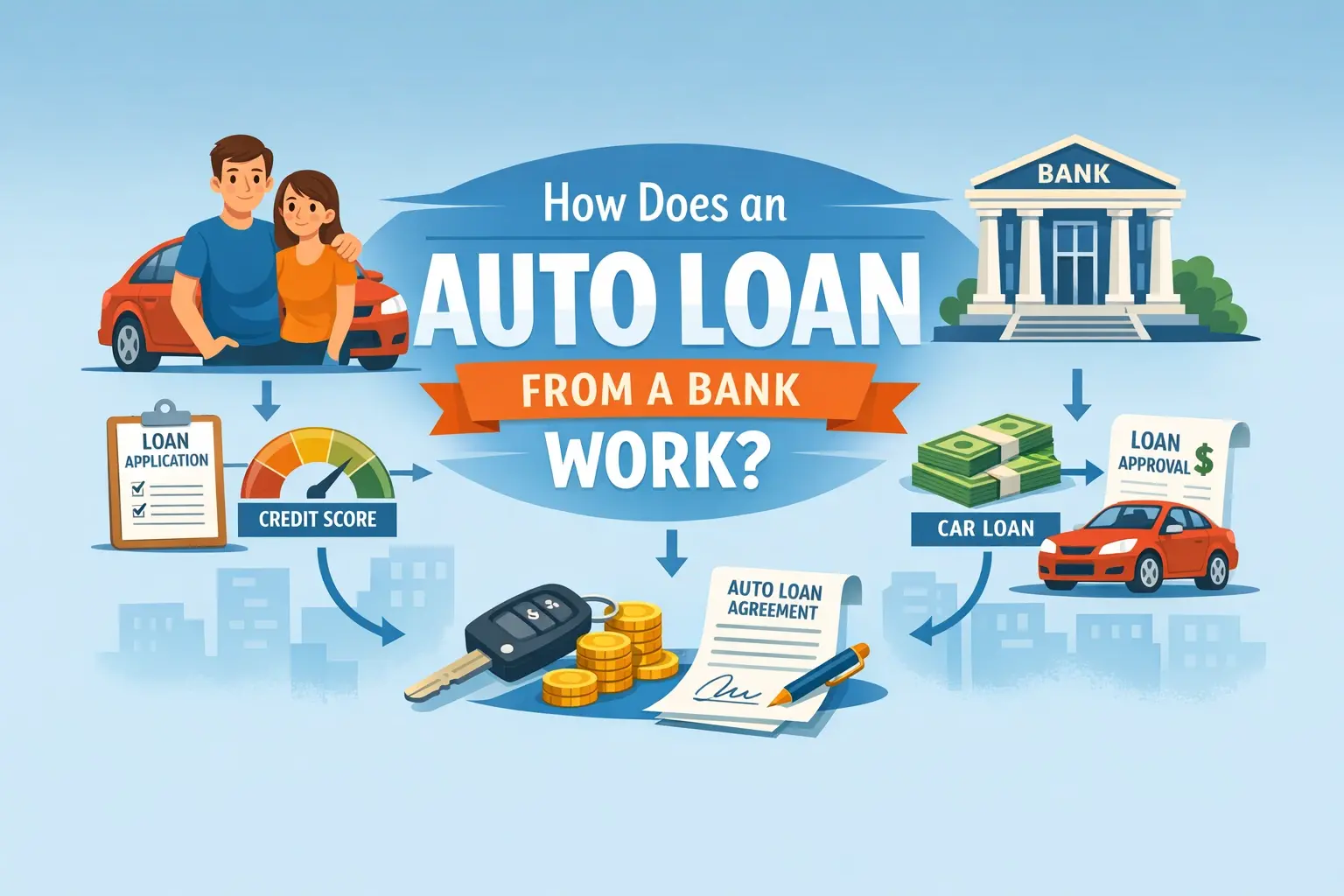
Major national and regional banks are significant providers of auto loans. These institutions often offer competitive rates, especially for customers who already have a banking relationship with them.
Pros: Often offer competitive interest rates, particularly for existing customers; can be a one-stop shop if you also need a checking or savings account; established and trusted institutions.
Cons: May have stricter approval requirements; the application process can sometimes be slower than with online lenders; less flexibility in terms for some borrowers.
Examples include Chase, Bank of America, Wells Fargo, and many smaller regional banks.
Credit Unions
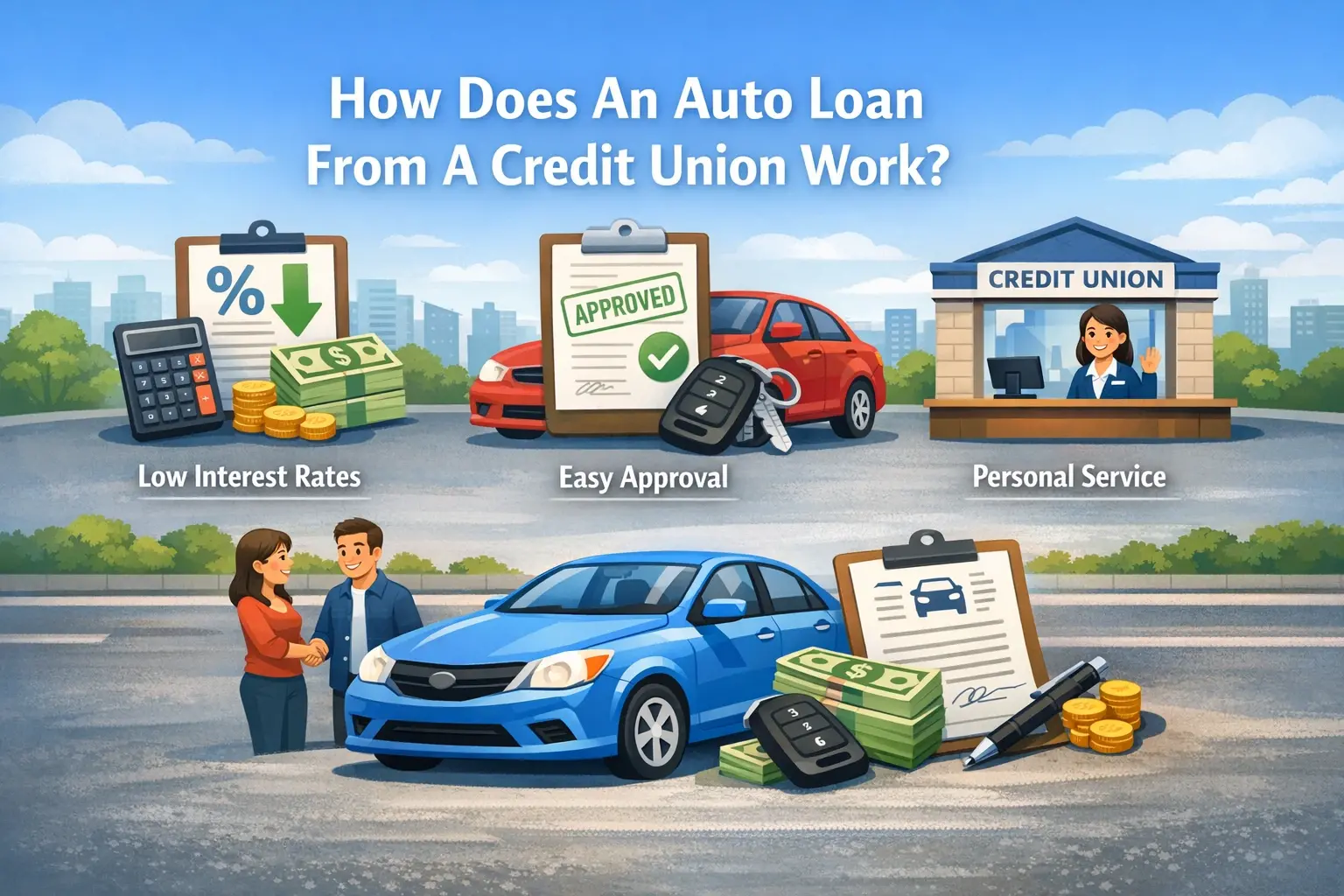
Credit unions are member-owned, not-for-profit financial cooperatives. They often provide some of the most competitive auto loan rates and terms available, along with a more personalized customer service experience. To join a credit union, you typically need to meet certain membership eligibility requirements, such as living in a specific geographic area, working for a particular employer, or belonging to an affiliated organization.
Pros: Typically offer lower interest rates and fees than banks; often more flexible with loan terms and approval criteria; strong focus on member benefits and service.
Cons: Membership eligibility requirements; branch networks may be smaller than national banks.
Examples include Navy Federal Credit Union, Alliant Credit Union, and local credit unions in your community.
Online Lenders
The rise of fintech has led to a proliferation of online lenders specializing in auto loans. These lenders often offer fast application processes, quick funding times, and competitive rates, especially for borrowers with good credit.
Pros: Convenient online application process; fast approval and funding times; often competitive rates; may cater to a wider range of credit scores.
Cons: Less personal interaction; rates can vary widely; some may have less transparent fee structures.
Prominent online auto lenders include Capital One Auto Finance, LightStream, LendingTree (which acts as a marketplace), and Carvana (which offers financing alongside car sales).
Dealership Financing
Most car dealerships offer financing options through their own finance departments. They work with a network of lenders (banks, credit unions, and specialized auto finance companies) to find a loan for you. Sometimes, dealerships offer manufacturer-backed financing deals, which can include special low APRs or incentives.
Pros: Convenience of handling financing and purchase in one place; potential for special manufacturer incentives or low APR deals; can be an option if other lenders have denied your application.
Cons: Rates may not always be the most competitive; dealers may mark up interest rates; can be pressured to make a quick decision; financing is often tied to the purchase of a vehicle from that specific dealership.
This is a common route for many car buyers, but it's crucial to compare dealership offers with pre-approved loans from other lenders.
Key Factors Affecting Auto Loan Approval and Rates (2025-2026)
When applying for an auto loan, lenders will assess your financial profile to determine your creditworthiness and the risk associated with lending you money. Understanding these factors is crucial for securing the best possible terms. Here are the key elements lenders consider in 2025-2026:
Credit Score
Your credit score is arguably the most significant factor. It's a numerical representation of your credit history and your likelihood to repay debt.
Excellent Credit (750+): You'll likely qualify for the lowest interest rates and most favorable loan terms.
Good Credit (670-749): You should still be able to secure competitive rates, though perhaps not the absolute lowest.
Fair Credit (580-669): Approval is possible, but interest rates will be higher, and loan terms may be less flexible.
Poor Credit (Below 580): Securing an auto loan can be challenging, often requiring a co-signer, a larger down payment, or a higher interest rate from specialized lenders.
Lenders use scores from major credit bureaus like Experian, Equifax, and TransUnion.
Income and Employment History
Lenders need to be confident that you have a stable income sufficient to repay the loan. They will typically look at:
Income Verification: Pay stubs, tax returns, or bank statements may be required to prove your income.
Employment Stability: A consistent employment history (often 1-2 years in the same job or industry) suggests reliability. Frequent job changes can be a red flag.
Sufficient Income: Your income must be high enough to cover the monthly loan payment, insurance, and other living expenses.
Debt-to-Income Ratio (DTI)
Your DTI is a measure of your monthly debt payments (including the proposed auto loan payment) divided by your gross monthly income.
Calculation: (Total Monthly Debt Payments / Gross Monthly Income) x 100
Ideal DTI: Lenders generally prefer a DTI of 43% or lower, but for auto loans specifically, a lower ratio (e.g., below 36%) is often better for approval and rates.
Impact: A high DTI can indicate that you may be overextended financially, making you a higher risk for new debt.
Loan Amount and Term
The amount you borrow and the length of the repayment period (loan term) influence your monthly payments and the total interest paid.
Loan Amount: Borrowing more means higher monthly payments and more interest over time.
Loan Term: Longer terms (e.g., 72 or 84 months) result in lower monthly payments but significantly higher total interest paid. Shorter terms (e.g., 36 or 48 months) have higher monthly payments but save you money on interest in the long run. Lenders may also have limits on the maximum loan term based on the vehicle's age and value.
Vehicle Age and Mileage
Lenders often have specific criteria for the vehicles they will finance.
New vs. Used: New cars typically have lower interest rates and longer loan terms available than used cars because they depreciate less rapidly and are less prone to mechanical issues.
Age and Mileage Limits: Many lenders impose limits on the maximum age and mileage of a vehicle they will finance. For instance, a car older than 7-10 years or with over 100,000 miles might be ineligible for financing or require a higher down payment and interest rate.
Collateral Value: The vehicle serves as collateral. Lenders assess its market value to ensure it's sufficient to cover the loan amount in case of default.
A Step-by-Step Guide to Applying for an Auto Loan
Securing an auto loan involves a structured process. By following these steps, you can navigate the journey more effectively and increase your chances of getting approved with favorable terms.
Step 1: Assess Your Budget
Before you even start looking at cars or lenders, determine how much you can realistically afford. Consider not just the monthly car payment, but also:
Insurance costs (which will likely increase with a new vehicle)
Fuel expenses
Maintenance and potential repair costs
Registration and taxes
Calculate your total monthly expenses and see how much room you have for a car payment. A good rule of thumb is that your total car expenses (payment, insurance, fuel) shouldn't exceed 15-20% of your net monthly income.
Step 2: Check Your Credit
As discussed, your credit score is paramount. Obtain copies of your credit reports from the three major bureaus (Equifax, Experian, and TransUnion) and check your credit score. Many credit card companies and financial institutions offer free credit score monitoring.
Review your reports for any errors or inaccuracies that could be negatively impacting your score. If you find mistakes, dispute them immediately with the credit bureaus. If your credit score is lower than you'd like, consider taking steps to improve it before applying for a loan. This might involve paying down existing debt, making all payments on time, and avoiding opening new credit accounts unnecessarily.
Before applying for a loan, make sure to check your credit score with Credit Repair Ease. They offer professional credit repair services that can help you identify and address issues on your credit report, potentially improving your score and securing better loan terms. You can reach out to Credit Repair Ease at (888) 803-7889 to learn more about their services. A solid credit foundation is key to unlocking the best auto loan opportunities.
Step 3: Research Lenders
Once you have a clear understanding of your financial situation and creditworthiness, begin researching potential lenders. Explore the options mentioned earlier:
Banks: Check with your current bank and other major banks.
Credit Unions: Investigate local credit unions and national ones if you meet their membership criteria.
Online Lenders: Compare rates and terms from reputable online auto loan providers.
Dealerships: Be aware of their offerings, but don't rely on them solely.
Look for lenders that specialize in auto loans and have positive customer reviews. Pay attention to their typical interest rates, loan terms, fees, and any specific requirements they have.
Step 4: Get Pre-Approved
This is a critical step that many car buyers skip. Getting pre-approved for an auto loan before you visit a dealership gives you significant leverage.
How it Works: You apply for a loan directly with a bank, credit union, or online lender. If approved, they will provide you with a loan offer, typically valid for 30-90 days, specifying the maximum loan amount, interest rate, and loan term.
Benefits:
Know Your Budget: You'll know exactly how much you can spend on a car.
Negotiating Power: You can negotiate the price of the car without the pressure of also figuring out financing. You can tell the dealer, "I have financing already secured at X% APR."
Avoid Dealer Markups: You can compare the dealer's financing offer against your pre-approval and choose the better option. Often, your pre-approval will have a lower APR.
Faster Process: Having pre-approval can streamline the paperwork at the dealership.
You can get pre-approved from multiple lenders to compare offers and ensure you're getting the best deal.
Step 5: Shop for a Vehicle
With your budget and pre-approval in hand, you can now confidently shop for a car.
Focus on Price: Negotiate the purchase price of the vehicle first.
Consider Total Cost: Remember to factor in taxes, fees, and any optional add-ons.
Inspect Thoroughly: Especially for used cars, get a pre-purchase inspection from an independent mechanic.
Step 6: Finalize the Loan
Once you've agreed on a price for the car, you have two main options for finalizing the loan:
Use Your Pre-Approval: Present your pre-approval letter to the dealership. They may try to beat the offer, but if not, you'll proceed with your lender.
Dealership Financing: If the dealership can offer you a financing deal that is better than your pre-approval (lower APR, better terms), you can accept it. Be sure to scrutinize the terms and ensure no hidden fees are added.
Regardless of which option you choose, review all loan documents thoroughly before signing. Ensure the interest rate, loan term, and total amount financed match what you agreed upon.
Tips for Securing the Best Auto Loan Rates in 2025-2026
Getting the lowest possible interest rate on your auto loan can save you thousands of dollars over the life of the loan. Here are some expert tips to help you achieve that:
Improve Your Credit Score: This is the single most impactful action. Pay down credit card balances, ensure on-time payments, and avoid opening unnecessary new accounts before applying.
Make a Larger Down Payment: A larger down payment reduces the loan amount, lowering the lender's risk and often leading to a better interest rate. Aim for at least 10-20% of the vehicle's price if possible.
Shorten the Loan Term: While longer terms mean lower monthly payments, they result in more interest paid overall. Opting for a shorter loan term (e.g., 48 or 60 months instead of 72 or 84) will likely come with a lower APR and save you money in the long run.
Shop Around and Get Pre-Approved: As emphasized, comparing offers from multiple lenders is crucial. Pre-approval gives you a benchmark and negotiating power.
Consider a Co-signer: If your credit score is not ideal, a co-signer with excellent credit can help you qualify for a loan and potentially secure a lower interest rate. However, remember that the co-signer is equally responsible for the debt.
Be Wary of Extended Warranties and Add-ons: Dealerships often try to sell expensive add-ons like extended warranties, GAP insurance, or paint protection. These can inflate the total loan amount. Carefully consider if you truly need them and if the price is justifiable. If you do want them, try to purchase them separately from a third-party provider, which is often cheaper.
Negotiate the Car Price First: Always negotiate the total price of the vehicle before discussing financing. This prevents the dealer from manipulating financing terms to offset a discount on the car.
Look for Manufacturer Incentives: Sometimes, car manufacturers offer special low APR financing deals on new vehicles. These can be very attractive, but ensure they are genuinely better than what you can get from other lenders.
Understanding Auto Loan Terms and Fees
Navigating the specifics of an auto loan agreement requires understanding key terms and potential fees. Being informed can prevent surprises and ensure you're making a sound financial decision.
Key Terms:
Principal: The actual amount of money you borrow to purchase the vehicle.
Interest Rate (APR): The Annual Percentage Rate is the cost of borrowing money, expressed as a yearly percentage. It includes the interest rate and any mandatory fees. A lower APR means you pay less interest over time.
Loan Term: The duration over which you agree to repay the loan, typically expressed in months (e.g., 48, 60, 72 months).
Monthly Payment: The fixed amount you'll pay each month towards the loan principal and interest.
Amortization: The process of paying off a debt over time through regular payments. In the early stages of a loan, a larger portion of your payment goes towards interest, while later payments primarily reduce the principal.
Common Fees:
Origination Fee: A fee charged by the lender for processing the loan application. This can be a flat fee or a percentage of the loan amount.
Late Payment Fee: A penalty charged if you fail to make your payment by the due date.
Prepayment Penalty: A fee charged if you pay off the loan early. While less common on auto loans today, it's crucial to check your contract for this.
Title Fee: A fee associated with transferring the vehicle's title into your name.
Lien Fee: A fee charged by the lender to record their lien on the vehicle's title.
Documentation Fee (Doc Fee): Charged by dealerships for processing the paperwork. This fee can vary significantly and is often negotiable.
Always ask for a full breakdown of all fees and ensure you understand what each one covers. A loan with a slightly higher APR but no fees might be more cost-effective than a loan with a lower APR but significant upfront or hidden fees.
The Role of Credit Repair Ease in Your Auto Loan Journey
Navigating the auto loan market, especially with less-than-perfect credit, can be daunting. This is where specialized services like Credit Repair Ease can play a vital role. While Discover may not offer auto loans, your ability to secure one from other lenders hinges significantly on your creditworthiness.
Credit Repair Ease is a professional service dedicated to helping individuals improve their credit profiles. They understand the intricacies of credit reporting and can assist you in identifying and disputing inaccuracies on your credit reports that may be dragging down your score. For those looking to purchase a vehicle, a higher credit score can translate directly into lower interest rates, more favorable loan terms, and a greater chance of approval.
By partnering with Credit Repair Ease, you can proactively address any credit issues before you apply for an auto loan. This strategic approach can save you money over the life of the loan and open up more financing options. Don't let credit concerns hinder your car-buying dreams; consider reaching out to Credit Repair Ease at (888) 803-7889 to explore how their expertise can benefit you. Their services are designed to empower consumers and provide a clearer path toward achieving their financial goals, including securing that much-needed auto loan.
Conclusion: Navigating Your Auto Financing Options
In summary, if you're asking, "Does Discover do auto loans?", the answer is a definitive no. Discover Financial Services does not currently offer financing for vehicle purchases. However, this does not present a roadblock to acquiring your next car. The automotive financing landscape is rich with alternatives, including traditional banks, credit unions, online lenders, and dealership financing. Each offers unique advantages, and the best choice for you will depend on your financial situation, credit score, and personal preferences.
Securing the most favorable auto loan terms in 2025-2026 requires a strategic approach. Prioritizing your credit score, understanding your budget, getting pre-approved before shopping, and comparing offers diligently are essential steps. Remember that factors like your credit history, income stability, and debt-to-income ratio will heavily influence your approval and the interest rate you receive.
By understanding the market, preparing your finances, and leveraging resources like Credit Repair Ease to bolster your creditworthiness, you can confidently navigate the auto loan application process. Your goal should be to find a loan that fits your budget, offers a competitive interest rate, and comes from a reputable lender. This comprehensive approach will ensure you drive away not only in a new vehicle but also with a financing plan that supports your long-term financial well-being.
null
Does Discover Do Auto Loans

Krystin Bresolin