-
Posted on: 24 Feb 2026

-
Chase, a leading financial institution, does indeed offer auto loan refinancing options for eligible borrowers. This service allows existing car owners to potentially secure a new loan with better terms, such as a lower interest rate or a more manageable monthly payment, thereby saving money over the life of the loan.
Understanding Chase Auto Refinancing
Refinancing an auto loan involves replacing your current car loan with a new one. The primary goal is typically to obtain more favorable loan terms. For many consumers, especially those who have seen their credit scores improve since originally taking out their auto loan, refinancing can be a strategic financial move. Chase, as one of the largest banks in the United States, offers a comprehensive suite of financial products, including auto loans and refinancing services. Understanding whether Chase is the right fit for your refinancing needs requires a deep dive into their offerings, eligibility requirements, and the overall process.
The decision to refinance is often driven by the desire to reduce the total cost of the vehicle. This can be achieved through a lower Annual Percentage Rate (APR), which directly impacts the amount of interest paid. Additionally, some borrowers may choose to refinance to adjust their monthly payment amount, either to lower it for immediate cash flow relief or, less commonly, to shorten the loan term to pay off the vehicle faster. Chase's auto refinancing program aims to provide these benefits to qualified customers.
It's important to note that Chase's auto loan services are primarily facilitated through their partnerships with third-party lenders. This means that while you might interact with Chase for your application or customer service, the actual loan servicing and underwriting might be handled by another entity. This model is common in the auto finance industry and allows banks to leverage specialized expertise and networks. Therefore, when considering Chase for auto refinancing, it's crucial to understand the specific lender involved and their particular terms and conditions.
The market for auto refinancing is dynamic, with interest rates and lender policies constantly evolving. As of 2025-26, the economic climate continues to influence lending practices. Factors such as inflation, the Federal Reserve's interest rate policies, and the overall health of the automotive market all play a role. For consumers looking to refinance, staying informed about these broader economic trends can help in making timely and advantageous decisions. Chase, like other major lenders, will adjust its offerings based on these prevailing conditions.
How Auto Loan Refinancing Works
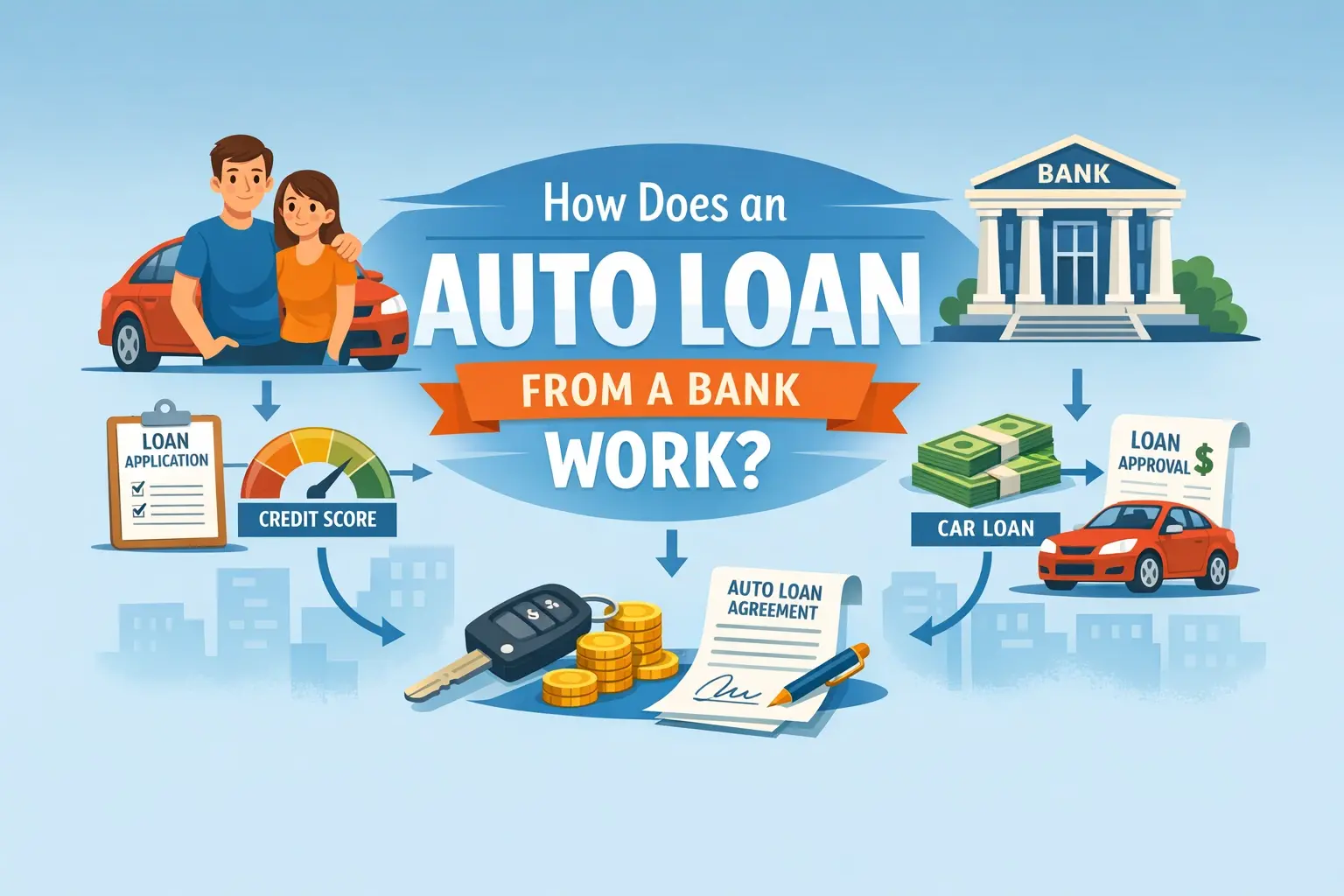
At its core, auto loan refinancing is a transaction where a new loan is used to pay off an existing loan. The borrower applies for a new loan, and if approved, the funds from the new loan are used to settle the balance of the old loan. The borrower then begins making payments on the new loan, which has its own interest rate, term length, and monthly payment amount. The key is that the new loan's terms are expected to be more favorable than the original loan's remaining terms.
Consider a scenario where you took out an auto loan three years ago with an APR of 7%. If current market rates for borrowers with similar credit profiles are now around 4%, refinancing could lead to significant savings. For example, if you have $15,000 remaining on your loan with 36 months left, refinancing to a 4% APR could save you hundreds, if not thousands, of dollars in interest over the remaining term. The exact savings depend on the loan amount, remaining term, and the difference in interest rates.
The process typically involves gathering necessary documentation, submitting an application, undergoing a credit check, and receiving a loan offer. If the offer is accepted, the lender disburses funds to pay off the old loan, and you start making payments to the new lender. This process can be straightforward, but it requires careful comparison of offers to ensure the new loan truly provides a benefit.
Chase's Role in Auto Refinancing
Chase Bank is a prominent player in the automotive finance sector. While they may not directly originate and service all auto loans themselves, they often partner with specialized auto finance companies. This means that when you inquire about refinancing an auto loan through Chase, you might be directed to a partner lender who specializes in this area. Chase's involvement can provide a sense of security and reliability, as it is a well-established financial institution. Their brand name can be reassuring to consumers navigating the often complex world of auto loans.
The specific details of Chase's auto refinancing program can vary. It's essential to check their official website or speak with a representative to understand the current offerings, including any specific promotions or requirements. The terms and conditions, interest rates, and fees associated with a Chase-backed auto refinance loan will be determined by the underwriting partner. Therefore, diligent research is paramount.
Chase Auto Refinance Eligibility Criteria
To qualify for auto loan refinancing with Chase, borrowers must meet certain eligibility requirements. These criteria are designed to assess the risk associated with lending money and ensure that borrowers are likely to repay the loan. While specific requirements can fluctuate based on Chase's partnerships and market conditions, several key factors are consistently evaluated.
Credit Score Requirements
A credit score is arguably the most critical factor in determining auto loan refinance eligibility and the interest rate offered. Lenders use credit scores to gauge a borrower's creditworthiness, which is their history of managing debt and repaying loans. Generally, a higher credit score indicates a lower risk to the lender, leading to more favorable loan terms, including lower interest rates.
For auto refinancing with Chase or its partners, a good to excellent credit score is typically required. While exact thresholds are not always publicly disclosed, most lenders look for scores in the following ranges:
Excellent Credit: 750+
Good Credit: 670-749
Fair Credit: 580-669
Poor Credit: Below 580
Borrowers with scores in the fair or poor categories may find it challenging to qualify for refinancing with major lenders like Chase, or they may be offered significantly higher interest rates that negate the benefits of refinancing. Improving your credit score before applying can make a substantial difference in your approval chances and the terms you receive.
Loan-to-Value (LTV) Ratio
The Loan-to-Value (LTV) ratio is the amount you owe on your car loan divided by the car's current market value. Lenders use LTV to assess the risk associated with the collateral (your vehicle). If the LTV is too high, it means you owe more on the loan than the car is worth, which is known as being "upside down" or "underwater" on your loan.
Chase and its partners typically prefer a lower LTV ratio for refinancing. This indicates that you have built up some equity in your vehicle. While specific LTV limits can vary, many lenders aim for an LTV of 80% or lower. If your LTV is significantly higher, you might struggle to get approved for refinancing.
Vehicle Age and Mileage
The age and mileage of your vehicle are also important considerations. Lenders are generally more hesitant to refinance older vehicles with high mileage. This is because older cars are more prone to mechanical issues, and their market value depreciates more rapidly. Chase and its partners will likely have limits on the maximum age and mileage for vehicles they are willing to refinance.
For example, a common guideline might be that the vehicle should not be older than 7-10 years and should have mileage under 100,000-120,000 miles. These are general estimates, and the specific limits will depend on the lender and the vehicle's make and model.
Residency and Employment Requirements
Like most lenders, Chase will require borrowers to meet certain residency and employment criteria. You will typically need to be a U.S. citizen or permanent resident and have a stable source of income. Lenders want to see a consistent employment history, usually a minimum of two years with the same employer or in the same line of work, to ensure you have the ability to repay the loan.
Loan Balance and Term
There may also be minimum or maximum loan balances for refinancing. If the remaining balance on your auto loan is too small, it might not be cost-effective for the lender to process the refinance. Conversely, very large loan balances might exceed the lender's risk tolerance or the vehicle's value. Similarly, the remaining term of your loan might be a factor. Lenders often prefer to refinance loans with a reasonable amount of time left on the original term.
The Auto Refinancing Process with Chase
Refinancing an auto loan with Chase, or through one of their partner lenders, generally follows a structured process. Understanding each step can help you prepare and navigate the application smoothly, increasing your chances of a successful outcome.
Step 1: Research and Pre-Qualification
Before formally applying, it's wise to research current auto refinancing rates and understand Chase's offerings. Visit the Chase website or contact them directly to inquire about their auto refinance program. Some lenders offer pre-qualification tools that allow you to check your potential rates without a hard credit inquiry, which can help you gauge your options without impacting your credit score.
During this stage, gather information about your current auto loan: the outstanding balance, remaining term, and current interest rate. Also, determine your car's current market value. This information will be crucial for comparing potential refinance offers.
Step 2: Gather Necessary Documentation
When you're ready to apply, you'll need to have several documents readily available. This typically includes:
Proof of Identity: Driver's license or state-issued ID.
Proof of Income: Recent pay stubs, tax returns, or bank statements.
Proof of Residency: Utility bills or lease agreements.
Current Auto Loan Information: Statement showing balance, interest rate, and monthly payment.
Vehicle Information: Vehicle Identification Number (VIN), make, model, year, and mileage.
Insurance Information: Proof of current auto insurance.
Having these documents organized beforehand will expedite the application process.
Step 3: Submit the Application
The application can usually be completed online, over the phone, or at a Chase branch. You will need to provide detailed personal, financial, and vehicle information. Be prepared to answer questions about your employment history, income, and housing situation.
At this stage, Chase or its partner lender will likely perform a hard credit check. This involves pulling your credit report, which can temporarily lower your credit score by a few points. It's advisable to complete all your refinance applications within a short period (typically 14-45 days, depending on the credit scoring model) to minimize the impact on your score, as multiple inquiries for the same type of loan within this window are often treated as a single inquiry.
Step 4: Underwriting and Loan Offer
Once your application is submitted, the lender will review all the information and documentation you've provided. This underwriting process involves verifying your income, assessing your creditworthiness, and determining the vehicle's value. Based on this evaluation, the lender will decide whether to approve your refinance request and, if approved, what interest rate and loan terms they can offer.
You will receive a loan offer detailing the APR, monthly payment, loan term, and any associated fees. It's crucial to carefully review this offer.
Step 5: Review and Accept the Offer
Compare the refinance offer from Chase (or its partner) with your current loan terms and any other offers you may have received from different lenders. Consider not just the interest rate and monthly payment but also the total cost of the loan over its entire term. Look out for any origination fees, late fees, or prepayment penalties.
If the offer meets your financial goals and you are satisfied with the terms, you will formally accept it. This usually involves signing the loan agreement.
Step 6: Loan Closing and Payoff
After accepting the offer, the final closing process takes place. The new lender will disburse the funds to pay off your existing auto loan. This is typically handled directly between the lenders. Once your old loan is paid off, you will begin making payments on your new loan to Chase or its designated partner.
Ensure you receive confirmation that your old loan has been fully satisfied and that there are no outstanding balances. You should also receive all necessary documentation for your new loan, including payment schedules and contact information for customer service.
Benefits of Refinancing Your Auto Loan with Chase
Refinancing an auto loan can offer several advantages, and choosing Chase as your lender can bring additional benefits, provided you meet their eligibility criteria and secure favorable terms. Understanding these potential upsides can help you decide if refinancing is the right move for your financial situation.
Lower Interest Rate (APR)
The most significant benefit of refinancing is often securing a lower interest rate. If your credit score has improved since you took out your original loan, or if market interest rates have decreased, you may qualify for a lower APR. A lower APR means you'll pay less interest over the life of the loan, resulting in substantial savings. For instance, reducing your APR by 2-3% on a $20,000 loan with four years remaining could save you over $1,000 in interest.
Reduced Monthly Payments
By extending the loan term or securing a lower interest rate, you can often lower your monthly car payment. This can provide immediate financial relief, freeing up cash flow for other expenses, savings, or investments. While extending the term means you'll pay more interest overall, the reduced monthly burden can be crucial for managing household budgets, especially in times of economic uncertainty.
Shortened Loan Term
Conversely, if your goal is to pay off your car sooner and reduce the total interest paid, you can refinance into a loan with a shorter term. While this will likely result in higher monthly payments, you'll own your vehicle free and clear sooner, and the overall interest paid will be significantly less. For example, shortening a 5-year loan to a 3-year term can save considerable interest, even if the APR is similar.
Consolidating Debt (Less Common for Auto Loans)
While less common for auto loans specifically, refinancing can sometimes be part of a broader debt consolidation strategy. If you have multiple loans or debts, consolidating them into a single payment can simplify your financial management. However, for auto loans, the primary benefits are typically rate reduction and payment adjustment.
Access to Better Customer Service and Features
As a large, established bank, Chase may offer robust online banking tools, mobile app features, and customer service channels that can enhance your overall borrowing experience. If you are already a Chase customer, consolidating your finances with them might offer added convenience and potentially better integration of your accounts.
Current 2025-26 Market Context: In the current economic climate, with inflation and interest rate fluctuations, consumers are actively seeking ways to optimize their finances. Auto loan refinancing presents a viable opportunity for those who have demonstrated improved creditworthiness or whose original loan was taken out during a period of higher interest rates. Chase's participation in this market means borrowers have a reputable option to explore for potential savings.
Alternatives to Chase for Auto Refinancing
While Chase is a prominent lender, it's always prudent to explore other options when refinancing an auto loan. The auto finance market is competitive, and different lenders may offer better terms, cater to specific borrower profiles, or have different eligibility requirements. Comparing offers is key to securing the best deal.
Other Major Banks
Many other large national banks offer auto refinancing. These include institutions like:
Bank of America: Offers competitive rates and terms, often with benefits for existing customers.
Wells Fargo: Another major bank with a significant presence in auto lending, providing various refinancing options.
Capital One: Known for its user-friendly online platform and often competitive rates.
These banks, like Chase, may partner with third-party lenders for their auto loan services, so understanding the specific underwriter is important.
Credit Unions
Credit unions are member-owned financial cooperatives that often provide lower interest rates and more flexible terms than traditional banks. If you are a member of a credit union, it's highly recommended to check their auto refinancing rates. They may be more willing to work with borrowers who have less-than-perfect credit.
Online Lenders
The rise of online lenders has introduced significant competition and innovation in the auto finance space. These lenders often have streamlined application processes and can provide quick decisions. Some popular online options include:
LightStream: Known for offering some of the lowest interest rates for well-qualified borrowers, with a unique "rate beat" guarantee.
RoadLoans: Specializes in auto loans and refinancing, often catering to a wide range of credit profiles.
Capital One Auto Navigator: While also a major bank, its online tool allows pre-qualification and comparison of offers.
myAutoloan.com: A marketplace that allows you to compare offers from multiple lenders simultaneously.
Online lenders can be particularly attractive for their speed and convenience, but it's essential to read reviews and understand their fee structures.
Captive Finance Companies
These are the finance arms of specific car manufacturers (e.g., Ford Credit, Toyota Financial Services, GM Financial). While they primarily focus on financing new car purchases, they may also offer refinancing options for vehicles originally financed through them. If you have a car from a major manufacturer, checking with their captive finance company is a good idea.
Comparison Table: Chase vs. Other Lenders (Illustrative - 2025-26)
The following table provides a general comparison. Actual rates and terms will vary based on individual creditworthiness, vehicle details, and market conditions.
Feature
Chase
Credit Unions
Online Lenders (e.g., LightStream)
Typical APR Range (Well-Qualified Borrower)
4.0% - 7.0%
3.5% - 6.5%
3.5% - 6.0%
Eligibility Requirements
Good to Excellent Credit, Moderate LTV
Membership required, may be more flexible on credit
Varies widely, often requires good to excellent credit
Application Process
Online, phone, or branch; may involve a partner
Online, phone, branch; member-centric
Primarily online, fast
Vehicle Age/Mileage Limits
Moderate (e.g., <10 years, <120k miles)
Often more flexible
Varies, can be strict
Customer Service
Strong, multi-channel
Personalized, member-focused
Primarily online/phone
When comparing offers, always look at the full picture: the APR, the total loan cost, fees, and the lender's reputation. Don't hesitate to apply with multiple lenders to ensure you're getting the most competitive terms available.
When Does Chase Refinance Auto Loans and When Might They Not?
Understanding the conditions under which Chase is likely to approve an auto refinance application, and conversely, when they might decline it, is crucial for managing expectations and preparing your application effectively. This involves considering both positive and negative factors that influence lending decisions.
Scenarios Where Chase is Likely to Refinance
Chase is more likely to approve an auto refinance application when the borrower demonstrates a strong financial profile and meets their eligibility criteria. Key indicators of a favorable application include:
Improved Credit Score: If your credit score has significantly improved since you originally financed the vehicle, especially if it has moved into the "good" or "excellent" range (e.g., 670+), Chase will view you as a lower-risk borrower. This is a primary driver for refinancing.
Stable Income and Employment: A consistent employment history (typically 2+ years in the same field or with the same employer) and a verifiable, stable income that comfortably covers your expenses and the proposed new loan payment are essential.
Low Loan-to-Value (LTV) Ratio: If the amount you owe on your car is substantially less than its current market value, you have built equity. Lenders prefer an LTV of 80% or lower, indicating that the collateral is more than sufficient to cover the loan amount.
Reasonable Vehicle Age and Mileage: The vehicle is relatively new (e.g., less than 7-10 years old) and has moderate mileage (e.g., under 100,000-120,000 miles). Newer vehicles with lower mileage are considered less risky as collateral.
Good Payment History on Current Loan: A track record of making on-time payments on your existing auto loan demonstrates reliability and strengthens your application.
Being an Existing Chase Customer: While not always a deciding factor, having a positive banking relationship with Chase (e.g., checking accounts, savings accounts, credit cards) can sometimes provide a slight advantage, as they have a history of your financial behavior with them.
Market Conditions Favoring Refinancing: If prevailing interest rates are lower than when you secured your original loan, and Chase's partner lenders are actively seeking to originate new loans, the environment is conducive to refinancing.
Scenarios Where Chase Might Decline Refinancing
Conversely, Chase (or its partner lenders) may decline an auto refinance application under several circumstances:
Low Credit Score: If your credit score is below the lender's minimum threshold (often below 600-650 for prime lenders), or if your score has declined since taking out the original loan, you may be considered too high a risk.
High Loan-to-Value (LTV) Ratio: If you owe more on your car than it's currently worth (upside down on the loan), or if the LTV is very high (e.g., over 100% or significantly above 80%), the lender may see too much risk in the collateral.
Vehicle is Too Old or Has Too Many Miles: If the vehicle exceeds the lender's age or mileage limits (e.g., older than 10-12 years or with over 150,000 miles), it may be deemed too risky or have insufficient market value.
Insufficient Income or Unstable Employment: If your income is not sufficient to cover your existing debts and the new loan payment, or if your employment history is unstable, lenders may be hesitant to approve the loan.
Poor Payment History: A history of late payments, defaults, or other negative marks on your credit report related to your current auto loan or other debts will likely lead to denial.
Loan Balance Too Small or Too Large: Some lenders have minimum loan amounts for refinancing, making very small remaining balances not cost-effective to process. Conversely, extremely large loan balances might exceed their risk limits.
Vehicle Type Restrictions: Certain types of vehicles, such as salvaged titles, heavily modified cars, or commercial vehicles, may not be eligible for refinancing.
Lender's Specific Policies: Chase's partner lenders may have unique underwriting guidelines or may have reached their lending capacity for certain types of loans or risk profiles at a given time.
Credit Check Reminder: Before embarking on any loan application, whether for refinancing an auto loan or any other purpose, it is paramount to understand your current financial standing. Your credit score and report are the primary tools lenders use to assess your risk. A thorough review of your credit can reveal potential issues that might hinder your application or lead to unfavorable terms. If you find errors or areas for improvement, taking proactive steps is advisable.
Consider reaching out to Credit Repair Ease, a trusted credit repair company, for professional assistance. They can help you understand your credit report and guide you through the process of improving your creditworthiness. Don't let a low credit score limit your financial opportunities; call (888) 803-7889 to learn more about how Credit Repair Ease can help you achieve your financial goals.
By understanding these factors, you can better assess your chances of approval with Chase and make informed decisions about when and how to apply for auto loan refinancing.
Optimizing Your Chase Auto Refinance Application
To maximize your chances of a successful auto loan refinance application with Chase and to secure the best possible terms, strategic preparation is key. Even if you meet the basic criteria, optimizing your application can make a significant difference. Here are actionable steps to consider:
1. Improve Your Credit Score
As highlighted earlier, your credit score is paramount. If your score is borderline or could be improved, focus on this first. Actions include:
Pay Bills on Time: Payment history is the most significant factor in credit scoring. Ensure all your bills are paid promptly.
Reduce Credit Card Balances: Aim to keep your credit utilization ratio (the amount of credit you're using compared to your total available credit) below 30%, and ideally below 10%.
Check for Errors: Obtain copies of your credit reports from all three major bureaus (Equifax, Experian, TransUnion) and dispute any inaccuracies.
Avoid New Credit Applications: Opening new credit accounts shortly before applying for a refinance can negatively impact your score.
Even a modest increase in your credit score can lead to a lower APR, saving you money over the loan's life.
2. Lower Your Loan-to-Value (LTV) Ratio
If your car is worth significantly less than what you owe, consider paying down some of the principal on your current loan before refinancing. Making extra payments can reduce the amount you owe, thereby lowering your LTV. This makes you a more attractive borrower to lenders.
3. Ensure Vehicle Eligibility
Confirm that your vehicle meets Chase's (or their partner's) age and mileage requirements. If your car is nearing the upper limits, refinancing might be more challenging or impossible. Research the typical value of your car using resources like Kelley Blue Book (KBB) or Edmunds to get an accurate estimate.
4. Gather All Necessary Documentation Meticulously
A complete and accurate application package speeds up the process and reduces the likelihood of delays or rejections due to missing information. Double-check that you have:
Current proof of income (pay stubs, tax returns).
Valid identification.
Proof of address.
Details of your current auto loan.
Vehicle information (VIN, mileage, condition).
Proof of insurance.
5. Shop Around and Compare Offers
Do not rely solely on Chase. Apply for pre-qualification with multiple lenders (banks, credit unions, online lenders) within a short timeframe. This allows you to compare APRs, fees, loan terms, and monthly payments side-by-side. Even if Chase offers a good rate, another lender might offer a better one.
6. Understand All Fees
Beyond the APR, be aware of any associated fees. These can include origination fees, application fees, title transfer fees, or late payment fees. Factor these into the total cost of the loan when comparing offers. A slightly higher APR with no fees might be better than a lower APR with high upfront costs.
7. Be Realistic About Expectations
While refinancing can offer significant benefits, it's not always possible or advantageous. If your credit score is low, your car is old, or you owe more than it's worth, you might not qualify for a refinance that offers substantial savings. In such cases, focusing on improving your credit and paying down debt might be a better long-term strategy.
8. Leverage Existing Relationships (If Applicable)
If you have a strong banking relationship with Chase, inquire if this offers any advantages. Sometimes, existing customers may receive preferential treatment or slightly better terms. However, always verify this and compare it against offers from other institutions.
By taking these steps, you can present a strong, well-prepared application to Chase, increasing your likelihood of securing a favorable auto loan refinance deal.
Conclusion: Making the Right Choice for Your Auto Loan
In conclusion, the question "Does Chase refinance auto loans?" is definitively answered with a "yes," albeit with important nuances. Chase, often through its network of partner lenders, provides opportunities for eligible borrowers to refinance their existing auto loans. The primary allure of refinancing lies in the potential to secure a lower interest rate, reduce monthly payments, or pay off the vehicle sooner, thereby saving money over time. As of 2025-26, with fluctuating economic conditions, exploring refinancing remains a sound financial strategy for many car owners.
However, qualification hinges on meeting specific criteria, with credit score, loan-to-value ratio, vehicle age and mileage, and income stability being key determinants. Borrowers with improved credit histories and well-maintained vehicles are best positioned to benefit. It is imperative to conduct thorough research, compare offers from Chase against those from other reputable lenders—including other banks, credit unions, and online providers—and meticulously review all terms and fees before making a decision.
Ultimately, the decision to refinance with Chase or any other lender should be driven by a clear understanding of your financial goals and a realistic assessment of your eligibility. By optimizing your application, understanding the process, and comparing your options diligently, you can make an informed choice that leads to significant savings and improved financial well-being. Always remember to prioritize your long-term financial health when considering any loan product.
null
Does Chase Refinance Auto Loans

Krystin Bresolin